
Lifestyle
Gaziantep: Türkiye’s food capital and gateway to opportunity

Whether you are an adventurous traveler or simply looking for a relaxing holiday, if you have not yet visited Türkiye’s “food capital,” a UNESCO Creative City of Gastronomy, and the jewel of southeastern Anatolia, it is time to pack your bags.
I experienced Turkish hospitality the moment I arrived at the airport. Ali Küncülü, a Gaziantep-born Swedish resident, kindly offered me a comfortable ride to the hotel in the city center.
Gaziantep is a fascinating blend of ancient history, world-renowned gastronomy, Roman mosaics, centuries-old stone bazaars, legendary pistachio desserts, traditional Turkish baths and countless remarkable attractions.
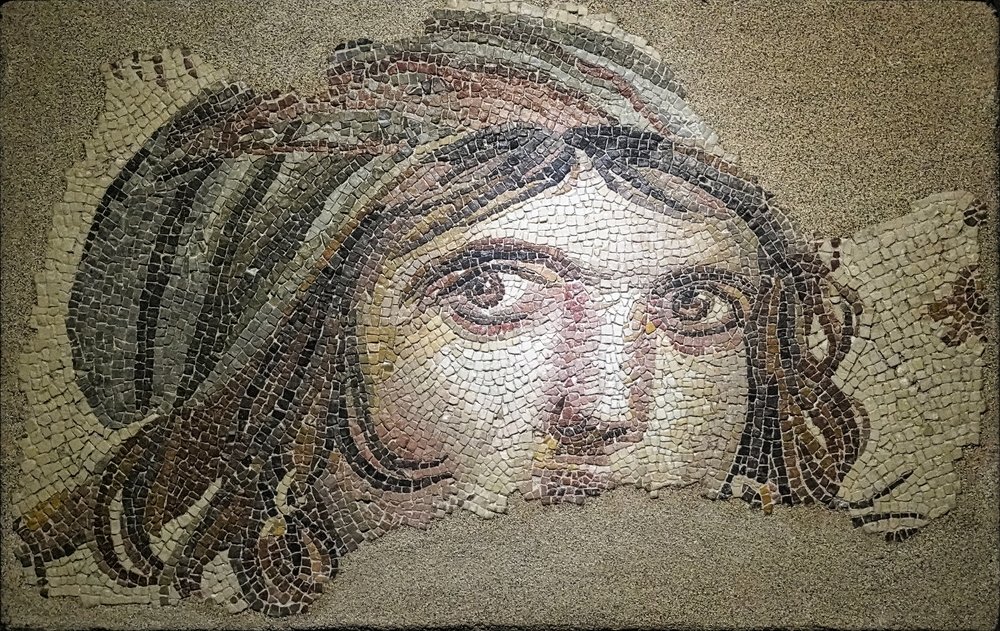
In 2023, I explored Gaziantep’s historic treasures, including its majestic mosques, fortress, centuries-old bazaars and museums. This time, however, I wanted to experience the city’s community spirit. What followed became an unforgettable travel memory.
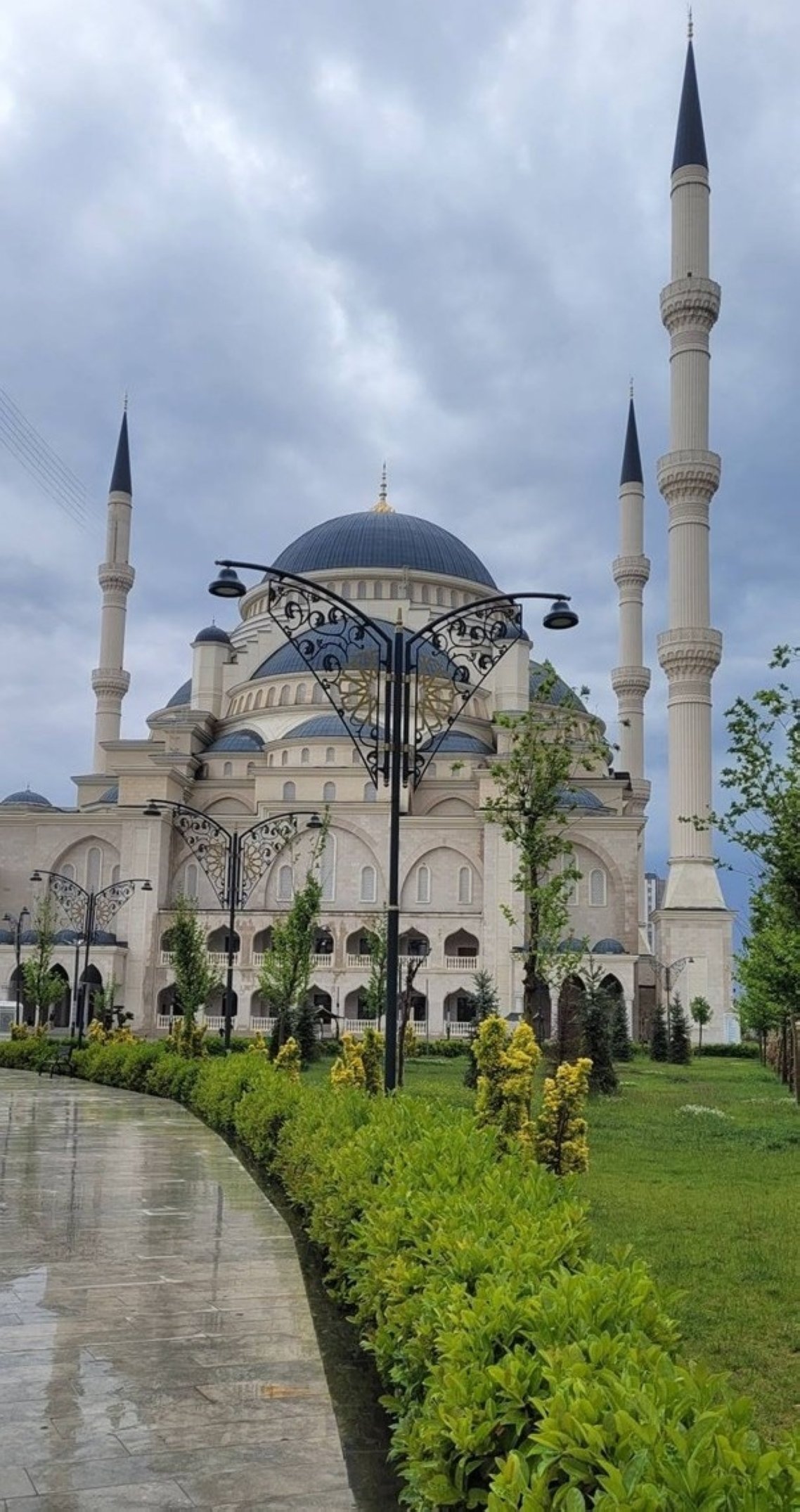
Şahinbey Millet Camii (Millet Mosque) beautifully reflects Islamic architectural traditions while incorporating modern facilities designed to serve the entire community. The city’s electric tram provides convenient access, with a stop located directly beside the mosque. As I stepped off the tram, I noticed a young female driver confidently operating the vehicle – a reflection of modern Türkiye.
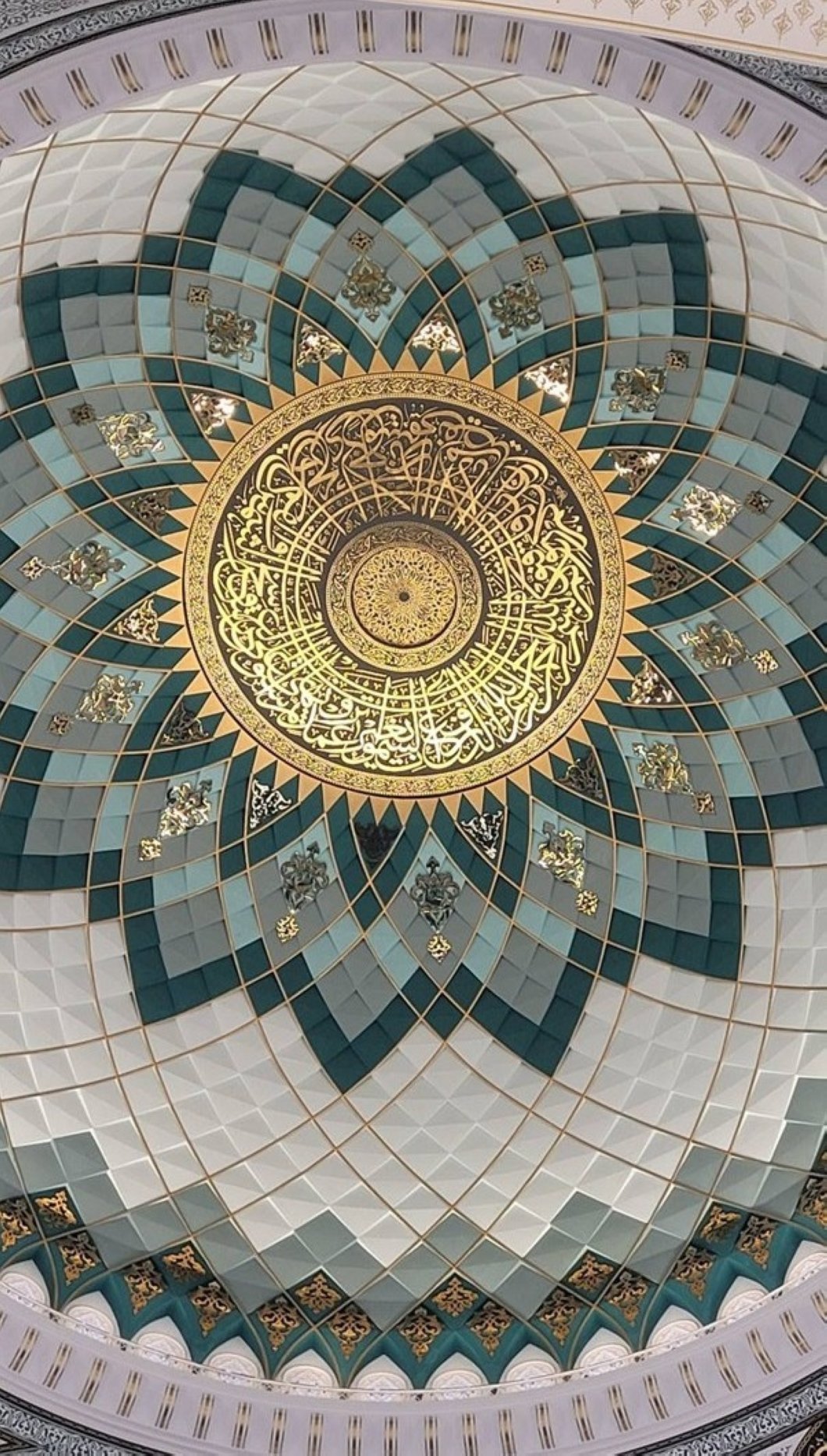
The mosque offers a wide range of community facilities, including spaces for marriage ceremonies (nikah), condolence gatherings, children’s play areas, cafes, souvenir shops and vendors dressed in traditional Ottoman-style attire. These tea sellers, known as çaycı, are a familiar sight around tourist attractions, serving freshly brewed Turkish black tea while proudly preserving Ottoman traditions.
Later, around Gaziantep University, I noticed that many neighbourhood mosques follow a similar community-centered design. They provide separate seating areas for women and children, outdoor exercise equipment, playgrounds, green spaces, ablution and restroom facilities, cat shelters and social gathering areas.
Among the many features that make Gaziantep such a vibrant and modern city to visit, study or retire in are its people-friendly municipal services. I personally witnessed free tram and public transport during Eid celebrations, comfortable public spaces around parks, hospitals and city centers for people observing Ramadan, discounted municipal markets held every Saturday across the city’s districts, and Diyanet centres equipped with study-friendly facilities.
While exploring the city, I learned that Şahinbey Municipality provided food assistance to more than 28,000 low-income families during Ramadan.
Gaziantep continues to develop rapidly. The upscale district of Gazi Osman Paşa features Prime Mall, modern high streets, international brands, thriving businesses and impressive new developments, including the luxurious Iconova residential skyscraper complex.
Its seven iconic towers feature distinctive geometric rooftops that, from above, are said to resemble the Arabic calligraphy of the name Allah. Gaziantep native Husameddin Musab Destan explained the city’s growing investment potential, highlighting its strategic location at the crossroads of regional trade.
Destan showed me several newly developed residential districts, including Ibrahimli, whose modern skyline resembles parts of Dubai and Abu Dhabi. During our journey, we also discussed the remarkable history of Turkic peoples, whose influence stretches from Bosnia-Herzegovina, Serbia and Hungary to China, Pakistan and India, where Turkic dynasties once established powerful kingdoms.
Recent geopolitical developments, including conflict involving Iran and the voluntary return of many Syrians to help rebuild their country, have created new opportunities for businesses operating between Syria and Türkiye. Gaziantep, located near the border, is well positioned to benefit from these changing economic dynamics.
President Recep Tayyip Erdoğan’s recent investment incentives and tax benefits for foreign investors further signal Türkiye’s commitment to attracting international business. Combined with Mayor Fatma Şahin’s long-term vision of transforming Gaziantep into a regional economic hub, these policies continue to stimulate growth in the city’s property and construction sectors.
Gaziantep street life
A stroll through Gaziantep reveals cafes and restaurants named after famous European cities, reflecting the city’s cosmopolitan character. The city is highly tourist-friendly; visitors can simply press the yellow buttons installed on roadside poles to summon a taxi.
Tourists should note that taxis charge a minimum fare of approximately TL 200 ($4) regardless of distance, with fares displayed on the meter. Using Google Maps to plan journeys is therefore highly recommended.
Stray cats are an integral part of life in Gaziantep. Friendly and well cared for, they often wait outside supermarkets and restaurants, where regular customers feed them. It is common to see residents leaving bags of bread beside rubbish bins for animals, reflecting the city’s strong culture of sustainability and compassion.
Despite the warm atmosphere, visitors should remember that smiling at strangers is less common than in places such as Yorkshire. It is not considered rude. Rather, it reflects local customs and social traditions.
Turks enjoy gathering over coffee or tea, particularly in the evenings. Nearly every cafe, restaurant and tea house is filled with people, especially around weekends and near the university district.
Many establishments are decorated with themes inspired by Turkish history and culture. Bread is rarely baked at home. Instead, each neighborhood typically has traditional clay ovens producing a wide variety of breads, including lavaş, simit, katmer, full-grain breads and wheat bread. I also visited popular student restaurants, including Gözde Kebap.
The Turkish Ministry of Agriculture has recently promoted its Whole Wheat Bread Campaign to encourage healthier eating habits. Baking traditions remain deeply rooted in Turkish society. Families often prepare large pots filled with meat and vegetables before taking them to neighborhood ovens, where they are professionally baked for a modest fee.
Like many European countries, Türkiye has a deep passion for football. During April and May 2026, I witnessed Gaziantep FK supporters celebrating their club’s victories by waving flags and chanting enthusiastically throughout the city.
While walking through Gaziantep’s neighbourhoods, my host, Syrian English teacher Fatema Zahra Salem, shared fascinating stories about mixed marriages and the emergence of a unique Syrian-Turkish cultural identity. Through her, I met several Turkish entrepreneurs working in partnership with Syrian businesspeople.
Together, we enjoyed lahmacun, yalanji (stuffed vine leaves), stuffed grape leaves and many other dishes that beautifully combine Syrian and Turkish culinary traditions.
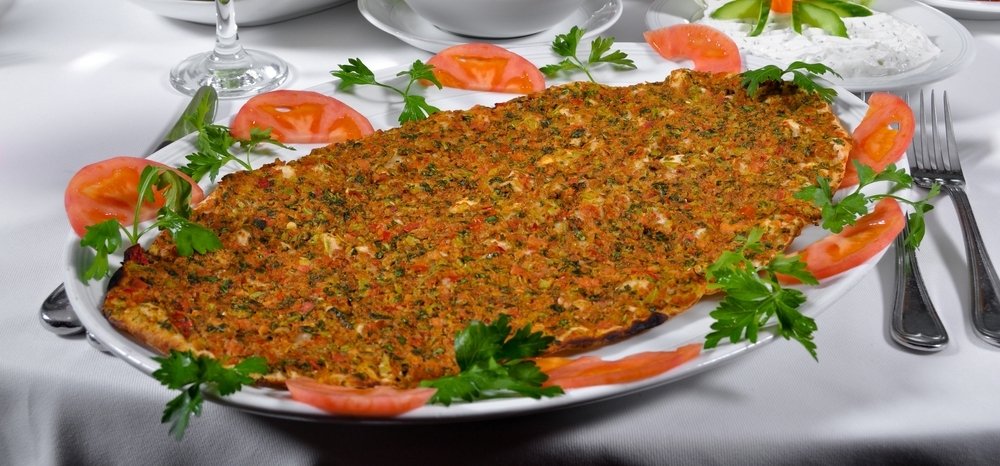
Today, dishes such as kebab, şiş köfte and halwa remain living reminders of the cultural exchanges that flourished under Turkic dynasties across South Asia, Central Asia, the Middle East, Eastern Europe and the Balkans. Their influence continues to shape food, language, clothing and customs across these regions.
I also met Gaziantep’s respected scholars and welcoming hosts, Hanifi Çanakcı and Hasan Aksut. The city proudly honors its historical figures, whose statues can be found throughout its streets and public spaces.
Gaziantep remains a second home to thousands of Syrians, many of whom will one day serve as informal ambassadors for Türkiye abroad. Although the return of many Syrian refugees has affected parts of the local economy, it has also created new opportunities in construction, trade, and services. As Türkiye’s gateway to Syria, Gaziantep continues to offer significant investment potential.
Fatma Şahin’s vision for Gaziantep
Gaziantep’s growing reputation as one of the world’s leading tourist destinations reflects the vision and leadership of its first female reelected mayor, Fatma Şahin, who previously served as a Cabinet minister and now chairs several national platforms.
During my visit, I admired the city’s libraries, universities, modern shopping centers, beautifully designed parks, colorful amusement facilities and elegant mosques. Above all, Şahinbey Millet Mosque stands as a magnificent reminder of the grandeur of the Ottoman Empire, symbolizing its architectural excellence, nation-building tradition (millet) and enduring cultural legacy.
Sometimes the best escapes do not require long flights or complicated itineraries. Just across the Aegean from Bodrum lies Kos, a Greek island close enough for a spontaneous getaway, yet layered with enough history and culture to feel like a completely different world.
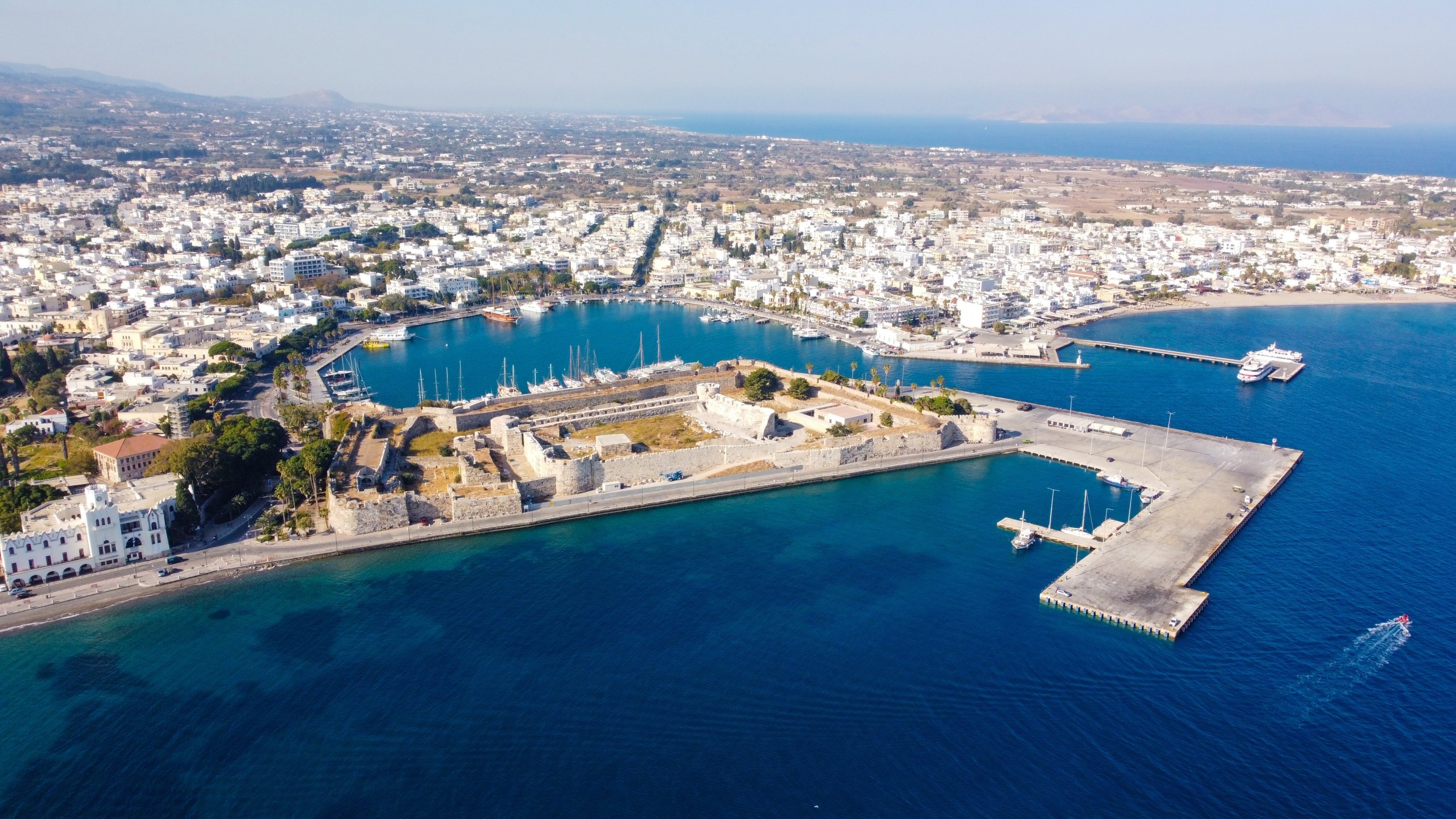
Getting there from Bodrum is part of the experience. Regular ferries connect the two shores during the season, making Kos an easy destination even for a short stay. As Bodrum disappears behind you, it is fascinating to think that these two sides of the Aegean have been connected for centuries through trade, migration, culture and everyday life.
We stayed at Aqua Blu Boutique Hotel Spa, an adults-only boutique hotel near Lambi Beach. Just a few minutes from Kos Town and the harbour, it offers a peaceful setting while still being close to the center. Its contemporary architecture, white-and-blue palette and views across the Aegean create a refined but relaxed Mediterranean atmosphere.
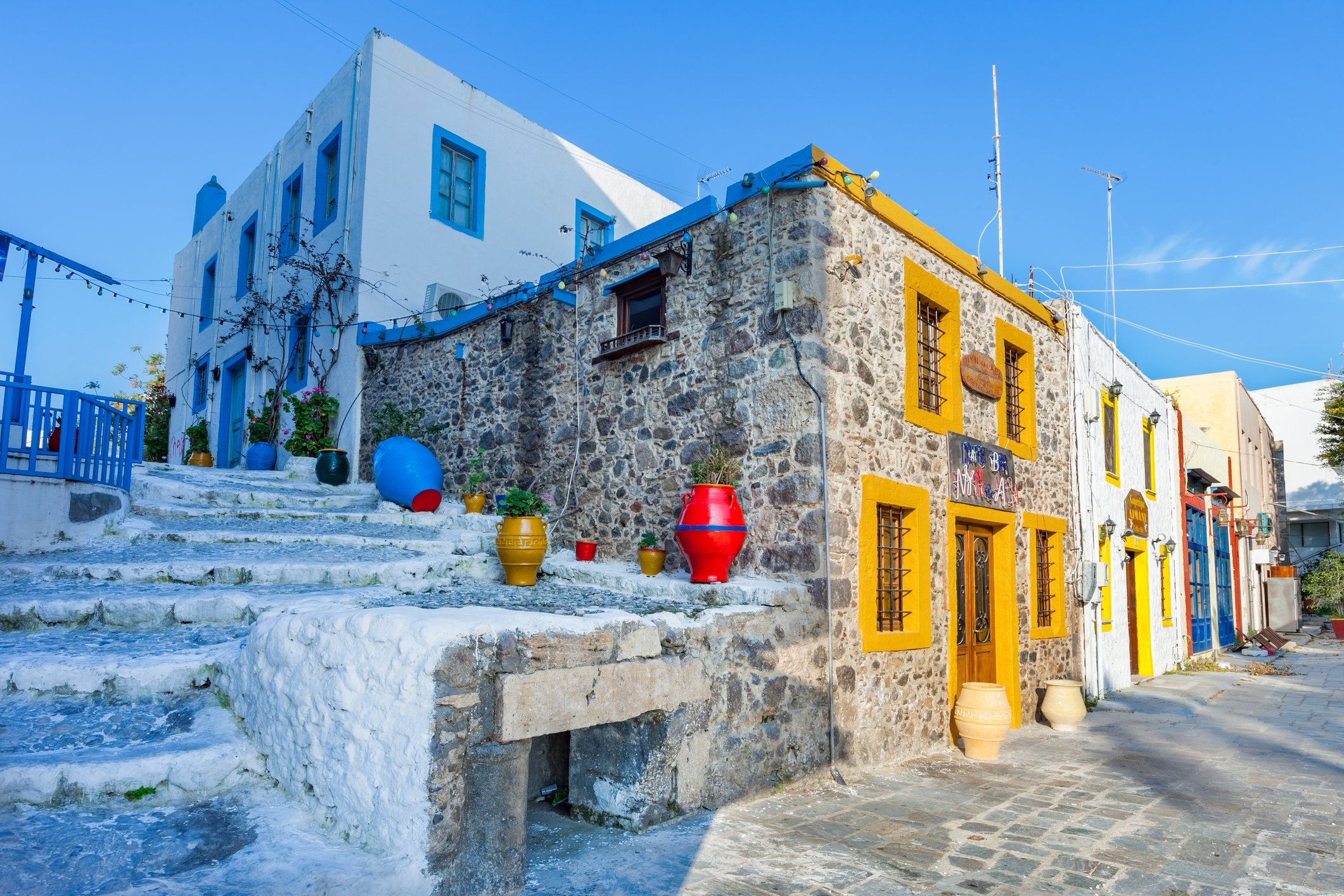
Food is also an important part of the experience. Cuvee Restaurant, located at Aqua Blu, offers a contemporary interpretation of Greek and Mediterranean cuisine. It is particularly beautiful in the evening, when dinner stretches into sunset and the Aegean becomes part of the setting.
But Kos is much more than its beaches and hotels. Walking through Kos Town, you begin to understand how many different cultures have left their mark on this relatively small island.
The island was part of the Ottoman Empire for several centuries, and a Turkish Muslim community lived here alongside the island’s other communities. A Turkish-speaking Muslim minority still lives on Kos today. Traces of this Ottoman period remain visible, particularly in the historic centre, where mosques stand surprisingly close to churches, ancient ruins and later Italian buildings.
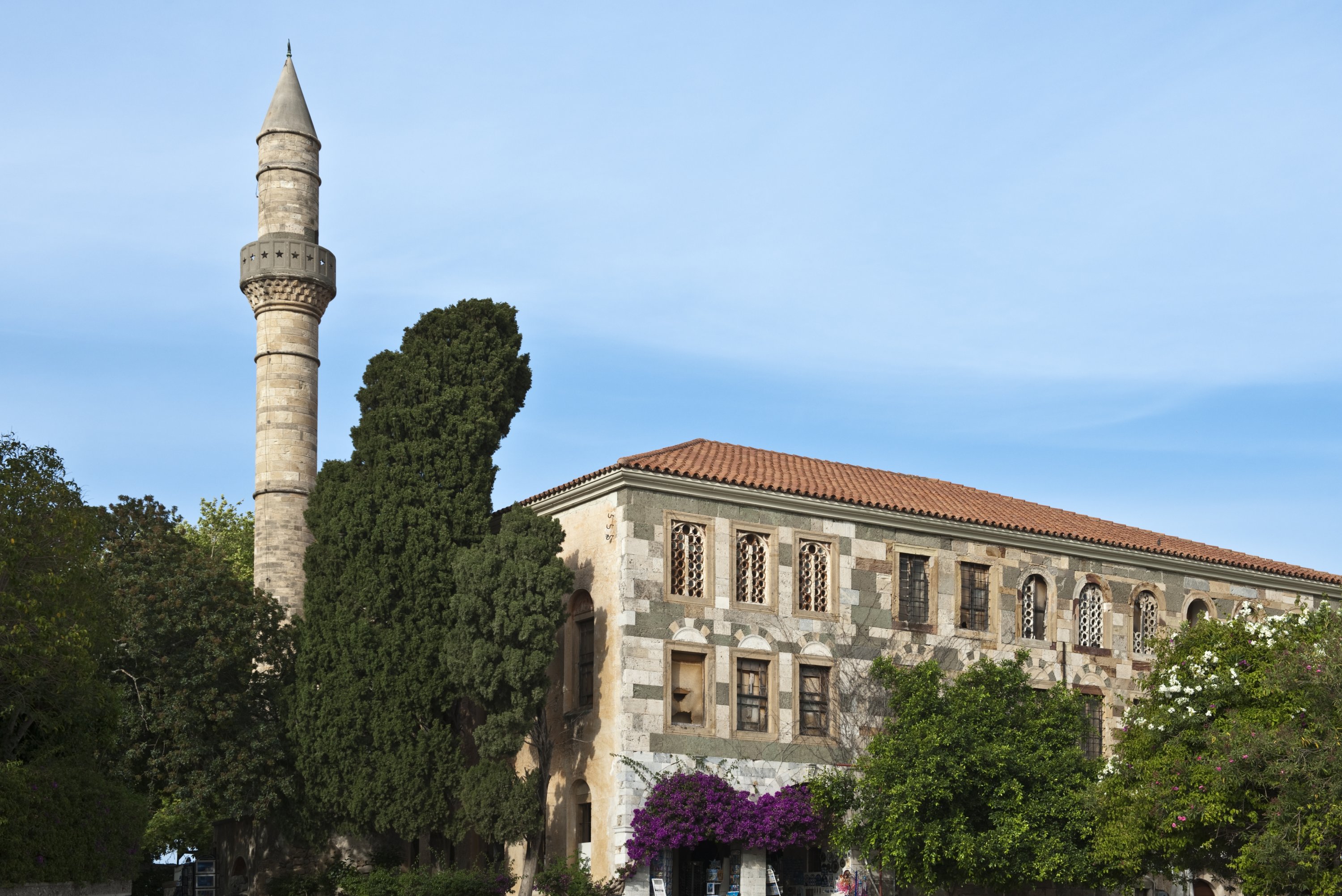
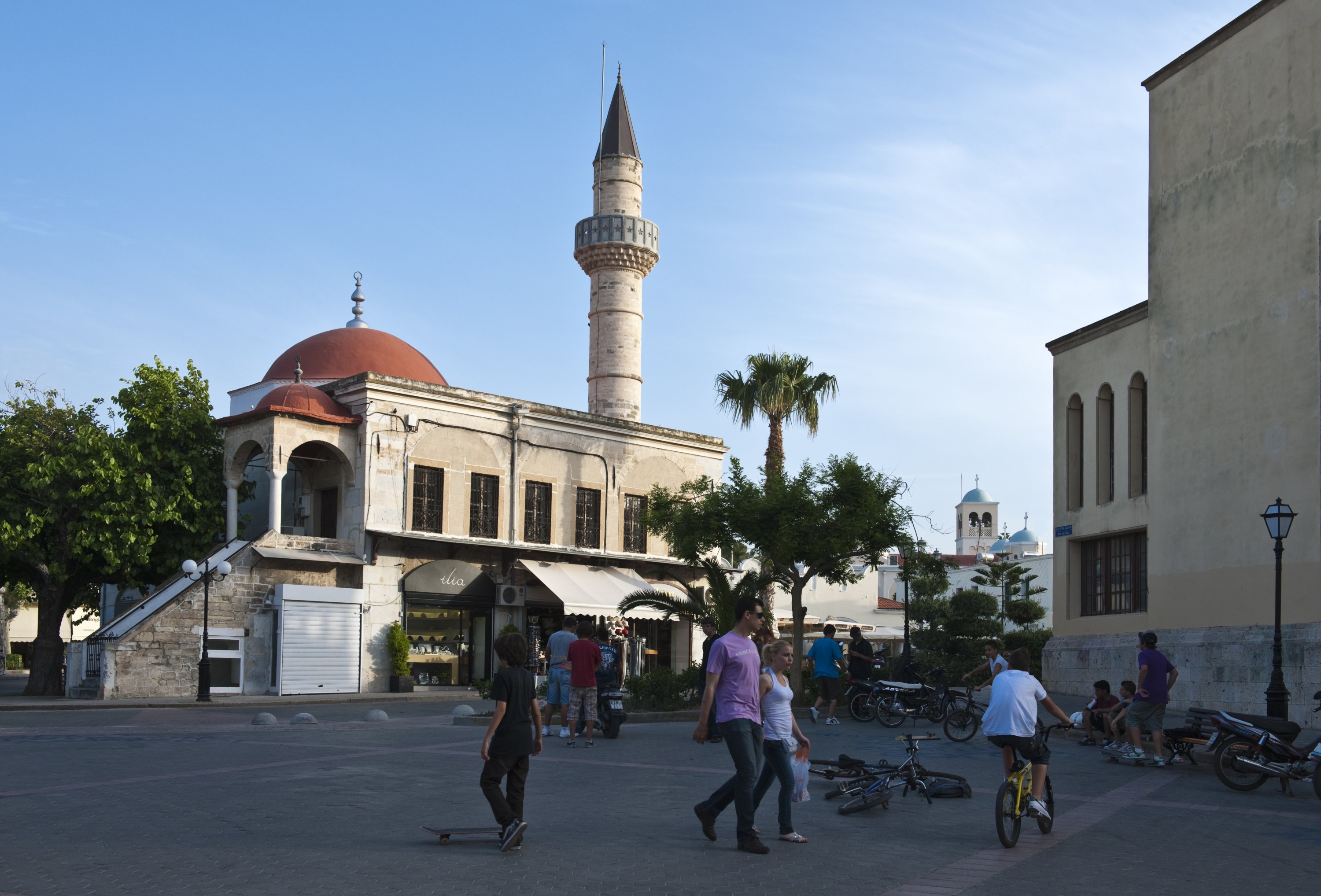
The Defterdar Mosque, overlooking Eleftherias Square, is one of the most recognizable reminders of the Ottoman period, while the Gazi Hasan Pasha Mosque near the Plane Tree of Hippocrates is another important part of this heritage. Together with Orthodox churches, archaeological remains and Italian-era architecture, they tell the story of an island whose identity was shaped by many different chapters.
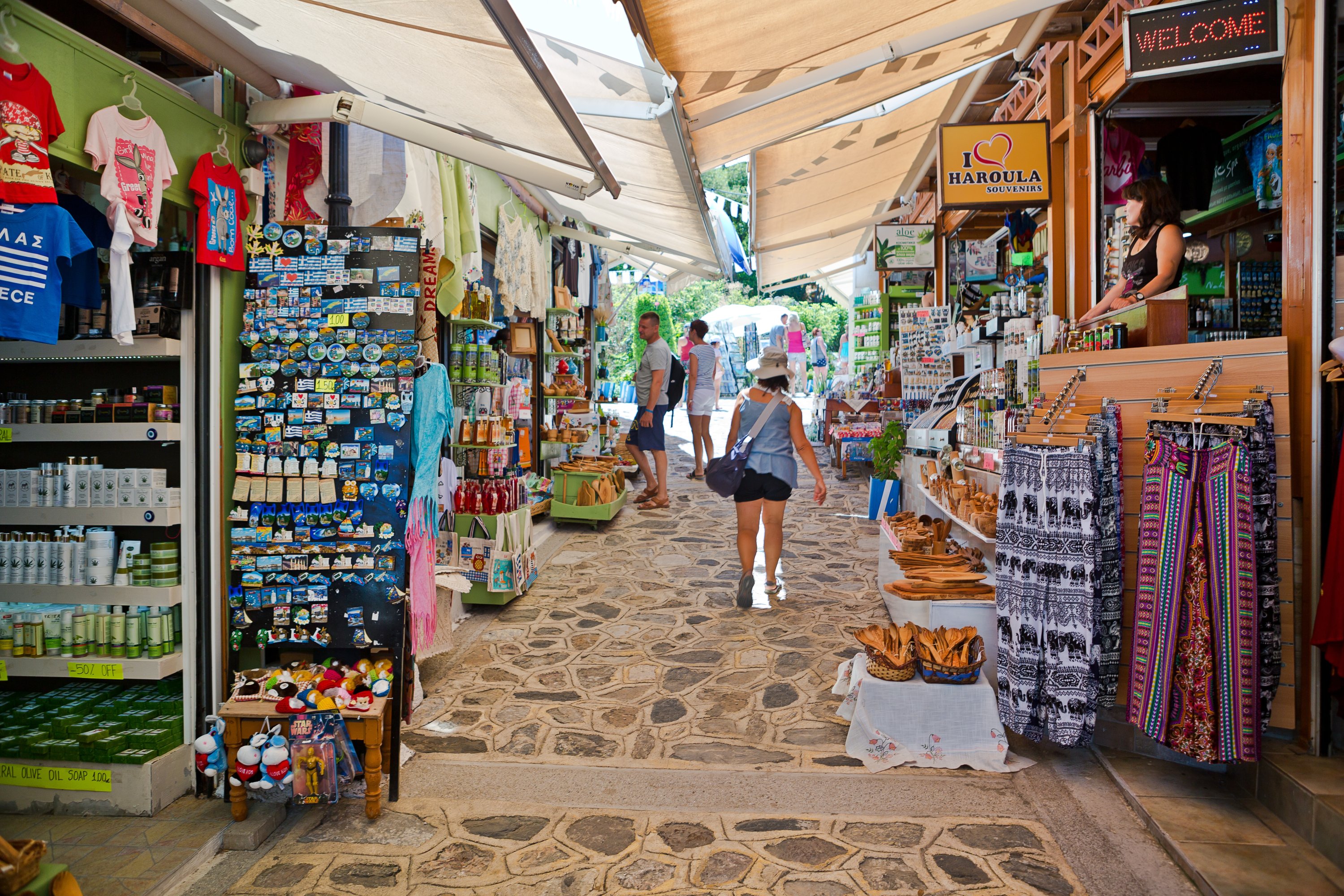
The old çarşı, or bazaar area, also feels strangely familiar to visitors arriving from Türkiye. Small streets filled with cafes, local shops, spices, souvenirs and restaurants carry the atmosphere of an Aegean market town. Even the word çarşı feels appropriate here: Kos and Bodrum may belong to two different countries today, but their shared Aegean culture is often visible in the smallest details – from food and architecture to the rhythm of daily life.
Another place that fascinated me was Albergo Gelsomino. Standing directly by the sea, the building is beautiful at first sight, but its history makes it even more interesting. It dates back to the period when the Dodecanese islands were under Italian rule. Designed by Italian architect Rodolfo Petracco in the late 1920s, it was originally created as a guesthouse for Italian officials and was later used by military authorities, eventually becoming known as the Kos Officers Club.
Almost a century later, the building has been carefully restored as an intimate eight-room boutique hotel while retaining its distinctive Italian architectural character. Today, Albergo Gelsomino holds One Michelin Key, Michelin’s distinction recognising exceptional hotel experiences.
Its restaurant, The Gelsomino, brings another layer to the experience, combining its historic setting with contemporary Greek gastronomy. Led by award-winning chef Gikas Xenakis, it is the kind of place where the surroundings become as memorable as the meal itself – a historic Italian-era building, Greek flavours and the Aegean only a few steps from your table.
This mixture is perhaps what I enjoyed most about Kos. In the space of one walk, you can encounter an ancient archaeological site, an Ottoman mosque, an Orthodox church, an Italian-era building and then find yourself sitting in a lively Greek square.
Kos may look like simply another beautiful Greek island from the Bodrum coast, but once you arrive, its layers begin to reveal themselves. Greek, Ottoman and Italian influences coexist across its streets, while the old çarşı and the familiar landscape constantly remind you how closely connected the two shores of the Aegean have always been.
And perhaps that is the real charm of Kos: it feels foreign and familiar at exactly the same time.

Manavgat Waterfall in the southern province of Antalya, southern Türkiye, draws both domestic and international tourists during the summer months with its powerful flow, lush greenery and cool air.
Formed where the Manavgat River, fed largely by underground springs, cascades across a wide area from a height of 4 to 5 meters (13 to 16 feet), the waterfall stands out for its powerful flow through the rocks and its clear, turquoise waters.
On hot days, the waterfall provides a refreshing refuge. Shaded spots beneath the trees, combined with the cooling effect of the flowing water, make the site a popular destination for visitors looking to escape the heat.
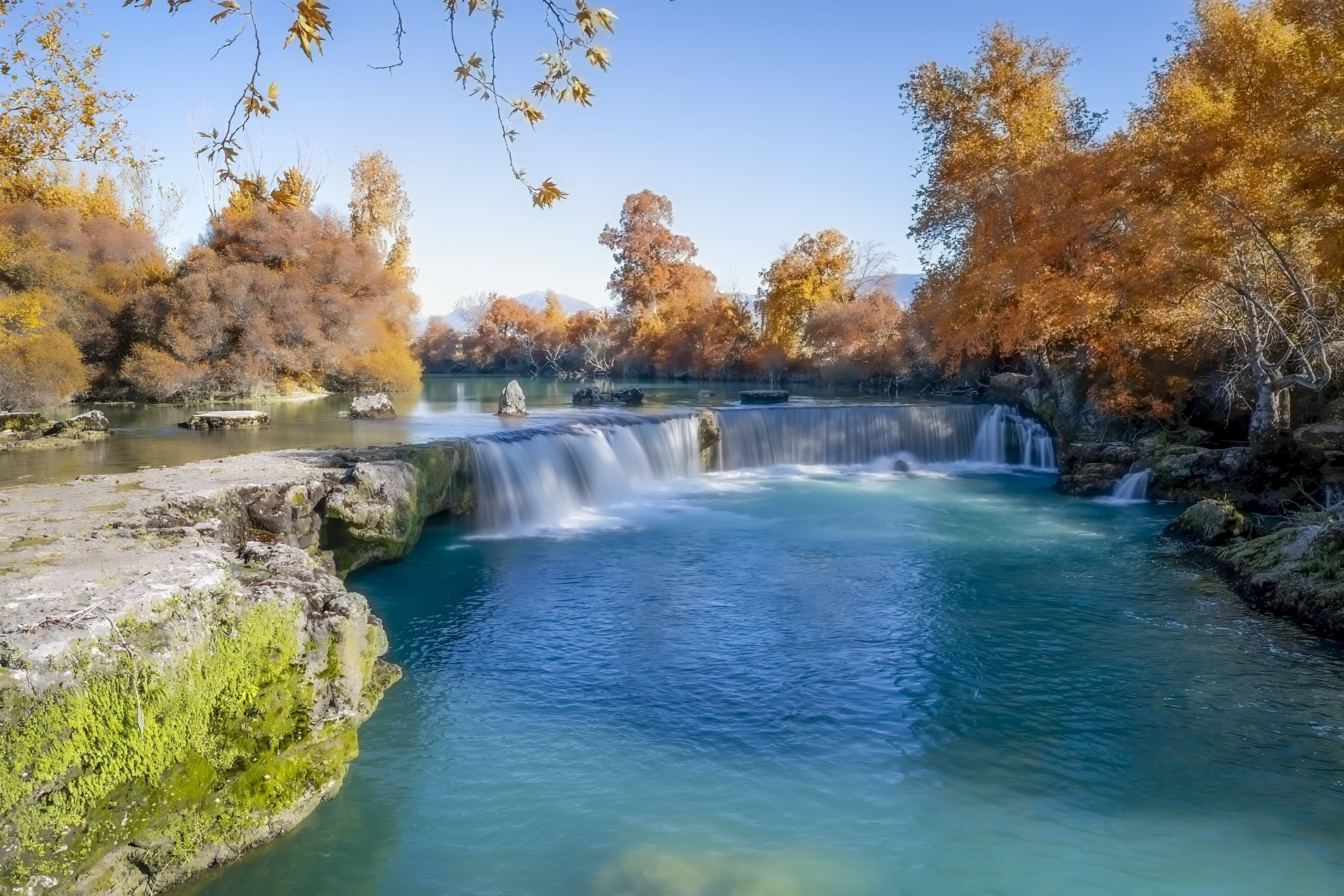
The waterfall attracts large numbers of domestic and international tourists throughout the day. Visitors take photos and videos from viewing platforms, while others spend time on nearby trails to take in the waterfall and its natural surroundings.
Tour buses also bring visitors to the waterfall, where they learn about the Manavgat River and the area’s natural features.
It is never easy to say goodbye to a favorite destination. On July 24, 2026, I left the majestic city of Istanbul for Islamabad via Bahrain, flying with Gulf Air for the first time in nearly 15 years. The airline, long renowned for its warm hospitality and elegant service, welcomed me aboard once again.
What did surprise me, however, was the atmosphere on the flight. Nearly half the seats were empty, and many passengers appeared anxious. The recent military conflict between the United States and Iran had disrupted travel across the Middle East, prompting flight cancellations, rerouted air traffic and growing uncertainty among travellers.
A region once widely regarded as one of the safest transit hubs had suddenly become a source of concern for many international passengers.
Despite the tense circumstances, Gulf Air’s cabin crew remained calm, attentive and exceptionally professional. As soon as they learned about my deep vein thrombosis (DVT) condition, they kindly arranged a more comfortable seat to ensure I could travel with greater ease.
It was the first of many thoughtful gestures that reflected the airline’s commitment to passenger care. In Bahrain, Gulf Air provided me with complimentary treatment at King Hamad University Hospital with consultant Dr. Walid Hassan Assar.
Spirit of Arab hospitality
Even during a period of regional uncertainty, Gulf hospitality continued to shine. The Gulf countries have long attracted visitors from Europe and beyond, particularly during the summer months, offering world-class airlines, modern airports, luxury hotels and a distinctive blend of tradition and contemporary culture.
My journey was a reminder that, while conflicts may disrupt travel, genuine hospitality often remains unchanged.
What impressed me most was the country’s cosmopolitan character. People from across the world have made Bahrain their home, creating a welcoming multicultural society where tradition and modernity exist side by side.
For travellers, Bahrain offers far more than a convenient transit stop – it is a destination where history, commerce and Gulf hospitality come together in a uniquely memorable way.
During my long layover before my connecting flight to Islamabad, I decided to explore the vibrant capital, Manama, a trending city often regarded as one of the Gulf’s leading financial and commercial centers.
Story of Bahrain
The moment I stepped into Bahrain International Airport, my attention was drawn to a striking red-heart advertisement by Bahrain Duty Free featuring a nostalgic image from the country’s pre-oil era and the caption: “Travelling is a gift. Share it.” It was a simple yet powerful message, reminding me that every journey offers stories worth sharing.
Bahrain’s story is one of remarkable transformation. Before the discovery of oil, the kingdom was renowned for its pearl divers, goldsmiths, farmers and bustling trading ports that connected merchants from across the region.
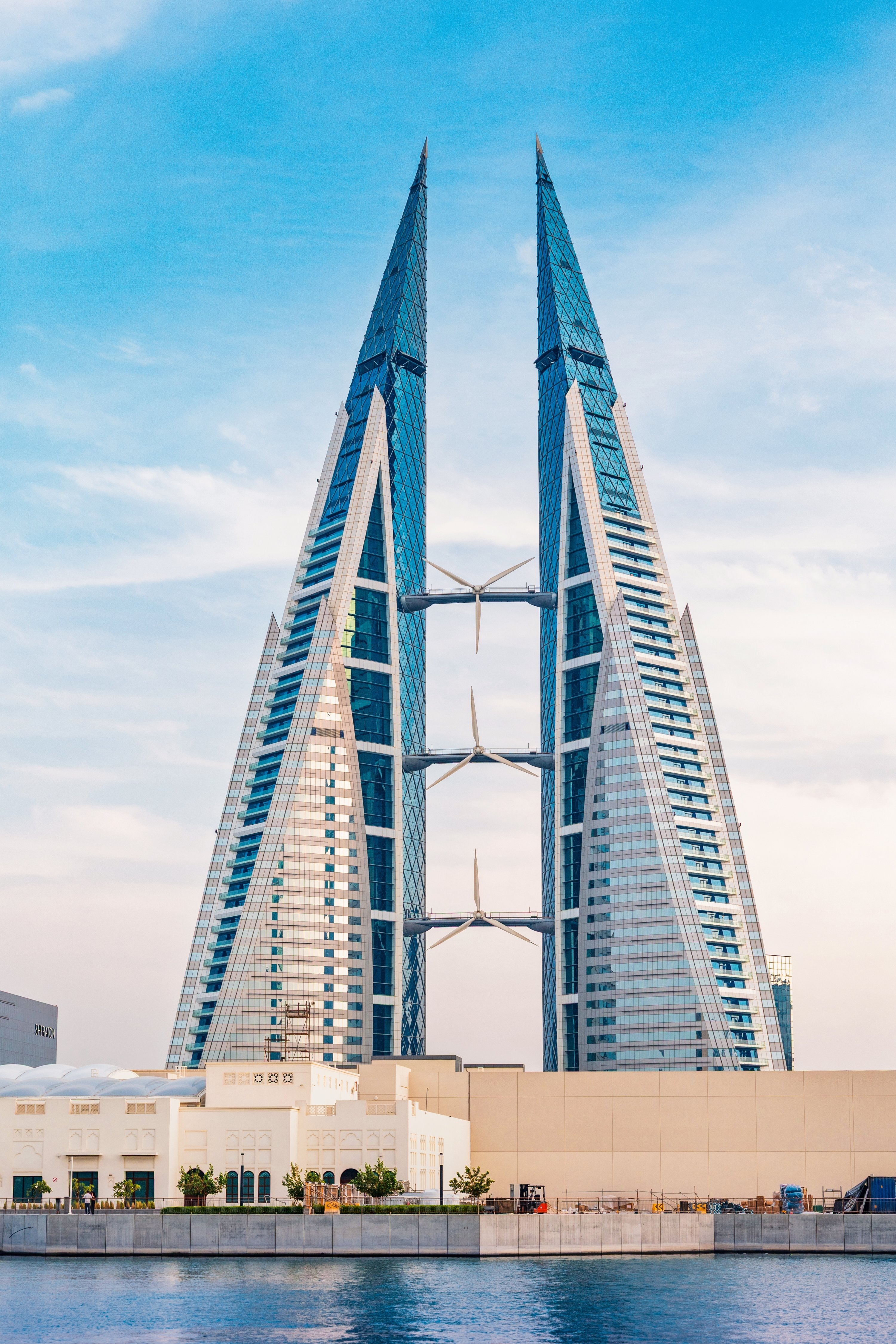
Today, it has evolved into a modern, prosperous nation with an impressive skyline, reclaimed islands, smart urban developments, luxury shopping malls, scenic waterfront corniches and magnificent mosques. Yet beneath its contemporary façade, Bahrain continues to preserve the traditions that shaped its identity.
For centuries, Arab Bedouins and Turkic nomads treasured camels and horses as indispensable companions. More than mere beasts of burden, they were the lifeline of desert survival, providing transport, food and resilience in some of the world’s harshest landscapes.
Although times have changed, this deep cultural bond endures. Today, prized Arabian horses and majestic black camels remain powerful symbols of heritage, prestige and identity.
As I travelled across the Middle East, I noticed that camels were everywhere – not just in the desert, but in everyday life. They appeared in souvenir shops, public sculptures, sporting events, logos, festivals and traditional artwork, serving as enduring emblems of the region’s history and culture.
Even in rapidly modernizing cities, the camel continues to represent the spirit, resilience and traditions of the Arab world.
Exploring cultural heritage
For history enthusiasts and heritage explorers, Bab Al Bahrain is far more than a shopping destination – it is a gateway to Bahrain’s rich cultural legacy.
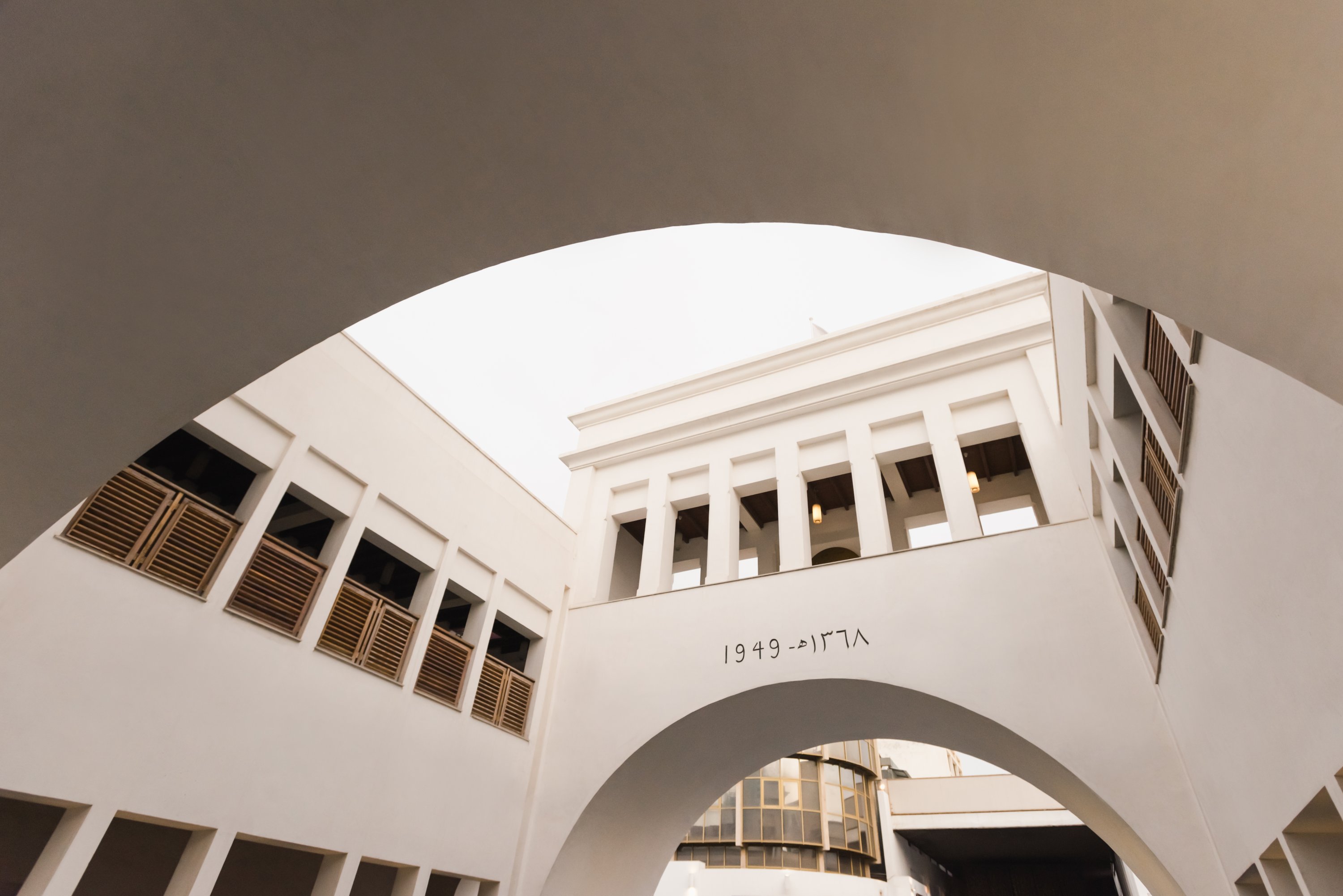
Standing at the entrance to the historic Bab Al Bahrain Souq, the landmark is surrounded by an array of attractions, from dazzling gold and diamond jewellery stores to food courts, cafes, art galleries, clothing boutiques, and souvenir and antique shops.
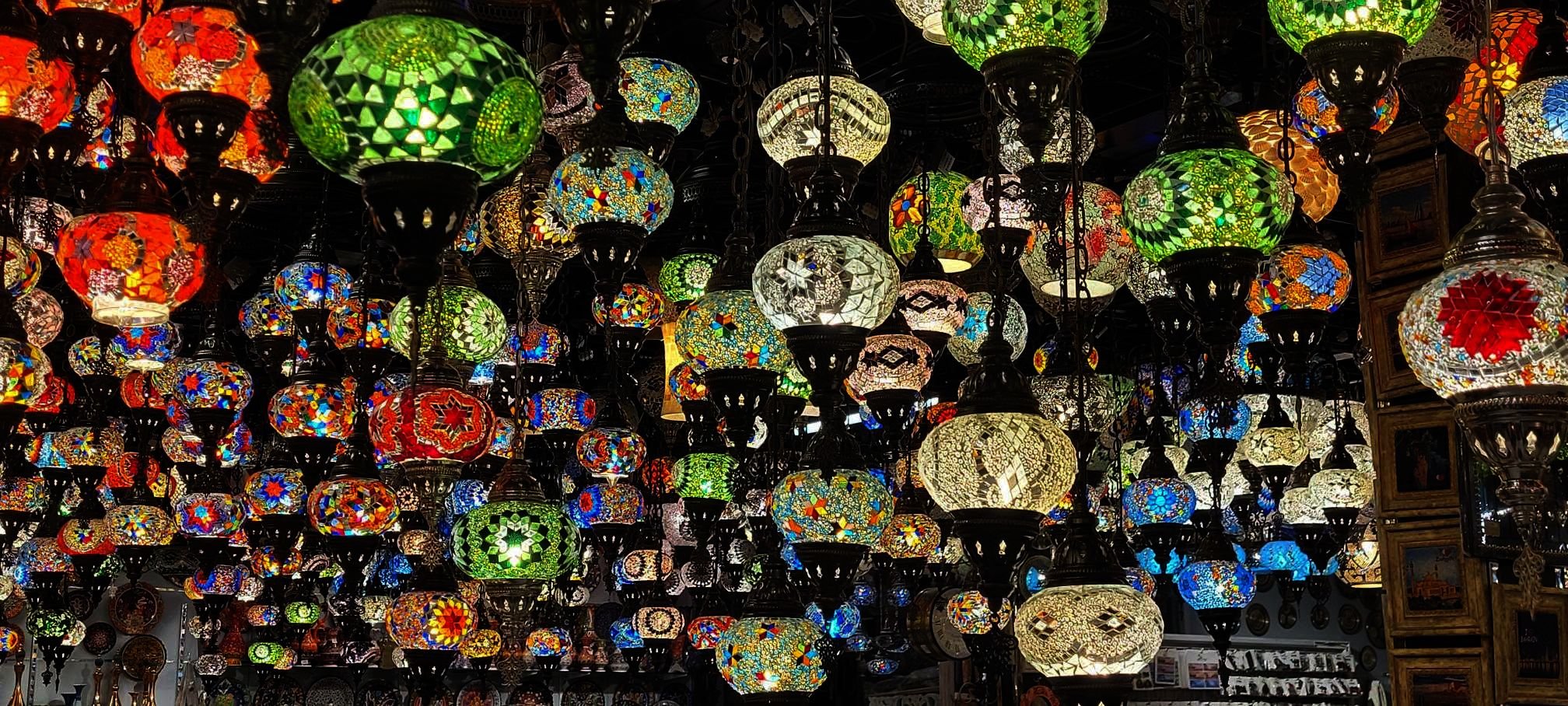
Visitors can browse handcrafted treasures, including colorful hanging lamps, traditional dhow models, woven date-palm baskets, bakhoor, Arabic coffee pots, clay pottery and the iconic floor mattresses used in a traditional majlis, offering a glimpse into Bahrain’s enduring craftsmanship.
Among the standout stores is Made in Bahrain, a showcase of locally crafted products that proudly celebrates the kingdom’s heritage. The shop displays exquisite wooden boat models, including the boom, once used for long-distance trade, and the banoosh, renowned for fishing and pearl diving.
During my visit, a young Bahraini official vendor, Abdul Aziz Alhajri, kindly offered me a guided tour of the collection. Alhajri explained that every boat model is handcrafted from authentic saaj (teak) wood, preserving the techniques and traditions that have shaped Bahrain’s maritime history for generations.
At the entrance, on the right-hand side, stands the Bahrain Post Museum, locally known as Bareed, the Arabic word for “mail” or “post.” The museum traces Bahrain’s postal history through an impressive collection of stamps, some dating back to the era of the British Raj.
Its exhibits showcase stamps commemorating historical events, Bahrain’s cultural and religious traditions, the royal family, and the kingdom’s economic development.
Beyond its stamp collection, the museum preserves early postal artifacts, including envelopes, official seals, mail-handling instruments and vintage letterboxes. One of its most remarkable features is its meticulously organized archive of stamps from around the world, arranged by country in chronological order.
Admission to the Bahrain Post Museum is free, making it a worthwhile stop for history enthusiasts and philatelists alike. However, at the time of my visit, the museum’s cafe and public restrooms were closed for maintenance.
My next stop was the iconic Al-Fateh Grand Mosque, a living piece of splendid art and decor. Additional must-visit places include the UNESCO World Heritage site of Bahrain’s Fort and Seef Mall, where traditions meet modernity.
The mall is home to an impressive mix of global brands, including clothing and footwear outlets, luxury perfume boutiques, jewelry and watch stores, and a spacious food court catering to diverse tastes.
It also features a football gallery inspired by the 2026 FIFA World Cup, adding a unique attraction for sports enthusiasts. Despite these offerings, the mall sees relatively few shoppers.
The downturn reflects the wider economic uncertainty that has affected the region following the conflict between the United States and Iran, which has disrupted travel, consumer spending, and business activity across parts of the Middle East. Bahrain’s hospitality and retail sectors have been among those feeling the impact.
At the Golden Tulip Hotel, staff members Bhagat and Nada worry about the future as bookings have fallen sharply. The usual influx of Saudi weekend visitors and European tourists has dwindled, leaving hotels with fewer guests and growing uncertainty.
If the conflict continues, Bahrain’s tourism-dependent businesses will face even greater financial strain. The wider conflict has disrupted regional air travel, prompted travel advisories and weakened confidence in the Gulf as a tourist destination, affecting hotels, airlines, restaurants and other businesses across the region.
The ancient city of Phaselis in Antalya, southern Türkiye, continues to attract large numbers of domestic and international visitors after drawing a record 481,306 visitors in 2025, making it the most visited archaeological site in the province.
Kemer District Gov. Ahmet Solmaz said visitor interest has remained strong this year and that the site could match or surpass last year’s total by the end of 2026.
“Similar to last year, our visitors continue to show the same level of interest,” Solmaz said. “We expect the figures we receive at the end of the year to be roughly in line with last year’s figures and perhaps even exceed them.”
Phaselis is among Antalya’s major historical and tourism destinations, offering visitors ancient ruins, natural scenery and access to the sea in one location. The site is particularly busy during the summer tourism season.
Solmaz said Phaselis is important not only for Antalya’s traditional sun-and-sea tourism but also for cultural tourism.
History, nature side by side
The combination of ancient history and the sea gives visitors a distinctive experience, Solmaz said.
“People come here not simply because they are surrounded by beautiful nature, but because they can imagine that people lived here a thousand years ago,” he said. “Swimming in the same place makes the experience more meaningful and gives them memories they can carry with them.”
Solmaz said visitors have responded positively to the opportunity to experience history while being surrounded by nature.
“They say being able to enjoy tourism in such a historic setting, in harmony with nature, makes them happy,” he said.
Visitors drawn to experience
Anıl Akgüneş, who traveled from Kayseri and was visiting Phaselis for the first time, said he decided to visit after receiving a recommendation from someone in the area.
“A woman told us, ‘There is a place called Phaselis, a very beautiful ancient city,'” Akgüneş said. “We wanted to come. They also told us the sea was very nice. It looks great. We are going to experience it. People swam here a thousand years ago, and it will be nice to feel like those people.”
Pelinsu Beril Aşkın, who had visited Phaselis years ago and returned to meet friends, described the site as “a paradise.”
“It feels wonderful to swim here,” Aşkın said. “It is beautiful to have such a great part of our history.”
Zeynep Vıraca, who had previously visited Antalya but was seeing Phaselis for the first time, said the site offered a memorable vacation experience.
“It is a very beautiful city,” Vıraca said. “Swimming among the historical ruins is wonderful. I can’t even imagine what it was like years ago. It is very enjoyable. We are having a great time here with my family.”
Standing on the ferry as it waits to dock on the Greek island of Ithaca, Giorgia Ongarato is only too keen to talk about the “Odyssey” – the epic poem that inspired Christopher Nolan’s blockbuster film.
The Italian lawyer said it was her dream to come to Ithaca, widely believed to be the same island as the home of Odysseus in the poem.
Dressed in a T-shirt emblazoned with the word “Odyssey” in ancient Greek alongside a line from the poem, she enthused: “I studied Greek when I was a child, and I studied the Odyssey.”
While she stressed that the film was not her entry point into the tale of the hero battling his way back home from the Trojan war, the 50-year-old said she was also a fan of the film, describing it as “wonderful”.
The island’s businesses and officials now expect the film to inspire many more to follow in her footsteps.
Ithaca, in the Ionian Sea off the west coast of mainland Greece is far from the country’s tourist hubs, and despite limpid waters and spectacular bays, it has never been a regular stop for travelers.
Its interior is rugged, carpeted with olive and cypress trees, and strikingly calm even at the height of the tourist season.
Although the movie has undoubtedly piqued the interest of many, it has also been slightly controversial in Greece. Although some Greek locations were used, not a single scene in the blockbuster was actually shot on Ithaca.
Homeric monuments abound
That decision has left some crestfallen on the island of roughly 3,000 inhabitants – where the film has been shown twice in open-air screenings since its July 16 worldwide release.
Xhimi Xoxha, who runs a restaurant in Ithaca’s capital of Vathi, said he was content that the movie was already “generating publicity for the island”. He predicted the positive effects would continue.
While Ithaca mayor Dionysis Stanitsas agreed that the publicity was “tremendous,” he could not hide his disappointment that the island itself did not feature.
“We had reached out to the production team and asked that some scenes be filmed here on the island,” he said. “Unfortunately, that wasn’t feasible.”
He is, however, counting on rising demand next year, and the island was already fully booked for this season by the time the film came out.
“As more people see it, they will begin planning trips to visit the island,” he said.
Visitors will not find a palace of Odysseus or any spectacular archaeological site likely to confirm the existence of the Homeric hero.
But village squares and the town hall are dotted with statues of Odysseus and Homer.
And there are other pointers to the island’s rich literary heritage.
In the small sun-drenched port, boats bob in the green water bearing names like “Telemachus” (the son of Odysseus) and “Calypso” (a goddess and nymph who imprisoned him).
Trinket shops offer busts of Homer and Penelope, Odysseus’s wife.
T-shirts can be found amid the jumble featuring the Cyclops Polyphemus – one of the many monsters vanquished by Odysseus.
And the truly devoted can splash out for a wall plate decorated with a Trojan Horse.
Archaeologist Spyros Couvaras is among those expecting a dramatic upsurge in visitors, saying it was clear that visitors wanted more than just sand and sea – they wanted the history and the mythology.
None of those are in short supply here.
A short distance from the shops and restaurants of the port, holidaymakers stretch out on deck chairs under parasols at Dexia beach, enveloped by the sound of cicadas.
According to legend, this is where Odysseus landed after years of voyaging.
Couvaras said the “driving force” of the renewed interest was undoubtedly the movie.
“But behind Nolan’s film stands Homer,” he said.
Traveling with babies and toddlers can be daunting for parents. Questions about air travel, what to pack and safety are often top of mind, especially on long-distance flights and international trips.
“Traveling with kids is a whole new world,” said Shannon Thompson, a pediatrician at Cleveland Clinic Children’s, adding that it’s important to “enjoy your kiddo on your trip” as much as you can.
Here are some tips and tricks for parents to travel safely with young children – and have fun with them, too.
Before you decide where to stay, consider your options for baby-proofing.
Check whether items like portable playpens, cribs and high chairs are offered to guests. If you are staying somewhere with stairs, a balcony or a pool, inquire about baby gates; if they are not provided, see if they are available for rent nearby or consider bringing travel-friendly foldable mesh gates. Pack electrical outlet covers and wipes to clean any dirty surfaces your kiddo might touch.
For babies, safe sleeping is still essential on vacation. Children younger than 1 should sleep on their back on a flat, firm surface such as a mattress in a bassinet, crib or playpen with nothing more than a fitted sheet, according to the American Academy of Pediatrics. The organization also recommends babies sleep in the parents’ room – but not in the parents’ bed – for at least the first six months.
You should also consider how you will get to your lodging: Will you fly in and rent a car or take a taxi, or take public transit from the airport? Will you mostly be driving or walking? For parents, these factors can determine whether you want to bring a stroller and a car seat, both of which you can gate check for free when you fly, or rely on using a sling or baby carrier.
“Flying with kids is one of those big, intimidating things,” said Thompson, the pediatrician. “I think the biggest thing to think about is always safety and then of course their comfort.”
While children under two can fly in their parents’ lap, the Federal Aviation Administration recommends securing them in their own safety seat, such as a car seat certified for use on planes. This requires buying a seat for your child.
For long-haul or international flights, ask the airline if they have bassinets available.
Food and drink for babies and toddlers, including breast milk, formula and puree pouches, are considered medically necessary liquids by the Transportation Security Administration. That means they are not subject to the standard 3.4-ounce (100-milliliter) limit for carry-on liquids. The same goes for ice packs used to keep such liquids cool. Let the TSA officer know if you have these in your carry-on when you go through security screening.
In addition to snacks, don’t forget to carry on diapers, wipes, a portable changing pad and sealable plastic bags for disposal. Bring extra clothes to layer or change in case of accidents or messy spills.
Swallowing and chewing can help with ear pressure, so nursing little ones or giving them a bottle or pacifier can ease discomfort during take-off and landing.
Speak with your pediatrician beforehand if your kiddo is prone to ear infections, and before traveling abroad, ask them what vaccines may be recommended.
For flights with young kids, Christy Slavik, owner of the travel agency Mom Approved Travel, recommends “having little surprises that you can distract them with,” such as sticky mats for travel-sized Play-Doh, suction cup toys and other games that are small and light to pack.
If sightseeing once at your destination, think about ways to make activities more fun and interactive. For art museums, bring notebooks that kids can draw in, or ask them what types of animals they can find in the paintings, Slavik said.
“Kids need a mission. They need games,” she said. “You have to get creative sometimes when you’re traveling.”
Exposing children to other cultures, foods and languages can also be fun. Some may enjoy picking out snacks at markets, for example, or learning foreign words for their favorite dishes and activities.
There are options for places to stay that are family-friendly, with amenities such as pools or games. For those traveling abroad on a budget, many hostels offer private rooms for families so they don’t have to share a dorm-style room with bunk beds. Hotels and hostels provide the opportunity to meet other travelers, including fellow children who can become playmates.
Helping moms actually enjoy their vacation – and relax amid the stress that can come with planning and traveling – is a core goal of Slavik’s travel agency.
One way parents can get a break is by planning trips with grandparents or other family members. This helps with babysitting duties, while also allowing loved ones to have special bonding time with kiddos. Just make sure they also have their own downtime and aren’t wearing themselves out, Slavik said.
“When you bring grandparents to a vacation, you’re giving them the opportunity to experience those moments together,” she said.


-

 Sports2 days ago
Hull roar back into Premier League with 2-0 rout of Man Utd
-

 Sports2 days ago
Top 10 greatest sports rivalries in world, ranked
-

 Economy2 days ago
US imposes 50% tariffs on Canadian goods as trade talks collapse
-
 Politics3 days ago
MHP’s Bahçeli warns Israel against ‘testing Türkiye’s patience’
-

 Economy3 days ago
Iraq working to expand oil exports via Türkiye, Syria, Jordan: PM
-
 Politics3 days ago
Ankara slams ‘reckless attacks’ of Israel, backs Syria’s stability
-
 Economy3 days ago
Turkish Airlines aims to lift flights to Asia-Pacific by up to 20%
-

 Politics1 day ago
Erdoğan targeted for standing up to Netanyahu’s genocide: AK Party spox