
Sports
Football left searching for its soul in World Cup’s American makeover

The 2026 World Cup may be remembered more for FIFA’s bold embrace of American sports traditions – from hydration breaks and halftime shows to championship rings – than for which team claimed the trophy.
From mandatory “hydration” breaks that effectively split matches into four quarters to championship rings, a halftime show and an ever more tightly packaged entertainment product, FIFA embraced elements of the U.S. sporting model with enthusiasm.
Some of those innovations will probably be remembered as novelties of an American-hosted tournament – while others may prove harder to dislodge. The mid-half breaks, brought in throughout the competition regardless of whether conditions strictly required them, were introduced by FIFA on player-welfare grounds in a tournament played through the heat and humidity of a North American summer.
Once established, they also created something football has traditionally resisted: two scheduled interruptions in the middle of each half. For coaches, they became tactical timeouts.
For broadcasters, they offered natural windows that could one day carry enormous commercial value. But for supporters accustomed to football’s continuous rhythm, they made matches feel increasingly divided into four quarters.
That is where the legacy question becomes more pertinent. The breaks are likely to be discussed for future World Cups, not least because player welfare offers FIFA an obvious rationale for retaining them and because the commercial potential of fixed mid-half pauses will be difficult for the sport’s decision-makers to ignore.
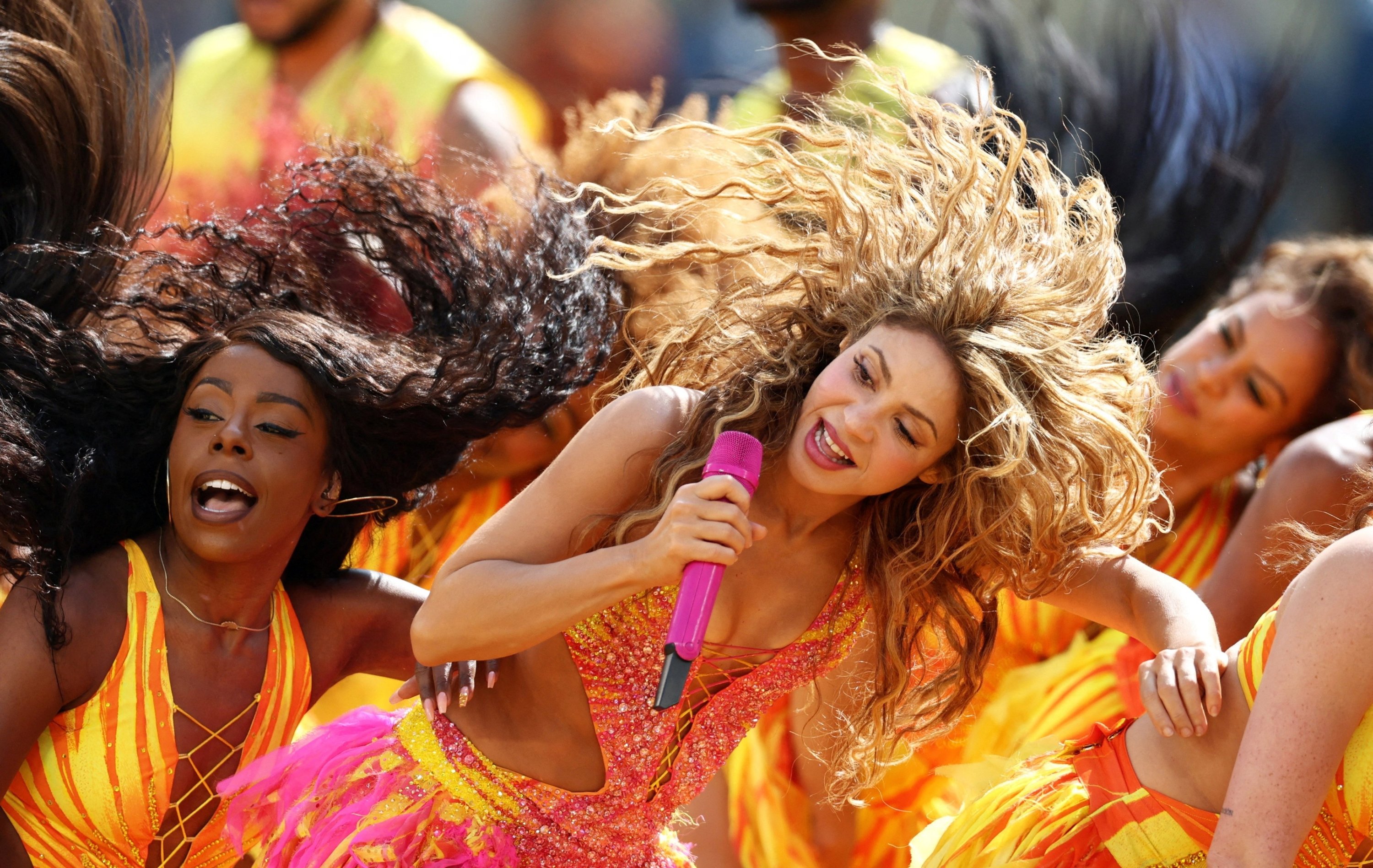
Yet any attempt to normalize them globally would meet resistance, particularly in Europe, where football’s relative freedom from stoppages remains one of the characteristics supporters most fiercely defend. UEFA has said it will not bend its rule that hydration breaks cannot exceed one minute.
The tournament therefore became a test case for how far FIFA is willing to reshape football in the image of the market in which it is being played. The answer is: quite far.
Blurred lines
The winning team, Spain, received championship rings, a tradition imported directly from North American sport, while the showpiece final itself featured a major halftime entertainment production that has drawn obvious comparisons with the Super Bowl and led to a 27-minute interval, shooting past the sacrosanct 15-minute halftime period.
Neither changes the absolute fundamentals of the game. But they contributed to a sense that FIFA was no longer merely bringing the World Cup to the United States but increasingly adapting the World Cup to American sporting culture. There was an irony in that. Across the tournament, American cities experienced much of what has always made international football distinct: vast traveling support, flags filling city centers, supporters singing for hours before and after matches and national teams carrying a sense of identity that no franchise model can easily reproduce.
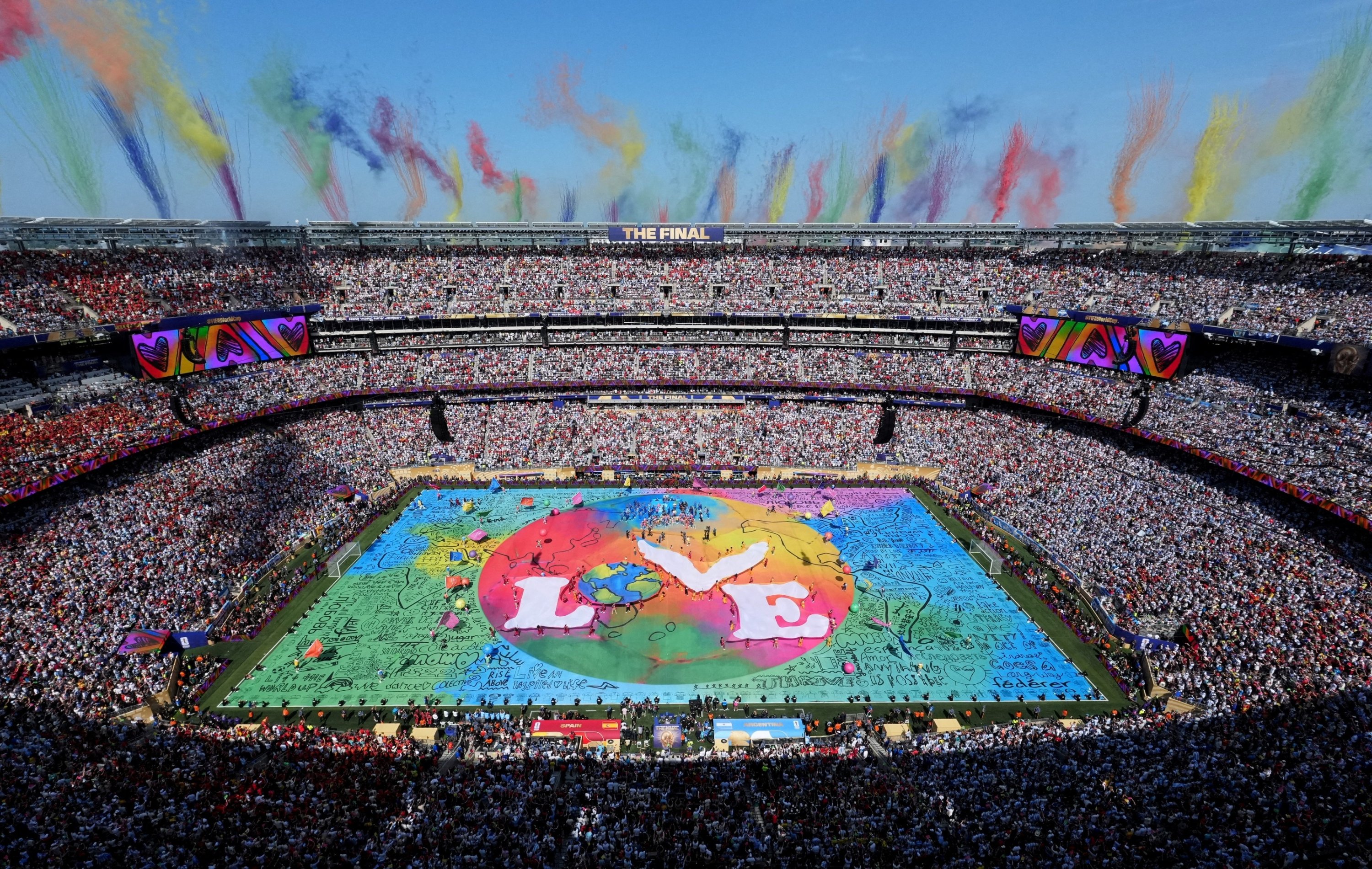
The United States appeared to be absorbing the culture of football. At the same time, FIFA seemed intent on absorbing the culture of American sports entertainment and projecting it to fans worldwide. The tournament was also unavoidably political, with FIFA President Gianni Infantino’s close relationship with U.S. President Donald Trump becoming one of its defining off-field themes. To critics, Infantino’s proximity to Trump often went beyond the diplomatic courtesies normally expected between the head of a global sports body and the leader of a host nation. The controversy surrounding Folarin Balogun’s disciplinary case brought those concerns into especially sharp focus after Trump publicly praised FIFA’s handling of the matter following his own intervention. FIFA said its judicial bodies acted independently and autonomously, but the episode reinforced an impression among some that the line between football governance and political influence had become uncomfortably blurred.
Referring debates
The tournament’s inevitable refereeing controversies added another layer of unease. Officials were asked to enforce a game operating under new rules and interpretations while also managing familiar pressures over consistency, player protection and the growing influence of technology.
The result was a World Cup in which debate often moved beyond whether one decision was right or wrong and toward something more fundamental: whether the laws of the game had become too complicated for players, coaches and supporters to understand in real-time. New interpretations were meant to bring greater clarity and consistency, but the tournament frequently demonstrated how difficult both can be to achieve.
VAR remained central to major decisions, but technology did little to eliminate argument. On some occasions, it merely shifted the argument from the referee’s judgment to the interpretation of slow-motion images and technical language. That was compounded by a wider atmosphere of suspicion around officiating, with conspiracy theories amplified on social media and referees often unable to answer back.
FIFA refereeing chief Pierluigi Collina dismissed allegations of bias and said match officials operated with complete independence. On the pitch, the expanded 48-team format produced a mixed verdict. There was more football, more countries and more opportunities for nations previously not included in the sport’s biggest event.
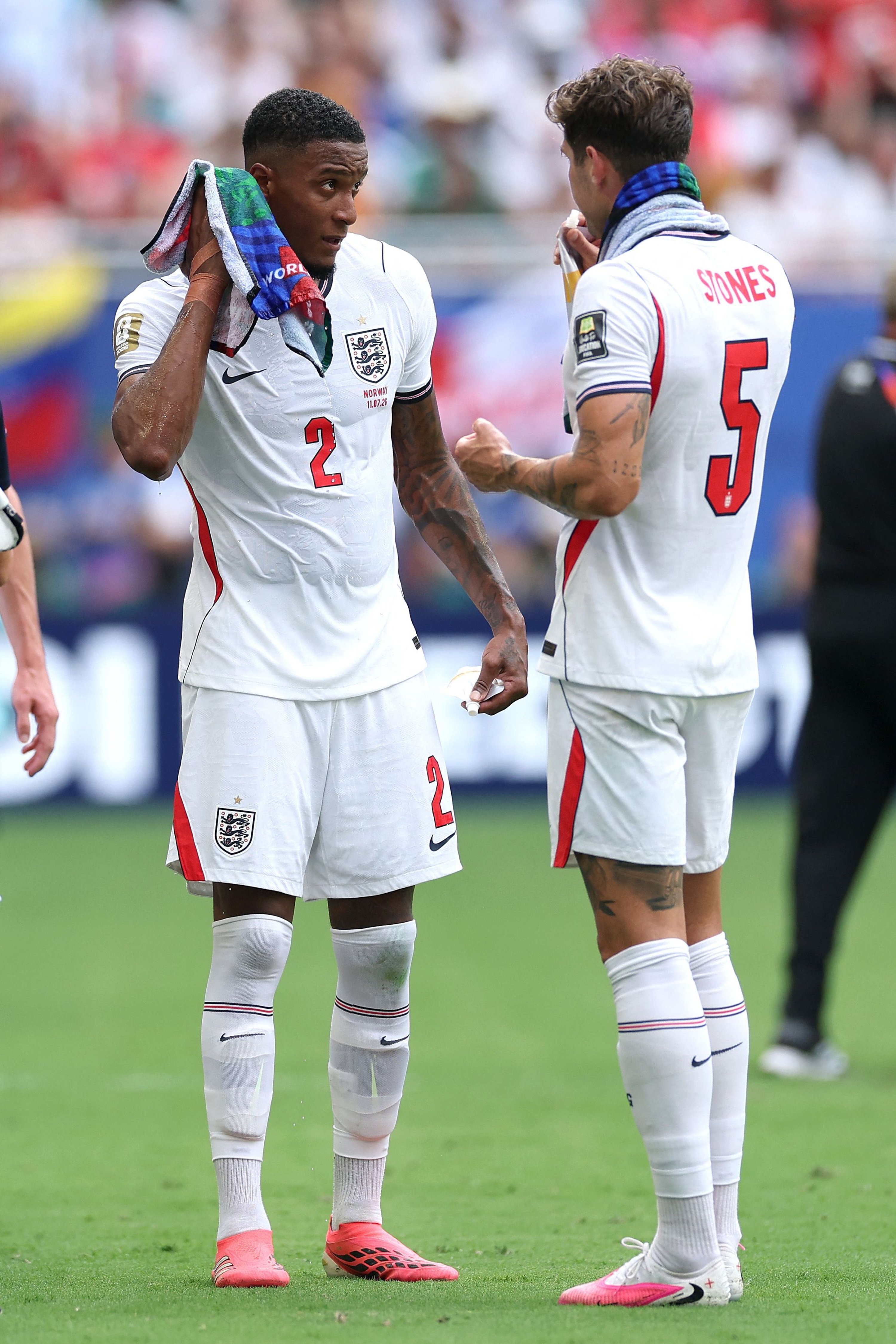
The expanded knockout phase gave the group stage additional jeopardy, but the sheer scale of 104 matches made this World Cup feel less like a concentrated festival and more like a vast sporting season squeezed into a matter of weeks.
That size suited FIFA’s commercial ambitions and the geography of the hosts , but whether it improved the sporting product is more debatable. The tournament still delivered what World Cups always do: new heroes, fallen favorites, national heartbreak and moments that cut through the noise surrounding the event. Its most lasting legacy, however, may not be a match or a champion, but the precedent it has created. The real test of that will come in 2030.

The 2026 Ballon d’Or race is shaping up as one of the most difficult to call in years, with no single candidate clearly separating himself from the field.
Kylian Mbappe has the scoring numbers and individual accolades. Harry Kane has combined elite production with domestic and European success.
Lamine Yamal has been central to Barcelona and Spain’s biggest achievements. Khvicha Kvaratskhelia produced a standout Champions League campaign, while Michael Olise quietly assembled one of the most complete seasons of the group.
The debate has become even more complicated because this is a World Cup year, giving international performances an added weight in the discussion.
Mbappe’s scoring case
Mbappe’s argument is built largely around individual production.
The Real Madrid forward finished as the Champions League’s top scorer, won the La Liga Pichichi and claimed the World Cup Golden Boot. Those achievements give him a compelling statistical case, and former France striker Thierry Henry has also backed him for the award.
Mbappe himself has made no secret of his belief that he has done enough to win the Ballon d’Or.
The counterargument is that leading the scoring charts is not necessarily the same as being the best player. The Ballon d’Or recognizes individual excellence, but goals are already recognized through separate Golden Boot awards.
Mbappe also finished the season without a major team trophy, a significant weakness in his candidacy. Critics have questioned his defensive contribution and overall influence on Real Madrid, arguing that his impressive statistics did not consistently translate into team success.
That distinction will be central to the debate. If scoring numbers are the primary criterion, Mbappe has a formidable case. If overall influence and winning achievements carry greater weight, his argument becomes more complicated.
Kane’s all-around case
Harry Kane offers perhaps the clearest alternative to the Mbappe argument.
The Bayern Munich striker scored more than 70 goals across competitions while also contributing heavily as a creator. He was a regular throughout the season and played a major role in Bayern’s domestic success.
Kane also produced in important Champions League matches, scoring against Real Madrid and contributing a goal and an assist in the return leg. He then scored and assisted against Paris Saint-Germain in the semifinals.
His international campaign further strengthens his case. Kane played an important role for England at the World Cup, including a two-goal performance against the Democratic Republic of Congo, and he continued to provide goals and leadership throughout the tournament.
The main argument against Kane is that he was not universally regarded as the best player in either of his major environments. Michael Olise was named Bundesliga Player of the Season, while Jude Bellingham had a particularly strong tournament for England.
Still, Kane’s supporters can point to the combination of production, creativity, consistency, big-game performances and team success.
Yamal’s influence beyond the numbers
Lamine Yamal presents a different type of Ballon d’Or case.
The Barcelona winger was named La Liga Player of the Season and played a central role in Spain’s World Cup triumph. Yet his international campaign did not produce the kind of defining moments that have become synonymous with his performances.
That has weakened his case in the eyes of some voters.
Yamal did not dominate the World Cup statistically, but his influence extended beyond goals and assists. His dribbling, creativity and ability to attract defenders made him an important part of Spain’s attacking structure.
He was among the tournament’s leading dribblers and remained influential even when he was not producing directly on the scoresheet.
The problem is that Ballon d’Or debates are often shaped by memorable moments. Yamal had produced those moments previously, including during Spain’s European Championship run, but his World Cup lacked a comparable signature performance.
That does not erase his contribution to Spain’s title, but it explains why his candidacy remains contested despite an exceptional club season and a World Cup triumph.
Kvaratskhelia’s UCL argument
Kvaratskhelia’s case is heavily tied to his Champions League performance.
The Paris Saint-Germain winger was named Champions League Player of the Season after playing a major role in the competition, particularly during the knockout stages.
His overall numbers were also impressive, with 19 goals and 11 assists across all competitions.
But his domestic campaign presents a significant weakness. He scored only eight goals in Ligue 1 and was not as influential domestically as the leading candidates competing for the Ballon d’Or.
His situation is further complicated by Georgia’s absence from the World Cup. That is not something Kvaratskhelia could control, but the lack of an international tournament campaign removes an important opportunity to strengthen his case in a World Cup year.
His Champions League campaign was outstanding, but whether that is enough to outweigh his relatively modest domestic contribution and absence from the World Cup is central to his candidacy.
Olise’s overlooked campaign
Michael Olise may have received less attention than the other leading candidates despite putting together an exceptional season.
The Bayern Munich winger recorded 22 goals and 28 assists across all competitions and was named Bundesliga Player of the Season.
He was also influential in the Champions League and produced important performances against elite opposition. His creativity and ability to create opportunities made him one of Bayern’s most important attacking players.
Olise’s World Cup campaign was less consistent, but he still made a significant contribution for France and set a record for the most assists in a single World Cup campaign.
His case is therefore built around balance. He combined goals, assists, chance creation, off-ball work and team success rather than relying primarily on one statistical category.
That makes the gap between Olise and the more heavily discussed candidates particularly interesting. His numbers compare favorably with Mbappe’s in several areas, while his influence at Bayern came within a team that achieved major domestic success.
An unusually open race
The defining feature of the 2026 Ballon d’Or debate is the absence of a universally dominant candidate.
Mbappe has the goals and individual scoring awards. Kane has extraordinary production alongside team success. Yamal has been influential for both Barcelona and Spain. Kvaratskhelia has a compelling Champions League resume, while Olise has combined elite creativity with domestic dominance.
Each candidate also has an obvious weakness.
That is what makes this race different from the years dominated by Lionel Messi and Cristiano Ronaldo. There is no straightforward statistical argument that settles the discussion, and there is no player whose season was flawless across every competition.
The Ballon d’Or will ultimately require voters to weigh individual production, team success, performances in major competitions and overall influence differently.
The debate is unlikely to end before the votes are counted, because each of the leading candidates has a legitimate body of work to put forward.
And that may be exactly what makes this year’s Ballon d’Or race so compelling.
Mohamed Salah has a new coach at Trabzonspor after the Turkish Süper Lig club on Thursday hired Thomas Reis, who cited the lure of working with the former Liverpool star.
Trabzonspor said the German coach signed a two-year contract to leave Bulgarian club Ludogorets. He replaces Fatih Tekke, who resigned early this month after the team suffered two losses and were eliminated from the Europa League.
Salah is the marquee signing at Trabzonspor this season following a stellar nine-year spell at Liverpool, working mostly with German coach Jurgen Klopp. The Egyptian star has scored four goals in five league games so far.
“Working with a player of his caliber is perhaps one of the best things that can happen to a coach,” Reis said in a club statement, adding he would give Salah “freedom in attack.”
Reis previously coached in the Turkish league, taking unheralded Samsunspor to a third-place finish two seasons ago behind Istanbul powerhouses Galatasaray and Fenerbahçe.
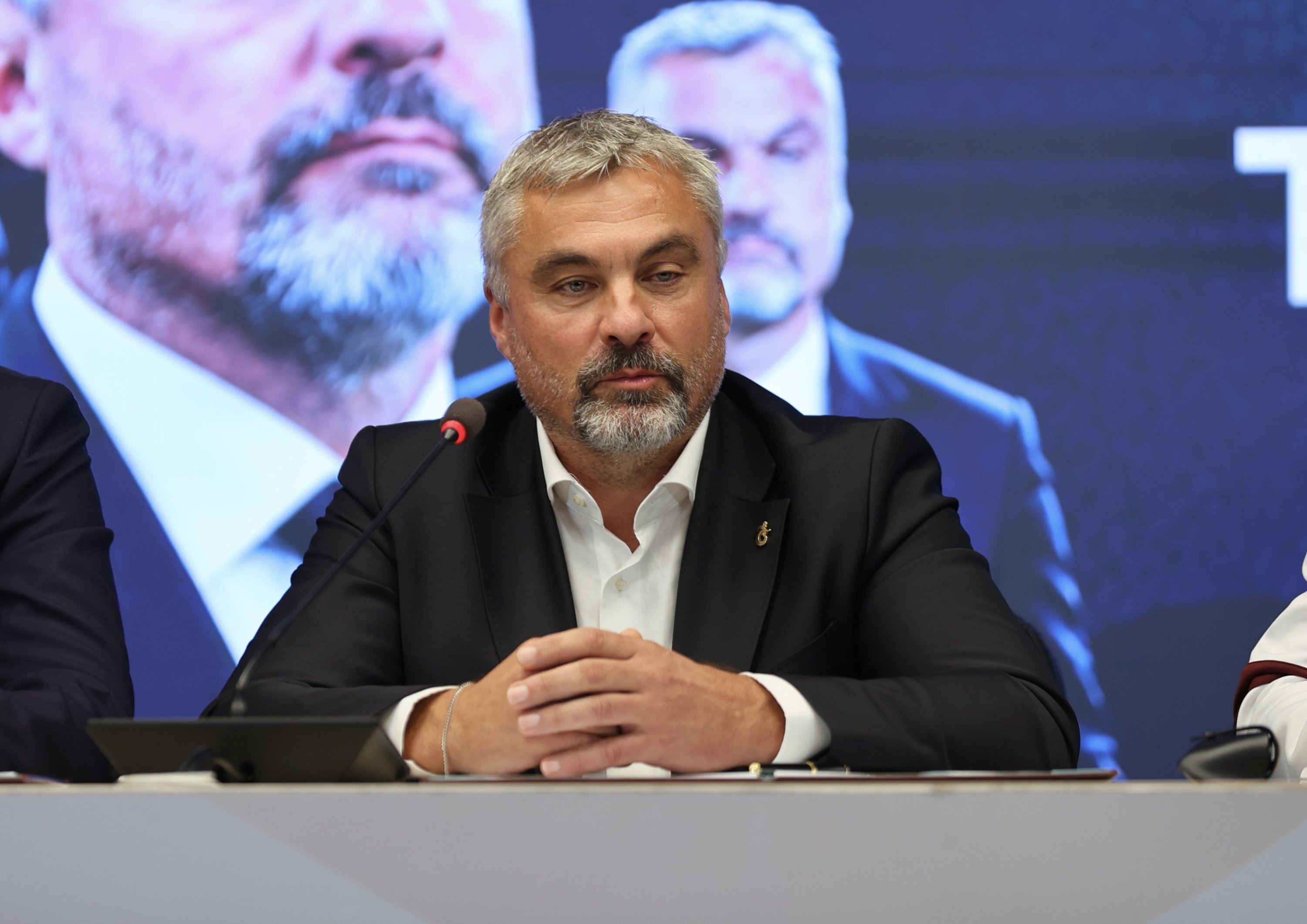
“I know this place and I know how intense the games are here,” the coach said.
Ludogorets said in a statement that they were surprised by the offer to take Reis, who expressed a wish to work at Trabzonspor with talents like Salah, Fabinho and goalkeeper Andre Onana.
The Black Sea club will pay Ludogorets 900,000 euros ($1.06 million) in compensation for terminating the 52-year-old coach’s contract.
Reis will receive a guaranteed salary of 1 million euros for the 2026-27 season and 1.2 million euros for the 2027-28 campaign, the club said.
Trabzonspor, which won the last of their seven Turkish league titles in 2022, are ninth in the standings after five rounds.
Trabzonspor lost 1-0 to Konyaspor last week and will face Galatasaray this Saturday.
The team start a six-game program in the Conference League in Finland at KuPS Kuopio on Oct. 15.
Beşiktaş turned a tense opening half into a commanding European night Thursday, scoring three times after the break to dismantle French side Olympique Marseille 4-1 at Tüpraş Stadium and open their UEFA Europa League campaign with three points.
Ilhan Fakılı fired the Black Eagles ahead in the 15th minute after Junior Olaitan sent him through on goal, but Keyliane Abdallah struck back for Marseille on the half-hour mark to send the teams into the break level at 1-1.
Backed by a vocal home crowd, Beşiktaş seized control after the restart.
Vaclav Cerny restored the lead with a stylish finish in the 56th minute before Amir Murillo struck just three minutes later, heading home from a corner against his former club to make it 3-1.
Ernest Poku completed the rout in the 81st minute, scoring his first goal for Beşiktaş after coming off the bench 10 minutes earlier.
Fakılı nearly added another when his 68th-minute effort struck the post. The young winger, filling in for the absent Leandro Trossard, has now scored three times this season and registered his first goal in European competition.
Cerny’s goal was his fourth of the campaign as the Czech international continued his strong start under coach Vincenzo Italiano.
Italiano also made a precautionary change at halftime, replacing Emmanuel Agbadou with Tiago Djalo after the defender had been booked in the 10th minute.
The victory extended Beşiktaş’s perfect home record this season to seven matches across the Süper Lig and Europa League. The Black Eagles have scored 19 goals and conceded just three at Dolmabahçe during that run.
Beşiktaş have also won four consecutive matches across all competitions, beating Çorum FK, Fenerbahçe and Erzurumspor FK before Thursday’s European victory.
The result marked Beşiktaş’s second win over Marseille in three meetings. Their previous encounters came in the 2007-08 Champions League group stage, when Marseille won 2-0 in France before Beşiktaş responded with a 2-1 victory in Istanbul.
The Black Eagles also improved their overall record against French opposition to six wins, two draws and four defeats in 12 European matches.
For Marseille coach Bruno Genesio, it was another difficult trip to Istanbul against Beşiktaş. He previously lost 2-1 at Dolmabahçe while coaching Olympique Lyon in the 2016-17 Europa League.
Marseille’s defeat extended their losing streak to four matches across all competitions after setbacks against Monaco, Paris FC and Rennes.
Beşiktaş will next travel to Germany to face Hoffenheim on Oct. 15 in their second Europa League match.
AC Milan suffered their first defeat under Ruben Amorim, losing 2-0 at home to Benfica as the Europa League began Wednesday, while Sunderland won on their return to European competition after a 53-year absence.
Seven-time European champions Milan had won two and drawn two of their opening four Serie A games, but were given a reality check by Benfica on the opening day of the Europa League league phase.
Milan were profligate in front of goal and were made to pay by the visitors, who maintained their unbeaten start to the season.
“I change all the time, we need to start with a base, we have two months of work,” Amorim, who said before the game that he does not “know if I’ll have the time needed,” told Sky Sport Italia when asked if he would change tactics.
“We lost tonight, but we will find the solutions to adapt to these games, because we need to create an idea, but we also need to win, so of course we can adapt,” he added.
Benfica, who lost to Milan in the 1963 and 1990 European Cup finals, were able to enjoy their first-ever win over the Italian giants.
Marco Silva’s side grabbed a 16th-minute lead through a superb individual goal from Dodi Lukebakio, as the Belgian cut inside from the right and unleashed a left-footed drive into the far bottom corner.
The Portuguese powerhouse extended their advantage eight minutes after the interval when Jakub Kaminski slammed in Souffian el Karouani’s left-wing cross.
Sunderland back with bang
Regis Le Bris’s Sunderland clinched a 1-0 victory over AZ Alkmaar at a raucous Stadium of Light in their first European match since the Cup Winners’ Cup second round in 1973.
Sunderland were the stronger team in the first half but failed to take their chances, with Enzo Le Fee going closest when he struck the post.
The Black Cats were awarded a penalty 20 minutes after the restart for Weslley Patati’s foul on Le Fee.
The Frenchman, who had a penalty saved by David Raya in Saturday’s Premier League loss to Arsenal, stepped up to slot the spot-kick into the corner.
Sunderland were indebted to goalkeeper Robin Roefs when he made an excellent save to deny AZ attacker Valdemar Byskov an equalizer in the 81st minute.
“Now that we are here I’m just trying to enjoy every moment,” said Sunderland defender Trai Hume.
“We have a great team, great staff and unbelievable fans. We fully deserve this moment and we are going to keep pushing this season.”
Lyon put some of the disappointment of their dramatic Champions League play-off loss to Fenerbahçe behind them with a 2-1 victory at Anderlecht.
The visitors quickly took control in Brussels as Noah Nartey put them in front after less than eight minutes.
Keito Nakamura’s deflected strike doubled the lead midway through the first half and gave the Japan winger his first Lyon goal since signing from Reims.
Anderlecht pulled one back through teenage striker Mihajlo Cvetkovic’s header after halftime, but Lyon held on under severe pressure.
Bayer Leverkusen saw off spirited Slovenian champions Celje 2-0 in Germany.
Leverkusen forged ahead when Celje midfielder Svit Seslar put through his own net in the 15th minute and Argentina international Facundo Medina made the points safe with 16 minutes remaining.
Elsewhere, Olympiacos came from behind to beat Poland’s Jagiellonia 2-1, while Sparta Prague brushed aside Ararat 4-1 in Armenia and Cypriots Omonia edged out Celta Vigo.
Istanbul will host the 2027 Spanish Super Cup from Feb. 2 to Feb. 6, bringing Spain’s premier four-team tournament to Türkiye for the first time following a five-year run in Saudi Arabia, the Turkish Football Federation (TFF) announced Thursday.
The introductory meeting for the high-profile tournament was held at the TFF Hasan Doğan National Teams Camp and Training Facilities. The press conference featured prominent political and sports dignitaries, including Youth and Sports Minister Osman Aşkın Bak, Culture and Tourism Minister Mehmet Nuri Ersoy, TFF President Ibrahim Hacıosmanoğlu, Istanbul Gov. Davut Gül, Saudi Arabian Sports Minister Prince Abdulaziz bin Turki Al-Faisal, Saudi Royal Court Advisor and General Entertainment Authority Chairman Turki Al-Sheikh, Royal Spanish Football Federation (RFEF) President Rafael Louzan, and World Ethnosport Union President Necmeddin Bilal Erdoğan.
The four-team marquee competition will feature global powerhouses Real Madrid, Barcelona, Atletico Madrid, and Real Sociedad. The tournament will unfold across three of Istanbul’s primary football venues.
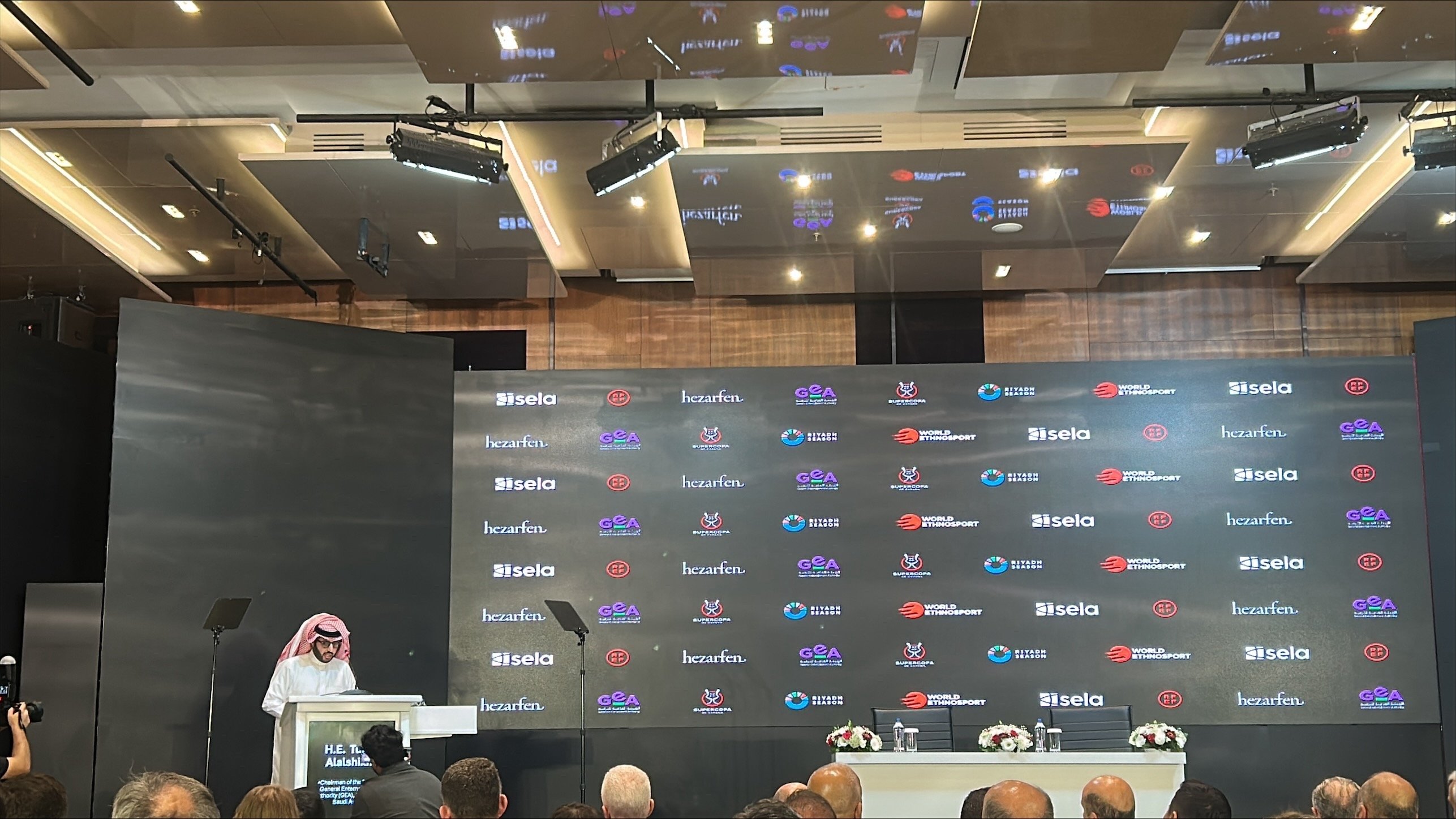
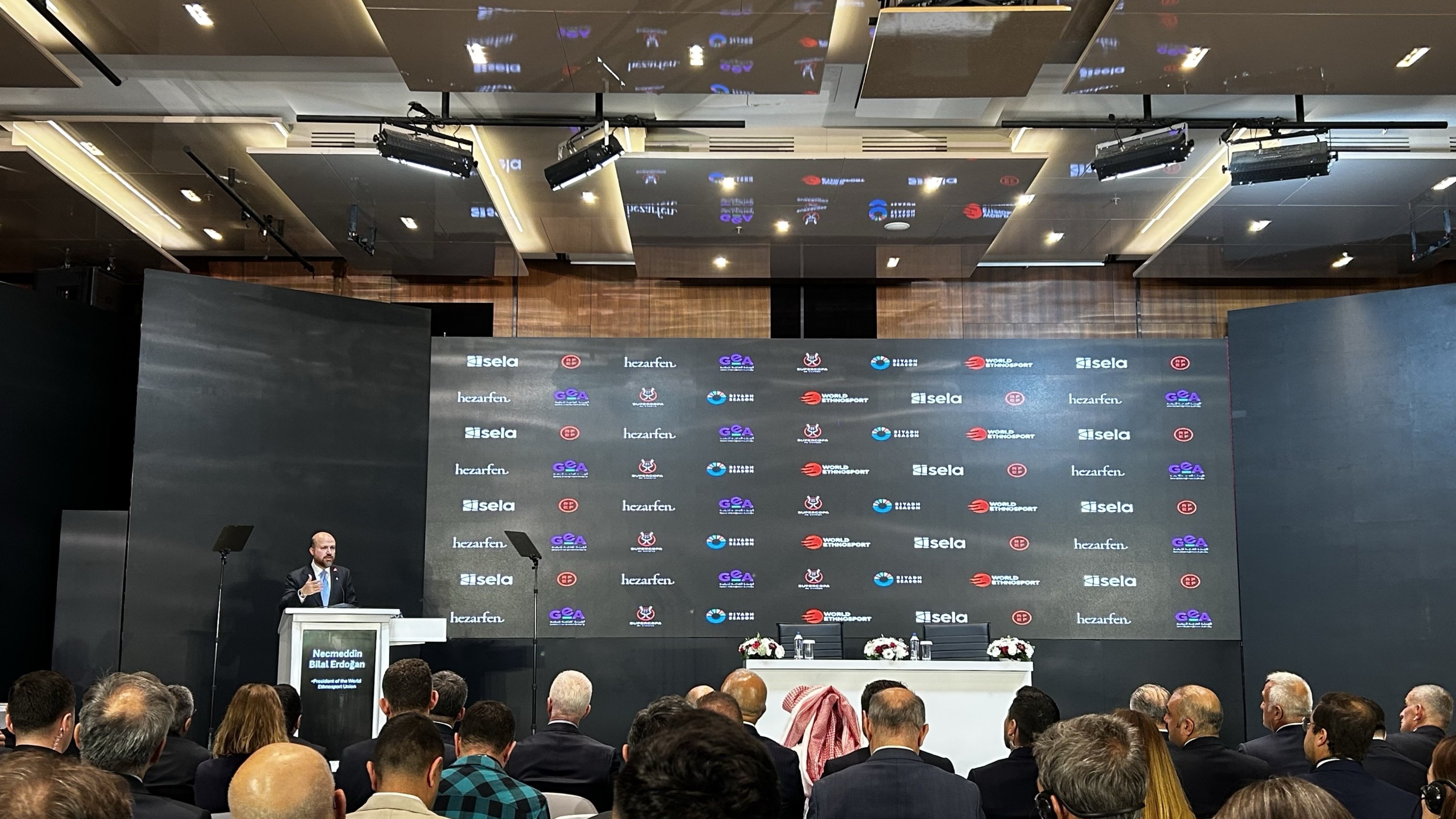
The first semifinal between Real Madrid and Real Sociedad will take place on Feb. 2 at Fenerbahçe’s Şükrü Saracoğlu Sports Complex, while the second, featuring Barcelona and Atletico Madrid will follow on Feb. 3 at Beşiktaş’s home ground.
The final match will be held on Feb. 6 at Galatasaray’s Ali Sami Yen Sports Complex.
Speaking at the launch event, TFF boss Hacıosmanoğlu emphasized Istanbul’s growing stature as a global capital for international sporting events, citing the city’s successful track record in staging major UEFA fixtures.
“We have successfully completed many major organizations, especially the UEFA Champions League and UEFA Europa League finals,” Hacıosmanoğlu said. “Most recently in May, we hosted football fans from all over the world in Istanbul as part of the UEFA Europa League final. Now, we will put all our experience forward for the 2027 Spanish Super Cup. The Spanish Super Cup, which has been held in Saudi Arabia for five years, will take place in Istanbul between Feb. 2 and Feb. 6,” he said.
He noted that the tournament will be broadcast live in more than 150 countries, offering significant global exposure for Türkiye and its sporting infrastructure. Domestically, the matches will be broadcast on HT Spor.
“The Spanish Super Cup will reach millions of football fans by being broadcast live in more than 150 countries worldwide,” Hacıosmanoğlu added. “In this respect, the organization will make a significant contribution to Türkiye’s international visibility and brand value. Football fans coming to Istanbul will not only witness the struggle of world stars, but also have the opportunity to closely experience our country’s thousands of years of history, unique culture, and strong passion for sports.”
Expressing his appreciation to political leadership and international partners, Hacıosmanoğlu extended gratitude to Turkish President Recep Tayyip Erdoğan, Saudi King Salman bin Abdulaziz, Saudi officials, and RFEF leadership for facilitating the agreement. He also thanked host clubs Fenerbahçe, Beşiktaş and Galatasaray for providing their stadiums and training facilities.
Saudi Arabia holds the hosting rights to the expanded Super Cup format under a multi-year agreement with the RFEF.
Turkish sports authorities underscored that full administrative capabilities will be mobilized to ensure seamless hospitality for visiting teams, officials, and international supporters.
With Ballon d’Or voting set to close in less than two weeks, top contenders are mounting unusually public campaigns for football’s biggest individual prize.
This self-promotion is a relatively recent development in a team sport where, until a few years ago, the top individual prize went largely unnoticed until it was time to present it.
But now, the Ballon d’Or dominates the football conversation during the months when the new European season is still finding its feet.
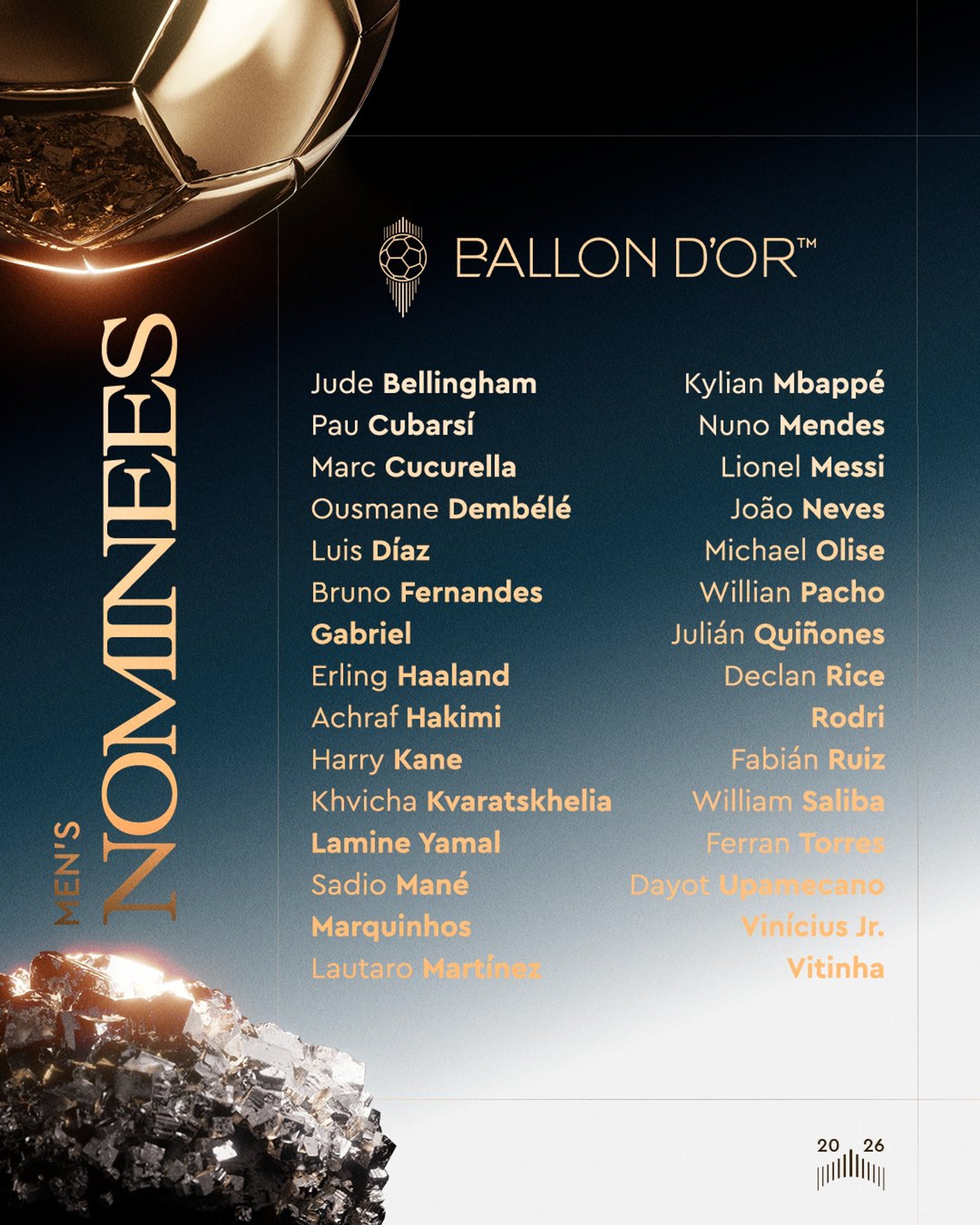
The trophy will be presented on Oct. 26, while the final sprint began on Sept. 8 when France Football, the award organizer, released the list of 30 candidates to succeed Ousmane Dembele.
The ceremony will be in London, even though only five of the 30 nominees play in the English Premier League.
The award carries no cash prize, but it has become worth increased income and status to players and their teams.
Many stars have related bonuses in their boot contracts while the award also increases their overall marketing value and that of their club.
The two all-time leading Ballon d’Or winners, Lionel Messi, who has picked up the trophy eight times, and Cristiano Ronaldo, who won five times, both have annual sponsorship income estimated by Forbes at more than $65 million.
Clubs can expect to sell more merchandise if one of their players wins.
Some 100 invited journalists – one representative from each of the top 100 countries in the FIFA rankings – will cast votes.
With no clear favorite, the stars and their PR agencies are stepping up their campaigns. Achievements are shamelessly paraded to scrape together votes.
‘I deserve it’
“For me, Mbappe and I, we’re the two best players in the world,” Lamine Yamal, who has won the World Cup and La Liga in 2026, said in an interview on Movistar Plus.
“I honestly think that, as the best in the world, maybe there are two of us, and this year I deserve it because of what I’ve won,” the 19-year-old added.
He was responding to the Frenchman, who days earlier had emphasized the award’s individual nature – after a year in which he won no trophies with either Real Madrid or France, who lost a World Cup semifinal to Spain, but scored 10 World Cup goals to take his tally to an all-time leading 22.
“Being the all-time top scorer in World Cup history, overtaking all the great legends in the history of the sport in the most important tournament there is, is something that really stands out, a global event. Who am I voting for? Myself,” said the striker, who was also the top scorer in last season’s Liga and Champions League.
His manager, Jose Mourinho, did not hesitate to back up the argument: “We know who has made history this summer and he’s not from PSG or the Spanish national team.”
In 2024, Real Madrid boycotted the ceremony after learning just before they were due to travel that none of their seven nominees had won.
This year, Paris Saint-Germain have a record 10 nominees, after retaining the Champions League.
That number, and also the side’s reputation for collective team spirit, may count against them.
Their leading candidates are Dembele, Khvicha Kvaratskhelia and Fabian Ruiz, the only player on the list to have won both the Champions League and the World Cup this year.
‘Why not dream?’
“Why not dream?”, the unassuming Spanish midfielder told French television.
PSG are refusing to pick one individual while arguing that the winner has to be one of their players.
“Kvara and Doue are incredible players. For me Kvara could win the Ballon d’Or, as could Dembele and others,” said coach Luis Enrique.
Dembele told France Football that he would not try to influence the poll.
“May the best player win; in any case, it’s not us who are voting,” he said. “I never sell myself. It’s up to them to decide.”
Meanwhile, England captain Harry Kane, who scored 73 goals while leading Bayern Munich to a German domestic double and his country to third in the World Cup, remains quiet.
Bayern are speaking up for their leader, putting together a video in which team-mates said that Kane should win.
“He deserves to win it, 100 per cent, without a doubt,” said Colombian Luis Diaz, who is also on the shortlist.


-
 Economy3 days ago
Trump shifts US military aid toward Latin American allies
-

 Economy3 days ago
US diesel price hits new record high in fresh blow to Trump
-
 Sports3 days ago
Milan, Benfica primed to settle old scores in Europa League
-

 Politics3 days ago
Western Thrace Turks demand action after mosque targeted in Xanthi
-
 Economy3 days ago
Türkiye orders detention of 41 execs in food price manipulation probe
-
 Economy3 days ago
UniCredit reportedly wants Commerzbank CEO, chair to leave
-

 Politics2 days ago
39 suspects captured in Istanbul-based anti-terror ops
-

 Economy3 days ago
Diesel prices in Türkiye near $2 per liter as fuel costs hit record high