
Lifestyle
Golden hour gems: Best sunset spots in Türkiye’s Bodrum

If you’re an opacarophile – yes, there’s a word for people like us who live for sunsets – you know the feeling. The day bends toward evening and suddenly nothing matters except finding the perfect spot to watch the sky turn molten. On the southwestern coast of Türkiye, in Bodrum, that means plans are often rearranged, dinner reservations reshuffled, even conversations cut short. And while Gümüşlük has long been the postcard image, the real hero of the golden hour is Yalıkavak.
Here, people choose their restaurants by the angle of the sun, not the length of the menu. The rush isn’t for the food not at first it’s to secure that west-facing table before the light begins its nightly magic. Until recently, I would have sworn Gümüşlük was unrivaled. Now I’m convinced: the crown belongs to Yalıkavak. Ready? Let’s chase it together.
Refined sining with view
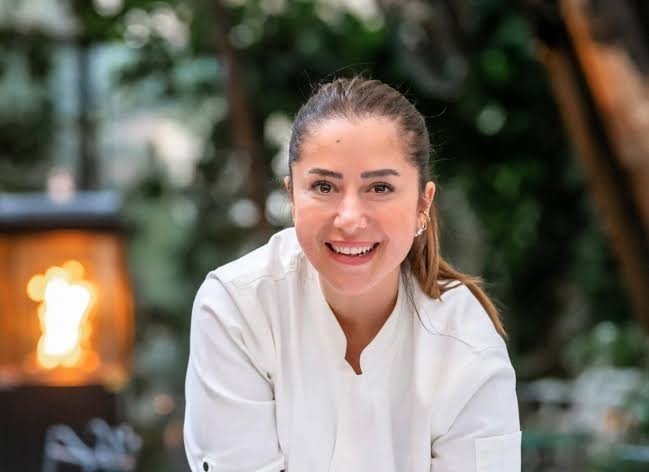
Hodan, perched inside Avantgarde Refined Yalıkavak, where the kitchen is as compelling as the horizon. Led by founder and chef Çiğdem Seferoğlu, the menu reimagines Türkiye’s culinary traditions with creative flair. Expect artichokes and içli köfte that taste like nostalgia reengineered, a cold meat platter that could double as a still-life painting, and bold additions like kokoreç and uykuluk for the adventurous. Seafood lovers will find grilled octopus and shrimp worth lingering over, even as the light fades.
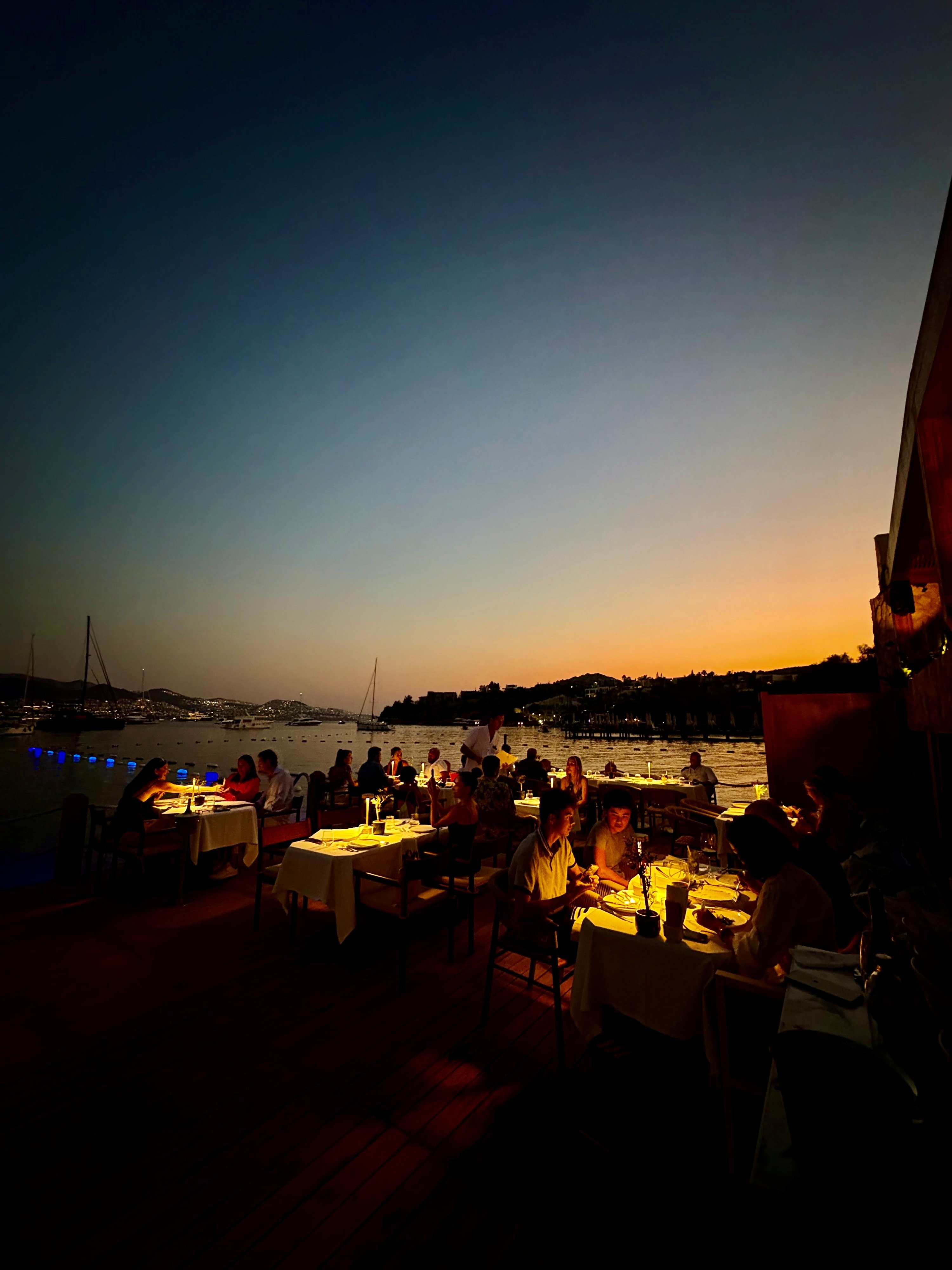
When The New York Times called Çiğdem Seferoğlu a “star chef” in its feature How Female Chefs Are Sparkling in Istanbul, it was no exaggeration, if anything, an understatement. Rooted in Turkish traditions yet unafraid to break boundaries, she presents flavors that are both authentic and unexpected. If anyone could redefine how the world experiences Turkish cuisine, it’s her. Sunset here is not just a backdrop, it’s the final flourish on an already meticulous performance.
Glamour on plate
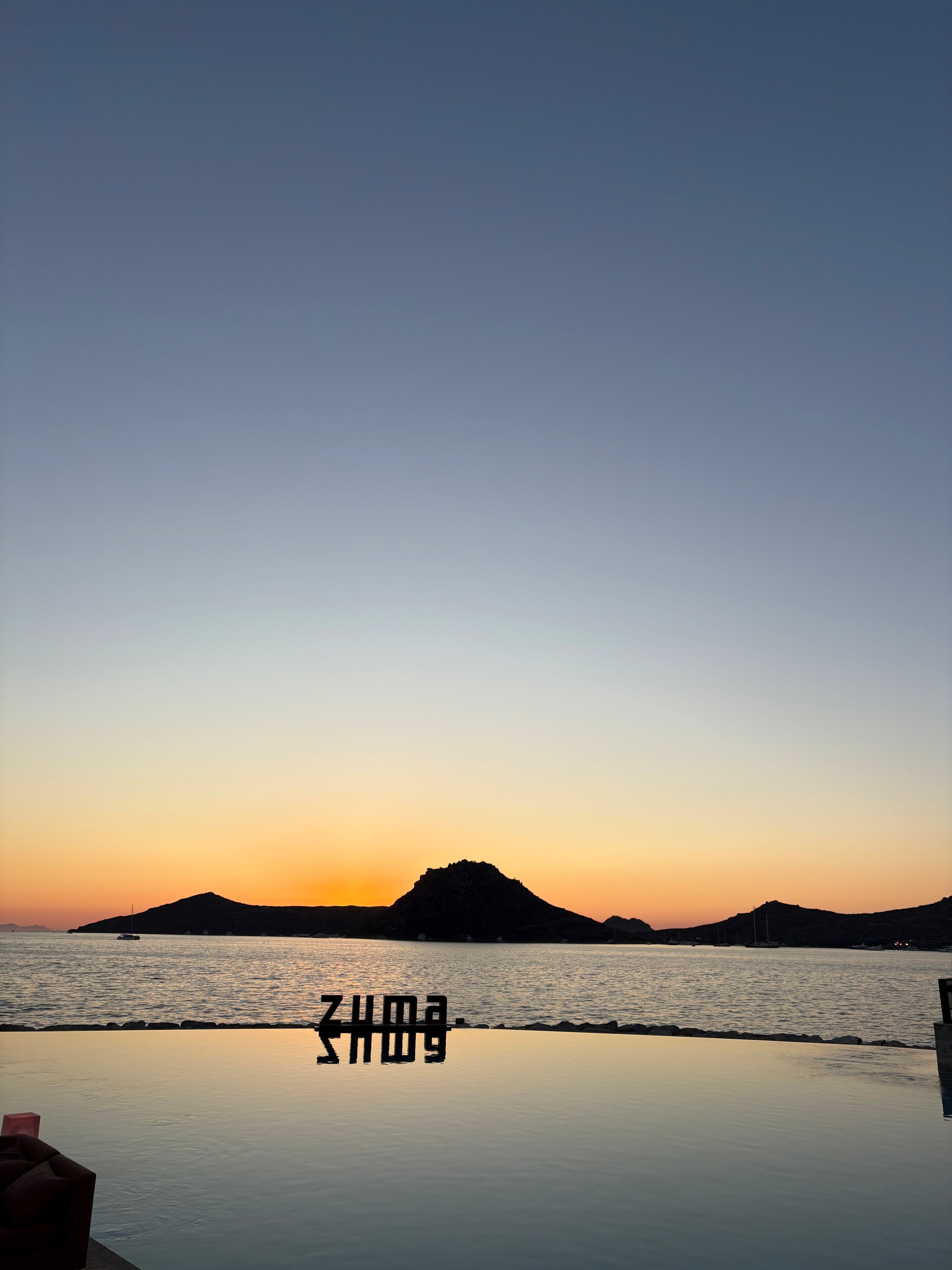
The second unmissable sunset spot? Zuma Bodrum. At Yalıkavak Marina, as the sun leans toward the horizon, the restaurant transforms into a golden-hour stage part dining destination, part photo op. Guests line up (yes, line up) for their moment against the view, and it’s easy to see why. Fresh from a winter renovation, Zuma’s pared-back, natural design frames the Aegean like a living artwork. Executive chef Emrah Orak’s menu is global-Japanese perfection: miso-marinated black cod in hoba leaf, lamb chops kissed with sweet miso and black pepper, sushi and sashimi as precise as origami. Local touches like Ponzu Lime and Butter King Crab nod to Bodrum’s coastal bounty. And when the sun finally slips away? The infinity pool catches the last glimmer, the music rises and the night begins.
Where sunset turns into canvas
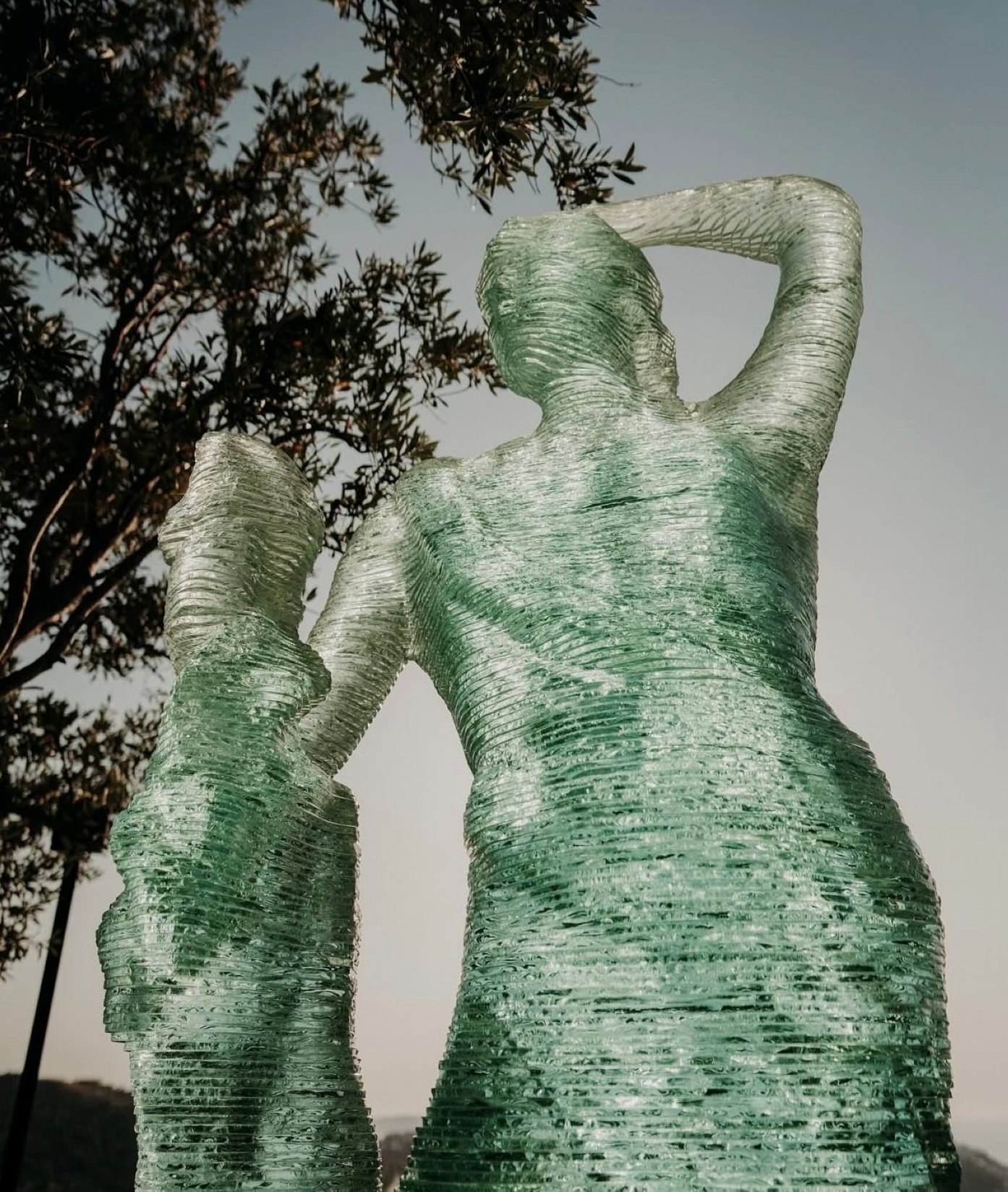
Some sunsets are quiet. Şişko Perihan is… not. Imagine the golden disc dipping behind a striking Artem Martis sculpture while the crowd shifts from seated diners to tabletop dancers in a matter of minutes. The music is loud, the energy infectious and the view unapologetically dramatic. It’s part spectacle, part beach party, and entirely unforgettable if you like your sunsets served with a side of pure chaos.
Bohemian glow
Finally, for a sunset that feels like you stumbled into a secret Kavanoz. Transplanted from Istanbul’s Arnavutköy, it carries its laid-back, slightly scruffy charm to Yalıkavak’s shoreline. Here, the magic is in the details: candlelight bouncing off mismatched glassware, playlists that hum with coastal ease, and drinks that deserve their own fan base. Finally, Kavanoz is dog-friendly, meaning you might share your golden-hour moment with a happily panting sidekick.

The cities of Samarkand and Tashkent have long been central to science, culture and religion in Uzbekistan. Samarkand, historically a hub of learning and art and Tashkent, the country’s capital since independence in 1991, continue to attract scholars, students and tourists alike.
Uzbekistan, with a population of over 37 million, has a rich history marked by both invasions and thriving dynasties. Its 12 provinces are predominantly Muslim, and its economy relies heavily on cotton, natural gas and gold.
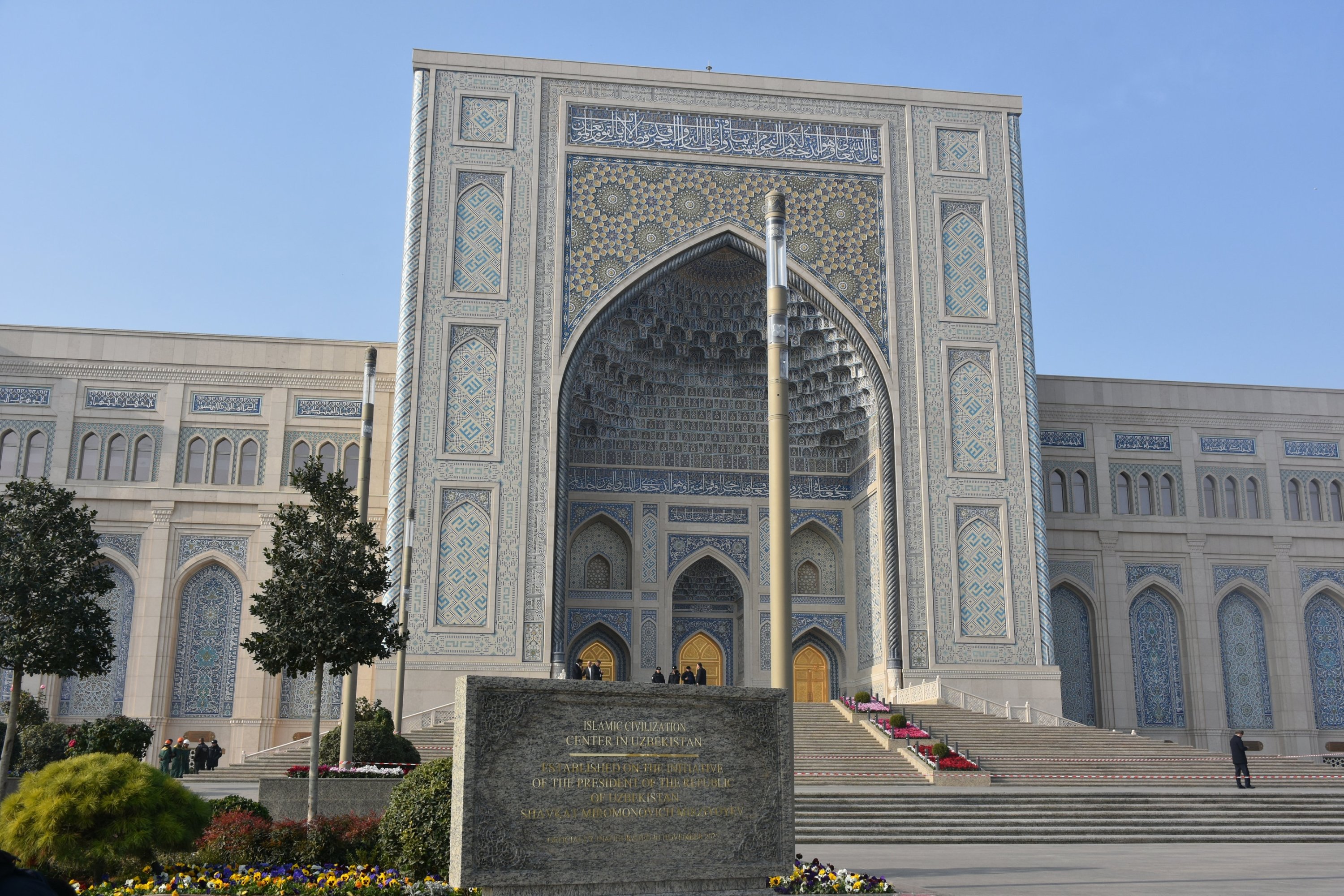
Tashkent: Old and new
Tashkent is divided into old and new districts. The city’s historic core, now known as Old Tashkent, was largely destroyed in a massive 8.0 magnitude earthquake on April 26, 1966, leaving only 10% of the city intact. Among the surviving landmarks is the Barak Khan Madrassa in the Hazrati Imam Complex, a striking reminder of the city’s scholarly past.
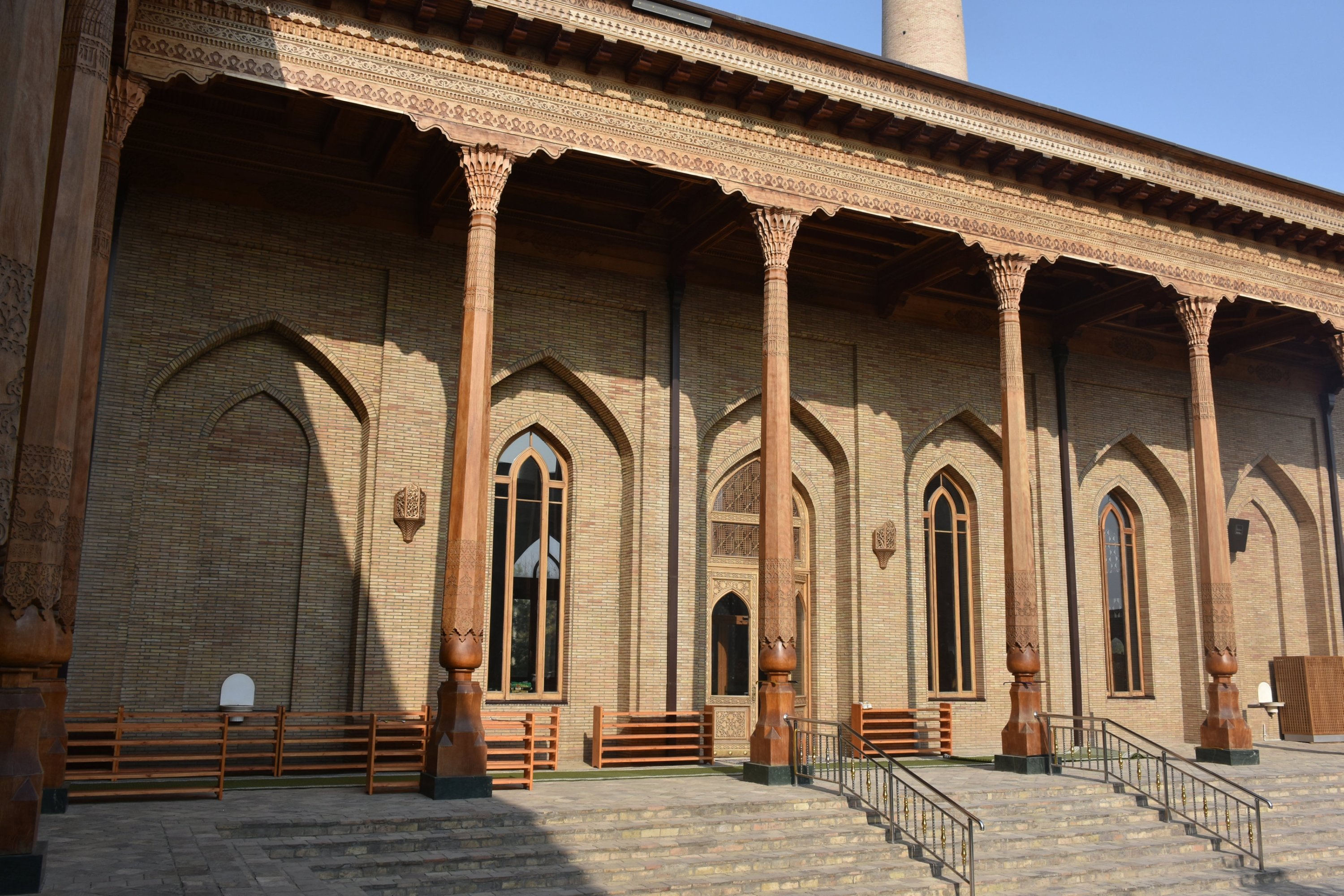
Madrassa buildings, once centers of learning with low doors to encourage humility, now house local crafts, traditional clothing and souvenirs. Nearby, the tomb of Abu Bakr Muhammad Kaffal al-Shashi honors the scholar known for introducing Islam to nomadic tribes. Little is known about al-Shashi’s life, but his studies in Baghdad on Islam, astronomy and mathematics continue to influence religious institutions across Muslim countries.
Craftsmanship, architecture
Woodcarving remains a key art form in Uzbekistan. The Hazrat Imam Mosque, built in 2007, features intricately carved wooden columns and two 16th-century-style minarets. The 14th-century Suzuk-Ota Mosque boasts the largest dome in Tashkent, designed to carry sound throughout the building before microphones existed. Historical and modern techniques are combined, with brick domes alongside metal-supported structures.
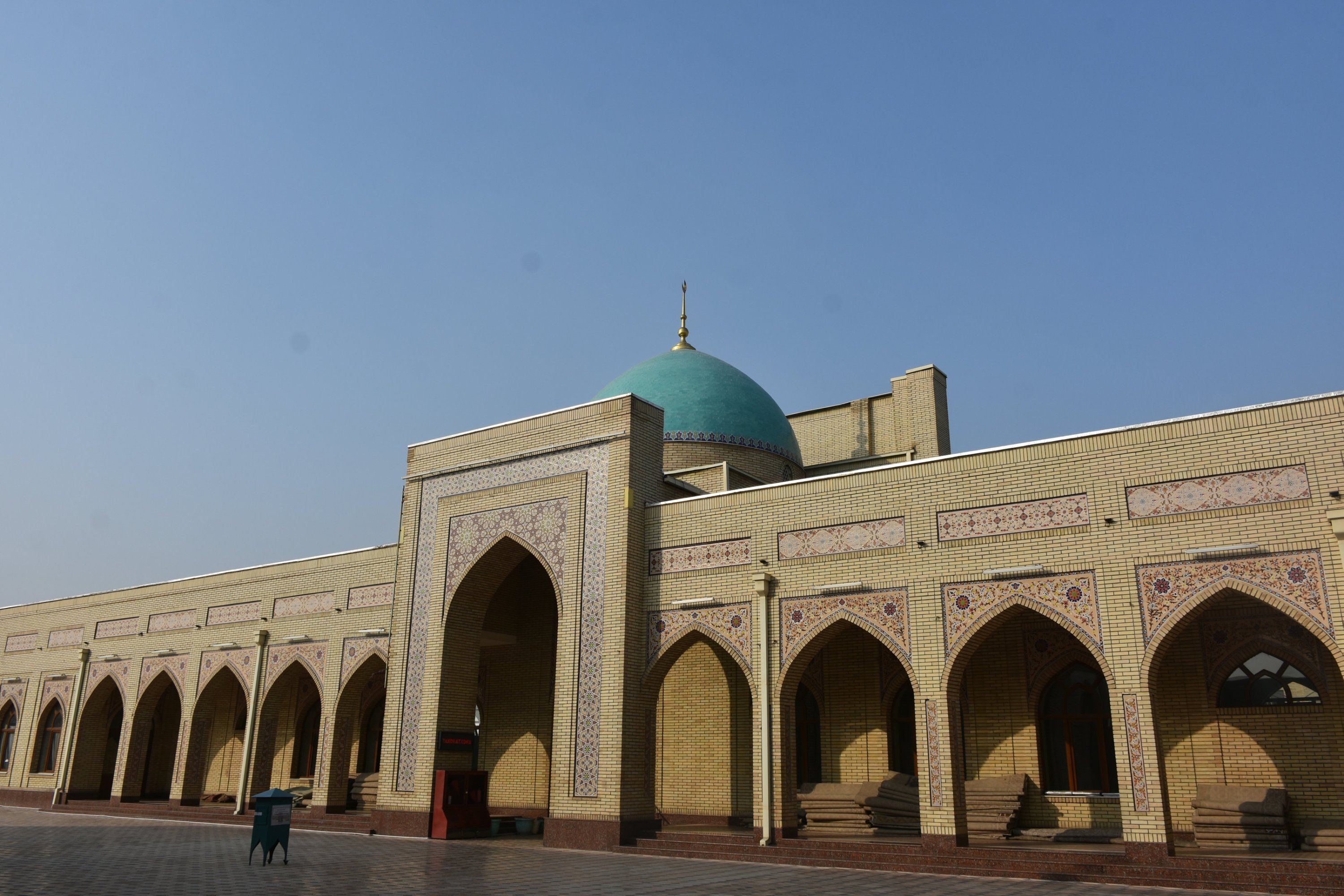
The Museum of Applied Art of Uzbekistan in Tashkent highlights over 7,000 works of traditional folk art, spanning from the early 19th century to the present. Its architecture echoes historic mosques and late-19th-century aristocratic homes, with decorative motifs reflecting Uzbekistan’s cotton and silk industries.
Capital of science, culture, art
Located along the Silk Road, Samarkand flourished under Emir Timur and his descendants, becoming a center of science, culture and art. The city, meaning “rich city,” is divided into old and new areas. UNESCO restrictions prevent high-rise construction in the modern district to preserve its historic character.
The old city, Afrasiyab, was destroyed by Genghis Khan in the 13th century and rebuilt by Timur in the 14th century. Today, visitors are drawn to its famous Registan Square, home to three historic madrassas: Ulugh Beg, Tilya Kori and Sher‑Dor. Seismic activity and soft ground cause the buildings to gradually sink into the sand, adding to their unique charm.
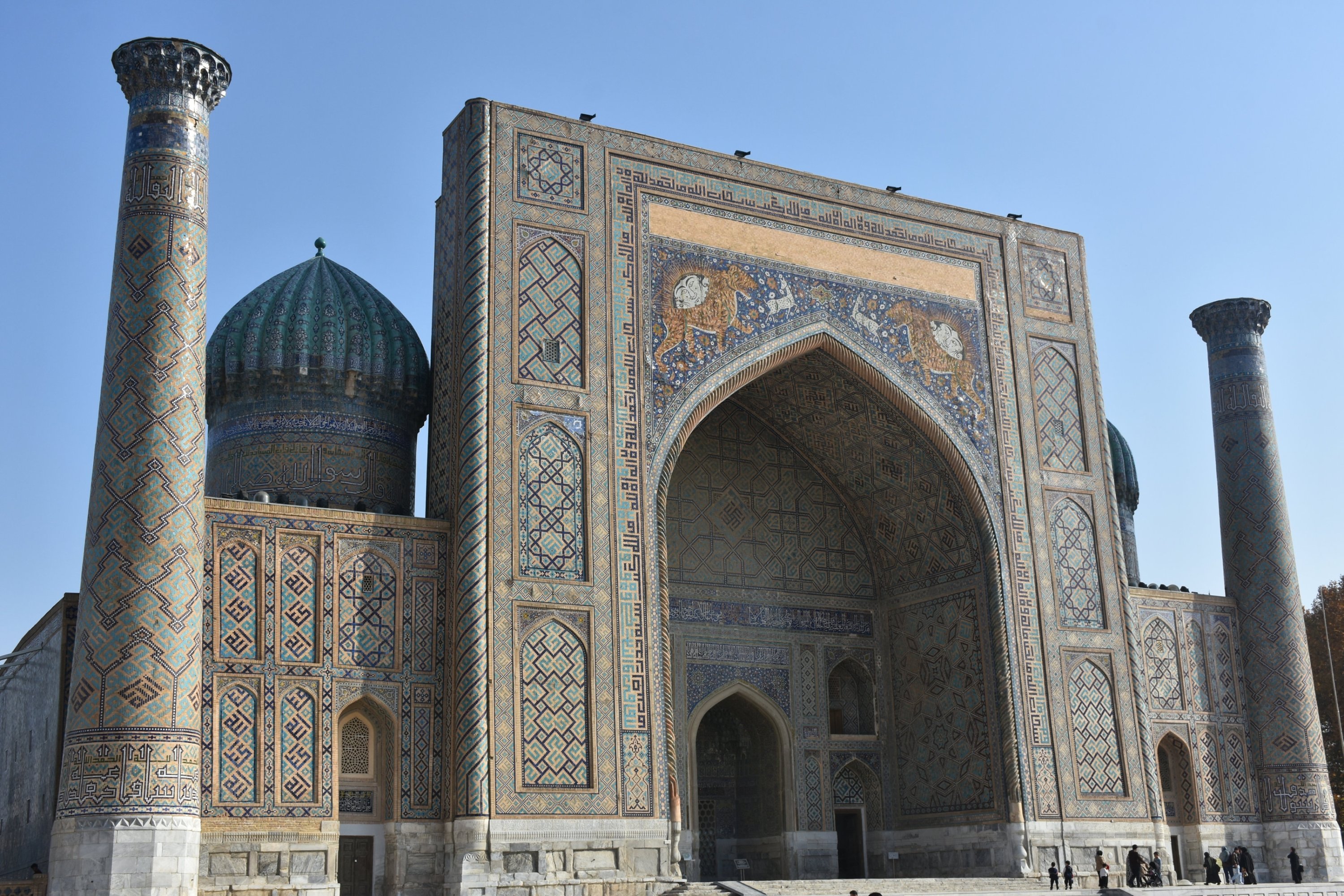
Ulugh Beg Madrassah, functioning as a university, was founded in the 15th century by Timur’s grandson, Ulugh Beg, who also taught students. Mathematics, philosophy, geography, music and religious studies were part of the curriculum, cementing Samarkand’s reputation as a center of learning. Tilla-Kari Madrassa, also known as the “Gold-Plated Madrassa,” served as both a school and mosque, while Shir-Dor Madrassa focused on religious education.
Visitors admire the low doorways of the madrasas, designed to instill respect for knowledge and the city’s culture of deference is reflected even in tea-serving ceremonies.
Religious, historical sites
Uzbekistan is home to many tombs and mosques. The mausoleum of Islam Karimov in Tashkent, built in 2016-2017 under President Shavkat Mirziyoyev, honors the nation’s first president, Islam Karimov. Hazrat Khizr Mosque, dating back to pre-Islamic Zoroastrian times, is considered the first Muslim mosque in the region.
Bibi Khanum Mosque, commissioned by Timur and completed with his wife Bibi Khanum’s oversight, bears her name. Timur’s family tombs, including many of his descendants, are in Samarkand. Imam Bukhari, a prominent Islamic scholar born in Bukhara and buried in Samarkand, draws Muslim pilgrims from across the world.
Samarkand’s legacy of knowledge, artistry and religious devotion continues to shape Uzbekistan’s identity, preserving the grandeur of its past for generations to come.
Some cities are like unexpected treasures: we don’t hear their names often, we add them to our plans at the last minute, yet when it’s time to say goodbye, a piece of our heart stays behind. Just half an hour away from Amsterdam’s famous crowds lies a world that is calmer, deeper and undoubtedly more romantic.
Utrecht: A hidden gem
In some travels, certain stops surprise us – or even make us wonder whether we should have visited at all – yet their charm lingers in our memory. Utrecht is one of those cities. I hope one day your path will cross with this delightful city, which I am eager to share with you.
Here’s a fact that might surprise you: Utrecht, often called “Little Amsterdam,” is actually the fourth largest city in the Netherlands. Following Amsterdam, Rotterdam and The Hague, Utrecht stands as one of the oldest cities in the country. Centrally located, it is about 40 kilometers (24.86 miles) southeast of Amsterdam and 60 kilometers northeast of Rotterdam, making it a must-visit on any Dutch itinerary.
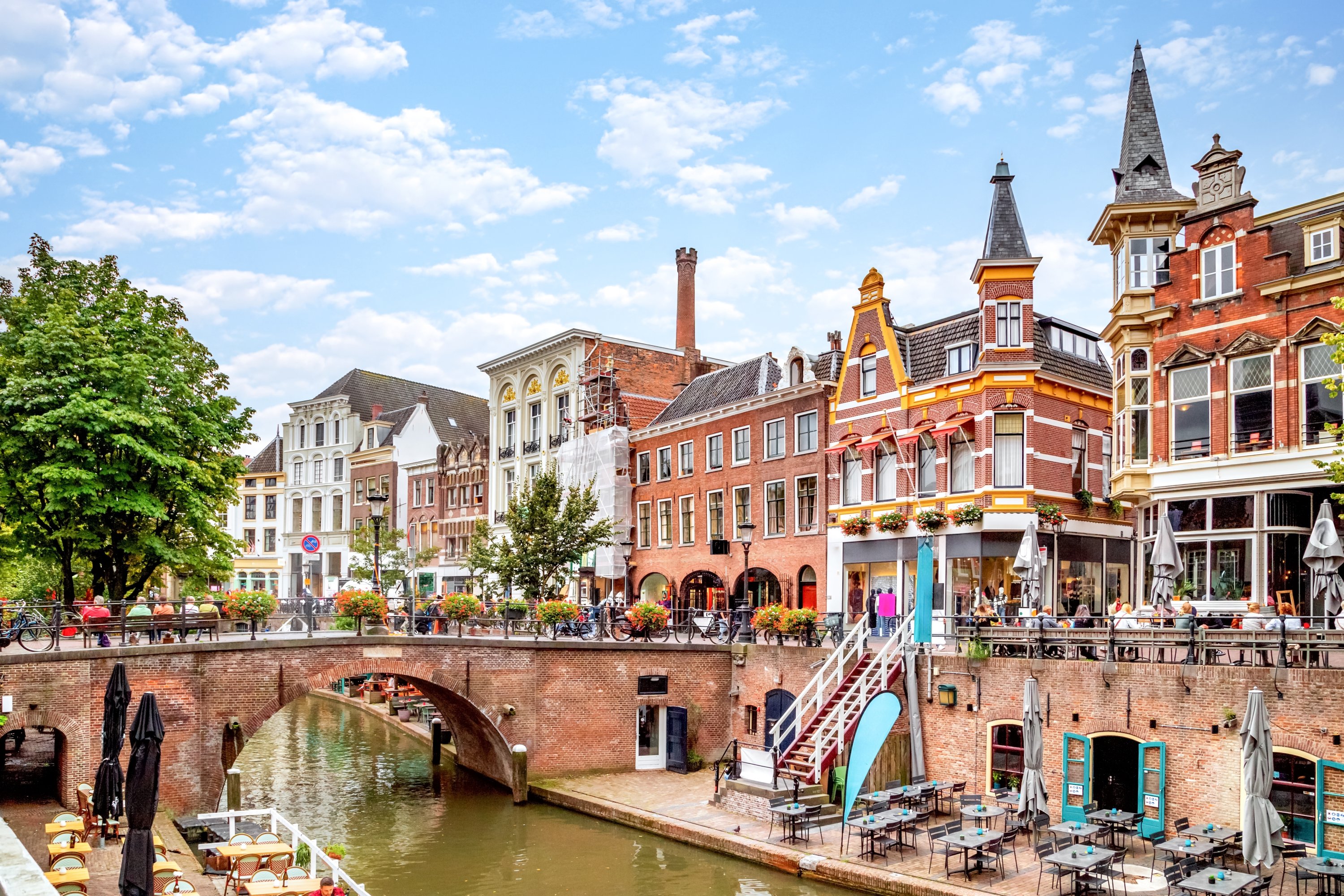
Despite being the fourth largest city, Utrecht does not share the hustle and bustle of Amsterdam. Perhaps this is why many visitors, including myself, feel an immediate connection to the city. Its traditional Dutch buildings, charming canal-side cafes and serene atmosphere make it perfect for slow walks, photography and simply savoring the moment. Utrecht is romantic, calm and timeless.
Canals: Heartbeat of Utrecht
The best way to understand Utrecht is through its canals. Unlike those in Amsterdam, Utrecht’s canals exude a unique charm and feel like the city’s lifeblood.
The famous werfkelder, or wharf cellars, give the city a two-level layout. Descending the moss-covered stone steps from street level, you leave the city’s rush behind and enter a tranquil world. Historic cellar doors now open into boutique cafés adorned with colorful flowers, dimly lit jazz spots, or creative art studios.
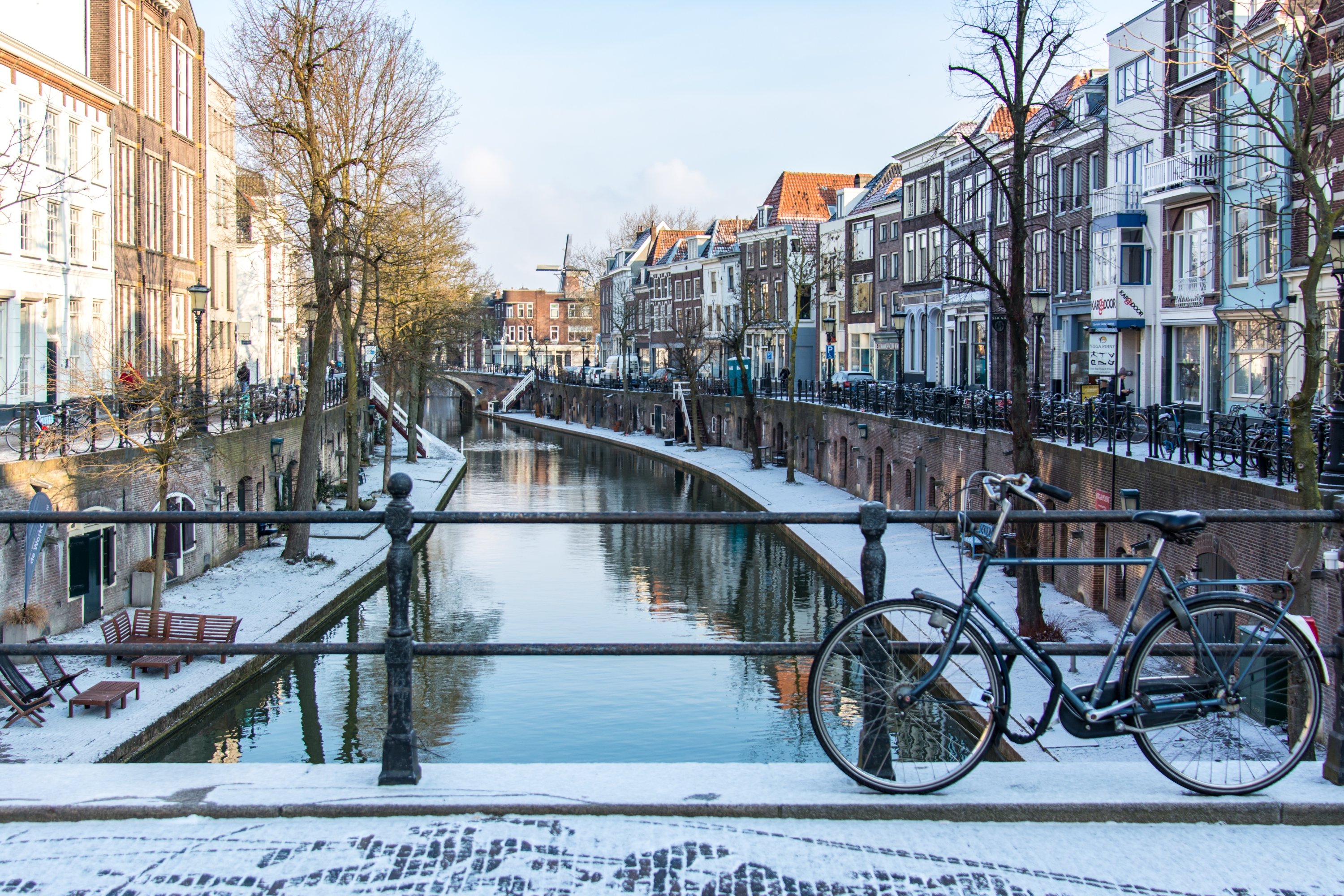
One of the city’s greatest joys is the feeling of life moving more slowly here. Even as a large city, Utrecht allows you to savor quiet moments. You’ll find yourself taking endless photos on flower-laden canal bridges and wishing your coffee by the water would never end.
Utrecht’s majestic landmark
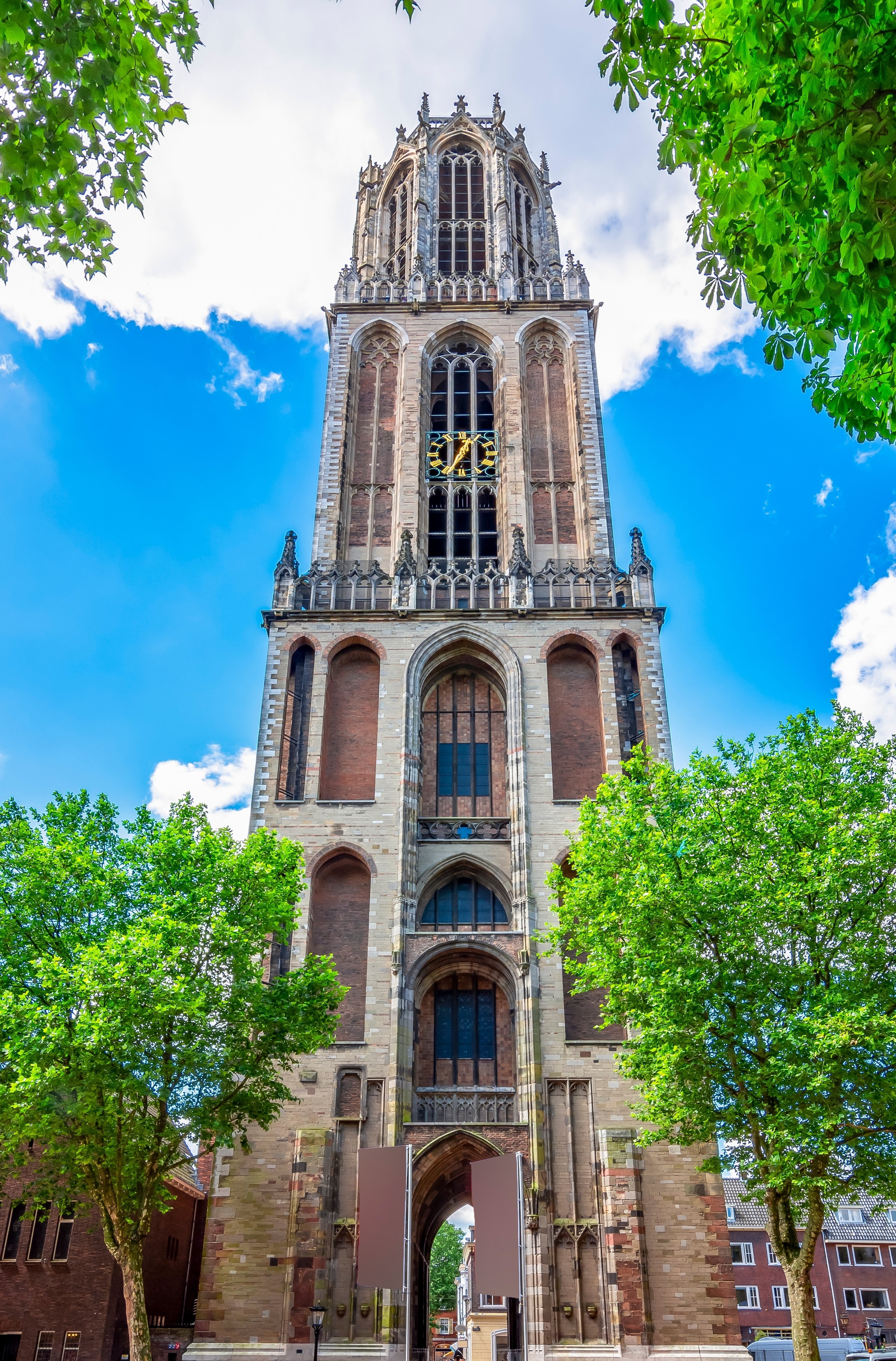
Dom Square (Domplein) is an ideal starting point for exploring the city. Its centerpiece, the Dom Tower, warmly welcomes visitors with its striking presence.
Built in the 11th century, the Dom Tower is one of Europe’s tallest church towers, standing 112 meters high. Once part of the Utrecht Cathedral, it remains a symbol of the city. The Gothic-style cathedral next to it adds to the historic skyline. From the top of the tower, you can enjoy panoramic views of Utrecht.
Discover history beneath Dom Tower
Did you know the magic of Dom Square continues underground?
Dom Under Utrecht offers a unique journey into 2,000 years of history. This underground museum showcases excavations and Roman-era ruins, revealing the city’s evolution from its earliest days. Archaeology enthusiasts can even witness ongoing excavations during their visit, making it a captivating experience for anyone interested in history and discovery.
St. Martin’s Cathedral
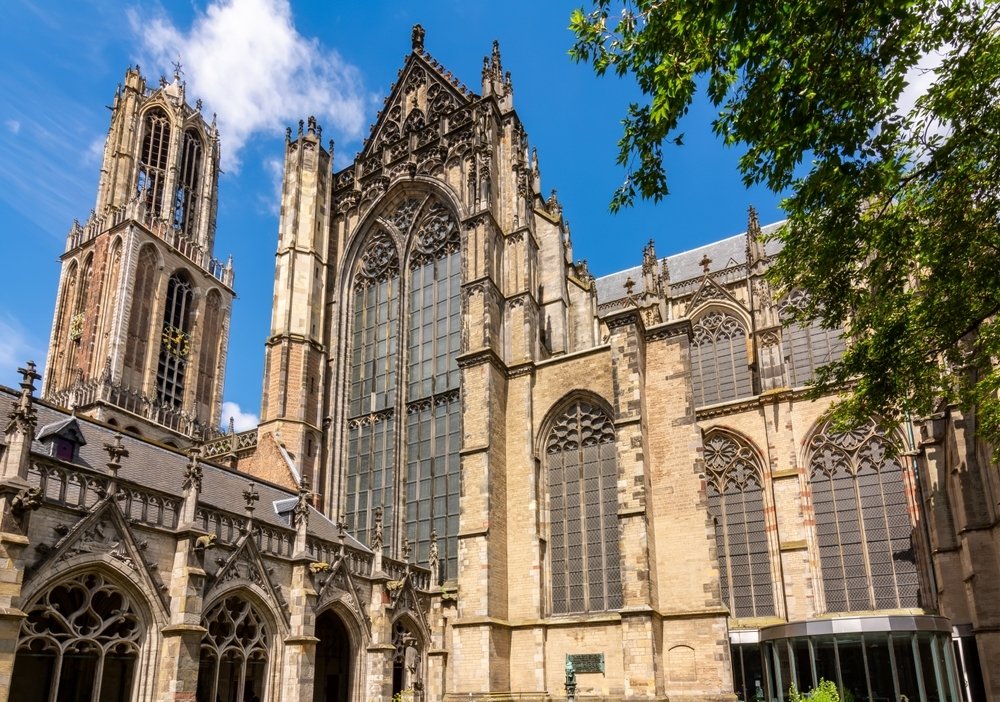
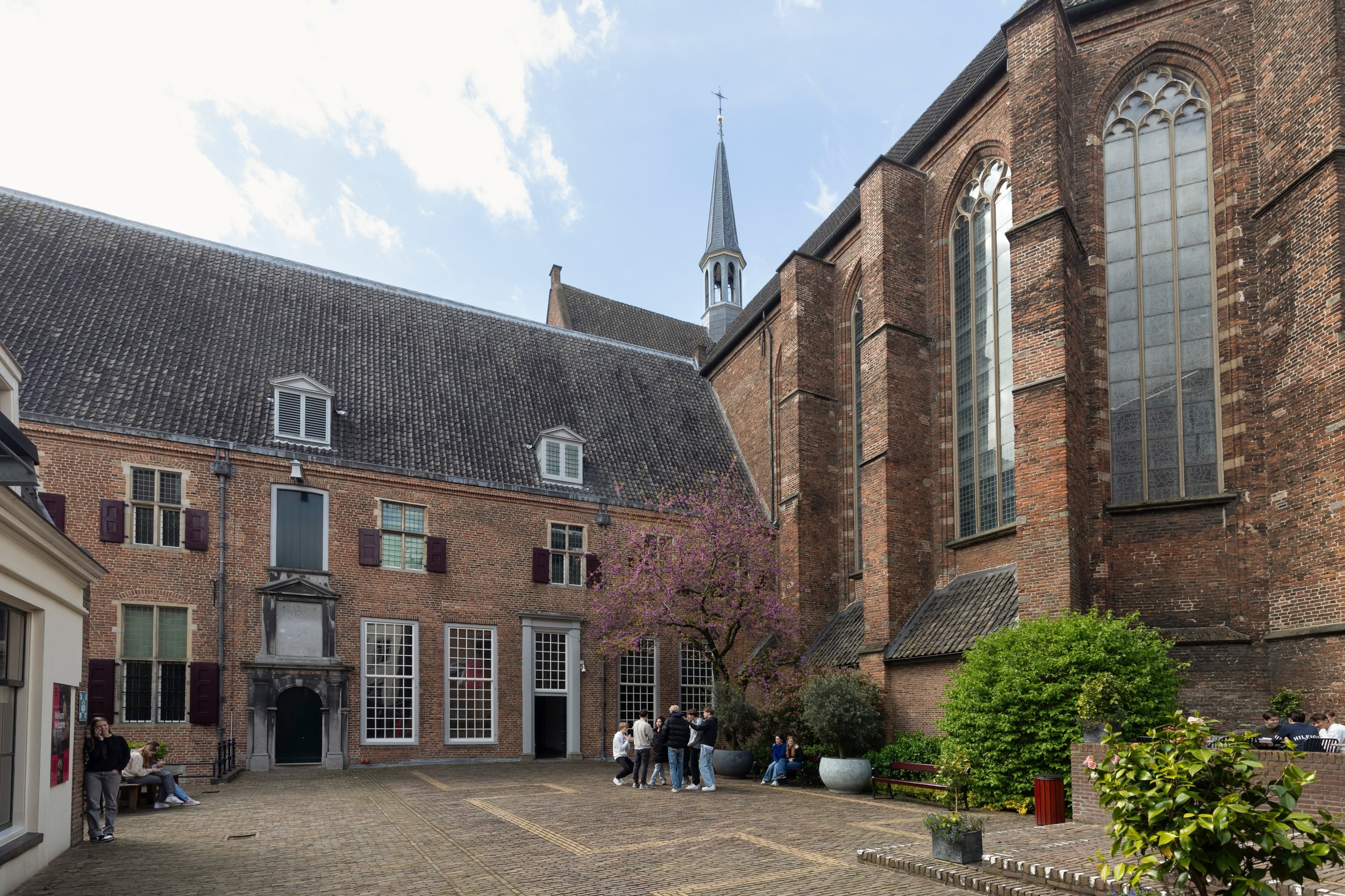
Another medieval gem in Utrecht is St. Martin’s Church, a symbol of the city that has stood the test of time. Hidden within the church is Pandhof Garden, a historic cloister garden adorned with plants, flowers and sculptures. Here, visitors experience a serene blend of history and nature, perfect for reflection and photography.
Rietveld Schröder House
Utrecht is also home to a UNESCO World Heritage Site: the Rietveld Schröder House, designed by Dutch architect Gerrit Rietveld. A global icon of modern architecture, the house features remarkable design innovations:
Movable partitions transform the interior from one large open space into multiple rooms.
The kitchen, living and dining areas can be reconfigured based on need.
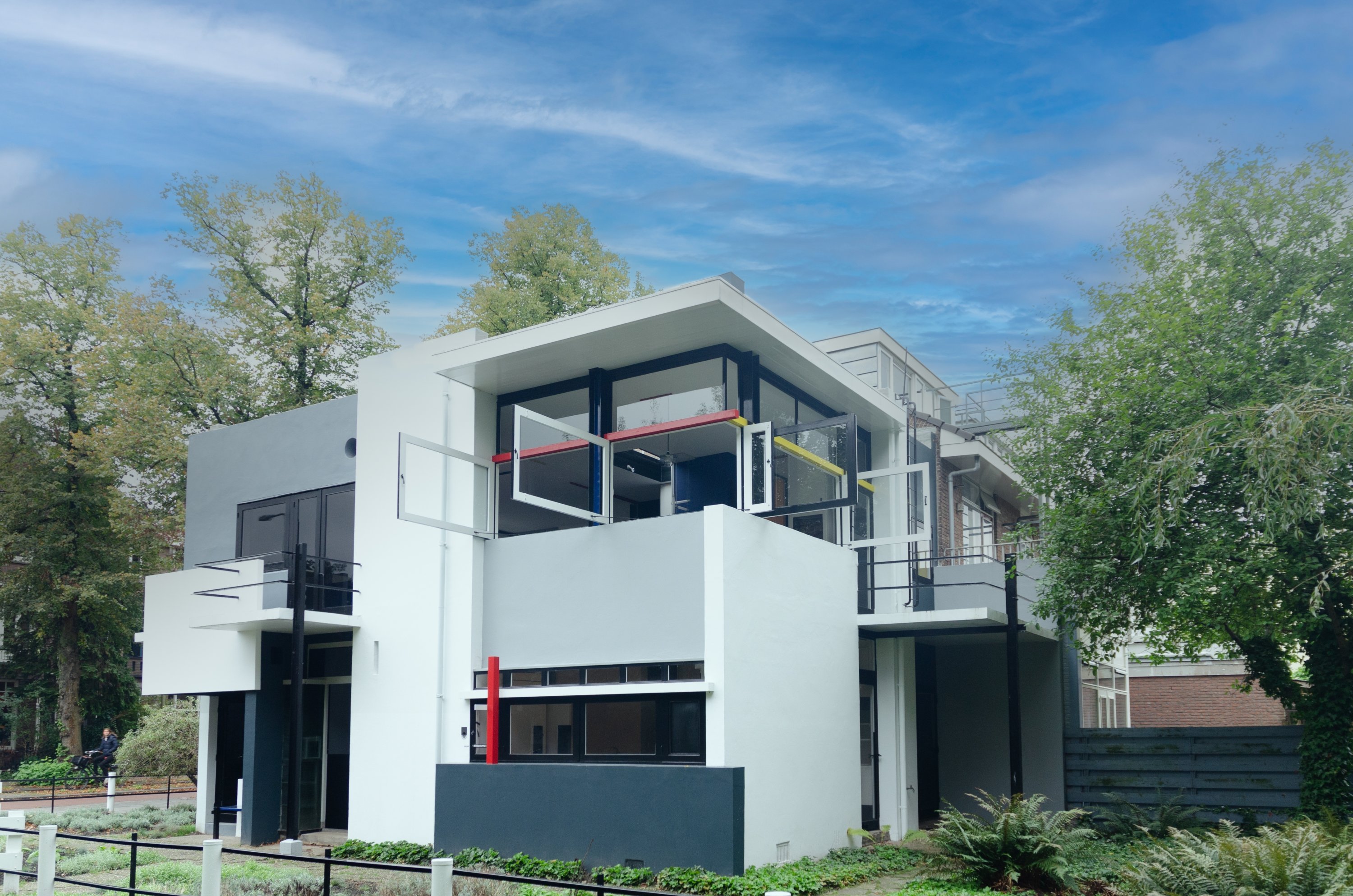
The corner window frames the outside view perfectly, with unobstructed sightlines that make the scenery feel like a painting.
The house is one of the most creative examples of functional modern architecture you can visit.
Museum Catharijneconvent
Named after a medieval monastery, Museum Catharijneconvent displays religious art and artifacts, exploring the Netherlands’ spiritual history. Alongside its impressive collections, the museum offers insights into traditions, rituals, and religious life, providing a unique and immersive experience.
Castle De Haar
Just outside Utrecht lies De Haar Castle, one of the most beautiful and grand castles in the Netherlands, ranked among the 22 most beautiful castles in the world. Situated between Utrecht and Amsterdam, it is a testament to history and luxury, transporting visitors into a magical fairytale.
Miffy Museum
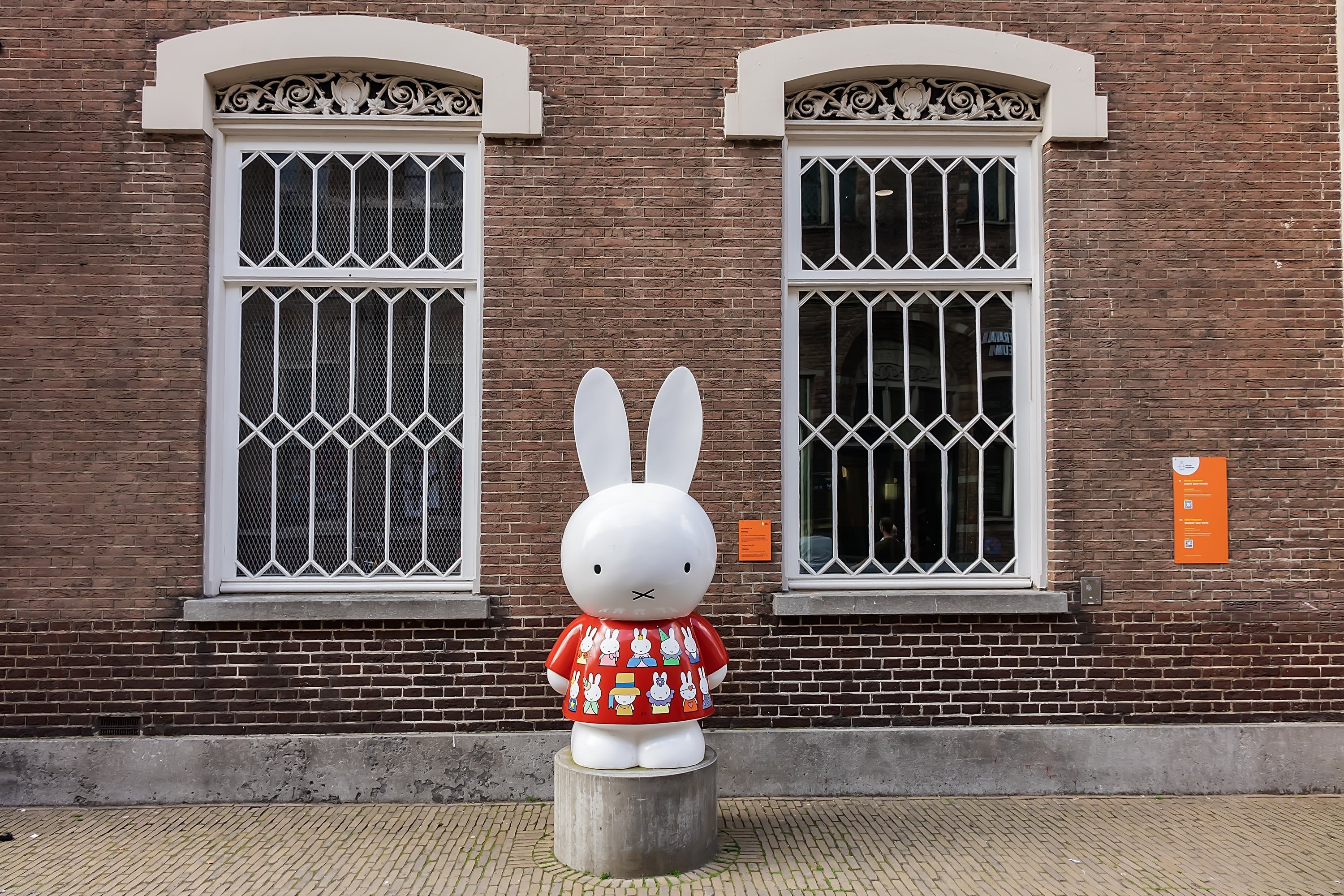
The Nijntje Museum, dedicated to the beloved Dutch children’s character Miffy (created by Dick Bruna), offers an educational and entertaining experience for children. Families can explore the colorful world of Miffy and enjoy interactive exhibits.
Sonnenborgh Observatory
Located in the northeast of the city, Sonnenborgh Observatory also functions as an astronomy museum. Housed within a historic fort, the observatory was acquired by Utrecht University in 1853 for astronomical research. Public observation events are occasionally held, guided by professional astronomers, making it a fascinating stop for science enthusiasts.
Tourists hoping to get close to the Trevi Fountain have to pay 2 euros ($2.35) starting Monday as the city of Rome inaugurated a new fee structure to help raise money and control crowds at one of the world’s most celebrated waterworks.
The first tourists to pass through the new ticket check seemed unfazed by the tariff, noting it was a small price to pay for quality access to a fountain made famous by Federico Fellini’s movie “La Dolce Vita.”
“Before, there were problems accessing the fountain. There were a lot of people. Now, it’s very easy,” said Ilhan Musbah, a tourist from Morocco. “You can take photos, you feel good, you’re comfortable, and on top of that, 2 euros is not much.”
The tourist fee was rolled out in conjunction with a new 5-euro tourist ticket fee for some city museums. In both cases, Rome residents are exempt from the fees and the extra revenue will actually expand the number of city-run museums that are free for registered Roman residents.
It’s all part of the Eternal City’s efforts to manage tourist flows in a particularly congested part of town, improve the experience and offset the maintenance costs of preserving all of Rome’s cultural heritage. Officials estimate it could net the city 6.5 million euros extra a year.
The city decided to impose the Trevi Fountain fee after seeing positive results already from a yearlong experiment to stagger and limit the number of visitors who can reach the front edge of the basin by imposing lines and pathways for entrance and exit.
“I think tourists were shocked by the fact that the city of Rome is only asking for 2 euros for a site of this level,” Alessandro Onorato, Rome’s assessor of tourism, said Monday. “I believe that if the Trevi Fountain were in New York, they would have charged at least $100.”
The fee follows a similar ticketing system at Rome’s Pantheon monument and the more complicated tourist day-tripper tax that the lagoon city of Venice imposed last year in a bid to ease overtourism and make the city more livable for residents. The Italian fees still pale in comparison to the 45% price hike that French authorities announced for the Louvre Museum for most non-European visitors, where tickets can now run to 32 euros from 22 euros.
The Trevi fee, which can be paid in advance online, enables tourists to get close to the fountain during prime-time daylight hours. The view for those admiring the late Baroque masterpiece from the piazza above remains free, as it is up close after hours.
The towering fountain features the Titan god Oceanus flanked by falls cascading down the travertine rocks into a shallow turquoise pool, where Marcello Mastroianni and Anita Ekberg famously took their nighttime dip in “La Dolce Vita.”
While bathing is prohibited nowadays, legend has it that visitors who toss a coin over their shoulders and make a wish will return to Rome.
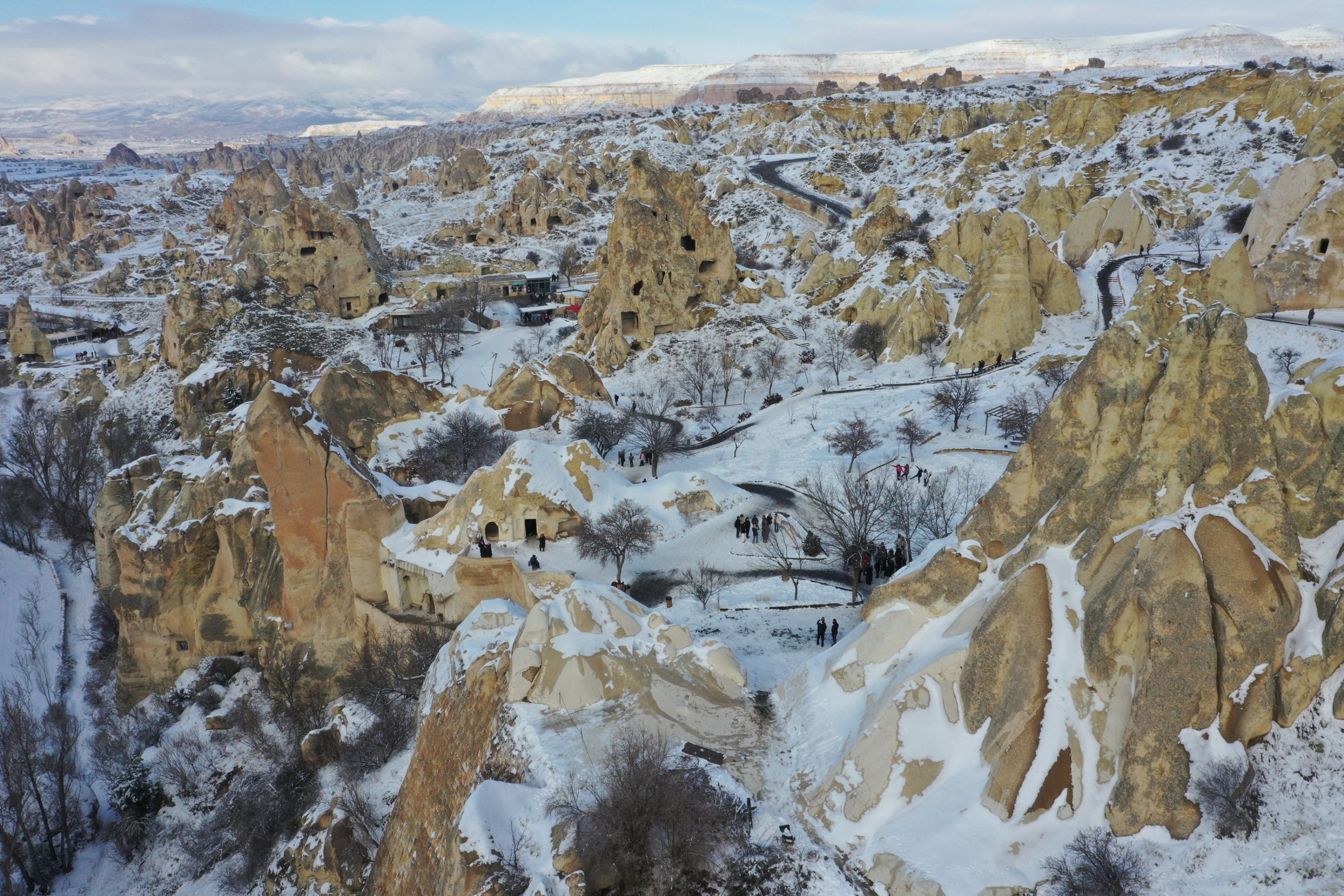
The Göreme Open-Air Museum in Nevşehir, one of Türkiye’s most visited museums, welcomed 1,187,016 domestic and international visitors last year.
Known for its rock-cut churches, monasteries, chapels and colorful frescoes, the museum attracts hundreds of thousands of tourists annually. It ranks among the top three most visited museums in Türkiye under the Ministry of Culture and Tourism, drawing visitors from around the world.
According to data from the Provincial Directorate of Culture and Tourism, visitor numbers at the museum were as follows: 55,180 in January, 41,404 in February, 70,516 in March, 129,533 in April, 152,122 in May, 110,234 in June, 93,232 in July, 115,702 in August, 126,265 in September, 148,775 in October, 96,555 in November and 47,498 in December.
For comparison, the museum welcomed 1,133,858 visitors in 2024.
One of the most visited museums
Tour guide Yunus Kervan, who introduces visitors to the site, told Anadolu Agency (AA) that the Göreme Open-Air Museum is a central tourism hub in the heart of Cappadocia.
“The museum draws visitors from all over the world due to its historical sites,” Kervan said. “The original frescoes in the country’s first monasteries and churches date back to the 11th and 12th centuries, making this place particularly significant. There are about 12 churches here, but we typically tour six: St. Basil, Barbara, Apple, Snake and Dark Churches. The most important is the Dark Church. Its name comes from the fact that sunlight rarely enters, which has preserved the paintings exceptionally well. Last year, 1,187,000 tourists visited. Most are from China and South Korea, but visitors also come from Malaysia, Indonesia, Taiwan, Europe and Latin America. This is one of the most visited museums in Türkiye.”
Tour guide Mustafa Soner Menekşe highlighted the museum’s unique structures, carved into volcanic tuff centuries ago.
“Göreme Open-Air Museum is historically significant. It is located within a national park that features artifacts from the Byzantine, Roman, Seljuk and Ottoman periods. Visitors can see how people of different faiths – Christian and Muslim – once lived together. We explain this in detail and visitors begin to appreciate and love the site as they explore it,” Menekşe said.
Argentine tourist Dario Adler, visiting Cappadocia for the first time, described the museum as a powerful experience.
“There is a very strong feeling here,” Adler said. “The story is so compelling that it makes you reflect on history. I highly recommend that everyone visit this museum.”
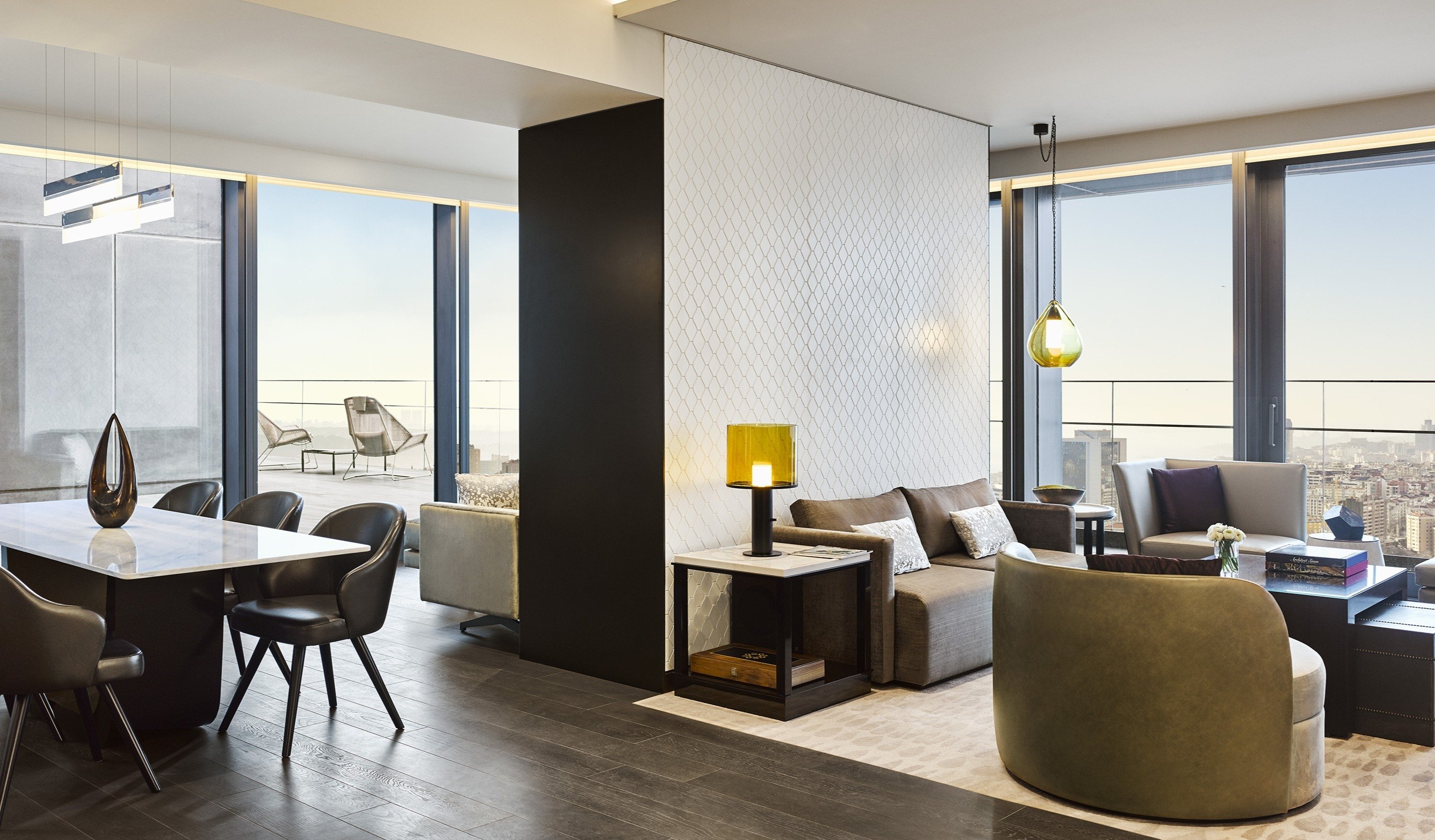
Rising above the Bosporus slopes in Mecidiyeköy, Fairmont Quasar Istanbul is one of the city’s most convenient luxury addresses perfectly positioned for both business travelers and weekend escape seekers. With 209 rooms and suites, the hotel combines contemporary architecture with high ceilings and an airy sense of space, creating an atmosphere that feels instantly comfortable and genuinely uplifting from the moment you check in.
The property is entering an exciting new chapter this year with the appointment of its young and dynamic general manager, Cem Akşahin. With a refreshed team spirit and a new communications partnership with Yöntem PR, Fairmont Quasar is clearly set to be one of Istanbul’s most talked-about hotels in the months ahead.
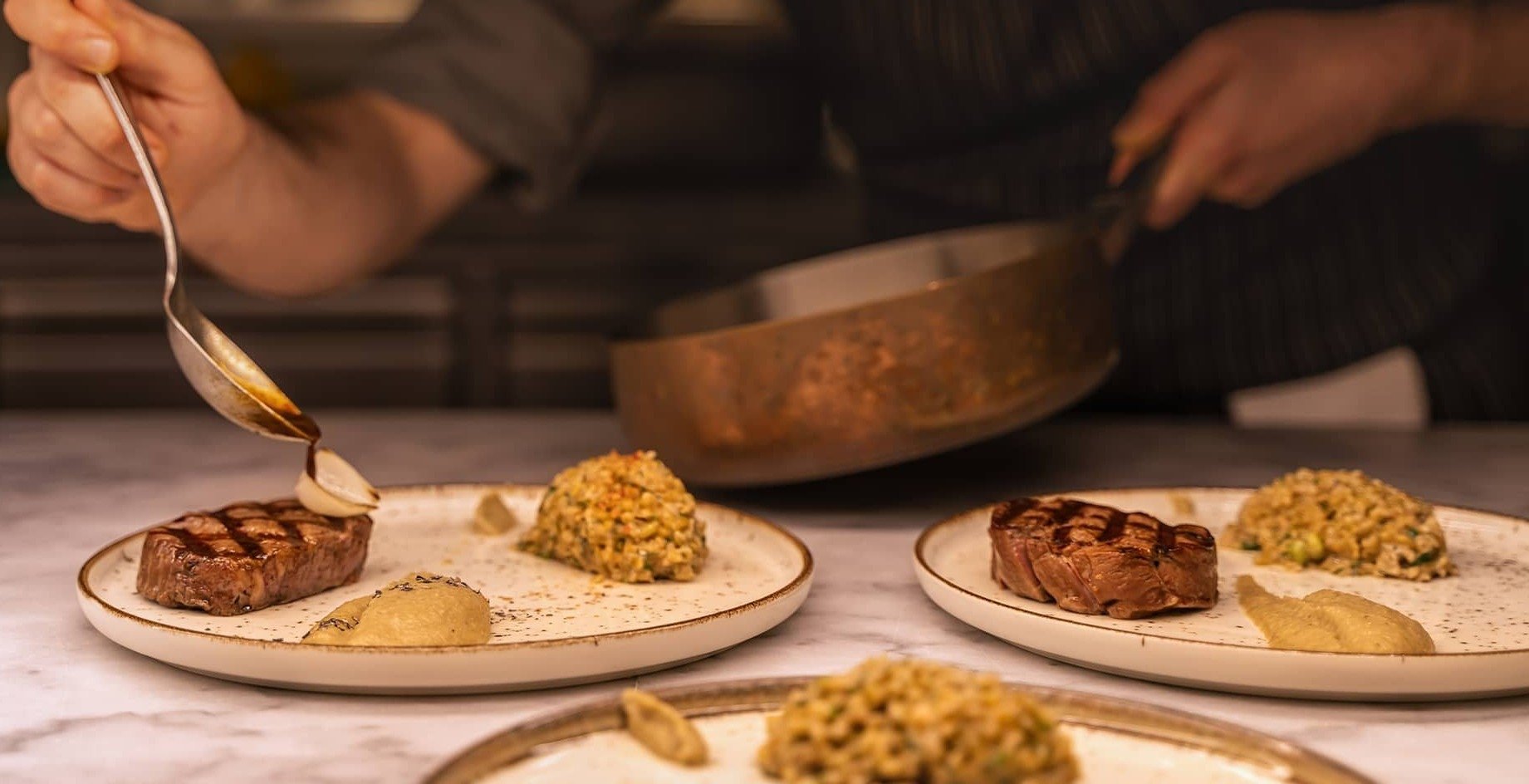
Beyond the rooms, the hotel’s culinary scene is one of its strongest calling cards. Guests can move between different worlds in a single day: from the award-winning Aila, a modern showcase of Turkish cuisine, to Ukiyo, the stylish Far Eastern restaurant located on the terrace floor. For a more relaxed rhythm, Demlique offers a refined setting for afternoon tea, along with all-day coffee, tea and pastries, while the elegant Marble Bar keeps the night going until 1 a.m.
Wellness is equally impressive. The Fairmont Spa, located on the lower level, spans 2,000 square meters, offering a true city sanctuary for those who want to reset between meetings, shopping and Istanbul’s fast-paced energy.
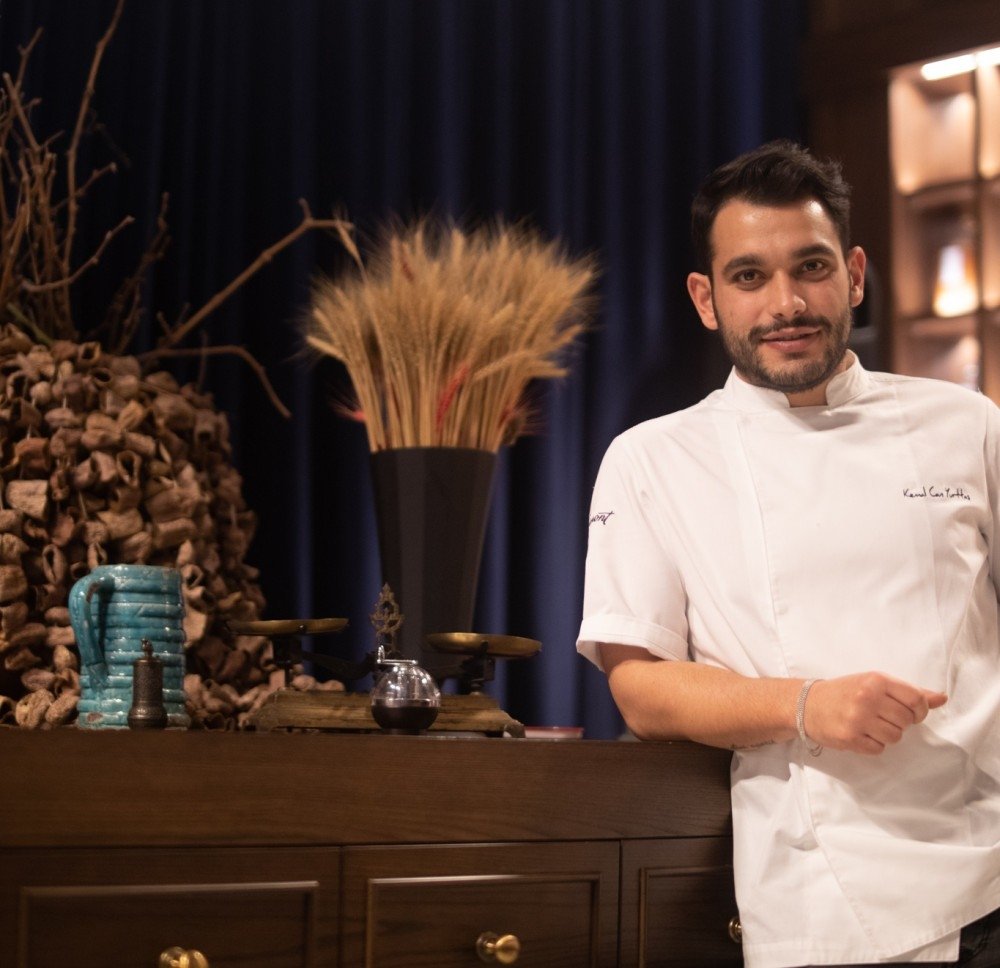
And then there is the name everyone in the culinary scene is watching: Kemal Can Yurttaş, the hotel’s celebrity chef and Executive Chef of Aila. Despite his young age, both he and the restaurant have already collected an extraordinary number of accolades. His passion for the kitchen began at just 15, and after years of training, television experience, and working in some of Türkiye’s leading restaurants, he has created something genuinely special at Aila.
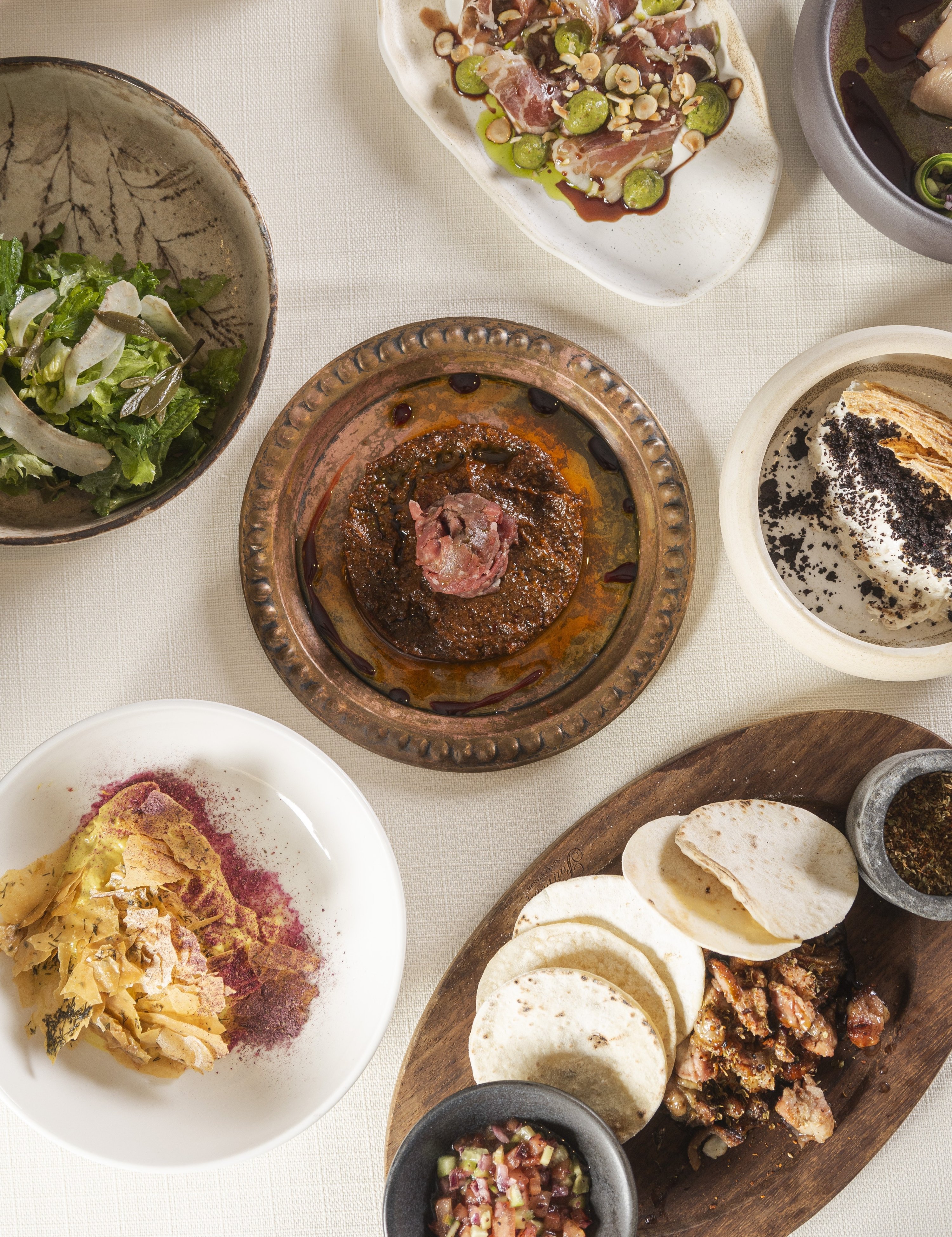
With its striking design, confident menu and flavors that truly stay with you, Aila is the kind of restaurant everyone should experience at least once. A standout detail is the restaurant’s in-house Spice Market, featuring over 100 spices sourced from different regions of Türkiye. These spices don’t just elevate the dishes, they also bring color, character and an irresistible aroma that fills the entire space.
Aila’s success story continues to grow. The restaurant began in 2026 on a high note with recognitions, including a Michelin recommendation, a 4-toque rating and the prestigious Gault&Millau awards, proof that Istanbul’s new generation of culinary talent is not only rising fast, but also redefining the city’s gourmet identity.
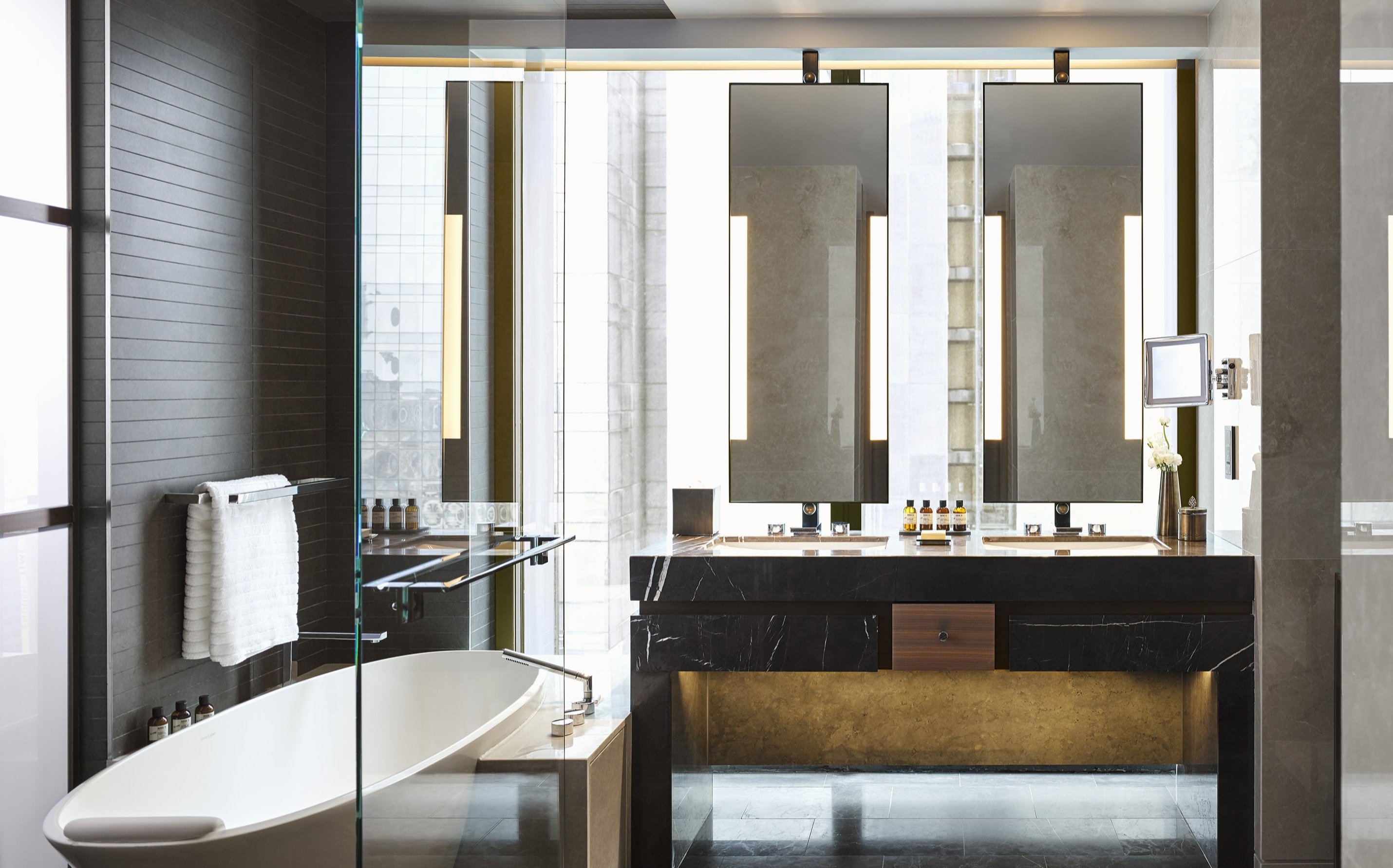
Four Seasons Hotel Sultanahmet
A Timeless Icon in the Heart of Old Istanbul set in the very heart of historic Istanbul, Four Seasons Hotel Sultanahmet may be housed in a beautifully restored heritage building, but the moment you step inside, the experience feels effortlessly modern. With its refined architecture, warm atmosphere and a team that welcomes you as if you were coming home, it is undoubtedly one of the finest Four Seasons properties in the world.
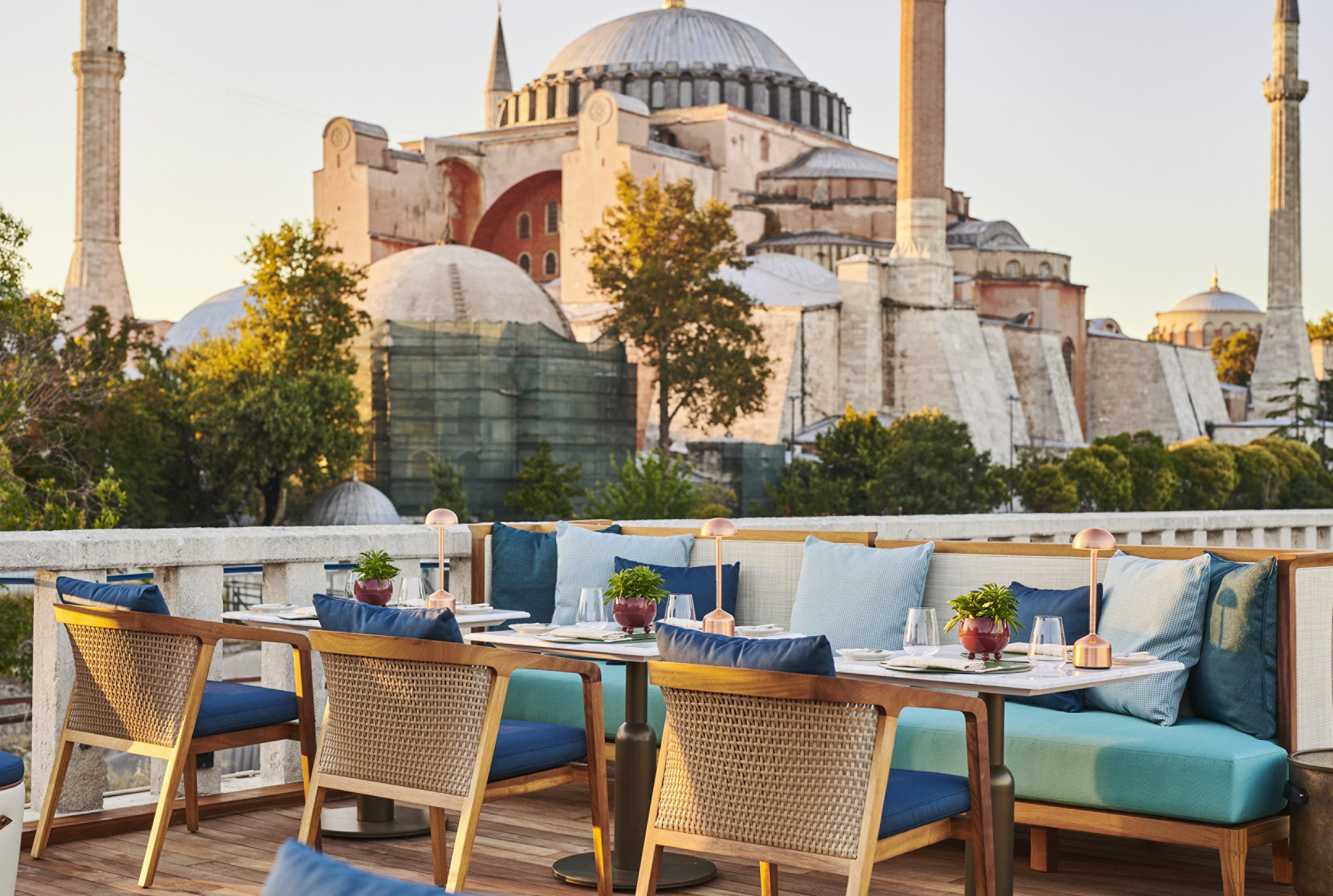
With only 65 rooms, the hotel delivers a true boutique luxury experience. It offers an intimate spa, the elegant Avlu Restaurant, the all-day dining concept Lingo Lingo and a rooftop terrace bar that becomes especially magical during the summer months. The entire property gives you the feeling of living inside history, yet without ever sacrificing comfort. For the most unforgettable stay, the terraced suites are simply spectacular.
A major part of the hotel’s charm comes from its general manager, Serap Akkuş. Everything she touches seems to become more beautiful, more thoughtful and more refined. From the guest rooms to the public spaces, you can truly feel a graceful attention to detail, almost like a signature feminine elegance shaping the entire hotel.
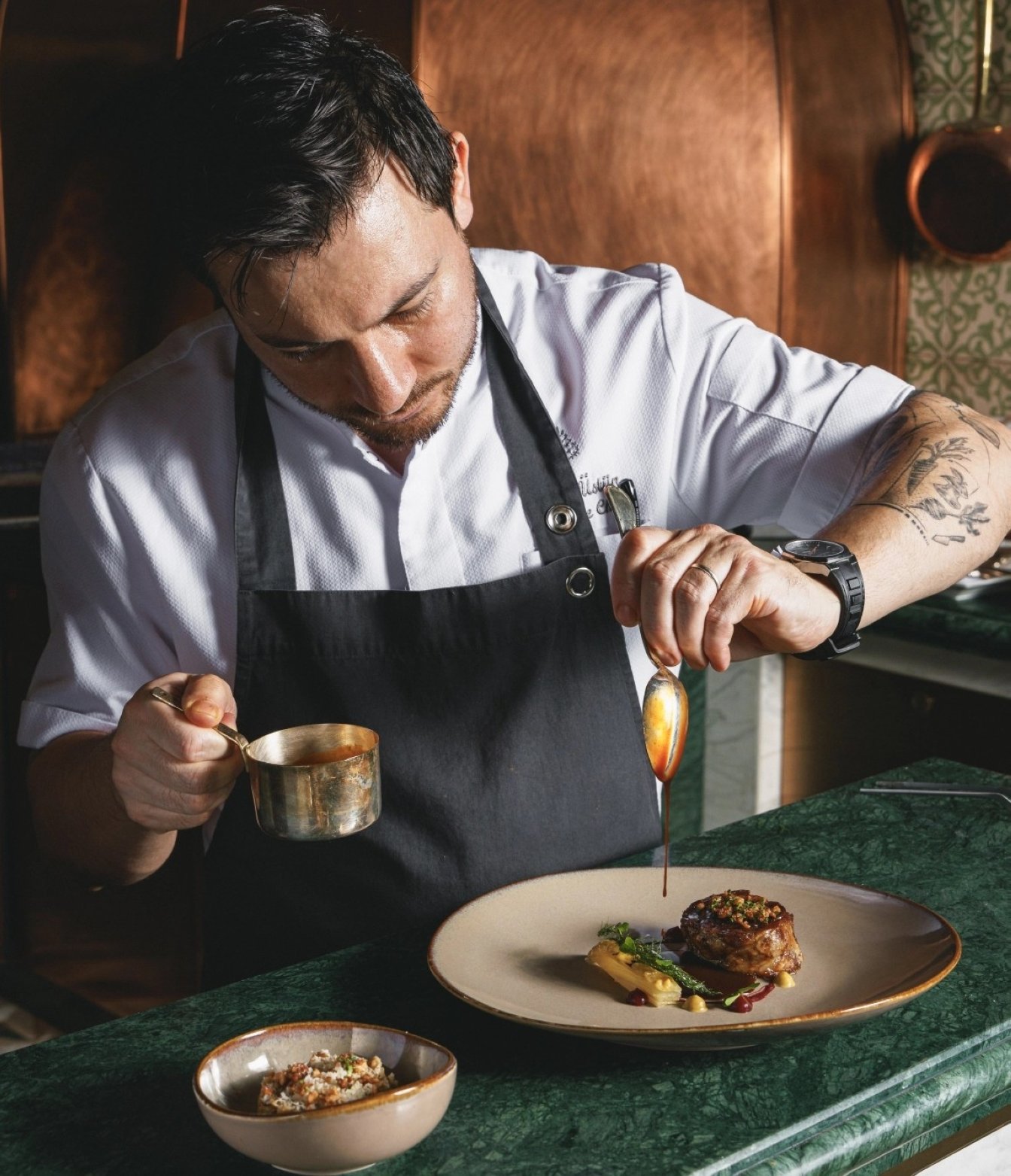
The Four Seasons Hotel also hosts one of Sultanahmet’s most impressive culinary destinations, Avlu Restaurant, led by the talented young chef Özgür Üstün. Despite his age, he has already turned Avlu into an award-winning dining address with what can only be described as “magic hands.”
Located on the eastern side of Sultanahmet Square, the hotel itself is a landmark. The building once stood as the grand Sultanahmet Prison, built over the ruins of the Byzantine Palace, and today has transformed into one of the city’s most iconic luxury hotels. Avlu Restaurant sits in the hotel’s lush green courtyard, surrounded by the property’s striking architecture, its vivid yellow exterior, tower, arched windows and traditional tile details.
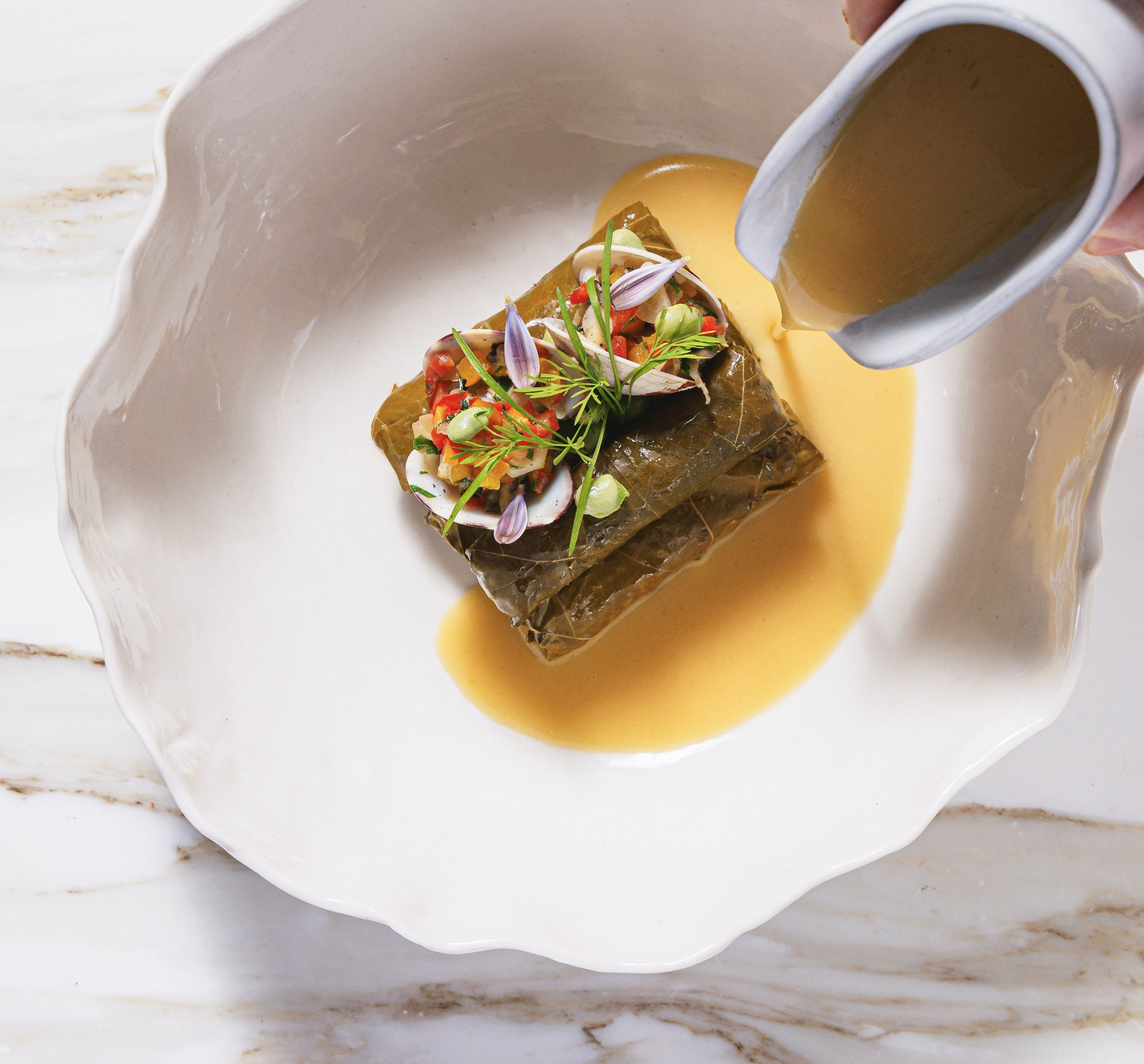
Avlu’s menu celebrates classic Anatolian cuisine, reimagined through modern techniques, and the restaurant’s stone oven adds both authenticity and character to the experience. The setting is completed with bronze accents, dome-like transitions, and a spacious garden decorated with seasonal flowers. The stone oven pays nostalgic tribute to traditional cooking methods, while candlelit tables bring a romantic glow to evening dinners.
Many of Avlu’s natural products are sourced from women entrepreneurs across different cities in Türkiye, turning every plate into not only a culinary pleasure but also a story of local craftsmanship and community. From its Michelin recognition to the many awards that followed, Avlu has truly earned every bit of its success.
The Basilica Therma Roman Bath, also known locally as the “King’s Daughter,” welcomed approximately 50,000 visitors in 2025, according to officials. The bath, listed on UNESCO’s Tentative World Heritage list, is located in Sarıkaya, a district of Yozgat province in Central Anatolia.
Dating back to the Roman Empire, the bath is believed to have healed the daughter of a king who once ruled in nearby Kayseri. The princess, said to have suffered from a relentless illness, gave the site its enduring nickname, “King’s Daughter.” The bath is renowned for its unique architecture and thermal waters, which have flowed at around 50 degrees Celsius (122 degrees Fahrenheit) for more than 2,000 years.
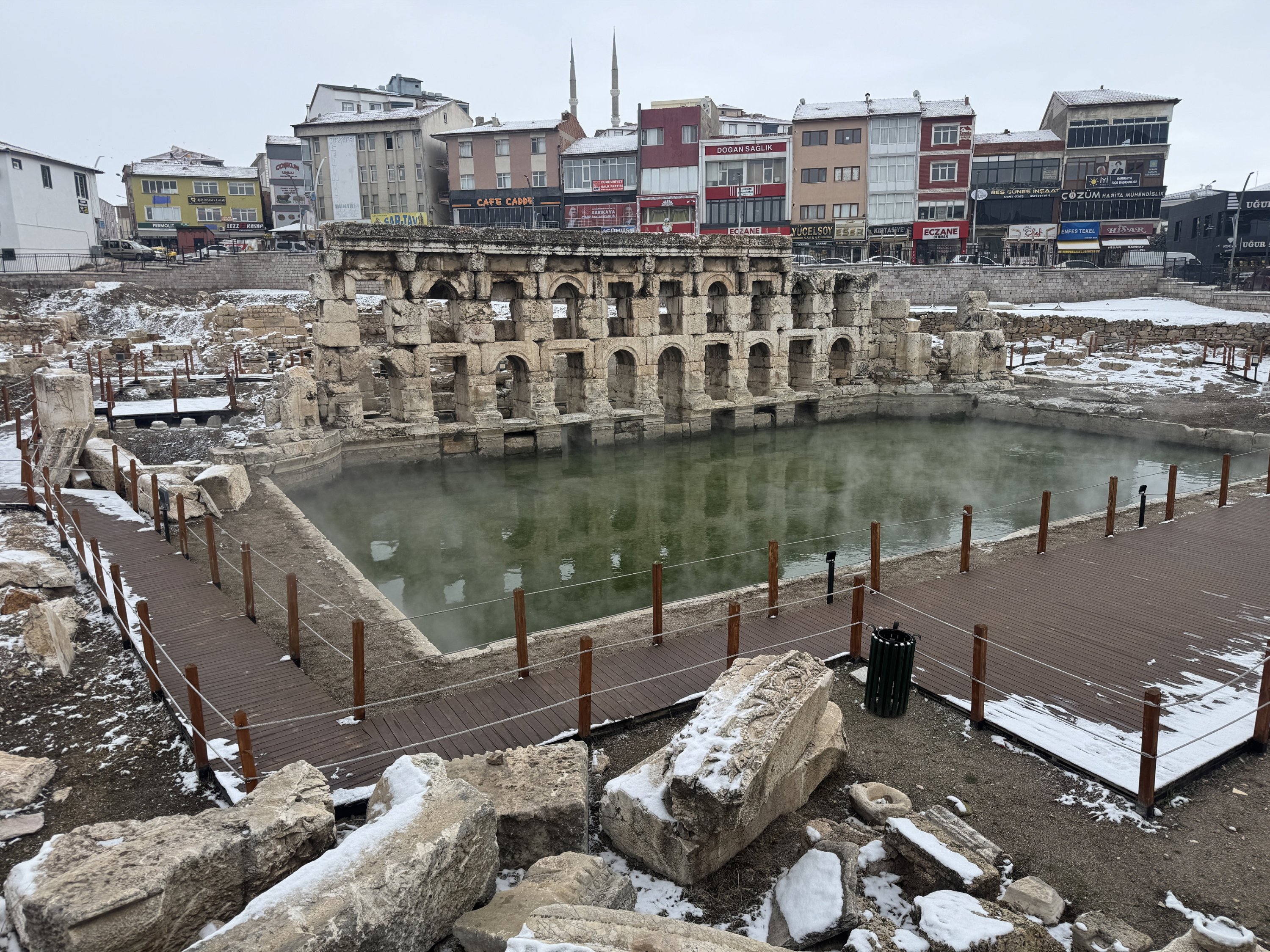
Following environmental and restoration work that began in 2022 under the supervision of the Yozgat Museum Directorate and was completed in August 2024, the bath has become a popular attraction. Recent cold weather and snowfall created striking visuals of steam rising from the thermal waters, captured by drones.
Yozgat Governor Mehmet Ali Özkan told Anadolu Agency (AA) that the province is committed to promoting both Turkish culture and ancient civilizations. “In Anatolia, we continue to highlight our own heritage while uncovering the legacies of ancient civilizations for the benefit of the province, the country and humanity,” he said.
Governor Özkan emphasized the bath’s growing popularity. “A facility like this exists only in England as well. With its hot waters and unique appeal, it drew nearly 50,000 visitors last year. We hope this number will rise to 100,000 or even 200,000 in the coming years,” he said, noting that the site also contributes significantly to the local economy and commerce.
Expressing gratitude to those involved in the bath’s restoration, Özkan added, “At the heart of Anatolia, in our ancient city, we continue to develop our tourism resources for the benefit of our people. We also plan to bring the Kazankaya Valley, long discussed in the region, to tourism next year.”


-
 Daily Agenda3 days ago
Parliamentary Foreign Affairs Committee is going to the USA! Fuat Oktay: The constructive attitude of the congress is of critical importance in Türkiye-US relations
-

 Daily Agenda3 days ago
Minister of Justice Tunç: “The regulation regarding children involved in crime will come to the parliament after the commission works are completed.”
-
 Economy3 days ago
Facing US tariffs, South Africa steps toward trade deal with China
-
 Politics2 days ago
Arrest, outrage after far-right man targets Turkish mayor’s dress
-
 Economy3 days ago
Ukrainian businesses struggle to stay afloat amid ongoing power cuts
-

 Daily Agenda2 days ago
Immoral and excessive attack on women
-

 Sports3 days ago
Turkish center Alperen Şengün named in 2026 NBA All-Star
-

 Sports2 days ago
Akar carries Türkiye’s hopes into Olympic short track spotlight