
Lifestyle
When cities bloom: Magic of spring in London, Istanbul

There’s something undeniably magical about London in spring. After months of grey skies and heavy coats, the city slowly awakens – trees blossom, parks turn into shades of soft green and suddenly, life spills out onto the streets again.
Spring in London isn’t just a season. It’s a mood. And right now, it’s the perfect time to experience the city at its most charming.
One of the first things you should do is simply walk. London becomes a different city when the sun comes out. Strolling through neighborhoods like Notting Hill or Chelsea feels almost cinematic, with pastel-colored houses, blooming wisteria and cafes full of people enjoying their morning coffee outdoors.
Of course, no London spring is complete without its parks. Hyde Park and Kensington Gardens are at their absolute best right now. Think picnics on the grass, long walks by the Serpentine and that rare but beautiful moment when Londoners fully embrace the sun.
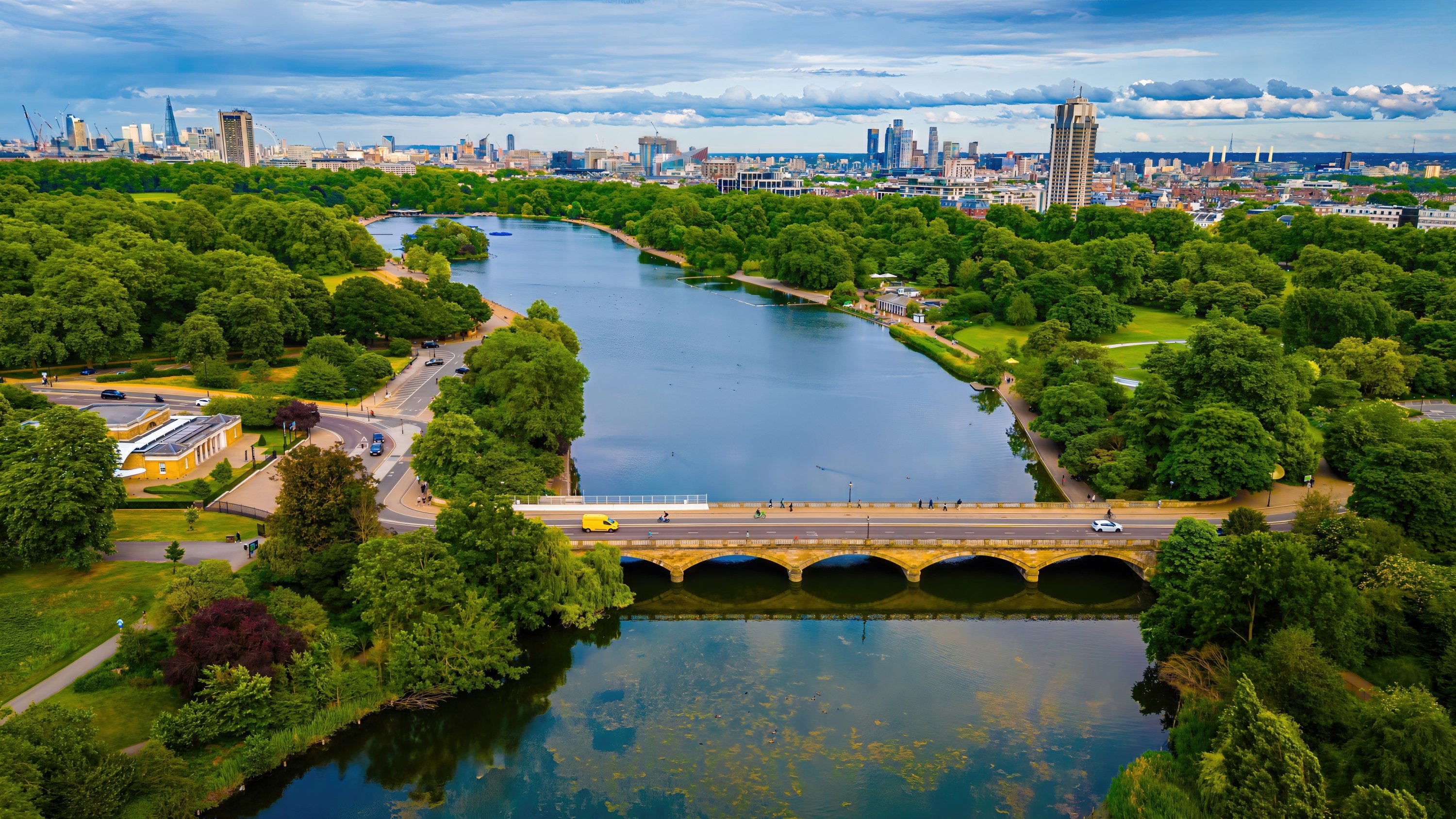
If you’re looking for something a little more curated, spring is also the season of events. From flower installations to outdoor exhibitions, London becomes a visual playground. One highlight is Chelsea in Bloom, where entire streets transform into floral art pieces, perfect for inspiration, photos and a touch of escapism.
And then, there’s fashion. Spring in London is when style feels effortless yet expressive. Light trench coats, soft tailoring and bold colors begin to replace winter layers. It’s the season where you can truly see Londoners – and visitors – experimenting with their looks, blending elegance with individuality.
For a more refined afternoon, nothing beats a classic British ritual: afternoon tea. Whether in a luxury hotel or a hidden gem cafe, it’s a moment to slow down, enjoy delicate flavors and take in the beauty of the spring evenings in London, which carry their own quiet magic. As the sun sets later, the city glows in soft golden light. A walk along the Thames, a dinner in a cozy restaurant, or even a spontaneous stop at a rooftop bar can turn into one of those moments you remember long after the season ends.
Because in London, spring isn’t just about what you do. It’s about how the city makes you feel.
And right now, it feels like everything is just beginning again.
Spring in Istanbul
There is something about spring in Istanbul that feels almost poetic.
It’s not just a change of season. It’s a shift in energy.
After the stillness of winter, the city begins to move differently. The light softens, the air carries a hint of the sea and suddenly, Istanbul feels alive in a way no other city does.
One of the simplest – and most beautiful – things to do in spring is to follow the Bosporus. Walking along the coastline, watching the ferries pass, hearing the distant sound of seagulls. It’s a rhythm unique to this city.
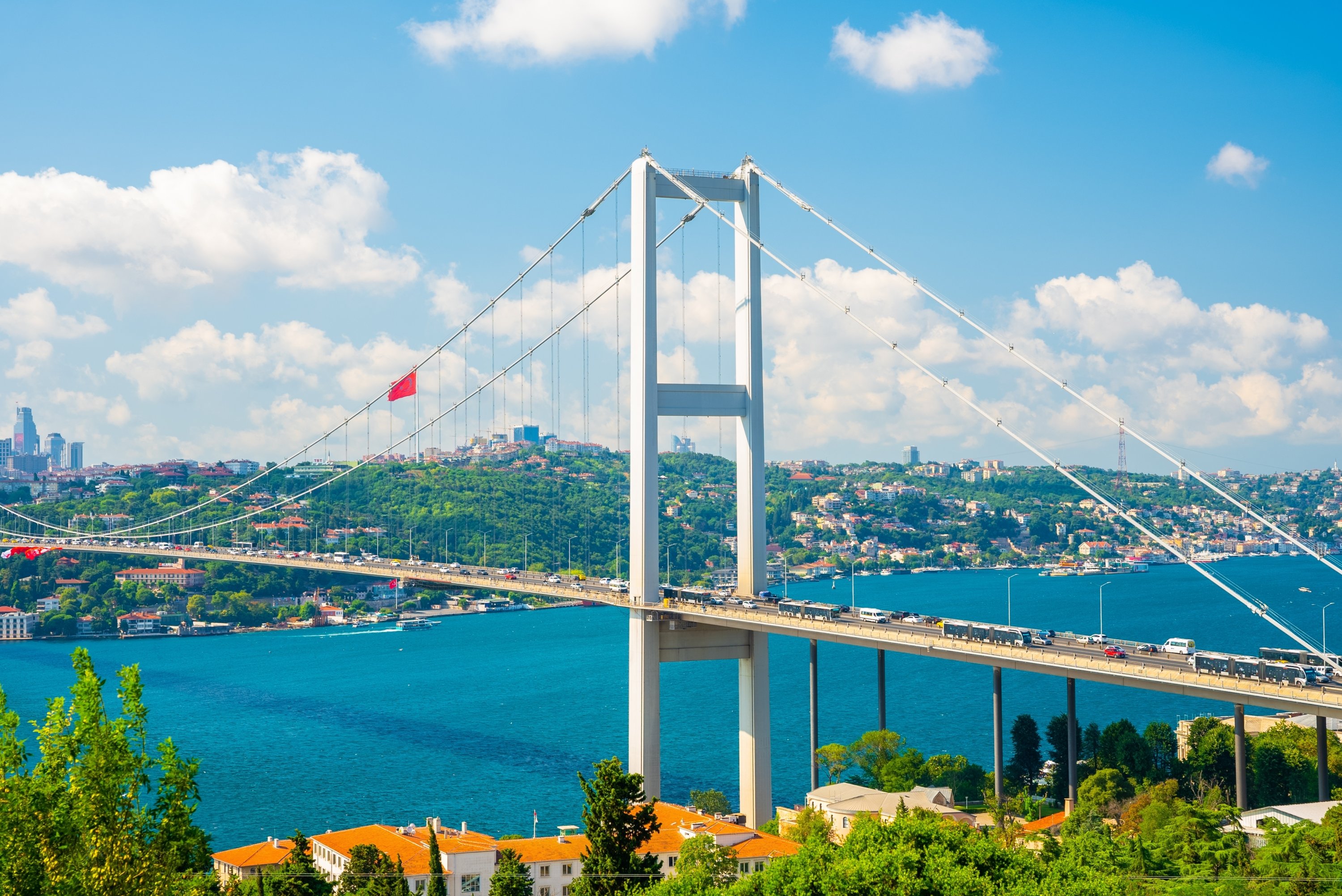
Spring is also the season of color. The famous tulips begin to bloom across the city, especially in places like Emirgan Park, where entire hills turn into waves of red, yellow and pink. It’s a reminder of Istanbul’s connection to nature – unexpected, yet deeply rooted.
But beyond the obvious beauty, spring in Istanbul is about rediscovery. Neighborhoods like Nişantaşı come alive again, cafes fill up, windows open and the city’s style becomes visible. It’s where elegance meets everyday life.
There is also a certain ritual to Istanbul mornings in spring. A slow breakfast, shared plates, fresh tea and conversations that stretch for hours. Time moves differently here – softer, more generous.
And then, the evenings.
As the sun sets over the Bosporus, the sky turns into shades of gold and lilac. The city quiets, but never sleeps. A dinner by the water, a walk through a familiar street, or simply sitting outside and watching the night unfold — these are the moments that define Istanbul.
Because in Istanbul, spring is not just seen.
It is felt.

Belgian artist Nicolas Buissart started doubling as a tour guide as a joke after a newspaper in the neighbouring Netherlands named his city the ugliest in the world.
Some 15 years later, he is still arranging tours of Charleroi for visitors seeking beauty in dilapidated factories and rundown warehouses – the remnants of the city’s industrial past.
“Wallonia used to be prosperous; it’s a cradle of capitalism of sorts,” he says of the surrounding French-speaking region.
“The problem with capitalism is that it leaves a lot of waste behind.”
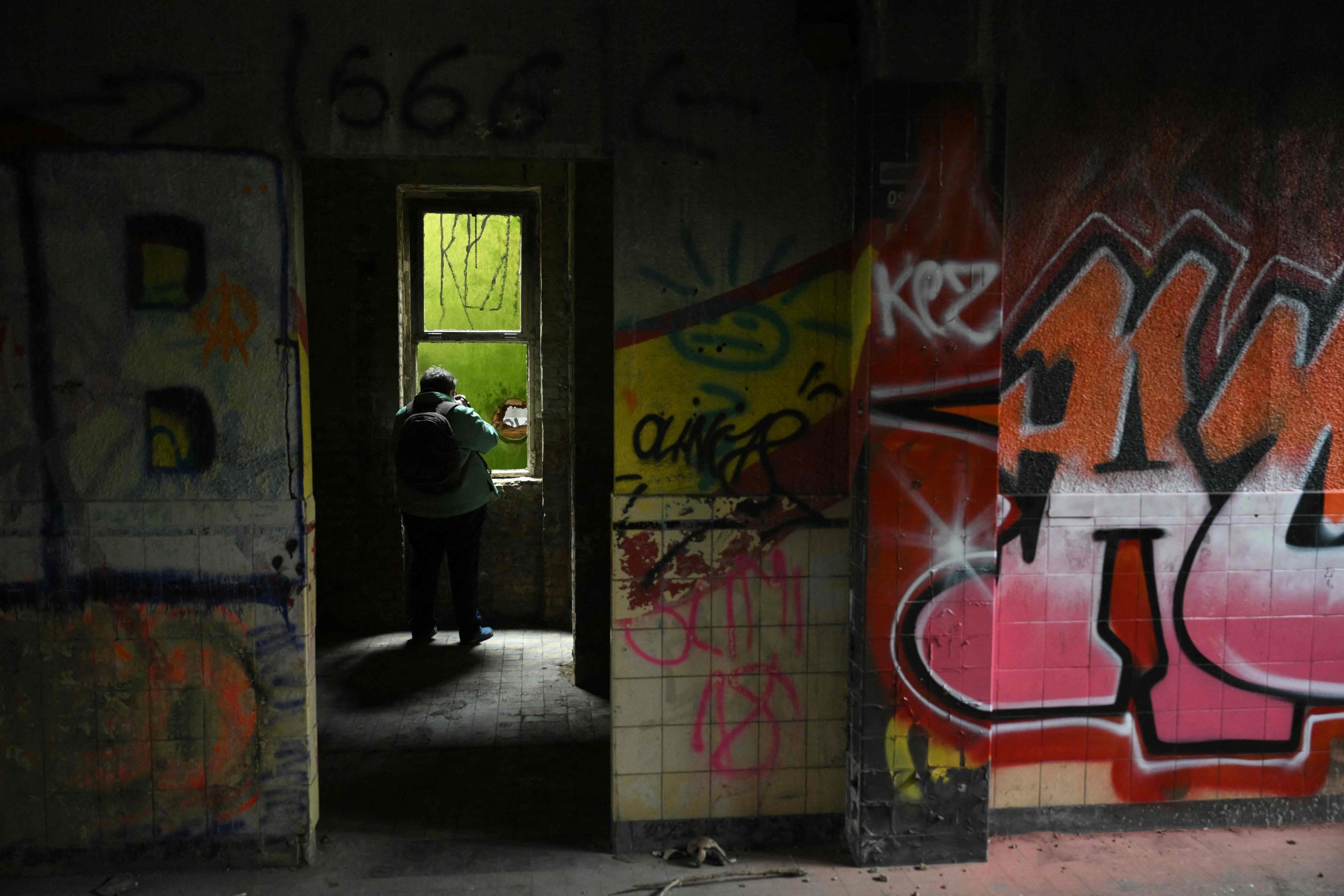
Yet that’s exactly what the dozen pensioners from the northern French city of Lille he’s driving around Charleroi have come to see on a dreary March day.
Urban exploration, or “urbex” for short – the underground pastime of exploring abandoned places, at times skirting the law in the process – has grown into a global movement over the past two decades.
Haunting complexes with shattered windows and moulded ceilings draw amateur photographers, selfie takers and thrill seekers from as far away as Berlin or Detroit.
Buissart’s “city safari” takes visitors up close to the slag heaps and giant ruins of steel and concrete that shape Charleroi’s landscape.
“There’s an aesthetic here that I really like,” Veronique Moussu, a member of the Lille expedition, tells Agence France-Presse (AFP).
“These spaces are enhanced by the play of light, shadows and street art,” adds the retiree, who is on her second visit to Charleroi in four years.
The southern city was once a coal-mining hub.
More than 40 years after the last pit shut down, it is now mainly known for its airport – a major European hub for low-cost airline Ryanair.
‘Dead’ but attractive
For the first stop of his tour, Buissart takes the group to an abandoned 1930s swimming and leisure complex that has become a playground for graffiti artists.
Built by a Belgian industrialist, the “Solvay Pool” aimed to provide workers with relaxation and entertainment a stone’s throw from a 19th-century manufacturing site for soda ash that is no more.
The pool’s old roof no longer holds water; rain and wind rush into the building, and the tiled floor is now an ankle-spraining, cracked mess.
Buissart, 46, a former design student, issues safety instructions as he guides visitors inside, giving them half an hour to explore and snap photos.
The same happens at the second stop on the route, a massive warehouse that was used for treating stainless steel sheets but is now also falling into ruin.
Once owned by steel giant ArcelorMittal, the site has been closed for about 15 years.
“You can imagine all the workers who toiled here and brought these places to life; now it’s dead, it’s destroyed,” says Pascale Dufour-Floor, who lives on the French-Belgian border and joined the Lille group on the tour.
Tourism promoters are hoping to turn these vestiges of a bygone era into an asset.
“This heritage is what sets us apart and attracts tourists,” said Valerie Demanet, director of the Charleroi Tourist Office.
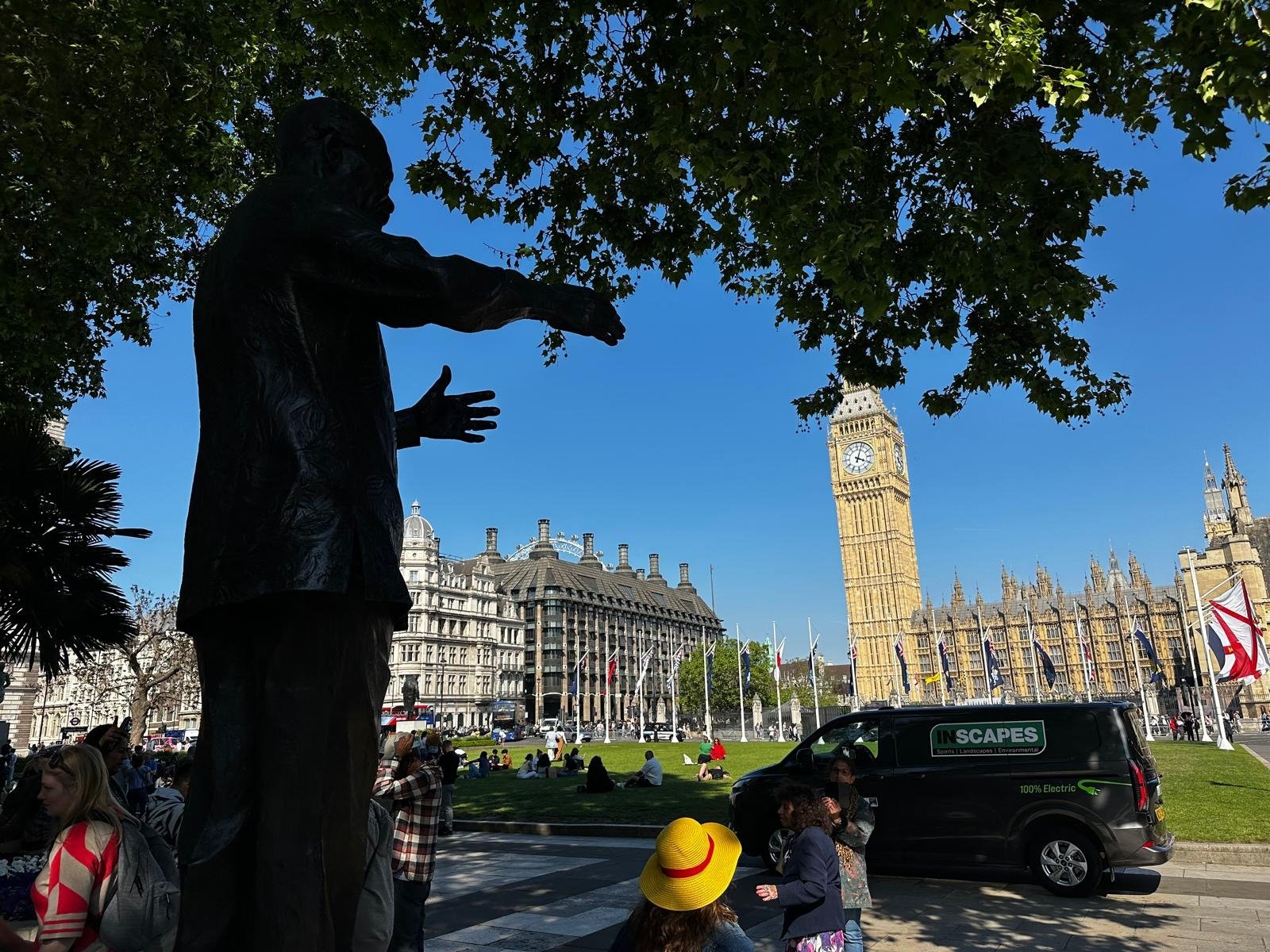
Spring has quietly, almost ceremoniously, arrived in London. The city, dominated by gray clouds and early-darkening evenings during the long winter months, now plays host to the slow but determined rise of colors and sounds. The streets are still the same streets, the buildings in their places; yet, when the light changes, everything feels transformed.
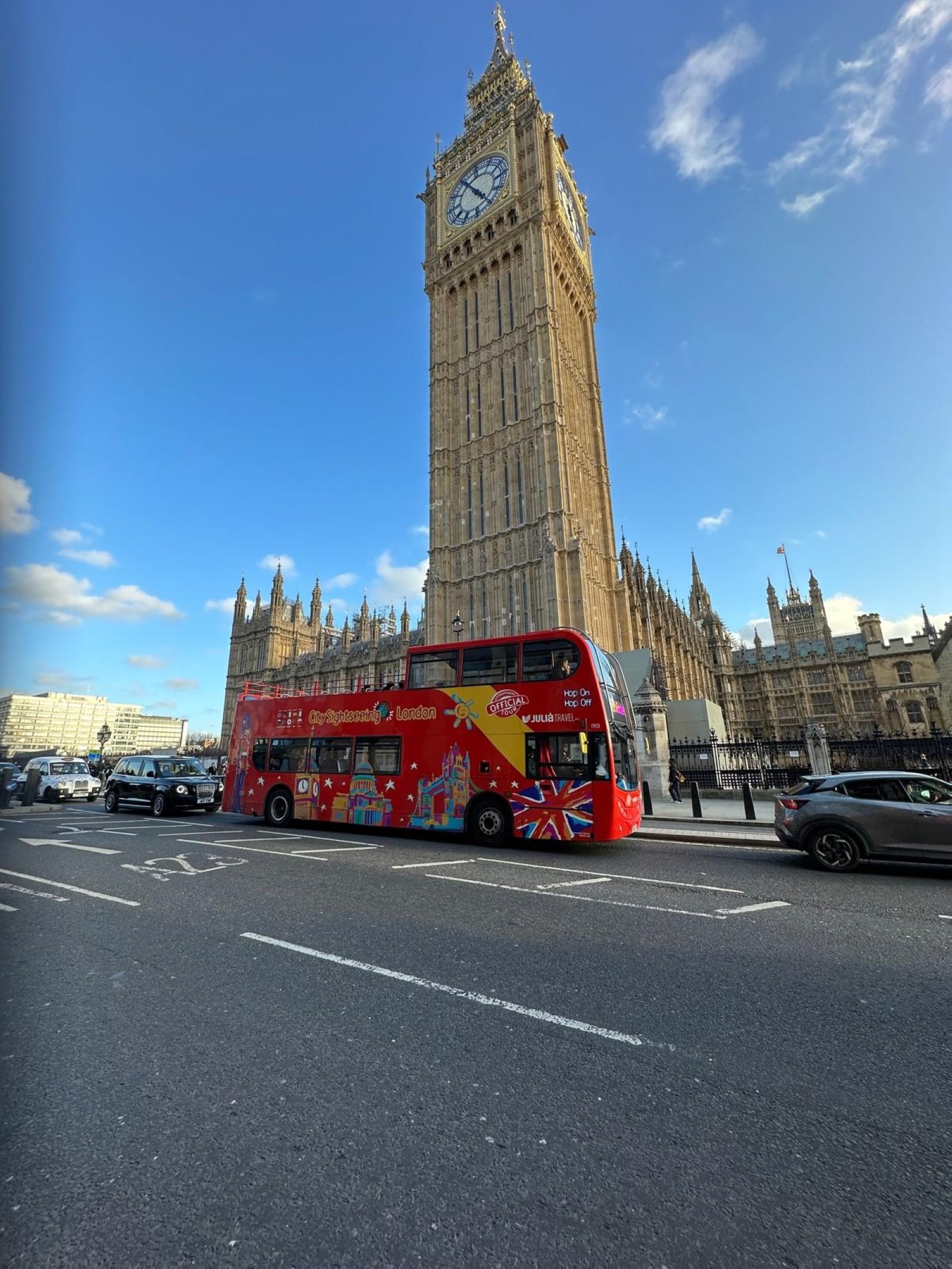
In the mornings, the parks are the first to reveal this transformation. Trees have not fully donned their green, but the buds at the tips of branches show nature’s patient yet inevitable progress. Cherry blossoms bloom as if aware of their brief existence, displaying all their elegance. When the wind stirs, pink petals drift to the ground, forming a delicate carpet over the grass.
The ponds tell another story. Swans glide across the water with composed grace, while ducks dart around them in faster, more scattered movements. Occasionally approaching each other, occasionally changing direction abruptly, these small waterbirds keep the pond’s surface in constant motion. Unlike the city’s usual rush, this scene follows its own rhythm unhurried, yet never still.
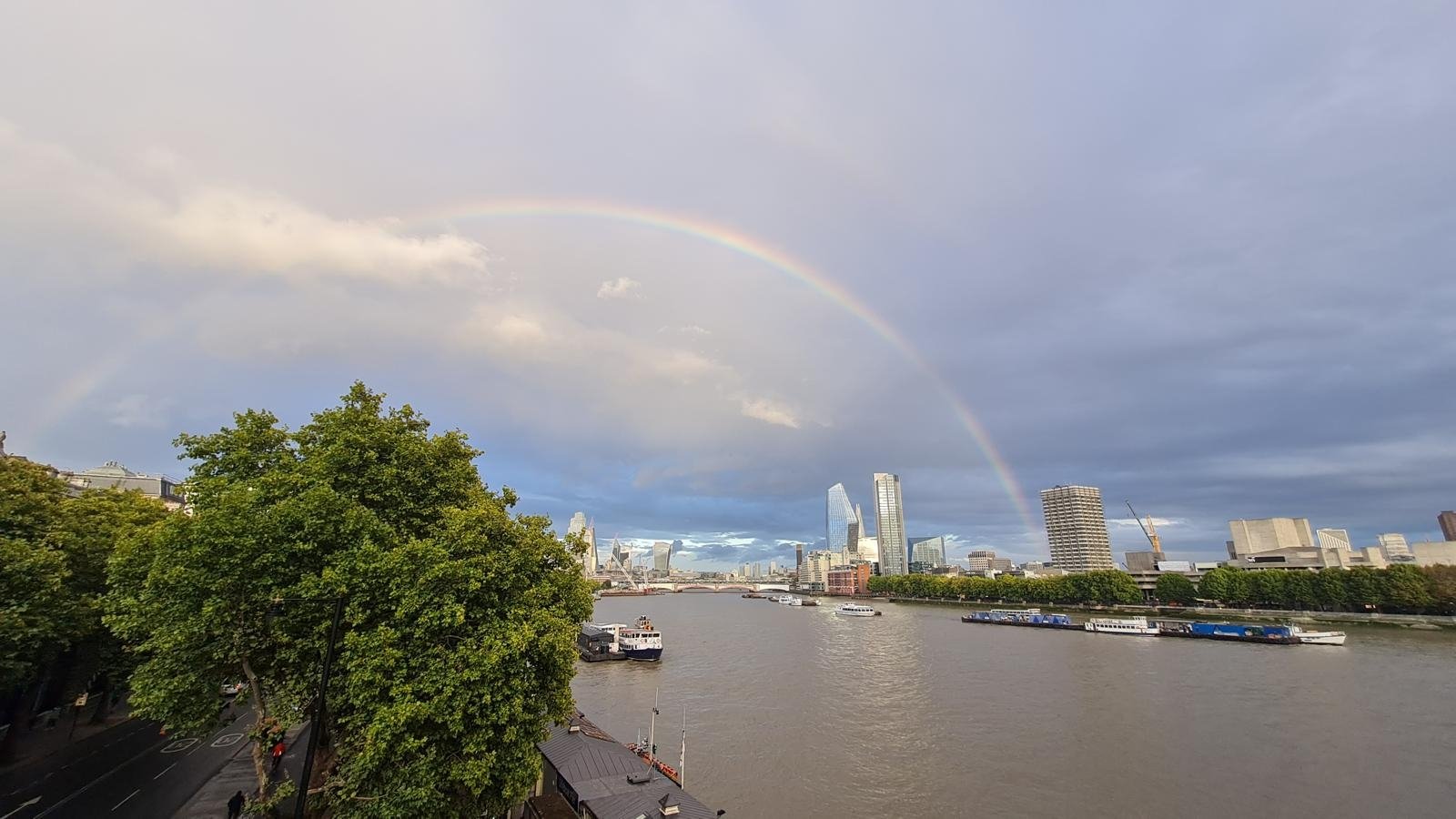
With the arrival of spring, London’s parks become not only spaces for nature but also gathering spots for people. Those who spent the colder months confined indoors seize the first sunny days to step outside. Blankets spread on the grass, coffee cups in hand, someone reading a book in a corner, friends chatting in another each expressing the same need in their own way: the urge to be outdoors.
Tourists swiftly join this tableau. In front of Buckingham Palace, crowds gather throughout the day. Some queue to take photos, others wait to watch the Changing of the Guard and some simply absorb the atmosphere. The palace grounds and nearby parks soften and disperse these crowds, giving the city room to breathe.
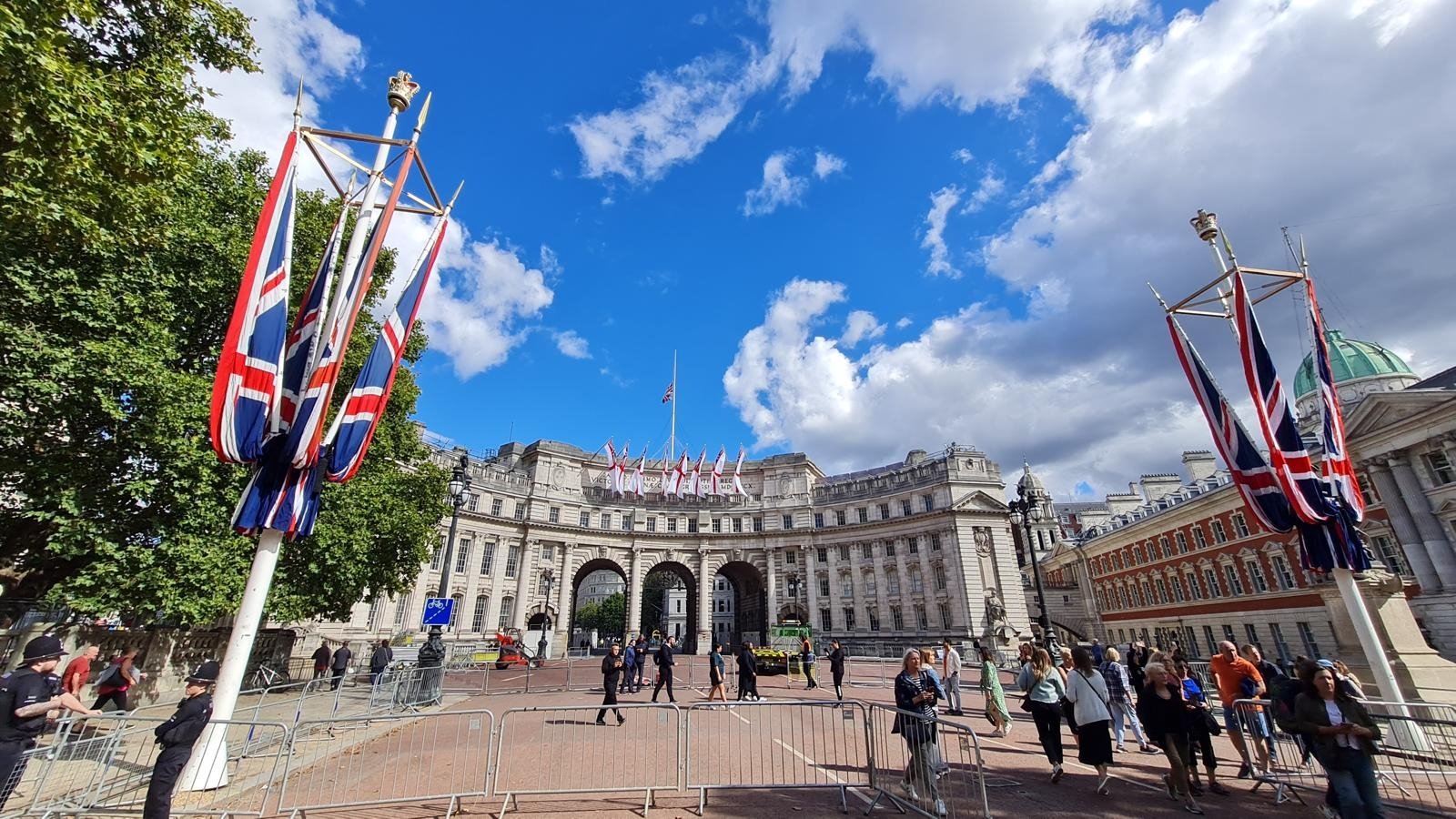
Large green spaces like St. James’s Park and Hyde Park offer spring’s most vivid experiences. Anyone walking there observes not only nature but also the city’s diversity. People speaking different languages, from various age groups, with different habits all under the same sun, on the same grass. London becomes not only a capital but also a meeting place.
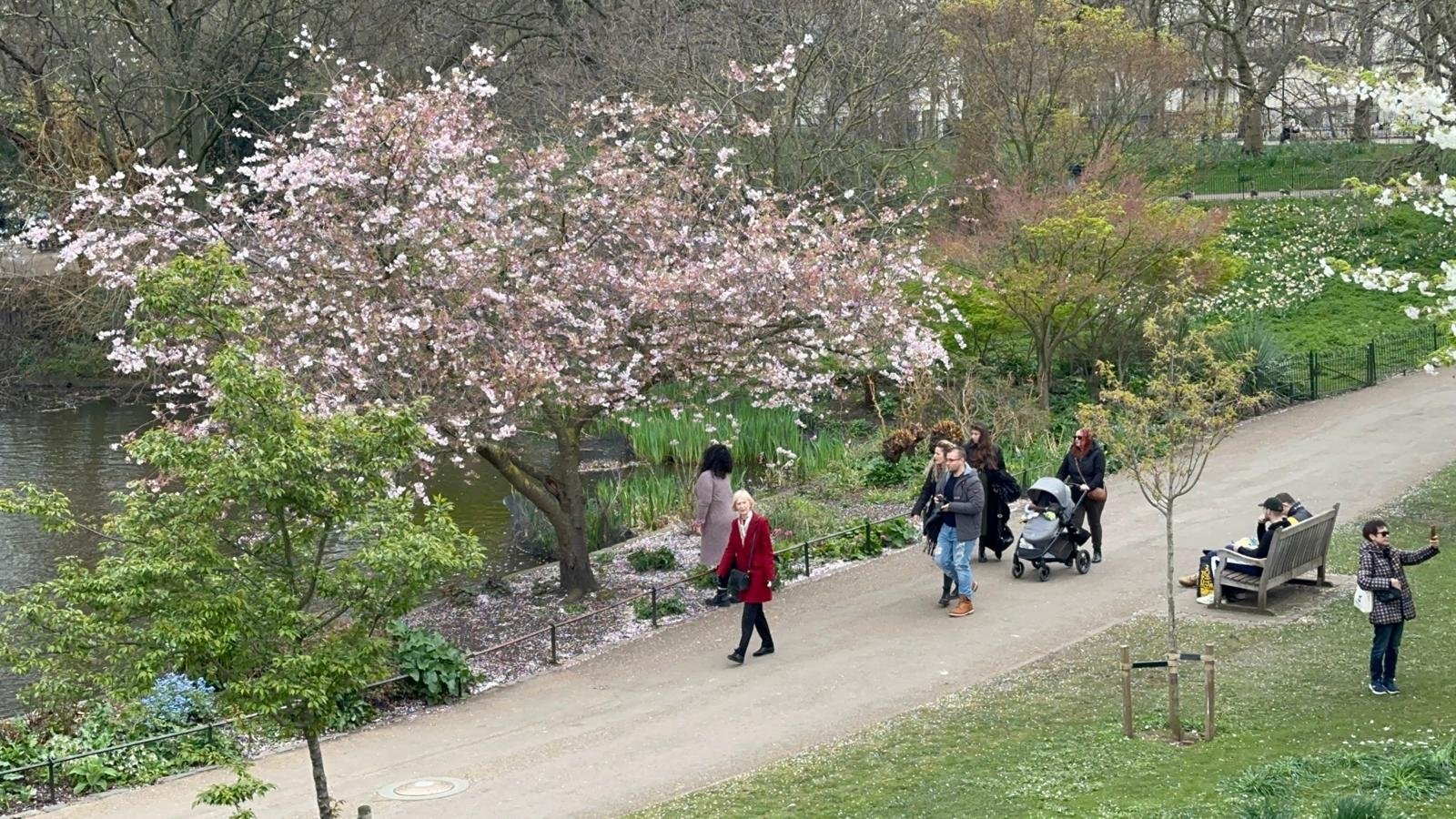
The streets reflect the change as much as the parks. Crowds that hurried through the winter with heads down now move slower, more attentive, more present. This shift creates space for street performers. A guitarist strumming on a corner, a violinist playing classical pieces a few meters away, an artist drawing on the pavement with chalk all add their own rhythm to the city.
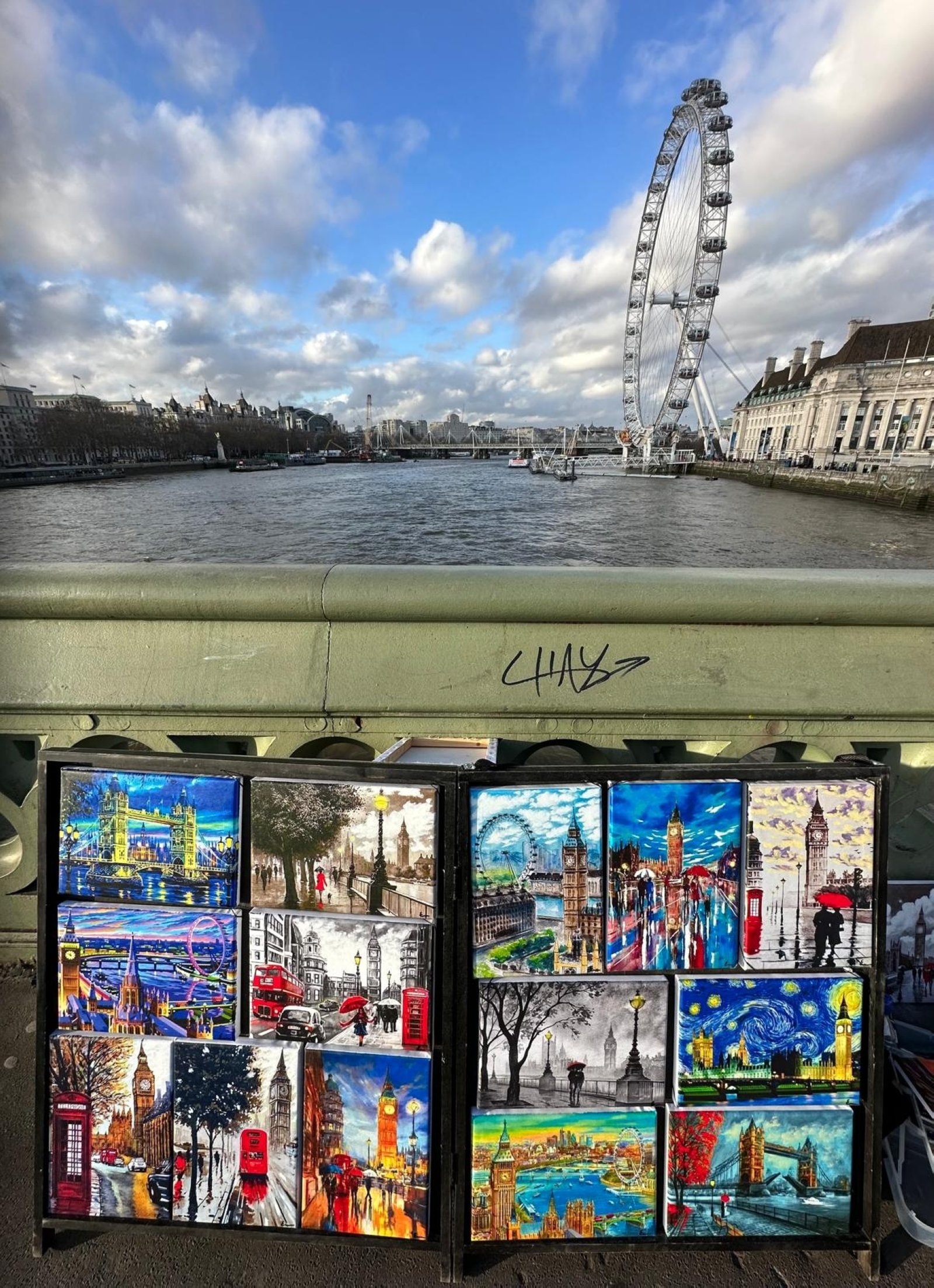
Street performances are more than entertainment; they are an essential part of London’s cultural fabric. People stop, watch, and sometimes join in. Even briefly, a connection is formed, preventing one from getting lost in the crowd.
Spring’s effect in London is emotional as well as visual. Longer days, softer light and milder air affect the mood of the city. Smiles are more common, cafes less rushed, walkers slower. The city seems to consciously slow its pace.
Yet this slowdown is not stagnation; it is intentional movement. People notice more the blossoming of a tree, a child feeding ducks, or a street performer’s act. Spring reminds us to pay attention, to stay present.
In a vast, fast-moving city like London, such moments are rare. That is why spring is more than a season; it is an opportunity. A period when the city redefines itself and its inhabitants. Shedding winter’s weight, it emerges lighter, more open, more alive.
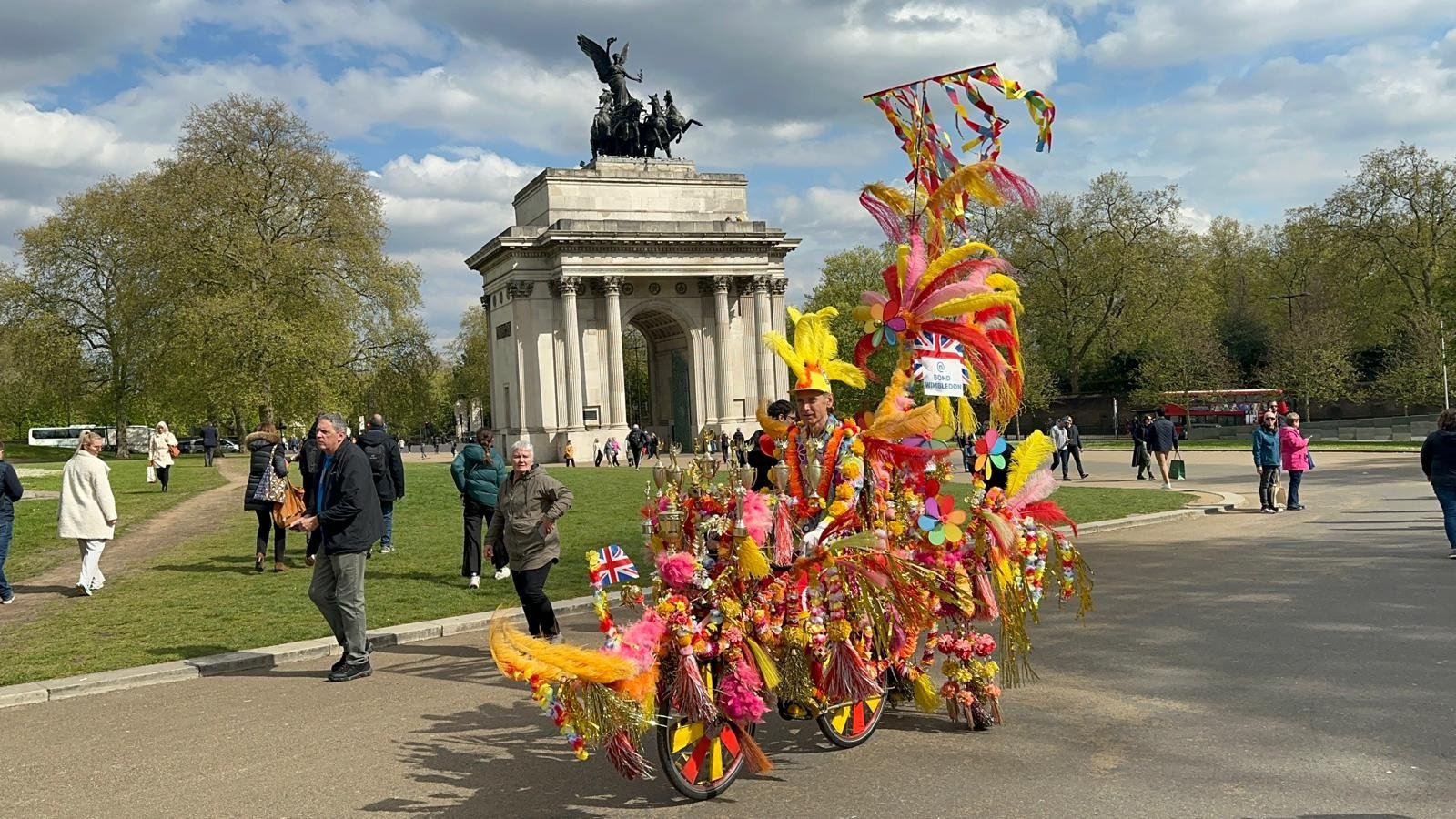
Ultimately, spring in London does not happen in one place or moment. It spreads across parks, palace grounds, street corners and pond edges. This transformation encompasses not only nature but people as well.
Perhaps that is why describing spring in London is less about a season and more about a feeling, the sense of renewal, the gradual return of movement, color and sound, and, most importantly, the fleeting yet powerful reminders of how graceful and vibrant life can be, even in a crowded city.
There are mornings when the world feels paused, as if the day is holding its breath. The sky is pale, the air sharp and everything seems quieter than usual. This is how the north welcomes you. Some moments visit a human life only once. The sky suddenly turns green, violet, then soft pink; the earth falls silent and time loosens its grip.
This year, all the signs are aligned. Solar activity is strong, nights are long and the skies are clear. We believe it: this is the year we will catch that impossible moment. We are heading north, into the cold heart of winter, to witness a phenomenon that feels less like weather and more like a message from the universe. Our destination is Arvidsjaur, deep in the Swedish tundra. The plane touches down, the door opens and there it is.
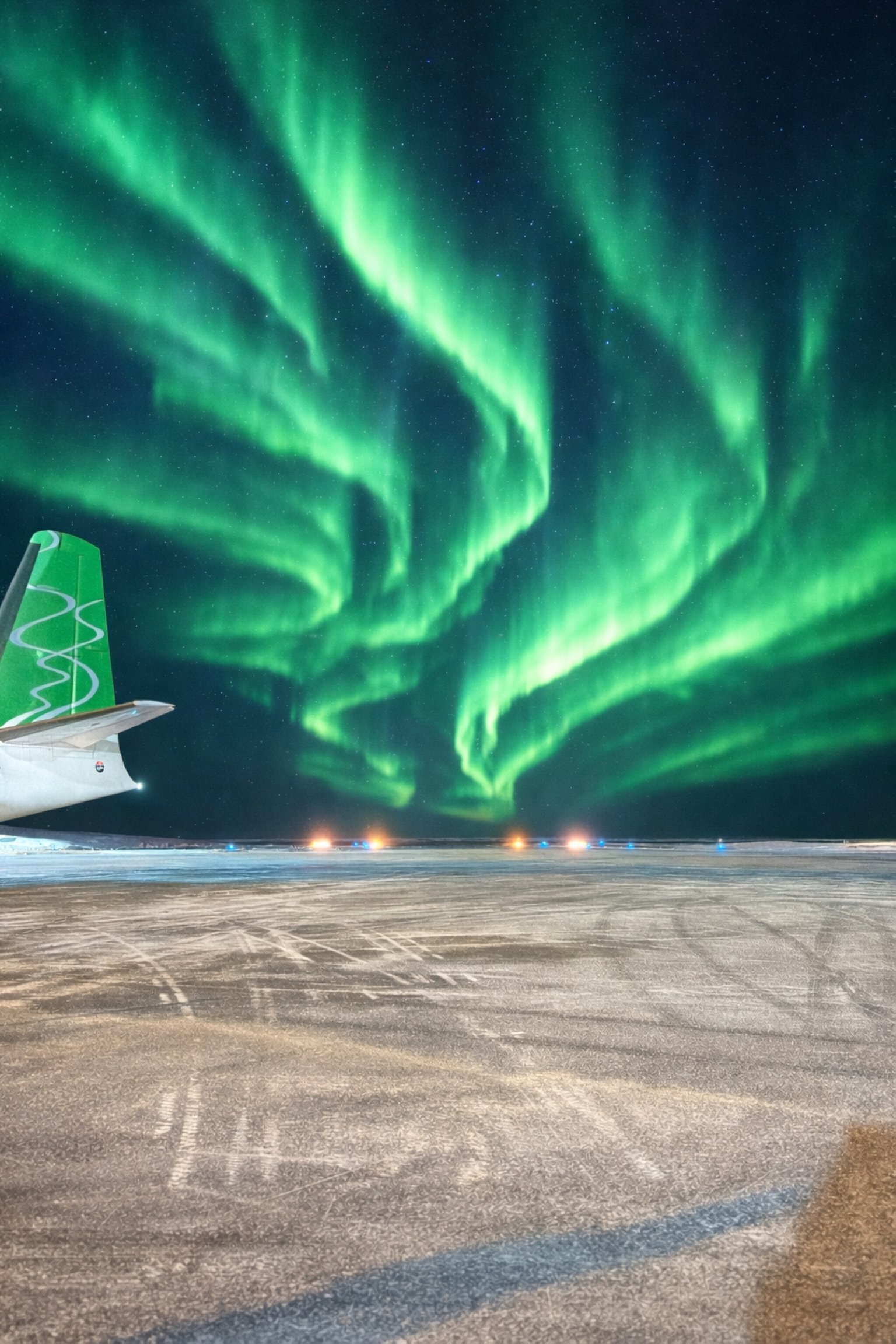
The aurora, already waiting. No transition, no warmup. Just arrival and wonder. It feels unreal, almost unfairly beautiful, as if the sky decided to offer a private welcome. I’ve seen many beautiful things, but this kind of greeting stays with you. It rearranges your sense of scale. Imagine a day that begins with aurora and ends on ice.
Speed on ice
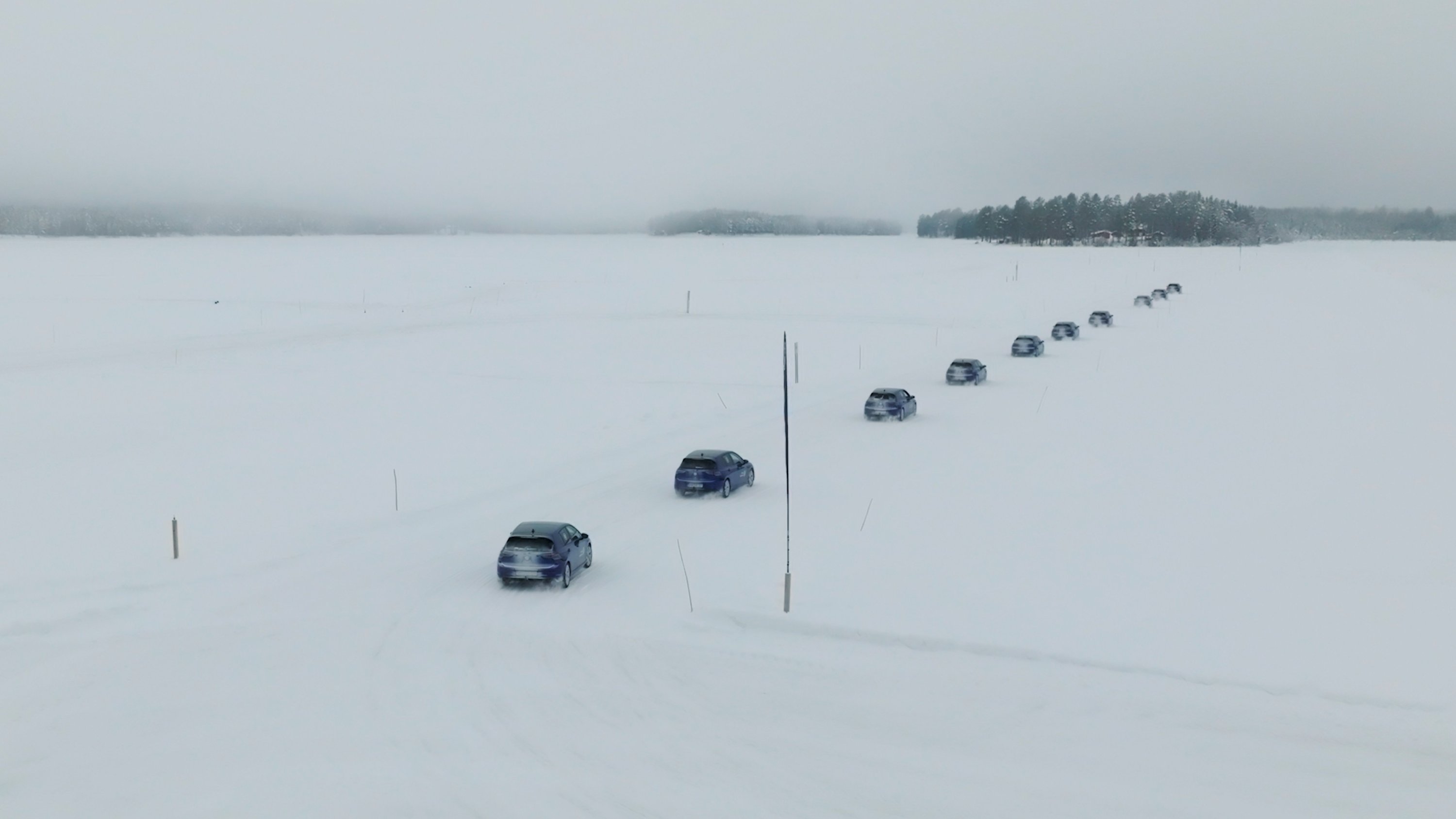
If one experience has defined this journey, it’s driving on ice. I mean literally – on a frozen lake that becomes a racetrack, a car beneath you and nothing but ice stretching in every direction. As a guest of Volkswagen Türkiye, I recently had the chance to try ice driving with their cars and it was more than just a drive. It was something you felt rather than analyzed.
Sliding across a white expanse, extreme conditions became a playground. Intuition met instinct and every lap felt like a dialogue between me and the car. Before hitting the track, we had a briefing and some training, but once out there, the car showed its character without charts, specs, or numbers. Every drift, every correction, demanded focus and poise and the cold quickly became part of the experience rather than a distraction.
Here, in one of the world’s most respected winter testing grounds, it wasn’t about showing off or chasing speed. It was about feeling performance in its rawest, most demanding form and discovering how much the car and driver can really communicate when there’s nothing but ice between them.
Snowmobiles
Mornings begin with snowmobiles. Engines hum, helmets close and suddenly you are flying across glaciers and forests wrapped in white. The cold is biting, but the movement keeps you warm. Snowmobiles here are not about adrenaline alone; they are about access. They take you deep into landscapes that feel untouched, where the only sounds are wind and your own breath. It’s a reminder that in the North, distance is measured differently not in kilometers, but in silence.

Tour with huskies
Then there is the husky tour. No engine this time. Just dogs, runners on snow and a rhythm that feels older than any modern adventure. The dogs know the way. You learn quickly to trust them, to relax into the motion. Gliding over frozen lakes and through forests, you realize how travel used to feel before speed became obsession. It is simple, physical, honest and unexpectedly emotional. Sweden is the right destination for an exceptional driving experience. Here, the tundra becomes a classroom.
Different drive systems, bare ice, controlled conditions but raw nature all around. Over four days in Arvidsjaur, you don’t just test cars; you test perception, patience and presence. Aurora is never guaranteed. That’s part of its power. Some believe that seeing the Northern Lights grants a wish, that in that moment, you breathe in sync with the universe. Maybe it lasts minutes, maybe hours. But once you’ve seen it, really seen it, it stays with you. Some experiences can be repeated. Others belong to a single chapter of your life. Speed on ice, silence on snow, and light dancing above you in the Arctic sky how many times do we truly get moments like this?
What to eat in Sweden?
Swedish cuisine may look simple at first glance, but it’s rich in tradition and comfort. If you’re in Sweden, these are the must-try dishes that truly define the local food culture:
Köttbullar: The iconic Swedish meatballs, served with creamy gravy, mashed or boiled potatoes, and lingonberry jam. Classic, balanced and deeply comforting.
Gravlax: Cured salmon with dill, sugar, and salt, usually paired with mustard sauce. Light, fresh and unmistakably Nordic.
Cinnamon Buns (Kanelbullar): The star of fika, Sweden’s daily coffee ritual. Soft, fragrant and impossible to stop at one.
When most travelers think of Bosnia-Herzegovina, two iconic destinations immediately come to mind: the cosmopolitan capital of Sarajevo, rising from the ashes of war and the picturesque Mostar Bridge, draped like a jewel over the emerald Neretva River.
But in my view, Bosnia-Herzegovina’s true spirit isn’t confined to these famous spots. If you venture a little off the beaten path to the country’s western regions, you’ll discover a city just as magnificent, rich in history, culture and natural beauty. That city is Travnik, often called the “City of Viziers.”
Nestled in the heart of the Lasva Valley, Travnik offers the grandeur of Ottoman-era architecture and the generous embrace of nature. While it may lie in the shadow of Sarajevo and Mostar, it holds a central place in Bosnia-Herzegovina’s historical and cultural memory, a must-visit for any traveler seeking authenticity.
In this guide, I’ll take you through Travnik’s narrow streets, where the aroma of coffee competes with centuries of history, where Nobel laureate Ivo Andric left his mark, and where the soothing sound of flowing water never ceases. Let’s begin our journey.
City of Viziers
Travnik is approximately a 90-kilometer (55-mile) journey from Sarajevo and sits as one of Bosnia-Herzegovina’s most treasured gems. As you approach, the Travnik Fortress, locally also called the Stari Grad (“Old Town”) Fortress, greets you, standing proudly atop a hill. This medieval stronghold has witnessed centuries of turmoil, silently guarding the city below.
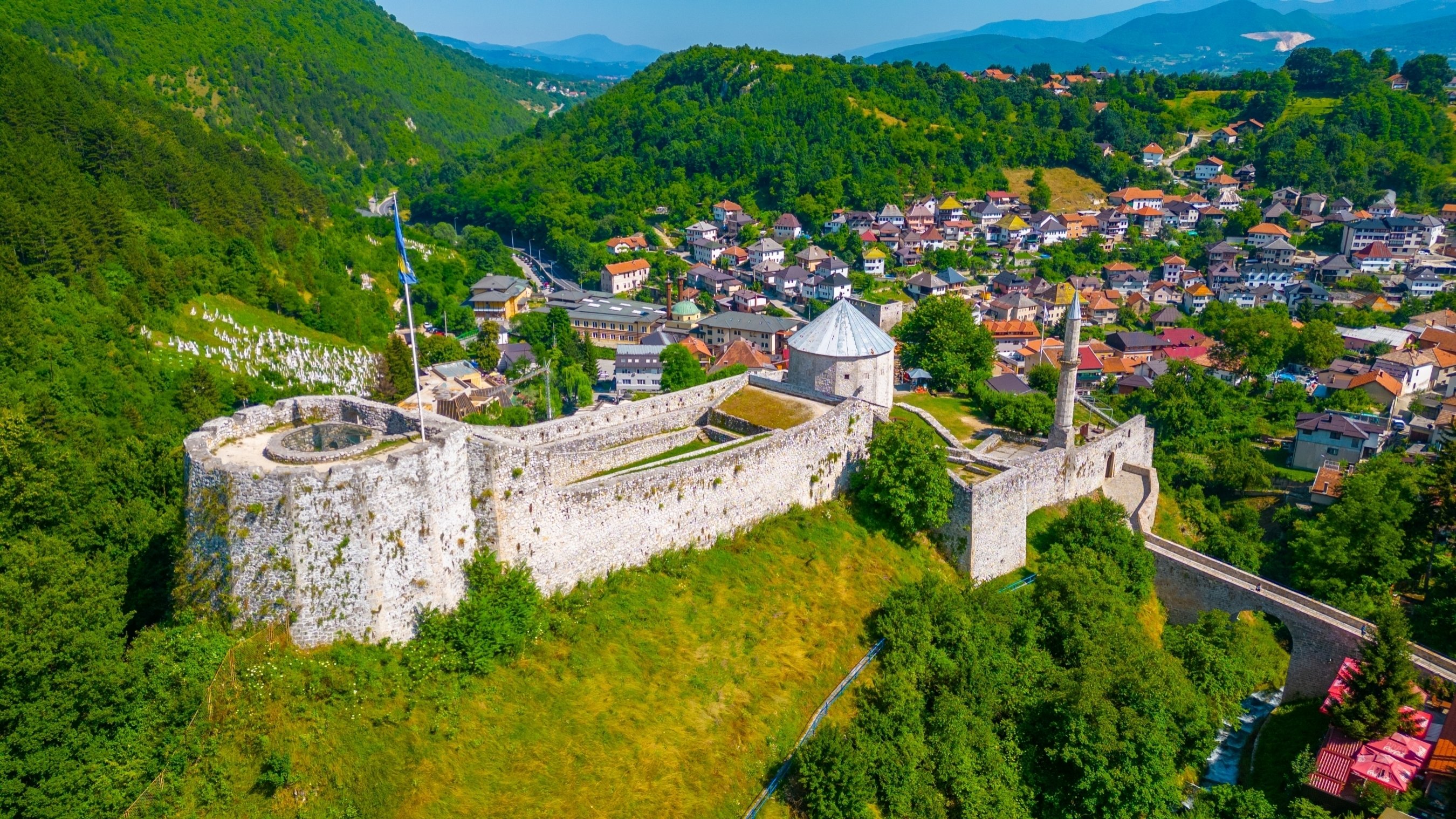
Travnik earned its nickname, the “City of Viziers,” because it served as the capital of the Bosnian Eyalet from 1699 to 1850. Remarkably, 77 Ottoman viziers were raised here, leaving an indelible mark on the city’s architecture and cultural identity.
Minarets and colorful mosque
The Ottoman legacy in Travnik is not limited to its viziers. At the city center, your eyes are immediately drawn to a breathtaking structure: the Šarena Mosque, also known as the Alaca Mosque, dating back to the 16th century. Renowned as one of the most beautiful and colorful mosques in the Balkans, its walls are adorned with delicate plant motifs in vibrant hues, earning it the nickname “Alaca.”
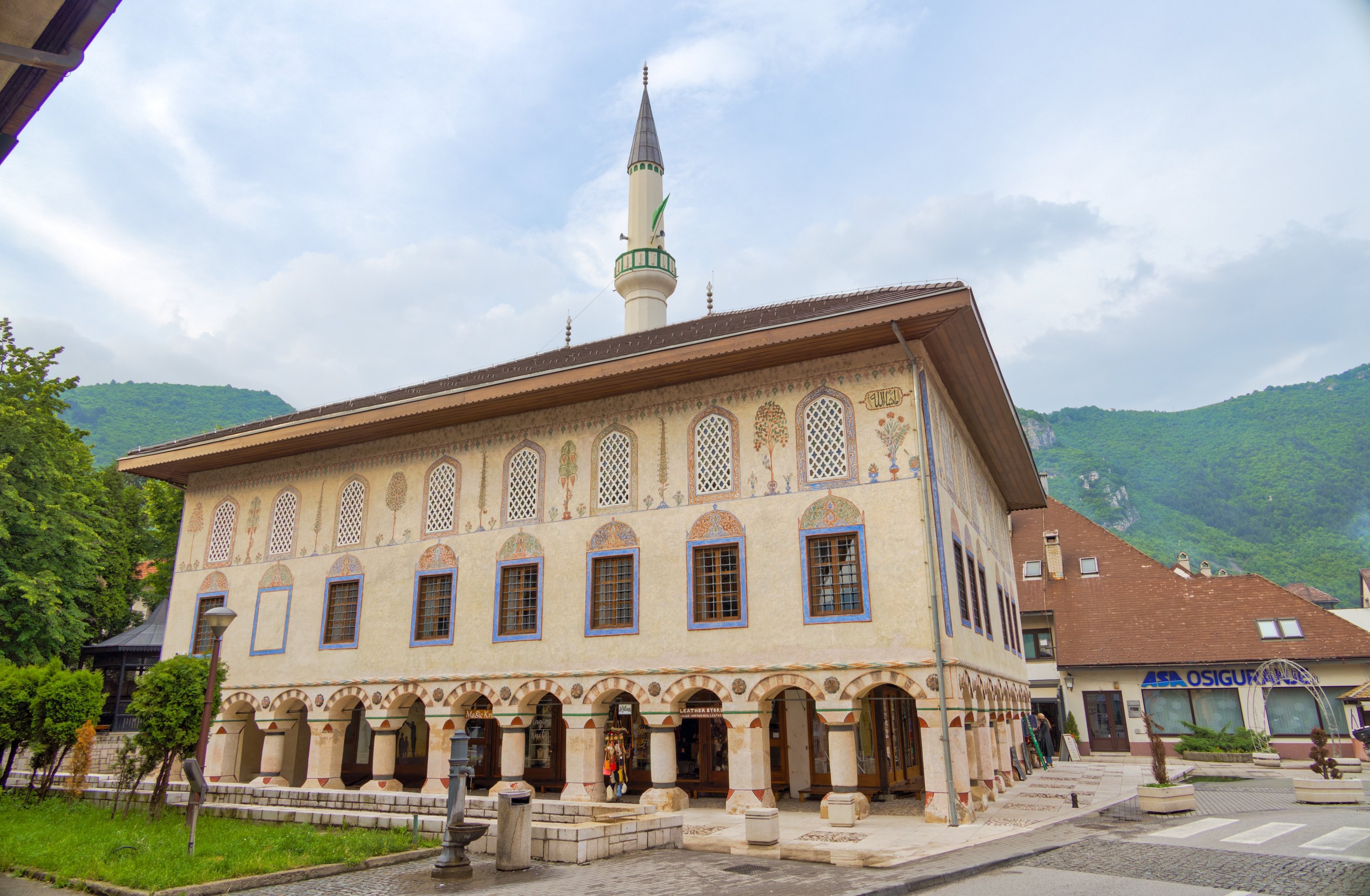
The mosque’s wooden doors are intricately carved, and beneath it, the shops that once formed a bustling bazaar hint at the city’s trading past. In the courtyard, the gentle sound of flowing water adds to the serene atmosphere, a perfect place to linger and soak in the harmony of history and nature.
Plava Voda (Blue Water)
At the city’s edge flows Plava Voda, or “Blue Water,” a spring whose vivid color gives it its name. It’s one of Travnik’s must-visit spots. Here, I recommend trying a traditional Bosnian coffee at Lutfine Kahva, set up beside the spring. The cool, flowing water and the rich, aromatic coffee create a moment you won’t forget.
Culinary delights
No trip to Bosnia-Herzegovina is complete without tasting its cuisine. While cevapi (grilled meat rolls) are popular across the country, Travnik has a particularly famous version. Enjoy them at a small local eatery, served with lepinja bread and a special sauce, perfect fuel for climbing the fortress later.
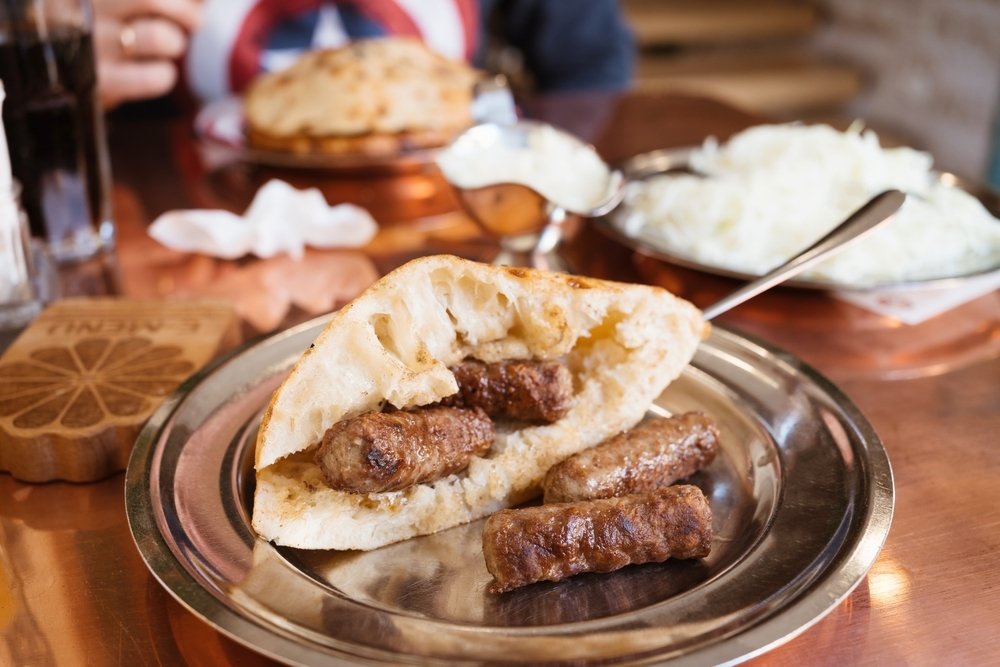
Also, don’t miss Vlasic cheese, produced in the nearby mountain villages. Its salty, firm texture reflects the rugged, unspoiled nature of the region.
Center of learning
Travnik is famous for its many Ottoman-era mosques. Legend says you can fit 40 mosques into a single photograph. But the city’s Ottoman heritage extends beyond places of worship. The Elci Ibrahim Pasha Madrassa, built in 1705 by the Bosnian governor of the same name, remains one of the Balkans’ most important educational centers.
Entering through its grand gates and walking through its spacious courtyard, you can almost hear the echoes of scholarly discussions that once filled these walls. Unlike many madrassas now serving as museums, this institution continues to educate, bridging the past and present in a living testament to history.
Literary legacy
Travnik also holds a special place in literature. The house of Ivo Andric, Nobel Prize-winning author, is now a museum displaying his study, library and documents related to his Nobel award.
While Andric is best known for “The Bridge on the Drina,” his work “Travnicka hronika” (“Travnik Chronicle”) vividly depicts the city, portraying it as a stage where East meets West, Napoleon’s politicians collide with Ottoman viziers and tension mingles with beauty. Reading Andric before visiting allows you to truly appreciate the city’s layers of history and culture.
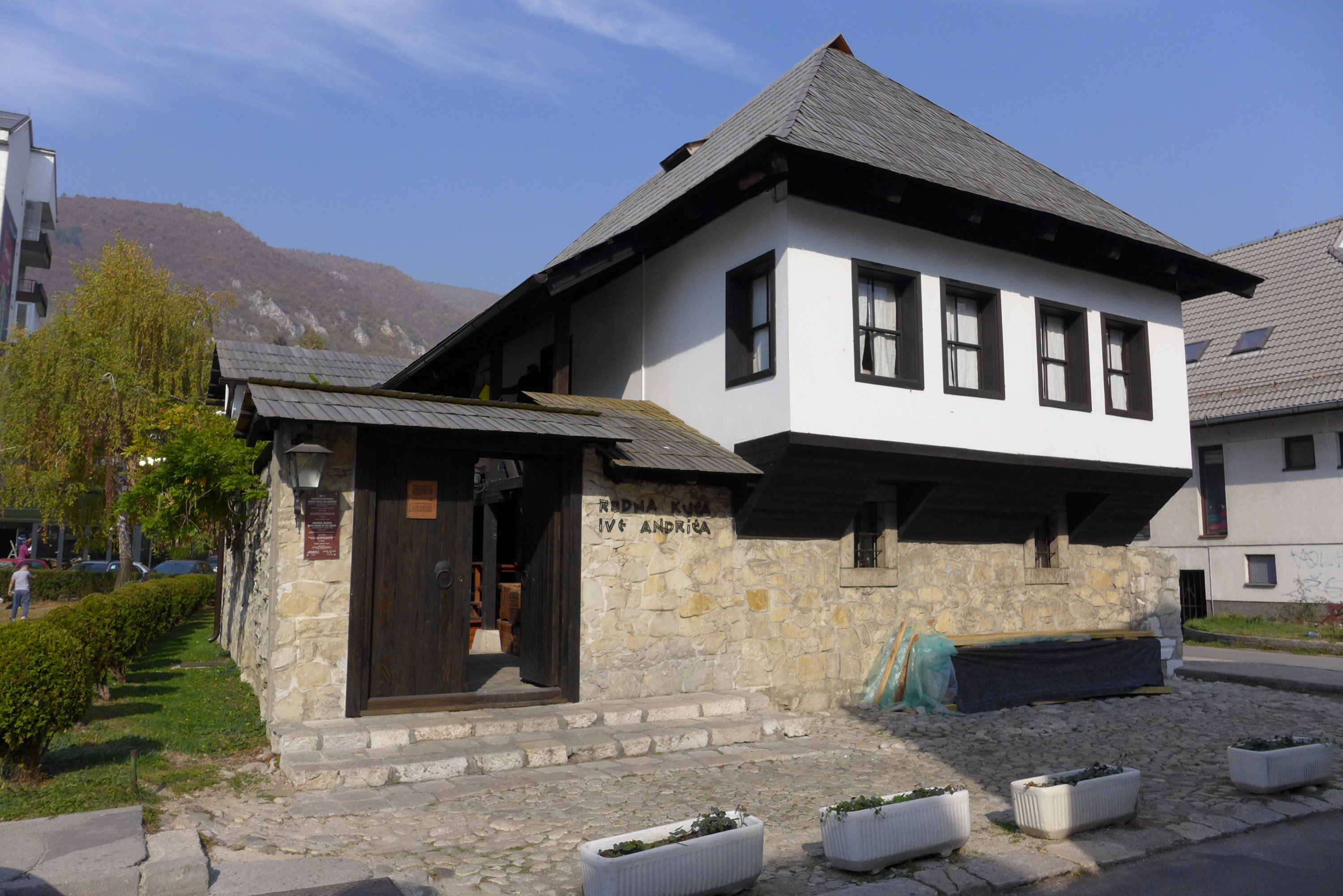
As Andric wrote, “People build bridges; sometimes of stone, sometimes of words.” Travnik felt like one of those bridges, a place where history, literature and human stories meet.
As the sun sets behind the Vlasic Mountains, it’s time to climb the fortress. The stone steps may challenge your legs, but the view is worth every step. From above, red-tiled roofs, mosque minarets and the winding river create a picture-perfect panorama. As you walk the ramparts and visit the fortress museum, every step transports you centuries into the past.
After exploring Travnik, it’s clear: despite lying in the shadows of larger cities, it preserves Bosnia-Herzegovina’s spirit in its purest form. As Andric once said, “Life in Travnik is as natural as the flow of water, as deep as history itself.”
So, if your journey brings you to Bosnia-Herzegovina, wander the narrow streets of Travnik, dip your hand into Plava Voda, and salute the valley from the fortress as a vizier might have centuries ago.
Lake Hazar in the Sivrice district of Elazığ draws visitors during the winter months with its snow-covered landscapes.
Located in Eastern Türkiye, 25 kilometers (16 miles) from Elazığ city center along the Elazığ-Diyarbakır highway, Hazar Lake covers 81 square kilometers and features a 56-kilometer shoreline, with beaches, camping sites and recreational areas for visitors.
Renowned for its seasonal beauty, Hazar Lake stands out in winter with its surrounding snow-capped mountains, the vibrant blue of its waters, and its unique natural environment.
Tourism potential
Erol Altunbaş, chair of a local tour company, told Anadolu Agency (AA) that Lake Hazar is a significant natural asset for Elazığ. He emphasized the importance of protecting the lake and enhancing its surroundings for both residents and tourists.
Altunbaş also highlighted Hazarbaba Mountain, located next to the lake, which features a ski center and offers panoramic views of the water.
“Visitors come from neighboring provinces via car and plane tours to see Lake Hazar and Hazarbaba. The area is worth visiting with all its amenities, and the scenery is stunning. From Hazarbaba, the view of Lake Hazar is extraordinary. Surrounded by mountains, the lake is a perfect spot for photography and videography in winter, with its snowy backdrop and blue waters. Eating grilled sausage by the lakeshore in the cold and snow is especially enjoyable,” Altunbaş said.
Lake’s winter charm
Visitor Irfan Güzel said the lake transforms into a tranquil retreat when it snows, making it his go-to spot for stress relief.
“Summer is beautiful, but winter has its own charm. We enjoy the lake with friends under the winter scenery. Words cannot describe its beauty. Those who visit know. Visitors come from Diyarbakır, Mardin and Şanlıurfa,” Güzel said.
Tayfun Doğan, owner of a business along the lake, noted that Lake Hazar attracts visitors year-round, allowing his operations to remain active 365 days a year.
“Weekends are especially busy. People love walking along the shore and relaxing with the lake view,” Doğan said.
Visitor Şeyda Nur Ural added that she comes to Lake Hazar on weekends to escape city stress. “Lake Hazar has beautiful nature. It’s a family-friendly place to enjoy in all seasons, a spot where we find peace,” she said.
Ayşe Hira Görgöz said she makes it a point to visit Lake Hazar every winter.
The cities of Samarkand and Tashkent have long been central to science, culture and religion in Uzbekistan. Samarkand, historically a hub of learning and art and Tashkent, the country’s capital since independence in 1991, continue to attract scholars, students and tourists alike.
Uzbekistan, with a population of over 37 million, has a rich history marked by both invasions and thriving dynasties. Its 12 provinces are predominantly Muslim, and its economy relies heavily on cotton, natural gas and gold.
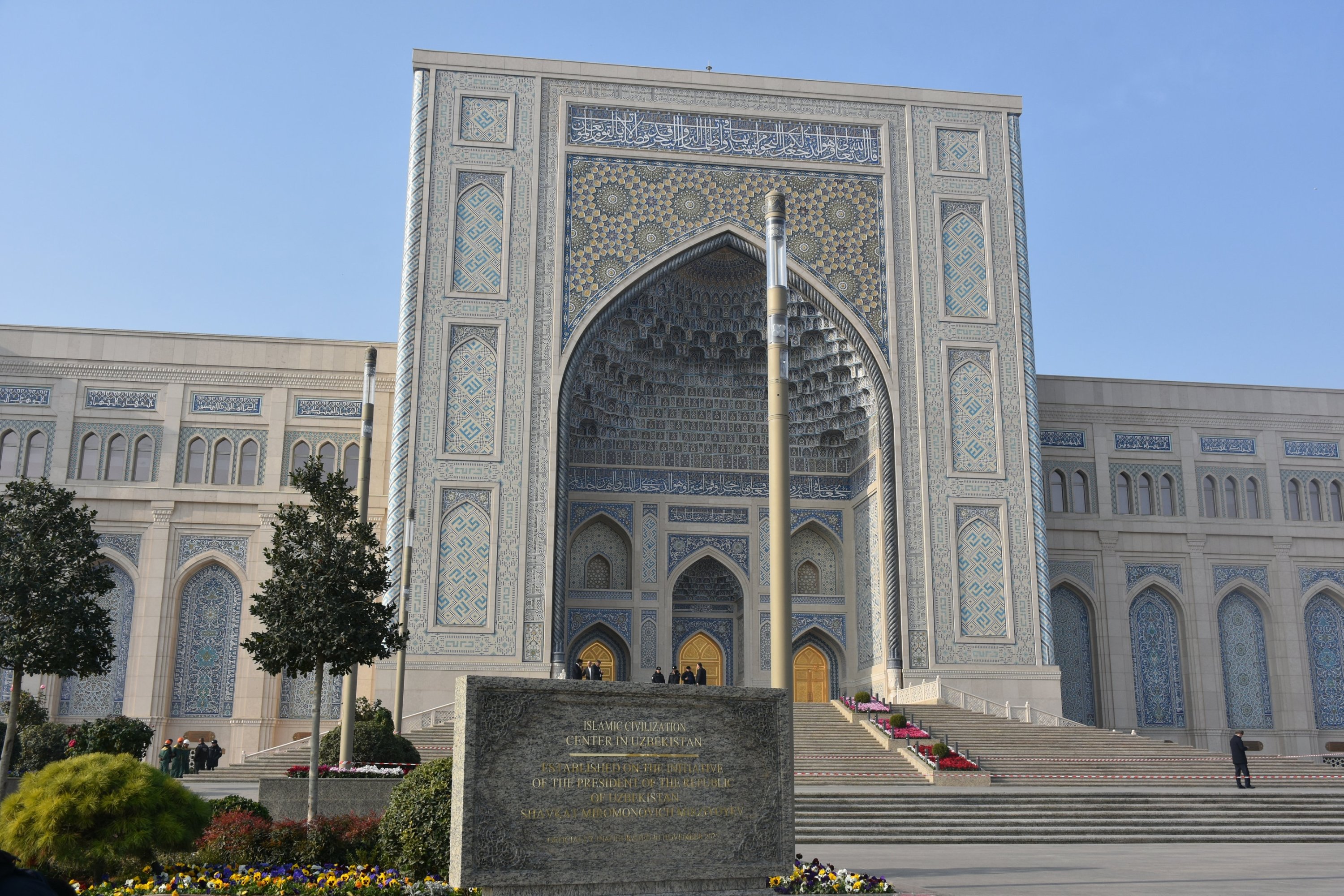
Tashkent: Old and new
Tashkent is divided into old and new districts. The city’s historic core, now known as Old Tashkent, was largely destroyed in a massive 8.0 magnitude earthquake on April 26, 1966, leaving only 10% of the city intact. Among the surviving landmarks is the Barak Khan Madrassa in the Hazrati Imam Complex, a striking reminder of the city’s scholarly past.
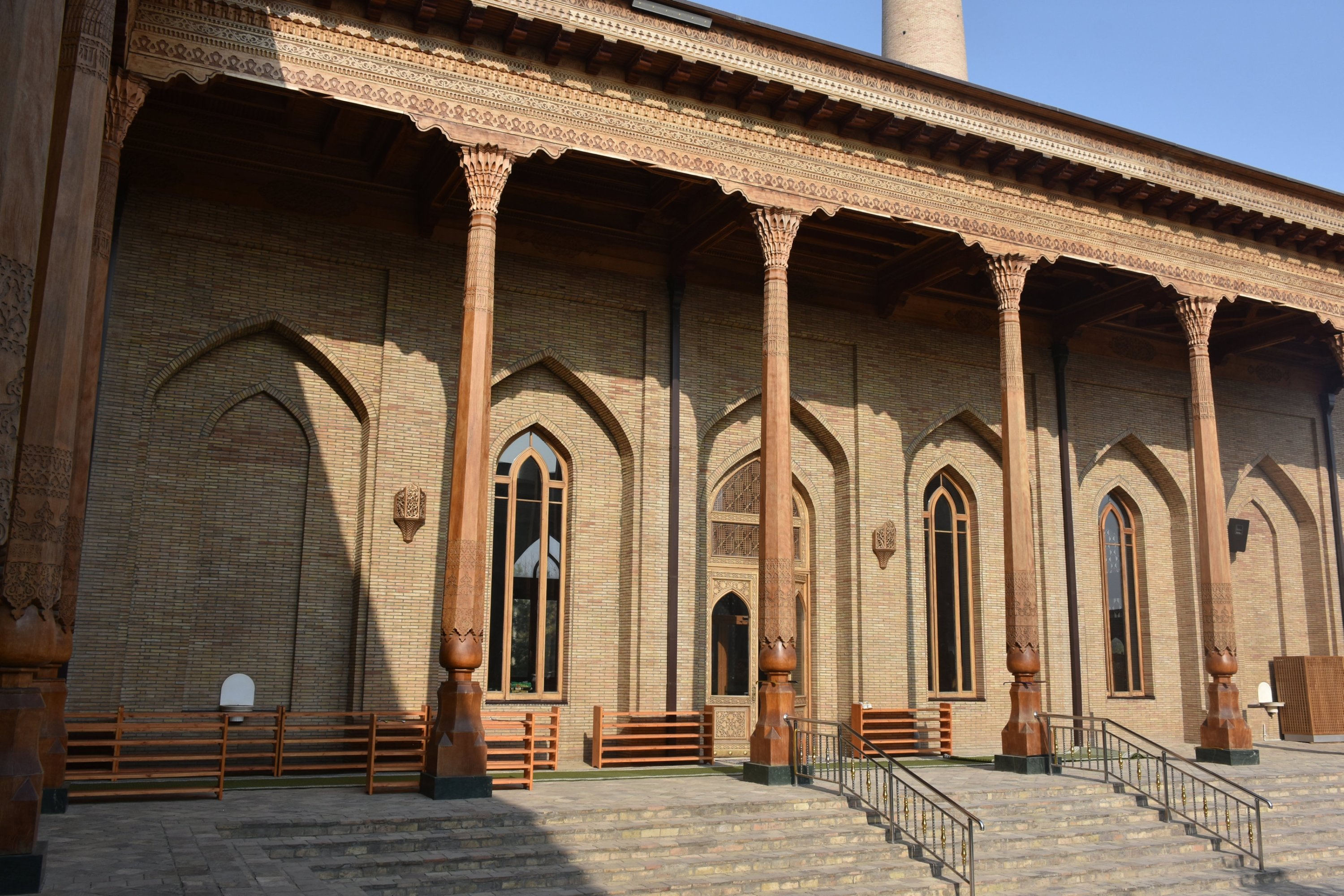
Madrassa buildings, once centers of learning with low doors to encourage humility, now house local crafts, traditional clothing and souvenirs. Nearby, the tomb of Abu Bakr Muhammad Kaffal al-Shashi honors the scholar known for introducing Islam to nomadic tribes. Little is known about al-Shashi’s life, but his studies in Baghdad on Islam, astronomy and mathematics continue to influence religious institutions across Muslim countries.
Craftsmanship, architecture
Woodcarving remains a key art form in Uzbekistan. The Hazrat Imam Mosque, built in 2007, features intricately carved wooden columns and two 16th-century-style minarets. The 14th-century Suzuk-Ota Mosque boasts the largest dome in Tashkent, designed to carry sound throughout the building before microphones existed. Historical and modern techniques are combined, with brick domes alongside metal-supported structures.
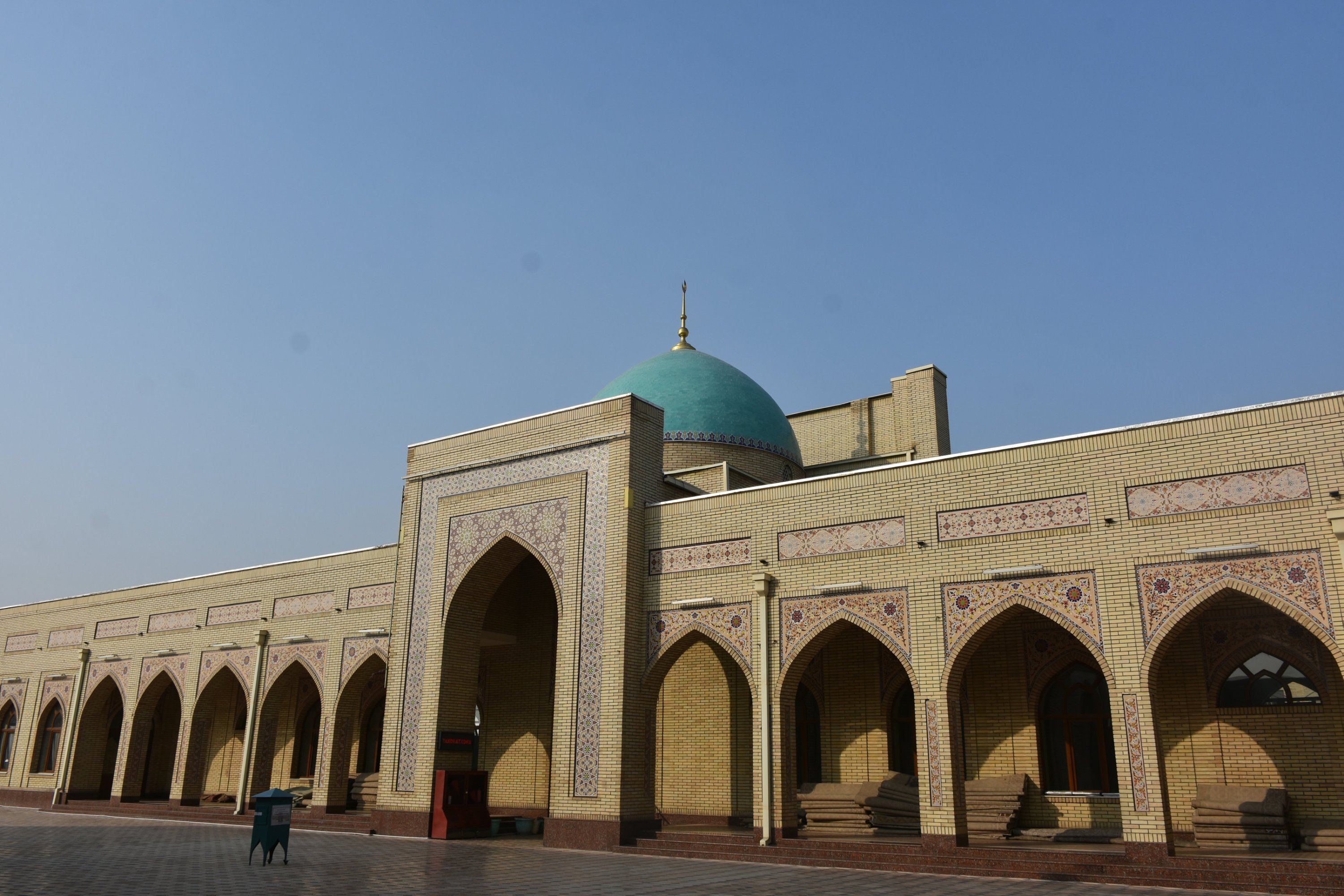
The Museum of Applied Art of Uzbekistan in Tashkent highlights over 7,000 works of traditional folk art, spanning from the early 19th century to the present. Its architecture echoes historic mosques and late-19th-century aristocratic homes, with decorative motifs reflecting Uzbekistan’s cotton and silk industries.
Capital of science, culture, art
Located along the Silk Road, Samarkand flourished under Emir Timur and his descendants, becoming a center of science, culture and art. The city, meaning “rich city,” is divided into old and new areas. UNESCO restrictions prevent high-rise construction in the modern district to preserve its historic character.
The old city, Afrasiyab, was destroyed by Genghis Khan in the 13th century and rebuilt by Timur in the 14th century. Today, visitors are drawn to its famous Registan Square, home to three historic madrassas: Ulugh Beg, Tilya Kori and Sher‑Dor. Seismic activity and soft ground cause the buildings to gradually sink into the sand, adding to their unique charm.
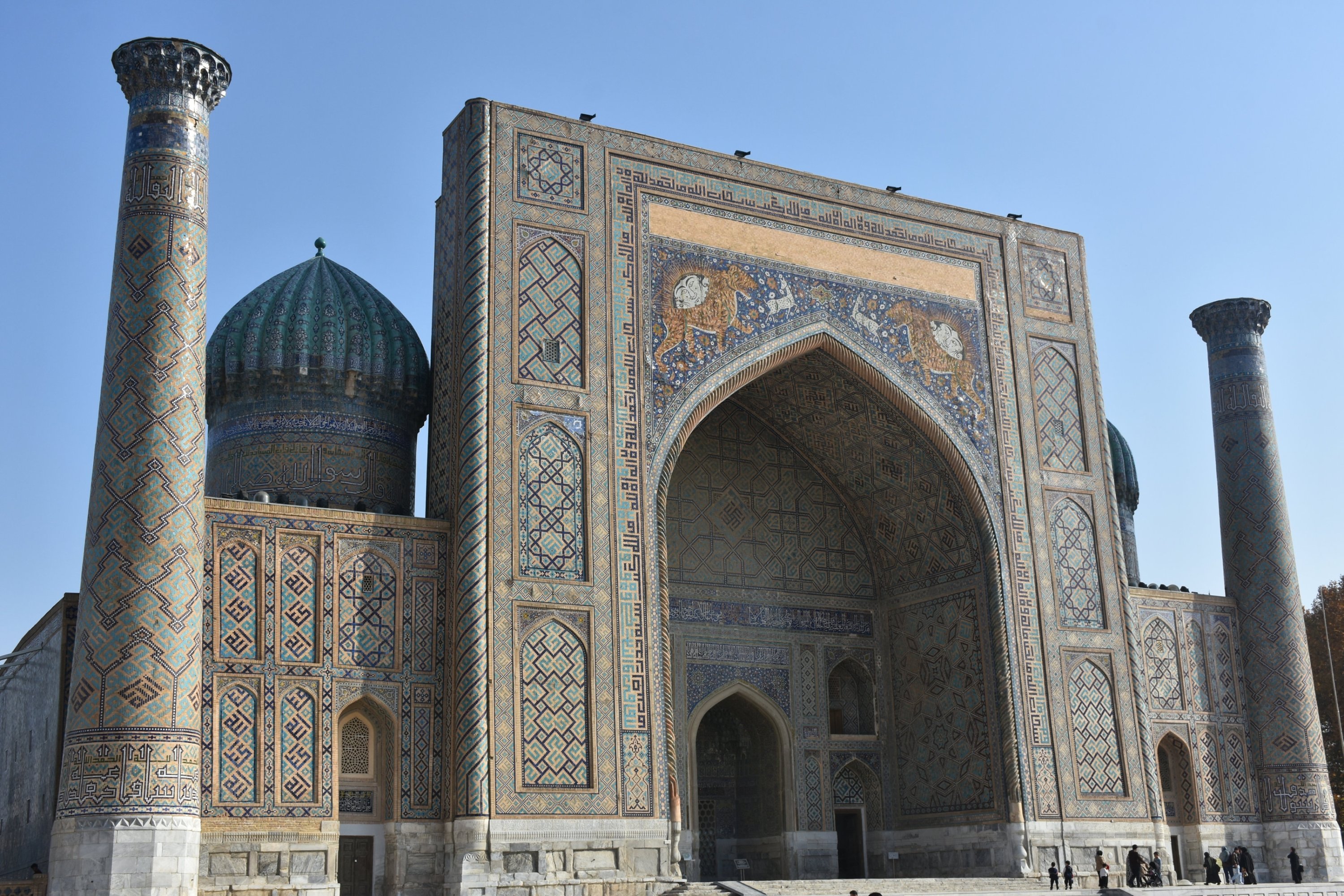
Ulugh Beg Madrassah, functioning as a university, was founded in the 15th century by Timur’s grandson, Ulugh Beg, who also taught students. Mathematics, philosophy, geography, music and religious studies were part of the curriculum, cementing Samarkand’s reputation as a center of learning. Tilla-Kari Madrassa, also known as the “Gold-Plated Madrassa,” served as both a school and mosque, while Shir-Dor Madrassa focused on religious education.
Visitors admire the low doorways of the madrasas, designed to instill respect for knowledge and the city’s culture of deference is reflected even in tea-serving ceremonies.
Religious, historical sites
Uzbekistan is home to many tombs and mosques. The mausoleum of Islam Karimov in Tashkent, built in 2016-2017 under President Shavkat Mirziyoyev, honors the nation’s first president, Islam Karimov. Hazrat Khizr Mosque, dating back to pre-Islamic Zoroastrian times, is considered the first Muslim mosque in the region.
Bibi Khanum Mosque, commissioned by Timur and completed with his wife Bibi Khanum’s oversight, bears her name. Timur’s family tombs, including many of his descendants, are in Samarkand. Imam Bukhari, a prominent Islamic scholar born in Bukhara and buried in Samarkand, draws Muslim pilgrims from across the world.
Samarkand’s legacy of knowledge, artistry and religious devotion continues to shape Uzbekistan’s identity, preserving the grandeur of its past for generations to come.

Turkish Cypriot FM says Greek Cyprus NATO push is ‘dream’

Kemal Kılıçdaroğlu and Canan Kaftancıoğlu’s move, which attracted attention at midnight by Özgür Özel: Before the questionable congress case…

President Erdoğan condemns attack on KRG leader Barzani’s residence
Turkish Cypriot FM says Greek Cyprus NATO push is ‘dream’
Kemal Kılıçdaroğlu and Canan Kaftancıoğlu’s move, which attracted attention at midnight by Özgür Özel: Before the questionable congress case…
President Erdoğan condemns attack on KRG leader Barzani’s residence
-

 Daily Agenda3 days ago
MİT President İbrahim Kalın: As Türkiye, we will fight vigilantly until the end
-
 Daily Agenda2 days ago
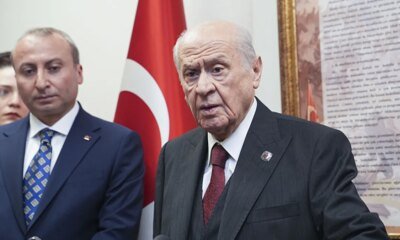
Bahçeli: If there is to be a regime change, it should start with Israel
-
 Daily Agenda2 days ago
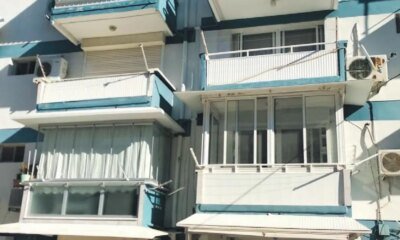
CHP municipality remained silent to the risk of disaster
-
 Daily Agenda2 days ago
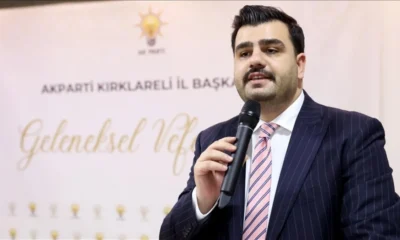
Harsh response from AK Party member İnan to Özgür Özel: You are the puppet of thieves! Support for Özlem Çerçioğlu
-

 Refugees2 days ago
Iranian official warns US against ground invasion as diplomats meet
-

 Daily Agenda2 days ago
Minister Kacır: Being strong is possible with technology capabilities
-
 Politics2 days ago
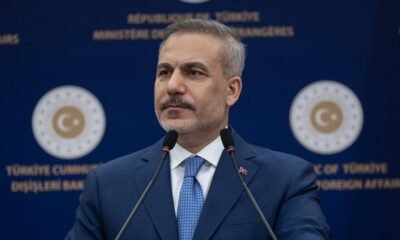
Israel biggest obstacle to peace, FM Fidan says
-
 Economy2 days ago
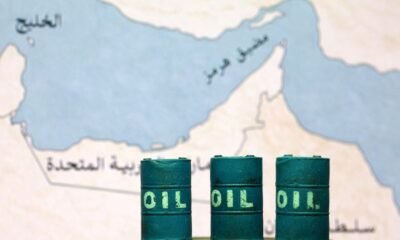
Iran signals tighter control, possible tolls for Strait of Hormuz