Summer is winding down, but Bodrum is still serving its final highlights. From Michelin-starred tables and standout pop-ups to opera under the stars at the ancient theater, the last days of August have given us plenty to remember. A little gastronomy, a little culture, a lot of Aegean energy – this is what the final days of summer looked like.
Summer always ends in fragments: a long dinner that turns into one last drink, a sunset that somehow feels more precious because we know there are only a few left, a table by the sea and the familiar feeling that we are already beginning to miss something we are still living. As August draws to a close, Bodrum seems to understand this better than anywhere else. The final days of summer are not really about saying goodbye; they are about collecting the last memorable moments before the season slips away.
This year, gastronomy and music provided some of those moments. At Avantgarde Refined Yalıkavak, tucked into the tranquil atmosphere of Küdür Bay and featured in the Michelin Guide Hotels Selection, summer came with an ambitious culinary agenda. The hotel brought together some of Türkiye’s much-loved gastronomic names under one roof through its Legends of All Times Turkish Brands Gastronomy Series. Hodan Yalıkavak, Sushi Barba, POCO Matcha and Ace Culinary already give the property a distinctly eclectic gastronomic identity, while the summer series turned the hotel into something of a meeting point for Türkiye’s culinary scene.
July brought ZMASS Burger, Bayramoğlu Döner and Mahir Lokantası, while August continued the journey with Trilye and Fauna, alongside the return of the Sunday brunches. Trilye, awarded two toques by Gault&Millau Türkiye, arrived on Aug. 19-20 with its refined seafood-focused cuisine. Fauna will follow on Aug. 26-27 for its first pop-up at Avantgarde Refined Yalıkavak, bringing the Istanbul restaurant’s deliberately simple, seasonal and ingredient-driven approach to Bodrum.
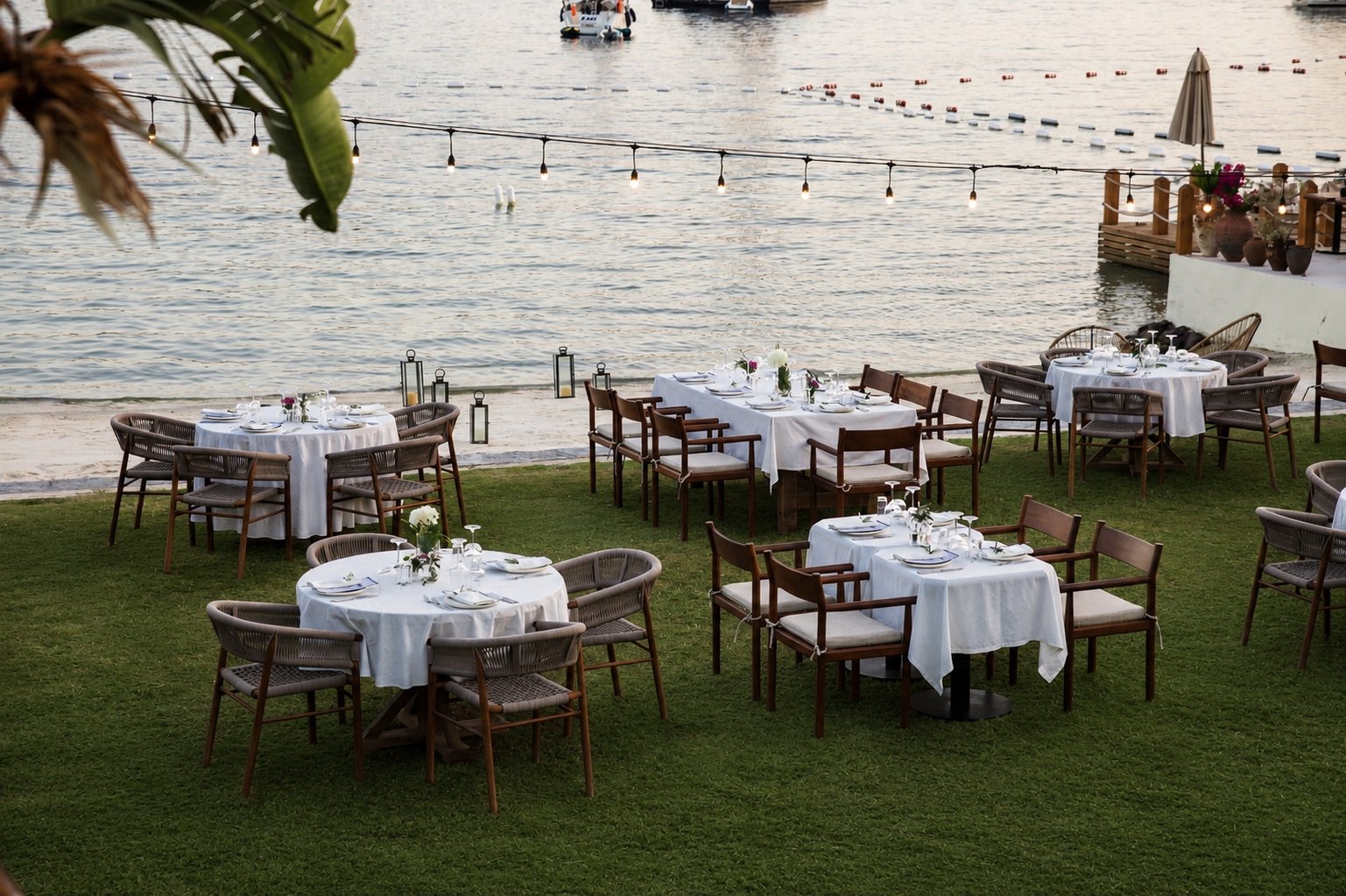
A view of Mahir Lokantası in Bodrum, Türkiye. (Photo courtesy of Funda Karayel)
There is something particularly fitting about ending the summer around a table. After all, Turkish summer culture has always been as much about food as it is about the sea. The best memories are rarely complicated: a plate arriving at the table, an unexpected conversation, the sound of ice in a glass and the feeling that nobody is in a hurry to leave.
Night with the Limak Philharmonic Orchestra
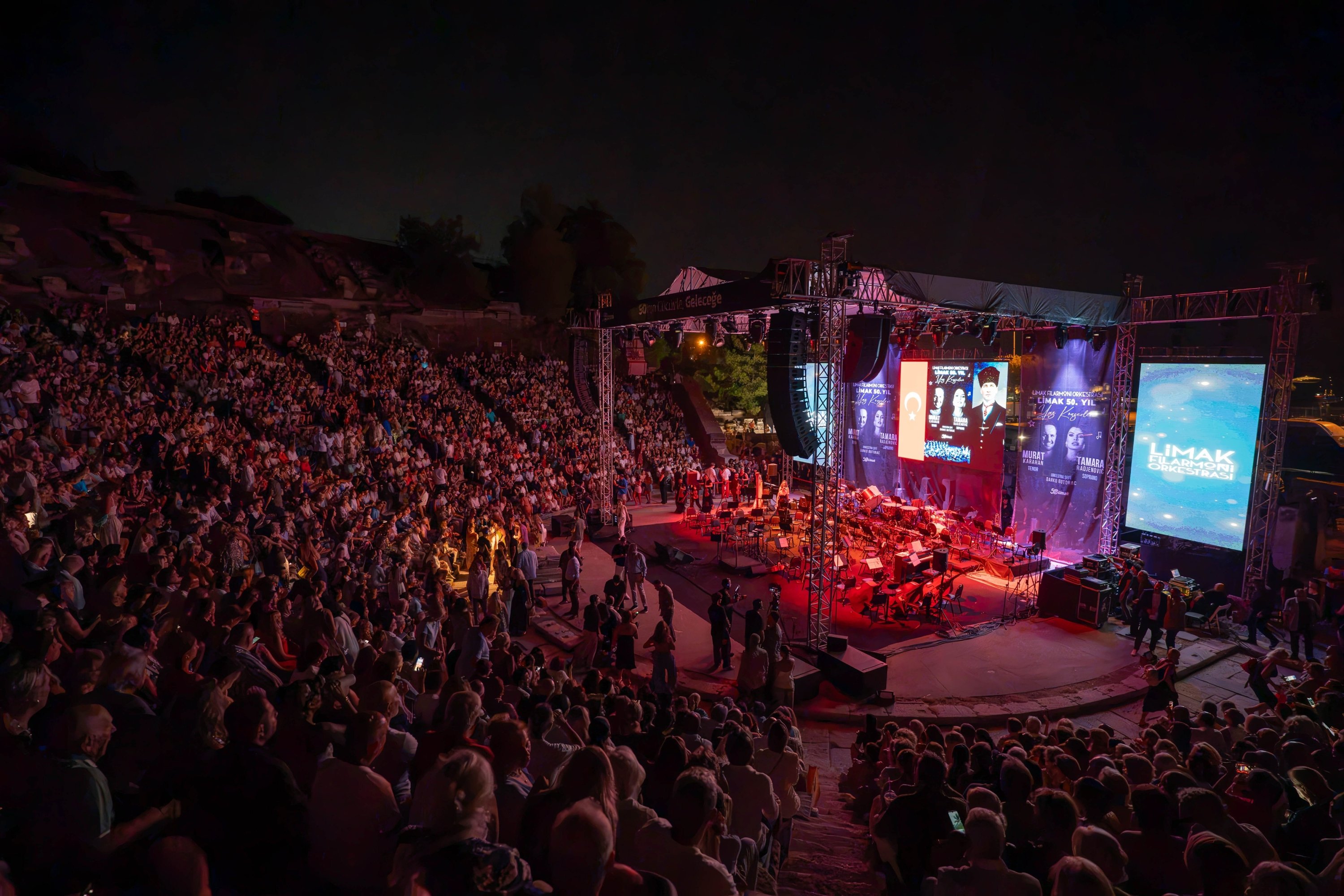
On Aug. 22, the ancient stones of Bodrum’s 2,500-year-old theater became the setting for an evening that felt almost cinematic. The Limak Philharmonic Orchestra marked Limak’s 50th anniversary with its traditional summer concert, conducted by Darko Butorac and joined by tenor Murat Karahan and soprano Tamara Radjenovic.
The program moved effortlessly between opera classics and much-loved pieces from cinema and popular music. Karahan brought Puccini’s “Nessun dorma” and “Ch’ella mi creda” to the stage, while Radjenovic performed the Habanerafrom Bizet’s “Carmen” and “Sempre libera” from Verdi’s “La Traviata.” Their duet of Agustín Lara’s Granada became one of the evening’s highlights, while music from “Cinema Paradiso” and “Gladiator,” Ennio Morricone’s unforgettable melodies, and Time to Say Goodbye gave the night a more nostalgic dimension.
The audience waits for a concert by the Limak Philharmonic Orchestra, Bodrum, Türkiye. (Photo courtesy of Funda Karayel)
Perhaps the most memorable part was precisely this mixture: an ancient theater, music written centuries apart, and a summer audience gathered under the Bodrum sky. The evening ended with Karahan and Radjenovic performing “Yaralı Gönül” together, leaving the audience with the kind of finale that makes you wish summer had a few more weeks left.
But the concert was not only about celebration. All ticket proceeds will support Limak Foundation’s Türkiye’s Engineers Girls program, which has been running for 11 years and supports women studying engineering. Since expanding internationally in 2022 as Global Engineer Girls, the program has reached young women in countries including Kosovo, North Macedonia, Saudi Arabia, Spain, the United Kingdom, the Ivory Coast and Mozambique.
Weekend reset at The Bodrum EDITION
In addition to all the dinners, concerts and late-summer gatherings, there was also room for something a little quieter: a weekend reset at The Bodrum EDITION. Joined by lululemon Yoga Ambassador Duygu Erokan for a morning yoga session, I found my way back to the mat after a long break, and it felt surprisingly good. The flow was followed by KOOL Seed protein drinks, and discovering a new brand made the experience even better. My favourite was the banana, peanut butter and oat milk combination: simple, delicious and exactly the kind of post-yoga fuel that makes you want to keep the good habits going. A little movement, a little discovery, and a much-needed reminder that sometimes getting back to yourself starts with simply getting back on the mat.
Final takeaway
Perhaps this is what will remain from Bodrum this summer: a few extraordinary dinners, music echoing through an ancient theatre, the taste of the Aegean, long nights that seemed endless until suddenly they weren’t, and those small moments of slowing down that somehow become the ones we remember most.
Bodrum leaves us with a familiar feeling that summer is never quite long enough. But maybe that is the magic of it. We leave with salt still on our skin, one last sunset in our minds and the slightly ridiculous hope that the season might somehow wait for us. It won’t. And maybe that is exactly why, every year, we come back.
The Daily Sabah Newsletter
Keep up to date with what’s happening in Turkey,
it’s region and the world.
SIGN ME UP
You can unsubscribe at any time. By signing up you are agreeing to our Terms of Use and Privacy Policy.
This site is protected by reCAPTCHA and the Google Privacy Policy and Terms of Service apply.
Türkiye’s place in the yachting industry extends beyond its coastline. The country builds vessels for international buyers, maintains a network of marinas and shipyards, and draws visitors to sailing destinations along the Aegean and Mediterranean. Bringing these elements closer together could open a further avenue for growth in both tourism and maritime services.
The opportunity was on display at the Bodrum Boat Show, held from Oct. 14 to 18, as boatbuilders, brokers and prospective buyers gathered in a town long associated with sailing holidays and traditional wooden gulets. The event offered a glimpse of an industry that links Türkiye’s established maritime traditions with a modern manufacturing sector and an international market for yacht ownership and chartering.
For Beril Hasdemir, regional manager of Sunreef Yachts, which specializes in customized luxury catamarans, demand is also shaped by changing ideas about how people spend time on the water.
“People want more space on the sea,” she said. Some customers view a yacht as more than a leisure purchase, she added. “Wherever you park, you have a home.” Some of the company’s international customers live aboard their boats, treating them as mobile residences rather than occasional holiday retreats.
While this remains a specialized market, it illustrates the range of activity that yachting can generate, from charter holidays and marina services to maintenance and provisioning. For Türkiye, the opportunity is to capture a larger share of that activity by connecting its manufacturing capabilities with its appeal as a destination.
From shipyards to sailing routes
Türkiye’s western and southern coastlines offer a network of ports, sheltered bays and sailing routes linking destinations such as Bodrum, Datça, Marmaris, Göcek, Fethiye, Kaş and Antalya. Bodrum, with its established blue-cruise tradition and proximity to the Greek islands, is well placed to serve as a gateway to the eastern Aegean.
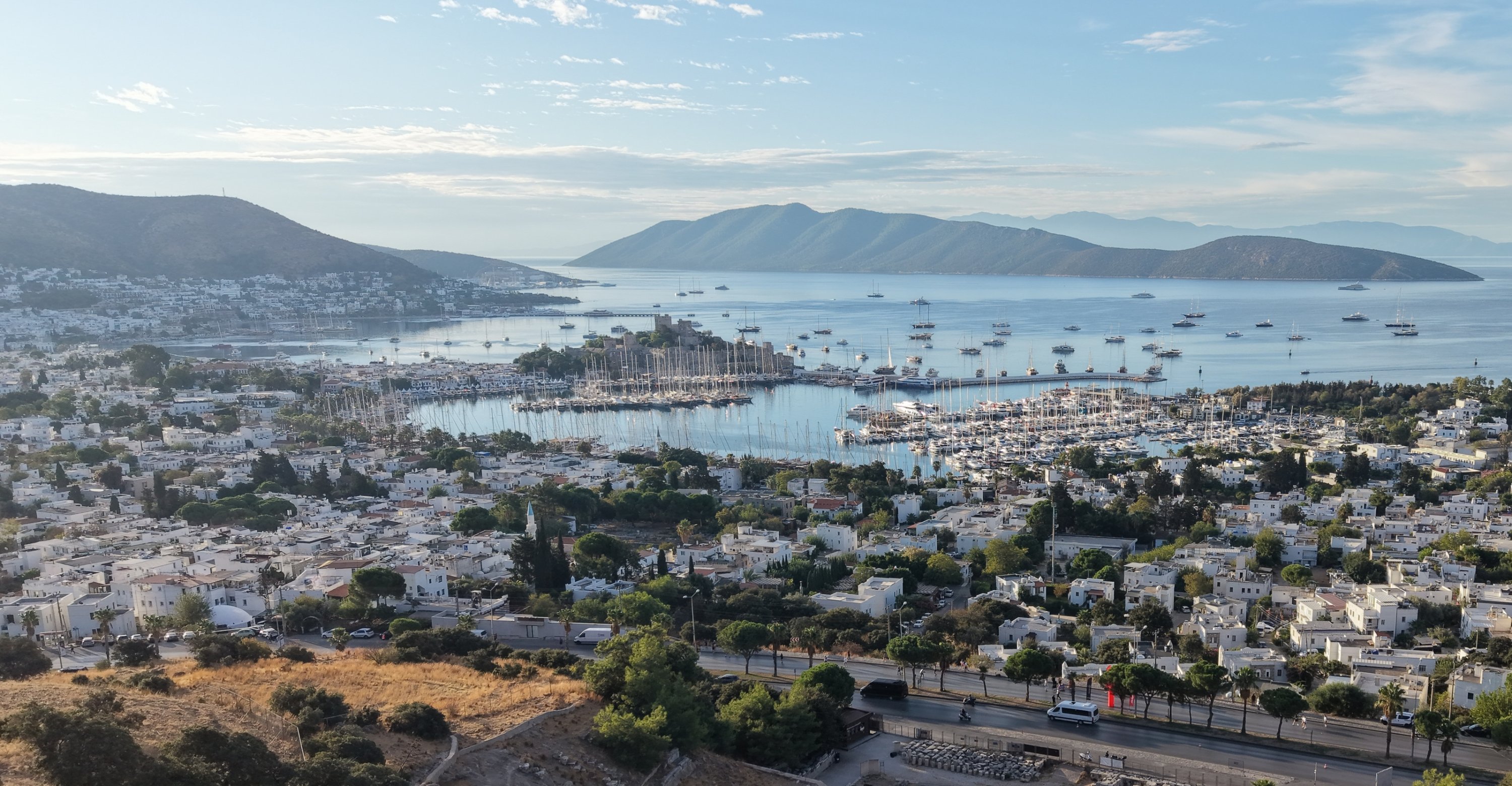
A general view of Bodrum’s historic old town in Muğla, southwestern Türkiye, Oct. 14, 2026. (AA Photo)
Yet the country’s position in yachting is not based on tourism alone. According to a 2024 yacht-market report, Türkiye ranked second globally in superyacht production, behind Italy. The report put exports of yachts, boats and vessels at $442.4 million in 2024, an increase of 8.52% from the previous year.
That industrial base creates opportunities beyond the sale of vessels. Maintenance, repair, refitting, equipment supply and brokerage can all benefit when more yachts are based in the country. Charter operations can provide another link, bringing visitors to Turkish ports while creating demand for local businesses.
Hasdemir said Sunreef’s charter department receives inquiries from customers interested in Türkiye, although the company does not currently have a charter vessel based in the country. She said she would like to see a local fleet established.
Her experience offers one indication of potential interest, rather than a measure of the market as a whole. Still, the connection between yacht production and tourism is worth considering: A country that builds vessels for international customers can also seek to attract their owners and charter clients to its own marinas.
A wider maritime economy
The economic effects of yachting can extend beyond the marina. Visitors traveling between ports may use restaurants, shops and local services in several coastal communities, while vessel owners and charter operators create demand for skilled workers and specialist suppliers.
Hasdemir said Türkiye could raise its international profile by promoting maritime tourism alongside its established tourism campaigns. She also pointed to the value of coordination among public institutions responsible for tourism, transport, trade and taxation.
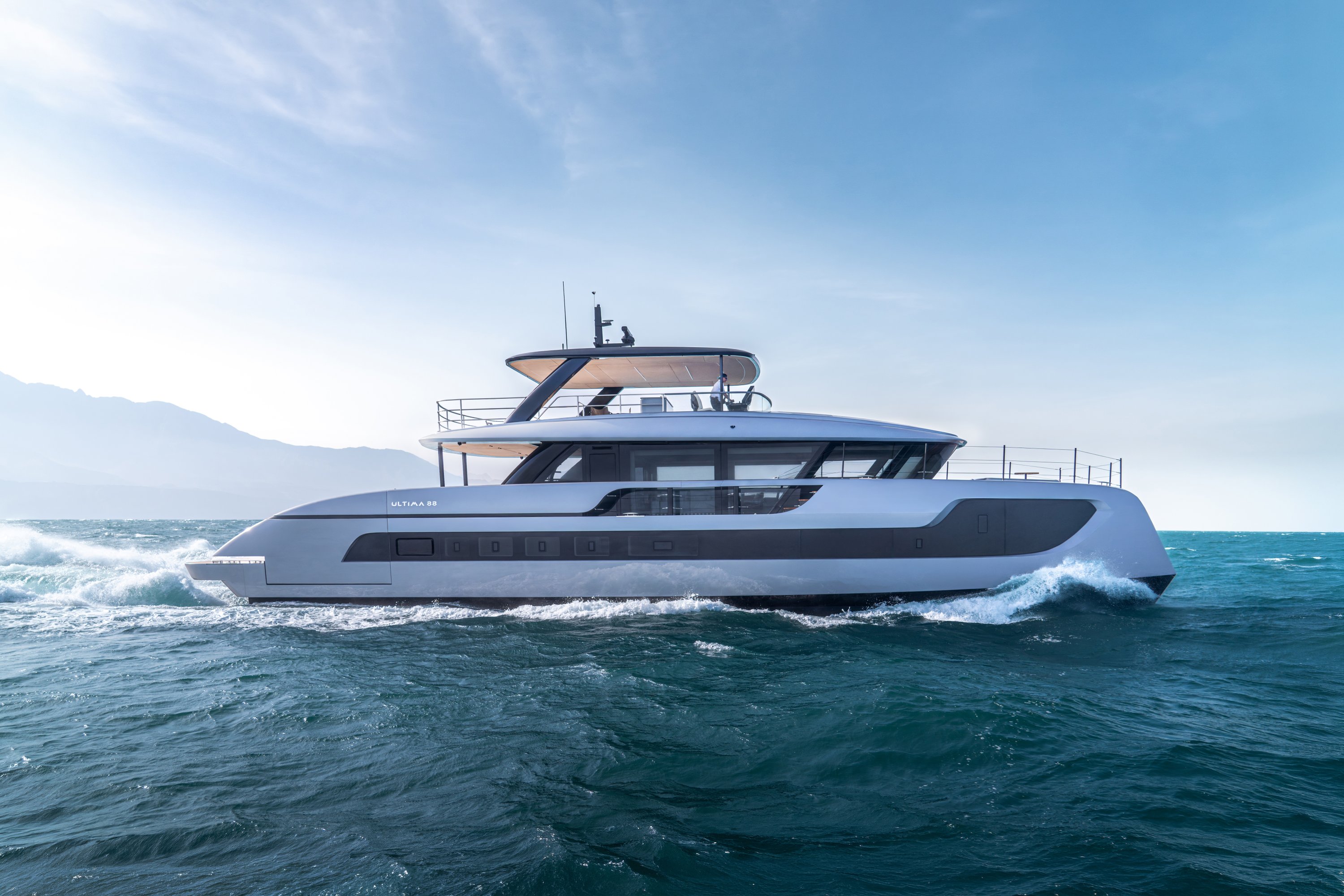
Sunreef Yachts’ ULTIMA 88 yacht sails at sea during a marketing campaign shoot. (Courtesy of Sunreef Yachts)
The opportunity is not confined to luxury yachts. Charter holidays, sailing schools and smaller boats offer ways to experience the coast without the expense of ownership. Hasdemir said she sees growing interest among Turkish customers, including some who might previously have chosen a hotel holiday.
A broader range of boating experiences could help diversify coastal tourism and bring more visitors into contact with the businesses and communities that support it. For destinations such as Bodrum, the ambition is to complement the traditional holiday season with activity connected to yacht services, sailing and maritime events.
That development also depends on preserving the coastline itself. Waste management, responsible anchoring and protection of marine habitats will remain important as boating activity expands. Hasdemir said some of Sunreef’s catamarans use electric motors, solar panels and battery systems to reduce reliance on conventional engines or generators in certain conditions. Such technologies can help limit some environmental impacts, alongside effective oversight of vessels and marina facilities.
The Bodrum Boat Show provided a platform for bringing manufacturers, buyers and maritime businesses together. Its longer-term contribution will depend on the commercial relationships it helps establish and the extent to which those connections continue beyond the event.
Türkiye already has two important components of a larger yachting economy: the capacity to build vessels for international markets and a coastline that attracts visitors from abroad. Developing closer links between the two could help extend the value of each, giving yacht manufacturing, tourism and maritime services a more connected role in the country’s coastal economy, Hasdemir said.
The Daily Sabah Newsletter
Keep up to date with what’s happening in Turkey,
it’s region and the world.
SIGN ME UP
You can unsubscribe at any time. By signing up you are agreeing to our Terms of Use and Privacy Policy.
This site is protected by reCAPTCHA and the Google Privacy Policy and Terms of Service apply.
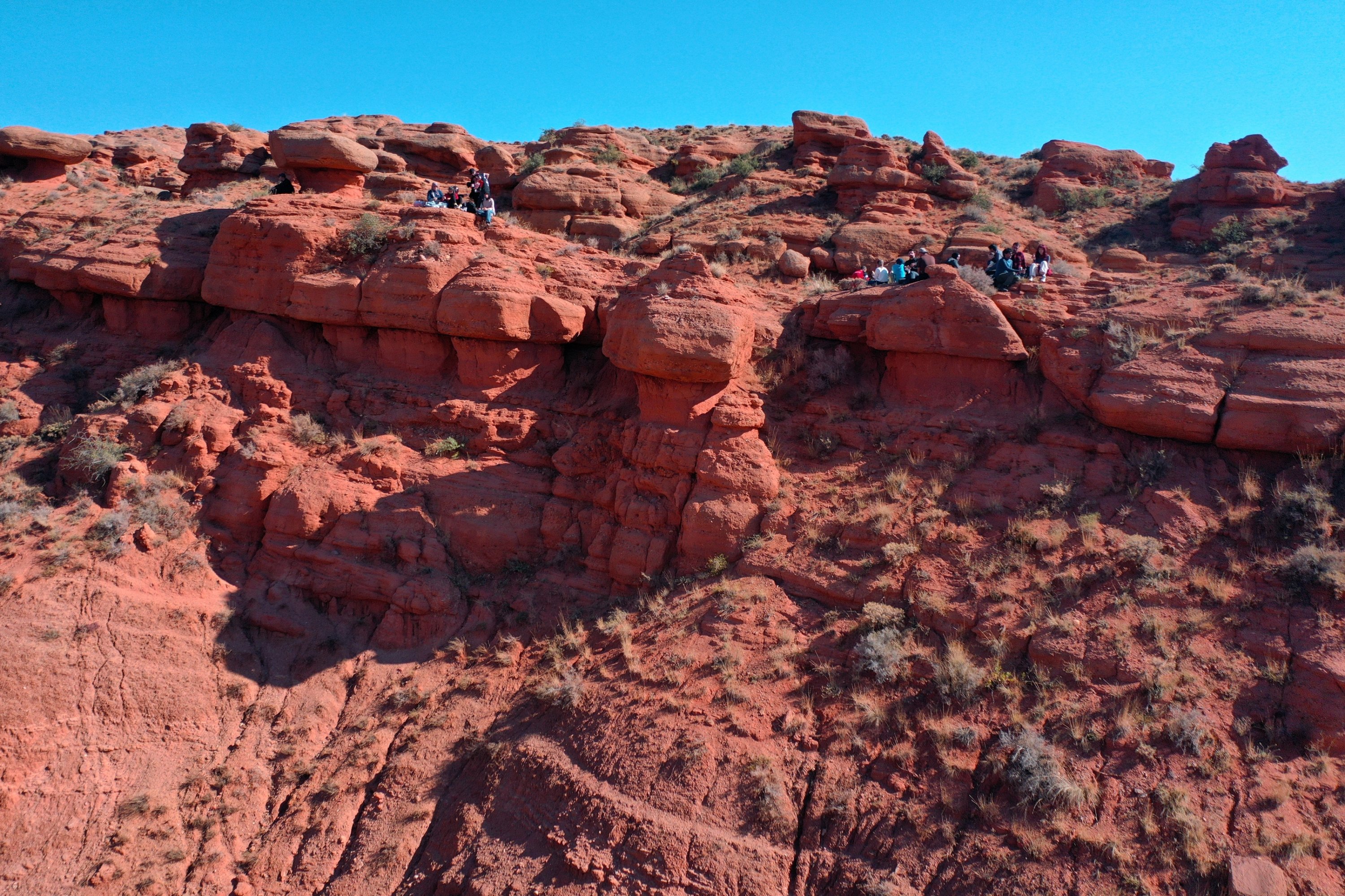
Bayam’s Red Badlands in Kağızman, located in eastern Türkiye’s Kars province, are attracting nature lovers and photography enthusiasts with their reddish rocks and unusual geological formations.
Resembling Arizona’s canyons in the United States, the area has the potential to become a new destination for hiking and photography enthusiasts.
Located between the villages of Kötek and Bayam, the Bayam Red Badlands offer visitors a striking landscape shaped by natural erosion, with distinctive rock formations and reddish hues.
The area is gaining recognition through hiking trips organized by nature groups, emerging as a potential destination for nature tourism.
Hikers exploring the region have the opportunity to take a closer look at natural rock formations believed to be millions of years old.
Mushroom-shaped rock formations rise from the reddish landscape of the Bayam Red Badlands, Kars, Türkiye, Oct. 18, 2026. (AA Photo)
Mushroom-shaped rocks
Rising above layers of fine sand, mushroom-shaped rocks and formations sculpted into unusual shapes also make the area an appealing destination for photography enthusiasts.
Adem Süleyman Güzel, head of the Kağızman Teachers’ House Sports Club, told Anadolu Agency (AA) that they organize activities to promote Kağızman’s natural and historical heritage to visitors. He said wind and floodwaters had eroded the rocks, creating striking mushroom-shaped formations and other unusual structures.
“We want to introduce the natural beauty and history of our hometown to those visiting the district,” he said.
Haşim Kaya, who joined a hike in the area, said the group organizes hiking trips every week.
Haşim Kaya described the Bayam Red Badlands as a magnificent natural landscape, comparing parts of the area to Arizona’s canyons and highlighting its mushroom-shaped rock formations.
“We welcome all nature lovers to Kağızman,” he said.
Derya Bektaş, one of the hikers, said the group had added the Bayam Red Badlands to its hiking route, describing it as a must-see destination with beautiful natural scenery.
“We get to discover the natural beauty of our hometown during our hikes, which also include various activities,” she said.
The Daily Sabah Newsletter
Keep up to date with what’s happening in Turkey,
it’s region and the world.
SIGN ME UP
You can unsubscribe at any time. By signing up you are agreeing to our Terms of Use and Privacy Policy.
This site is protected by reCAPTCHA and the Google Privacy Policy and Terms of Service apply.
After travelling more than 20 hours by air from Australia, Anne Boland arrived to find the Louvre shut behind barricades, prompting her to offer a piece of advice to tourists planning a trip to Paris.
“Stay home!” the 73-year-old pensioner told Agence France-Presse (AFP) on Monday outside the world’s most visited museum, after a weekend of unrest that rocked some of the French capital’s most iconic streets and squares.
She was one of thousands of visitors scrambling to navigate the City of Light as marches, traffic delays and wafting tear gas snarl the capital’s 14-billion-euro ($16-billion) tourism industry.
A small group of protesters was blocking the entrance to the Louvre’s famous glass pyramid, following days of mass protests that also spilled into some of the worst street violence France has seen in recent years.
Cycling through the city the day before, expecting charming Haussmann buildings, mansard roofs and corner cafes, Peter, a Dutch tourist, found himself touring a “war zone”.
“It was terrible – debris from fires everywhere, glass on the pavement,” the 63-year-old, who declined to give his last name, said.
Some shrugged off the disruptions. But almost all seemed caught off guard upon arriving at the Louvre, their plans suddenly cancelled.
Turned away, many resorted to selfies and photos in front of the former palace.
Roughly half a million people turned out across France on Saturday to denounce the surging cost of living, a culmination of earlier protests led by high school students demanding better conditions at their schools.
The Yellow Vests movement, which organized the weekend’s rallies, has called for more protests this coming Saturday, as the government mulls partial, targeted curfews.
‘A disaster’
The closure of the Louvre meant just one more detour for Anne and her husband Pat Boland, also 73, whose airline lost their luggage during the voyage.
“It’s just a disaster,” said Pat with a laugh.
“We were here at this exact spot seven years ago, and the queues were too long,” said Anne.
Having visited the museum twice, she’s yet to go inside.
“We don’t want to get involved. We want to stand back and get away from them,” Pat said of the protests.
“But we don’t want to go against them either,” Anne hastened to add, noting a trend of cost-of-living protests cropping up across the world recently, including in Ireland and Australia.
At the weekend, taxi drivers at Charles de Gaulle airport warned arriving passengers that they might not be able to make it to their destination if protesters blocked their routes.
A headline in a newspaper in Wales, in the U.K., wondered if France would be safe for families to visit for the upcoming school holiday, and the U.S. embassy called on its nationals to exercise caution.
But many in the city carried on in typical Parisian style: a video broadcast by America’s CBS news showed a couple drinking on a city terrace, unfazed by a nearby fire in the road.
“We haven’t seen anything concerning,” said Glenda Manna, 62, a university professor in town from the U.S.
But as the protests capture the attention of news channels – and politicians – around the world, there are incessant messages from family members back home pleading with them to “tell me you’re safe,” added her mother, Dorothy Hill, 82.
The Daily Sabah Newsletter
Keep up to date with what’s happening in Turkey,
it’s region and the world.
SIGN ME UP
You can unsubscribe at any time. By signing up you are agreeing to our Terms of Use and Privacy Policy.
This site is protected by reCAPTCHA and the Google Privacy Policy and Terms of Service apply.
The 2,000-year-old Basilica Therma Roman Bath in the Sarıkaya district of Yozgat, central Türkiye, is welcoming visitors in the evening following upgrades to its lighting and the opening of a cafe where guests can relax.
Listed on UNESCO’s Tentative List of World Heritage Sites, the historic bath draws attention for its Roman-era architecture and thermal waters, which reach temperatures of around 50 degrees Celsius (122 degrees Fahrenheit).
According to local legend, the site became known as “Kral Kızı,” or “King’s Daughter,” after the ailing daughter of a king who lived in Kayseri during the Roman period recovered her health in its thermal waters. Today, the structure is among the district’s major tourist attractions.
As part of a project supported by the Culture and Tourism Ministry and the Yozgat Governor’s Office, Sarıkaya Municipality took over the operation of the cafes located next to the Roman bath.
Additional lighting has also been installed, allowing visitors to explore the historic site in the evening.
Efforts are continuing to secure a place for the Roman bath on UNESCO’s permanent World Heritage List after it was added to the tentative list in 2018. Improvements are also underway in the surrounding area.
Plans include developing a shopping center in front of the bath where visitors can shop and purchase locally made souvenirs. Facade renovation work is also continuing along Marangoz Street in the district.
Mustafa Savran, who visited the Roman bath after traveling from Adana, told Anadolu Agency (AA) that he was impressed by the site’s nighttime atmosphere and lighting.
Savran said he was surprised to discover such an attraction in the district.
“When we arrived, we learned that there was a Roman bath here. They have set up a tea garden, and they have provided a wonderful service. We had tea, and the view is beautiful. It is also nice to be surrounded by historical monuments,” he said.
“We did not expect to find something like this in Sarıkaya, but we really liked it. It is a lovely setting. The nighttime atmosphere is especially beautiful, although it has a different charm during the day,” he added.
Akın Çiftçi, a lawyer who practices in the district, said the new lighting and cafe had made it possible for him to spend time at the site with friends and visitors. He thanked those involved in the improvements.
Mustafa Dalkıran, a Turkish expatriate who returned to his hometown from Bochum, Germany, also praised the site.
“It is an excellent place. It is a source of pride that such a historic monument, dating back around 2,000 years, is located in our country,” he said, adding that he was interested in historical sites and regularly watched documentaries about them.
“The place has turned out beautifully. The lighting and the view created by the water are particularly peaceful,” he said.
The Daily Sabah Newsletter
Keep up to date with what’s happening in Turkey,
it’s region and the world.
SIGN ME UP
You can unsubscribe at any time. By signing up you are agreeing to our Terms of Use and Privacy Policy.
This site is protected by reCAPTCHA and the Google Privacy Policy and Terms of Service apply.
The resort town of Bodrum in southwestern Türkiye is maintaining tourism activity during the autumn “yellow” summer season with festivals, sporting events and fairs following the peak summer months.
The term “yellow summer” refers to the period between summer and autumn, when mild weather and warm sea temperatures remain suitable for swimming.
Bodrum Mayor Tamer Mandalinci told Anadolu Agency (AA) that events aimed at extending the tourism season had gained momentum in October.
The Bodrum Fish Festival and the ninth International Bodrum Half Marathon, which attracted about 2,650 athletes from 23 countries, have helped boost activity in the town, Mandalinci said. The half marathon generated visitor traffic of about 10,000 people, he added.
Mandalinci said the town aimed to attract visitors throughout the year rather than limit tourism to the summer months, with gastronomy, cultural, environmental and sporting events.
“We want to welcome our guests in Bodrum for 10 months of the year, as the town remains clean, well-organized and highly suitable for visitors,” he said.
The municipality is also working to bring historical landmarks into the tourism sector. Plans include restoring historic structures, such as windmills and Aya Nikola, and opening them to visitors, Mandalinci said.
The goal is to extend the tourism season to six months initially, then nine months and eventually the entire year, he added.
Events support hotel occupancy
Ömer Faruk Dengiz, head of the Bodrum Hoteliers Association (BODER), said events held in autumn were having a positive impact on accommodation businesses.
Events such as the Boat Show, the Bodrum Cup and the half marathon were contributing to tourism activity, Dengiz said.
Domestic air travel demand remains strong, while cruise ship calls are scheduled to continue through Nov. 5, he added.
“Yellow summer suits Bodrum very well,” Dengiz said.
Yiğit Girgin, Bodrum representative of the Professional Hotel Managers Association (POYD), said tourism activity, which had slowed after schools reopened, was picking up again thanks to the autumn events.
Festival programs have brought more activity to the town center and hotels, while keeping more businesses open during the winter months has helped support employment, Girgin said.
Tourism professional and hotel operator Kemal Özyurt said sporting and cultural events were enabling hotels to continue operating during the winter season.
About 800 athletes are expected to take part in a rowing festival scheduled for November in Bitez, he said. Accommodation demand generated by football, basketball and volleyball matches is also supporting hotels.
Özyurt said such events had allowed his hotel to remain open throughout the year and that efforts to extend the tourism season would continue.
The Daily Sabah Newsletter
Keep up to date with what’s happening in Turkey,
it’s region and the world.
SIGN ME UP
You can unsubscribe at any time. By signing up you are agreeing to our Terms of Use and Privacy Policy.
This site is protected by reCAPTCHA and the Google Privacy Policy and Terms of Service apply.
Tourism activity has picked up in Cappadocia in central Türkiye as visitors from East Asia flock to the region in autumn, taking part in a range of activities in the UNESCO World Heritage Site.
Chinese tourists taking advantage of the Oct. 1-7 public holiday known as the “Golden Week,” marking the anniversary of the founding of the People’s Republic of China, as well as visitors from other East Asian countries, have been exploring Nevşehir’s Cappadocia, known for its fairy chimneys and striking natural rock formations.
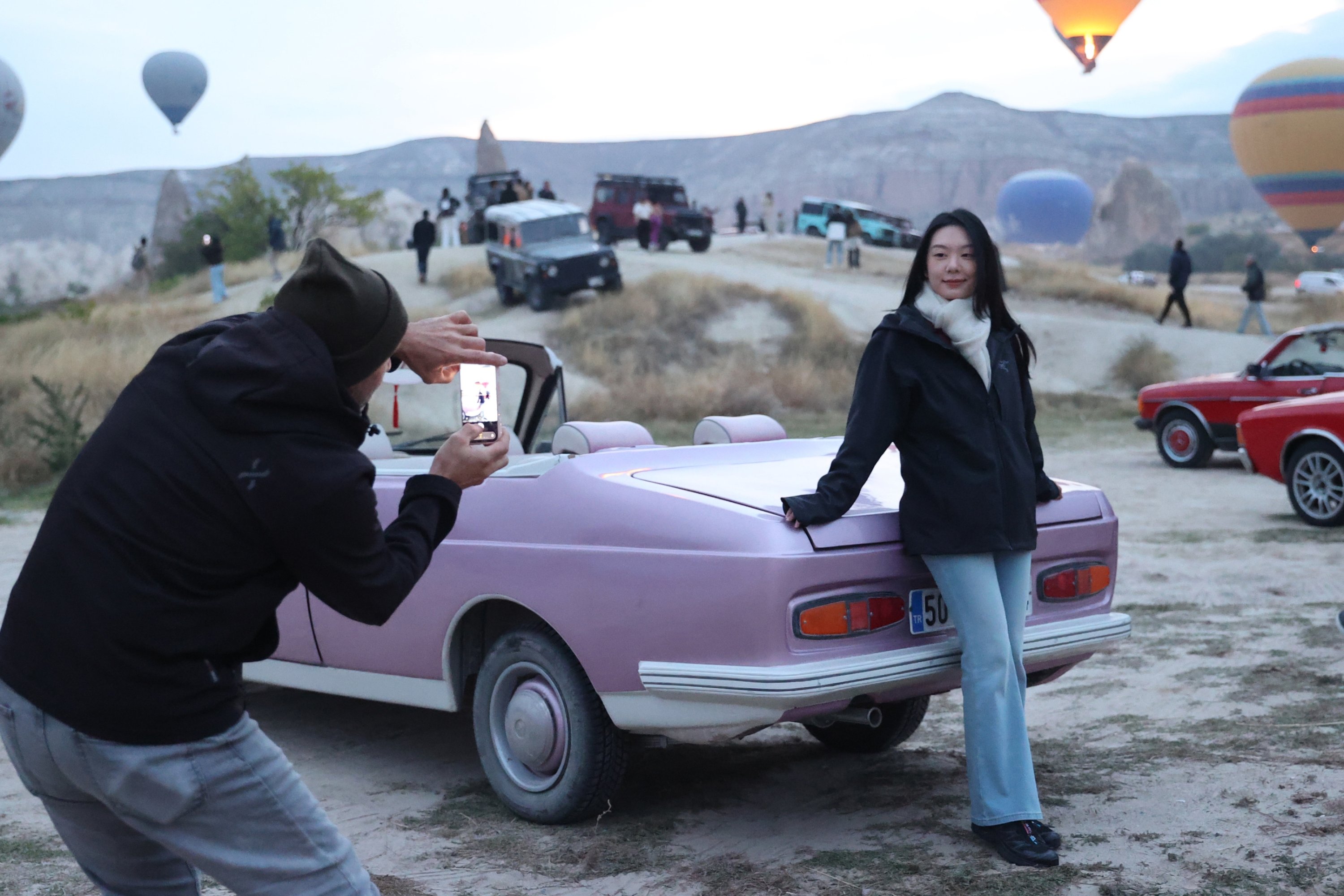
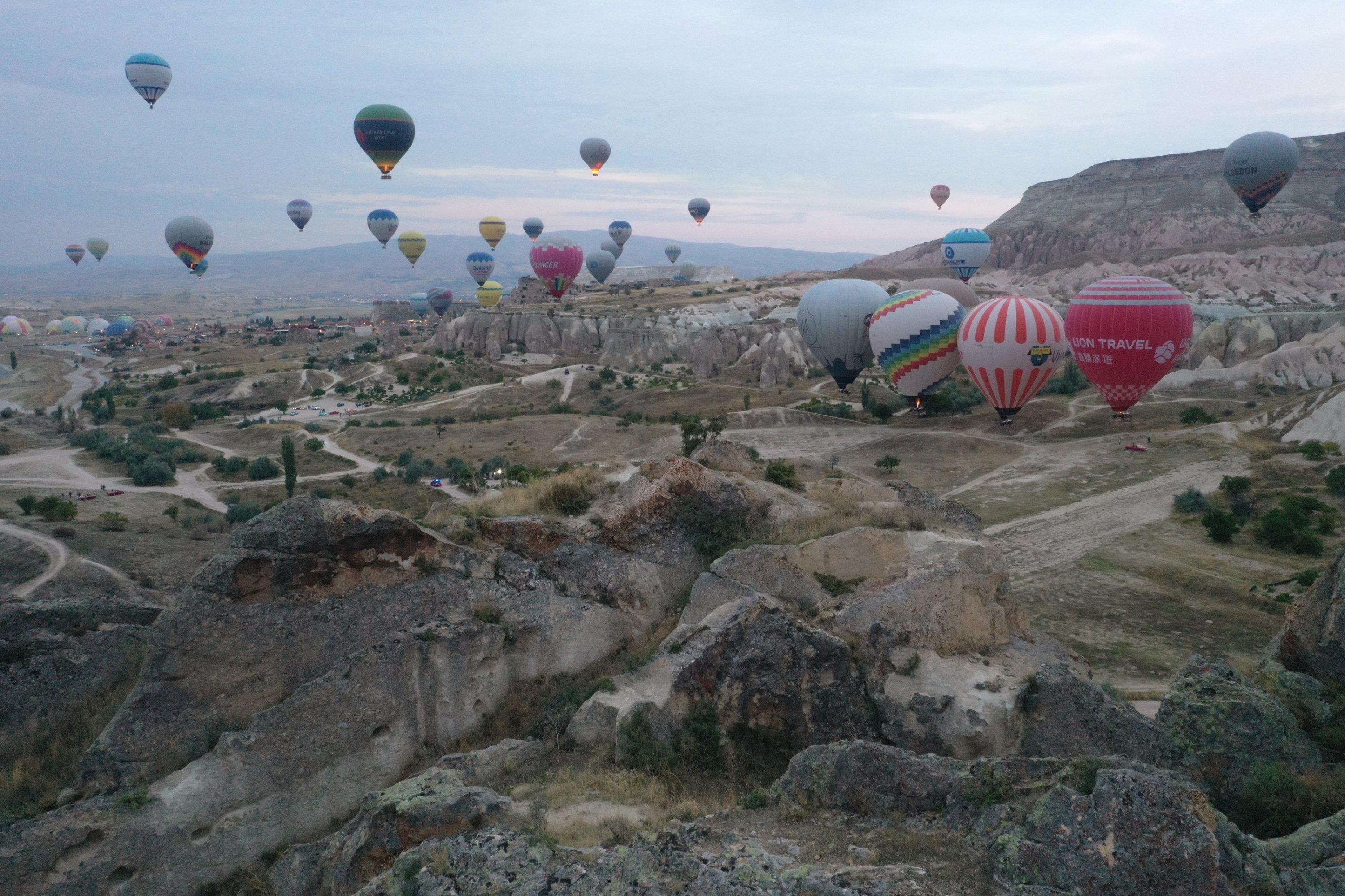
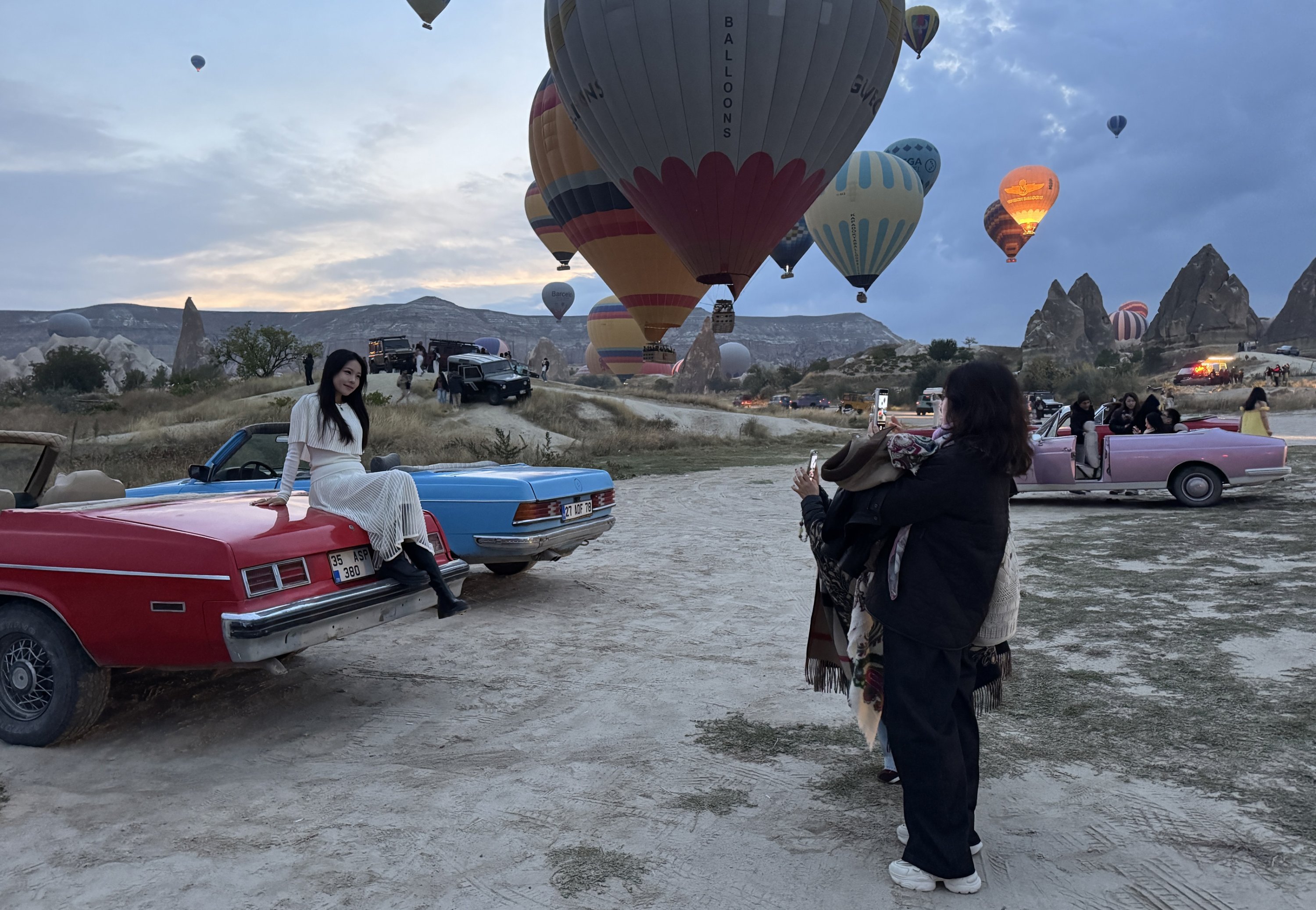
Some tourists take in the region’s natural, historical and cultural attractions from above on hot air balloon rides, while those who do not join the flights take photos of the balloons from viewpoints and valleys and participate in ATV and horseback riding tours.
A visitor takes photos as hot air balloons rise over Cappadocia, central Türkiye, Oct. 6, 2026. (AA Photo)
The influx of East Asian visitors begins before sunrise and continues throughout the day, with hotels, museums and underground cities across the region seeing increased activity.
Impressed by Cappadocia
Indonesian tourist Eda Dewi, who joined a hot air balloon tour, told Anadolu Agency (AA) that it was her first time visiting Cappadocia and that she was impressed by the region.
“Cappadocia is a wonderful tourism destination. The view created by the balloons is even more beautiful,” she said.
Singaporean tourist Chloe Lim said she was making beautiful memories with her friends during their trip and was excited and happy to take part in a balloon tour.
Hot air balloons rise over Cappadocia, central Türkiye, Oct. 6, 2026. (AA Photo)
Chinese tourist Fang Mei Son said she had been interested in and curious about Cappadocia for many years and that she loved Türkiye.
Hot air balloon pilot Tolga Eke said East Asian tourists had boosted tourism activity in the region in recent weeks.
“Our East Asian guests have always been interested in Cappadocia. However, the number of visitors is increasing every day. They prefer these tours because watching the fairy chimneys from the sky is a fascinating experience,” he said.
Mehmet Dinler, owner of a group of companies providing accommodation and hot air balloon services in the region, said balloon tours had become one of the signature products of Turkish tourism.
Noting that hotels and balloon tours were experiencing occupancy rates close to 100%, Dinler said: “We are very lucky to live in a region where tourism is possible year-round. October is one of Cappadocia’s golden months. During this peak period, we also received high demand from China on top of the existing demand due to the Golden Week holiday celebrated in China from Oct. 1-7.
Visitors take photos as hot air balloons rise over Cappadocia, central Türkiye, Oct. 6, 2026. (AA Photo)
“Our hotels were nearly 100% full during the first week of October. The hotel occupancy rates were also reflected in balloon tours. In Cappadocia, a guest who takes a balloon tour one day often rushes to sunrise viewpoints the next day to watch this fairytale-like scenery. It would not be an exaggeration to say that there is a festival atmosphere in Cappadocia every morning.
“Markets such as Japan, South Korea, China, Singapore, Malaysia and Hong Kong are very important to us and are among the region’s leading source markets. We expect greater support from these markets, particularly during the winter months. We believe the Chinese market’s growth momentum will continue during the winter season as flight frequencies between China and Türkiye increase.”
Dinler also said promotional activities carried out by the Ministry of Culture and Tourism around the world were making a significant contribution to tourism.
The Daily Sabah Newsletter
Keep up to date with what’s happening in Turkey,
it’s region and the world.
SIGN ME UP
You can unsubscribe at any time. By signing up you are agreeing to our Terms of Use and Privacy Policy.
This site is protected by reCAPTCHA and the Google Privacy Policy and Terms of Service apply.





 Economy3 days ago
 Economy3 days ago

 Politics2 days ago

 Sports18 hours ago
 Politics3 days ago
 Politics2 days ago
 Economy2 days ago

 Politics3 days ago