
Sports
AFCON paradox in plain sight: Why Africa rallied against Morocco

When Senegal beat host nation Morocco to win the Africa Cup of Nations final, the reaction across much of the continent was immediate and unmistakable.
From Dakar to Dar es Salaam, from Harare to Lagos, the mood was less about Senegal’s triumph and more about Morocco’s defeat.
On social media, a blunt verdict trended: African football won. Morocco lost.
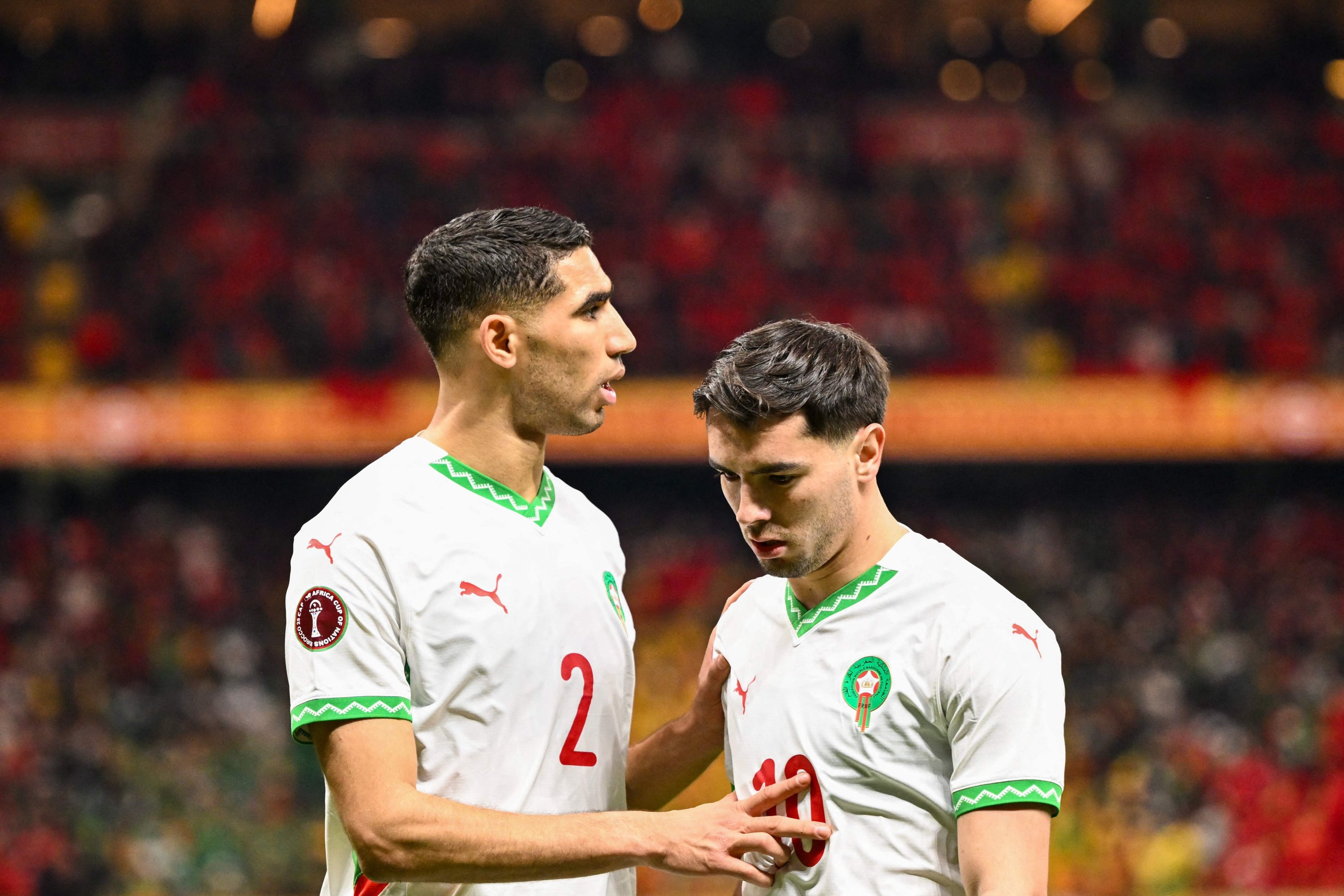
I called one of my friends from the relatively small nation of Lesotho, and he was ecstatic. Yes, he is a football fanatic, but this time his happiness was rooted in something more than just love of the game. It was personal. He uttered the words, “Real Africans have won.”
I paused. What did he mean by “real”? Aren’t Moroccans Africans, too? After all, the reigning African Footballer of the Year is Moroccan, Paris Saint-Germain (PSG) star Achraf Hakimi.
At face value, the statement comes across as blatant racism. Moroccans may be light-skinned, but let’s be honest, it can’t be that simple. A pause for perspective is advised before rushing to judge the sentiment behind his words.
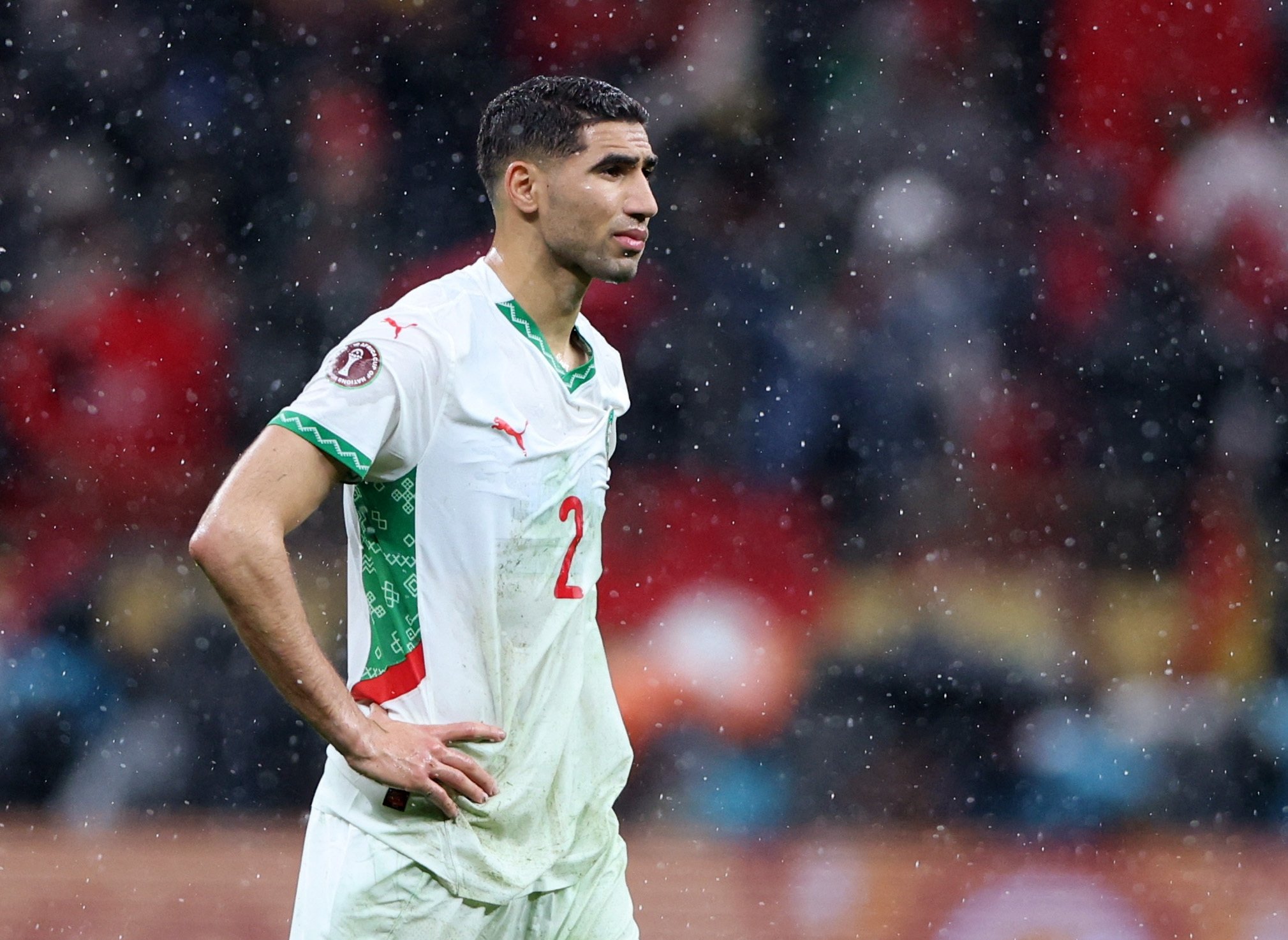
It quickly became clear there was far more to unpack. Many others shared the same sentiment. I decided to explore it further. Morocco’s relationship with African football, it turned out, has long existed in a state of tension, admired for excellence, resented for distance, and mistrusted for motive. The AFCON final did not create that hostility. It merely exposed it.
Long memory in African football
African football, perhaps more than any other regional game, carries history on its back. Results are remembered, but so are absences.
Morocco’s withdrawal from the Organization of African Unity in 1984, in protest of the admission of the Sahrawi Arab Democratic Republic, marked a turning point. For more than three decades, Rabat removed itself from Africa’s primary political forum, sending a message many countries never forgot.
When Morocco rejoined the African Union in 2017, it returned not as a prodigal son but as a powerful outsider seeking influence. Fifteen member states openly opposed its readmission. In football corridors, that skepticism translated into quiet resistance, in CAF politics, hosting votes and regional alliances. Morocco had come back. Trust had not.
The Ebola episode
Few moments hardened opinion against Morocco more than its refusal to host the 2015 AFCON.
Citing fears over Ebola, which was devastating parts of West Africa at the time, Morocco asked CAF to postpone the tournament. CAF refused. Morocco withdrew. Sanctions followed.
Across sub-Saharan Africa, the move was seen not as caution but as rejection, a stigmatizing act that treated African bodies as a risk rather than a responsibility. For countries already marginalized in global health narratives, it cut deeply. That incident lingers. In African football, memories are not erased by apologies or appeals.
Western Sahara: The political undercurrent
No issue has done more to politicize Morocco’s presence in African football than Western Sahara.
The African Union recognizes the Sahrawi state. Morocco does not. That contradiction plays out repeatedly, in diplomatic votes, hosting bids and increasingly in football controversies.
When Moroccan club RS Berkane was sanctioned for displaying a map that included Western Sahara, the ruling was legal.
The reaction, however, was emotional. To many Africans, it confirmed a long-held suspicion: Morocco uses football not just to compete, but to legitimize political claims.
For supporters of Sahrawi self-determination, cheering against Morocco is no longer simple sporting rivalry. It is symbolic resistance.
Europe, identity and the question of belonging
Morocco’s deep economic and political alignment with Europe adds another layer to the resentment.
Its failed attempt to join the European Community in 1987, its “advanced status” partnership with the European Union, and its upcoming co-hosting of the 2030 World Cup alongside Spain and Portugal have fueled perceptions that Morocco looks north for validation and south only for competition.
During moments of success, including its historic 2022 World Cup run, Morocco was embraced as African. But when tensions rise, the old question returns: If you don’t fully claim Africa, why should Africa claim you? That identity tension is not universal, but it is persistent. It resurfaced loudly at AFCON.
Hosting without harmony
AFCON 2025 was Morocco’s chance to reset the narrative. Instead, it magnified every fault line. Opposing teams complained of hostile stadium atmospheres, inadequate treatment and subtle advantages tilted toward the hosts.
Refereeing decisions, particularly in knockout matches, were scrutinized with unusual intensity. Social media revived a familiar accusation: MAROCCAF.
Whether fair or not, perception mattered more than evidence. By the time Senegal reached the final, Morocco had stopped being just the host. It had become the symbol of everything many Africans felt excluded from in their own game.
The towel incident(s)
Then came the moment that crystallized everything and unfortunately, it did not help the already tainted Atlas Lions’ image.
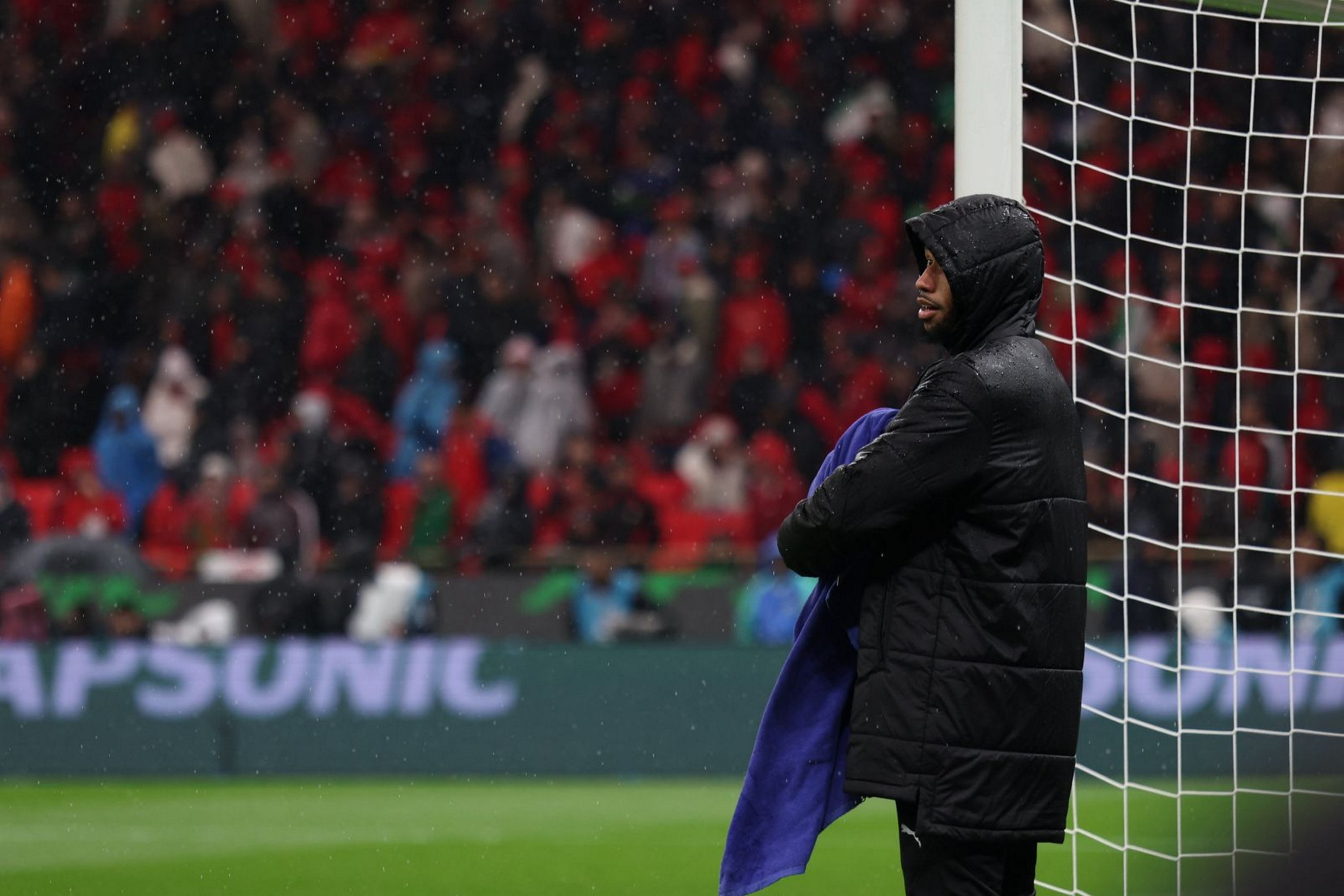
In rainy conditions, opposing goalkeepers repeatedly lost access to their towels, removed by ball boys, stewards and eventually players. In the final, cameras caught Hakimi throwing Senegal goalkeeper Edouard Mendy’s towel away. On its own, it was petty. In context, it was devastating.
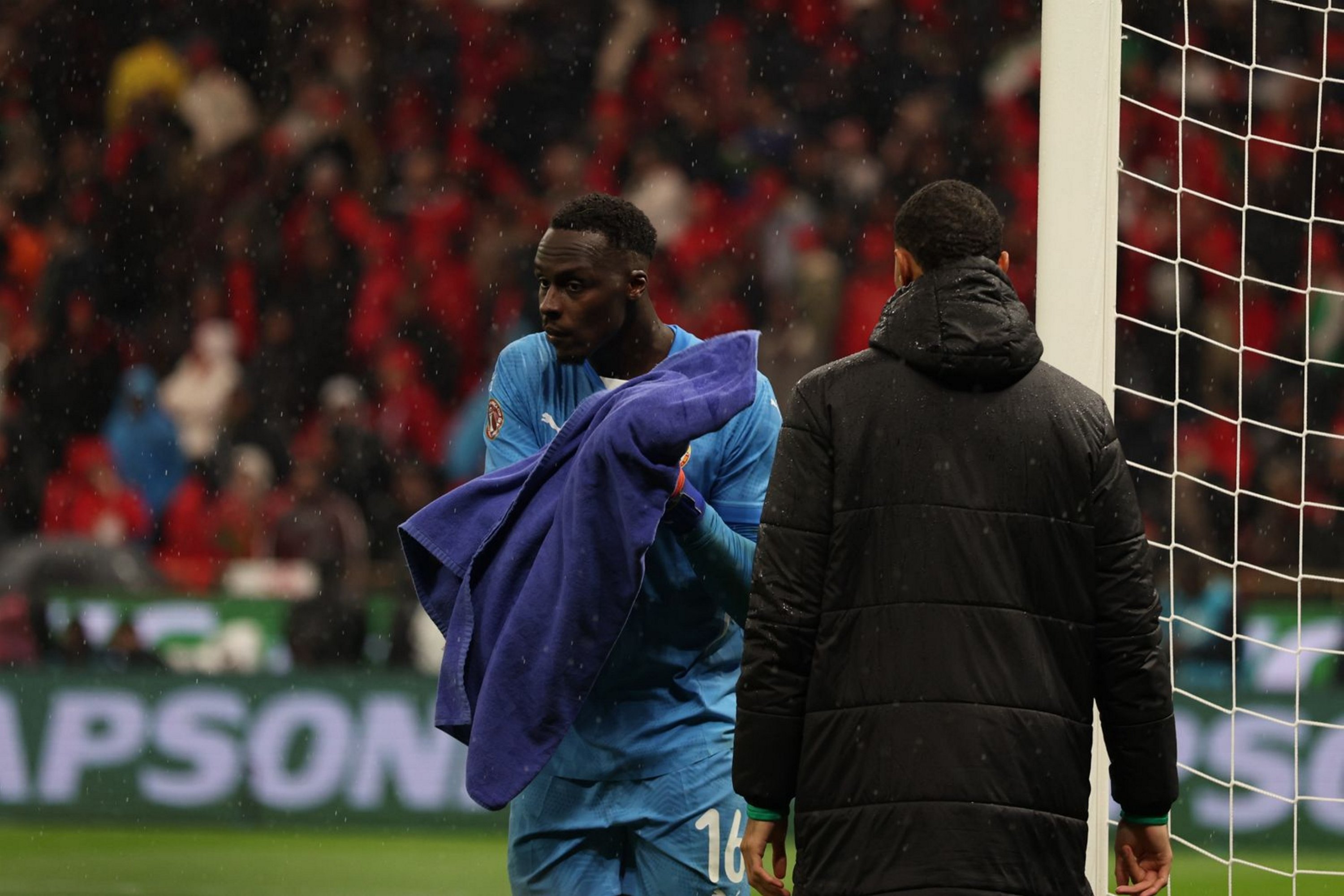
Across Africa, the image spread as proof of a deeper accusation: that Morocco was willing to win by any means, however small, however undignified.
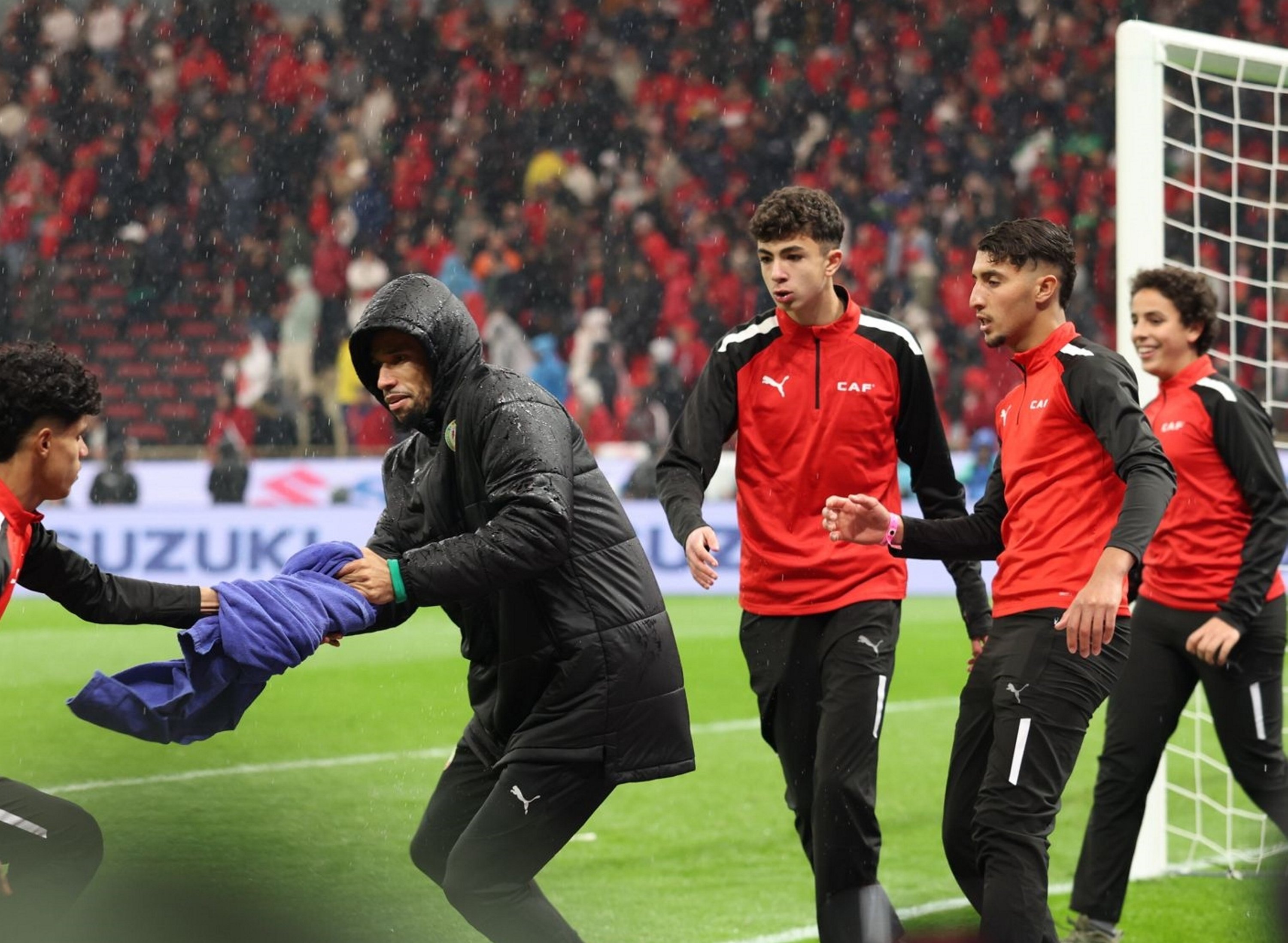
Senegal’s reserve goalkeeper physically guarding the towel became an unlikely folk hero, a symbol of resistance against perceived manipulation.
Remember, this wasn’t an isolated incident. Moroccan ball boys pulled the same stunt on Nigerian goalkeeper Stanley Nwabali, who was clearly not having any of it. He fired back with a bold counter-gesture aimed at the stands. Football rarely turns on towels. Narratives do.
Uneasy leadership
Morocco’s dominance in CAF infrastructure is undeniable. It hosts tournaments because it can. It influences decisions because it invests. But leadership without trust breeds suspicion.
To supporters, Morocco is modernizing African football. To critics, it is controlling it.
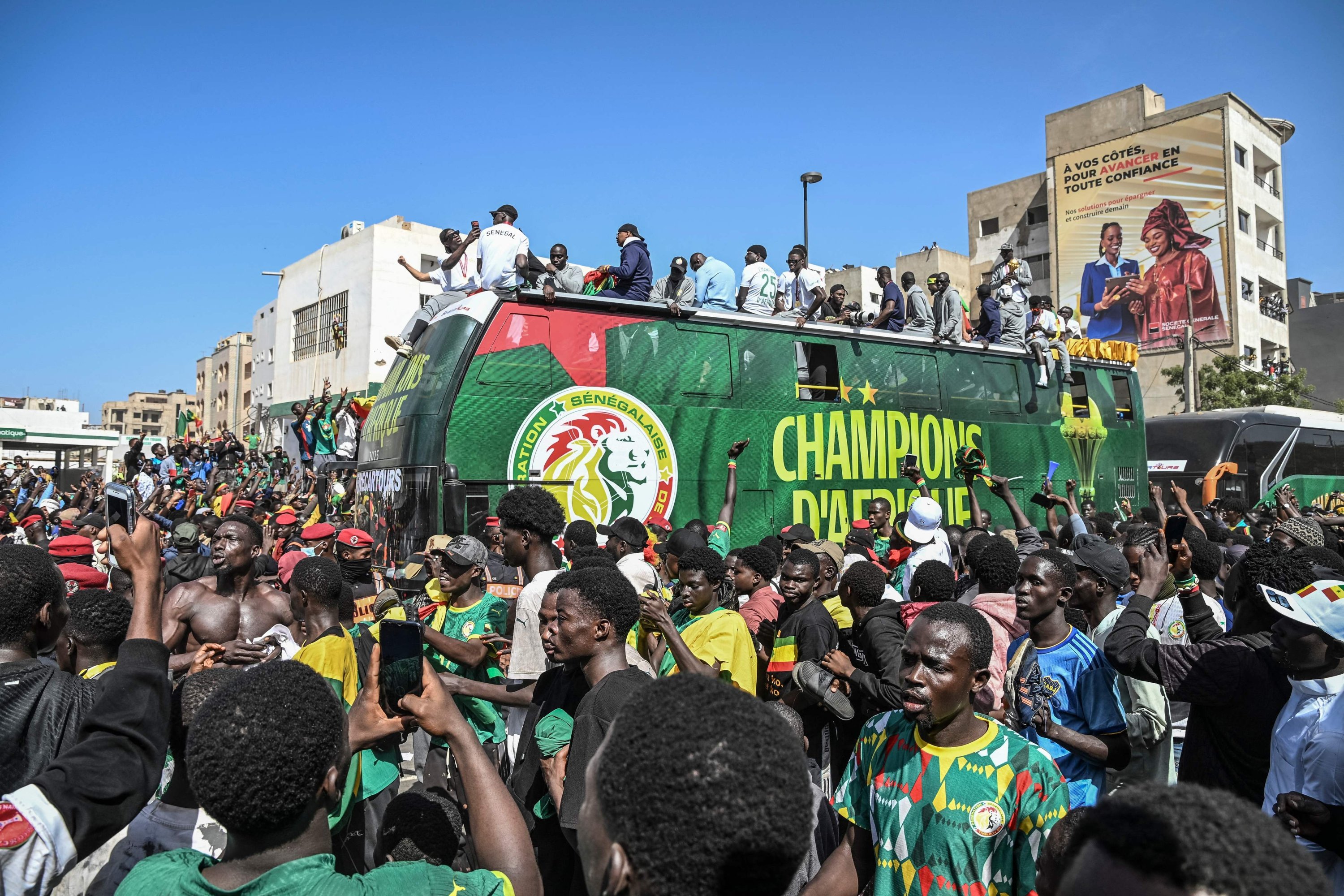
AFCON 2025 ended with Senegal crowned champions and Morocco isolated, not defeated for lack of talent, but rejected for what it represents to many on the continent.
A team, a nation, a mirror
Morocco is not universally opposed. Its footballing rise is real. Its players are elite. Its ambition is legitimate.
But African football is not played in a vacuum. It reflects history, politics, identity and memory.
Until Morocco confronts those layers with the same seriousness it applies to facilities and results, it will remain African football’s most uncomfortable paradox: successful, powerful and profoundly divisive.
Luka Doncic delivered a masterclass with 42 points and 12 assists, while LeBron James added 14 points in his record 1,229th career win, lifting the Los Angeles Lakers to a 127-113 victory over the Cleveland Cavaliers on Tuesday.
The Lakers, now 50-26, secured their 13th win in 14 games and had already locked up a playoff berth and the Pacific Division crown earlier in the night after the Phoenix Suns lost.
Sitting third in the Western Conference, Los Angeles holds a two-game cushion over the Denver Nuggets as the postseason picture sharpens.
James surpassed Hall of Fame center Kareem Abdul-Jabbar for the most combined regular-season and playoff wins. The all-time scoring leader added five rebounds and six assists against the Cavaliers, where he spent 11 seasons over two stints.
MVP candidate Doncic returned from an automatic one-game suspension for picking up his 16th technical foul. He became the third-youngest player to reach 15,000 career points at 27 years, 31 days. James holds the mark at 25 years, 79 days.
Jarrett Allen scored 18 points for Cleveland (47-29), which remained one game behind the third-place New York Knicks in the Eastern Conference. James Harden had 17 points, and Donovan Mitchell added 10 points and six assists.
The Cavaliers, whose magic number to make the playoffs is one, have won six of their last eight games and are 16-6 with Harden in the lineup.
DeAndre Ayton had 18 points and nine rebounds, and Austin Reaves scored 19 for Los Angeles, which blew the game open by scoring 45 points in the third quarter to take a 110-83 lead. It was the 100th victory for coach J.J. Redick.
The Lakers carried a 65-53 lead into halftime, fueled by 20 points and seven assists from Doncic and 11 points and six rebounds from Ayton. Allen had 18 points on 9-of-11 shooting, but Mitchell scored only two for the Cavaliers.
Doncic wasted no time getting back in rhythm, taking 10 shots and scoring 14 points while playing the entire first quarter. Cleveland held a 34-32 lead behind nine points from Harden and eight points with three rebounds from Allen.
Los Angeles guard Marcus Smart (right ankle bruise) missed his fourth game in a row, while the Cavaliers were without swingman Sam Merrill (left hamstring soreness).
Cleveland forwards Jaylon Tyson (left great toe bruise) and Dean Wade (right ankle sprain) did not travel with the team on its three-game trip.

Türkiye are bracing for a rare, high-voltage sporting summer, with four national teams set to compete across football, women’s basketball and both men’s and women’s volleyball between June and September 2026, marking one of the most comprehensive international showings in the country’s history.
The surge is anchored by the men’s national football team’s long-awaited return to the FIFA World Cup 2026, a breakthrough secured through gritty playoff victories over Romania and Kosovo that ensured Türkiye’s presence across all four major tournaments and ignited anticipation nationwide.
The summer opens on football’s grandest stage, where Türkiye will feature in the expanded World Cup hosted across the United States, Canada and Mexico, ending a 24-year absence since their celebrated third-place finish in 2002.
Drawn in Group D, Türkiye will face the host United States, alongside Australia and Paraguay, in a demanding group that promises early tests and global exposure.
Their path to qualification reflected both resilience and attacking depth, as Türkiye finished second in their European qualifying group behind Spain with four wins, one draw and one loss, scoring 17 goals while conceding 12.
A heavy home defeat to Spain briefly disrupted momentum, but emphatic wins over Georgia and Bulgaria restored belief before a crucial draw away to Spain sealed second place.
In the playoffs, Türkiye tightened defensively and delivered when it mattered most, edging Romania 1-0 in Istanbul through Ferdi Kadıoğlu before repeating the scoreline against Kosovo away from home, completing qualification with back-to-back clean sheets.
Across eight matches, Türkiye scored 19 goals, with Kenan Yıldız and Kerem Aktürkoğlu leading the scoring charts, supported by contributions from across the squad including Hakan Çalhanoğlu, Arda Güler and Merih Demiral, underscoring a balanced and unpredictable attacking unit.
As the World Cup concludes, attention shifts swiftly to volleyball, where Türkiye will take center stage as co-hosts of the CEV Women’s European Volleyball Championship 2026, with Istanbul set to host the decisive knockout rounds and final.
Entering as reigning champions after their 2023 triumph, the women’s national team, widely known as “Sultans of the Net,” carry both expectation and momentum into a tournament where they will play their group matches at home against Poland, Germany, Slovenia and Hungary.
The home advantage in Istanbul offers more than familiarity, providing a charged atmosphere that could prove decisive as Türkiye attempt to defend their continental crown in front of packed stands, with the tournament unfolding from late August into early September across multiple host nations.
Running parallel to the volleyball spectacle, Türkiye’s women’s basketball team will return to the global stage at the FIBA Women’s Basketball World Cup 2026 in Berlin, marking their first appearance in eight years and only their third overall.
Scheduled between Sept. 4 and 13, the tournament gathers the world’s top 16 teams in a compact, high-intensity format, offering Türkiye a chance to reassert itself among elite competition.
The overlapping schedule will test fans’ attention as two major tournaments unfold simultaneously, yet it also reflects the breadth of Türkiye’s presence across disciplines, with Berlin providing a high-profile setting for the team’s long-awaited return.
The summer closes with the CEV Men’s European Volleyball Championship 2026, where Türkiye’s men’s team, known as “The Lords of the Net,” will compete in a 24-team field spread across multiple European host cities, with the finals set for Milan.
Drawn in Group D, Türkiye will play their matches in Cluj-Napoca against Romania, Latvia, France, Germany and Switzerland, navigating a competitive group as they pursue a deep tournament run.
The views and opinions expressed in this article are solely those of the author. They do not necessarily reflect the editorial stance, values or position of Daily Sabah. The newspaper provides space for diverse perspectives as part of its commitment to open and informed public discussion.
Türkiye ended a 24-year absence from the FIFA World Cup with a tense 1-0 victory over Kosovo in the UEFA playoff final, a result that not only secured qualification but also rewrote a narrative of near-misses that had lingered for more than two decades.
On Tuesday at Fadil Vokrri Stadium in Pristina, the decisive moment arrived in the 53rd minute when Kerem Aktürkoğlu capped a swift, clinical counterattack, finishing from close range.
Kenan Yıldız surged down the flank before Orkun Kökçü redirected the move into Aktürkoğlu’s path, a goal that ultimately separated two sides bound by deep cultural ties but divided by fine margins on the night.
Kosovo responded with urgency and intensity, forcing Türkiye into long spells of defensive discipline.
Goalkeeper Uğurcan Çakır stood firm with a series of composed interventions, preserving the lead as the closing stages tightened into a battle of nerves where every clearance, interception and save carried enormous weight.
At full time, emotion took over as players embraced and lifted coach Vincenzo Montella, who had guided the team through a campaign marked by both promise and setbacks, including a heavy defeat to Spain that once cast doubt over their trajectory.
Celebrations spilled far beyond the stadium as fans across Türkiye filled the streets with flags, flares and car horns in a long-awaited release.
The significance of the result is rooted in history.
Türkiye’s last appearance at the World Cup came in 2002 under Şenol Güneş, when they produced a remarkable run to third place, defeating Japan and South Korea and pushing eventual champions Brazil to the limit.
In the years that followed, however, repeated qualification failures turned that success into a distant memory, despite the emergence of talents such as Tuncay Şanlı and Arda Turan.
This current squad has shifted that narrative through resilience and balance.
After finishing second in their qualifying group behind Spain, Türkiye navigated a narrow playoff path, edging Romania before overcoming Kosovo in a final defined by composure under pressure, a hallmark increasingly associated with Montella’s approach.
The squad itself reflects a blend of emerging flair and experienced control.
Young attackers like Arda Güler and Kenan Yıldız bring unpredictability and creativity, while captain Hakan Çalhanoğlu anchors the midfield with vision and leadership.
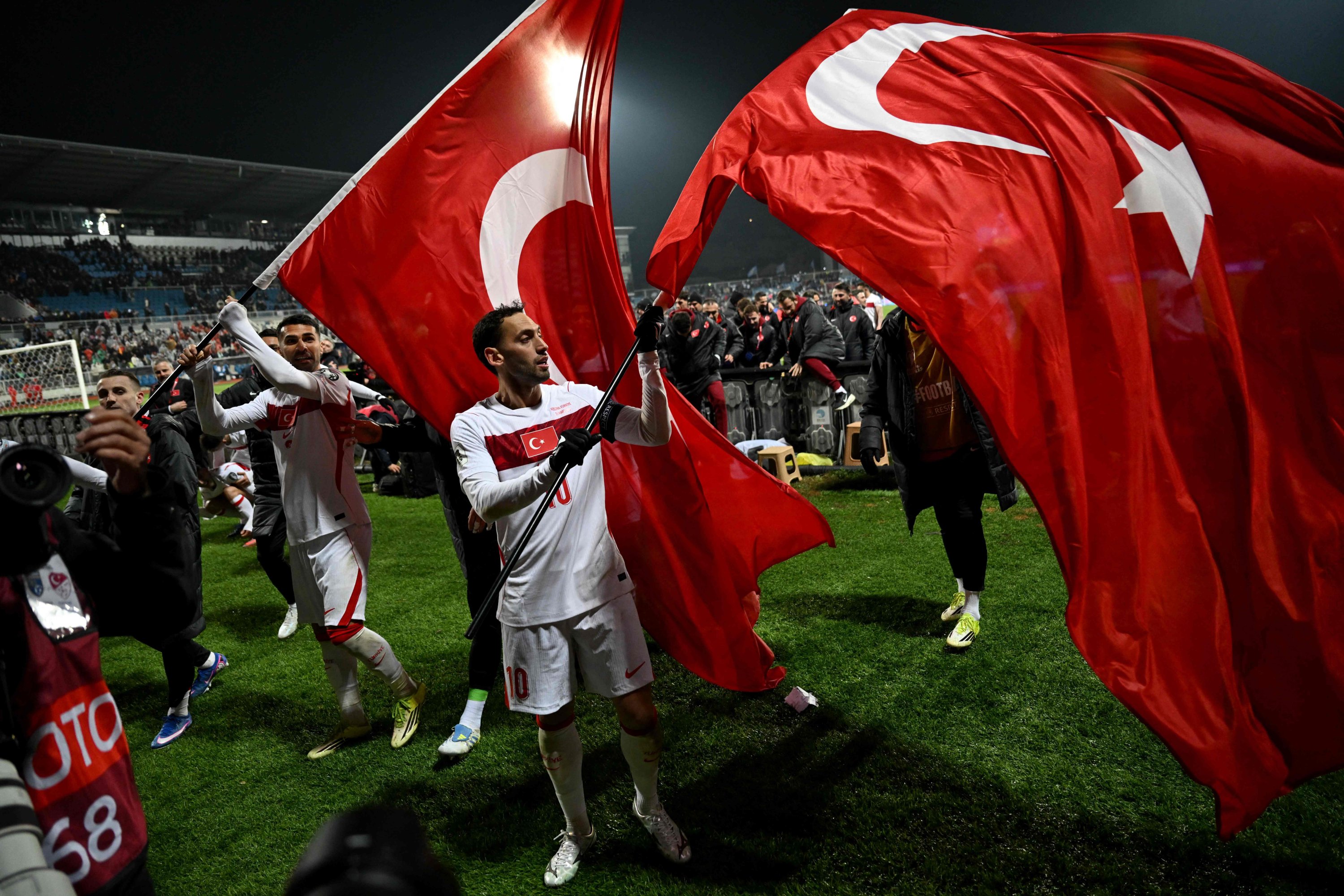
They are supported by a disciplined defensive structure and opportunistic finishing that has proven decisive in tight matches.
For many within the team, the achievement carries generational meaning.
Players born after or too young to remember 2002 now step into a tournament they once watched only in highlights, a shift that Aktürkoğlu acknowledged as both emotional and motivating, with the squad aiming not only to participate but to inspire a new wave of supporters.
The challenge ahead is immediate and demanding.
Drawn into Group D alongside the United States, Australia and Paraguay, Türkiye face a stylistically diverse set of opponents, with analysts already labeling the group as one of the most competitive in the expanded 48-team tournament, where adaptability and squad depth will be critical.
International reaction highlighted the magnitude of the achievement.
Reuters framed it as a long-awaited return to football’s elite stage, while BBC highlighted the narrow margin that defined the playoff win.
The Guardian pointed to the difficulty of Türkiye’s group, and ESPN detailed the logistical and competitive challenges awaiting the team across North America.
Meanwhile, New York Post suggested Türkiye’s inclusion complicates the United States’ path, a view reinforced by US captain Christian Pulisic, who described the matchup as one to anticipate.
Further coverage from Marca, Al Jazeera and Bild emphasized both Türkiye’s breakthrough and Kosovo’s narrow miss, capturing the contrasting emotions of triumph and heartbreak that defined the night in Pristina.
Within the Turkish camp, ambition is already taking shape.
Skipper Çalhanoğlu has set progression beyond the group stage as the immediate goal.
Türkiye secured their place at the 2026 FIFA World Cup with a crucial away victory over Kosovo, thanks to a 53rd-minute goal from Kerem Aktürkoğlu.
Kosovo came close shortly before the half-hour mark but Türkiye goalkeeper Uğurcan Çakır pushed a long-range ball from FisnikAsllani against the crossbar.
Türkiye scored in the 53rd from Kerem Aktürkoğlu, who put the finishing touch on an attempt from Orkun Kökçü. The goal gave them confidence and they held on reach the World Cup for the first time since 2002 when they reached the semi-finals.
The other play-off finals in Europe on Tuesday were Bosnia-Herzegovina v Italy and the Czech Republic v Denmark.
Türkiye will go into Group D with co-hosts the United States, Paraguay and Australia.
Argentina close their March international window with a home friendly against Zambia, offering a timely opportunity to refine their structure, restore fluency, and make decisive progress toward finalizing a competitive World Cup squad.
Lionel Messi is expected to start for Argentina national football team when they face Zambia national football team at La Bombonera, with the world champions aiming to impose greater control, sharper movement, and sustained attacking pressure than they managed in their previous outing.
The match represents Argentina’s final appearance on home soil before the 2026 FIFA World Cup, giving the squad a meaningful stage to reconnect with supporters while sharpening competitive rhythm ahead of their title defense.
Disruptions shape an uneven buildup
Argentina’s preparations for this window were unsettled after the planned Finalissima clash against Spain collapsed due to logistical and geopolitical complications, forcing the coaching staff to reorganize fixtures and adjust tactical planning within a compressed timeframe.
That instability was reflected in the narrow win over Mauritania, where moments of technical quality were evident but overall cohesion, tempo control, and defensive sharpness fell below expectations, prompting direct and public acknowledgment from within the squad.
Scaloni’s intensity
Coach Lionel Scaloni has emphasized that these matches carry significant selection weight, as he continues evaluating a deep player pool where strong performances are essential for securing limited places in the final tournament squad.
Midfield figures such as Rodrigo De Paul and Alexis Mac Allister are expected to dictate tempo and maintain balance, while attackers including Julián Álvarez provide vertical movement and finishing presence to complement Messi’s creative influence.
At the same time, emerging talents continue to press their case for inclusion, increasing the intensity of internal competition and ensuring that each performance is scrutinized within the broader context of World Cup readiness.
Messi’s return to the starting lineup significantly alters Argentina’s attacking dynamics, as his ability to control tempo, exploit space, and connect phases of play brings both structure and unpredictability to the team’s forward movements.
His limited minutes against Mauritania reflected careful workload management, yet his inclusion from the start here signals a deliberate effort to build cohesion and confidence around his leadership in a high-attention environment.
For supporters, the occasion carries emotional weight, as this fixture could represent one of his final appearances on Argentine soil before the World Cup begins, adding a layer of significance beyond typical friendly expectations.
Zambia embrace a demanding opportunity
Zambia arrive with realistic expectations but clear motivation, viewing the match as a valuable opportunity to test their discipline, resilience, and tactical organization against one of the most accomplished teams in international football.
Under coach Moses Sichone, the side continues to seek consistency after a difficult run of results, with recent performances highlighting both defensive gaps and a lack of sustained attacking output.
Players such as Patson Daka and Fashion Sakala offer pace and direct threat, which could prove effective in transition phases if Zambia are able to absorb pressure and exploit isolated moments.
Tactical expectations
Argentina are expected to dominate possession through structured buildup and controlled midfield circulation, using their technical quality to create openings while maintaining defensive stability through leaders such as Cristian Romero and Nicolas Otamendi.
Zambia will likely adopt a compact defensive shape designed to limit central space and frustrate attacking patterns, while relying on quick transitions to create limited but potentially dangerous scoring opportunities.
While the result will carry importance, the broader objective for Argentina centers on refining tactical clarity, strengthening cohesion, and identifying the most reliable combinations ahead of a demanding World Cup campaign.
Fenerbahçe Beko heads to Germany to face Bayern Munich in Round 35 of the 2025-26 Turkish Airlines EuroLeague on Wednesday.
Tip-off at SAP Garden in Munich’s Olympiapark is set for 8:00 p.m. Turkish time (5:00 p.m. UTC). The 12,500-seat arena, inaugurated last season, has quickly become a fortress for Bayern.
Fenerbahçe Beko enters the matchup atop the 20-team standings with a 23-11 record.
The Turkish powerhouse boasts the league’s stingiest defense, allowing 80.3 points per game, while scoring an average of 82.6, producing a +77 point differential.
Their strong form has already secured a playoff berth, though the team will look to rebound from a 92-82 road loss to Zalgiris Kaunas in Round 34.
Bayern Munich, meanwhile, sits 15th with a 14-20 mark, averaging 80.5 points scored and 83.7 allowed per contest.
With the playoffs out of reach, the German side will focus on playing spoiler and improving final positioning. Home-court energy and veteran coach Svetislav “Kari” Pesic’s experience may help Bayern challenge the league leaders, though consistency against top-tier opponents has eluded them this season.
This season’s earlier meeting in Istanbul saw Fenerbahçe Beko dominate 88-73. The Turkish side has won the last eight encounters against Bayern, asserting a clear upper hand in recent history.
Sarunas Jasikevicius, Fenerbahçe’s head coach since December 2023, has guided the team to consecutive Final Four appearances, including the 2025 EuroLeague title, and recently extended his contract through 2026.
Known for disciplined defense and tactical rigor, Jasikevicius aims to steady his team after the Zalgiris setback. Bayern relies on Pesic, who returned in December 2025, to harness home energy and stabilize the squad for the season’s close.


-
 Daily Agenda12 hours ago
Sümeyye Erdoğan Bayraktar: Women are now an important part of the development vision
-
 Politics3 days ago
Turkish intel captures defector who helped Assad regime
-
 Daily Agenda2 days ago
Let’s say ‘stop’ to food waste in the world together
-
 Daily Agenda14 hours ago
SON DAKİKA… AK Parti Sözcüsü Ömer Çelik: Bölge büyük kaosun içine çekiliyor
-
 Daily Agenda11 hours ago
Minister Gürlek’s call for cooperation to the Netherlands: “We have an extradition request for 217 FETO members and 8 PKK members.”
-

 Sports3 days ago
Razgatlıoğlu scores 1st MotoGP point at COTA in rookie season
-
 Economy3 days ago
Top Turkish officials to meet investors in London amid Iran war
-

 Politics3 days ago
Former vice chair accuses FETÖ of taking over Turkish opposition CHP