
Sports
Chelsea fined $13.4M, handed suspended ban for agent breaches

Chelsea were fined 10 million euros ($13.4 million) and handed a suspended two-window transfer ban on Friday after winning a partial appeal against sanctions imposed for multiple breaches of Football Association rules.
The Premier League club had originally received a suspended six-point deduction in addition to the fine, but an appeal board replaced the points sanction with the suspended transfer ban.
Chelsea admitted to 74 breaches of FA regulations involving agents, intermediaries and third-party ownership and investment arrangements related to player transfers.
Owners Todd Boehly and Clearlake Capital self-reported the breaches to football authorities in 2022 while they were in the process of buying the club from Russian billionaire Roman Abramovich.
The suspended six-point deduction, which was due to remain in effect until the end of June 2027, was imposed by the independent regulatory commission that initially heard the case. Chelsea appealed that sanction.
The appeal board replaced the points deduction with a suspended two-window registration ban, which will remain suspended until the end of June 2027.
Chelsea have previously reached settlement agreements over the matter with the Premier League and European soccer’s governing body, UEFA.
The £10 million fine imposed by the regulatory commission was not subject to appeal, and the full amount will be invested in grassroots soccer.
The FA said it was continuing to investigate individual misconduct arising from the case.
Chelsea welcomed the ruling in a statement, describing it as a “final decision” on the matter.
“In 2022, the club self-reported potential historical rule breaches to all applicable regulators,” the statement said.
“Following that report, it has worked openly and transparently with all regulators, including voluntarily and proactively disclosing many thousands of documents.”
The statement added: “The club is pleased to confirm that, now the FA process has concluded, this brings all regulatory proceedings against the club to a close.”

Türkiye will open their UEFA Nations League campaign against France on Friday in Kocaeli, where Zinedine Zidane will take charge of Les Bleus for the first time in a competitive match.
The Group A1 meeting at Kocaeli Stadium is scheduled for 9:45 p.m. local time, with both teams looking to begin a new chapter after disappointing finishes at the 2026 World Cup.
The match marks Türkiye’s first appearance in League A since the Nations League was introduced in 2018. The Crescent-Stars previously competed in Leagues B and C before earning their place among Europe’s top-ranked group of teams.
Türkiye will remain at home for their next match, facing Italy in Bursa on Sept. 28. They will then travel to face Belgium on Oct. 2 before playing Italy away on Oct. 5. The group phase continues in November with meetings against Belgium and France.
The other Group A1 match Friday will see Italy host Belgium in Rome. Both matches are scheduled for the same time.
Türkiye looking to rebound
Vincenzo Montella’s team enter the Nations League after a disappointing World Cup campaign that ended in the group stage. The tournament was Türkiye’s first World Cup appearance since 2002.
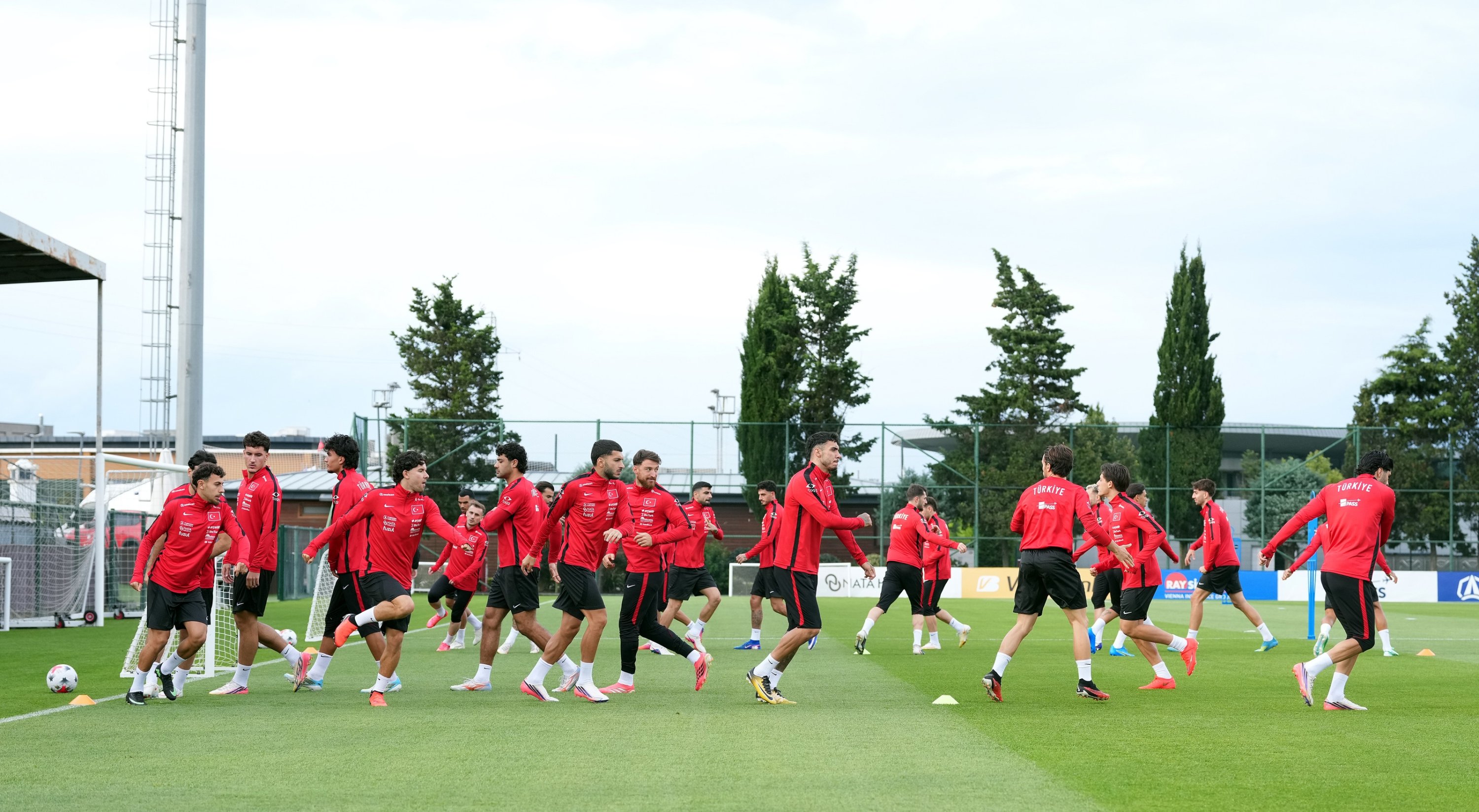
The Nations League therefore offers an immediate opportunity for the Crescent-Stars to reset, although the opening assignment is particularly demanding against a France side packed with established international stars.
Türkiye have faced France six times, winning once, drawing once and losing four times. Their only victory came in a 2-0 European Championship qualifying win in June 2019.
The teams drew 1-1 in their most recent meeting in October 2019.
Friday’s game will be the seventh meeting between the countries and the first since that 2019 qualifying campaign.
Orkun a doubt for France
Türkiye midfielder Orkun Kökçü is not expected to feature after continuing to deal with pain in his toe.
Kökçü missed Türkiye’s training sessions earlier this week and was again absent from Wednesday’s session as he continued his treatment. TFF confirmed that he did not train with the team because of the injury.
Türkiye’s squad also includes four players receiving their first senior call-ups: Adil Demirbağ, Bartuğ Elmaz, Melih Kabasakal and İlhan Fakılı.
Real Madrid forward Arda Güler is available, while Montella will have to balance his attacking options against a France defense that includes several players from Europe’s leading clubs.
Zidane begins France tenure
The match carries particular significance for France, as Zidane will make his competitive debut as national team coach.
The former France international and Real Madrid manager replaced Didier Deschamps following the World Cup. Zidane’s first squad includes captain Kylian Mbappe as well as attacking options such as Ousmane Dembele, Michael Olise and Desire Doue. Liverpool defender Jeremy Jacquet is among the new faces called into the squad.
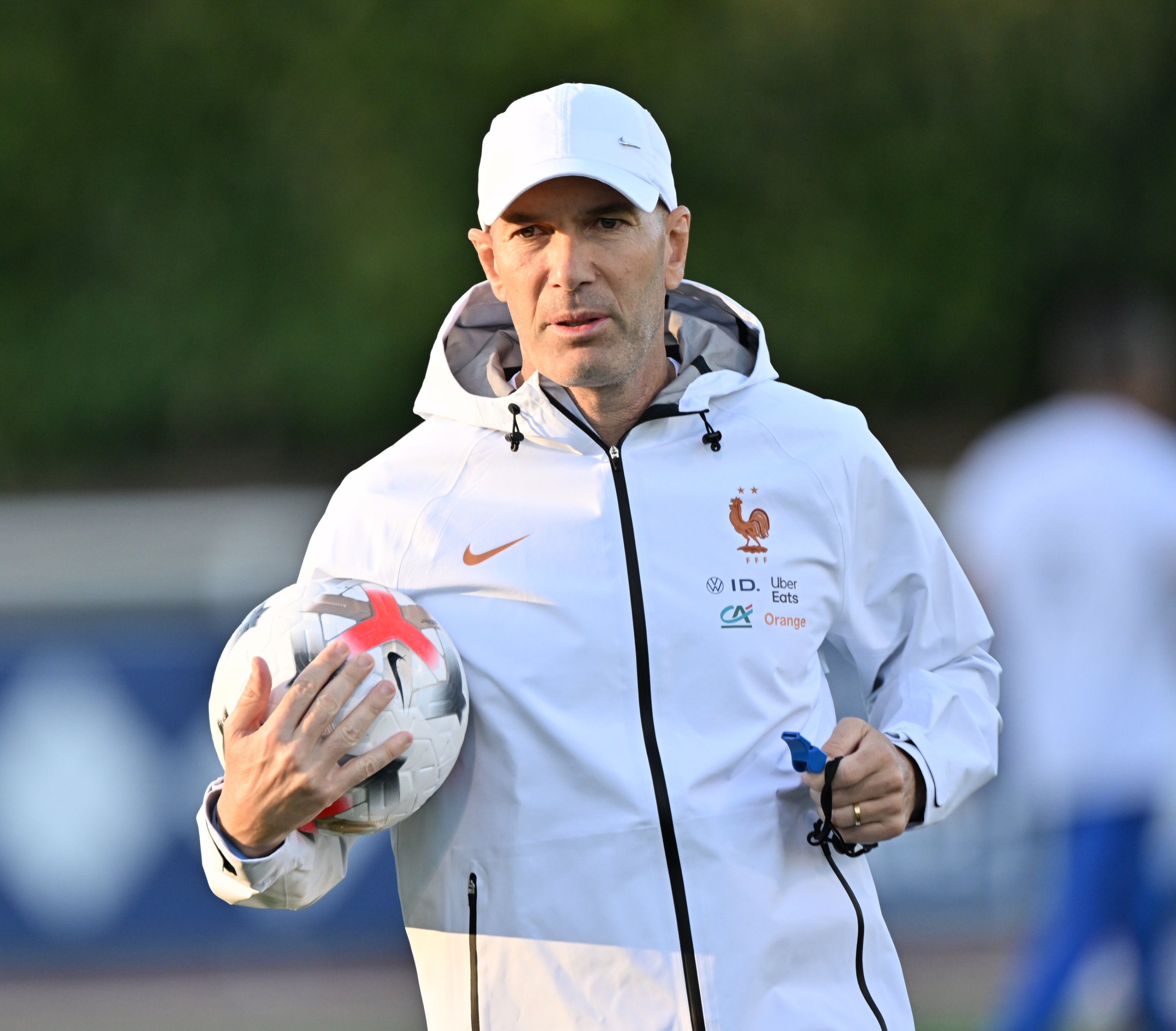
France finished fourth at the 2026 World Cup after losing to eventual champion Spain in the semifinals before suffering a 6-4 defeat to England in the third-place playoff.
The result brought an end to Deschamps’ tenure and opened the door for Zidane, who begins his reign with a difficult away fixture.
Mbappe remains the centerpiece of the French attack. The Real Madrid forward has scored 66 international goals and continues to captain the team. He missed a training session earlier this week because of flu-like symptoms, although his availability remains an important part of France’s preparations.
France’s squad also has several absences. Aurelien Tchouameni was left out amid fitness concerns, while other players have missed the camp because of injuries.
A new challenge in League A
Türkiye’s promotion to League A brings them into a group containing three major European football nations.
France, Italy, Belgium and Türkiye make up Group A1, with each team scheduled to play the others home and away.
France won the Nations League in 2021, while they finished third in the 2024-25 edition after beating Germany in the third-place playoff.
For Türkiye, the immediate task is to establish themselves at the highest level of the competition.
Friday’s encounter also gives Kocaeli another chance to host the national team. Türkiye previously played Chile at the old İsmetpaşa Stadium in 2008, winning 1-0, before beating Georgia 4-1 at Kocaeli Stadium in a 2026 World Cup qualifier in October 2025.
Red Bull’s four-time world champion Max Verstappen heads to this weekend’s Azerbaijan Grand Prix buoyed by a last-to-first karting victory and hoping to carry that momentum into his first Formula One win of the season.
The Dutchman needed just 14 laps and 35 minutes to charge through a field of 100 competitors at Red Bull’s “Max vs. 100” karting challenge at Silverstone in Britain last week.
While the exhibition event was little more than a bit of fun for the 71-time grand prix winner, Verstappen jokingly noted that it was his first victory of the season.
He will now look to turn that momentum into a Formula One triumph. Verstappen has claimed six podium finishes this year, including four in the last five races, and finished second in Madrid.
Baku’s unforgiving street circuit could provide an opportunity for Verstappen to end his victory drought and become the first driver to win the Azerbaijan Grand Prix three times.
“Madrid was a good result for us and the team has been working hard on taking this positive momentum to make sure we maximize the performance of the car in Baku,” said the 28-year-old.
“We’ve made some good steps with the car over the last few races and we have some good memories here,” he added.
The Baku street track, a 6.003-kilometer mix of flat-out blasts and tight corners, has a reputation for unpredictable races.
Seven different drivers have won the nine previous races at the venue, with Verstappen and former Red Bull teammate Sergio Perez the only two to have won there more than once.
With safety cars a regular feature of the race, Verstappen’s victory hopes may well rest on Red Bull’s ability to take on the might of Mercedes. The team’s runaway championship leader, Kimi Antonelli, heads into the weekend seeking a third straight win and ninth of the season.
The 20-year-old Italian, who won his home race at Monza from the back of the grid and followed that with victory in the Spanish Grand Prix at Madring, is 81 points clear of British teammate George Russell, his closest title rival, after 14 rounds.
Russell and third-placed Ferrari driver Lewis Hamilton have both ruled themselves out of realistic title contention.
Antonelli closing on title
A win in Baku would further strengthen Antonelli’s grip on the championship and move his prospects of becoming the first Italian to win a Formula One title since Alberto Ascari in 1953 closer to reality.
McLaren’s reigning champion Lando Norris, meanwhile, will be fired up to make up for the win that got away from him.
The Briton had been leading comfortably from pole in Madrid and seemed on course for his third win in four races when an ill-timed virtual safety car went against him. He eventually had to settle for third.
French racer Isack Hadjar will return to action alongside Verstappen after recovering from a wrist injury that sidelined him for the last three races. Yuki Tsunoda is set to return to his reserve role.
The Azerbaijan Grand Prix, the first race of a triple-header on consecutive weekends, will be held Saturday this year, with Azerbaijan observing Remembrance Day on Sunday. The entire Formula One weekend has been moved forward by one day to avoid the national observance.
Organizers are also marking a decade of Formula One racing in Baku. The race joined the calendar in 2016 as the European Grand Prix before being renamed the Azerbaijan Grand Prix in 2017. This year’s event will be the 10th Formula One race around the Baku street circuit, with the event absent from the calendar in 2020 because of the COVID-19 pandemic.
Kylian Mbappe has doubled down on his Ballon d’Or credentials, arguing that his individual brilliance should carry significant weight as he seeks to win football’s most prestigious individual award for the first time.
The France captain and Real Madrid forward said Tuesday that he feels confident about his chances after a season in which he finished as the leading scorer in La Liga and the Champions League before claiming the Golden Boot at the 2026 FIFA World Cup.
“They won’t announce a team in the envelope, they will announce a player,” Mbappe said in an interview with Radio France Internationale.
“The ability to perform individually and produce eye-catching moments, that’s what stands out to people for an award like this.”
Mbappe’s argument is built around a remarkable scoring campaign, even though neither Real Madrid nor France ended the season with a major trophy.
The 27-year-old scored 25 goals in La Liga and 15 in the Champions League for Madrid before adding 10 goals at the World Cup. His performances in the tournament also pushed him to the top of the competition’s all-time scoring list.
Mbappe finished the World Cup with 10 goals, winning the Golden Boot and taking his career total to 22 goals in 22 appearances. He moved past Lionel Messi, who had 21, after scoring twice in France’s third-place playoff defeat to England.
His individual numbers provide the centerpiece of his Ballon d’Or case.
“I was top scorer in all the biggest competitions and I think that this could be a good year for me, and I really feel it,” Mbappe said.
The challenge for Mbappe is that the Ballon d’Or race is not based solely on goals.
Real Madrid finished second in La Liga and were eliminated by Bayern Munich in the Champions League quarterfinals, while France fell short of the World Cup title. That leaves Mbappe competing against several nominees whose individual performances were accompanied by major team success.
The 30-man shortlist includes defending champion Ousmane Dembele and his Paris Saint-Germain teammate Khvicha Kvaratskhelia, Barcelona’s Lamine Yamal, Bayern Munich striker Harry Kane and Manchester City’s Erling Haaland. Jude Bellingham, Vinicius Junior, Rodri and Lionel Messi are also among the nominees.
Kane, in particular, enters the discussion after a prolific season with Bayern, while Dembele is seeking to retain the award he won in 2025.
Yamal is another major contender after helping Barcelona secure La Liga and playing a prominent role in Spain’s World Cup triumph. The tournament added another layer to a race that already featured several players who enjoyed success at club level.
Mbappe, meanwhile, is making the case that the Ballon d’Or should ultimately recognize the player who produced the most decisive individual performances rather than simply the player who collected the most trophies.
His World Cup campaign has strengthened that argument. Ten goals made him the tournament’s leading scorer and extended a remarkable record that now stands at 22 World Cup goals, putting him ahead of Messi in the competition’s all-time scoring standings.
The Frenchman has also emphasized that winning the Ballon d’Or is an ambition rather than an obsession. He has acknowledged that he would be disappointed to miss out but has maintained that the final decision belongs to the voters.
That decision will come Oct. 26 at the London Palladium, where the Ballon d’Or ceremony will be held for the first time outside Paris. The 2026 edition also marks the award’s 70th anniversary and pays tribute to England’s Stanley Matthews, the inaugural winner in 1956.
FIFA President Gianni Infantino’s proposal for an independent review of the governing body’s decision-making process has failed to ease concerns among several major member associations, with Germany, the Netherlands, Sweden and Wales calling for deeper changes to FIFA’s leadership and governance.
Infantino wrote to FIFA’s 211 member associations and Council members Monday, proposing an independent external review of how FIFA handles major strategic initiatives and consultations with confederations, national associations and other stakeholders on possible governance reforms.
The proposals are expected to be discussed at the FIFA Council meeting in Zurich on Oct. 15.
The move comes after the collapse of FIFA Forward Enterprise, a proposal that would have created a FIFA-owned commercial subsidiary and involved outside investment in rights linked to FIFA competitions, including the World Cup.
FIFA withdrew the plan in July following strong opposition from several continental confederations.
Infantino struck a conciliatory tone in his letter, saying FIFA needed to examine how major strategic decisions are made and consider ways to improve transparency, participation and accountability.
He also sought to reassure member associations that their positions on governance proposals would not affect their treatment by FIFA and that development and solidarity programs would continue under existing rules. Infantino said he remained fully committed to leading the organization.
The proposals, however, have done little to quell criticism of the FIFA president.
Germany Football Association President Bernd Neuendorf, who also sits on the FIFA Council, dismissed the initiative as an attempt by Infantino to strengthen his position ahead of next year’s presidential election.
“I regard Gianni Infantino’s letter as a transparent ploy to secure his re-election next year,” Neuendorf said Tuesday.
“FIFA now seems to have recognised that changes are essential. However, Gianni Infantino is definitely not the right person to lead a reform process. He has squandered all credibility.”
The Dutch Football Association also said the proposals had not restored its confidence in FIFA, although it acknowledged that some of the measures were consistent with reforms it had previously advocated.
The KNVB, one of FIFA’s founding members, has called for an international summit in Amsterdam to discuss an overhaul of the organization and has urged a change in FIFA’s leadership by 2027.
A KNVB spokesperson said the proposals were partly in line with its calls for reform, but added that their effectiveness would ultimately depend on how they were implemented.
Swedish Football Association President Simon Aström similarly welcomed elements of Infantino’s proposal but said the measures had come too late and did not go far enough.
“The content of the letter is in line with what we have been calling for over a long period of time,” Aström said.
“These initiatives come late, and several of the measures should have been implemented long ago.”
Åström said the letter had not changed Sweden’s position that FIFA needed new leadership.
In Wales, Football Association of Wales Chief Executive Noel Mooney questioned whether Infantino’s proposals amounted to a broad reform of FIFA itself.
“It doesn’t actually say reform of FIFA itself. It talks about reform around strategic projects and initiatives,” Mooney said in an interview with BBC Radio Wales.
Mooney also reiterated the FAW’s opposition to FIFA’s abandoned private investment proposal, arguing that the governing body should use its existing financial resources to support football development rather than seek outside investors.
“You’re not looking for somebody to sell off parts of the game. The World Cup does not need private equity,” he said.
The dispute stems from FIFA Forward Enterprise, which FIFA had presented as a way to increase revenues available for football development. FIFA said the proposed subsidiary would remain under its ownership and control and that sporting and regulatory decisions would remain with FIFA.
Critics, however, objected to the way the proposal was handled and argued that national associations and confederations had not been adequately consulted. UEFA, the Asian Football Confederation and CONCACAF were among those opposing the plan, while UEFA subsequently expressed a loss of confidence in Infantino’s leadership.
Infantino, who has led FIFA since his election in 2016, is seeking another term at the FIFA Congress in March 2027. With no strong challenger having emerged so far, opposition within parts of the membership has increasingly focused on changes to the powers and decision-making structure of the presidency. Reuters reported that people familiar with the discussions believe Infantino retains enough support to remain in contention for another term.
Switzerland captain Granit Xhaka has acknowledged that he obtained a fake COVID-19 vaccination certificate in 2022, saying he deeply regretted the decision and would cooperate fully with Swiss authorities investigating the case.
The 33-year-old Sunderland midfielder made the admission Monday in a statement posted on Instagram, several days after the Lucerne public prosecutor’s office confirmed that criminal proceedings had been opened over a suspected fraudulent COVID certificate.
Xhaka said he had been deeply uncertain about the COVID-19 vaccine at the time and was dealing with what he described as fear, mistrust and uncertainty.
“Today I see clearly that this path was not right. It was a mistake. I am sorry,” Xhaka said in his statement. He added that he accepted responsibility for his decision and was cooperating fully with the relevant authorities.
The admission came after Swiss media reported that prosecutors were investigating whether Xhaka had obtained a false vaccination certification or been involved in document forgery.
Investigation linked to Lucerne doctor
The case is connected to a broader investigation involving a doctor in Lucerne who is suspected of issuing fraudulent COVID-19 certificates.
Swiss authorities reportedly searched the doctor’s practice in 2023 and seized documents, including COVID-related records. Investigators subsequently opened proceedings involving both the doctor and Xhaka. The doctor has denied wrongdoing.
The Lucerne public prosecutor’s office said the investigation was aimed at determining whether criminally relevant conduct had occurred in connection with the possible procurement of false certification and/or document forgery. Xhaka is expected to be questioned by prosecutors in early October, according to Swiss media reports.
Xhaka’s admission also clarified reports surrounding vaccination records that had previously indicated he had been vaccinated in January and November 2022. At the time, he was playing for Arsenal in the Premier League.
Swiss authorities have stressed that the investigation is ongoing, and Xhaka remains entitled to the presumption of innocence. No final legal outcome had been announced as of Monday.
Xhaka withdraws from Switzerland squad
Shortly after Xhaka’s statement, the Swiss Football Association confirmed that he would not join the national team’s training camp in Belek, Türkiye, for the upcoming Nations League matches.
The decision was reached jointly by Xhaka and the SFV leadership. The association said the priority was to give the team stability and allow it to focus on its upcoming fixtures.
Xhaka will therefore miss four Nations League matches, including away games against North Macedonia and Scotland and home fixtures against Slovenia and North Macedonia.
SFV president Peter Knabel said Xhaka had informed the federation about the situation before making his public statement and welcomed the midfielder’s willingness to accept responsibility.
Knabel also said there had been no discussion about stripping Xhaka of the Switzerland captaincy. The federation plans to reassess the situation with the player after the international window.
A significant absence for Switzerland
Xhaka’s absence leaves Switzerland without its most-capped men’s international. He has made 152 appearances for the national team and has captained the side for several years.
The midfielder’s national-team status gives the controversy added significance, although the SFV has not announced any permanent disciplinary action against him.
The issue dates back to 2022, when Xhaka was still an Arsenal player. Swiss authorities had introduced COVID certificates for access to certain activities and venues during the pandemic, while vaccination certificates were also used for international travel. The measures were subsequently scaled back.
Xhaka had previously tested positive for COVID-19 in September 2022 and missed Switzerland’s international matches that month.
The current investigation does not concern his performances on the field. Prosecutors are examining whether the circumstances surrounding the certificate amounted to an offense under Swiss law. Xhaka has acknowledged obtaining the document and said he is cooperating with the investigation.
A stone in a Trabzon highland has become an unlikely tourist attraction after Mohamed Salah shared a photo of himself sitting on it during a visit to the region.
The Liverpool star’s social media post quickly went viral, prompting fans and visitors to travel to Kurtdere Highland in Maçka to recreate his pose. A sign reading “Salah Yaylası” was subsequently installed at the site, adding another layer to the footballer’s unexpected impact on the area.
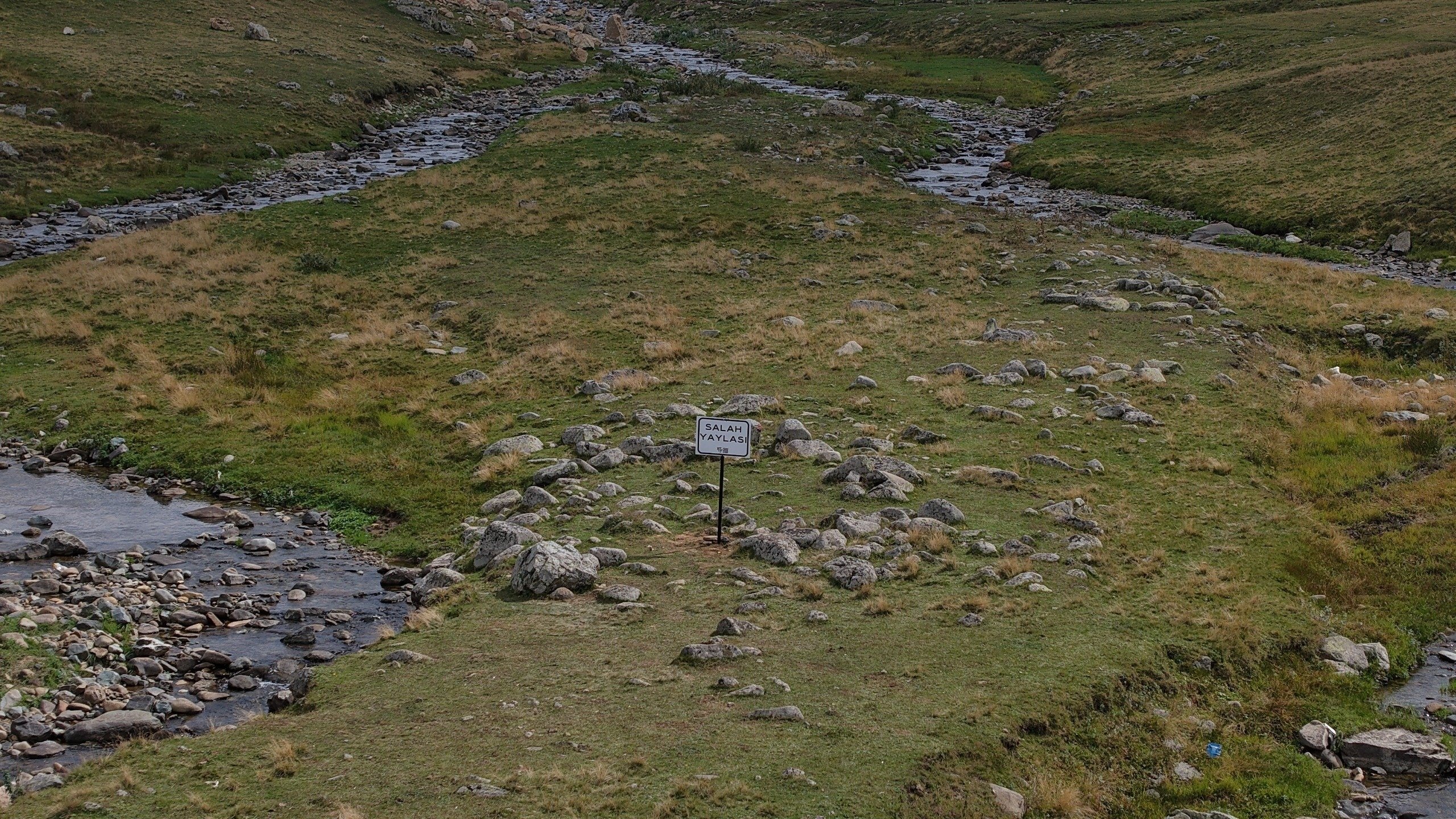
Visitors have since been lining up to sit on the same stone where Salah posed for his photograph. What was once an ordinary rock in a quiet highland has effectively become a new photo spot, with fans eager to capture their own version of Salah’s picture.
Tuana Hatipoğlu, who traveled from Kocaeli to her hometown of Trabzon for a Galatasaray game, said she was surprised to see the usually quiet area attract so many visitors.
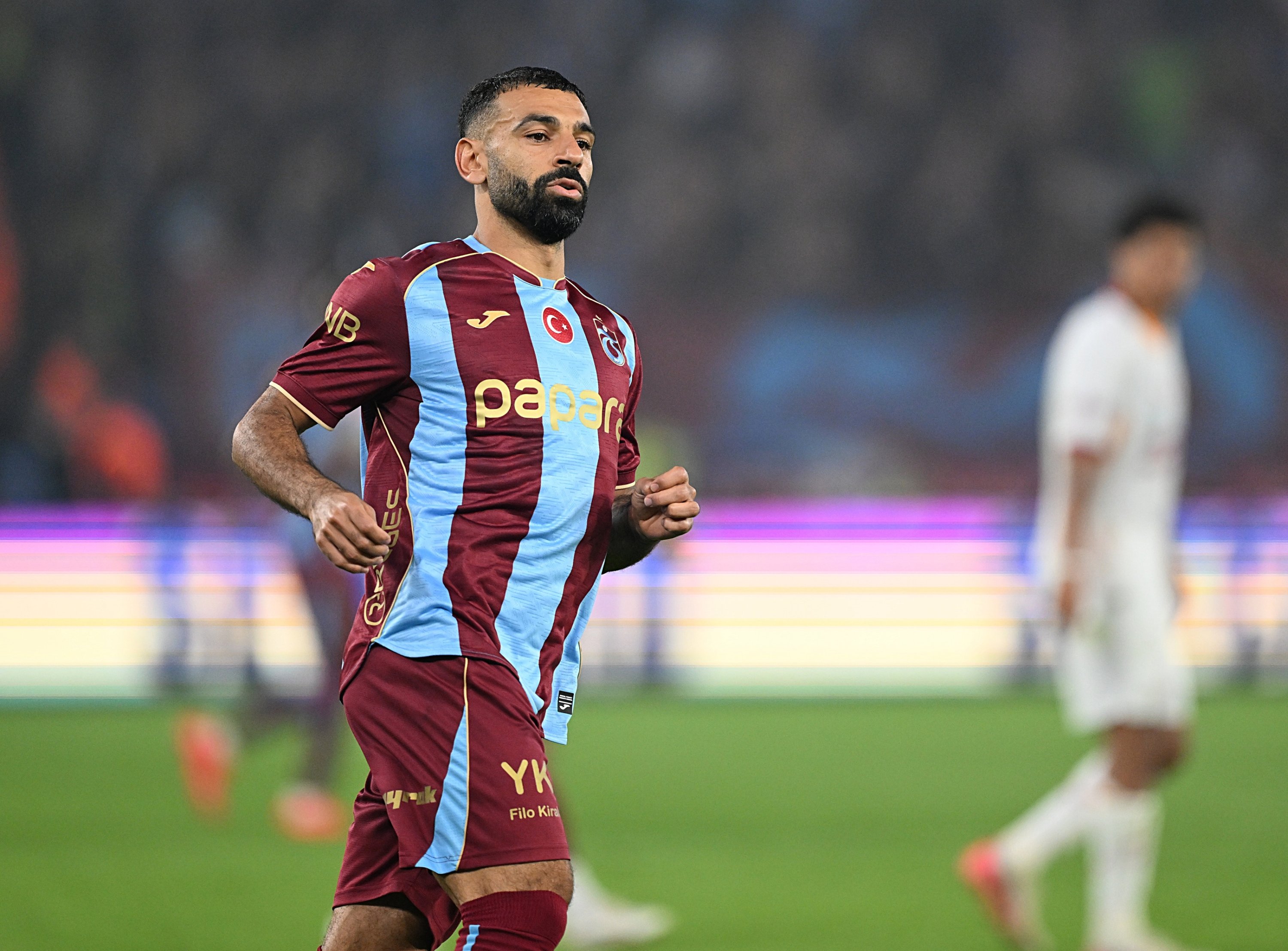
“I came to my hometown for the Galatasaray game. We also wanted to see the stone because it had become famous,” Hatipoğlu said. “This is the highland where I grew up and spent my childhood. It feels very strange to suddenly see everyone here. It was never this crowded. I never imagined a stone in the highland would become this famous.”
Hatipoğlu also welcomed the attention Salah’s visit has brought to the area but urged visitors to protect its natural surroundings.
“It has been very good for us and for tourism,” she said. “We really enjoy watching him. A stone became famous, and thousands of people are now coming here. Our only concern is the trash. Please don’t litter when you come here. Take your garbage back with you. This place is pristine, and we don’t want it to be polluted.”
Gülsena Hatipoğlu said Salah’s connection with Trabzon had also created excitement among local residents.
“It felt like a dream that Salah came to Trabzonspor, and it also feels like a dream that he came to our highland and took a photo,” she said. “We are already a team of dreams. Hopefully, we will crown this with a championship.”
She added that the area’s popularity should be used to promote, rather than damage, the highland.
“It is such a beautiful place. Our only concern is that there won’t be any trash here,” Hatipoğlu said. “Hopefully, we won’t destroy this place. Instead, we can make it even more special.”
The Salah effect has also attracted visitors who had never previously explored the highland.
Bahtiyar Bekçi, who traveled from Istanbul to Trabzon for the derby, said Salah’s photograph persuaded him to make the trip to Kurtdere after visiting the region.
“We used to come to Sumela Monastery, but we had never come up here,” Bekçi said. “After Salah took a photo here, this stone became known as the Salah stone, so we wanted to come. We cooled our feet in the stream and waited in line to take photos.”
Bekçi said tourists were also showing interest in the spot, adding that the growing crowds had transformed the atmosphere of the once-quiet area.
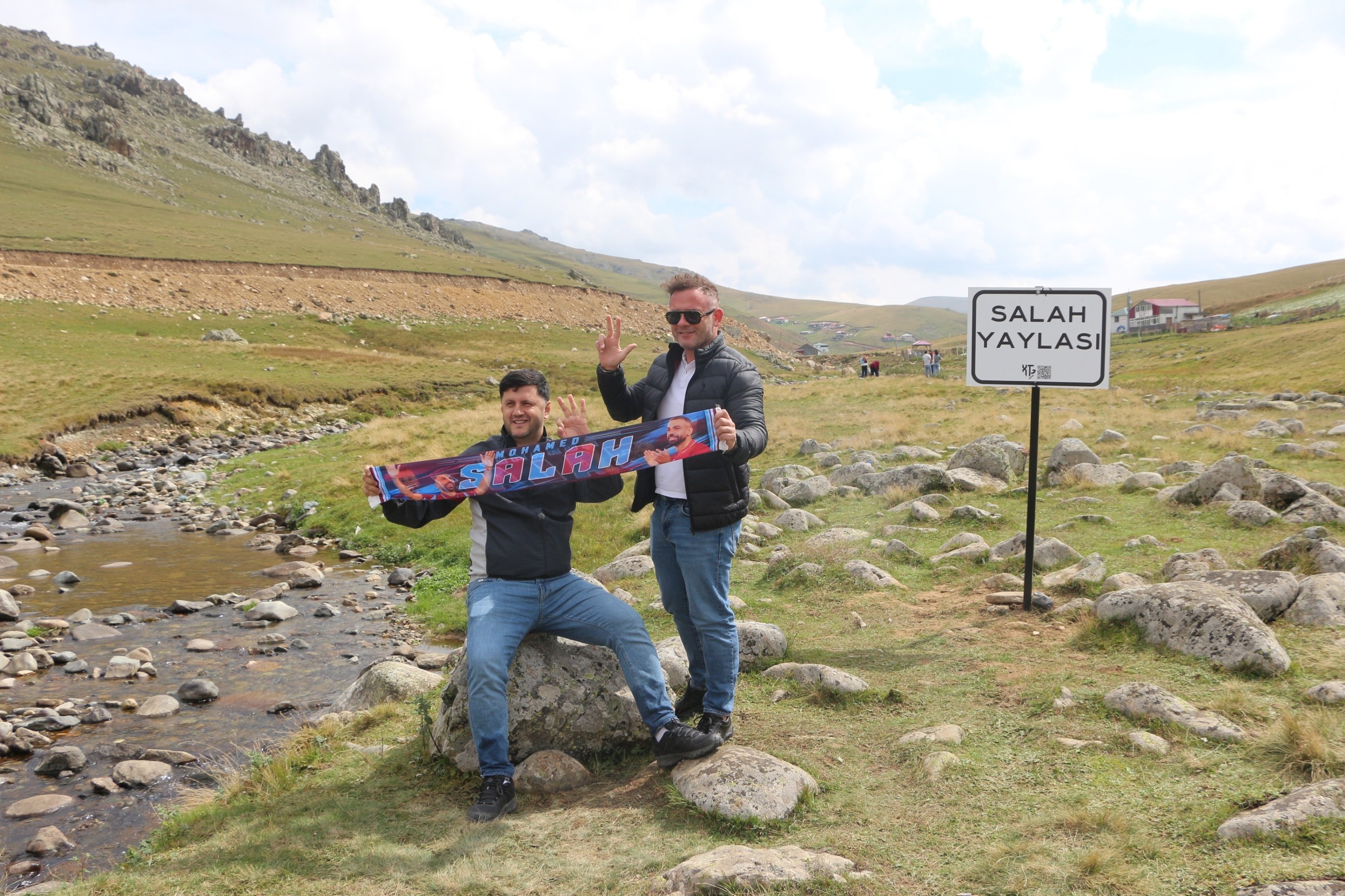
Bayram Bekçi, who also visited after the Galatasaray game, said sitting on the same stone as Salah made the experience particularly memorable.
“We came for the Galatasaray game. After the victory, we said, ‘Let’s stop by Salah’s highland,’” he said. “It was my first time here and we loved it. He came from Liverpool to a highland in Maçka, and now we are sitting on the same stone. We are proud of him.”


-

 Economy3 days ago
AMD joins $1 trillion club as last chipmaker to cash in on AI rally
-
 Economy3 days ago
Türkiye extends funds liquidation process, freezes execs’ assets
-

 Economy3 days ago
US says all Iranian airlines to be ‘shut down’ Wednesday
-
 Politics3 days ago
Fidan urges US to use greater leverage on Israel for regional peace
-

 Politics3 days ago
Sea Wolf maritime drill begins amid tensions between Greece, Türkiye
-

 Economy3 days ago
Paramount settles states-led lawsuit, clearing path for Warner buyout
-

 Politics3 days ago
Türkiye rejects disinformation targeting child protection operations
-

 Economy3 days ago
Türkiye says renewables avoided $21.5B in coal imports, 354M tons of CO2