
Sports
Cristiano ‘CR7’ Ronaldo: From Madeira to football immortality

Cristiano Ronaldo’s international career began with a teenage debut in 2003 and ended with a record-breaking farewell 23 years later, leaving Portugal’s No. 7 shirt behind as one of the most decorated players in football history.
The 41-year-old announced his retirement from international football Thursday, saying the time had come to return the iconic shirt to the national team and “pass it on to the future.”
Ronaldo leaves Portugal with 146 goals in 234 appearances, both men’s international records. His career brought three major international trophies, five Ballon d’Or awards and a collection of individual achievements that transformed him into one of the defining footballers of his generation.
In a farewell video, the Portuguese captain reflected on more than the matches, goals, trophies and records, thanking the teammates, coaches, supporters and Portuguese communities around the world who had accompanied him throughout his journey.
“Football is about people,” he said, ending his message with a declaration that captured his enduring connection to his country: “Portugal will always be in me.”
His departure closes an extraordinary international chapter, although he intends to continue playing club football for Saudi Arabian side Al Nassr.
From Madeira to Manchester
Born Cristiano Ronaldo dos Santos Aveiro in Funchal, on the Portuguese island of Madeira, on Feb. 5, 1985, Ronaldo left his family at 12 to join Sporting CP’s academy in Lisbon.
His determination quickly became apparent. Former academy teammates have recalled a youngster who regularly stayed behind after scheduled training sessions, working on his speed, technique and physical conditioning. His commitment to improving himself became a defining characteristic of a career that would span more than two decades.
Ronaldo made his senior debut for Sporting in August 2002, aged 17, against Inter Milan in a Champions League qualifier. His breakthrough in Portuguese football was brief, however, as an impressive performance against Manchester United in a friendly the following year changed the direction of his career.
His pace, close control, stepovers and attacking movement caught the attention of United’s players, who urged manager Alex Ferguson to sign him.
Manchester United secured his services in 2003, bringing an exceptionally gifted but physically slender 18-year-old to Old Trafford. Ronaldo initially preferred the No. 28 shirt, but Ferguson handed him the No. 7, previously worn by club icons George Best, Eric Cantona and David Beckham.
The decision proved significant. Ronaldo developed from an unpredictable young winger into one of Europe’s most dangerous attacking players, combining his natural flair with greater physical strength, tactical discipline and a growing instinct for goals.
He won three consecutive Premier League titles, the 2008 Champions League and his first Ballon d’Or during his initial spell at United. By the time he left for Real Madrid in 2009, he had established himself among the world’s leading footballers.
A record-breaking era at Real Madrid
Ronaldo’s move to Spain marked the beginning of the most prolific period of his club career.
Across nine seasons at Real Madrid, he scored 451 goals in 438 competitive appearances, becoming the club’s all-time leading scorer. His extraordinary scoring rate helped establish him as one of the most productive forwards the game has seen.
He won four Champions League titles, two La Liga championships and three Club World Cups with the Spanish giants. His 17 goals during the 2013-14 Champions League campaign remain a competition record for a single season.
His playing style also continued to evolve. The explosive winger who had once relied heavily on pace, elaborate dribbling and one-on-one battles increasingly became a ruthless penalty-area forward.
Ronaldo refined his movement, positioning and timing, developing an exceptional ability to find space, attack crosses and finish with either foot. His aerial strength became another major weapon, allowing him to remain decisive even as his acceleration gradually declined.
The transformation helped him sustain his dominance at the highest level. He finished his Real Madrid career with 140 Champions League goals, 183 appearances in the competition and goals in three separate finals.
His individual achievements included five Ballon d’Or awards, while his rivalry with Lionel Messi became one of the defining storylines of modern football. Their prolonged competition for individual honors, records and major trophies raised standards across an entire generation.
Juventus, Manchester United return and Saudi Arabia
In 2018, Ronaldo left Real Madrid for Juventus, taking his goalscoring ability to Italian football.
He scored 101 goals in 134 appearances across three seasons, winning two Serie A titles, a Coppa Italia and two Italian Super Cups, among other honors.
His return to Manchester United in 2021 initially generated enormous excitement among supporters. However, the second spell became increasingly difficult as disagreements over his role and the club’s direction overshadowed his performances.
Ronaldo scored 145 goals in 346 appearances across his two periods at Old Trafford. His departure in November 2022 followed a controversial televised interview with broadcaster Piers Morgan, during which he criticized the club’s management and manager Erik ten Hag.
United subsequently terminated his contract by mutual agreement.
He then joined Al Nassr, becoming the most high-profile international star to move to the Saudi Pro League. His arrival helped raise the competition’s global profile and was followed by a series of other prominent players making the move to Saudi Arabia.
Controversies away from football
Ronaldo’s career has not been without controversy, with several legal disputes and public disagreements attracting considerable attention.
In Spain, he reached a settlement in a tax fraud case involving undeclared income from image rights. In 2019, he agreed to pay an 18.8 million euro ($21 million) fine and accept a 23-month suspended prison sentence.
In 2018, a woman accused him of sexually assaulting her in Las Vegas in 2009. Ronaldo denied the allegation. U.S. prosecutors declined to pursue criminal charges, and a civil lawsuit was dismissed in 2022 after a judge ruled that the plaintiff’s lawyer had engaged in misconduct.
His departure from Manchester United also exposed the increasingly strained relationship between the forward and the club, with his public criticism of its leadership contributing to the termination of his contract.
Portugal’s defining footballer
For all his individual success at club level, Ronaldo’s greatest emotional connection remained Portugal, where his international career brought both painful disappointments and historic celebrations.
He made his senior debut against Kazakhstan in August 2003, aged 18, and represented his country at Euro 2004 on home soil.
Portugal reached the final but suffered a shock 1-0 defeat to Greece. The young Ronaldo, who had scored twice during the tournament, was left in tears as the hosts missed an opportunity to win their first major international trophy.
The disappointment remained part of his journey for another 12 years.
At Euro 2016 in France, Ronaldo captained Portugal to their first European Championship title. He scored three goals during the tournament and played a decisive role in the semifinal victory over Wales, scoring once and setting up another goal.
His contribution to the final against France was cut short after just 25 minutes when a knee injury forced him off. Rather than retreating from the occasion, he remained alongside the technical area, encouraging and directing his teammates as they fought to secure the trophy.
Portugal eventually prevailed 1-0 after extra time, with substitute Eder scoring the winning goal.
It was a defining moment for Ronaldo and Portuguese football. After the heartbreak of 2004, he had finally helped deliver the country’s first major international title.
He subsequently captained Portugal to the inaugural UEFA Nations League trophy in 2019 and another triumph in 2025.
During the 2025 campaign, he scored in the semifinal victory over Germany and found the net again in the final against Spain, becoming the first player aged over 40 to score in a Nations League final.
Six World Cups and a collection of records
Ronaldo’s remarkable longevity became as impressive as his goalscoring ability.
He appeared at six European Championships and six World Cups, maintaining his place in Portugal’s squad across an era that saw several generations of players come and go.
At the 2026 World Cup in North America, he became the first player to score at six different editions of the men’s tournament. He achieved the milestone with two goals in Portugal’s 5-0 group-stage victory over Uzbekistan before adding another goal against Croatia.
He finished his World Cup career with 11 goals in 27 appearances, placing him second on the tournament’s all-time appearance list behind Argentina’s Lionel Messi, who has played 34 matches.
Ronaldo’s international records extend well beyond the World Cup.
His 146 goals and 234 appearances for Portugal make him the leading men’s international scorer and appearance-holder. He is also the leading scorer in European Championship history, with 14 goals, and holds the record for most goals in World Cup qualifying, with 41.
His achievements across six tournaments also underlined a level of consistency rarely sustained in international football, particularly for an attacking player whose career began in an era when he was still establishing himself at Sporting.
A turbulent end to his Portugal career
Despite the extraordinary achievements, Ronaldo’s final weeks with Portugal were overshadowed by a dispute with national team coach Jorge Jesus.
Tensions emerged during the September international window after Ronaldo was left on the bench for Portugal’s Nations League match against Norway. He subsequently left the national team camp in Copenhagen, prompting questions about his relationship with the coach and his future role in the squad.
Ronaldo accused Jesus of breaking promises regarding his playing time. His departure without permission also drew criticism, particularly given his position as the team’s captain and most experienced player.
He later apologized to supporters and teammates for leaving the camp and said he remained available for international selection. He also indicated that the Portuguese Football Federation should determine whether disciplinary action was necessary.
On Oct. 19, the federation handed him a 30-day suspension and a 255-euro fine. Ronaldo had already served part of the suspension under a provisional disciplinary measure.
The dispute added an uncomfortable ending to an otherwise historic international career, raising questions about how one of football’s greatest players would leave the national team.
His retirement announcement less than a month later brought that chapter to a close.
Ronaldo departs having helped Portugal win its first European Championship and two Nations League titles, while setting records that may stand for generations.
Lewis Hamilton will make his 400th Formula One start at this weekend’s Sao Paulo Grand Prix, a remarkable milestone that reflects his longevity and sustained competitiveness despite growing frustration over his first season with Ferrari.
The seven-time world champion will reach the landmark Sunday at Interlagos, where he has enjoyed some of the most memorable moments of his career, including securing his first drivers’ championship in 2008. At 41, the Briton remains one of the sport’s leading competitors, with a record 106 race victories and 105 pole positions to his name.
Hamilton admitted he never expected to compete in 400 Grand Prix when he made his debut with McLaren in 2007, but insisted he still has the speed, motivation and determination to compete at the highest level.
“It’s kind of crazy. I never ever thought that I would be reaching numbers like that,” Hamilton told reporters Thursday.
“I still feel young, and regardless of the things that people say, you saw my pole last week (in Mexico). I still have the pace, I still have the speed, I still have the dedication, which is most important, and the focus.”
His latest pole position in Mexico, which extended his all-time record, offered another demonstration of his ability. He finished second behind Red Bull’s Max Verstappen after an opening-lap collision with Ferrari teammate Charles Leclerc disrupted the team’s chances of securing a one-two finish.
The incident has continued to frustrate Hamilton, who arrived in Brazil without having discussed the clash with either Leclerc or team principal Fred Vasseur.
Vasseur had returned to Italy between the two races, while Leclerc traveled to Monaco to spend time with his family following the birth of his first child.
“I was frustrated and I am still frustrated,” Hamilton said. “Conversations need to be had so we will have those when the time permits.”
Hamilton acknowledged the work Ferrari has put into improving its car throughout the season, saying the team had made significant progress despite the challenge of closing the gap to its rivals.
“The team has done such an amazing job in bringing upgrades this year and they’ve been working flat out to bridge the gap given the power that we have,” he said.
“I think they’ve done an incredible job. … You’ve seen us taking some leaps and bounds, and we’ve scored more points than any other team in the last three or four races.”
Hamilton believes Ferrari could have secured a one-two finish in Mexico and said the team must address the problems that cost it the opportunity.
“We could easily have had a one-two, so we definitely have to work towards making sure that it doesn’t happen again,” he said.
Asked whether Leclerc had raced him more aggressively than other drivers, Hamilton answered yes before declining to elaborate further.
“I can’t say more,” he said.
He subsequently suggested the situation was not entirely new at Ferrari, drawing comparisons with previous teammate pairings involving Sebastian Vettel and Carlos Sainz.
Vasseur acknowledged that Ferrari’s season had not unfolded as intended, saying that, with hindsight, he would have managed the team differently, although he did not directly address the Mexico incident.
Despite the unresolved tensions, Hamilton remains firmly in contention near the front of the championship. He is third in the standings, two points behind Verstappen, after a strong run of results in recent races.
His 400-race milestone has also earned admiration from fellow drivers, who regard his career as an example of sustained excellence in a demanding sport.
McLaren’s Lando Norris, the 2025 world champion, described Hamilton’s achievement as extraordinary and said his continued competitiveness had encouraged younger drivers to believe they could enjoy similarly long careers.
“I think it’s a pretty incredible achievement for him to fight for this long. He’s a good inspiration for many of us,” Norris said.
Hamilton’s longevity has also influenced Norris’ ambitions beyond his first championship.
“When I look at Lewis, he makes me not very happy to have only won one championship,” Norris said.
“But that’s in a good way that I can look at him and see him and his age, his form, and makes me believe more than ever that I could fight for many, many more years, and that’s something I look forward to doing.”
Audi’s Nico Hulkenberg also praised Hamilton for maintaining his commitment despite having already achieved almost everything possible in Formula One.
“He could have easily retired many times and said, ‘That’s enough,'” Hulkenberg said. “Fair play and respect to him that he still puts in the work, still wants this, and still does this.”
Hamilton won his first world championship in 2008, one year after making his Formula One debut, and added six more titles with Mercedes between 2014 and 2020. He joined Ferrari last season after 12 successful years with the German manufacturer.
Only Aston Martin’s Fernando Alonso, 45, has made more Grand Prix starts, with the two-time world champion approaching the 450-race mark.
Hamilton, however, said the significance of reaching 400 starts mattered less to him than the opportunity to celebrate it in Brazil, where he enjoys enormous popularity and was granted honorary citizenship in 2022.
He has won three times at Interlagos and secured seven additional podium finishes in 18 appearances.
“It’s my 400th race, which is kind of nuts,” Hamilton said. “I remember a point when I was embarking on 300 and everyone was like, ‘Once you get to 300, you can never win!'”
Hamilton finished second at his 300th Grand Prix, the 2022 French Grand Prix, behind Verstappen. He now hopes to mark his latest milestone with another victory.
“And I won my 300th, so I guess my goal will be to work on winning my 400th,” he said.
Cristiano Ronaldo deserves a fitting farewell to his Portugal career, but a proposed tribute match risks feeling more like an attempt to repair a fractured relationship than a genuine celebration of his extraordinary achievements.
The 41-year-old announced his international retirement Thursday, bringing an end to a record-breaking 23-year career with Portugal.
He leaves as men’s international football’s all-time leading scorer with 146 goals in 234 appearances, having made his debut in August 2003 and established himself as one of the most influential figures in the country’s sporting history.
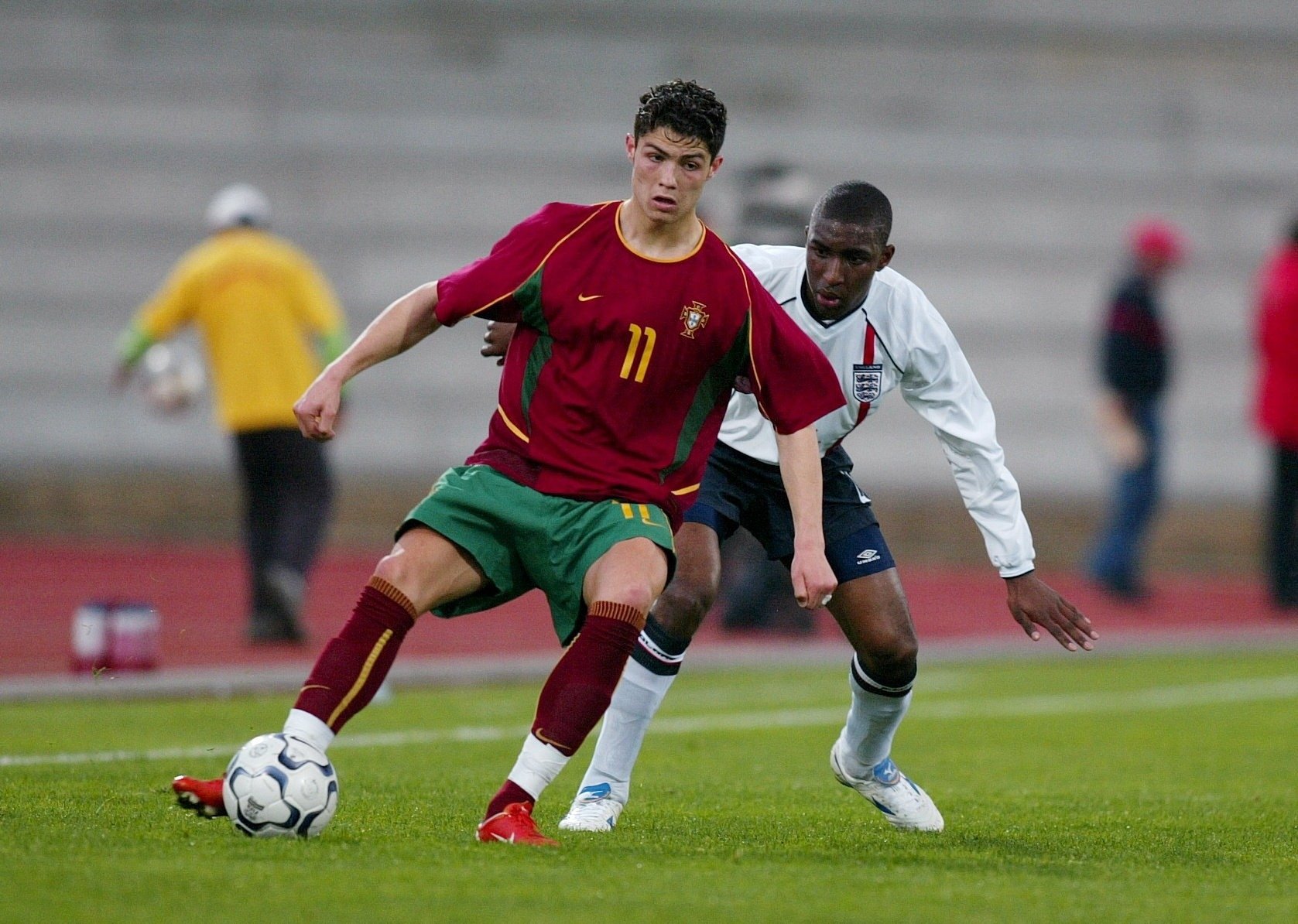
His international legacy is unquestionable. Ronaldo captained Portugal to its first major international trophy at Euro 2016 before helping the team win the UEFA Nations League in 2019 and 2025.
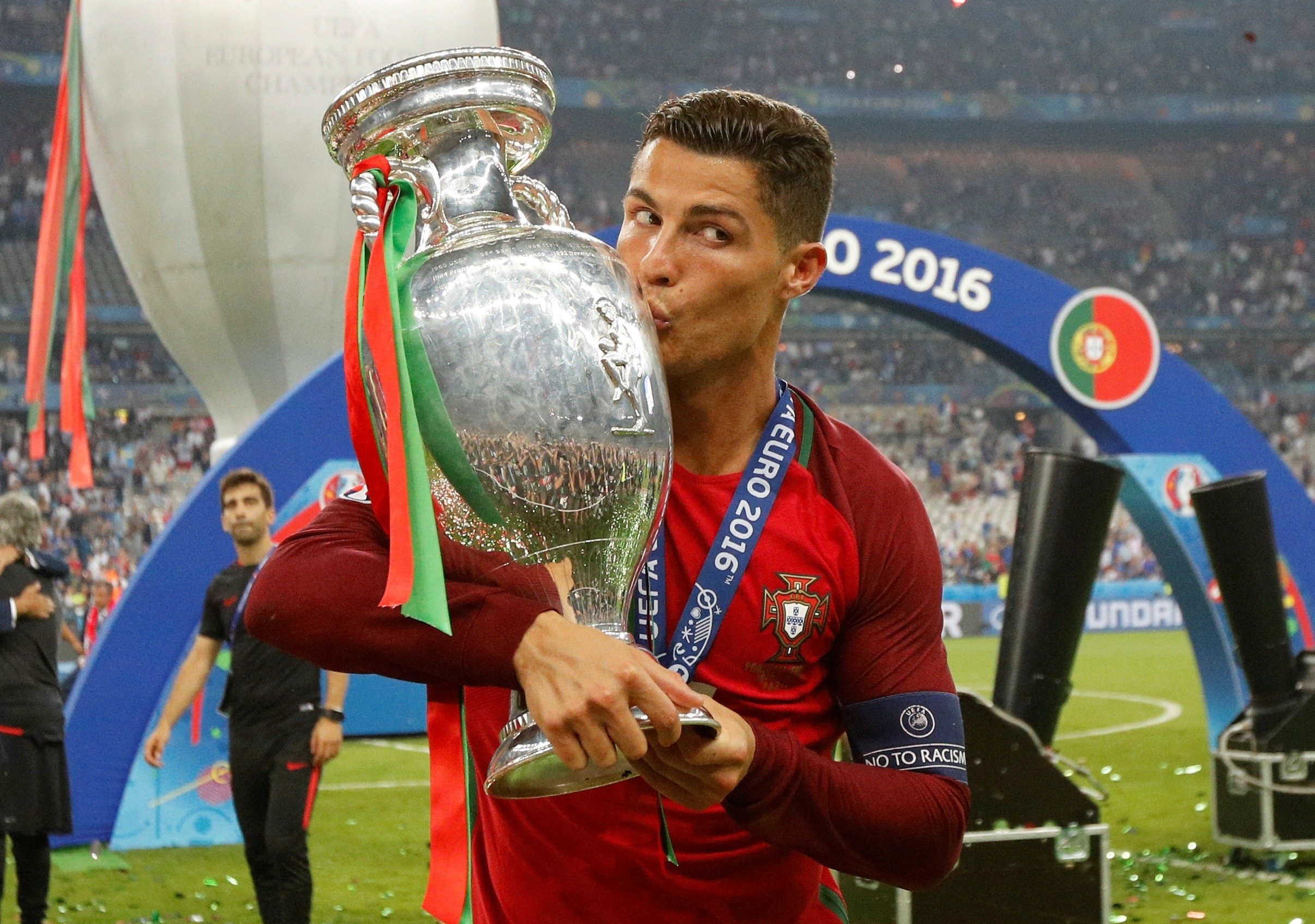
He also became the first player to score at six different World Cups, setting records that could take generations to challenge.
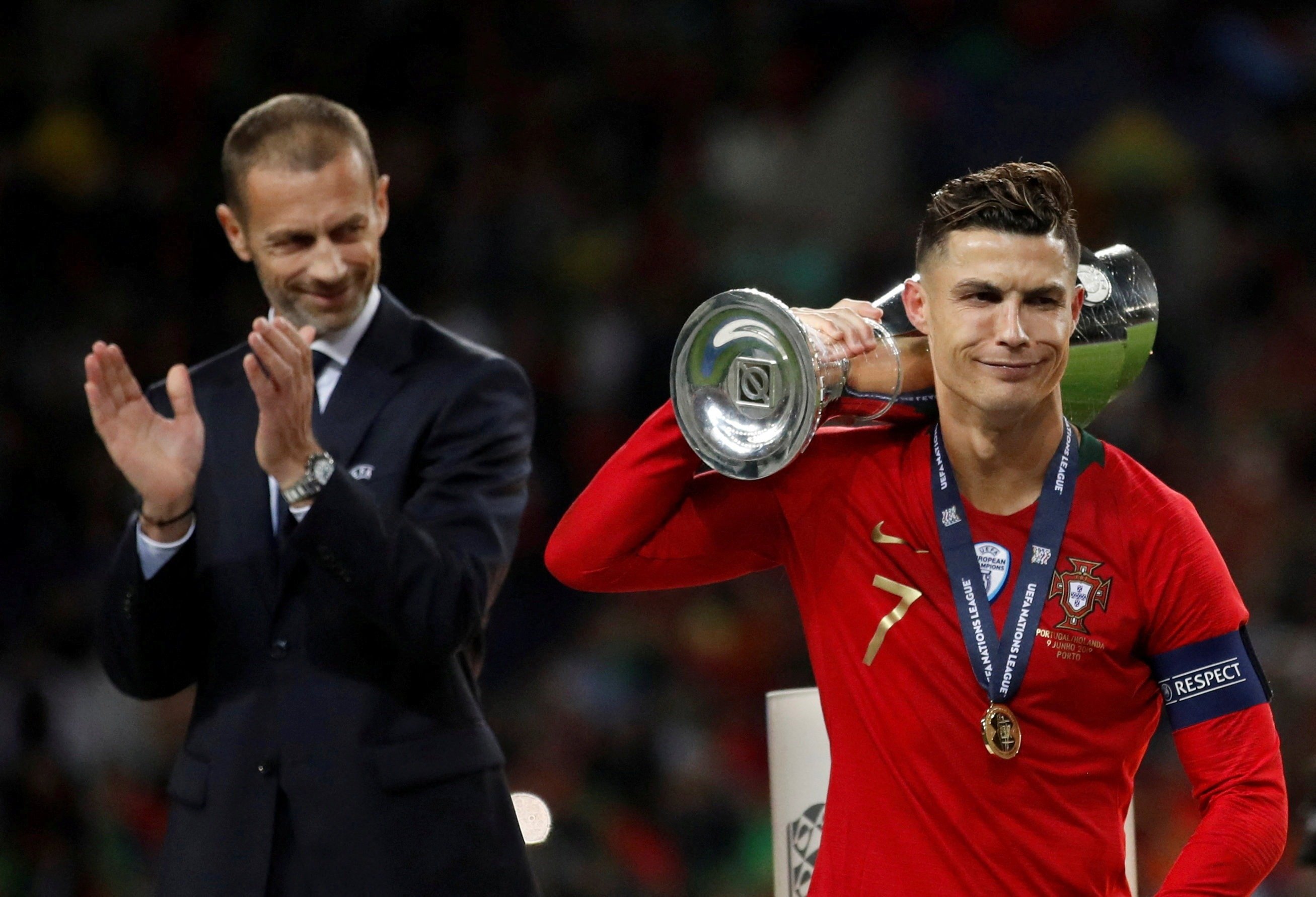
Yet the circumstances surrounding his departure make the prospect of an elaborate farewell match particularly awkward. Rather than following a carefully planned transition, his retirement came after a public dispute with Portugal coach Jorge Jesus that exposed growing tensions within the national team.
The disagreement escalated during the September-October international window, when Ronaldo was reportedly unhappy with his reduced involvement in a Nations League match against Norway. He subsequently left the training camp, prompting the Portuguese Football Federation (FPF) to impose a 30-day suspension and a fine.
Ronaldo later issued a lengthy statement accusing Jesus of breaking previous agreements concerning his involvement and playing time.
He apologized to his teammates and supporters, acknowledging that his conduct as captain deserved consequences.
At the time, however, he had not ruled out returning to the national team. He indicated that he could still represent Portugal if fit and selected, while suggesting that one or more farewell matches would eventually be arranged when the time was right.
That possibility now appears considerably less likely.
By early November, the five-time Ballon d’Or winner had decided to retire before Portugal’s next squad announcement for matches against Denmark and Wales.
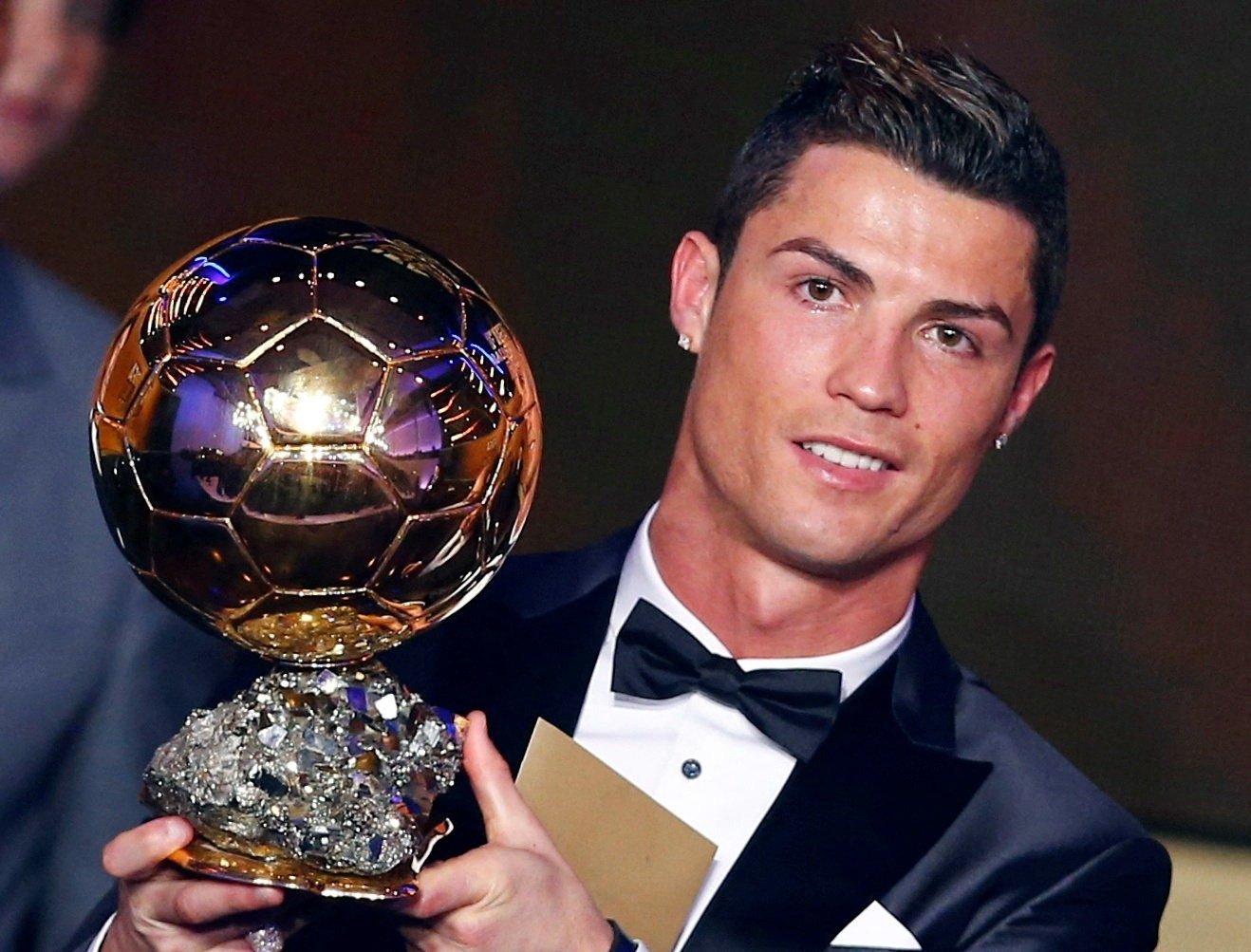
Reports from Portuguese outlet Observador indicated that he had no intention of playing a farewell match and was unwilling to meet with Jesus.
He had also reportedly informed FPF president Pedro Proença that he was not ready to return. A proposed telephone conversation involving the coach, intended to help resolve the disagreement, never materialized.
The federation, meanwhile, has made clear that it does not want Ronaldo’s international career to end without formal recognition.
Responding to his announcement, the FPF said it would not allow his departure to pass without a proper tribute. It expressed its desire to organize an occasion worthy of his immense contribution, giving supporters across Portugal an opportunity to applaud a player who has given so much to the national team.
The sentiment is understandable. Ronaldo is not simply Portugal’s record appearance holder and leading scorer. He became the face of an entire generation, carried the national team through years of disappointment and helped deliver its greatest international successes.
But recognizing his achievements and arranging a farewell match are two different things.
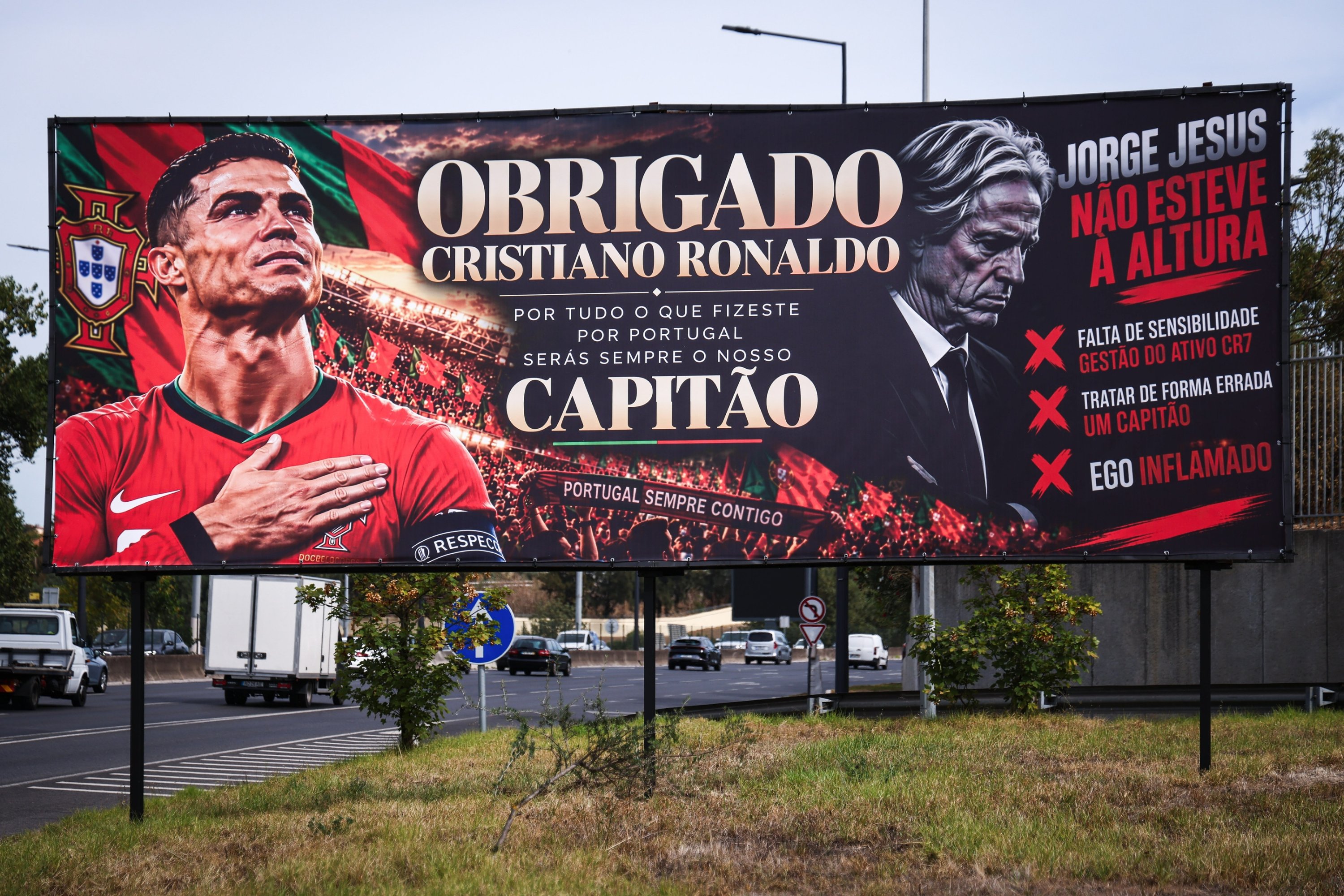
A meaningful send-off requires some degree of agreement between the player, the federation and those responsible for the team. More importantly, it should reflect the player’s wishes rather than an institution’s desire to provide a satisfying ending.
In Ronaldo’s case, that alignment is missing. The disagreement with Jesus remains unresolved, his relationship with the coaching staff has deteriorated, and reports suggest he has little interest in returning for a ceremonial appearance.
Organizing a match regardless risks turning what should be a celebration into an uncomfortable exercise in institutional damage control. Instead of allowing supporters to remember his achievements, the occasion could revive the controversy surrounding his departure.
The contrast with Lionel Messi’s international farewell illustrates the difference.
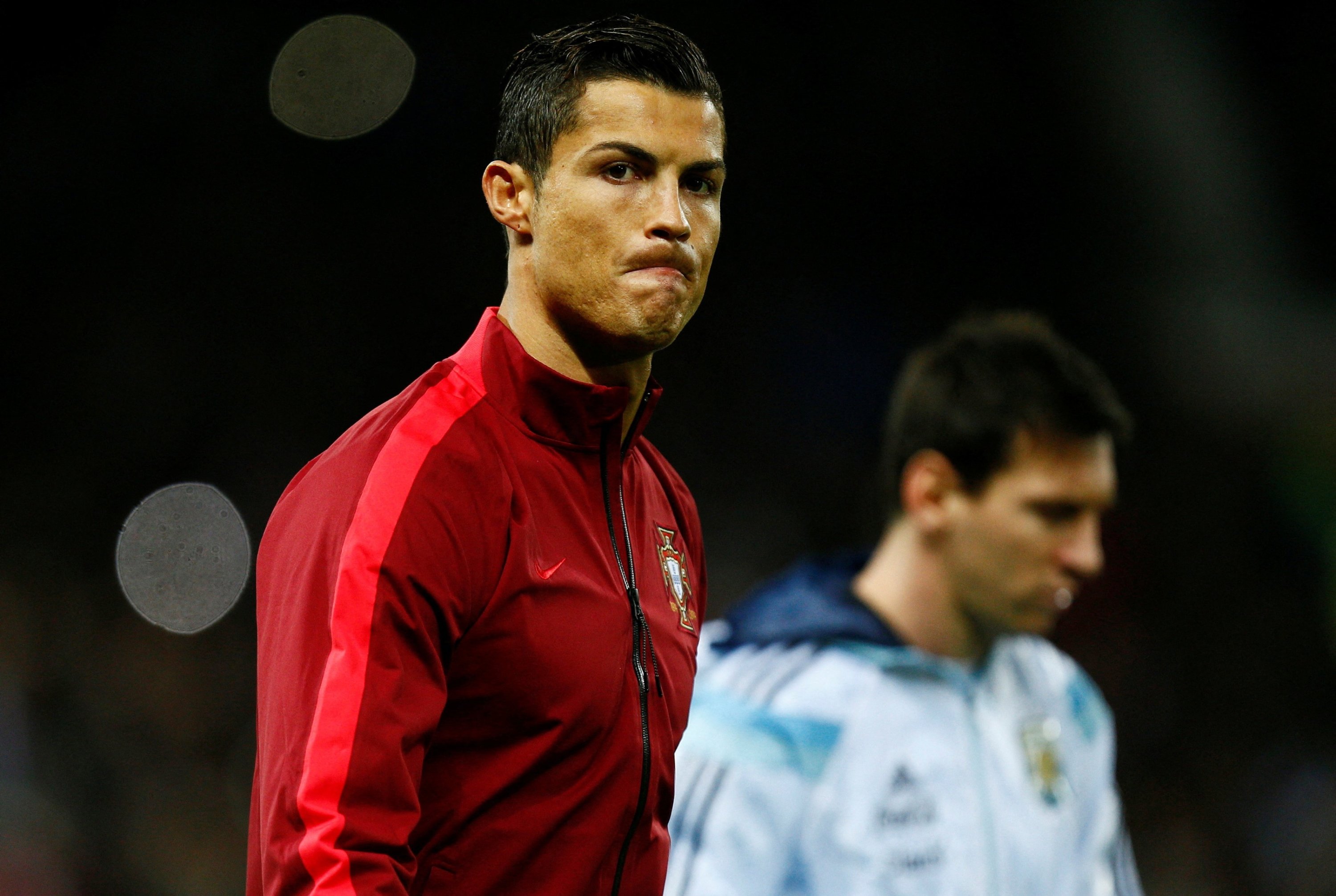
In October 2026, Messi received an emotional send-off with Argentina in a friendly against Benin at the Monumental Stadium in Buenos Aires. More than 85,000 supporters attended the occasion, which featured a special commemorative shirt, prolonged ovations and a 3-0 victory in which he scored and provided assists.
It was a carefully arranged celebration that gave Messi and the supporters a shared opportunity to appreciate his international career. The occasion provided a sense of closure without the distraction of a public dispute with the national team’s leadership.
Ronaldo’s circumstances are considerably different. His departure has been shaped by disagreement, uncertainty and an apparent unwillingness to revisit the national-team environment.
There is also the question of timing. Ronaldo remains an active professional with Al Nassr, where his contract runs into 2027, and continues to pursue the milestone of 1,000 career goals. Although international retirement does not necessarily mean the end of a player’s wider footballing journey, a national-team farewell match at this stage could feel like an incomplete conclusion to his career.
His role with Portugal had also evolved. At 41, he was increasingly expected to provide experience and leadership rather than automatically command a starting place. A ceremonial appearance would therefore be more about recognition than competition, making the surrounding circumstances even more important.
None of this should diminish what Ronaldo accomplished in a Portugal shirt. His longevity, extraordinary scoring record and influence on the national team’s transformation deserve recognition at the highest level.
The FPF is right to insist that his contribution should not go uncelebrated. However, a formal ceremony, a commemorative presentation, a tribute video or a lasting institutional honor could provide an appropriate alternative without requiring him to return to an environment he appears unwilling to revisit.
Ronaldo deserves applause, not an obligation to stage one final performance.

Romanian gymnast Ana Maria Barbosu has received a two-year suspension for three whereabouts failures under anti-doping rules, a decision that could sideline the 2024 Olympic bronze medalist until just two months before the 2028 Los Angeles Games.
The Court of Arbitration for Sport’s Anti-Doping Division (CAS ADD) announced the ruling Wednesday, confirming that the 20-year-old committed three violations between September and December 2025 by failing to meet requirements for providing her whereabouts information.
The suspension took effect May 5, 2026, the date her provisional suspension began, meaning Barbosu will be eligible to return to competition in May 2028, provided the decision is not overturned on appeal.
Barbosu challenged the proposed sanction and requested a hearing before CAS ADD. However, a single judge ruled that all three whereabouts failures had been correctly recorded, upholding the anti-doping rule violation.
The case does not involve a positive test for prohibited substances. Instead, it centers on requirements designed to ensure that athletes remain available for unannounced out-of-competition drug testing.
Athletes included in registered testing pools must regularly submit accurate information about their locations, including a designated 60-minute period each day during which they must be available for testing.
Under anti-doping regulations, any combination of three missed tests and/or failures to provide accurate whereabouts information within a rolling 12-month period constitutes an anti-doping rule violation. The standard penalty is a two-year suspension, although the sanction can vary depending on the athlete’s degree of fault.
World Gymnastics, which administers its anti-doping programme through the International Testing Agency (ITA), initiated disciplinary proceedings after the three failures were recorded.
In its statement Wednesday, CAS ADD said it had partially upheld World Gymnastics’ request for disciplinary proceedings against Barbosu.
While confirming the two-year suspension, the tribunal ruled that her competitive results obtained since December 2025 would not be disqualified. The decision allows her results during that period to stand, including those from her collegiate gymnastics career in the United States.
The ITA acknowledged the ruling.
Barbosu has competed for Stanford University, where she enjoyed a successful freshman season in 2026. She earned All-American honors on balance beam and in the all-around, collected Atlantic Coast Conference titles and finished as a co-runner-up on beam at the NCAA Championships.
Following the announcement of her provisional suspension, Barbosu maintained that the case did not involve prohibited substances and pointed to the challenges of adjusting to college life in the United States.
Her suspension leaves her with a narrow window to regain competitive form before the Los Angeles Olympics. Assuming the ruling stands, she could return to international competition in May 2028, shortly before the Games begin.
Meanwhile, the disciplinary case is separate from the ongoing legal dispute over the floor exercise bronze medal she won at the 2024 Paris Olympics, which remains unresolved.
Paris Olympic bronze dispute remains unresolved
Barbosu’s Olympic medal has been at the center of a prolonged dispute involving American gymnast Jordan Chiles.
During the floor exercise final in Paris, Barbosu initially received a score of 13.700, placing her third and putting her in position to claim bronze. Chiles, who competed last, was initially awarded 13.666 and finished fifth.
However, an inquiry submitted by Chiles’ coach resulted in a 0.1 increase to her difficulty score, lifting her total to 13.766 and moving her into third place. Barbosu dropped to fourth, while fellow Romanian Sabrina Maneca-Voinea finished fifth.
Romania subsequently challenged the result at CAS, arguing that Chiles’ inquiry had been submitted after the one-minute deadline.
CAS ruled in Romania’s favor, finding that the inquiry had been filed outside the permitted time. The original scores were reinstated, restoring Barbosu to third place, and the International Olympic Committee subsequently reallocated the bronze medal to the Romanian gymnast.
The dispute took another turn in February 2026 when Switzerland’s Federal Supreme Court referred the case back to CAS for reconsideration following the submission of new evidence.
CAS said Wednesday that the parties involved in the separate proceedings had requested that no hearing take place before May 2027 as written submissions continue.
The case involves Barbosu, the Romanian Gymnastics Federation, Chiles, USA Gymnastics, World Gymnastics and gymnastics official Donatella Sacchi.
Although both proceedings involve Barbosu, the whereabouts suspension has no bearing on the ownership of the Paris Olympic medal.
For a generation of Fenerbahçe supporters, a memorable UEFA Champions League victory was something they knew through old footage, stories and memories shared by older fans. On Wednesday, they finally had one of their own.
A dramatic 3-2 victory over Liverpool in Istanbul ended an 18-year wait for a win in the competition and offered a powerful reminder of Fenerbahçe’s ambitions to re-establish themselves among Europe’s established clubs.
The significance of the result went far beyond three points. For years, Fenerbahçe have struggled to translate their domestic stature and passionate support into consistent success on the European stage.
Their Champions League campaigns have rarely produced the kind of defining performances expected of a club with such a rich history and following.
Their previous victory in the competition came on April 2, 2008, when they beat Chelsea 2-1 in the quarterfinals.
That result formed part of one of the most memorable European campaigns in the club’s modern history, as Fenerbahçe reached the last eight for the first time before eventually being eliminated by the English side.
Almost two decades later, Liverpool provided the opposition for another potentially defining night. Beating one of Europe’s most decorated clubs gave the achievement added weight, particularly after Fenerbahçe had gone 10 consecutive Champions League matches without a victory, their longest winless run in the competition.
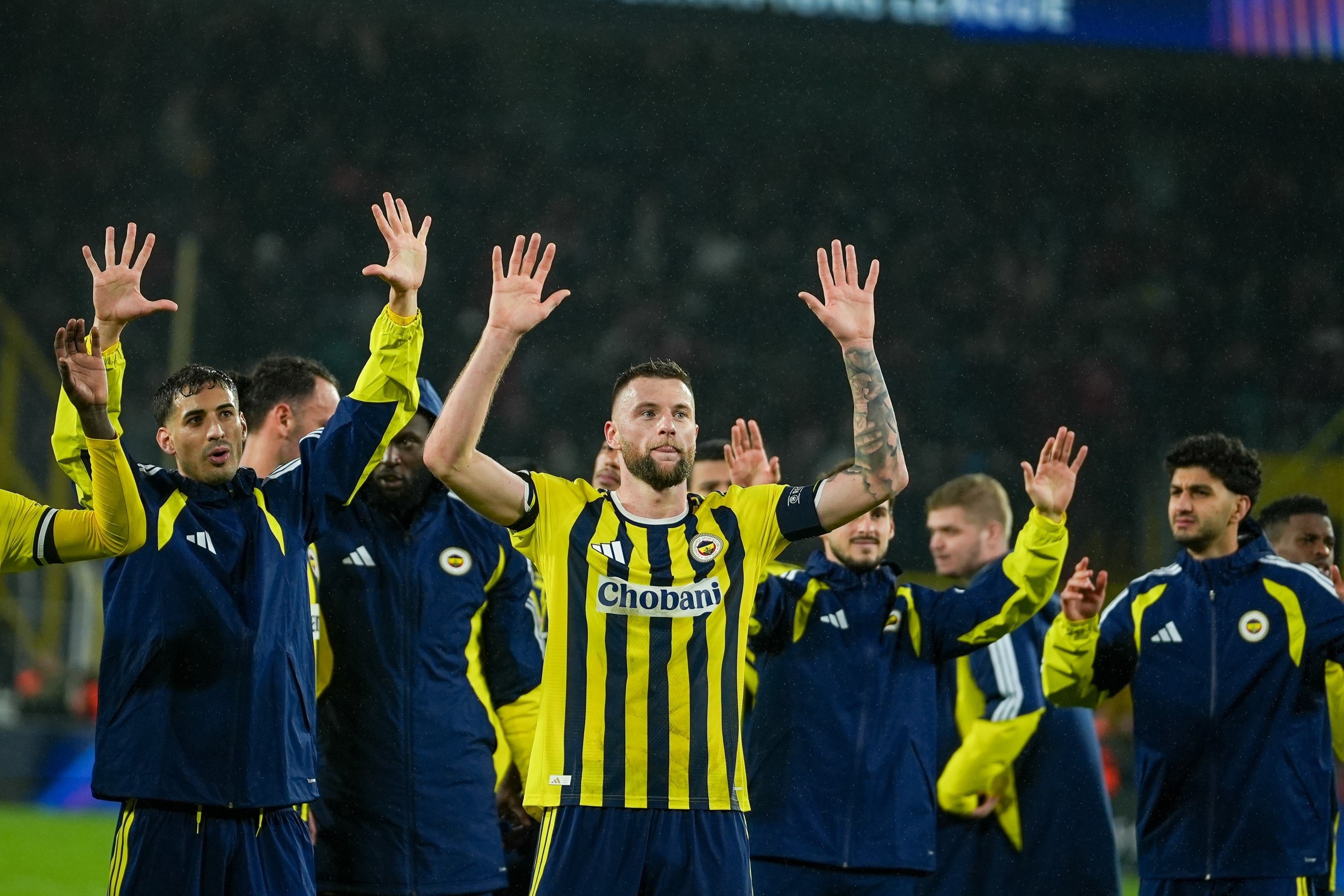
Their return to the Champions League league phase this season, their first appearance in the competition proper since 2008-09, had already represented an important milestone. However, defeating Liverpool transformed that return into something considerably more meaningful.
For younger supporters, the victory carried a special emotional significance. Many were either children or not yet born when Fenerbahçe last celebrated a Champions League win.
Their understanding of the club’s European achievements had largely been shaped by stories of the 2007-08 team, which featured influential figures such as Alex de Souza, Deivid and Volkan Demirel.
That side established a benchmark for subsequent generations, with its European exploits remaining a reference point whenever Fenerbahçe’s continental ambitions were discussed. Wednesday’s victory gave younger supporters an opportunity to create their own memories, rather than simply looking back at the achievements of those who came before them.
The timing also made the result particularly important. Fenerbahçe had endured an inconsistent domestic campaign, while a heavy 6-0 European defeat to Aston Villa had raised questions about their ability to compete with the continent’s strongest teams.
Liverpool presented another formidable examination. The English club arrived in Istanbul having won all three of its previous league-phase matches and enjoying an impressive start to its European campaign. Yet Fenerbahçe recovered from falling behind twice to secure a victory that demonstrated the resilience and determination their supporters had been demanding.
The result could also prove valuable in the race for qualification. Fenerbahçe moved to five points from four matches in the expanded league phase, strengthening their position ahead of the remaining fixtures. More importantly, they now have a performance against elite opposition to draw confidence from as they pursue their European objectives.
Beating Liverpool does not automatically resolve the team’s inconsistencies, but it offers tangible evidence of what the squad can achieve when it performs with conviction. Such a result could provide an important psychological lift, particularly after the disappointment of previous European outings.
An intriguing personal storyline also followed the victory, with Dirk Kuyt on the winning side against a club that played a significant role in his career.
The former Netherlands international spent six years at Liverpool between 2006 and 2012, making more than 200 appearances for the Anfield club. He was overseeing Fenerbahçe on an interim basis against his former employers, turning the occasion into an unusual full-circle moment.
It was only his second match in charge and his final appearance in the role before Emre Belözoğlu formally took over.
Kuyt described the victory as a “miracle,” highlighting the 18-year wait and the personal significance of the number 18, which he wore during his Liverpool career.
“We showed Europe how big Fenerbahçe is,” he said. “This is what the spirit of this side is.”
His involvement added another dimension to an already memorable occasion. A former Liverpool player had helped Fenerbahçe overcome the club where he spent some of the most significant years of his playing career.
The setting also carried its own historical significance. Istanbul remains closely associated with Liverpool’s extraordinary comeback against AC Milan in the 2005 Champions League final. Trailing 3-0 at halftime, Liverpool scored three times after the break before winning on penalties in a match that became known as the Miracle of Istanbul.
More than two decades later, Liverpool returned to the same city for another memorable European contest, but this time it was the home supporters celebrating a famous result.
For Fenerbahçe, however, the real test begins after the celebrations. One victory cannot erase years of inconsistent European performances or immediately restore the club to the level of the continent’s leading sides. Their defensive vulnerabilities also remain a concern, having conceded in all six Champions League matches played since the playoff stage this season.
Nevertheless, the Liverpool result has provided something Fenerbahçe have lacked for years: convincing evidence that they can overcome elite European opposition.
The club have never been short of ambition, domestic support or expectations. What they have struggled to establish is the consistency required to turn those ambitions into sustained European success.
Wednesday’s victory will not solve that problem overnight, but it offers an important foundation. It has given the current squad a result to build on and a younger generation of supporters a European memory of their own.
Cristiano Ronaldo has announced his retirement from international football, ending a record-breaking 23-year career with Portugal in which he became the country’s most-capped player and leading scorer.
The 41-year-old Al-Nassr forward confirmed his decision in an emotional video message posted on social media Thursday, saying he would hand back Portugal’s iconic No. 7 shirt after the November international break.
Ronaldo retires with 234 appearances and 146 goals, both world records in men’s international football. His journey began on Aug. 20, 2003, against Kazakhstan, marking the start of a career that would make him the face of Portuguese football for more than two decades.
In his farewell message, Ronaldo reflected on the responsibility and privilege of representing his country.
“To the Portuguese, the day has come to return the number 7 shirt of our national team. I never felt it was exclusively mine. But for 23 years I had the privilege and the responsibility of wearing it, defending it and carrying it with me to stadiums all over the world,” he said.
“Today the moment has come to hand it over to the future. It was not an easy decision, because there are decisions that are not made only with the head. They are also made with the heart.”
Ronaldo described his international career as a journey that changed his life, emphasizing that his memories went beyond goals, trophies and records.
He recalled the connection he built with Portuguese supporters around the world, including those living abroad who felt closer to their homeland whenever the national team played.
“Football is much bigger than a game. Football is people,” he said.
The five-time Ballon d’Or winner acknowledged the unforgettable victories and painful defeats that shaped his career, as well as moments when he could not deliver the results supporters wanted. However, he insisted that his pride in representing Portugal never diminished.
He thanked his teammates, coaches, federation officials, medical staff and other members of the national team setup, as well as his family for sharing the sacrifices that accompanied his career.
Ronaldo also recalled the emotion of singing the national anthem alongside his teammates, with supporters of different generations united by their passion for Portugal.
“Today my journey on the field with the national team ends. I leave with my head held high, with pride in the path I took and with the knowledge that I gave everything I had for Portugal,” he said.
“But I will never stop being one of you. I will continue to suffer, to celebrate and to cheer every victory of Portugal.”
He concluded by thanking the Portuguese people for supporting a dream that began when he was a boy in Madeira.
“Thank you for these 23 years. Thank you for believing in me. Thank you for allowing me to live a dream that began when I was just a boy in Madeira, running after a ball.
“The number 7 shirt stays. The pride of having worn it will be mine forever. Portugal will always be in me. Until always, Cristiano Ronaldo.”
A turbulent final chapter
Ronaldo’s retirement follows a difficult period with the national team, marked by disagreements with head coach Jorge Jesus and uncertainty over his international future.
He had considered retiring after Portugal’s elimination from the 2026 World Cup in the round of 16, even preparing a farewell letter. However, Portuguese Football Federation president Pedro Proença persuaded him to continue.
Ronaldo subsequently remained involved in the early stages of the 2026-27 UEFA Nations League campaign under Jesus.
Tensions escalated during the September and October international window. Ronaldo started in a victory over Wales but was an unused substitute against Norway despite earlier indications that he would feature.
He later left the national team camp ahead of a match against Denmark, reportedly citing a broken promise by Jesus.
Portugal won its remaining two group matches without him to secure a place in the Nations League quarterfinals. The federation subsequently fined Ronaldo and imposed a 30-day suspension, applied retrospectively.
In an earlier statement in October, Ronaldo apologized for leaving the camp, accepted that disciplinary action was warranted and insisted he was not retiring. He maintained that he remained available for selection after serving his suspension.
Thursday’s announcement, coming a day before Jesus was scheduled to name his squad for November’s Nations League fixtures against Denmark and Wales, ends speculation about his international future.
An enduring legacy
Ronaldo leaves Portugal with an international record that reflects his extraordinary longevity and influence.
He helped the country win Euro 2016, its first major international trophy, and was also part of the teams that claimed the UEFA Nations League in 2018-19 and 2024-25.
His individual achievements include the most appearances and goals in men’s international football, the most goals in European Championship history and goals at a record six World Cup tournaments.
He also made Portugal’s No. 7 shirt synonymous with his name after taking it following Luís Figo’s retirement.
Fenerbahçe twice fought back from a goal down to claim a dramatic 3-2 home victory over Liverpool on Wednesday, ending their more than 18-year wait for a UEFA Champions League win.
Liverpool took the lead through Trey Nyoni in the 25th minute, but Mason Greenwood equalized four minutes later to send the teams into halftime level at 1-1.
Alexander Isak restored Liverpool’s advantage in the 69th minute before Archie Brown struck four minutes later to make it 2-2. Vedat Muric completed the comeback in the 79th minute, sealing the victory for the Turkish side at Istanbul’s Chobani Stadium.
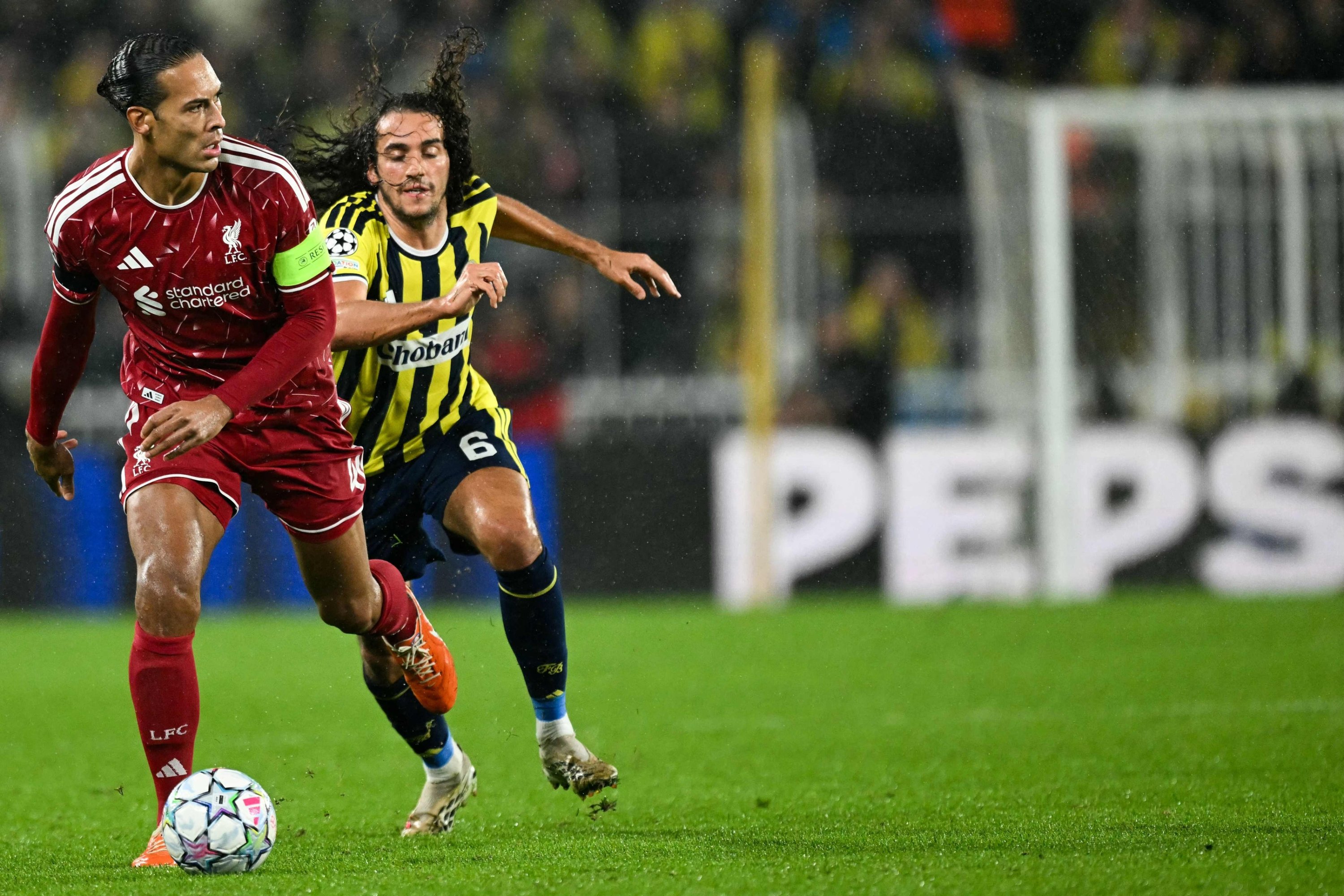
The result marked Fenerbahce’s first Champions League win since April 2, 2008, when they defeated Chelsea in the quarterfinals of the competition.
Fenerbahçe moved to five points from four matches in the league phase, while Liverpool dropped points for the first time this season.
Despite the victory, Fenerbahçe have yet to keep a clean sheet in six Champions League matches this season, including two playoff fixtures.


-
 Sports2 days ago
Beşiktaş put Europa League record on line against off-color Celtic
-
 Politics2 days ago
Suspected poison found in body of former Turkish intel officer
-

 Economy2 days ago
Stocks recover, dollar dips as Democrats score big in US midterms
-

 Economy2 days ago
Will Turkish central bank continue easing? Analysts are split
-
 Sports2 days ago
Trabzonspor aim to keep European fire burning against Freiburg
-
 Politics2 days ago
Accusations pile up in former Istanbul mayor’s corruption trial
-

 Sports2 days ago
Messi, Mbappe lead tributes after Tenerife’s de Miguel’s death
-
 Politics2 days ago
‘No scarf in August’: Turkish opposition leader denies bribe