
Sports
Diogo Jota’s death in traffic tragedy reopens football’s old wounds

The football world was left in mourning once again following the heartbreaking death of Liverpool forward Diogo Jota, whose life was cut short at the age of 28 in a car crash in Spain.
Jota was traveling near the city of Zamora when the fatal accident occurred, claiming not only his life but also that of his younger brother, Andre Silva, a fellow footballer.
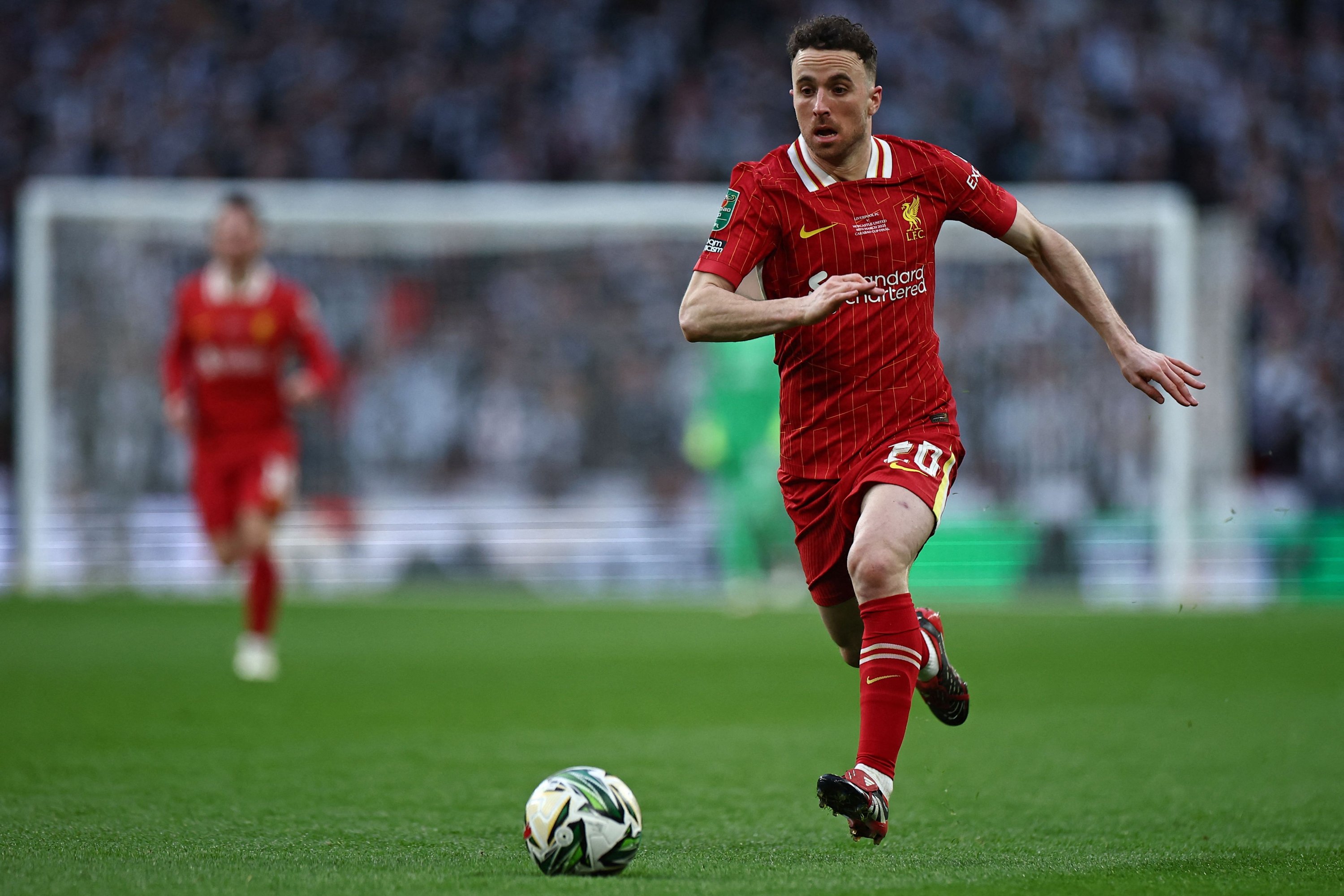
News of the accident sent shock waves across the global sporting community, immediately evoking memories of other players whose careers and lives ended far from the stadiums they once graced.
From Türkiye to South America, Europe to Africa, the road has too often proven to be the cruelest opponent footballers have faced.
Crownless King
In Türkiye, the tragedy of Diogo Jota echoes the loss of Metin Oktay, a legend of Galatasaray and Turkish football.
Oktay, nicknamed the Crownless King, died in September 1991 following a rollover crash near the exit of the Bosporus Bridge in Istanbul.
Rushed to the hospital, he succumbed to severe injuries, including a broken jaw, fractures in his left arm, and internal bleeding caused by a ruptured spleen. He was 51.
Dear Çalık
Another painful memory lies in the passing of Ahmet Çalık, who had once worn the colors of Galatasaray and Konyaspor.
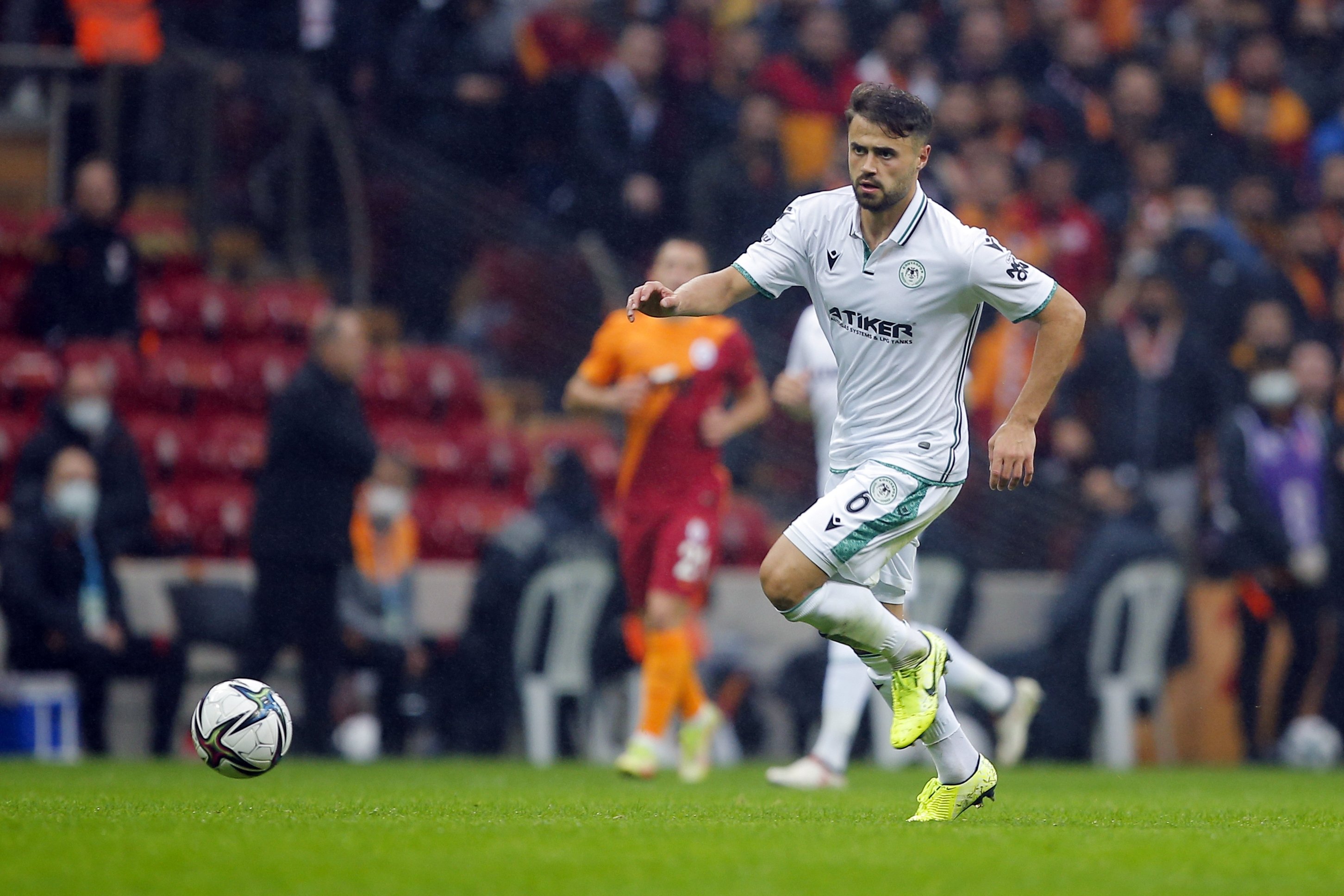
On Jan. 11, 2022, while returning to Ankara from Konya, Çalık lost control of his car on the Ankara-Niğde highway.
The vehicle veered off the road and flipped into a ditch near Gölbaşı, killing the 27-year-old defender instantly.
The news stunned Turkish football, robbing it of a promising player who had risen through the ranks at Gençlerbirliği.
Unlucky Sural
In April 2019, Alanyaspor’s Czech international Josef Sural was returning with teammates from an away match in Kayseri when their private minibus overturned.
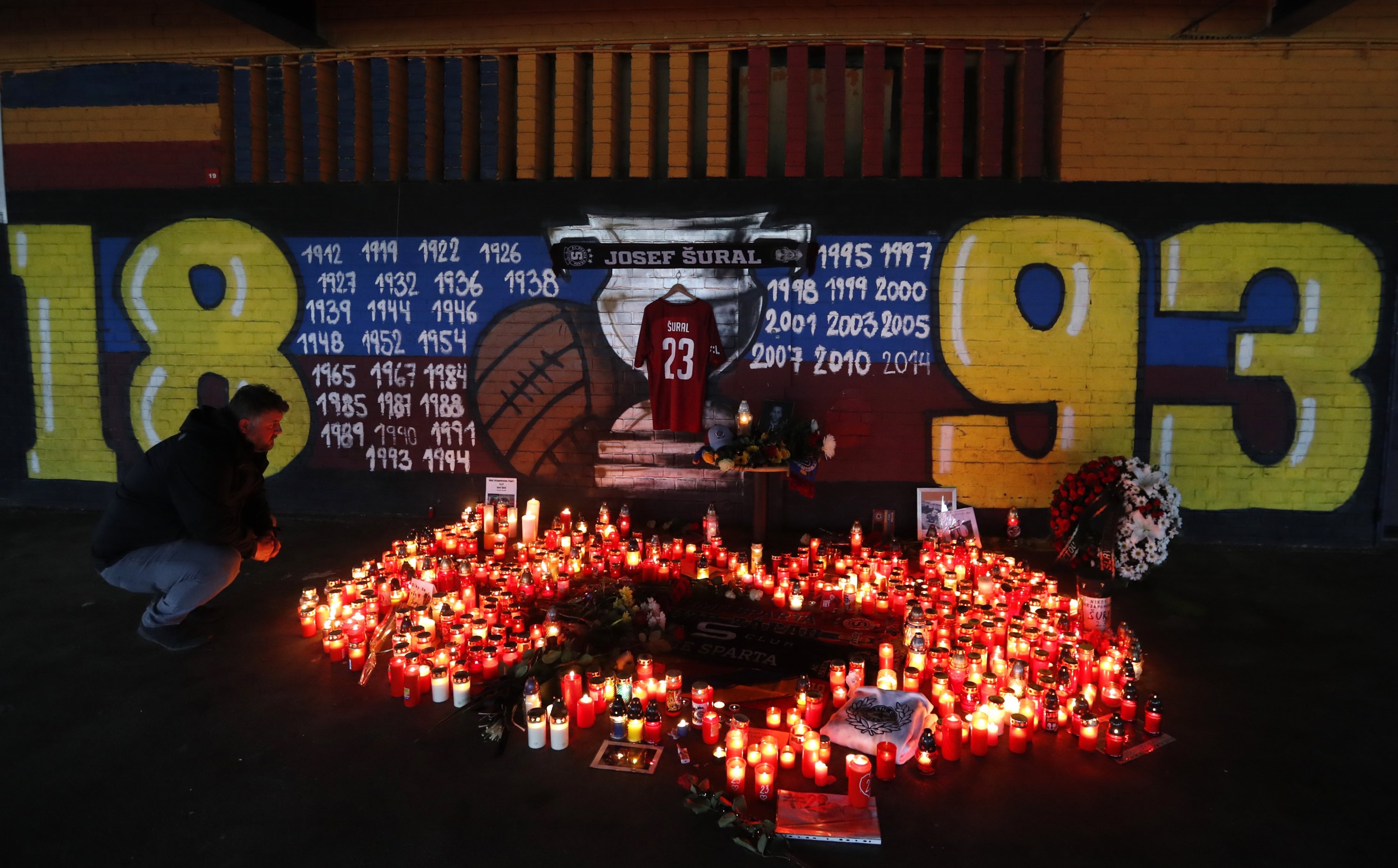
Of the seven players on board, only Sural failed to survive.
He was rushed to the hospital but died from his injuries at the age of 28, adding another name to the sport’s growing ledger of losses.
Few incidents shook Turkish football as deeply as the Samsunspor bus crash on Jan. 20, 1989.
En route to Malatya for a league fixture, the team’s bus collided with a truck near Havza.
The impact was fatal for five members of the traveling party – players Muzaffer Badalıoğlu, Mete Adanır, Zoran Tomic, coach Nuri Asan, and the driver Asım Özkan.
Several others, including players Emin Kar and Şanver Göymen, sustained serious injuries.
In the aftermath, Samsunspor honored the fallen by adding black to their red and white team colors.
The pain returned in 1994 when the club’s young star Müjdat Gürsu was killed in another car crash while on his way to pick up a friend from the airport. He was just 22.
Atlı cut short
Another Turkish tragedy occurred in December 2001 when Doğan Seyfi Atlı, a rising talent at Denizlispor, lost control of his vehicle while driving from Aydın to Denizli.
The crash near Nazilli left him critically injured.
He died shortly after in the hospital, aged only 21.
Far from Türkiye
These are just a few of the heartbreaking names from Türkiye.
The broader football world has suffered similarly devastating losses.
In Spain, the brilliant winger Jose Antonio Reyes, known for his time at Sevilla, Arsenal and Atletico Madrid, died in June 2019 in a high-speed crash near his hometown of Utrera. He was 35.
His death led to an outpouring of grief, especially from former teammates and fans who had watched his electrifying runs down the wing.
In Colombia, Freddy Rincon – a powerful midfielder who had played for Real Madrid and the national team – died in April 2022 after his car collided with a bus in the city of Cali.
The 55-year-old suffered severe head injuries and died two days later in hospital.
His death was a profound blow to a country that had long viewed him as one of its footballing pioneers.
Europe has also seen its share of road tragedies.
Gaetano Scirea, an Italian World Cup winner and Juventus legend, died in 1989 in Poland while on a scouting trip.
Diego Barisone, an Argentine center-back for Lanus, died in 2015 in a collision at just 26. Panama’s Rommel Fernandez lost his life in a crash in Spain in 1993, while England’s Laurie Cunningham, the first Black player to represent Real Madrid, died in a crash outside Madrid in 1989.
Petar Milosevski, a former goalkeeper who had stints with Trabzonspor and Malatyaspor, was killed in March 2014 when the car he was riding in collided with a minibus in North Macedonia.
He was 40.
The driver of the vehicle, North Macedonia Football Federation President Ilco Gyorgyioski, survived with injuries.
Other names add to this grim ledger: Brazil’s Everaldo and Heraldo Bezerra, Bulgaria’s Georgi Asparuhov, Spain’s Juan Gomez Gonzalez, Germany’s Lutz Eigendorf.
Each life lost left a silence in the stadiums they once lit up and a permanent scar on the heart of the game.

Cristiano Ronaldo left Portugal’s training camp on Wednesday, hours after coach Jorge Jesus said the veteran forward would not start Thursday’s Nations League game against Denmark.
The 41-year-old Ronaldo said he would reveal the reasons for his departure “in time,” promising to tell the Portuguese public “the truth about the reasons” behind his decision.
“Following the national team coach’s news conference, and after a conversation with the president of the Portuguese football federation, I decided to leave the national team’s training camp,” Ronaldo said in an Instagram post, adding that he had always “dedicated” himself to the national team.
“Now is the time to wish good luck to Portugal and to all my teammates, without exception,” he added.
The Portuguese Football Federation confirmed that Ronaldo had left the training camp but provided no further details. It said preparations for the Denmark match would continue with the remaining 24 players in the squad.
“The entire delegation remains fully focused on the national team’s upcoming fixtures and on achieving our goals,” the federation said.
Jesus said at the pregame news conference that he was not planning to start Ronaldo but dismissed the notion that there was a feud between the pair.
Jesus said every player knows the coach makes the decisions and that Ronaldo told him he would abide by whatever choices he made.
The coach added that the “rules are the same for everyone” and that Gonçalo Ramos would start up front against Denmark if everything went to plan.
“I don’t know what’s going to happen in the game,” Jesus said. “If we need him to play at some point, he’ll play. If not, he won’t.”
Ronaldo, the all-time leading scorer in men’s international football with 146 goals and pursuing the milestone of 1,000 career goals, did not play Sunday in Portugal’s 2-1 win over Norway. He has not trained with the rest of the group since, sparking widespread rumors about a possible feud with Jesus.
Jesus had said Al-Nassr forward Ronaldo would train normally with the rest of the squad on Wednesday, but the player left the training camp after the coach’s news conference.
Ronaldo, who has 979 career goals, said recently that this Saudi Pro League season is likely to be the last of his professional career.
Earlier this year, he said the 2026 World Cup would be the last of his career but did not specify when he would stop playing for Portugal.
Jesus, who worked with Ronaldo for about a year in Saudi Arabia, said the player did not refuse to train after being left on the bench against Norway.
“It seems like there was an issue between us, but there was no issue,” Jesus said. “I’m the one who makes the decisions and everybody knows that.”
Jesus acknowledged that he had told Ronaldo he would likely play against Norway but changed his mind because of the circumstances of the match.
He said it was a mistake to send Ronaldo to warm up for as long as he did and then not use him. Jesus added that “any player” would be upset about that.
But Jesus did not apologize for telling Ronaldo that he was likely to play.
“I can promise whatever I want, I’m the coach,” Jesus said. “No player will ever make a decision for me.”
Jesus said, though, that someone with Ronaldo’s stature deserved a different type of attention from coaches “because of his career and history in football.”
Jesus, who took over the squad from Roberto Martínez after the World Cup, said he ended up being “obligated” to have a meeting with Ronaldo because of the noise created in Portugal over the situation.
But he maintained there was no “Ronaldo case” to talk about and nothing to resolve between him and the player because nothing was wrong.
Jesus said it was normal that federation president Pedro Proença also met with the pair.
“We had to talk, the three of us, but I had already talked with Chris and the president didn’t have to solve anything because there was nothing to solve,” Jesus said.
Ronaldo started Portugal’s 1-0 win over Wales last Thursday but was substituted in the 67th minute. On Tuesday, he posted a photo on Instagram of himself wearing the national team kit, accompanied by the country’s flag and a heart emoji.
Portugal leads Group A4 of the Nations League with six points from two matches, three points ahead of Denmark and Norway. Wales is last with no points.
Portugal also hosts Norway on Sunday.
It was not immediately clear whether Ronaldo’s departure would extend beyond the current international break.
Wednesday’s news comes just as Ronaldo’s longtime rival, Lionel Messi, is set for his farewell match with Argentina next week.
Konyaspor and the Palestine national team drew 2-2 Wednesday in a friendly match in Konya that carried significance far beyond the scoreline, with tributes to Palestinians killed during the conflict and a symbolic early ending at 89 minutes, 59 seconds.
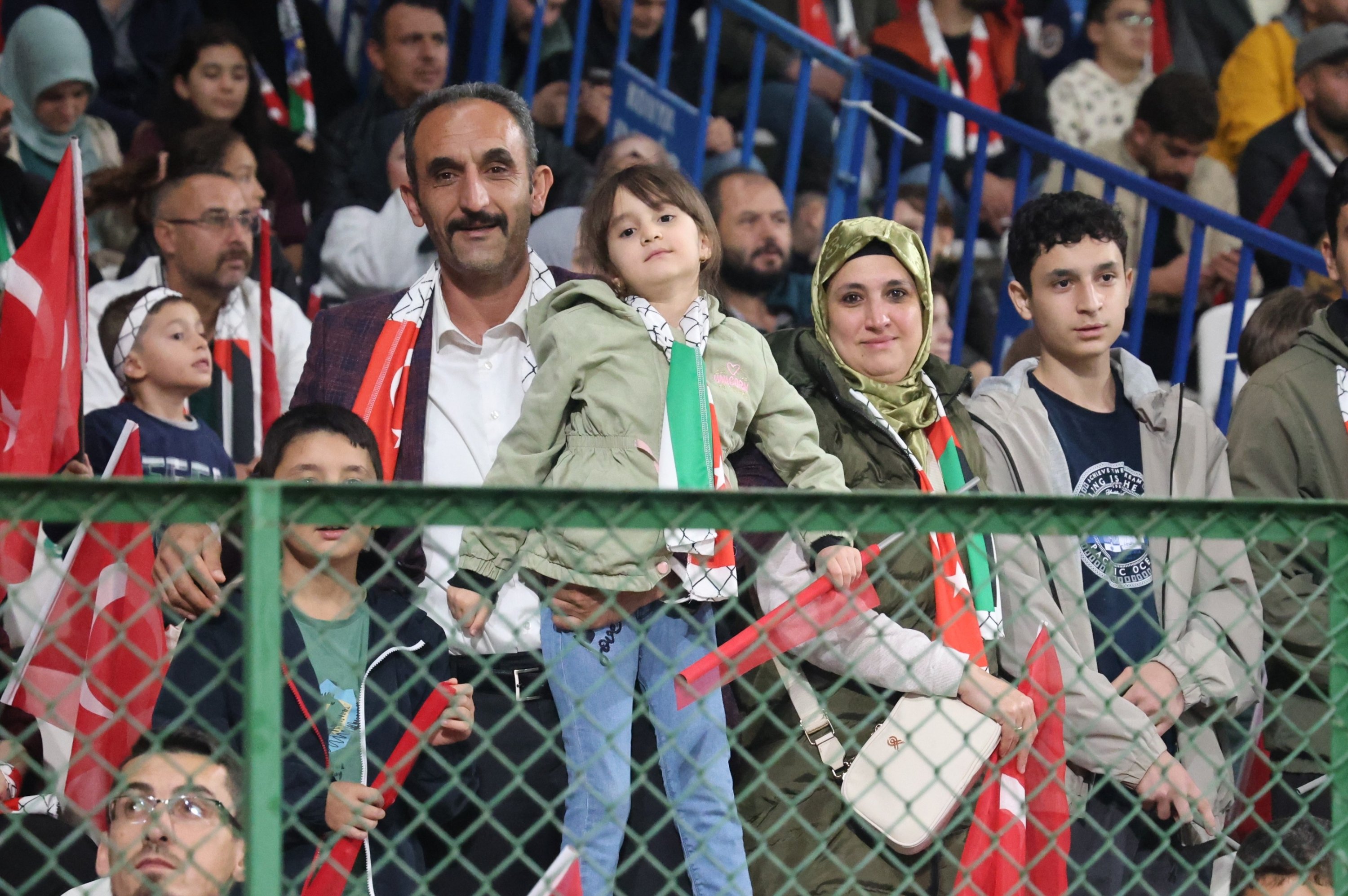
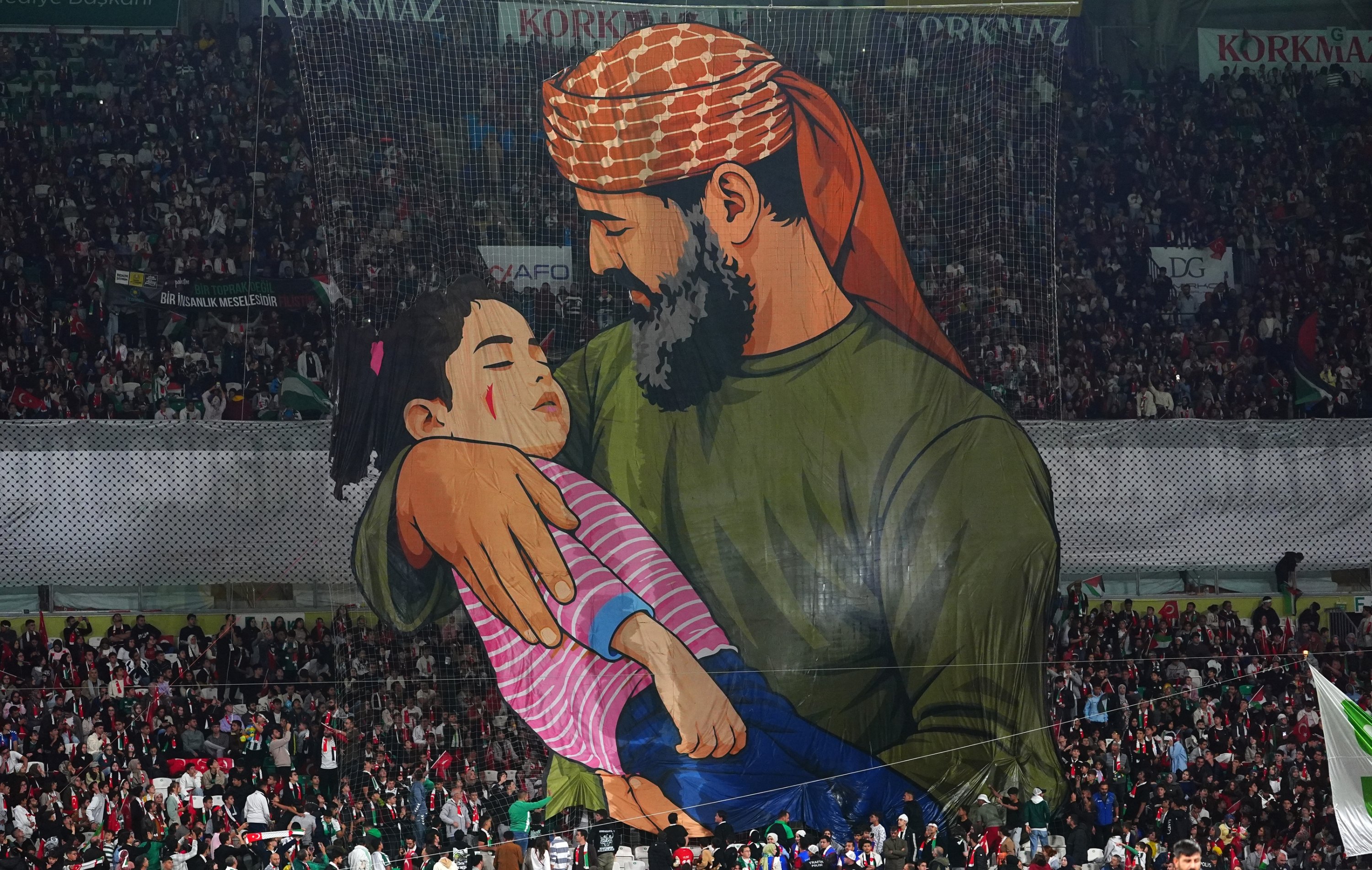
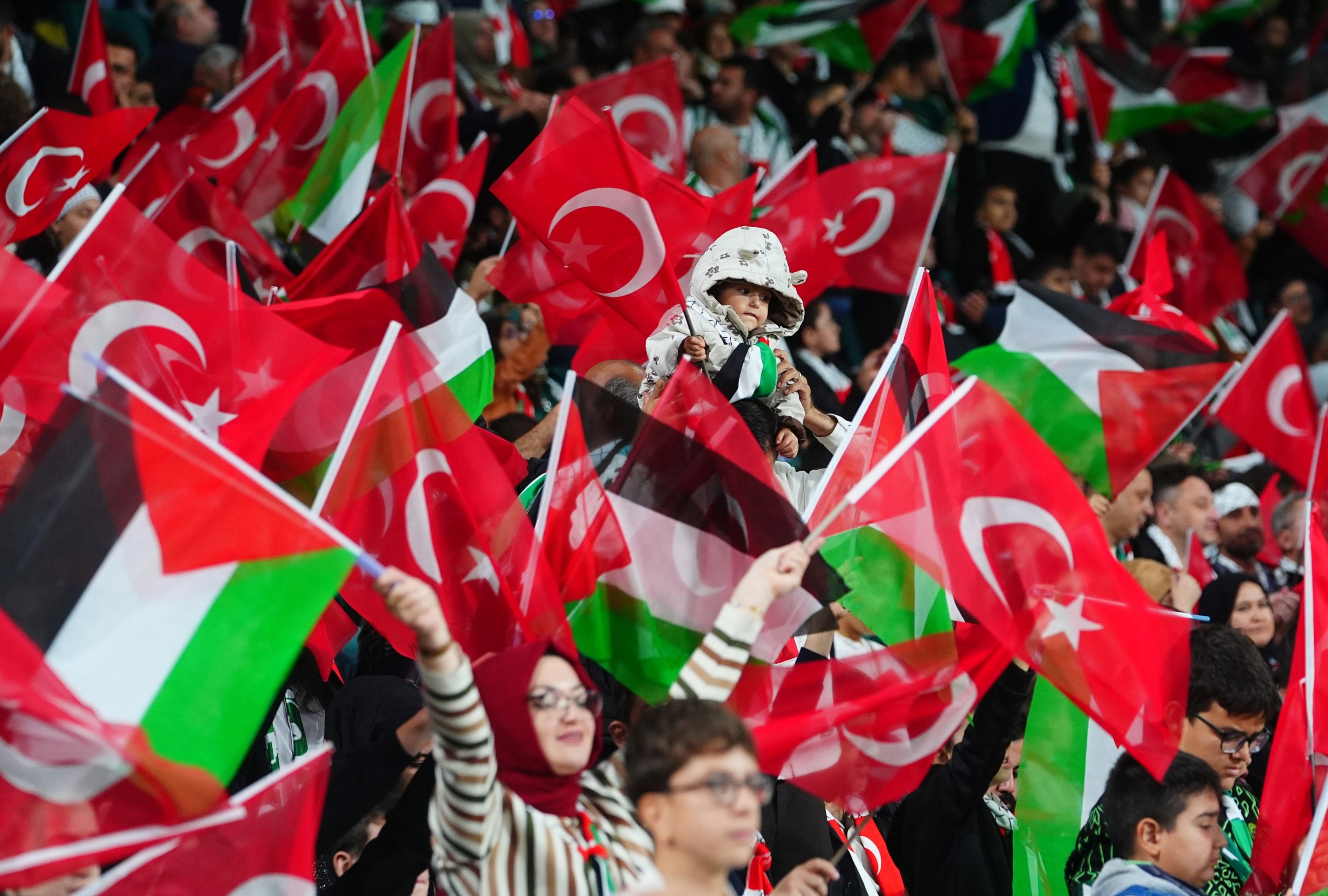
The match at MEDAŞ Konya Büyükşehir Stadium was played as part of Palestine Day events in Konya, with Konyaspor fans filling the stands and displaying messages of solidarity with the Palestinian people.
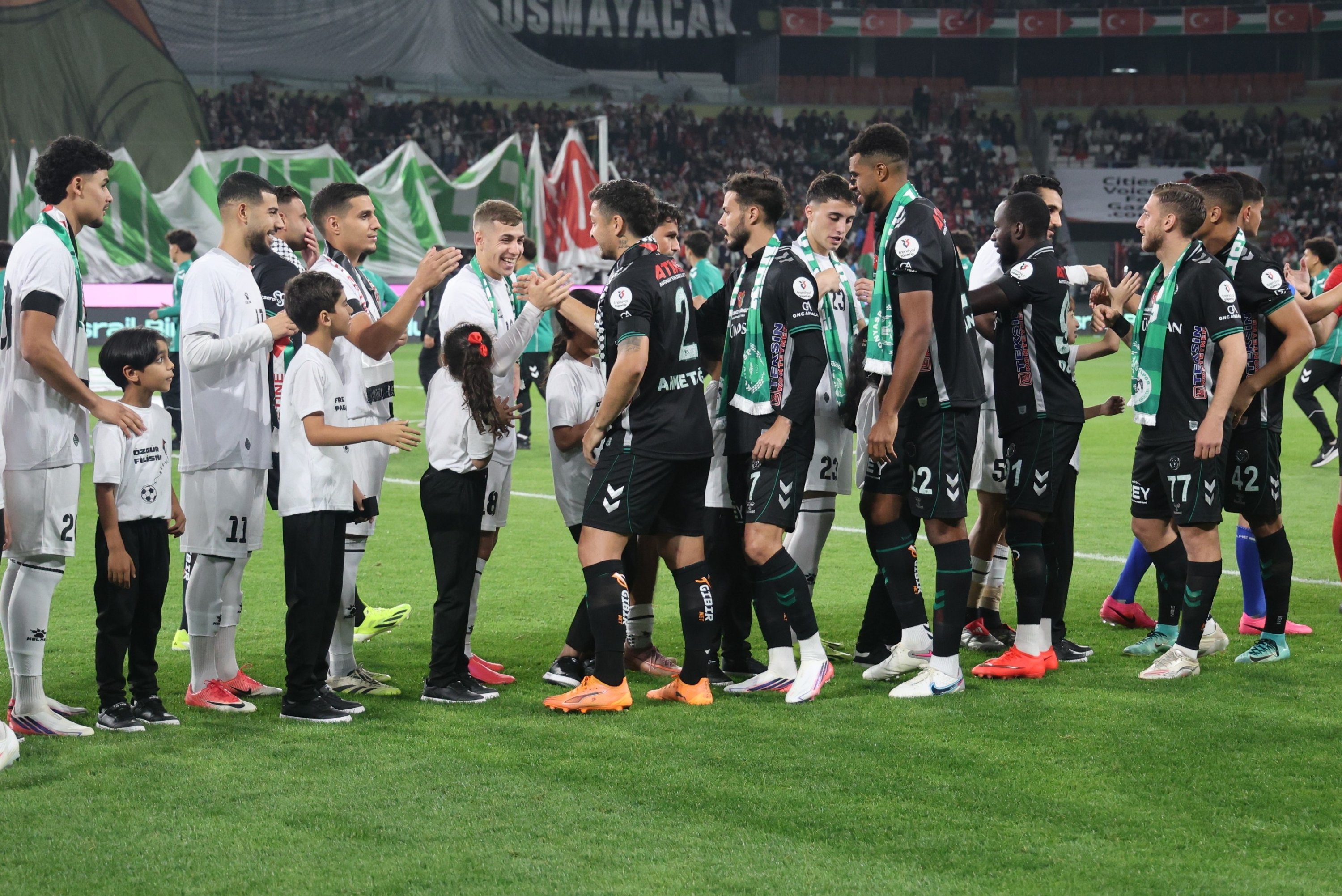
The home team took the lead in the second minute through Melih İbrahimoğlu, but Palestine forward Mohammed Sandouqa quickly turned the match around with goals in the 12th and 25th minutes.
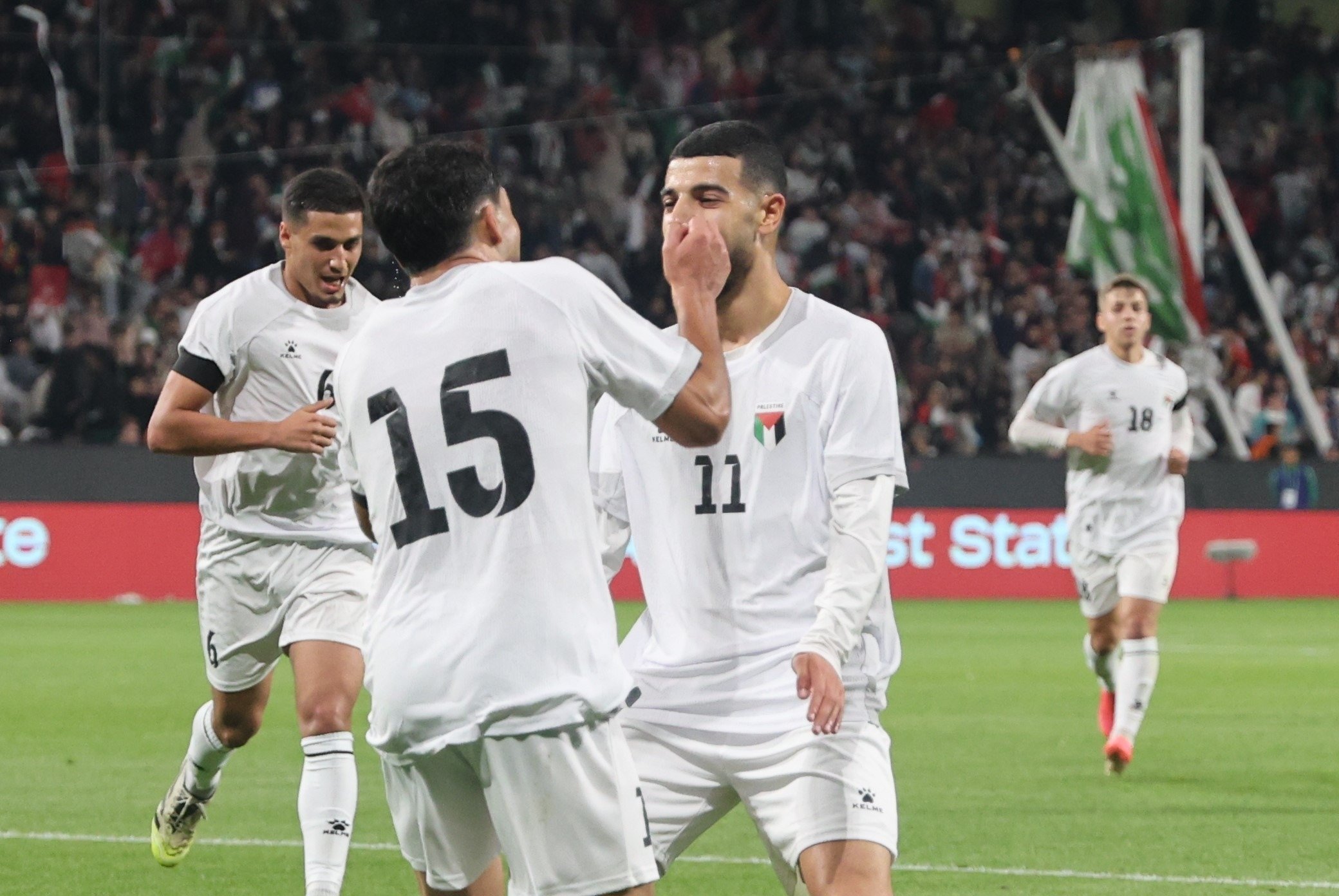
Mustafa Muhammed restored parity for Konyaspor in the 28th minute, leaving the teams level at halftime. Neither side could find a winner in the second half.
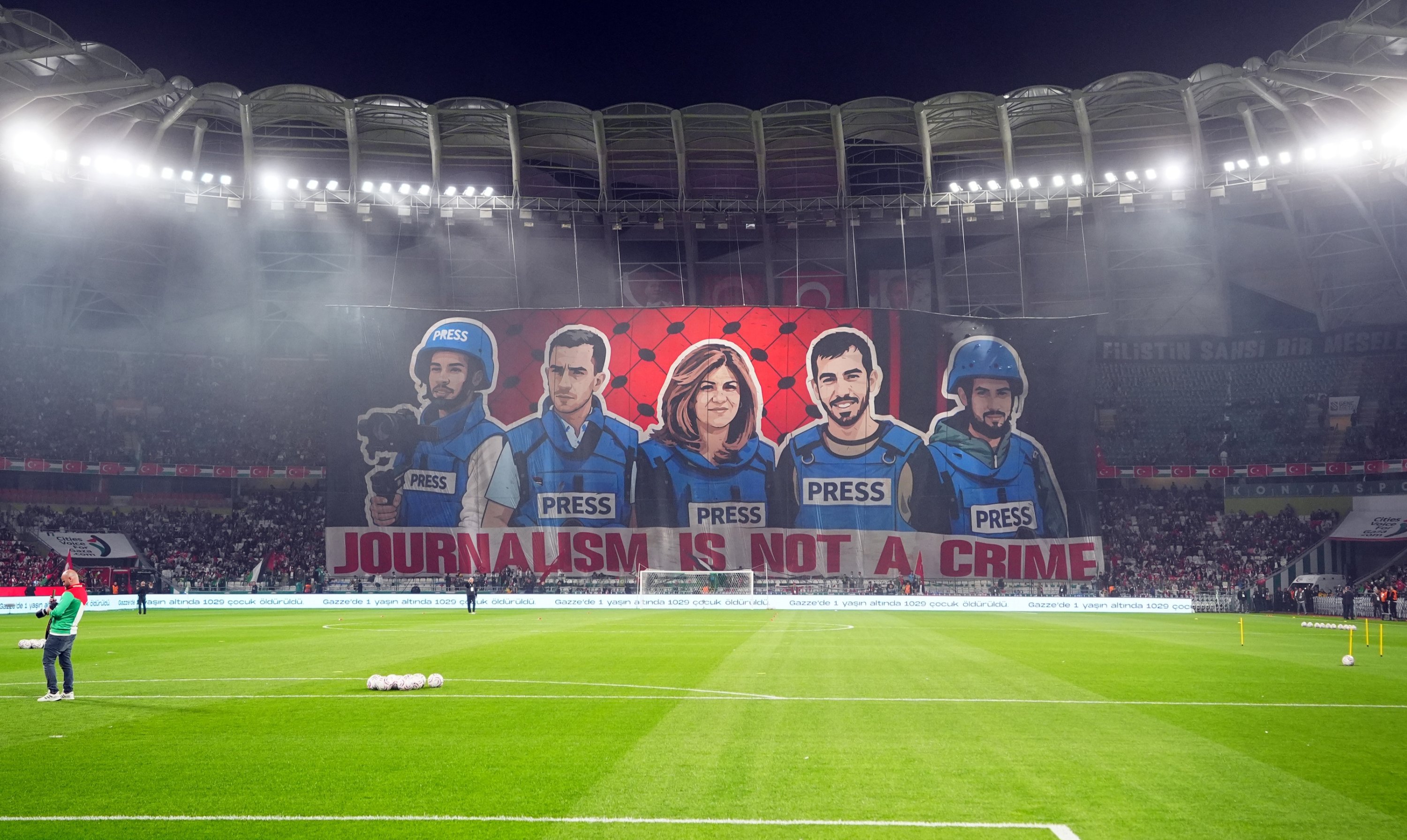
The match was interrupted around the 10th minute, when the stadium lights were turned off and a video showing the names of children killed in Israeli attacks since Oct. 7, 2023, was shown on the stadium screens.
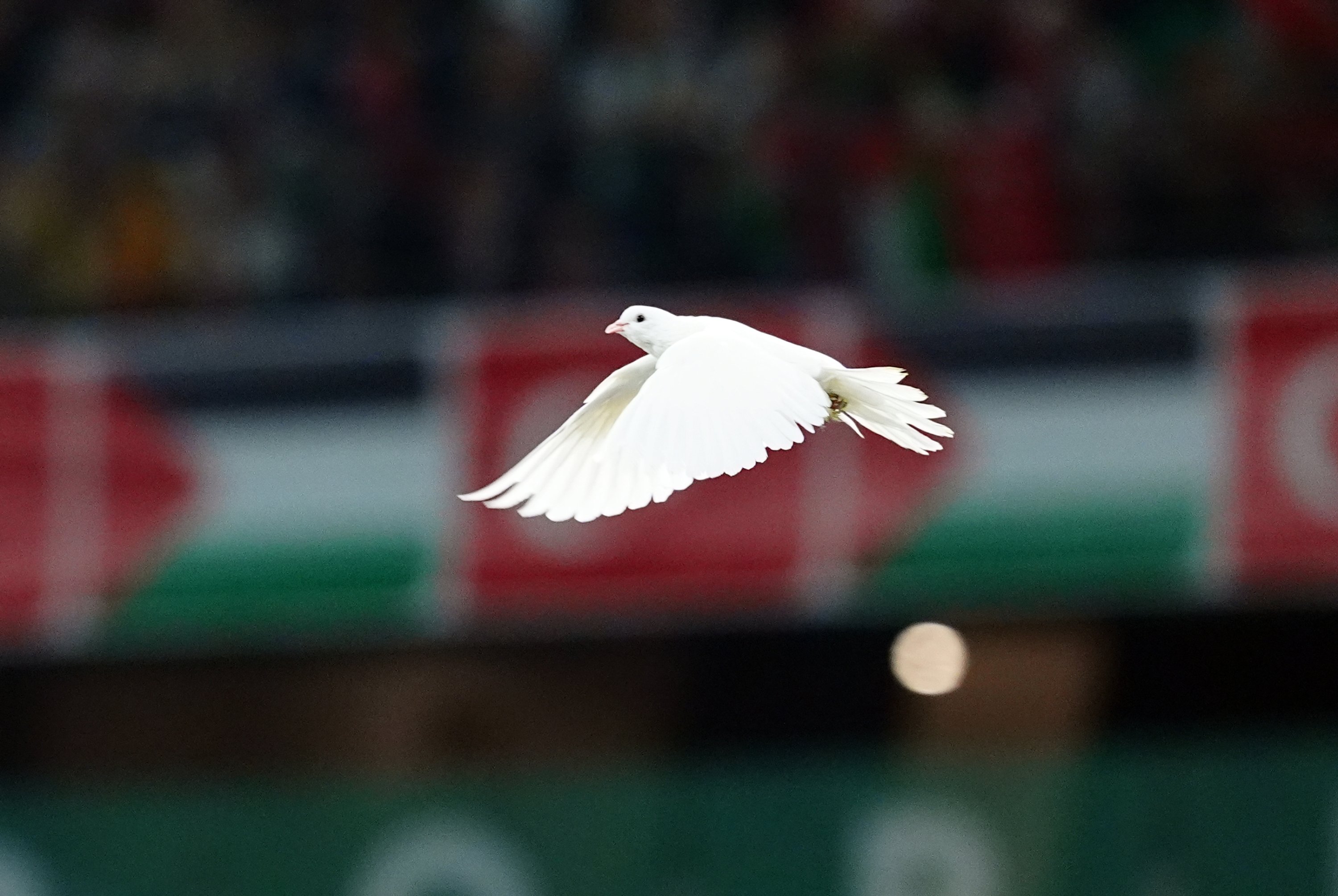
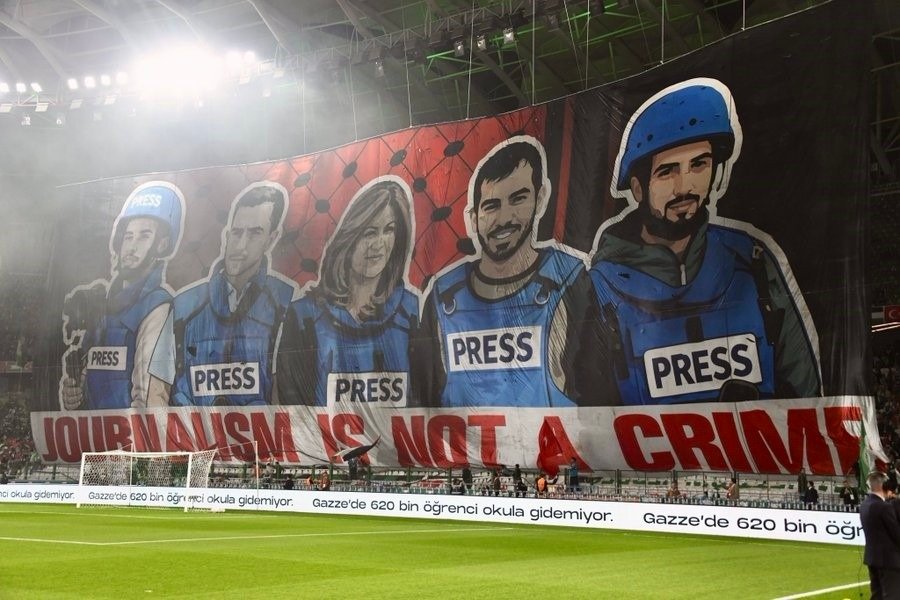
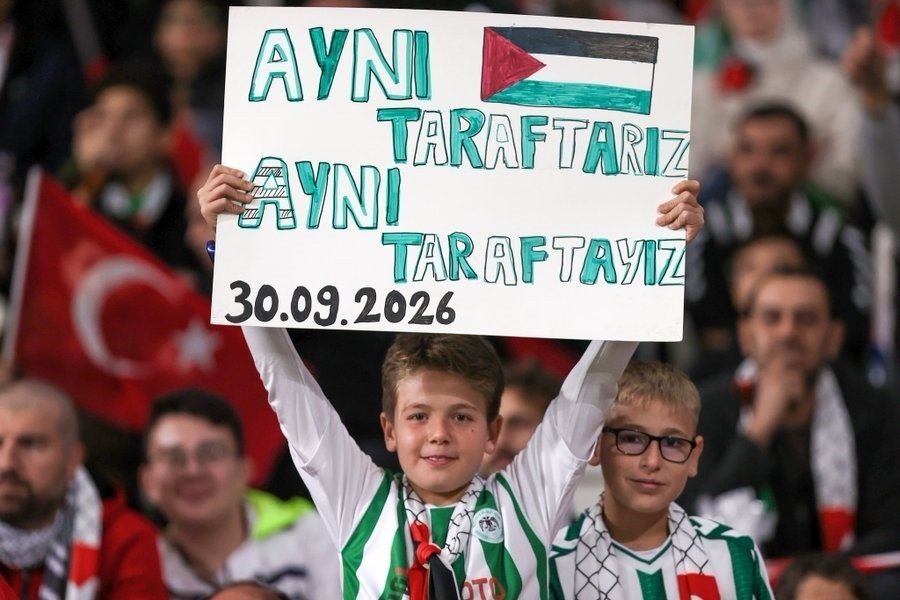
Fans applauded both teams and some threw stuffed toys onto the field during the tribute. The stadium also featured messages in Turkish and English expressing solidarity with Palestine and drawing attention to the humanitarian situation in Gaza.
Konyaspor supporters prepared a large choreography before kickoff that read, “When children are sleeping, be silent, not when they are dying.”
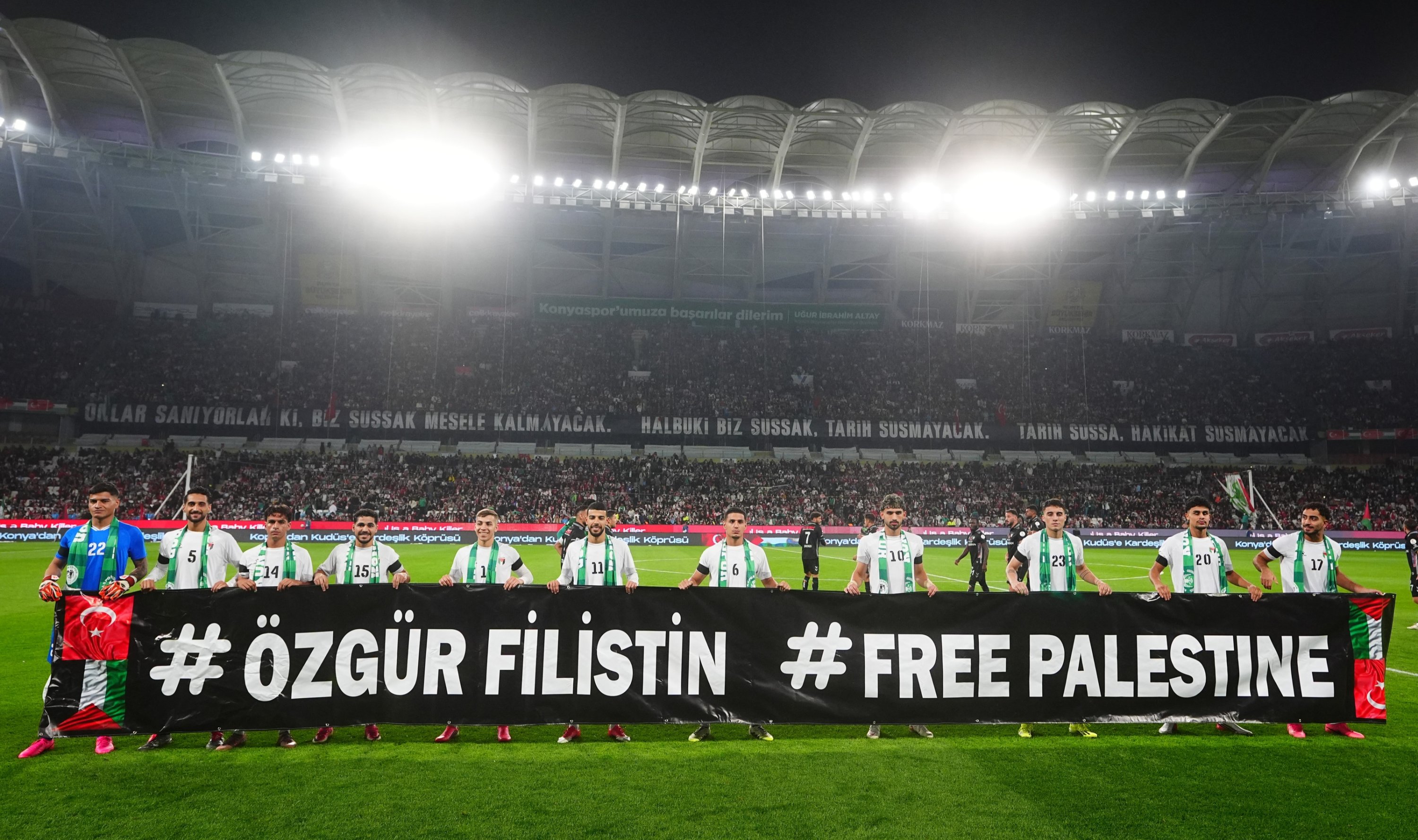
The match also included a tribute to members of the Palestinian sports community who, according to figures cited during the event, have been killed since the start of the conflict. At the 10-minute, 14-second mark, the stadium lights were again turned off as part of the commemoration.
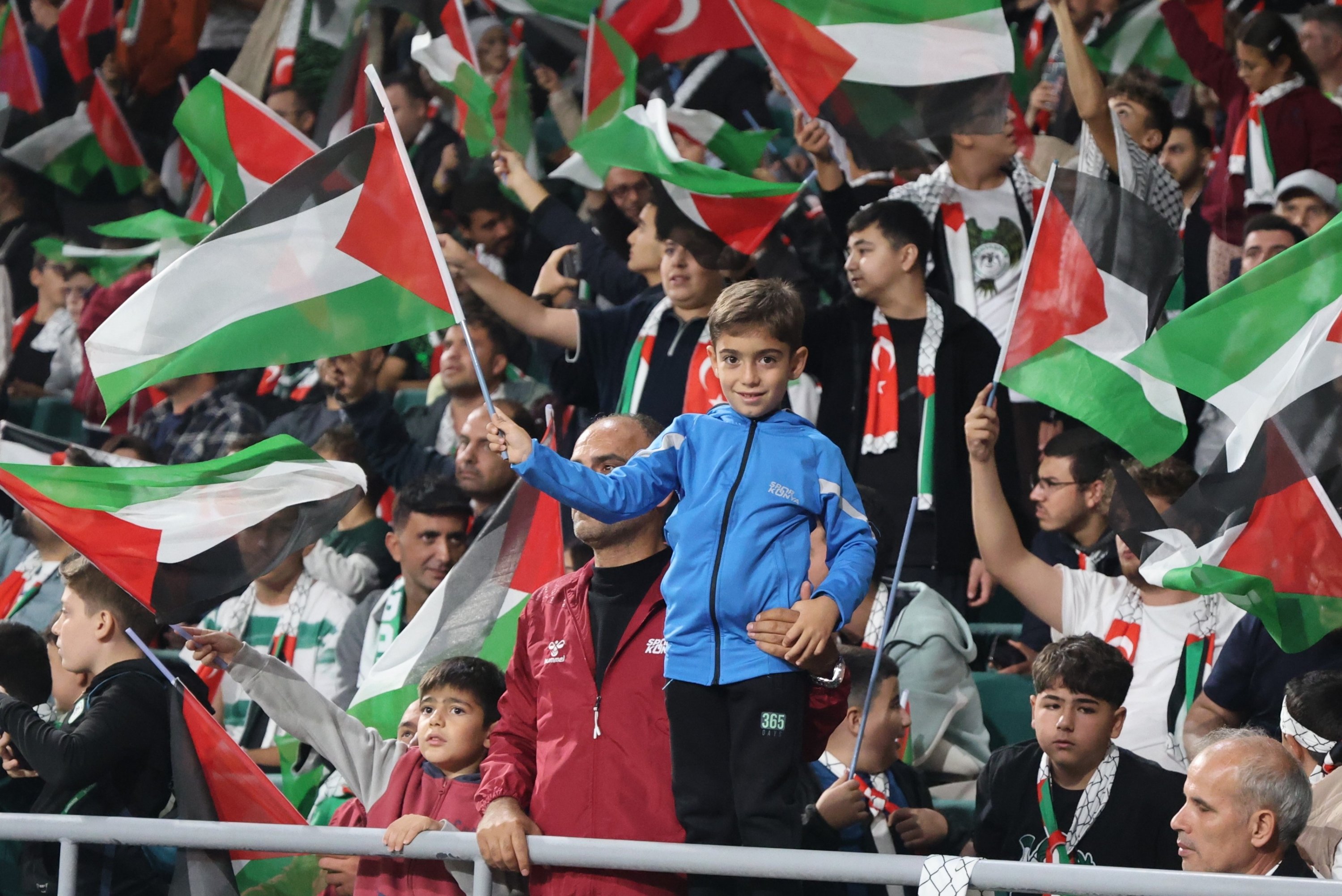
The most symbolic moment came at the end.
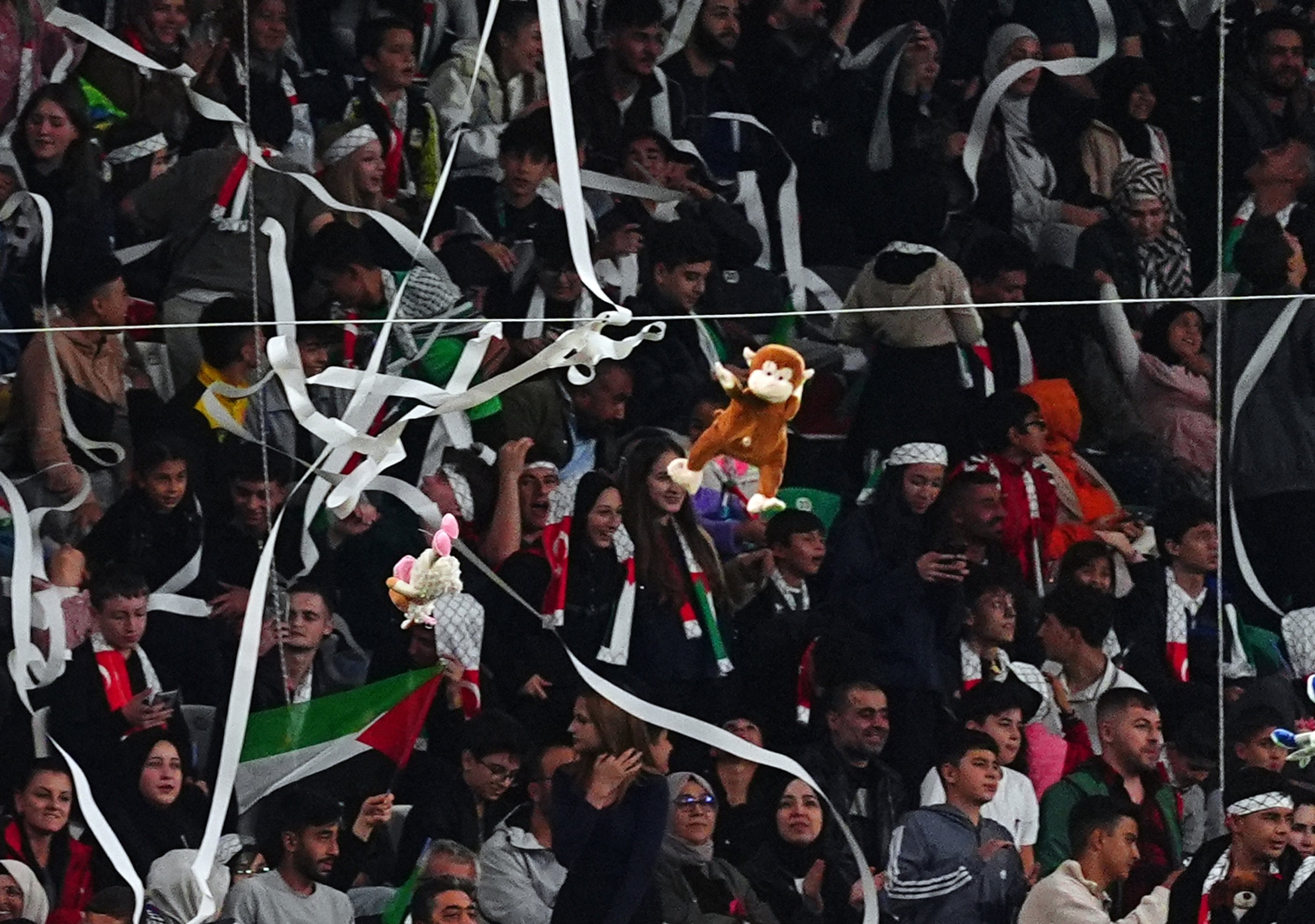
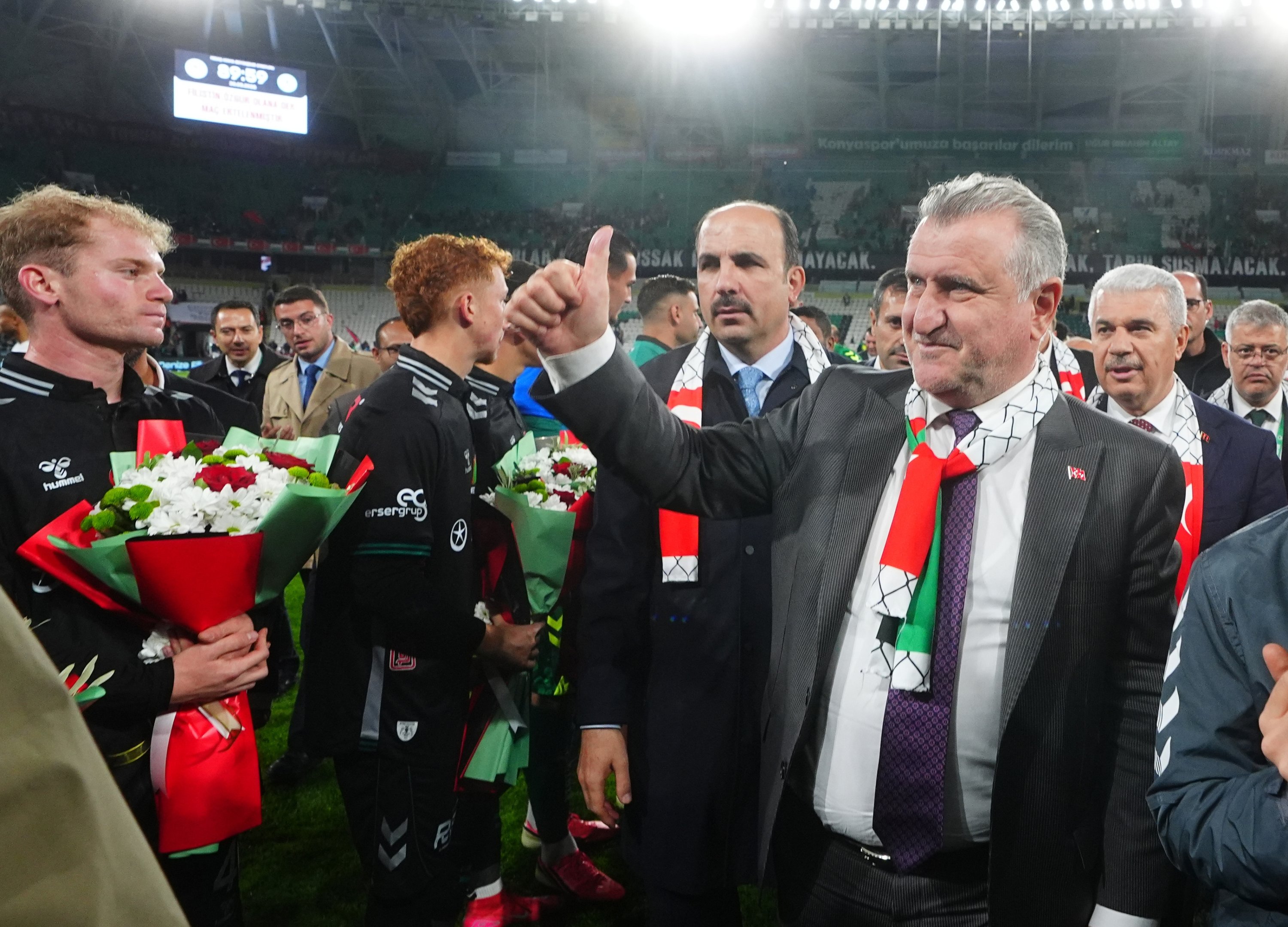
With the clock approaching the 90th minute, an announcement declared that the match was being ended at 89:59 as a reference to unfinished lives and hopes in Palestine.
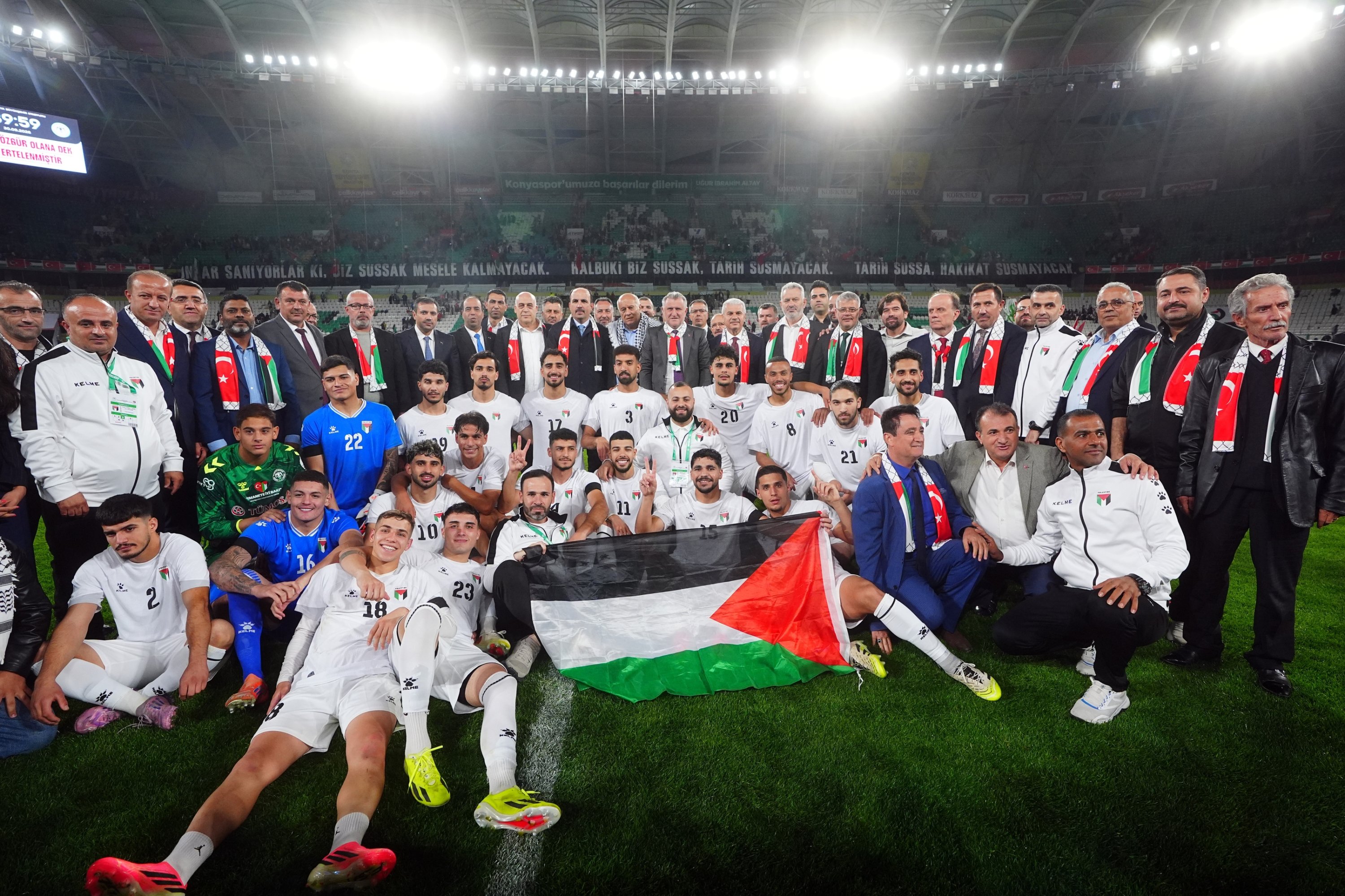
“Until Palestine is free, the match has been postponed,” the announcement said, explaining that the game would not complete its full 90 minutes as a reminder of lives, dreams and childhoods left unfinished.
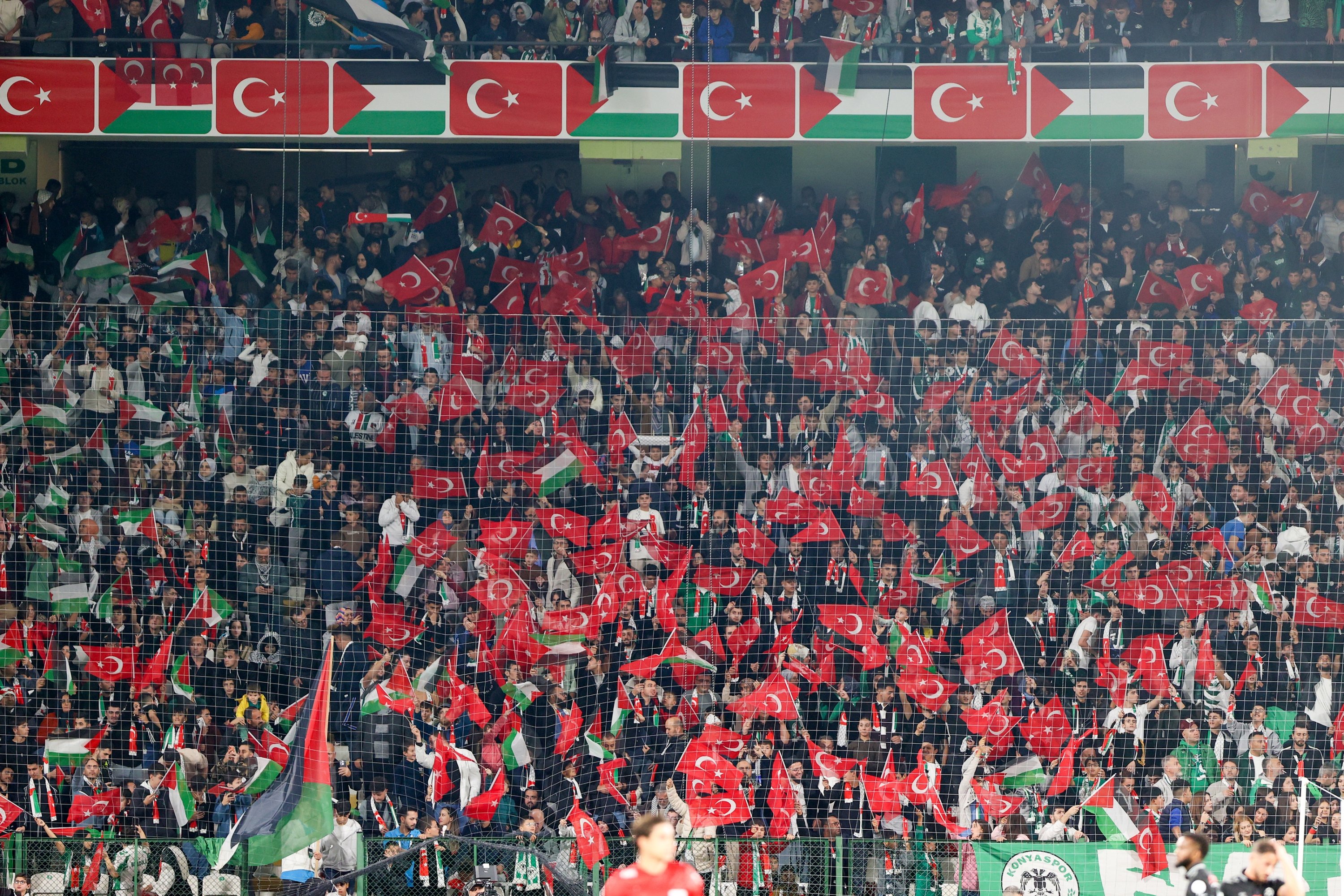
The final whistle brought an emotional response from the Palestinian players and the crowd.
Türkiye’s Youth and Sports Minister Osman Aşkın Bak, Konya Gov. Ibrahim Akın, Konya Mayor Uğur Ibrahim Altay and other officials met the Palestine players on the field and presented them with flowers. Some Palestinian players were visibly emotional as they received the reception.
Palestine coach Ibrahim Halil said the team experienced powerful emotions during the visit to Konya and expressed gratitude for the support shown by the Turkish public.
“The Palestine cause is for honorable people,” Halil said. “We will continue our struggle until Palestine gains its freedom.”
Halil also praised the atmosphere inside the stadium and said the reception in Konya had made the Palestinian delegation feel proud and welcomed.
Konyaspor coach İlhan Palut said the match represented much more than a football game and praised the Palestinian players for continuing to train, prepare for matches and pursue their sporting ambitions despite the circumstances facing their country.
“It is a great achievement for them to be able to function as a football team, train, prepare for matches and attend camps while living through this process,” Palut said.
Palut also highlighted the response of Konyaspor supporters when Palestine scored.
“The excitement that began with the development of the attack and the genuine celebration after the goal were, in my opinion, the most meaningful seconds of the day,” he said.
The match brought together a Konyaspor lineup featuring Bahadır Güngördü, Ahmet Oğuz, Rayyan Baniya, Chidozie Awaziem, Arif Boşluk, Melih İbrahimoğlu, Ömer Çobanoğlu, Deniz Türüç, Pedrinho Gonçalves, Louka Prip and Mustafa Muhammed.
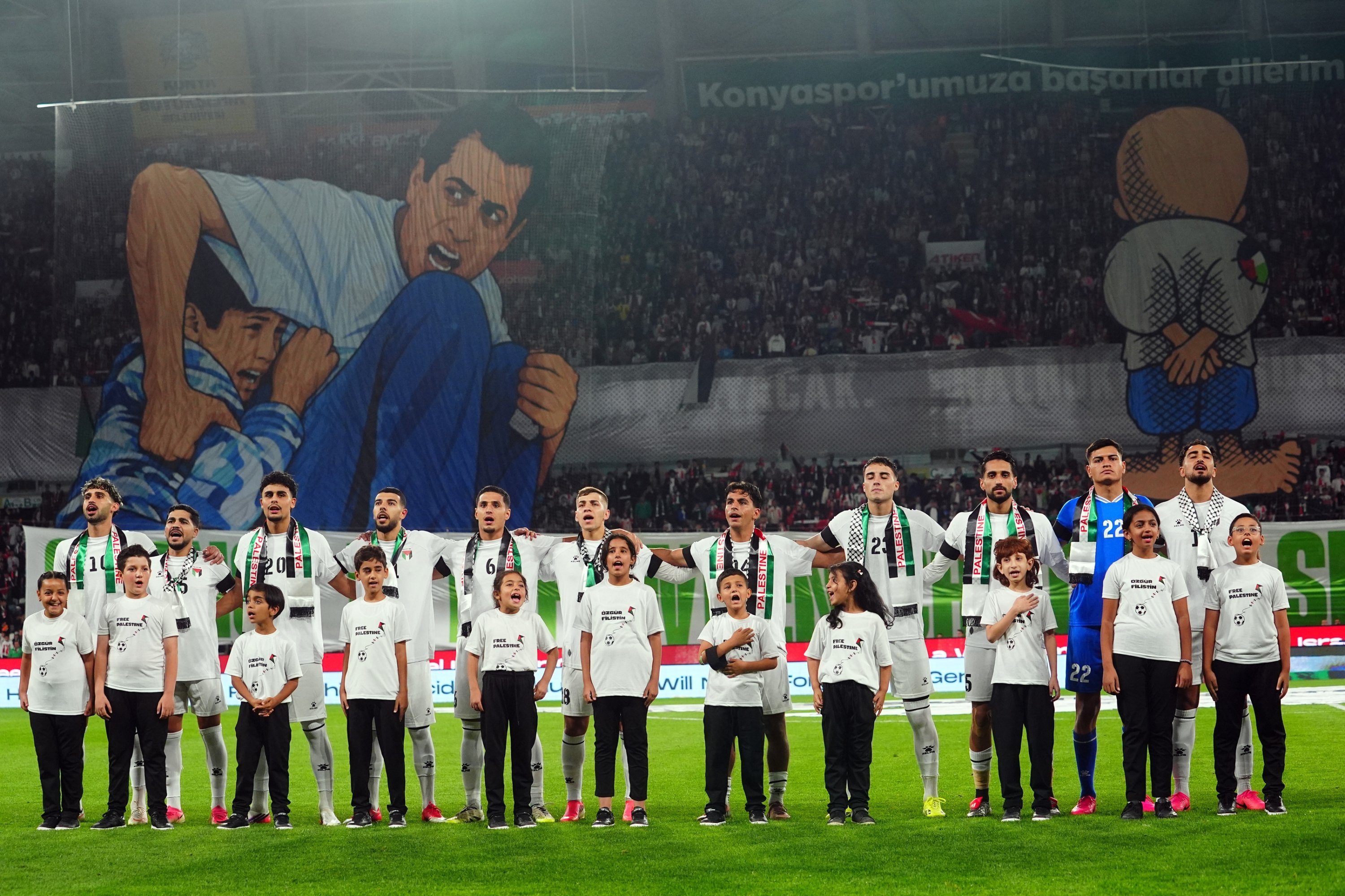
Palestine started with Martin Antonio Aras, Ali Rabei, Tareq Basem Mohammad Awawda, Omar Ali Tawfiq Badarneh, Mohammed Hasn Rajab Sandouqa, Samer Mustafa Ramdan Zubayda, Omar Mahmoud Araft Hasanan, Anas Khairaldin Mohammed Baniowda, Bakir Mahmoud, Tamer Amin Ibsais and Machur Ivan Yunes.
Presidential Communications Director Burhanettin Duran also described the match as an example of sport bringing people together around a shared sense of solidarity.
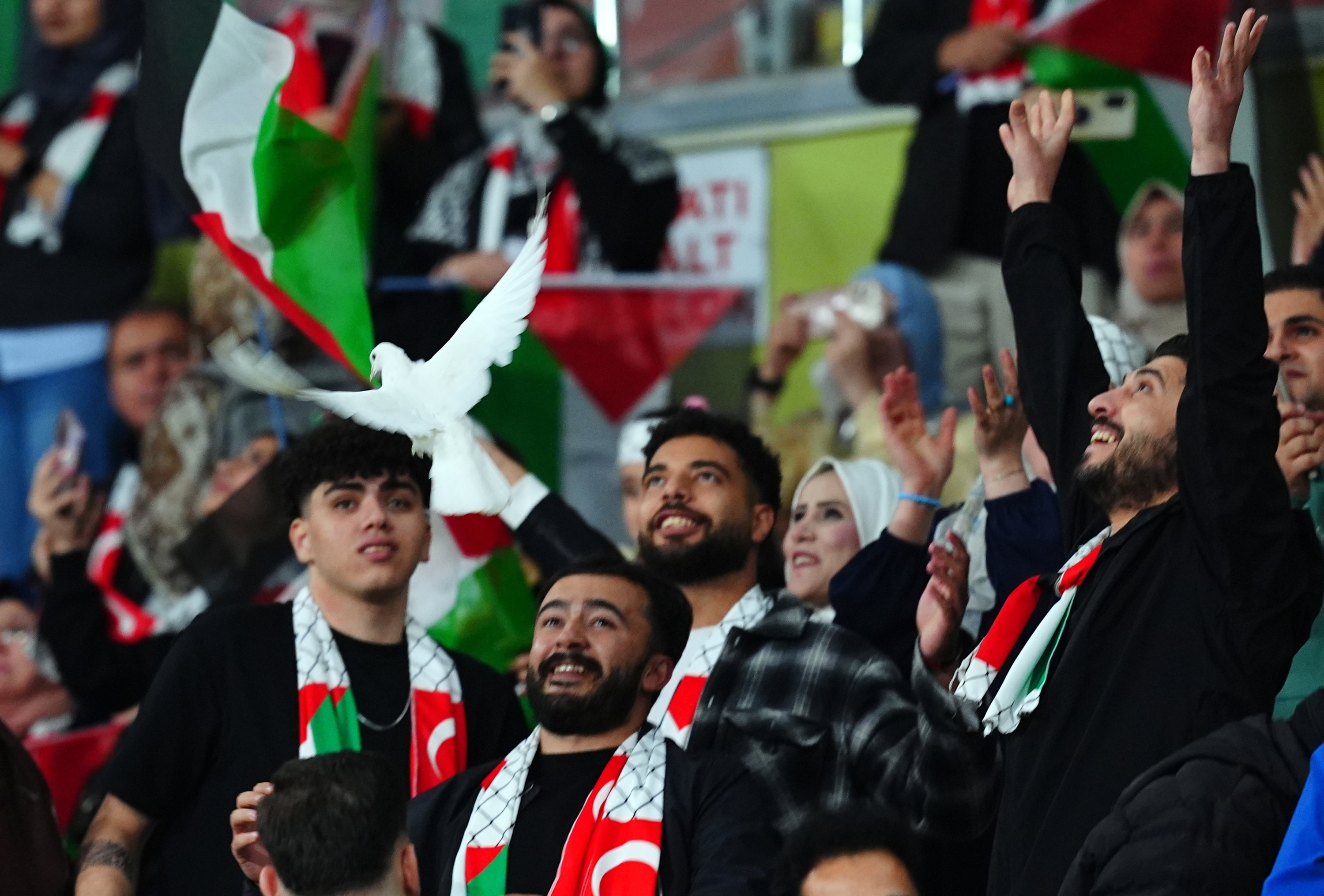
Duran said the event showed that the occasion in Konya was about more than football and that the gathering represented a gesture of friendship and support for the Palestinian people.
Türkiye will look to end a difficult start to their UEFA Nations League campaign when they face Belgium away on Friday in their third Group 1 match in League A.
The match at Maurice Dufrasne Stadium in Liege kicks off at 9:45 p.m. Türkiye time.
The other Group 1 match will see France host Italy in Paris at the same time.
France lead the group with six points after winning their opening two matches, while Belgium and Italy have three points each. Türkiye are bottom without a point after defeats to both France and Italy.
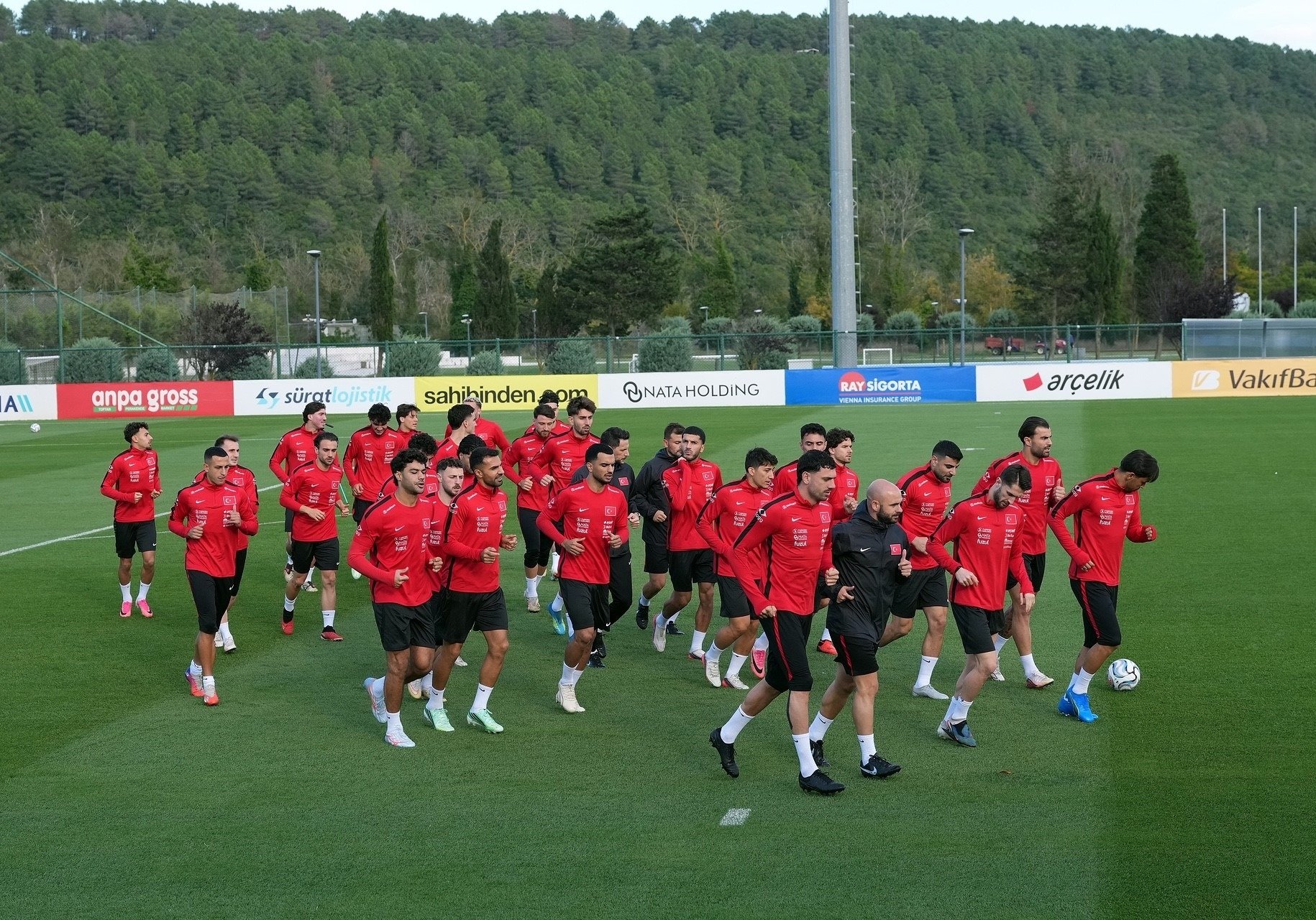
Türkiye opened their campaign with a 1-0 home loss to France in Kocaeli before suffering a 4-1 defeat against Italy in Bursa. Belgium started with a 2-0 away win over Italy but then fell 1-0 at home to France.
With the group beginning to take shape, Türkiye need a response in Liege to keep their hopes of remaining in League A on track. The Crescent-Stars were promoted from League C in the 2022-23 edition before competing in League B in 2024-25.
The team will then travel to face Italy on Oct. 5 in its fourth group match.
Kökçü out, Çakır back
Türkiye will be without Orkun Kökçü after the midfielder was removed from the squad because of a foot injury.
Kökçü experienced increased pain in his toe following the defeat to Italy in Bursa, prompting the decision to leave him out of the squad for the Belgium match.
Goalkeeper Uğurcan Çakır is available for selection after completing his suspension.
Çakır was sent off during Türkiye’s opening match against France and subsequently missed the defeat to Italy. His return provides Vincenzo Montella with another option in goal for a match in which Türkiye will be looking to shore up a defense that conceded five goals in its opening two games.
Abdülkerim Bardakcı and Ferdi Kadıoğlu are also expected to return to the starting lineup after the heavy defeat by Italy.
Real Madrid midfielder Arda Güler is again expected to be one of Türkiye’s main attacking outlets, while Barış Alper Yılmaz is set to continue in a central attacking role.
Van Bommel begins third match in charge
Belgium will play its third match under Mark van Bommel, who replaced Rudi Garcia as head coach in July following the World Cup.
Van Bommel has overseen one win and one defeat in his first two Nations League matches, including the 2-0 victory over Italy and the narrow loss to France.
Belgium have remained in League A throughout the Nations League era, with their best finish coming in the 2020-21 edition when they placed fourth.
The Red Devils have also enjoyed a relatively even historical record against Türkiye. The teams have met 11 times, with Belgium winning three, Türkiye winning three and five matches ending in draws.
Their most recent meetings came in qualifying for Euro 2012. Türkiye won 3-2 at home before the return match in Belgium ended in a 1-1 draw. Belgium have won only once in the teams’ last seven meetings.
Belgium will be without suspended attacker Diego Moreira, who picked up his second yellow card of the competition against France. Dodi Lukebakio is expected to benefit from his absence, while Kevin De Bruyne is in line for another start in an attacking role.
Romeo Lavia will be assessed after being forced off late against France, while goalkeeper Mike Penders also faces a late fitness test.
Belgium will also be without several notable players, including goalkeeper Thibaut Courtois and winger Jeremy Doku.
Turkish Süper Lig side Konyaspor and the Palestine national team played out a 2-2 draw in a solidarity friendly in Konya on Wednesday, as thousands of supporters filled the stands with messages backing Gaza and the Palestinian people.
The match was held at Konya Metropolitan Municipality Stadium under the motto “Our home is your home,” with green-and-white supporters turning the friendly into a show of solidarity with Palestine.
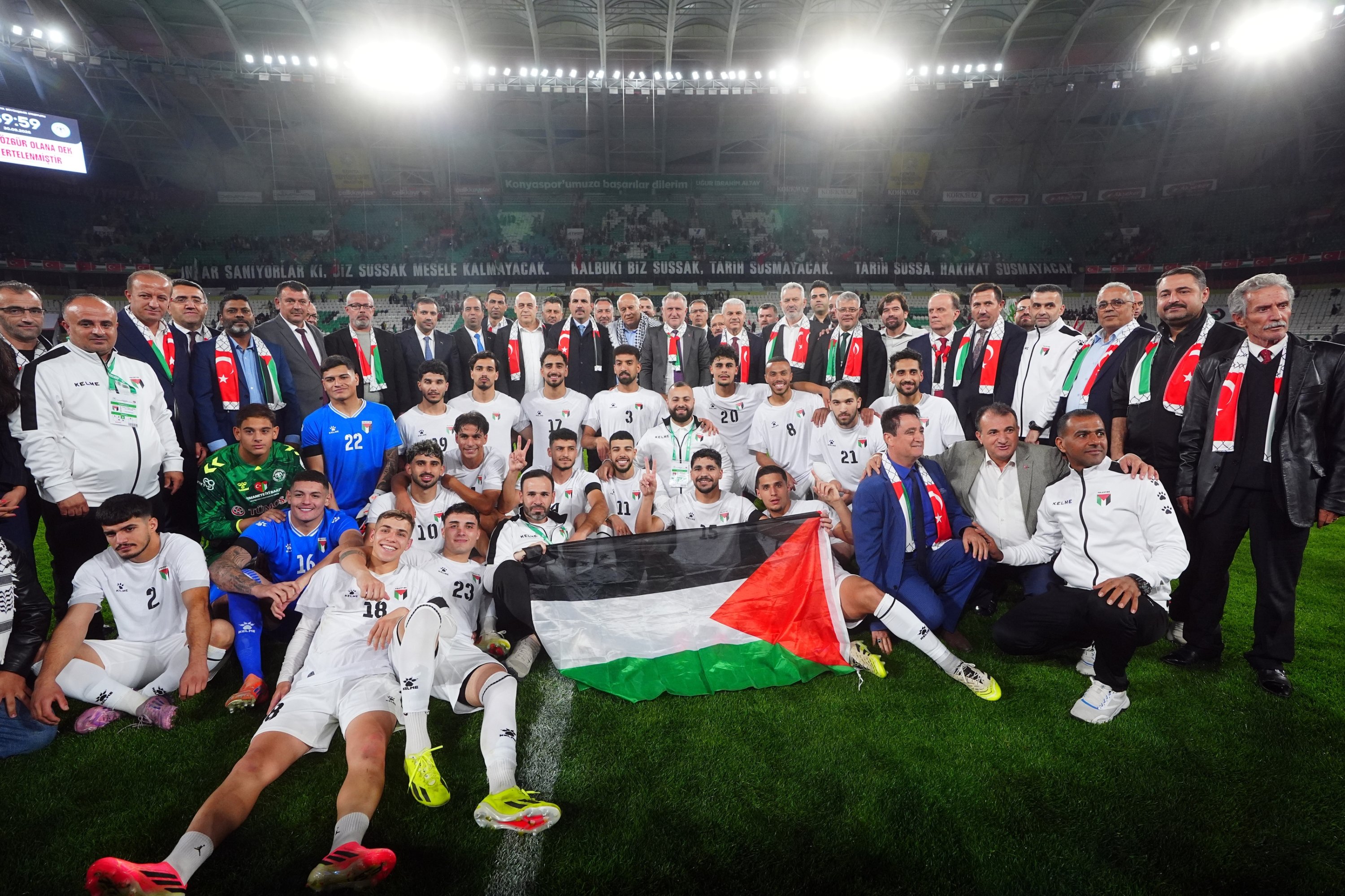
Konyaspor took an early lead through Melih Ibrahimoğlu in the second minute before Mohammed Hasn Rajab Sandouqa struck twice for Palestine in the 12th and 25th minutes.
Mustafa Muhammed equalized for the hosts in the 28th minute, with the score remaining 2-2.
Before kickoff, Konyaspor supporters unveiled a choreography reading: “You stay silent when children sleep, not when they die.”
Messages displayed around the stadium also highlighted the humanitarian situation in Gaza and expressed support for Palestinians while criticizing Israel’s genocidal conduct.
In the 10th minute and 14th second, the stadium lights were turned off in remembrance of the 1,014 members of the Palestinian sports community reported killed in Israeli attacks since Oct. 7, 2023. Confetti and toys were also thrown onto the field as part of the tribute.
The match was brought to an unusual conclusion at 89 minutes and 59 seconds with an announcement saying it had been “postponed until Palestine is free.”
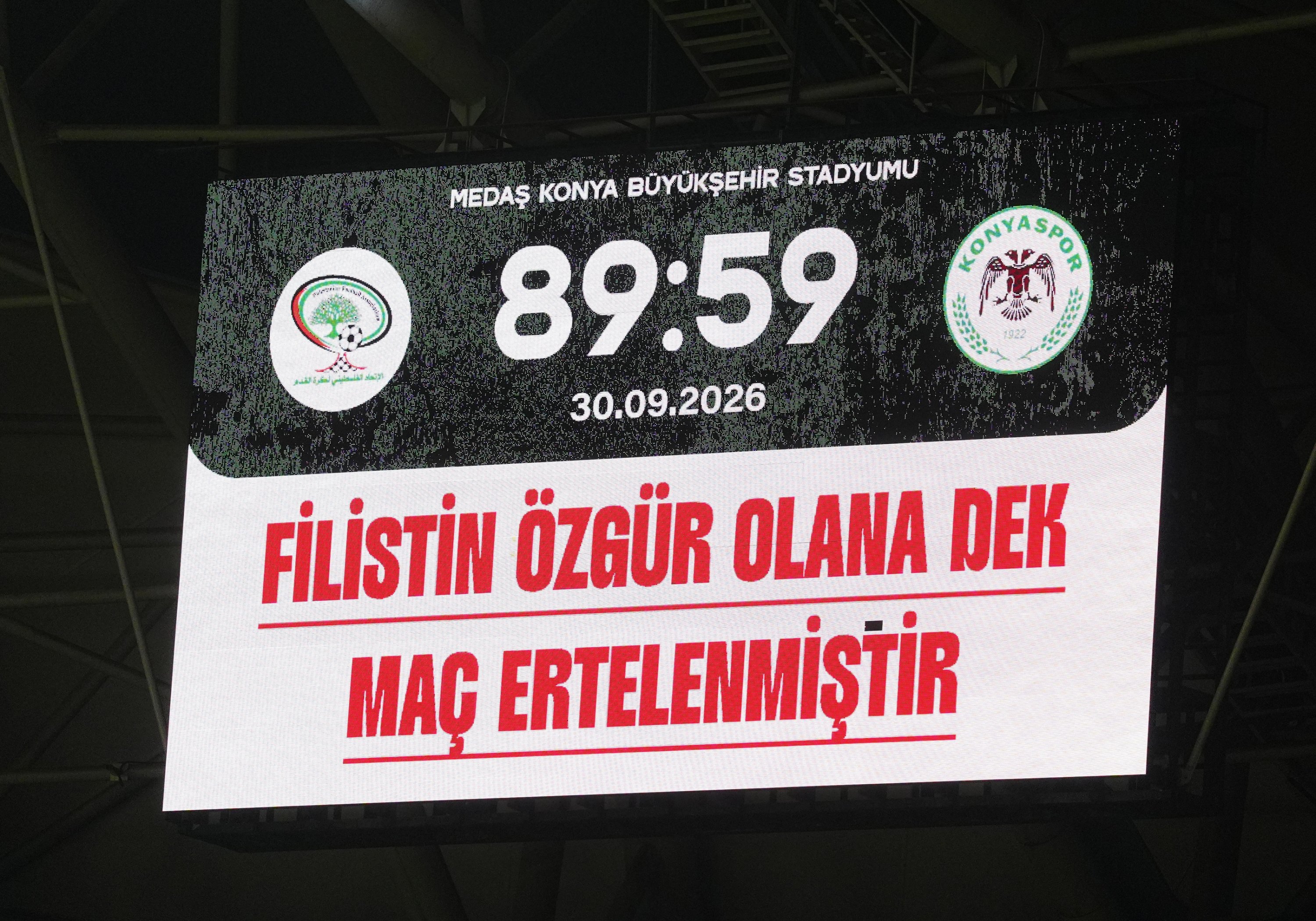
President Recep Tayyip Erdoğan hailed the match as a demonstration of the ties between Türkiye and Palestine, thanking supporters in Konya for their solidarity.
“The friendly match between Konyaspor and the Palestine national football team in Konya this evening has been an exceptional example demonstrating the brotherhood, solidarity and unity of hearts between our countries,” Erdoğan said in a social media post.
He also thanked the supporters who filled the 42,000-capacity stadium and said they had once again drawn international attention to what he described as the tragedy and genocide taking place in Gaza.
Erdoğan reiterated Ankara’s commitment to supporting Palestinians and advocating for their rights internationally.
“As Türkiye, we will continue to stand together with our Palestinian and Gazan brothers and sisters, defend their rights on international platforms and demonstrate our solidarity strongly,” he said.
The president also extended his greetings to the Palestinian players who traveled to Türkiye for the match and to the Palestinian people.
Following the game, Youth and Sports Minister Osman Aşkın Bak, Konya Governor Ibrahim Akın, Konya Metropolitan Municipality Mayor Uğur Ibrahim Altay and other officials presented flowers to members of the Palestinian national team.
People in Manchester expressed shock and disappointment over the scale of the financial breaches involving Manchester City, with some calling for the club to be relegated from the Premier League.
“It’s a shame for football. Football is such a great sport and we can’t have stories like that,” said Karem Fagega, a 21-year-old student, as he reacted to the findings against a club he described as having been “such a good team.”
An independent commission found that the Abu Dhabi-backed club used what it described as “sham” contracts with several commercial partners to artificially inflate its revenue and reduce costs by more than 900 million pounds ($1.2 billion) between 2009 and 2018.
During that period, City won the Premier League title three times, as well as one FA Cup and three League Cups.
“They do have the money to do everything right, but they decided to do everything wrong. So I was kind of shocked when I learned about it,” said Sabrina Lodi, a 33-year-old account manager, after the news broke Tuesday.
She said, however, that in her view, Manchester City “are not the only ones that do it from around the world,” but were “just the ones that got caught.”
For Connor Emery, a 25-year-old retail worker who supports City’s Premier League rivals Liverpool, the “damning” verdict came as a surprise.
“I can’t believe it, to be fair. I never thought the club would get in trouble for anything,” he said, adding that he had expected the scandal to be “brushed under the carpet.”
Asked about possible consequences for the club, some said they wanted relegation but expected City to avoid it.
British Sports Minister Lisa Nandy warned that “the ultimate sanction is very serious indeed” and that a club “can be expelled from the Premier League.”
“I personally think it should be a relegation,” said Corey, an 18-year-old student and fan of Manchester’s other club, United, adding that the outcome “depends on what the Premier League have in place.”
“I would want a relegation, probably a points deduction to get them relegated,” Emery said.
But he was skeptical that would happen, adding with a shrug, “It’s probably going to be a fine, let’s face it.”
In initial reactions from those close to the club, former City defender Micah Richards told The Rest Is Football podcast he was “absolutely devastated” by the revelations involving the club where he began playing at age 14.
“I feel saddened. I feel angry. I feel a little bit confused,” he added, citing a lack of information and conflicting accounts after City CEO Ferran Soriano described the verdict as a “Premier League conspiracy theory” and insisted the club would “be vindicated.”
Former Manchester United captain Roy Keane said that, if he were a City player, he would throw away all his medals.
“They knew it would hurt a lot of people, but they’ve still done it, and, if I was a player, I’d be 100 per cent sticking those medals in the bin,” he told ITV.
Türkiye’s Nations League campaign has reached a critical point after two defeats left the national team at the bottom of Group 1 in League A with no points, making its remaining four matches crucial to its hopes of avoiding relegation and potentially reaching the quarterfinals.
The Crescent Stars opened their first-ever campaign in the top tier of the UEFA Nations League with a 1-0 defeat to France before suffering a 4-1 loss to Italy.
Türkiye now faces Belgium away on Friday, Oct. 2, knowing that the two meetings with the Belgians could have a major impact on its hopes of staying in League A.
The match at Maurice Dufrasne Stadium in Liege kicks off at 9:45 p.m. Türkiye time.
Quarterfinal route remains open
Under the Nations League’s new format, the top two teams in each League A group advance directly to the quarterfinals. The team finishing fourth is relegated directly to League B, while the third-placed team enters a promotion-relegation playoff against a League B runner-up.
With four matches still to play, Türkiye can theoretically finish with 12 points if it wins every remaining game.
That would give the national team a strong chance of breaking into the top two, although its quarterfinal hopes also depend on results involving France and Italy.
If France and Italy take points off each other in their remaining meetings, Türkiye’s task becomes more manageable. In that scenario, winning at least three of its final four matches could potentially put the Crescent Stars into contention for a top-two finish.
The margin for error, however, is extremely small after the team’s winless opening.
Third place offers another route
A more attainable target is third place, which would give Türkiye a chance to remain in League A through the promotion-relegation playoffs.
The national team needs to start collecting points quickly, with six or seven points from its remaining matches potentially putting it in contention for third place depending on the other results.
Four points from the two Belgium matches, through one win and one draw, would provide an important boost. A draw against either France or Italy could then leave Türkiye with five points, potentially enough for third place depending on how the group develops.
The exact points total required will ultimately be determined by the results of the other teams.
Added importance
The two games against Belgium are particularly significant because they directly affect Türkiye’s battle at the bottom of the group.
Losing both matches would leave the Crescent Stars in serious danger of finishing fourth and being relegated directly to League B.
Winning one or both meetings, meanwhile, would give Türkiye a valuable opportunity to close the gap on its rivals while also improving its head-to-head position.
The first test comes Friday in Liege before Belgium travels to Türkiye for the return match in November.
Injury concerns
Türkiye’s preparations have also been affected by injury concerns.
Orkun Kökçü, who started against Italy, missed the latest training session because of increased pain in his toe.
Emirhan Topçu was also absent from training while dealing with an injury-related problem.
The national team is scheduled to continue preparations at 5 p.m. at the TFF Hasan Doğan National Teams Camp and Training Facilities in Riva.
Türkiye’s remaining Nations League schedule
Friday, Oct. 2
Belgium vs. Türkiye, 9:45 p.m.
France vs. Italy, 9:45 p.m.
Monday, Oct. 5
Italy vs. Türkiye, 9:45 p.m.
France vs. Belgium, 9:45 p.m.
Thursday, Nov. 12
Türkiye vs. Belgium, 8 p.m.
Italy vs. France, 10:45 p.m.
Sunday, Nov. 15
France vs. Türkiye, 10:45 p.m.
Belgium vs. Italy, 10:45 p.m.


-
 Sports2 days ago
Türkiye slip to 31st in FIFA rankings after Nations League defeats
-
 Politics3 days ago
Erdoğan, Subianto discuss expanding Türkiye-Indonesia cooperation
-
 Politics2 days ago
Iraq says talks underway for withdrawal of Turkish troops
-
 Economy3 days ago
Trump unveils $15B Iowa steel project in pre-election push
-
 Economy3 days ago
Erdoğan says Turkish capital market resilient, vows action in funds case
-
 Sports2 days ago
Manchester City stare down barrel after reported guilty verdict
-
 Economy2 days ago
Spain eyes ban on evictions until 2030 amid housing protest pressure
-
 Sports2 days ago
Turkish football refereeing rocked by probe as MHK chief detained