
Lifestyle
Finland’s Rovaniemi: Life under northern lights

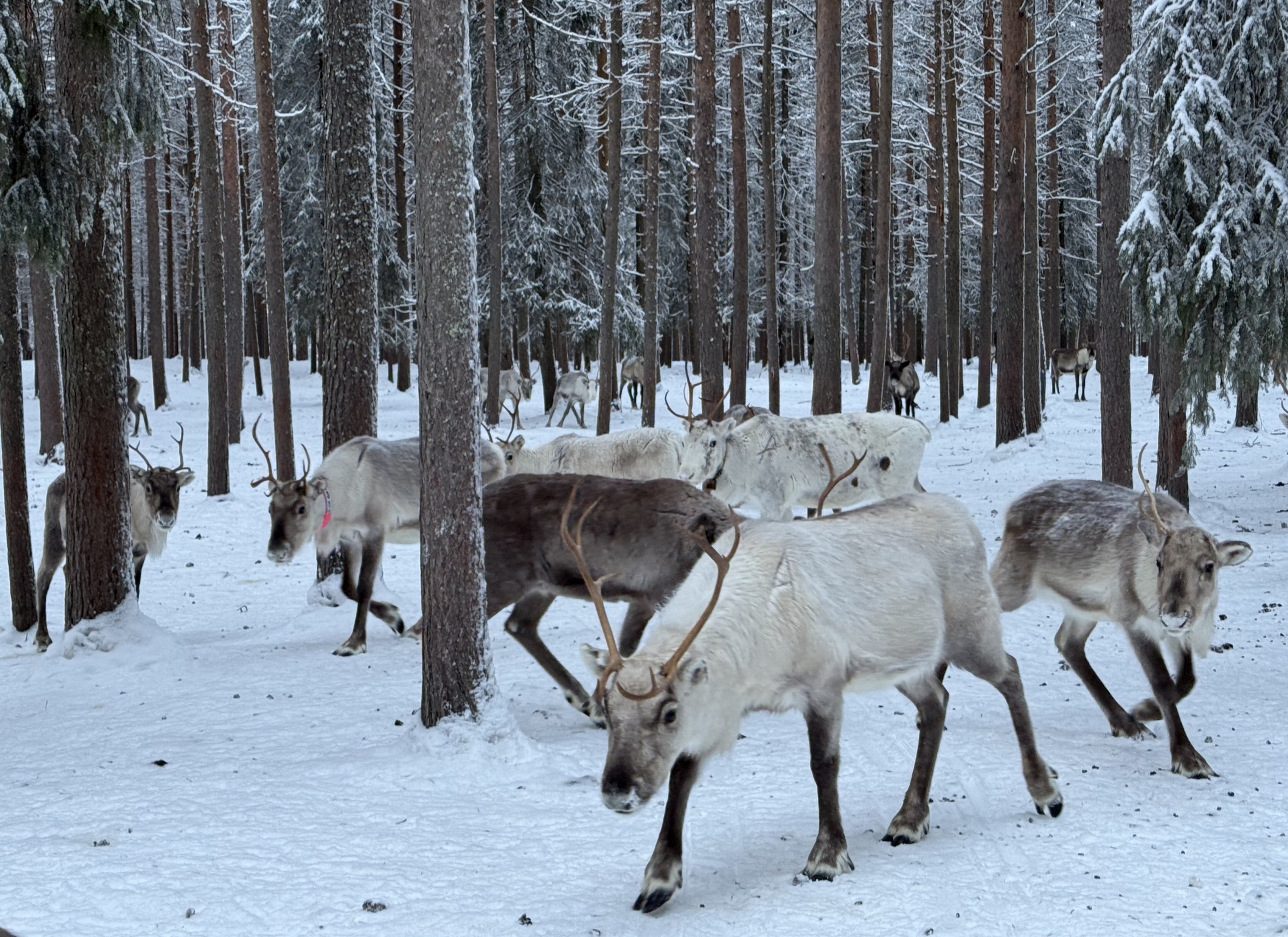
Rovaniemi, the capital of Finland’s Lapland region, is globally recognized as the official hometown of Santa Claus and sits right on the edge of the Arctic Circle. With a population of around 66,000, this northern city welcomes nearly 1 million visitors each year, drawn by its fairy-tale-like atmosphere and striking Arctic landscapes. Iconic attractions such as Santa Claus Village, the northern lights and the phenomenon of the midnight sun define its year-round appeal. Winter transforms Rovaniemi into an outdoor playground, offering experiences from snowmobiling and ice fishing to reindeer safaris under snow-covered forests.
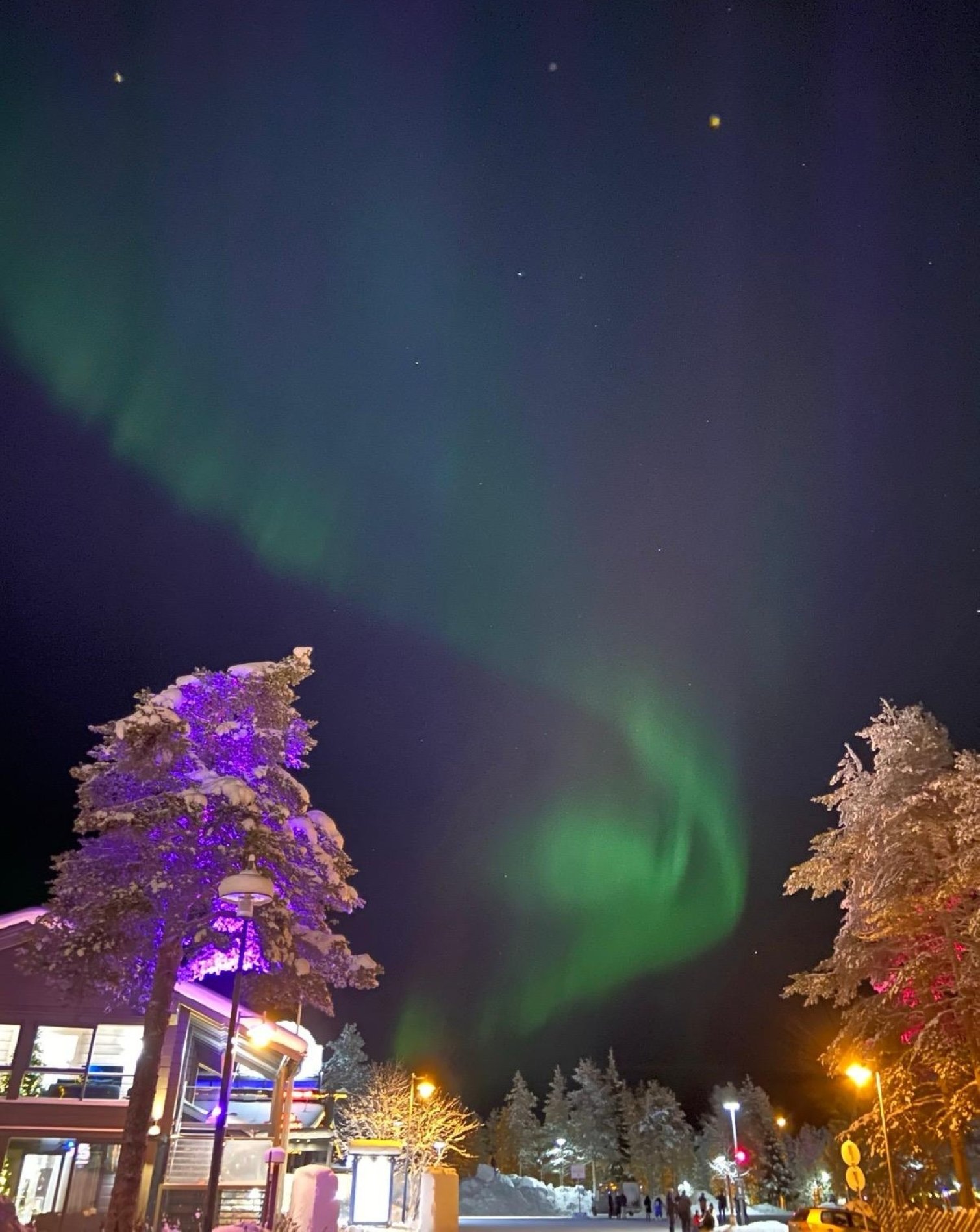
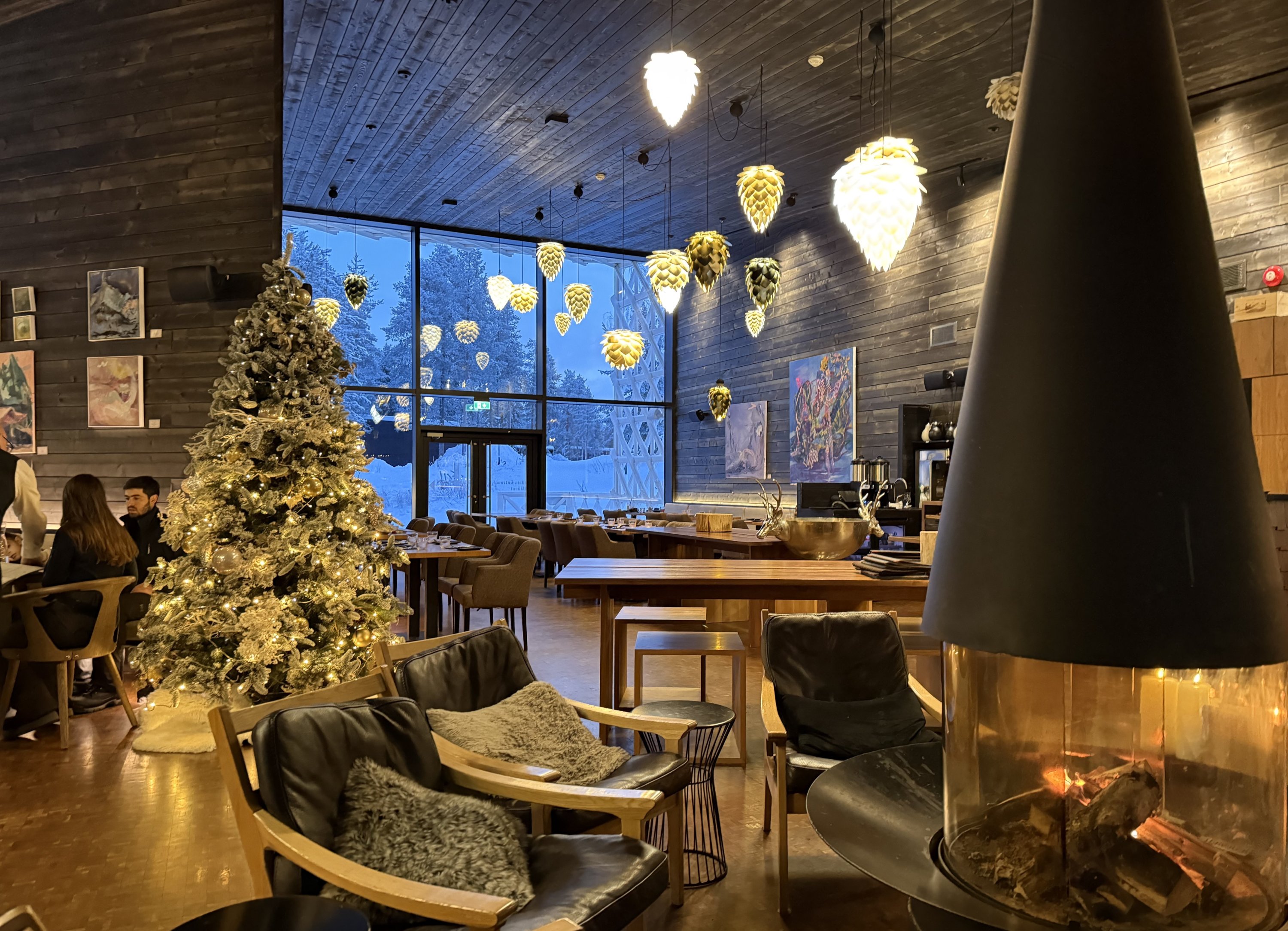
Despite its remote location and long, cold winters, the city’s distinctive Lappish culture and enduring sense of magic continue to captivate travelers from across the globe, firmly placing Rovaniemi on the map as one of the Arctic’s most compelling destinations. Discover the Arctic wilderness through an autumn hike in a pristine national park, where fiery foliage meets crisp northern air. Glide across snowy landscapes on a husky sled while chasing the shimmering ribbons of the northern lights. Fall asleep beneath a canopy of stars in a glass-roofed cabin, or gather around a crackling campfire at a remote wilderness hut to experience the surreal magic of the midnight sun, with Arctic fells glowing softly through the endless summer night.
Rovaniemi is also celebrated as the culinary capital of the North. Local cuisine is deeply rooted in nature, featuring delicacies such as flame-grilled whitefish and sauteed reindeer, delicately seasoned with wild herbs and forest mushrooms, and complemented by intensely sweet berries ripened under the midnight sun.
For families, Rovaniemi offers an impressive range of activities. From ski adventures at Ounasvaara Ski Resort to playful moments at Angry Birds Park, there is something for every age. At the Arktikum, visitors are taken on a captivating journey through Arctic history, science and exploration. And of course, no visit to Lapland is complete without fulfilling a childhood dream; meeting the region’s most famous resident, Santa Claus himself.
There are four weekly direct round trip flights from Istanbul to Rovaniemi operated by Turkish Airlines, flying on Tuesdays, Wednesdays, Saturdays and Sundays. The journey takes approximately four hours on flight TK1749. Rovaniemi is one hour behind Istanbul. Upon arrival, the airport is conveniently located at just a 10-minute taxi or Uber ride from the igloo accommodations, making transfers quick and effortless.
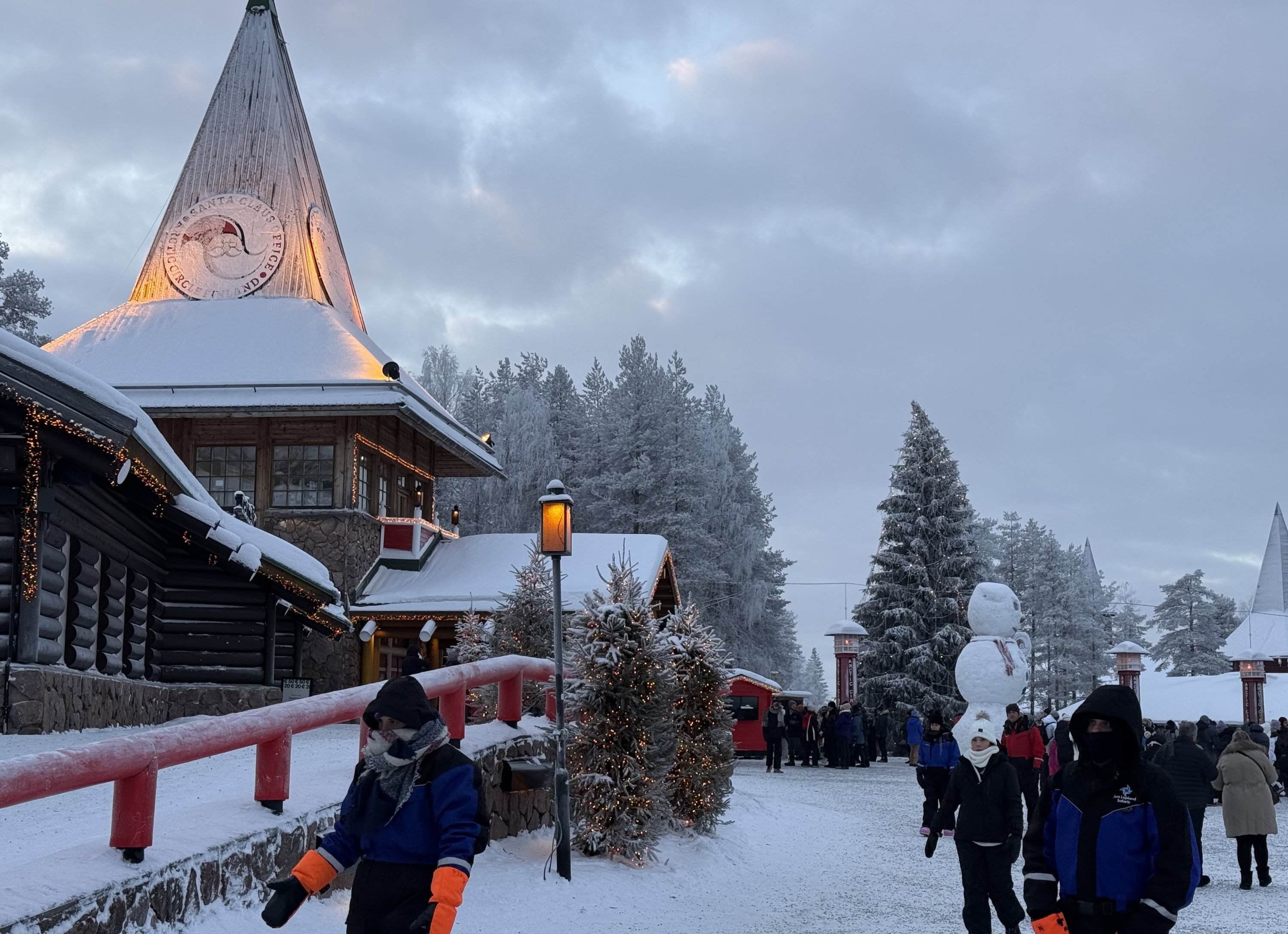
On the drive from the airport to the city center, a cluster of colorful, glowing lights emerges from the endless, snow-white landscape. This magical sight turns out to be Santa Claus Village, open 365 days a year. The following morning, Santa Claus Village naturally becomes the first stop, a place where the spirit of Christmas comes alive regardless of the season.
Santa Claus Village
Enjoyable for both children and adults, Santa Claus Village is filled with excitement even when temperatures plunge to minus 25 degrees Celsius (minus 13 degrees Fahrenheit). Inside, Santa Claus welcomes visitors in his own office, while nearby cafes offer steaming cups of hot chocolate. The village is also home to charming souvenir shops featuring gifts from Rovaniemi and across Finland, as well as the iconic Santa Claus Post Office, where letters are sent to all corners of the world.
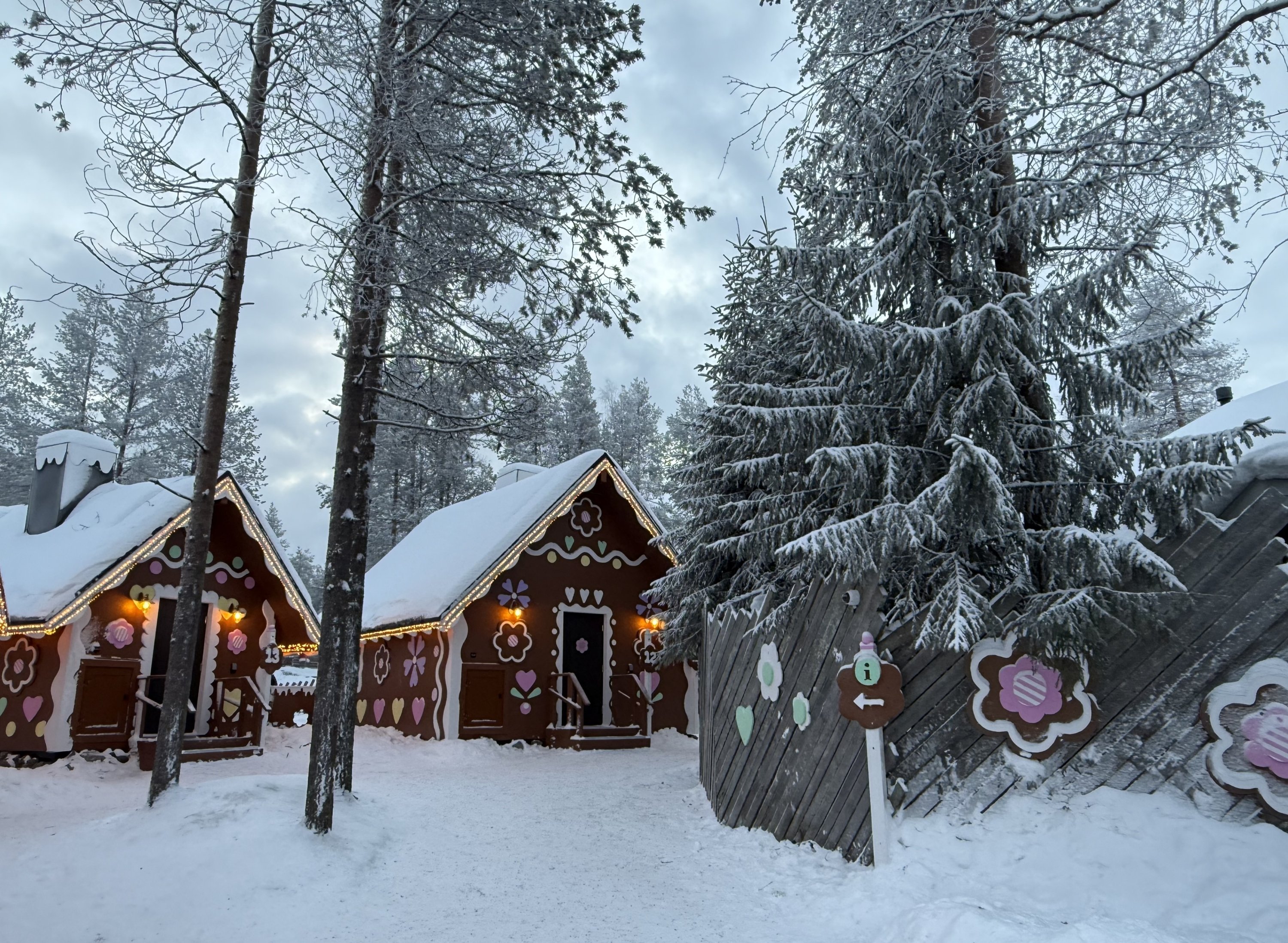
Beyond the main square, visitors can explore the reindeer forest, meet and feed huskies, or stroll through the whimsical Gingerbread Village. With so much to see and experience, it is nearly impossible to take in Santa Claus Village in a single day. Planning your visit over several days is highly recommended.
Santa Park
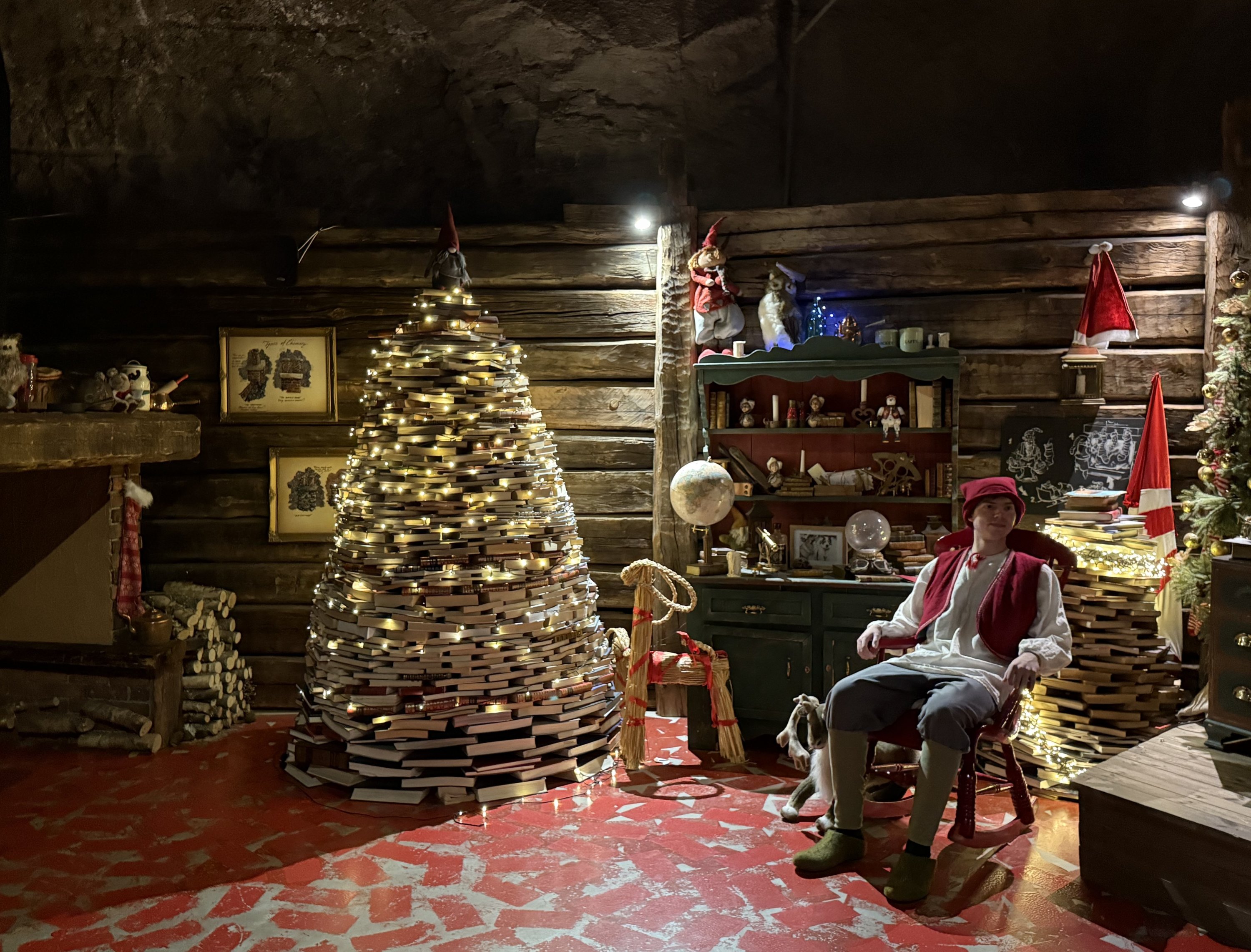
With the aim of bringing Santa Claus closer to visitors of all ages, Santa and his elves envisioned a hidden world beneath the Arctic ground, a magical cavern where guests could meet Santa, join his joyful helpers and explore a glittering underground kingdom. From this enchanting idea emerged SantaPark Arctic World, also known as the Home Cavern of Santa Claus.
From these fairy-tale origins, the SantaPark Arctic World family continued to expand, with each attraction offering its own unique sense of wonder. Together, they form a living mosaic of childhood dreams, cherished family traditions, and the delightful rediscovery of the inner elf within us all.
Opening its doors in November and welcoming visitors until mid-January, SantaPark operates daily from 10 a.m. to 6 p.m. While Arctic temperatures plunge above ground, this underground realm offers a warm and festive refuge. Guests can browse charming boutiques, meet Santa’s elves, enjoy live performances and even share a heartfelt conversation with Santa himself, making SantaPark a truly magical winter experience for every generation.
Sieriporo reindeer farm
Owned by Ari Maununniemi and his family for more than 300 years, this historic family farm is set on the shores of the picturesque Sierijarvi Lake, just 15 kilometers from the center of Rovaniemi. It is rare to encounter a family that radiates such genuine happiness, health and harmony, especially while continuing a traditional farming life under Arctic conditions.
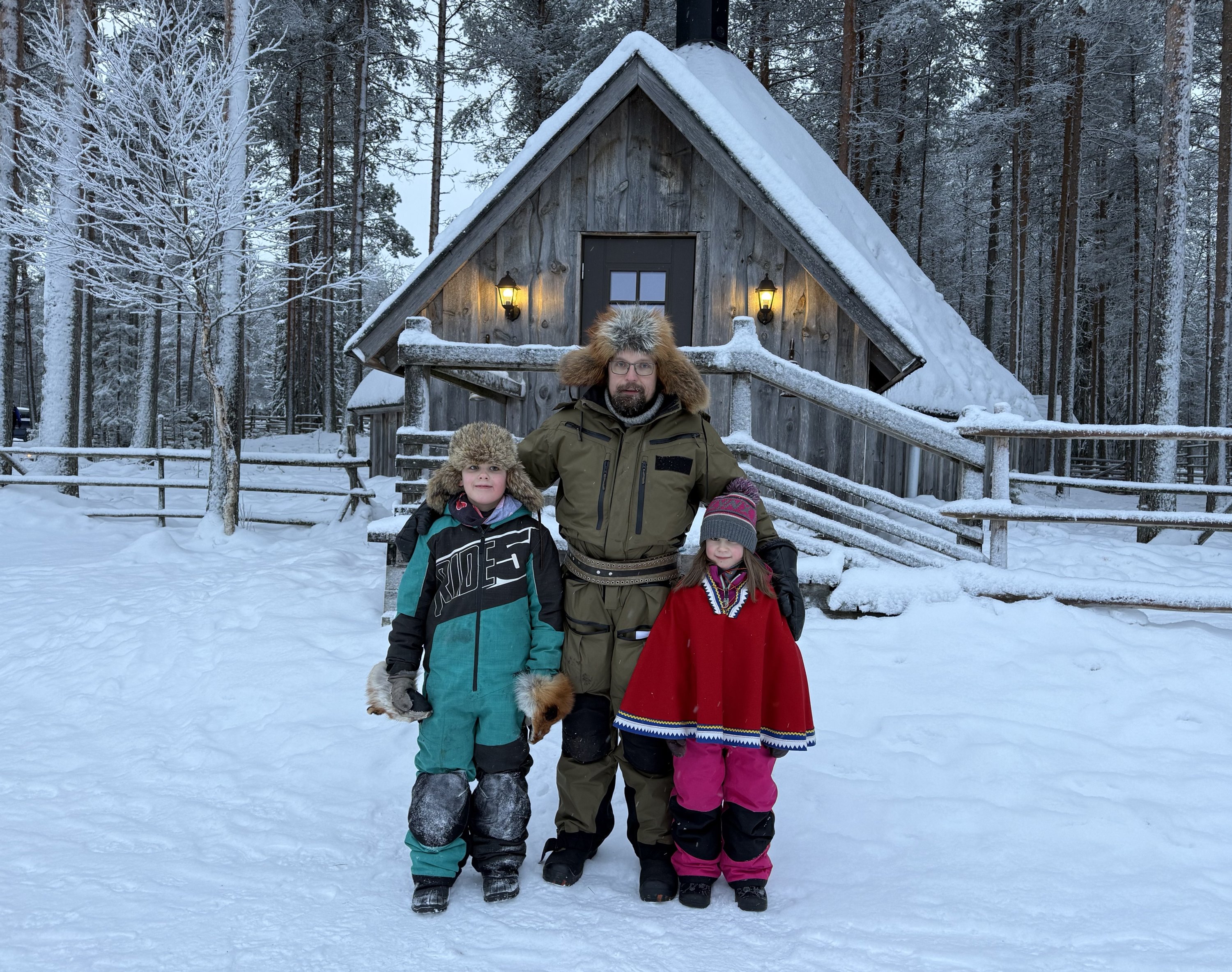
Despite the extreme cold, the family still lives close to nature, practicing reindeer herding and farm life as their ancestors did. Today, they warmly open their world to visitors through intimate farm tours lasting approximately 1.5 hours. These experiences offer the chance to sit down with the family, hear their stories firsthand and gain a deeper understanding of life in Lapland.
Guests can meet reindeer up close, warm up inside the family’s cozy home with homemade hot berry tea and purchase authentic products crafted from reindeer, making the visit not just an excursion but a heartfelt cultural exchange rooted in tradition and authenticity.
Top 3 places to stay
Arctic TreeHouse Hotel
Arctic TreeHouse Hotel in Rovaniemi offers 60 individually designed, romantic treehouse-style accommodations, including three Arctic Scene Executive Suites and five Arctic GlassHouse Suites, each providing a deeply immersive Arctic escape.
From the comfort of your bed, framed by floor-to-ceiling windows, it is possible to witness breathtaking views of snow falling softly through the forest and, on clear nights, the mesmerizing dance of the northern lights.
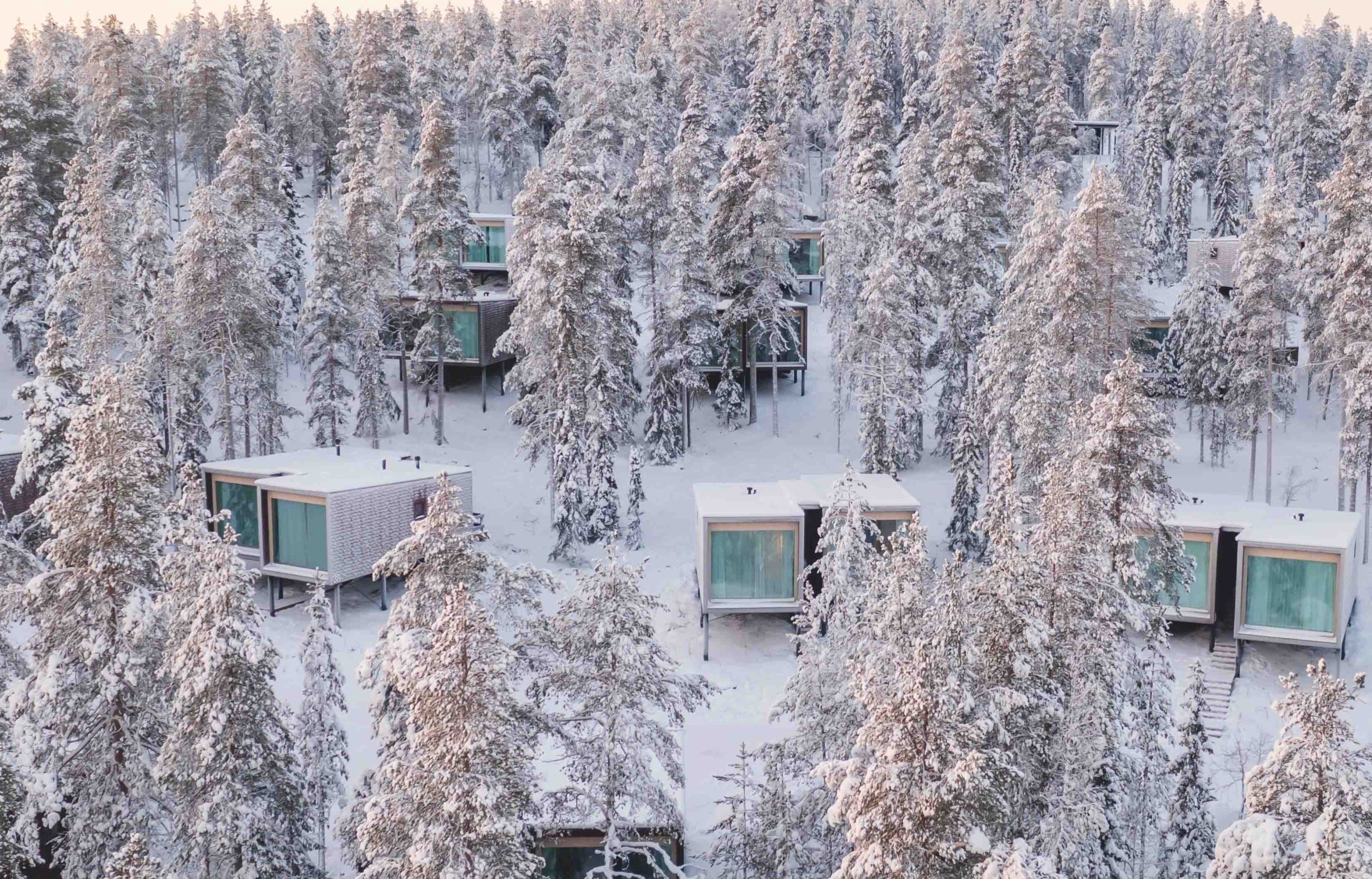
With impeccable service quality and a dedicated team that pays attention to every detail, this exceptional hotel earns a perfect score in every aspect. Whether you are planning a romantic getaway or a peaceful family retreat surrounded by nature, Arctic TreeHouse Hotel stands out as one of Lapland’s most rewarding addresses.
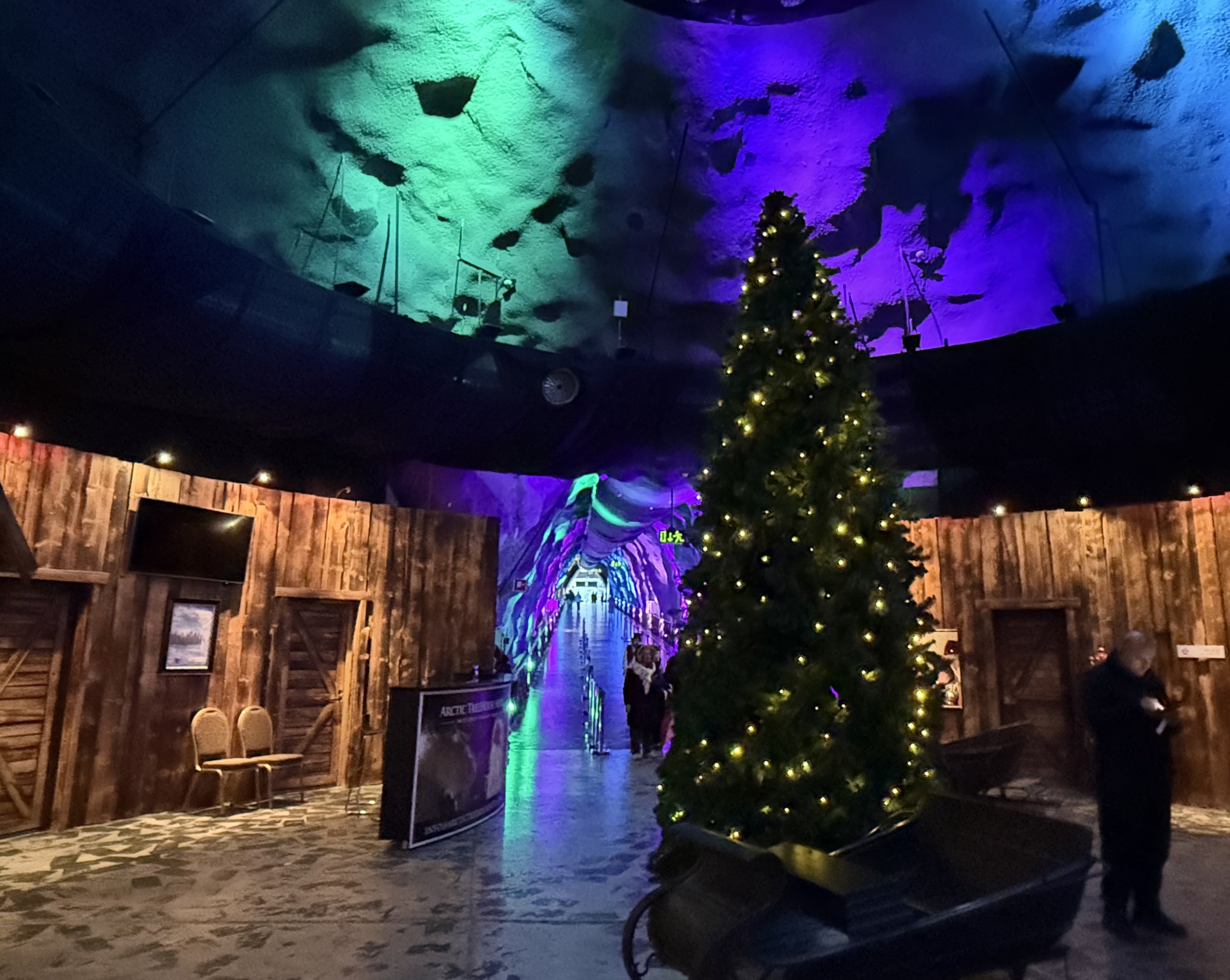
Aino Private Island Hotel
Aino Private Island, formerly known as Vartiosaari, has held a strategic place in history since 1712 as a guardian of Rovaniemi. During the Winter War and the Continuation War, the island served as a vital base for Finland’s long-range patrols, a legacy commemorated by a monument erected in 1991.
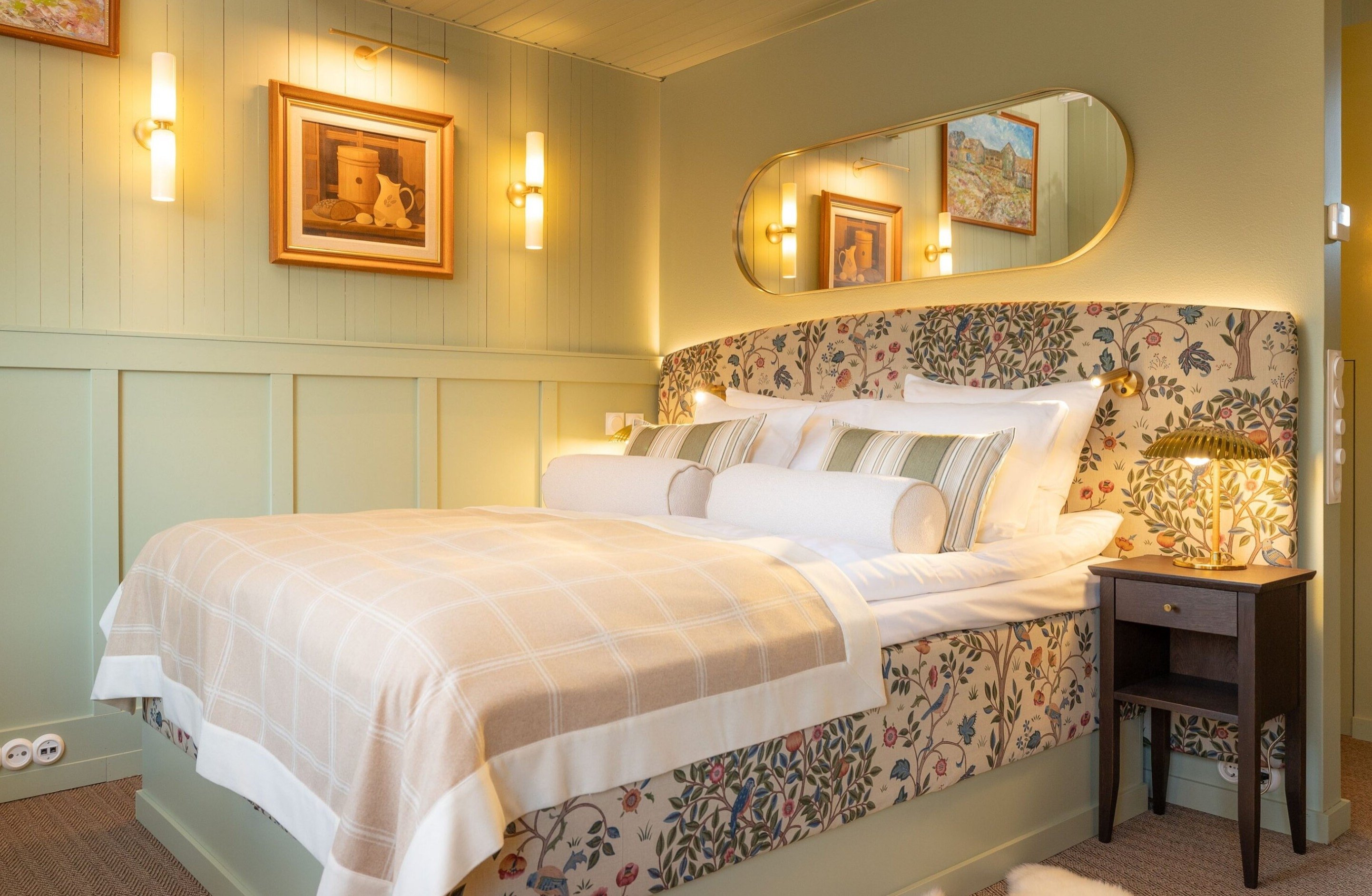
In the 19th century, the island evolved into a summer retreat and, in the post-war years, became known as Onnellisten Saari, “The Island of Happiness,” welcoming royalty and heads of state over the decades. Acquired in 2024 by SantaPark Ltd., Aino Private Island has now entered a new chapter, preserving its historical soul while offering a serene, refined and timeless retreat.
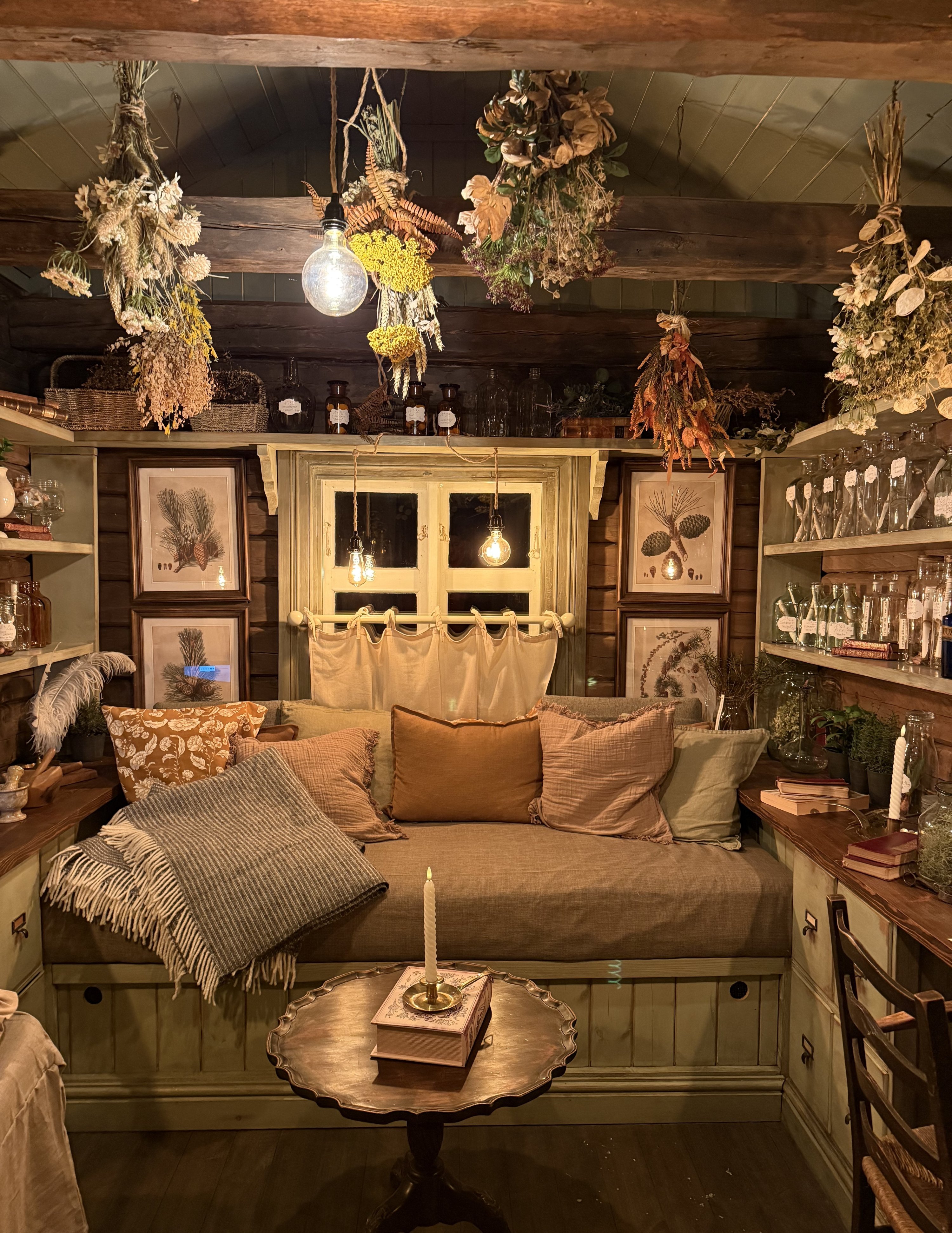
Comprising just 12 private houses, including one three-bedroom villa, the island feels like a fairy tale come to life. From the moment you step onto the island, nature and art blend seamlessly, creating the sensation of walking inside a living painting.
Glass Resort
Glass Resort apartments are a refined fusion of Nordic craftsmanship, contemporary design and Arctic heritage.
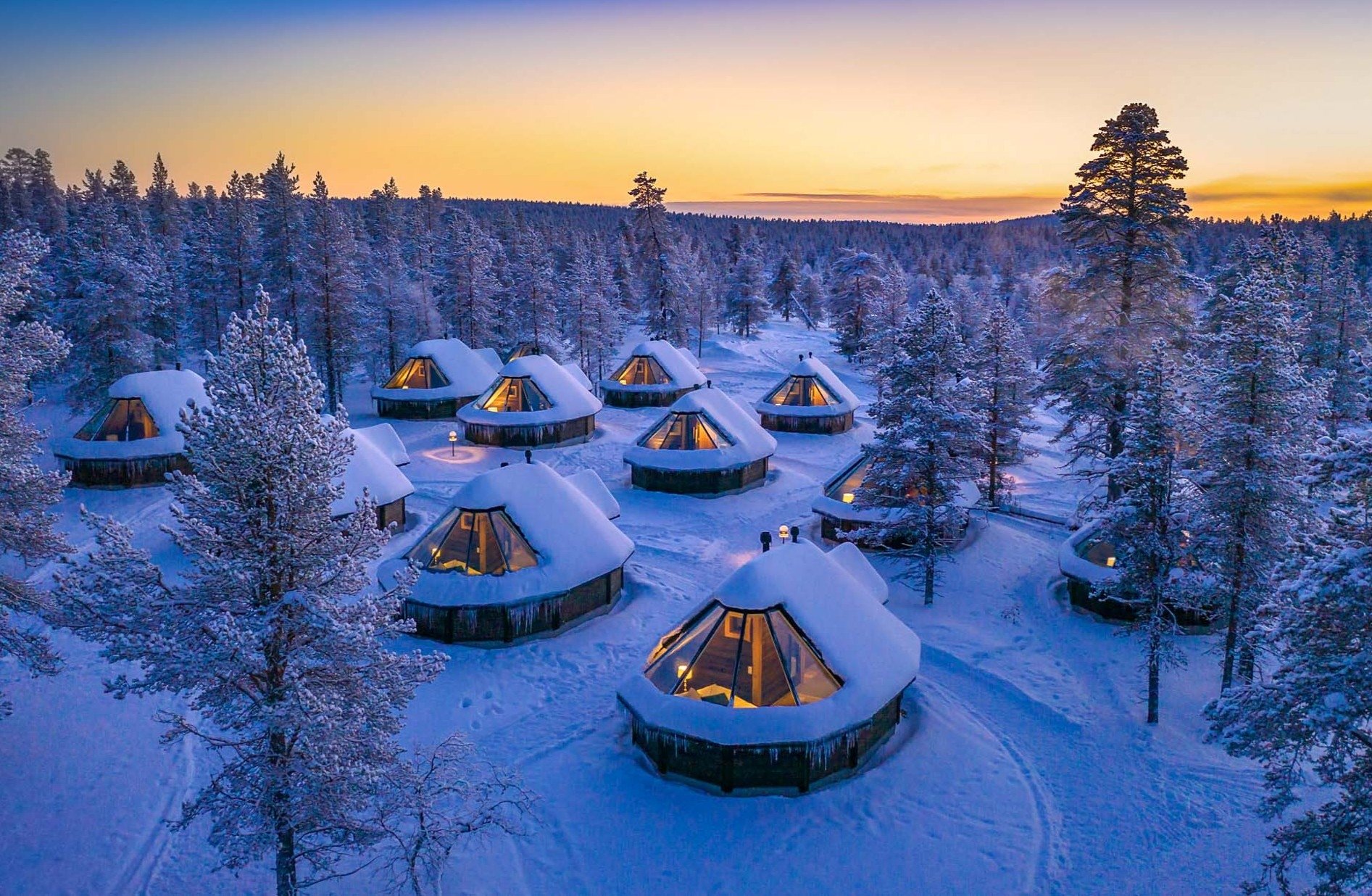
Floor-to-ceiling glass walls and ceilings draw Lapland’s ever-changing landscapes indoors, while warm wood textures and carefully considered details create a sense of calm and understated luxury.
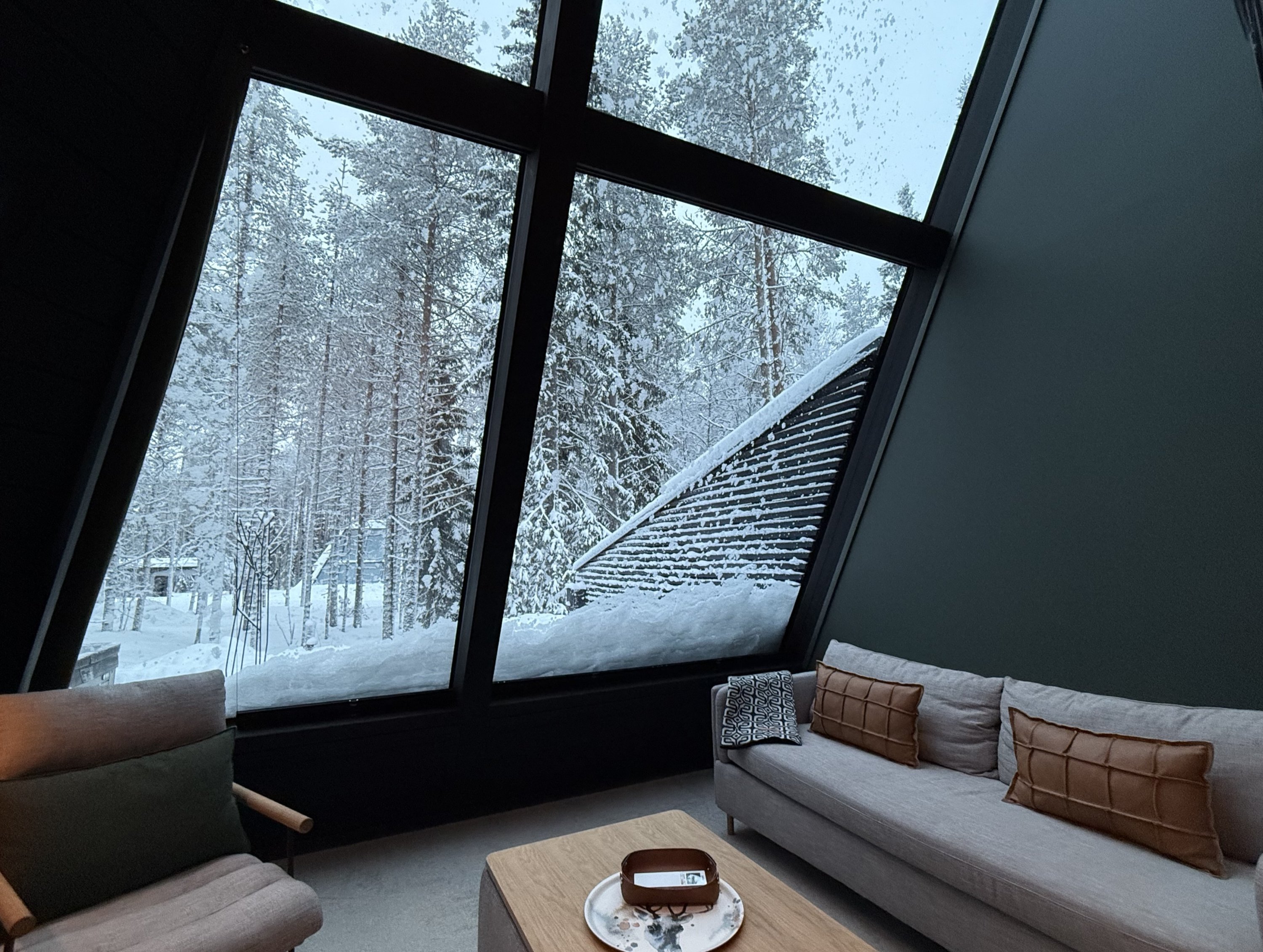
Comprising just 24 minimalist accommodations immersed in nature, the resort offers an intimate and serene escape. From your glass igloo-style apartment, time seems to slow as you watch snowflakes drift gently from the sky, or relax in your private outdoor hot spring spa beneath the vast northern heavens. In the quiet of the morning, sipping coffee from the comfort of your bed while reindeer wander gracefully between the trees is an unforgettable moment; one that captures the true magic of the Arctic.
Spring has quietly, almost ceremoniously, arrived in London. The city, dominated by gray clouds and early-darkening evenings during the long winter months, now plays host to the slow but determined rise of colors and sounds. The streets are still the same streets, the buildings in their places; yet, when the light changes, everything feels transformed.
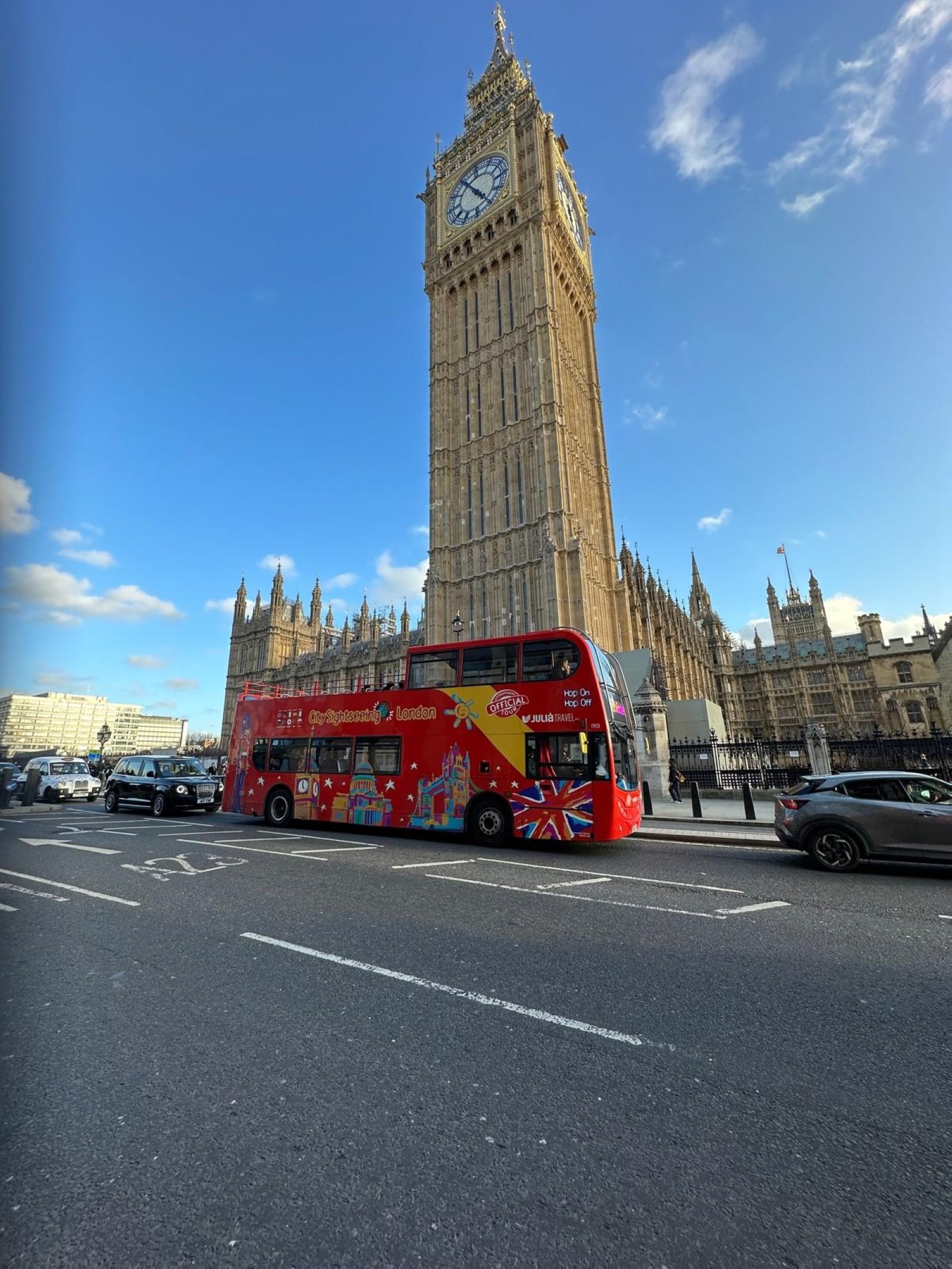
In the mornings, the parks are the first to reveal this transformation. Trees have not fully donned their green, but the buds at the tips of branches show nature’s patient yet inevitable progress. Cherry blossoms bloom as if aware of their brief existence, displaying all their elegance. When the wind stirs, pink petals drift to the ground, forming a delicate carpet over the grass.
The ponds tell another story. Swans glide across the water with composed grace, while ducks dart around them in faster, more scattered movements. Occasionally approaching each other, occasionally changing direction abruptly, these small waterbirds keep the pond’s surface in constant motion. Unlike the city’s usual rush, this scene follows its own rhythm unhurried, yet never still.
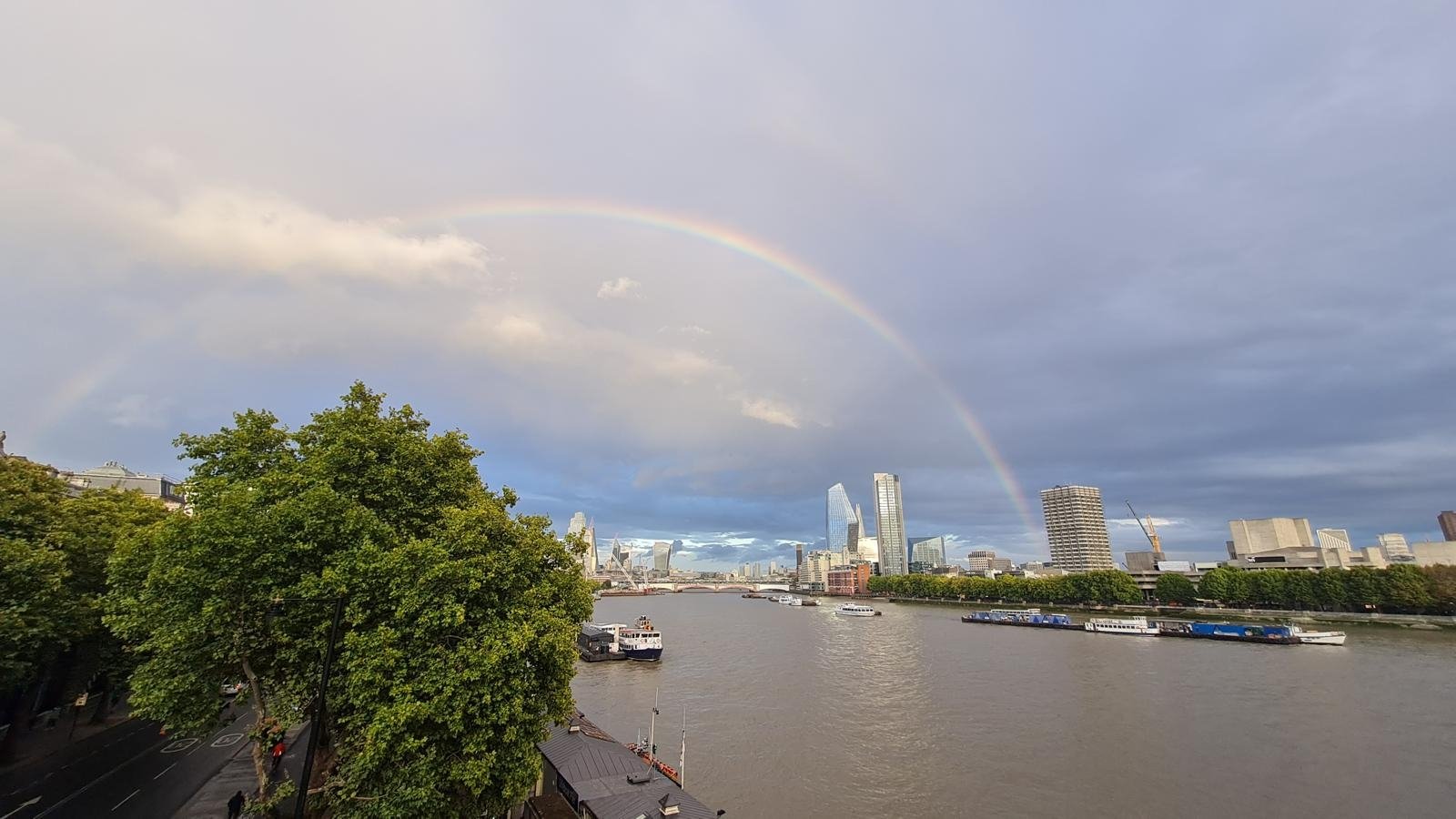
With the arrival of spring, London’s parks become not only spaces for nature but also gathering spots for people. Those who spent the colder months confined indoors seize the first sunny days to step outside. Blankets spread on the grass, coffee cups in hand, someone reading a book in a corner, friends chatting in another each expressing the same need in their own way: the urge to be outdoors.
Tourists swiftly join this tableau. In front of Buckingham Palace, crowds gather throughout the day. Some queue to take photos, others wait to watch the Changing of the Guard and some simply absorb the atmosphere. The palace grounds and nearby parks soften and disperse these crowds, giving the city room to breathe.
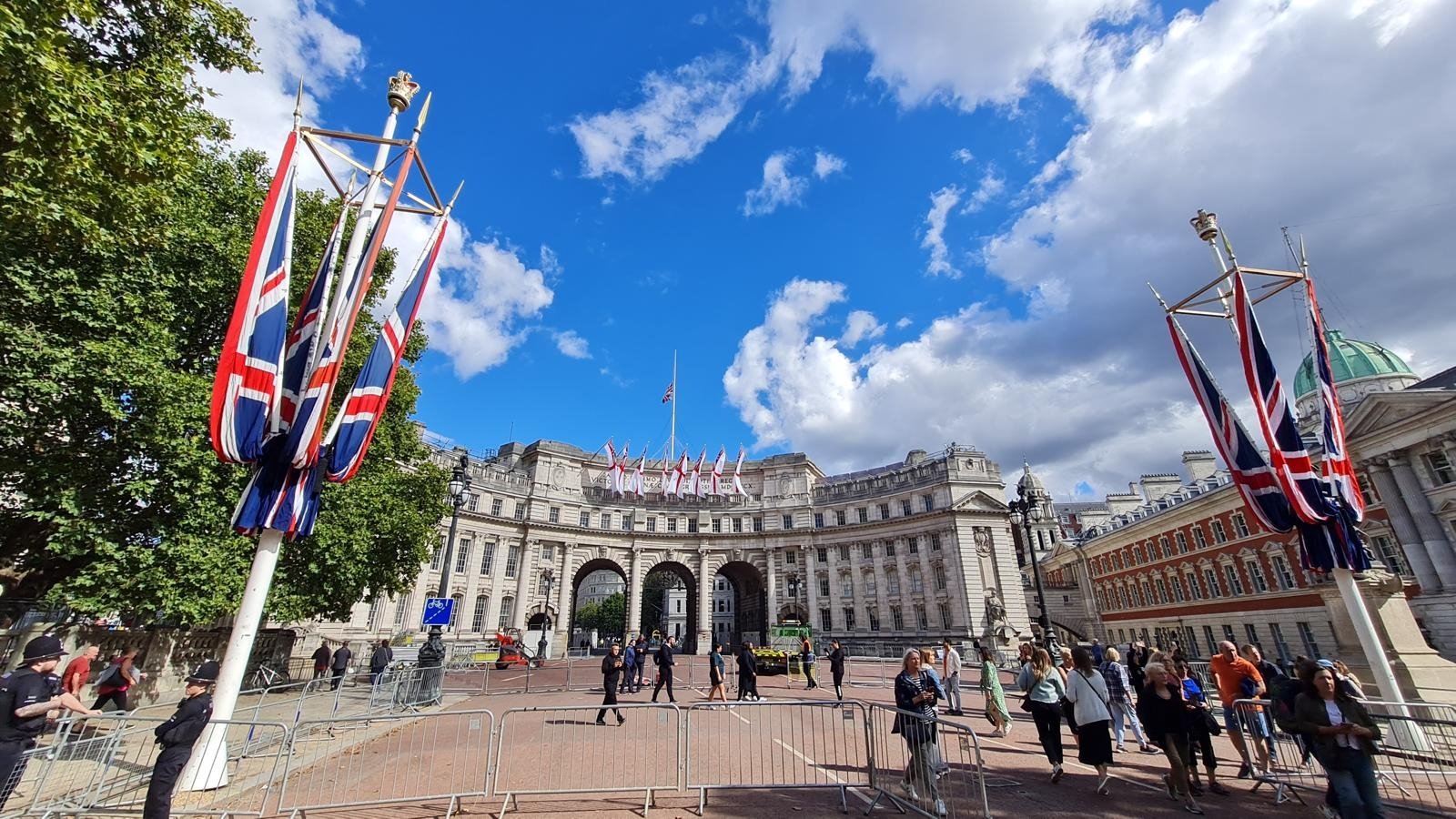
Large green spaces like St. James’s Park and Hyde Park offer spring’s most vivid experiences. Anyone walking there observes not only nature but also the city’s diversity. People speaking different languages, from various age groups, with different habits all under the same sun, on the same grass. London becomes not only a capital but also a meeting place.
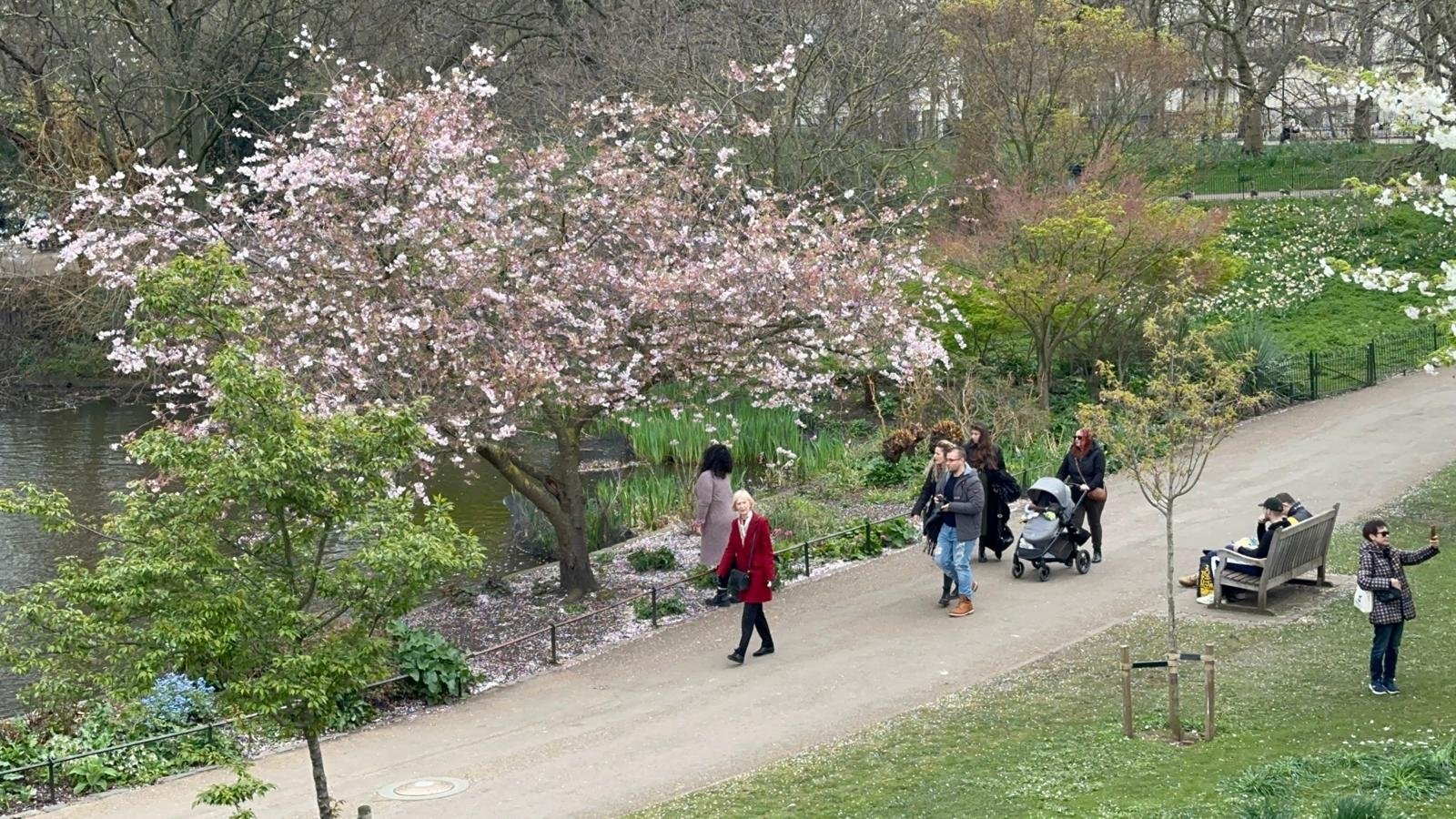
The streets reflect the change as much as the parks. Crowds that hurried through the winter with heads down now move slower, more attentive, more present. This shift creates space for street performers. A guitarist strumming on a corner, a violinist playing classical pieces a few meters away, an artist drawing on the pavement with chalk all add their own rhythm to the city.
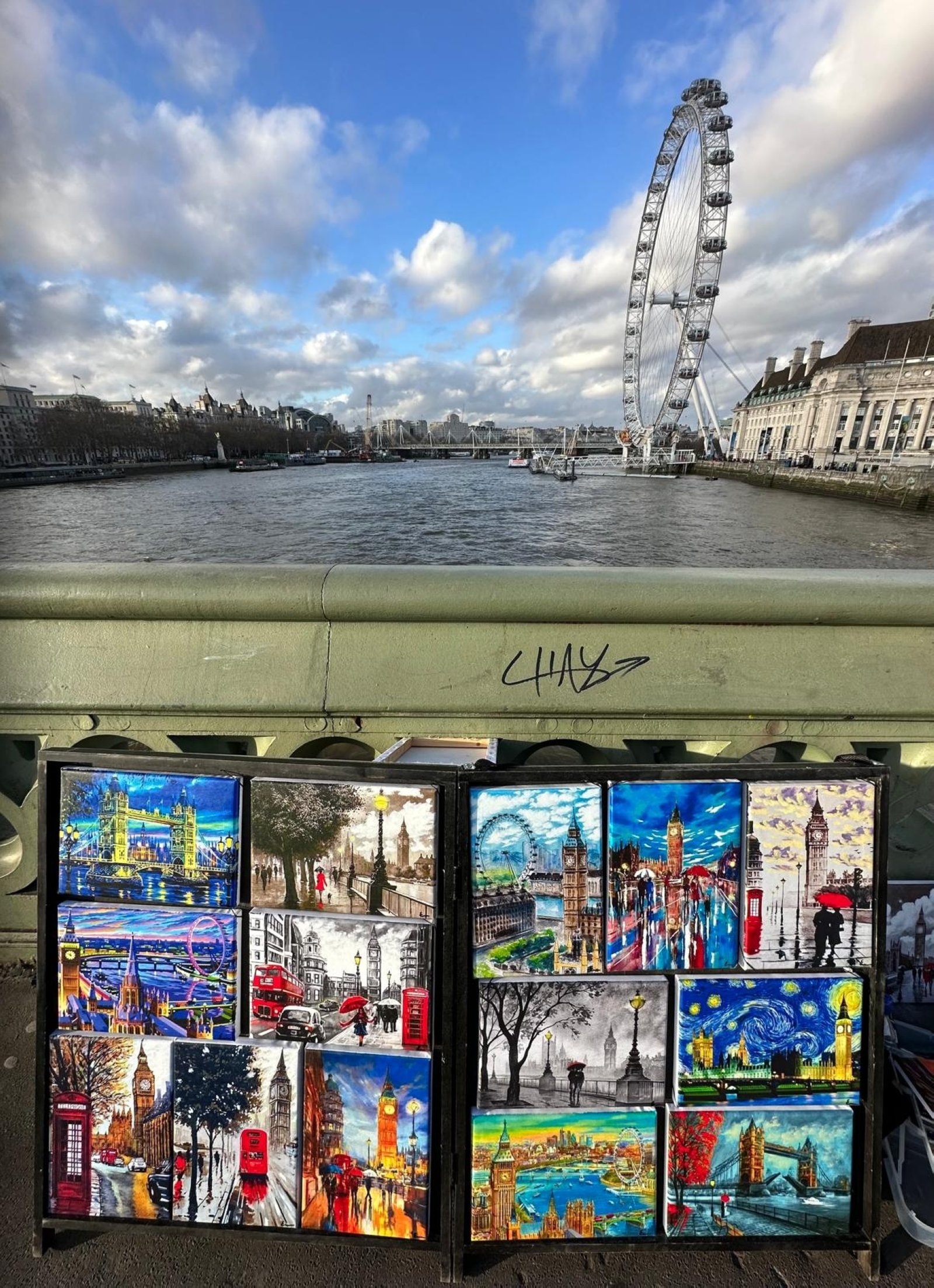
Street performances are more than entertainment; they are an essential part of London’s cultural fabric. People stop, watch, and sometimes join in. Even briefly, a connection is formed, preventing one from getting lost in the crowd.
Spring’s effect in London is emotional as well as visual. Longer days, softer light and milder air affect the mood of the city. Smiles are more common, cafes less rushed, walkers slower. The city seems to consciously slow its pace.
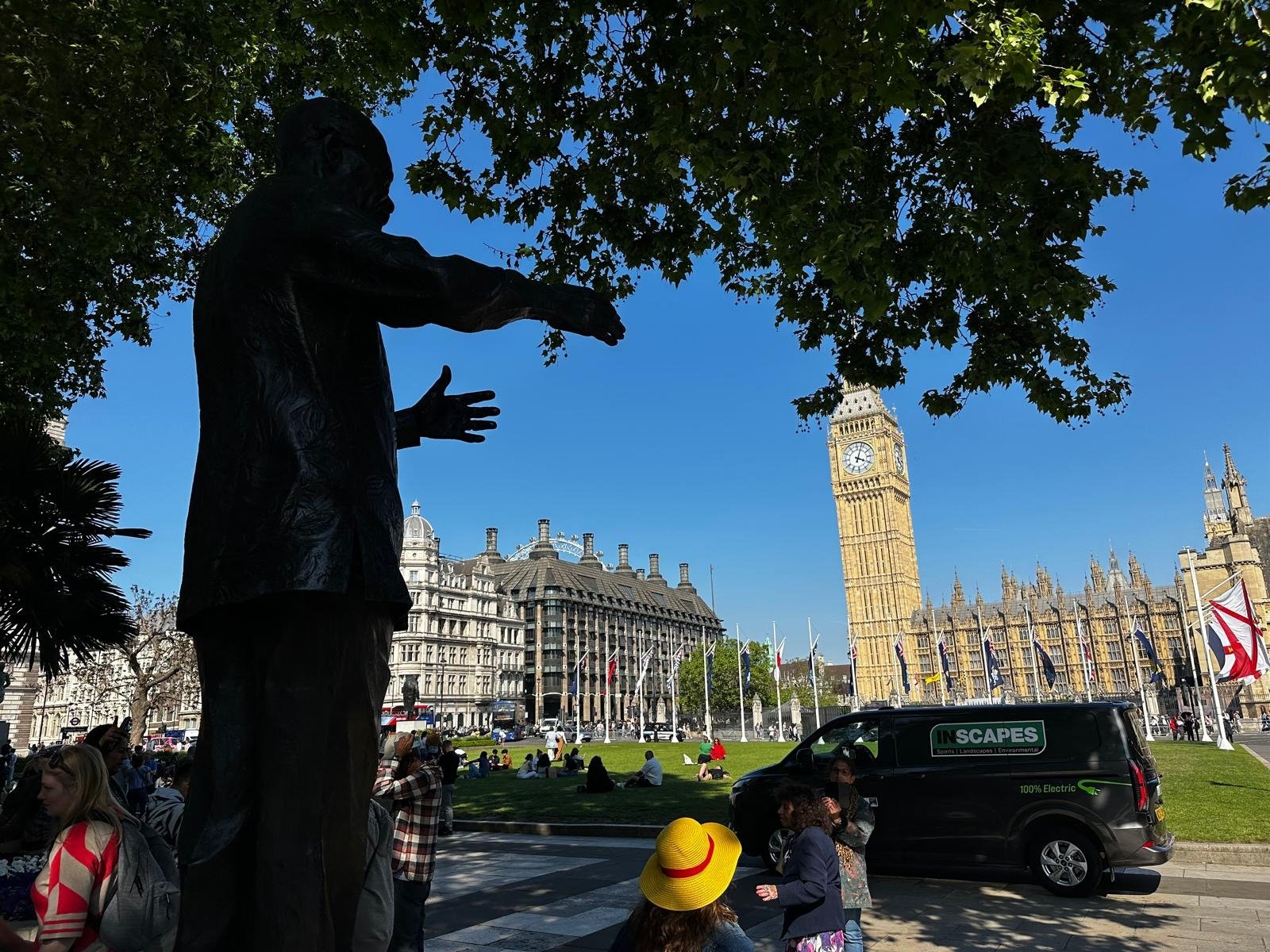
Yet this slowdown is not stagnation; it is intentional movement. People notice more the blossoming of a tree, a child feeding ducks, or a street performer’s act. Spring reminds us to pay attention, to stay present.
In a vast, fast-moving city like London, such moments are rare. That is why spring is more than a season; it is an opportunity. A period when the city redefines itself and its inhabitants. Shedding winter’s weight, it emerges lighter, more open, more alive.
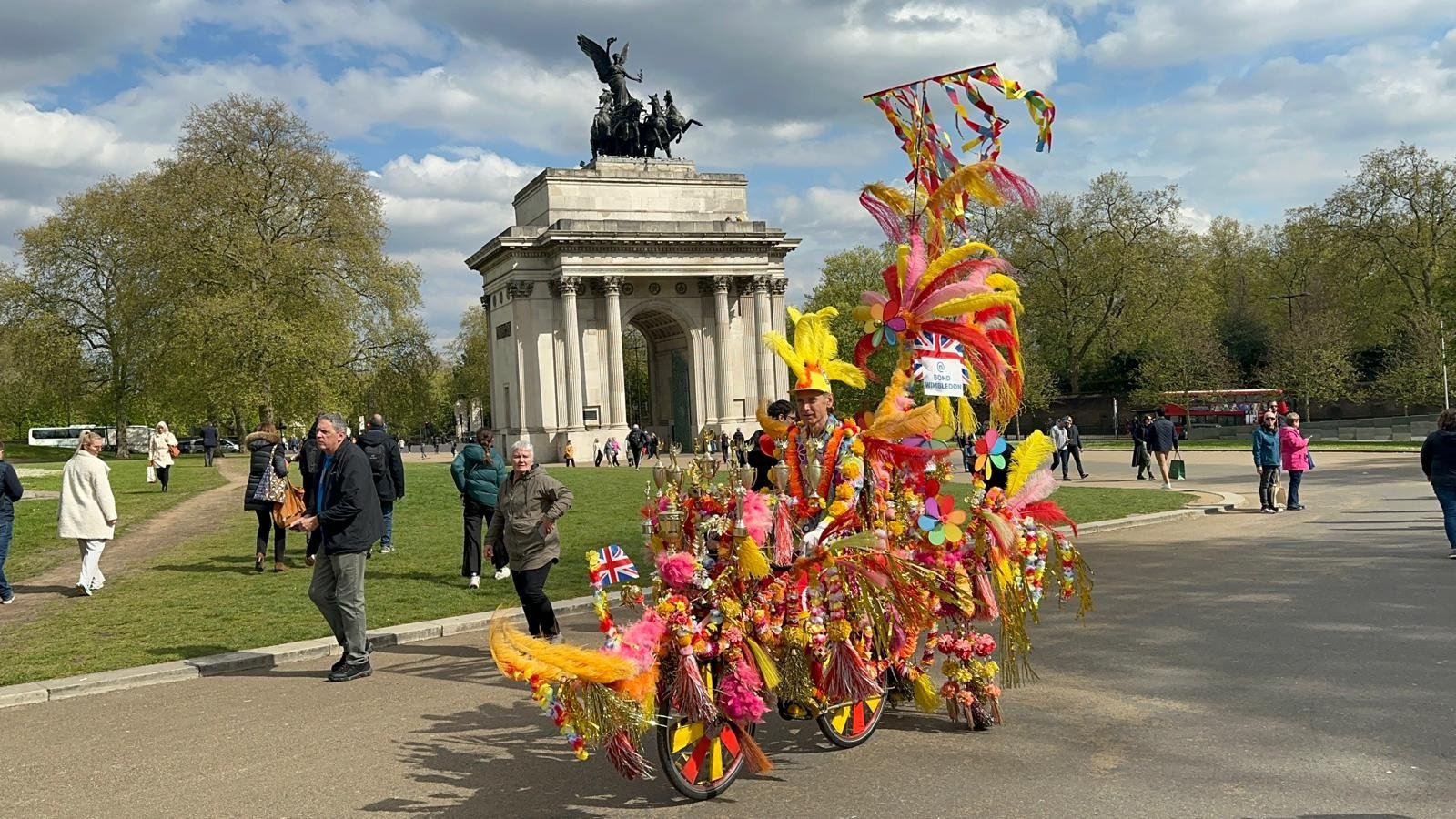
Ultimately, spring in London does not happen in one place or moment. It spreads across parks, palace grounds, street corners and pond edges. This transformation encompasses not only nature but people as well.
Perhaps that is why describing spring in London is less about a season and more about a feeling, the sense of renewal, the gradual return of movement, color and sound, and, most importantly, the fleeting yet powerful reminders of how graceful and vibrant life can be, even in a crowded city.

There are mornings when the world feels paused, as if the day is holding its breath. The sky is pale, the air sharp and everything seems quieter than usual. This is how the north welcomes you. Some moments visit a human life only once. The sky suddenly turns green, violet, then soft pink; the earth falls silent and time loosens its grip.
This year, all the signs are aligned. Solar activity is strong, nights are long and the skies are clear. We believe it: this is the year we will catch that impossible moment. We are heading north, into the cold heart of winter, to witness a phenomenon that feels less like weather and more like a message from the universe. Our destination is Arvidsjaur, deep in the Swedish tundra. The plane touches down, the door opens and there it is.
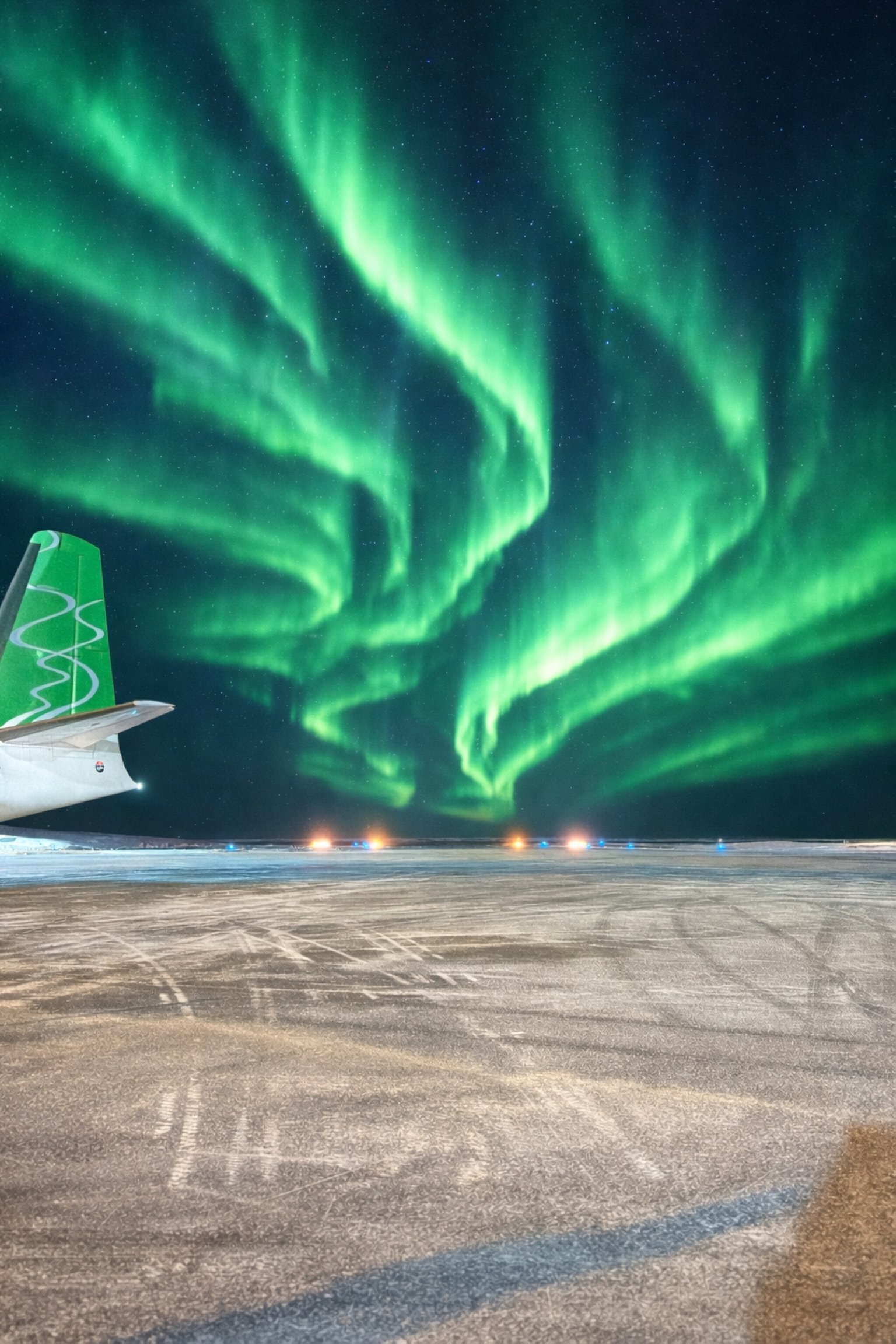
The aurora, already waiting. No transition, no warmup. Just arrival and wonder. It feels unreal, almost unfairly beautiful, as if the sky decided to offer a private welcome. I’ve seen many beautiful things, but this kind of greeting stays with you. It rearranges your sense of scale. Imagine a day that begins with aurora and ends on ice.
Speed on ice
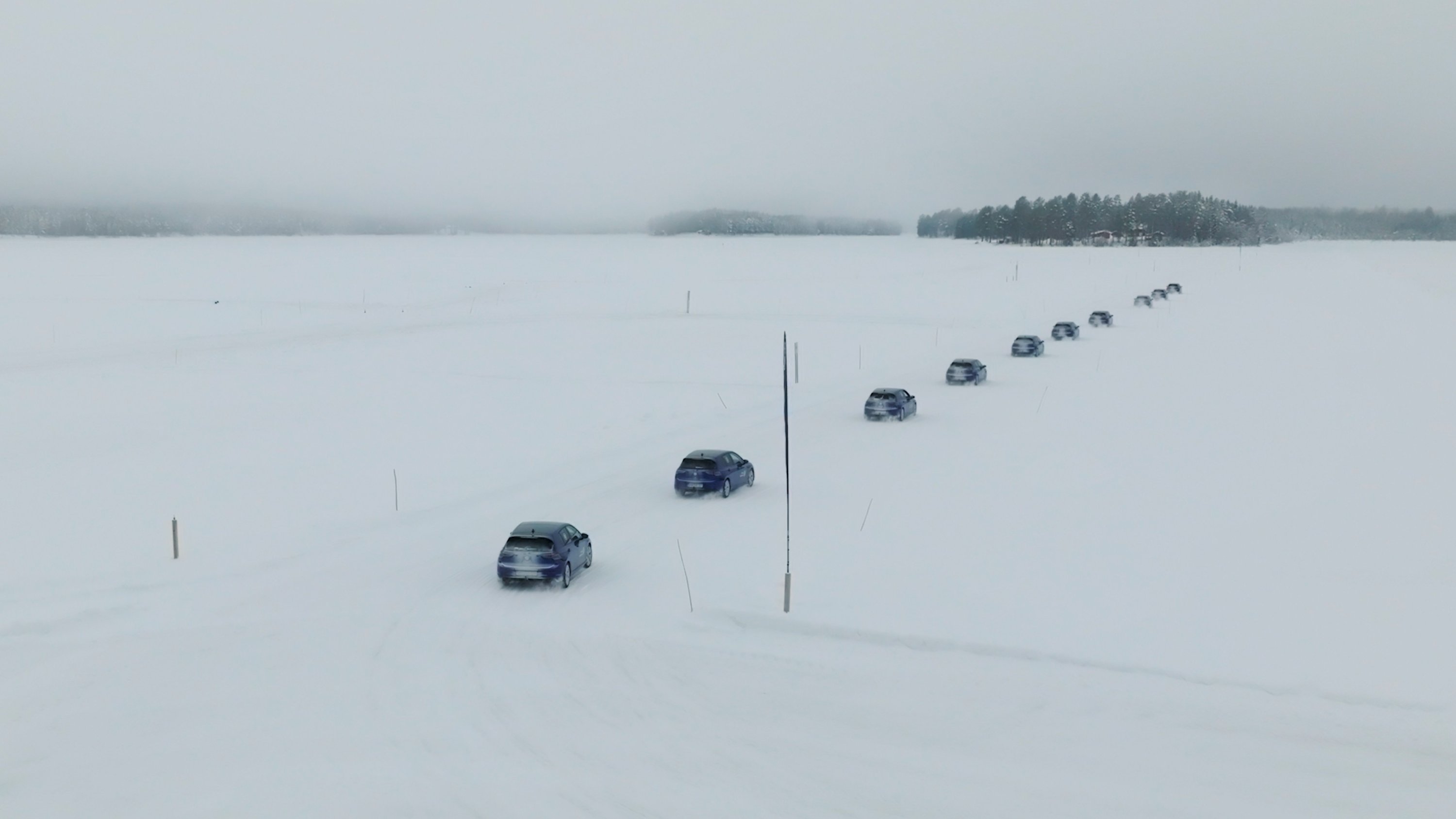
If one experience has defined this journey, it’s driving on ice. I mean literally – on a frozen lake that becomes a racetrack, a car beneath you and nothing but ice stretching in every direction. As a guest of Volkswagen Türkiye, I recently had the chance to try ice driving with their cars and it was more than just a drive. It was something you felt rather than analyzed.
Sliding across a white expanse, extreme conditions became a playground. Intuition met instinct and every lap felt like a dialogue between me and the car. Before hitting the track, we had a briefing and some training, but once out there, the car showed its character without charts, specs, or numbers. Every drift, every correction, demanded focus and poise and the cold quickly became part of the experience rather than a distraction.
Here, in one of the world’s most respected winter testing grounds, it wasn’t about showing off or chasing speed. It was about feeling performance in its rawest, most demanding form and discovering how much the car and driver can really communicate when there’s nothing but ice between them.
Snowmobiles
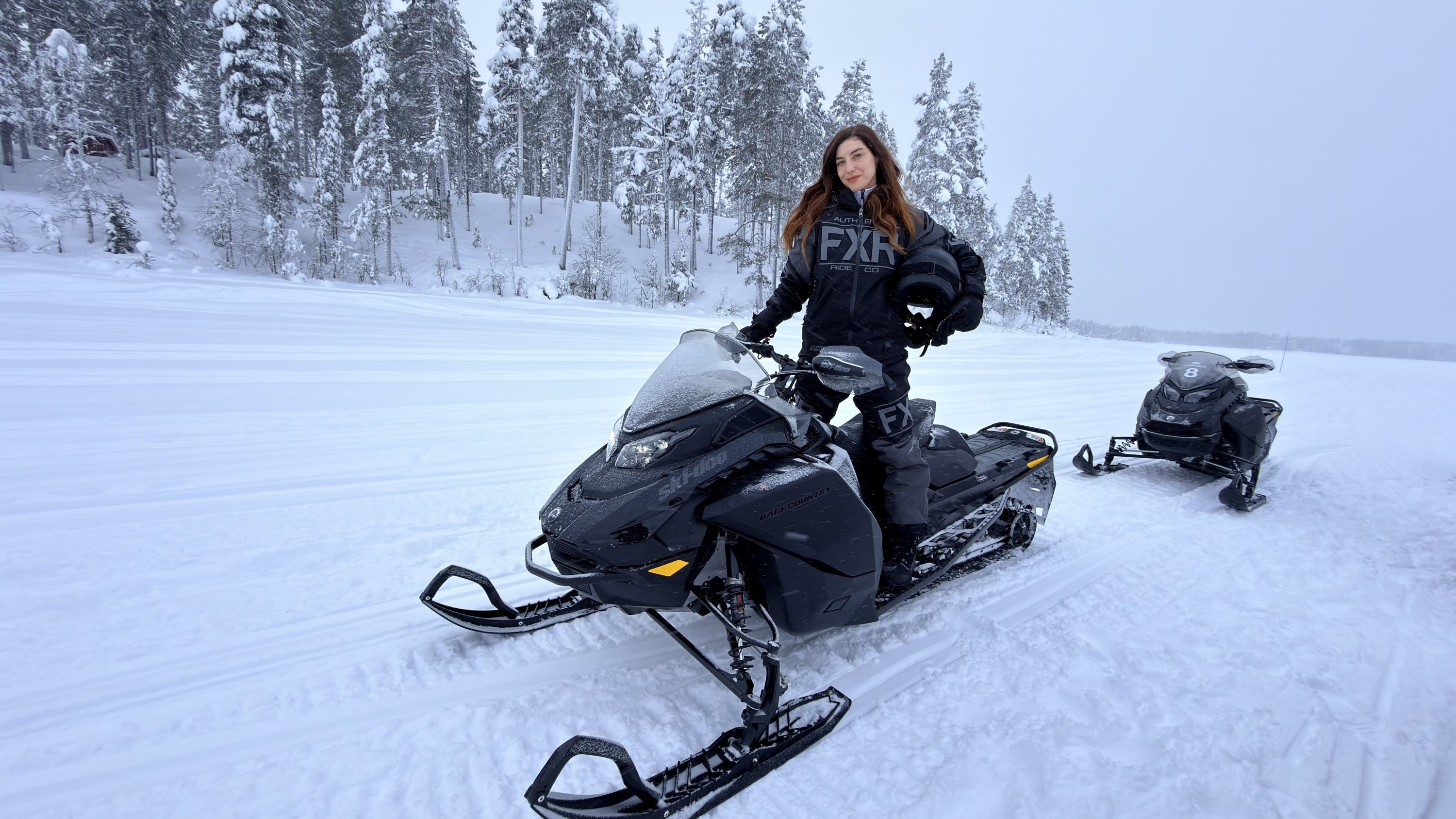
Mornings begin with snowmobiles. Engines hum, helmets close and suddenly you are flying across glaciers and forests wrapped in white. The cold is biting, but the movement keeps you warm. Snowmobiles here are not about adrenaline alone; they are about access. They take you deep into landscapes that feel untouched, where the only sounds are wind and your own breath. It’s a reminder that in the North, distance is measured differently not in kilometers, but in silence.
Tour with huskies
Then there is the husky tour. No engine this time. Just dogs, runners on snow and a rhythm that feels older than any modern adventure. The dogs know the way. You learn quickly to trust them, to relax into the motion. Gliding over frozen lakes and through forests, you realize how travel used to feel before speed became obsession. It is simple, physical, honest and unexpectedly emotional. Sweden is the right destination for an exceptional driving experience. Here, the tundra becomes a classroom.
Different drive systems, bare ice, controlled conditions but raw nature all around. Over four days in Arvidsjaur, you don’t just test cars; you test perception, patience and presence. Aurora is never guaranteed. That’s part of its power. Some believe that seeing the Northern Lights grants a wish, that in that moment, you breathe in sync with the universe. Maybe it lasts minutes, maybe hours. But once you’ve seen it, really seen it, it stays with you. Some experiences can be repeated. Others belong to a single chapter of your life. Speed on ice, silence on snow, and light dancing above you in the Arctic sky how many times do we truly get moments like this?
What to eat in Sweden?
Swedish cuisine may look simple at first glance, but it’s rich in tradition and comfort. If you’re in Sweden, these are the must-try dishes that truly define the local food culture:
Köttbullar: The iconic Swedish meatballs, served with creamy gravy, mashed or boiled potatoes, and lingonberry jam. Classic, balanced and deeply comforting.
Gravlax: Cured salmon with dill, sugar, and salt, usually paired with mustard sauce. Light, fresh and unmistakably Nordic.
Cinnamon Buns (Kanelbullar): The star of fika, Sweden’s daily coffee ritual. Soft, fragrant and impossible to stop at one.
When most travelers think of Bosnia-Herzegovina, two iconic destinations immediately come to mind: the cosmopolitan capital of Sarajevo, rising from the ashes of war and the picturesque Mostar Bridge, draped like a jewel over the emerald Neretva River.
But in my view, Bosnia-Herzegovina’s true spirit isn’t confined to these famous spots. If you venture a little off the beaten path to the country’s western regions, you’ll discover a city just as magnificent, rich in history, culture and natural beauty. That city is Travnik, often called the “City of Viziers.”
Nestled in the heart of the Lasva Valley, Travnik offers the grandeur of Ottoman-era architecture and the generous embrace of nature. While it may lie in the shadow of Sarajevo and Mostar, it holds a central place in Bosnia-Herzegovina’s historical and cultural memory, a must-visit for any traveler seeking authenticity.
In this guide, I’ll take you through Travnik’s narrow streets, where the aroma of coffee competes with centuries of history, where Nobel laureate Ivo Andric left his mark, and where the soothing sound of flowing water never ceases. Let’s begin our journey.
City of Viziers
Travnik is approximately a 90-kilometer (55-mile) journey from Sarajevo and sits as one of Bosnia-Herzegovina’s most treasured gems. As you approach, the Travnik Fortress, locally also called the Stari Grad (“Old Town”) Fortress, greets you, standing proudly atop a hill. This medieval stronghold has witnessed centuries of turmoil, silently guarding the city below.
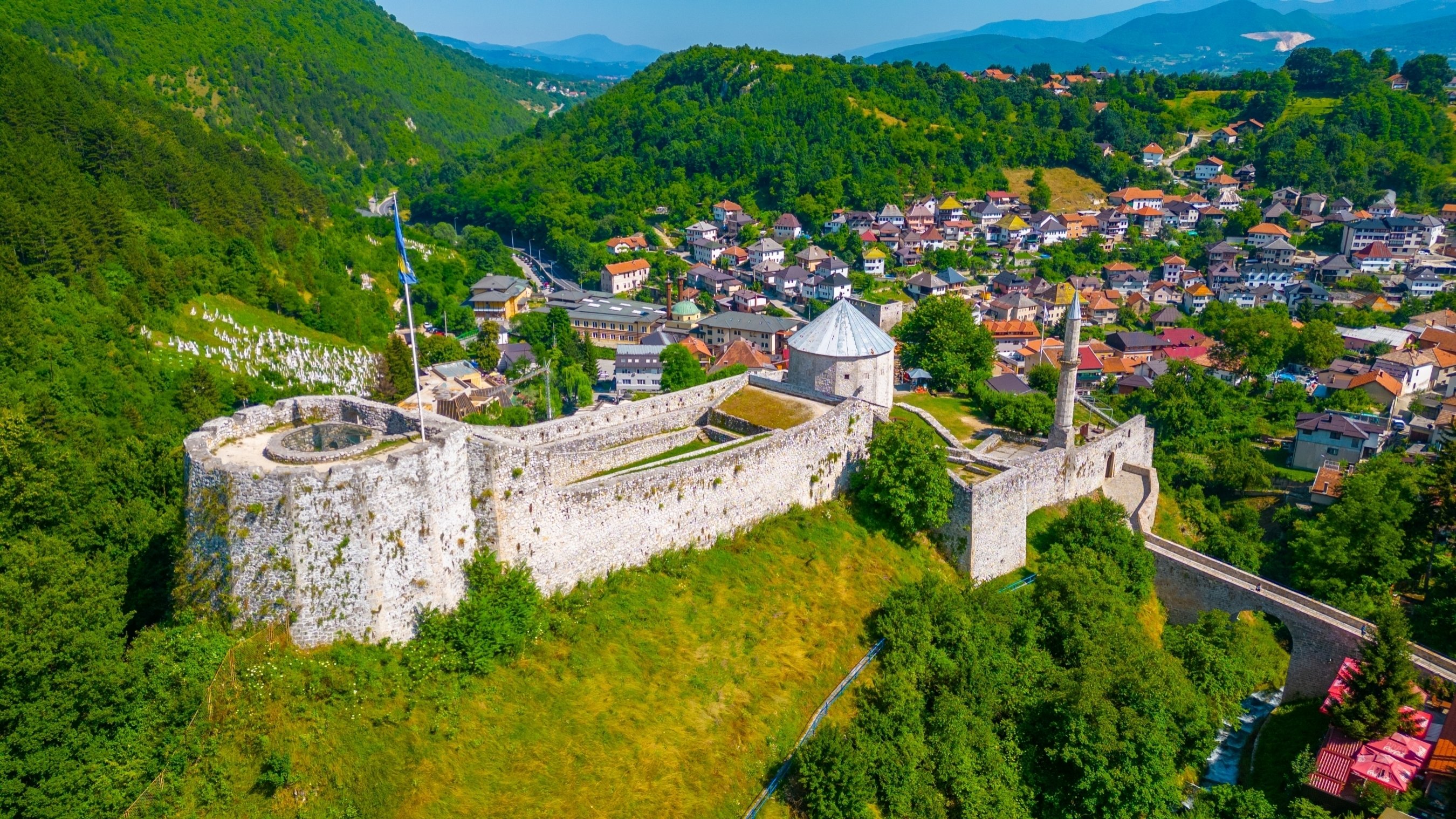
Travnik earned its nickname, the “City of Viziers,” because it served as the capital of the Bosnian Eyalet from 1699 to 1850. Remarkably, 77 Ottoman viziers were raised here, leaving an indelible mark on the city’s architecture and cultural identity.
Minarets and colorful mosque
The Ottoman legacy in Travnik is not limited to its viziers. At the city center, your eyes are immediately drawn to a breathtaking structure: the Šarena Mosque, also known as the Alaca Mosque, dating back to the 16th century. Renowned as one of the most beautiful and colorful mosques in the Balkans, its walls are adorned with delicate plant motifs in vibrant hues, earning it the nickname “Alaca.”
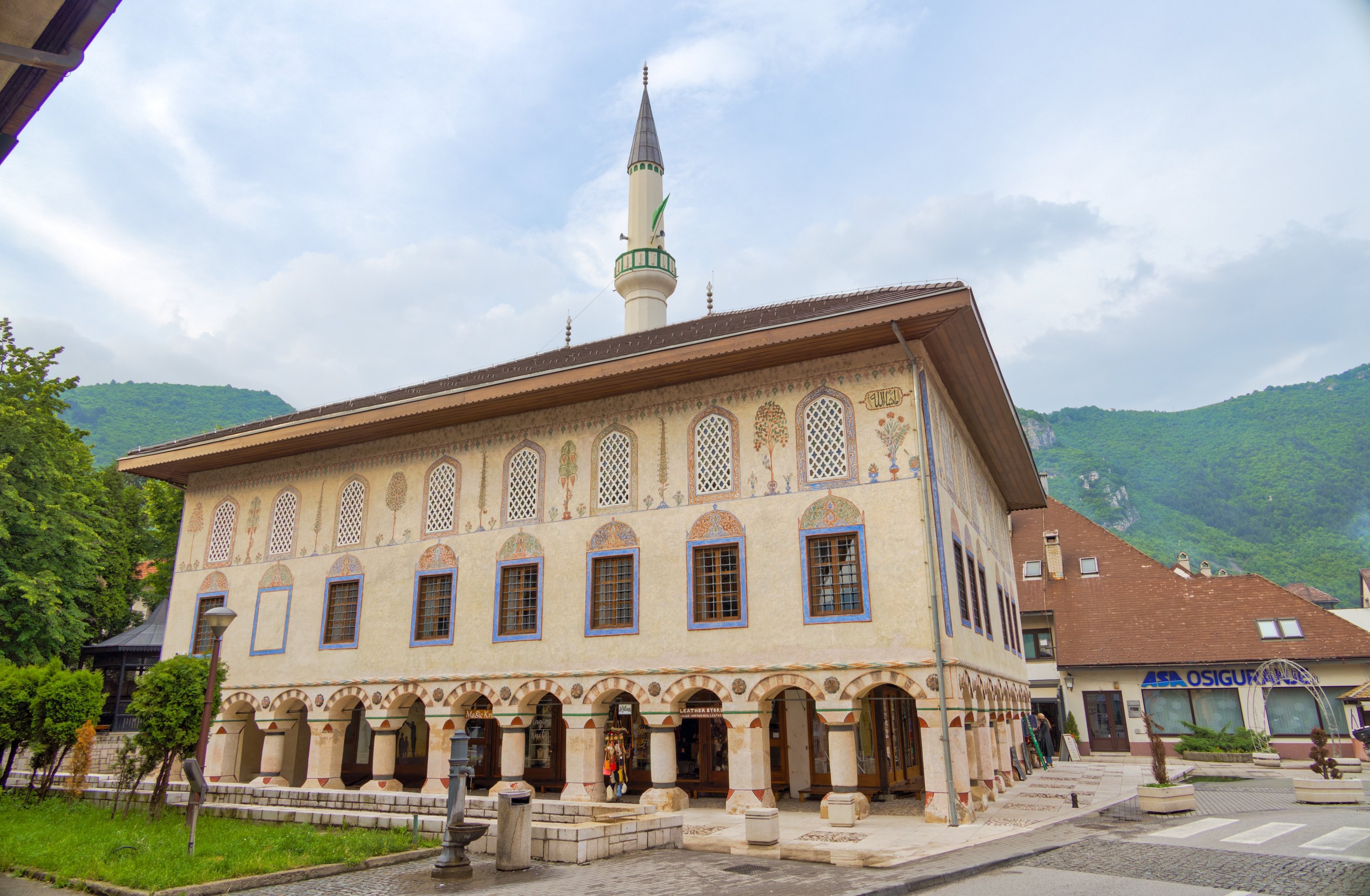
The mosque’s wooden doors are intricately carved, and beneath it, the shops that once formed a bustling bazaar hint at the city’s trading past. In the courtyard, the gentle sound of flowing water adds to the serene atmosphere, a perfect place to linger and soak in the harmony of history and nature.
Plava Voda (Blue Water)
At the city’s edge flows Plava Voda, or “Blue Water,” a spring whose vivid color gives it its name. It’s one of Travnik’s must-visit spots. Here, I recommend trying a traditional Bosnian coffee at Lutfine Kahva, set up beside the spring. The cool, flowing water and the rich, aromatic coffee create a moment you won’t forget.
Culinary delights
No trip to Bosnia-Herzegovina is complete without tasting its cuisine. While cevapi (grilled meat rolls) are popular across the country, Travnik has a particularly famous version. Enjoy them at a small local eatery, served with lepinja bread and a special sauce, perfect fuel for climbing the fortress later.
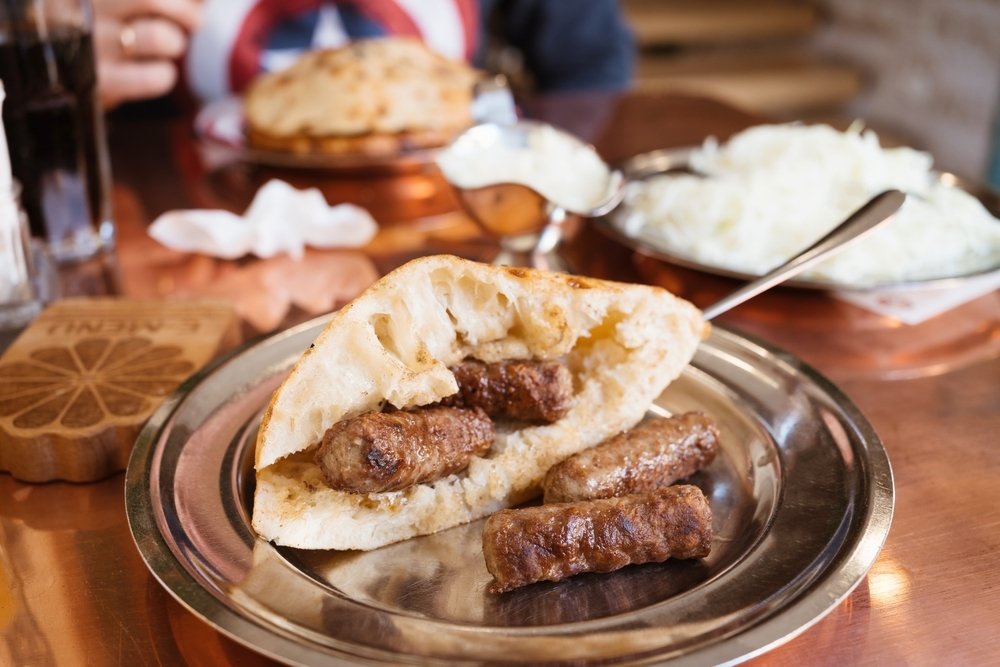
Also, don’t miss Vlasic cheese, produced in the nearby mountain villages. Its salty, firm texture reflects the rugged, unspoiled nature of the region.
Center of learning
Travnik is famous for its many Ottoman-era mosques. Legend says you can fit 40 mosques into a single photograph. But the city’s Ottoman heritage extends beyond places of worship. The Elci Ibrahim Pasha Madrassa, built in 1705 by the Bosnian governor of the same name, remains one of the Balkans’ most important educational centers.
Entering through its grand gates and walking through its spacious courtyard, you can almost hear the echoes of scholarly discussions that once filled these walls. Unlike many madrassas now serving as museums, this institution continues to educate, bridging the past and present in a living testament to history.
Literary legacy
Travnik also holds a special place in literature. The house of Ivo Andric, Nobel Prize-winning author, is now a museum displaying his study, library and documents related to his Nobel award.
While Andric is best known for “The Bridge on the Drina,” his work “Travnicka hronika” (“Travnik Chronicle”) vividly depicts the city, portraying it as a stage where East meets West, Napoleon’s politicians collide with Ottoman viziers and tension mingles with beauty. Reading Andric before visiting allows you to truly appreciate the city’s layers of history and culture.
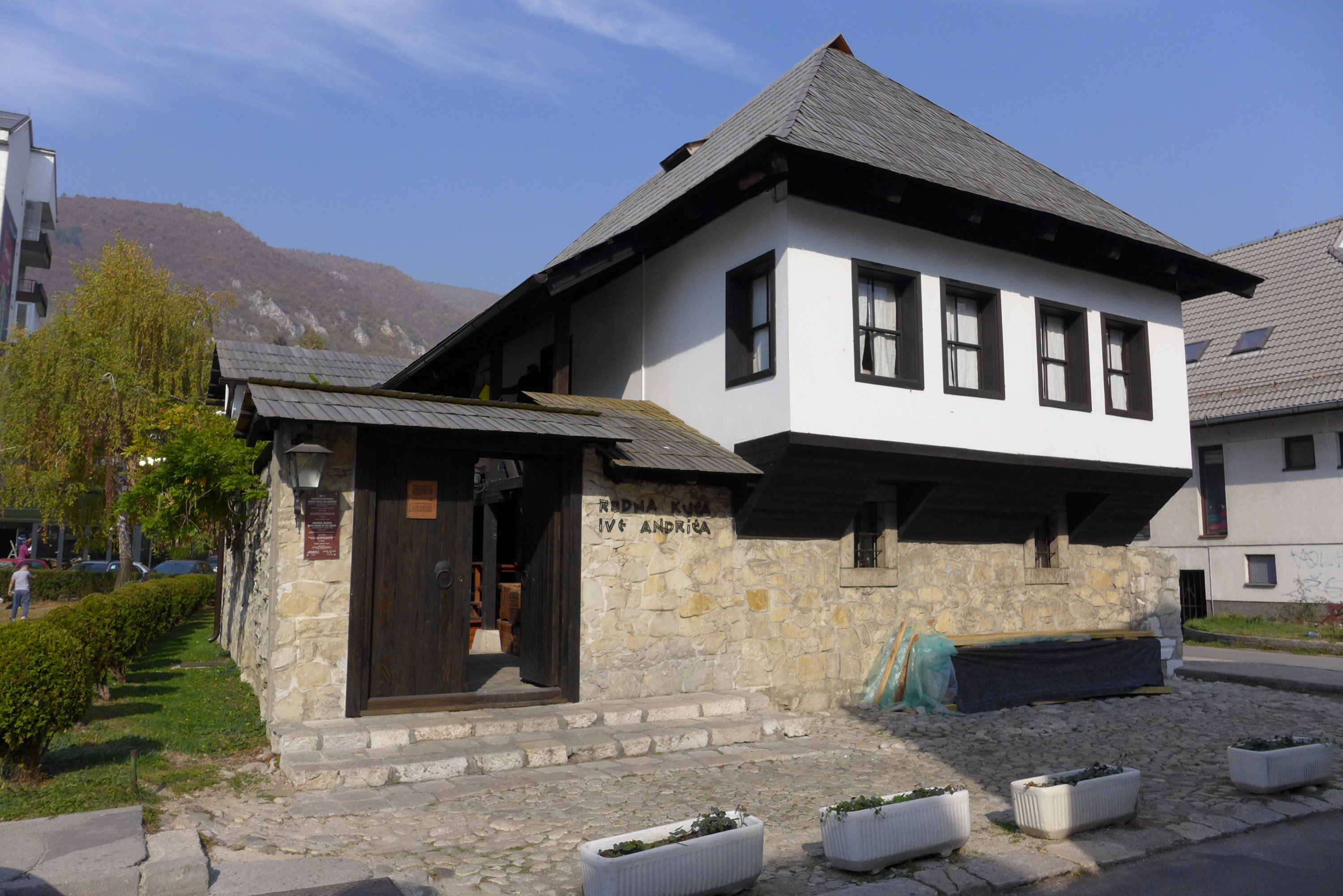
As Andric wrote, “People build bridges; sometimes of stone, sometimes of words.” Travnik felt like one of those bridges, a place where history, literature and human stories meet.
As the sun sets behind the Vlasic Mountains, it’s time to climb the fortress. The stone steps may challenge your legs, but the view is worth every step. From above, red-tiled roofs, mosque minarets and the winding river create a picture-perfect panorama. As you walk the ramparts and visit the fortress museum, every step transports you centuries into the past.
After exploring Travnik, it’s clear: despite lying in the shadows of larger cities, it preserves Bosnia-Herzegovina’s spirit in its purest form. As Andric once said, “Life in Travnik is as natural as the flow of water, as deep as history itself.”
So, if your journey brings you to Bosnia-Herzegovina, wander the narrow streets of Travnik, dip your hand into Plava Voda, and salute the valley from the fortress as a vizier might have centuries ago.
Lake Hazar in the Sivrice district of Elazığ draws visitors during the winter months with its snow-covered landscapes.
Located in Eastern Türkiye, 25 kilometers (16 miles) from Elazığ city center along the Elazığ-Diyarbakır highway, Hazar Lake covers 81 square kilometers and features a 56-kilometer shoreline, with beaches, camping sites and recreational areas for visitors.
Renowned for its seasonal beauty, Hazar Lake stands out in winter with its surrounding snow-capped mountains, the vibrant blue of its waters, and its unique natural environment.
Tourism potential
Erol Altunbaş, chair of a local tour company, told Anadolu Agency (AA) that Lake Hazar is a significant natural asset for Elazığ. He emphasized the importance of protecting the lake and enhancing its surroundings for both residents and tourists.
Altunbaş also highlighted Hazarbaba Mountain, located next to the lake, which features a ski center and offers panoramic views of the water.
“Visitors come from neighboring provinces via car and plane tours to see Lake Hazar and Hazarbaba. The area is worth visiting with all its amenities, and the scenery is stunning. From Hazarbaba, the view of Lake Hazar is extraordinary. Surrounded by mountains, the lake is a perfect spot for photography and videography in winter, with its snowy backdrop and blue waters. Eating grilled sausage by the lakeshore in the cold and snow is especially enjoyable,” Altunbaş said.
Lake’s winter charm
Visitor Irfan Güzel said the lake transforms into a tranquil retreat when it snows, making it his go-to spot for stress relief.
“Summer is beautiful, but winter has its own charm. We enjoy the lake with friends under the winter scenery. Words cannot describe its beauty. Those who visit know. Visitors come from Diyarbakır, Mardin and Şanlıurfa,” Güzel said.
Tayfun Doğan, owner of a business along the lake, noted that Lake Hazar attracts visitors year-round, allowing his operations to remain active 365 days a year.
“Weekends are especially busy. People love walking along the shore and relaxing with the lake view,” Doğan said.
Visitor Şeyda Nur Ural added that she comes to Lake Hazar on weekends to escape city stress. “Lake Hazar has beautiful nature. It’s a family-friendly place to enjoy in all seasons, a spot where we find peace,” she said.
Ayşe Hira Görgöz said she makes it a point to visit Lake Hazar every winter.
The cities of Samarkand and Tashkent have long been central to science, culture and religion in Uzbekistan. Samarkand, historically a hub of learning and art and Tashkent, the country’s capital since independence in 1991, continue to attract scholars, students and tourists alike.
Uzbekistan, with a population of over 37 million, has a rich history marked by both invasions and thriving dynasties. Its 12 provinces are predominantly Muslim, and its economy relies heavily on cotton, natural gas and gold.
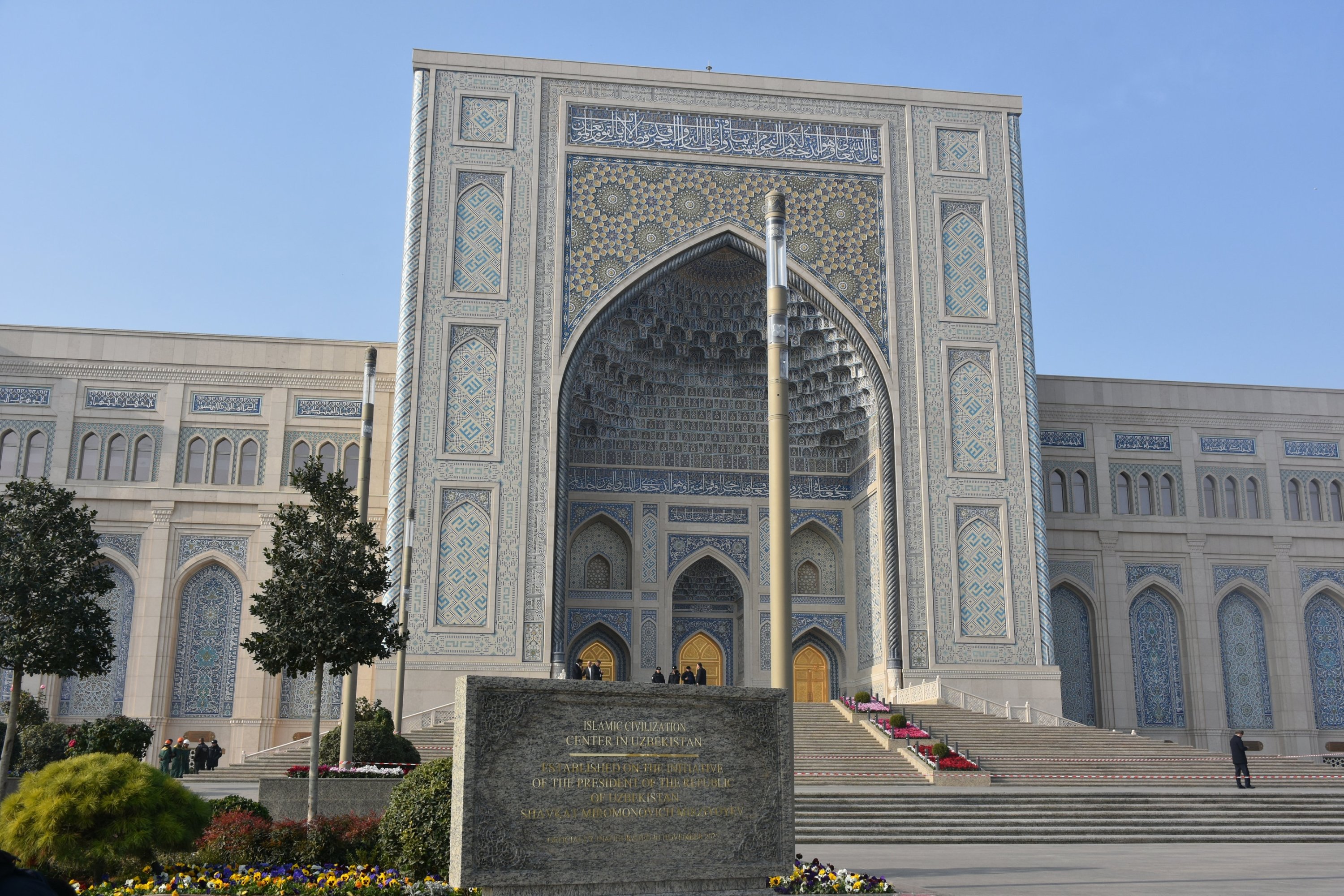
Tashkent: Old and new
Tashkent is divided into old and new districts. The city’s historic core, now known as Old Tashkent, was largely destroyed in a massive 8.0 magnitude earthquake on April 26, 1966, leaving only 10% of the city intact. Among the surviving landmarks is the Barak Khan Madrassa in the Hazrati Imam Complex, a striking reminder of the city’s scholarly past.
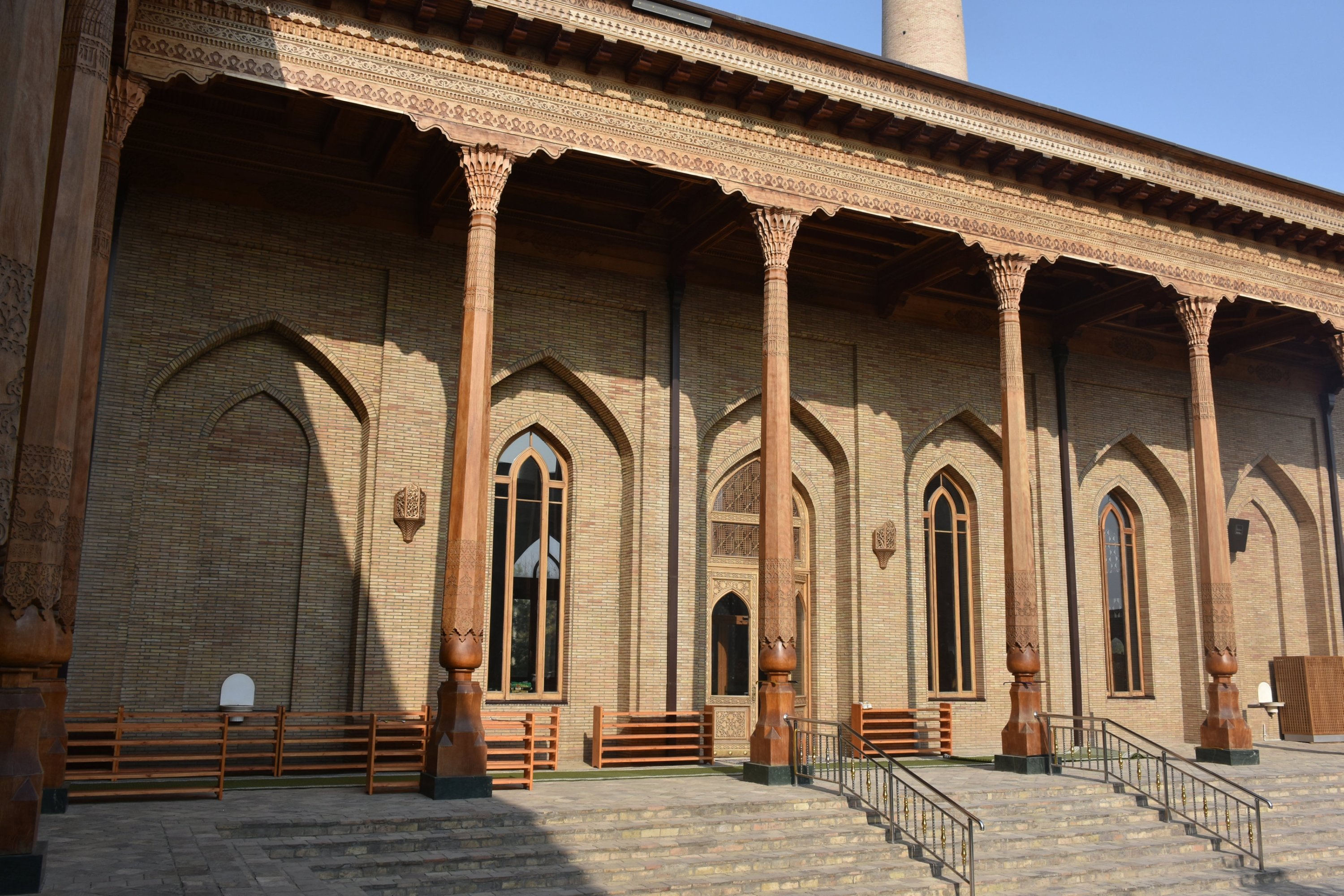
Madrassa buildings, once centers of learning with low doors to encourage humility, now house local crafts, traditional clothing and souvenirs. Nearby, the tomb of Abu Bakr Muhammad Kaffal al-Shashi honors the scholar known for introducing Islam to nomadic tribes. Little is known about al-Shashi’s life, but his studies in Baghdad on Islam, astronomy and mathematics continue to influence religious institutions across Muslim countries.
Craftsmanship, architecture
Woodcarving remains a key art form in Uzbekistan. The Hazrat Imam Mosque, built in 2007, features intricately carved wooden columns and two 16th-century-style minarets. The 14th-century Suzuk-Ota Mosque boasts the largest dome in Tashkent, designed to carry sound throughout the building before microphones existed. Historical and modern techniques are combined, with brick domes alongside metal-supported structures.
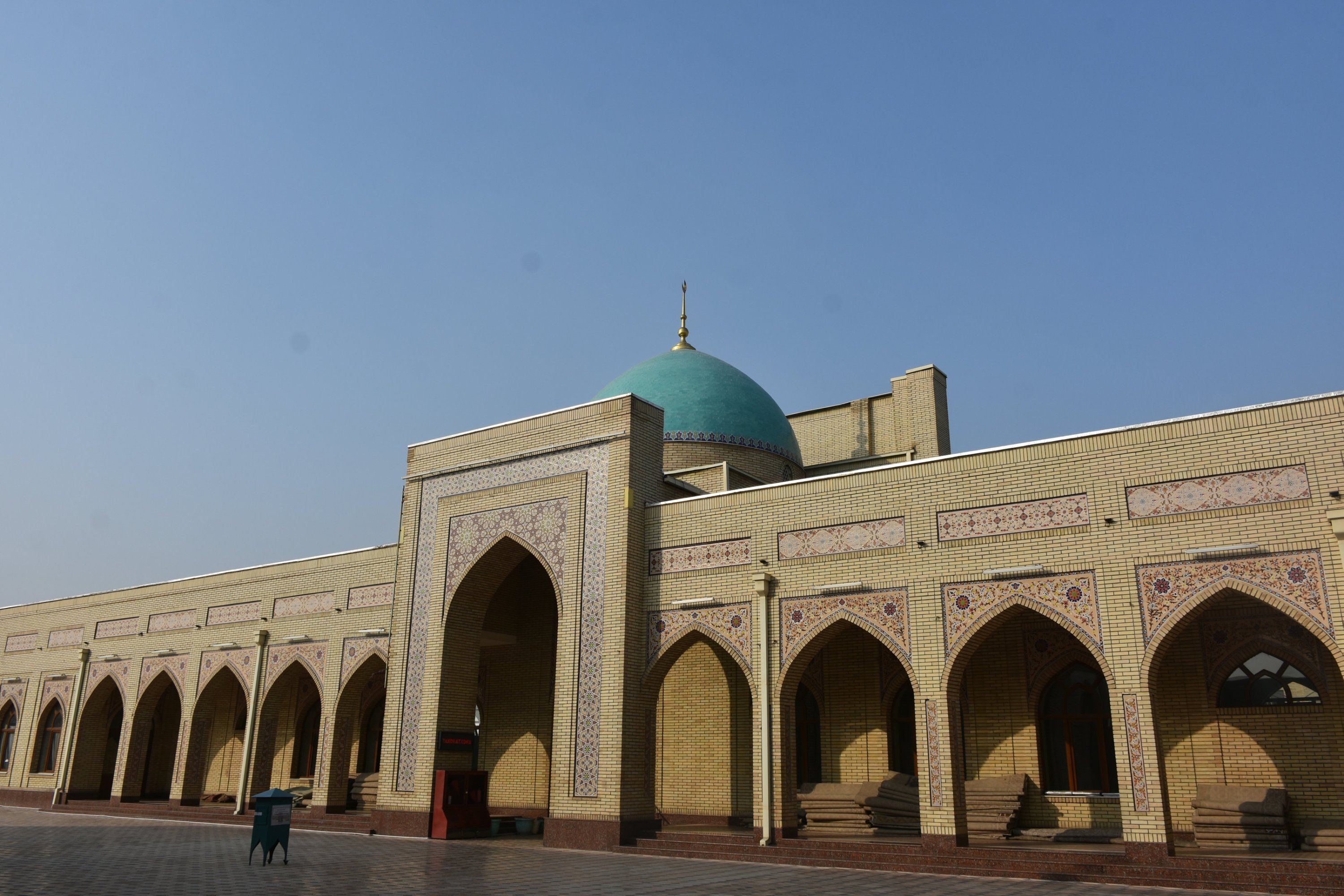
The Museum of Applied Art of Uzbekistan in Tashkent highlights over 7,000 works of traditional folk art, spanning from the early 19th century to the present. Its architecture echoes historic mosques and late-19th-century aristocratic homes, with decorative motifs reflecting Uzbekistan’s cotton and silk industries.
Capital of science, culture, art
Located along the Silk Road, Samarkand flourished under Emir Timur and his descendants, becoming a center of science, culture and art. The city, meaning “rich city,” is divided into old and new areas. UNESCO restrictions prevent high-rise construction in the modern district to preserve its historic character.
The old city, Afrasiyab, was destroyed by Genghis Khan in the 13th century and rebuilt by Timur in the 14th century. Today, visitors are drawn to its famous Registan Square, home to three historic madrassas: Ulugh Beg, Tilya Kori and Sher‑Dor. Seismic activity and soft ground cause the buildings to gradually sink into the sand, adding to their unique charm.
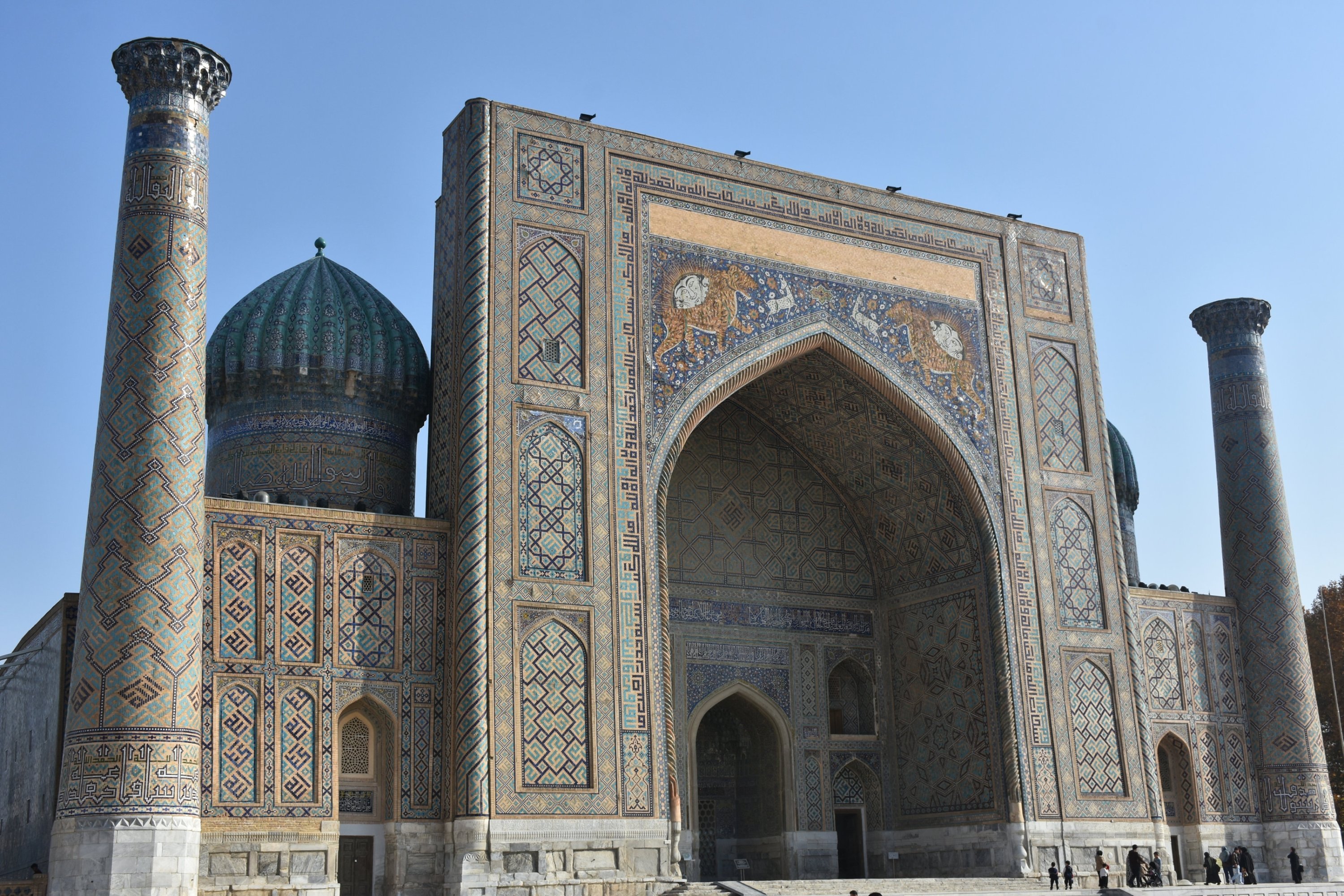
Ulugh Beg Madrassah, functioning as a university, was founded in the 15th century by Timur’s grandson, Ulugh Beg, who also taught students. Mathematics, philosophy, geography, music and religious studies were part of the curriculum, cementing Samarkand’s reputation as a center of learning. Tilla-Kari Madrassa, also known as the “Gold-Plated Madrassa,” served as both a school and mosque, while Shir-Dor Madrassa focused on religious education.
Visitors admire the low doorways of the madrasas, designed to instill respect for knowledge and the city’s culture of deference is reflected even in tea-serving ceremonies.
Religious, historical sites
Uzbekistan is home to many tombs and mosques. The mausoleum of Islam Karimov in Tashkent, built in 2016-2017 under President Shavkat Mirziyoyev, honors the nation’s first president, Islam Karimov. Hazrat Khizr Mosque, dating back to pre-Islamic Zoroastrian times, is considered the first Muslim mosque in the region.
Bibi Khanum Mosque, commissioned by Timur and completed with his wife Bibi Khanum’s oversight, bears her name. Timur’s family tombs, including many of his descendants, are in Samarkand. Imam Bukhari, a prominent Islamic scholar born in Bukhara and buried in Samarkand, draws Muslim pilgrims from across the world.
Samarkand’s legacy of knowledge, artistry and religious devotion continues to shape Uzbekistan’s identity, preserving the grandeur of its past for generations to come.
Some cities are like unexpected treasures: we don’t hear their names often, we add them to our plans at the last minute, yet when it’s time to say goodbye, a piece of our heart stays behind. Just half an hour away from Amsterdam’s famous crowds lies a world that is calmer, deeper and undoubtedly more romantic.
Utrecht: A hidden gem
In some travels, certain stops surprise us – or even make us wonder whether we should have visited at all – yet their charm lingers in our memory. Utrecht is one of those cities. I hope one day your path will cross with this delightful city, which I am eager to share with you.
Here’s a fact that might surprise you: Utrecht, often called “Little Amsterdam,” is actually the fourth largest city in the Netherlands. Following Amsterdam, Rotterdam and The Hague, Utrecht stands as one of the oldest cities in the country. Centrally located, it is about 40 kilometers (24.86 miles) southeast of Amsterdam and 60 kilometers northeast of Rotterdam, making it a must-visit on any Dutch itinerary.
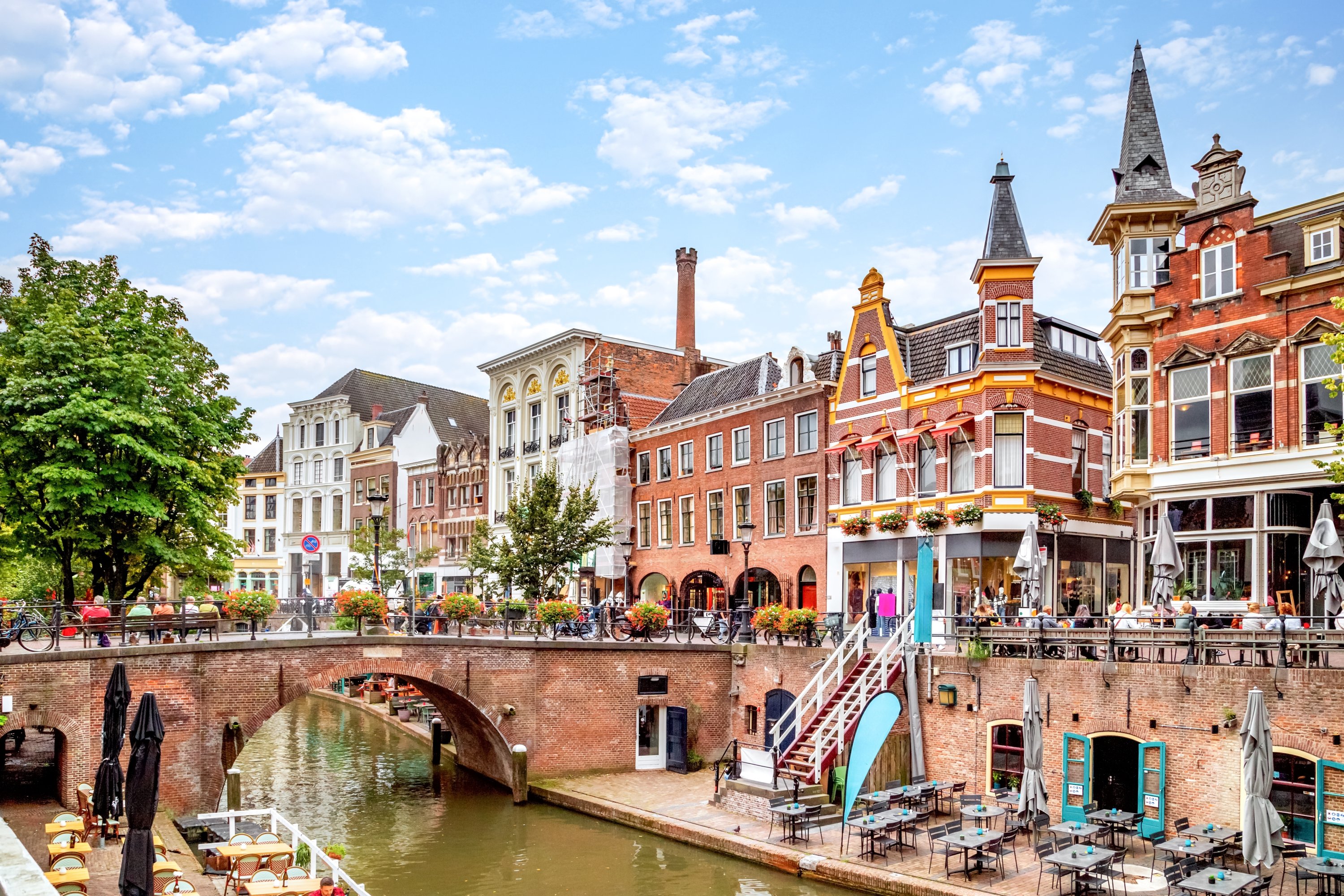
Despite being the fourth largest city, Utrecht does not share the hustle and bustle of Amsterdam. Perhaps this is why many visitors, including myself, feel an immediate connection to the city. Its traditional Dutch buildings, charming canal-side cafes and serene atmosphere make it perfect for slow walks, photography and simply savoring the moment. Utrecht is romantic, calm and timeless.
Canals: Heartbeat of Utrecht
The best way to understand Utrecht is through its canals. Unlike those in Amsterdam, Utrecht’s canals exude a unique charm and feel like the city’s lifeblood.
The famous werfkelder, or wharf cellars, give the city a two-level layout. Descending the moss-covered stone steps from street level, you leave the city’s rush behind and enter a tranquil world. Historic cellar doors now open into boutique cafés adorned with colorful flowers, dimly lit jazz spots, or creative art studios.
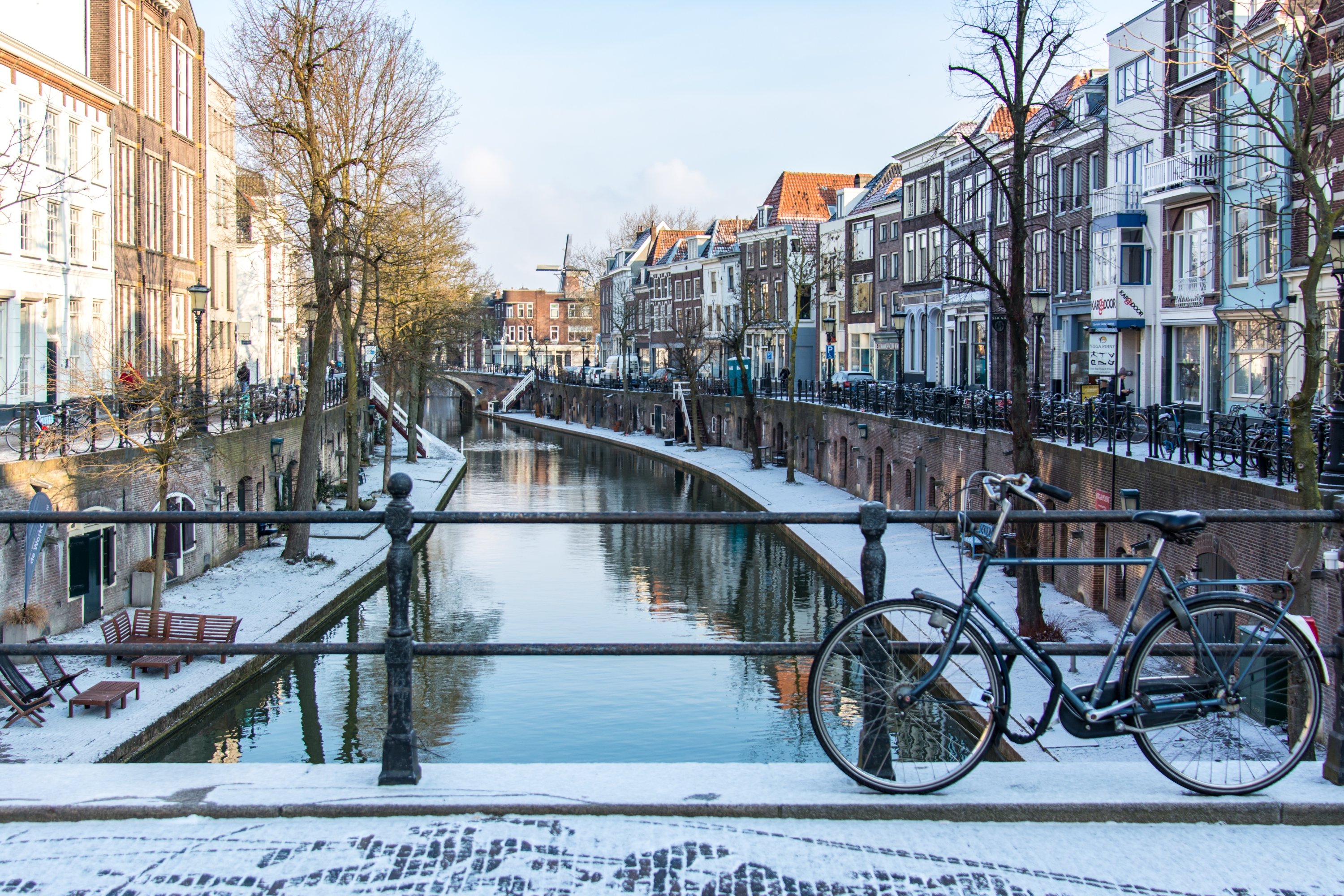
One of the city’s greatest joys is the feeling of life moving more slowly here. Even as a large city, Utrecht allows you to savor quiet moments. You’ll find yourself taking endless photos on flower-laden canal bridges and wishing your coffee by the water would never end.
Utrecht’s majestic landmark
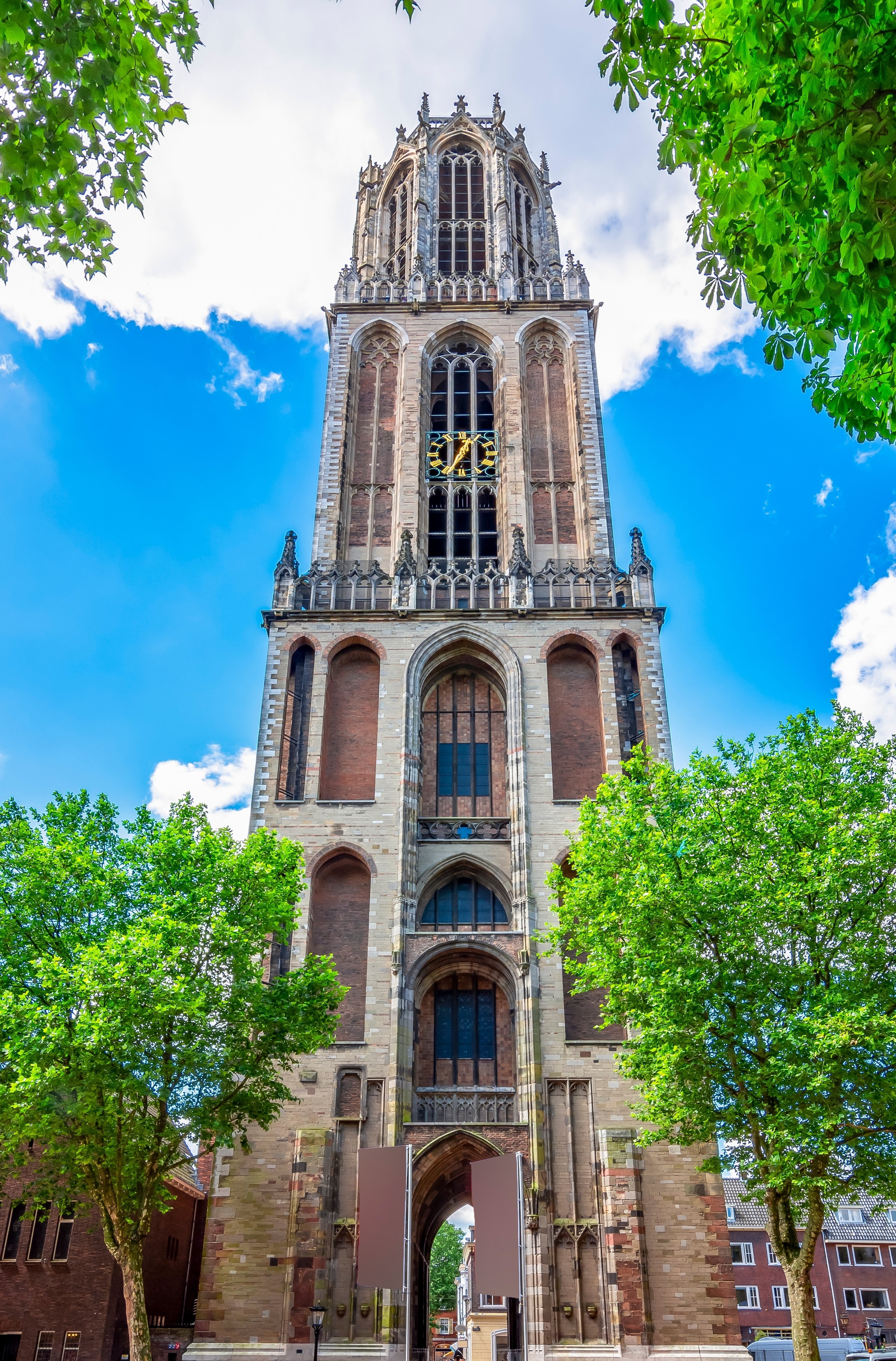
Dom Square (Domplein) is an ideal starting point for exploring the city. Its centerpiece, the Dom Tower, warmly welcomes visitors with its striking presence.
Built in the 11th century, the Dom Tower is one of Europe’s tallest church towers, standing 112 meters high. Once part of the Utrecht Cathedral, it remains a symbol of the city. The Gothic-style cathedral next to it adds to the historic skyline. From the top of the tower, you can enjoy panoramic views of Utrecht.
Discover history beneath Dom Tower
Did you know the magic of Dom Square continues underground?
Dom Under Utrecht offers a unique journey into 2,000 years of history. This underground museum showcases excavations and Roman-era ruins, revealing the city’s evolution from its earliest days. Archaeology enthusiasts can even witness ongoing excavations during their visit, making it a captivating experience for anyone interested in history and discovery.
St. Martin’s Cathedral
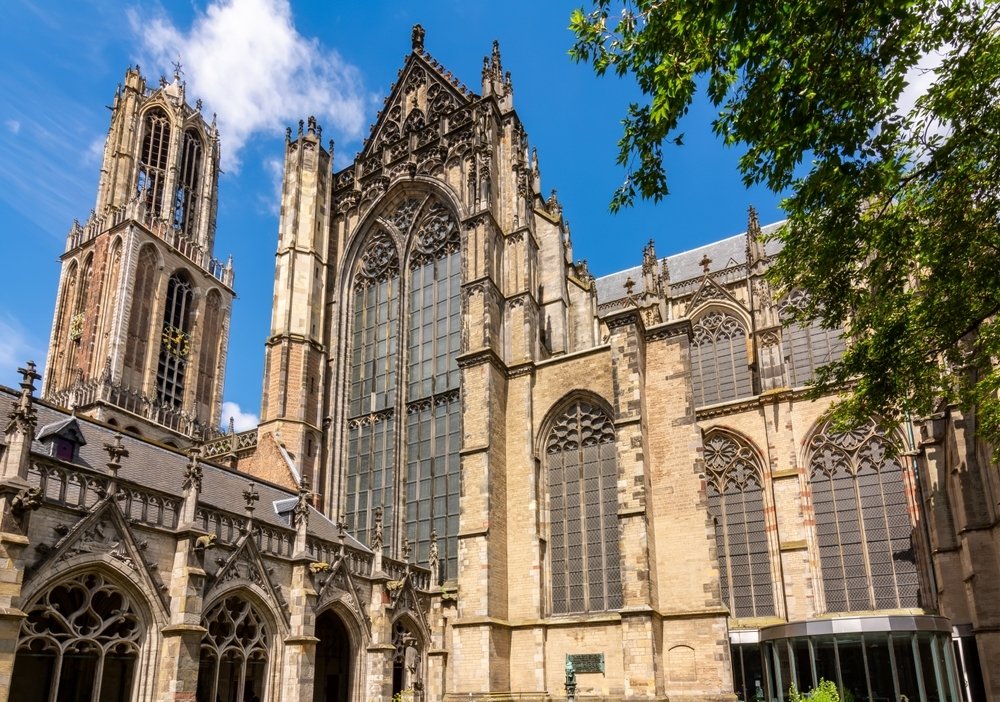
Another medieval gem in Utrecht is St. Martin’s Church, a symbol of the city that has stood the test of time. Hidden within the church is Pandhof Garden, a historic cloister garden adorned with plants, flowers and sculptures. Here, visitors experience a serene blend of history and nature, perfect for reflection and photography.
Rietveld Schröder House
Utrecht is also home to a UNESCO World Heritage Site: the Rietveld Schröder House, designed by Dutch architect Gerrit Rietveld. A global icon of modern architecture, the house features remarkable design innovations:
Movable partitions transform the interior from one large open space into multiple rooms.
The kitchen, living and dining areas can be reconfigured based on need.
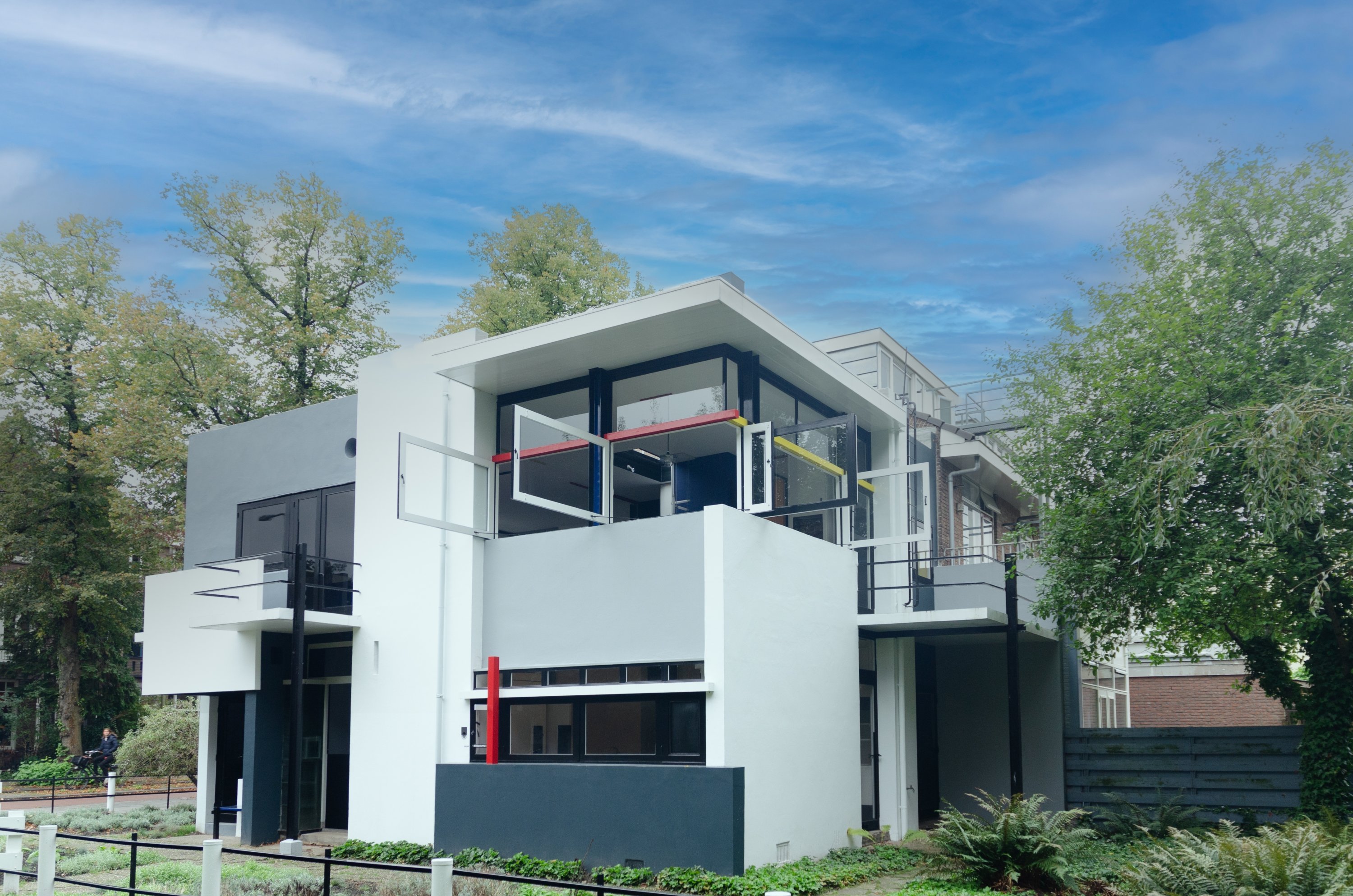
The corner window frames the outside view perfectly, with unobstructed sightlines that make the scenery feel like a painting.
The house is one of the most creative examples of functional modern architecture you can visit.
Museum Catharijneconvent
Named after a medieval monastery, Museum Catharijneconvent displays religious art and artifacts, exploring the Netherlands’ spiritual history. Alongside its impressive collections, the museum offers insights into traditions, rituals, and religious life, providing a unique and immersive experience.
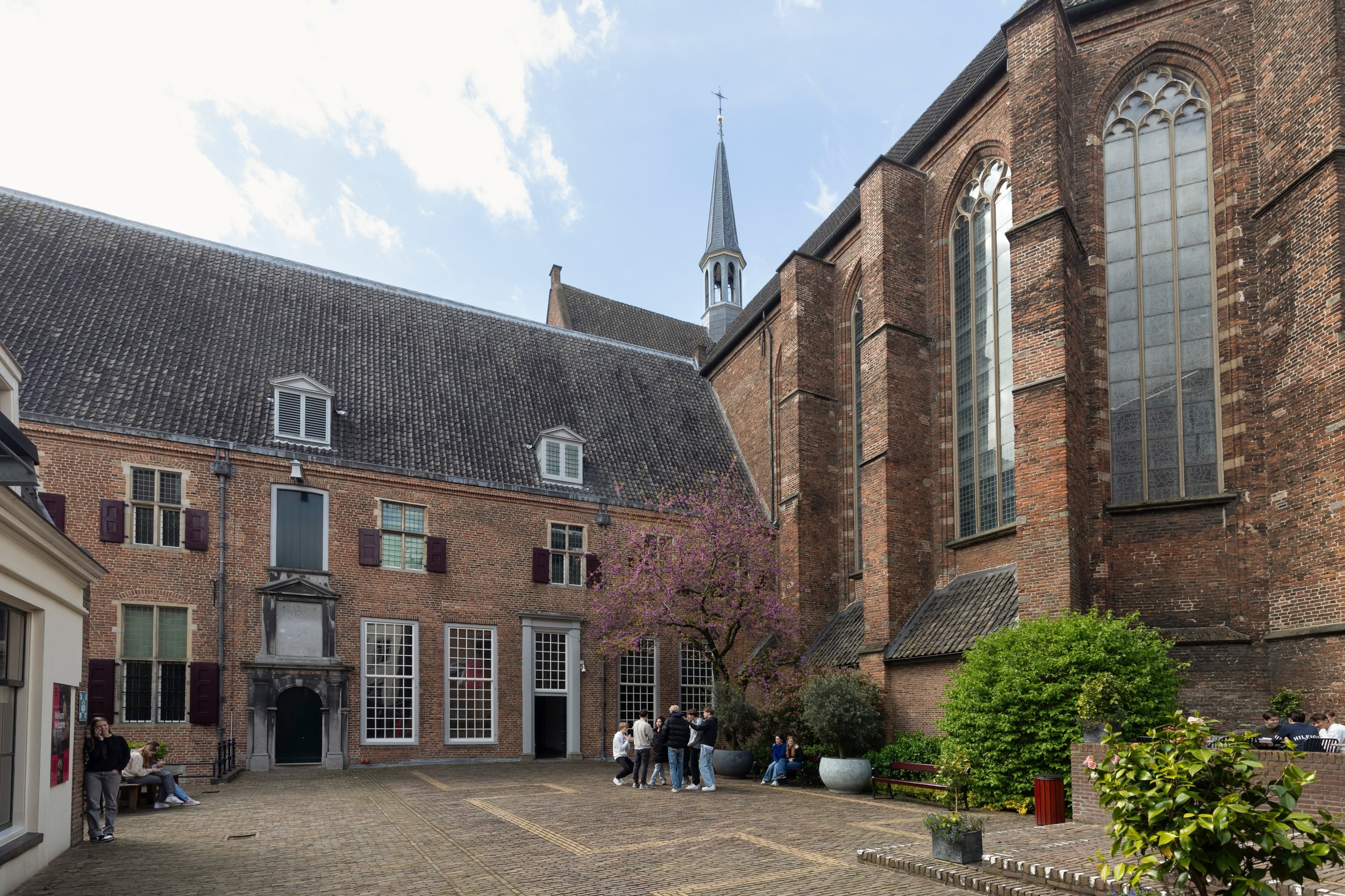
Castle De Haar
Just outside Utrecht lies De Haar Castle, one of the most beautiful and grand castles in the Netherlands, ranked among the 22 most beautiful castles in the world. Situated between Utrecht and Amsterdam, it is a testament to history and luxury, transporting visitors into a magical fairytale.
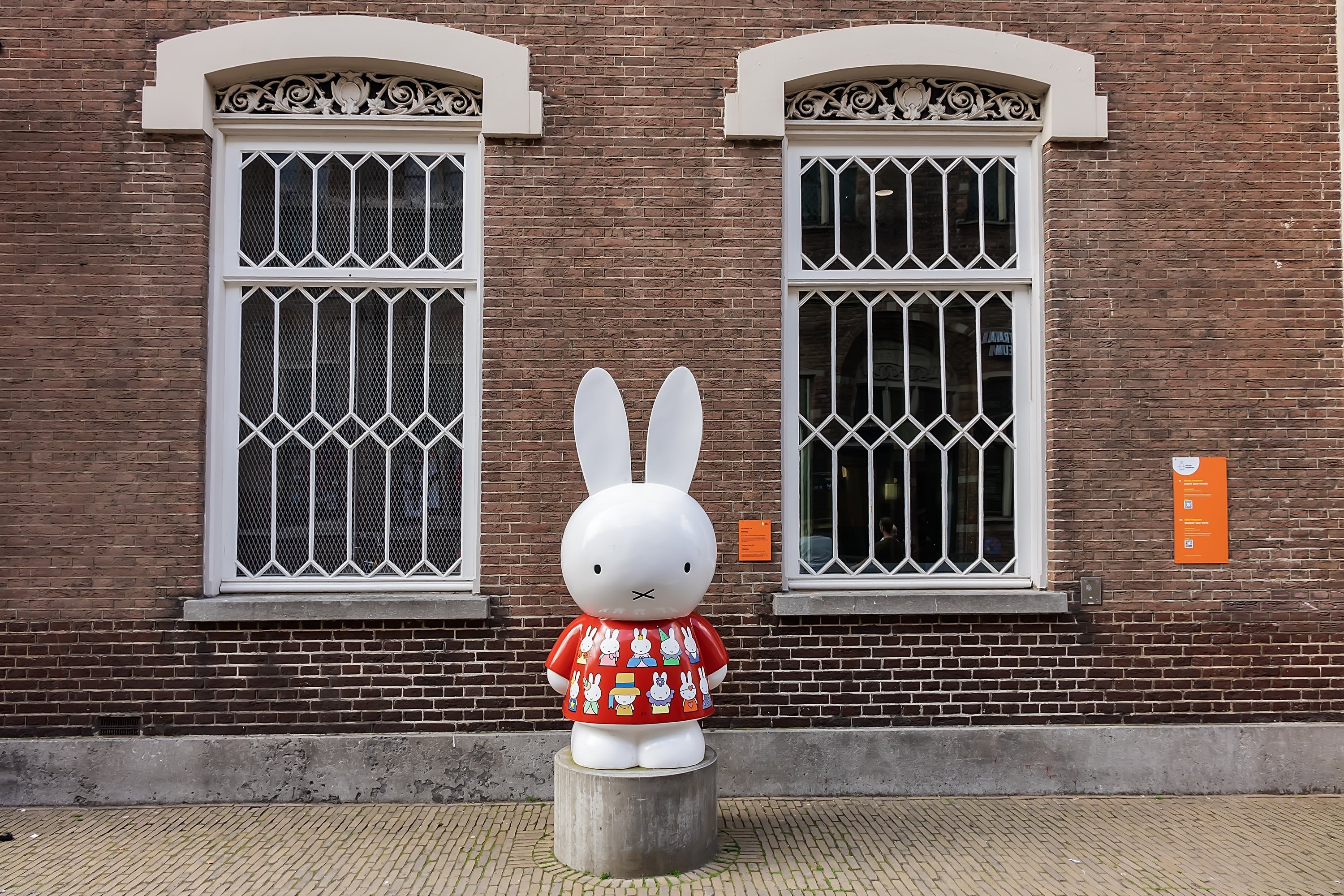
Miffy Museum
The Nijntje Museum, dedicated to the beloved Dutch children’s character Miffy (created by Dick Bruna), offers an educational and entertaining experience for children. Families can explore the colorful world of Miffy and enjoy interactive exhibits.
Sonnenborgh Observatory
Located in the northeast of the city, Sonnenborgh Observatory also functions as an astronomy museum. Housed within a historic fort, the observatory was acquired by Utrecht University in 1853 for astronomical research. Public observation events are occasionally held, guided by professional astronomers, making it a fascinating stop for science enthusiasts.

Ministry of National Defense announced the sad news! 1 soldier and 2 ASELSAN personnel were martyred in the helicopter crash in Qatar!

Turkish Parliament returns from Eid recess with new bills

Minister Gürlek: We have implemented important improvements in the expert system
Ministry of National Defense announced the sad news! 1 soldier and 2 ASELSAN personnel were martyred in the helicopter crash in Qatar!
Turkish Parliament returns from Eid recess with new bills
Minister Gürlek: We have implemented important improvements in the expert system
-
 Daily Agenda3 days ago
AK Party Spokesperson Çelik: We will not tolerate those who covet our land
-

 Daily Agenda3 days ago
Minister Güler’s statement about the Iran war: Türkiye continues its constructive efforts
-

 Politics3 days ago
Fidan heads to Qatar following Riyadh talks on regional developments
-
 Politics3 days ago
Türkiye says NATO deploys new Patriot system in Adana
-
 Daily Agenda2 days ago
Holiday message from Director of Communications Burhanettin Duran
-

 Sports1 day ago
Hakimi rejects Morocco’s AFCON title, cites Senegal’s on-field win
-

 Sports2 days ago
FIFA fines Israel $190K but rejects Palestinian suspension calls
-
 Daily Agenda1 day ago
A new citizen-focused security architecture is on the way