
Lifestyle
Tourists overwhelm Mount Fuji town, disrupt daily life

The trouble started with a beautiful photo.
Social media was soon awash with the lovely view of Japan’s snow-capped Mount Fuji looming over a red pagoda and the short-lived cherry blossoms that herald the approach of spring.
Tourists wanting a similar shot soon packed this peaceful town at the foot of the mountain. The complaints were not far behind: chronic traffic jams, piles of litter, ill-mannered foreigners knocking on doors of private homes to borrow toilets, tourists relieving themselves in front yards.
It got so bad officials in Fujiyoshida announced in February that they were canceling this year’s annual cherry blossom festival, which started as a way to promote tourism a decade ago.
What locals are calling “tourism pollution” has illuminated a broader problem for Japan: As the country’s economic malaise deepens, officials are eager for the economic boost of increased tourism, even as local communities find themselves entirely unprepared for what a small army of foreign visitors means for their communities.
“This area is primarily an ordinary residential neighborhood, where balancing (tourism) with the safety of people’s living environment has become difficult,” Masatoshi Hada, manager of the Fujiyoshida Economics and Environment Department, told The Associated Press (AP). “We decided not to promote a festival that would invite more visitors.”
Even without the festival, foreign tourists packed the area on a sunny day in early April when cherry blossoms reached their prime. The narrow streets up to the popular Arakurayama Sengen Park were filled as the visitors lined up for a chance film the world-famous panoramic views.
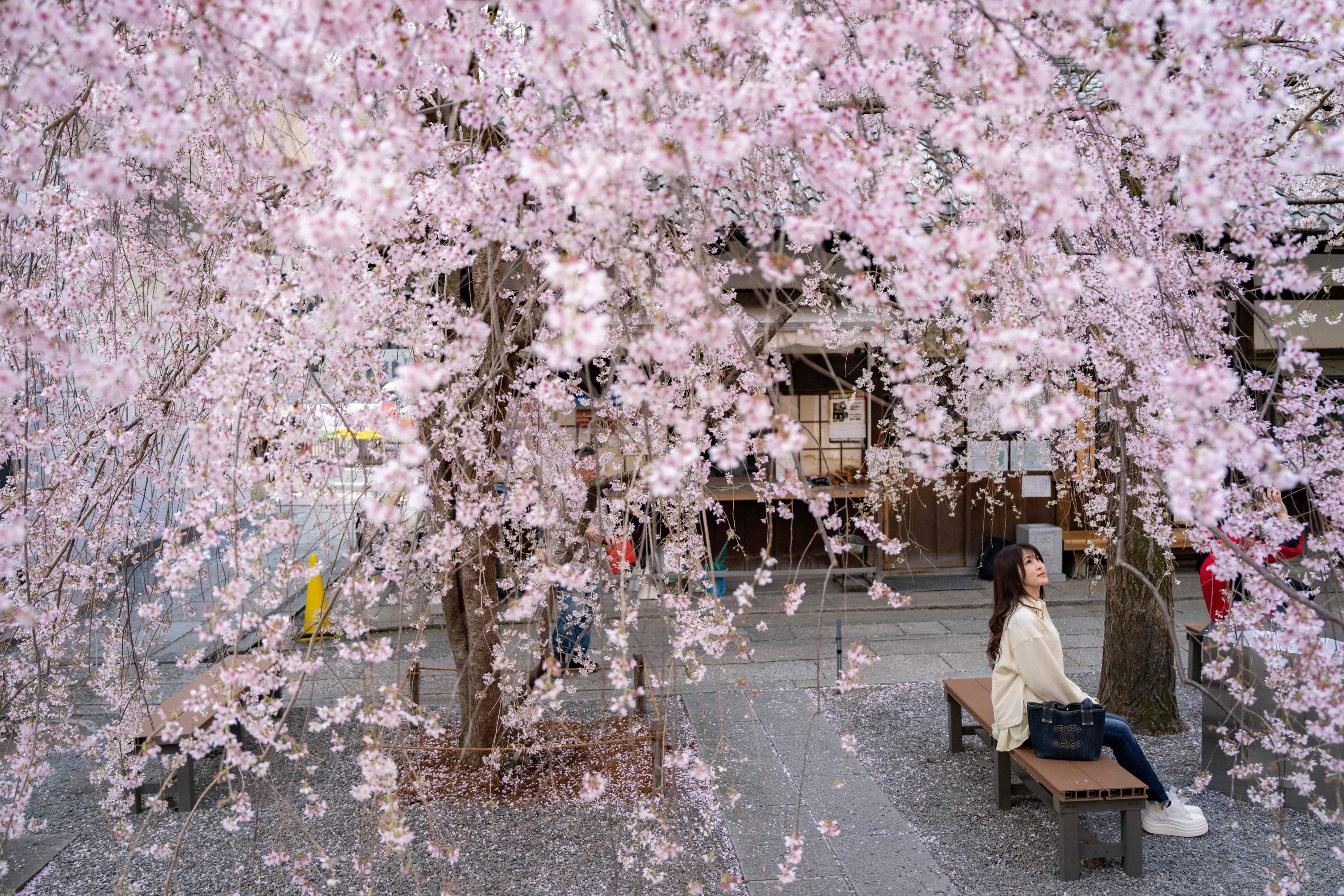
In recent years, foreign tourists have exceeded 10.000 per day in the area, something that has “threatened residents’ daily lives,” the city said in a statement in February.
Overtourism has also been seen in other popular destinations in Japan, like Kyoto and Kamakura. In Kyoto, locals complain of tourists with large suitcases clogging city buses.
“Tourism pollution” comes as Japan confronts a rapidly growing population of foreign workers brought in as the country’s population dwindles and ages. The combination has led to xenophobia and Prime Minister Sanae Takaichi ’s nationalistic government has proposed tougher rules on foreigners.
Even as it promises to address overtourism concerns, the government wants to boost the current level of 40 million inbound tourists to 60 million visitors by 2030.
Beginning April 1, at the start of the region’s cherry blossom season, Fujiyoshida increased its security guards and restricted entry of tour buses and vehicles into the scenic neighborhood, requiring visitors to reach the park on foot.
On a recent day, security guard Hiroaki Nagayama gestured to passersby so they would stay out of busy areas. He asked tourists to throw cigarette butts in designated places and tried to help the lost.
“I’m struggling. I cannot communicate with them in Japanese. Some people buy food at stalls and leave litter behind,” Nagayama says. “I think what’s happening here is a typical example of overtourism.”
Sitting on a bench outside his house just a couple of blocks away, Hitoshi Mori, 93, says having many visitors is “good but annoying.”
“It’s too crowded outside so I can only get groceries once a week and stock up on food,” he says.
Tourists, meanwhile, seem delighted by the spectacular view, despite many signs popping up that order them to behave better. There are also hours-long lines to get to cherished scenic spots.
“It’s pretty (well) organized. When they let you come in, you have like five minutes to take as many pictures as you can, and it was amazing,” said Lisa Goerdert from Paris.
Vicky Tran, who came from Melbourne, Australia, with her family and friends, said they could not go all the way up to see the pagoda with Mount Fuji and the cherry blossoms, because it was too crowded. Still, she said she enjoyed the view and the neighborhood.
The overtourism has opened divisions between residents who want quiet and those who have started businesses using their yards to operate toll parking or setting up new shops or food stalls.
In a nearby shopping arcade that once had many closed mom-and-pop shops, business has picked up after another viral social media shot showed Mount Fuji looming over the street.
Throngs of tourists stand in the street to take photos of Mount Fuji, often blocking traffic, with frustrated vehicles honking.
The sudden flood of visitors is a huge change “for people like us who are used to a quiet suburban lifestyle,” says Masami Nakamura, who runs a decades-old school uniform shop with her husband. “I only hope the tourists respect our rules and manners.”
The crowds are a big change even for those who are seeing increased business.
“I once almost hit a tourist who jumped into the street without looking,” said Kyoko Funakubo, a 60-year-old employee at a local hotel and a part-time vendor selling Fuji-themed souvenirs. “This place used to be almost abandoned, with many shuttered shops. But now, with many stores reopened or new shops that have opened, I feel good seeing this area come alive again.”

Why you’ll fall in love with (and spend a fortune in) Belgium’s fashion capital
When people think of the world’s major fashion hot spots, Paris, Milan or London usually come to mind right away. But there’s one city that offers all of that while exuding a unique, almost magical tranquility. I’ll admit it: I found Antwerp incredibly beautiful. But beyond the classic postcard scenes, I was particularly fascinated by one thing: shopping. If you’re tired of seeing the same brands and designers in every European city center, you should definitely give Antwerp a chance. Here, fashion isn’t a one-size-fits-all affair, but an expression of the highest individuality.
Train station like a palace
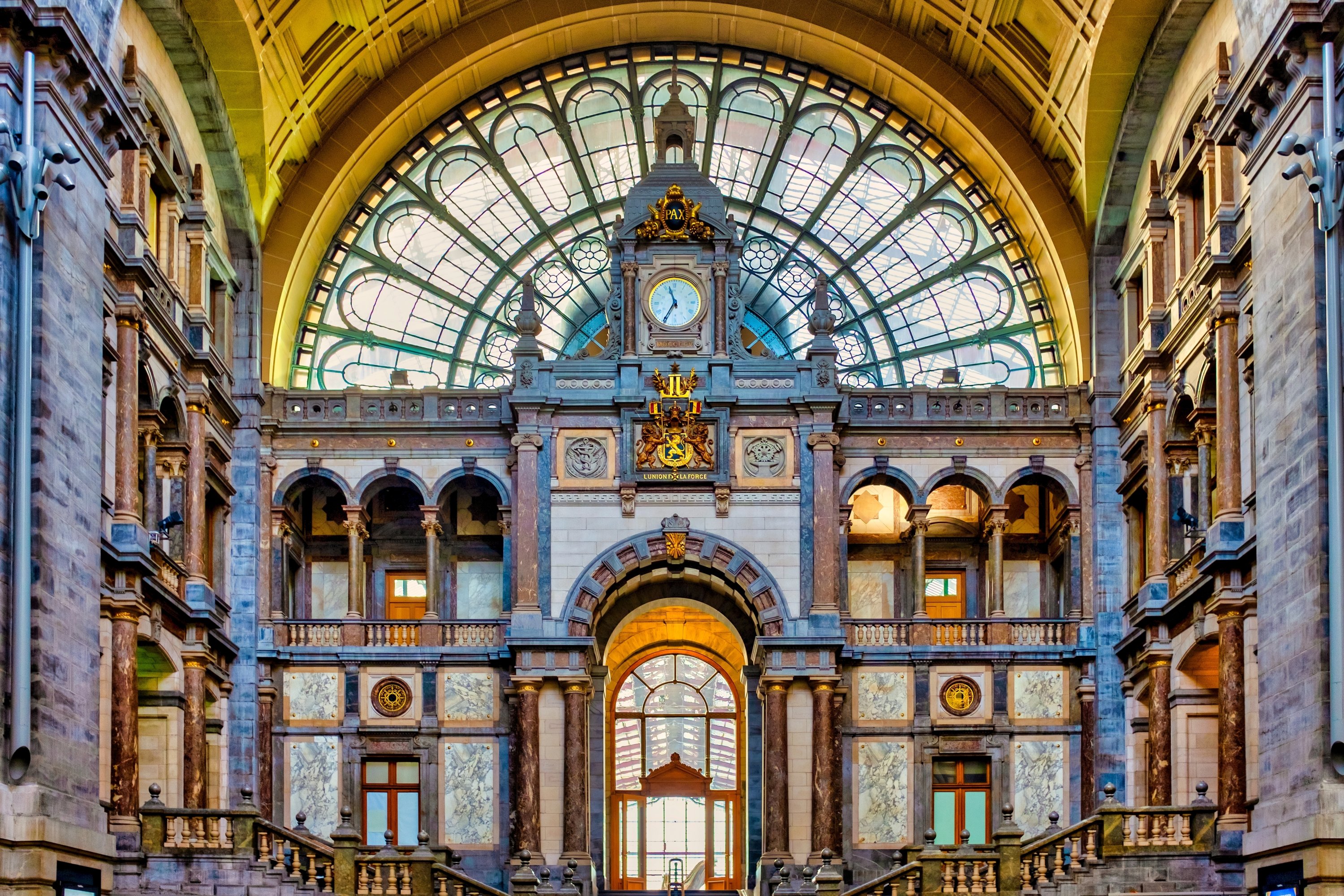
Even your arrival in the city makes a real statement and sets the tone for the rest of your stay. Antwerp-Centraal Station is often – and quite rightly –described as one of the most beautiful in the world. With its massive glass domes, elegant marble and golden details, it feels more like a cathedral or a stately palace than a mundane transportation hub. It serves as the perfect starting point for a discovery tour that immediately transports you to a world where aesthetics and craftsmanship take center stage.
Neighborhood of dreams
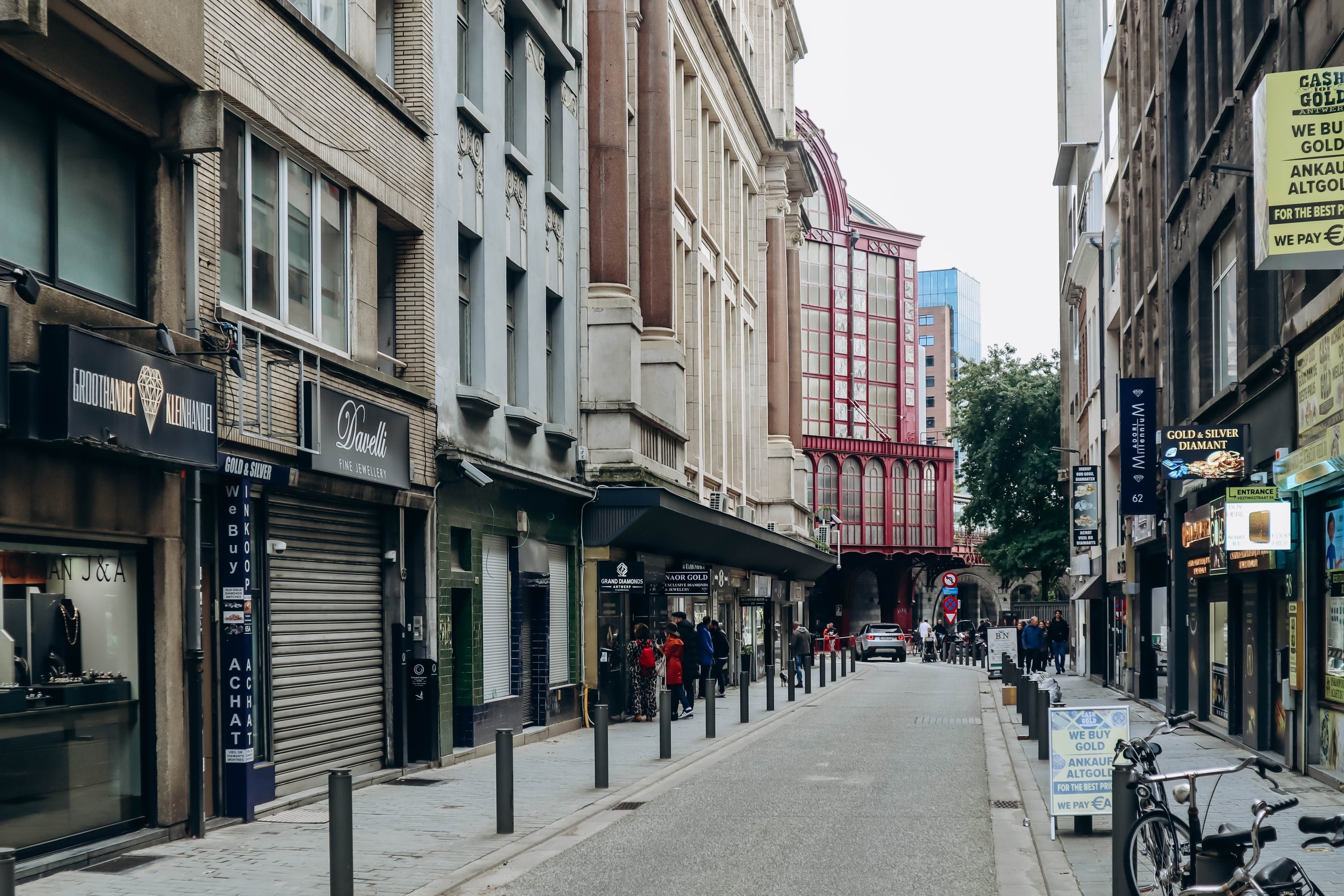
Right next to this architectural masterpiece beats the heart of the global gem trade. The Diamond District is a place steeped in myth and history, where billions of dollars change hands within an area of just one square meter around Hoveniersstraat. It’s fascinating to know that nearly every diamond in the world has been here at least once to be traded, certified or cut. The unique blend of traditional Jewish merchants and modern, international experts gives the district a distinct atmosphere. Anyone looking for a sparkling souvenir will find expertise and a selection here that is unmatched anywhere in the world, often directly at the source and at prices that would be unthinkable in traditional retail.
Avant-garde of ‘Antwerp Six’
Antwerp shines not only for its diamonds, but above all for its boldness in fashion. Since the 1980s, when the legendary “Antwerp Six” revolutionized the fashion world, the city has been a pilgrimage site for anyone seeking something special. Especially around Nationalestraat and the fashion district, you can feel this creative spirit on every corner. In the concept stores and small boutiques, you’ll find colorful, boldly curated collections unlike anything I’ve seen before. It’s a wonderful mix of avant-garde high-end fashion by local talents and wearable yet unconventional pieces that stand out refreshingly from the fashion mainstream.
Where to indulge your style
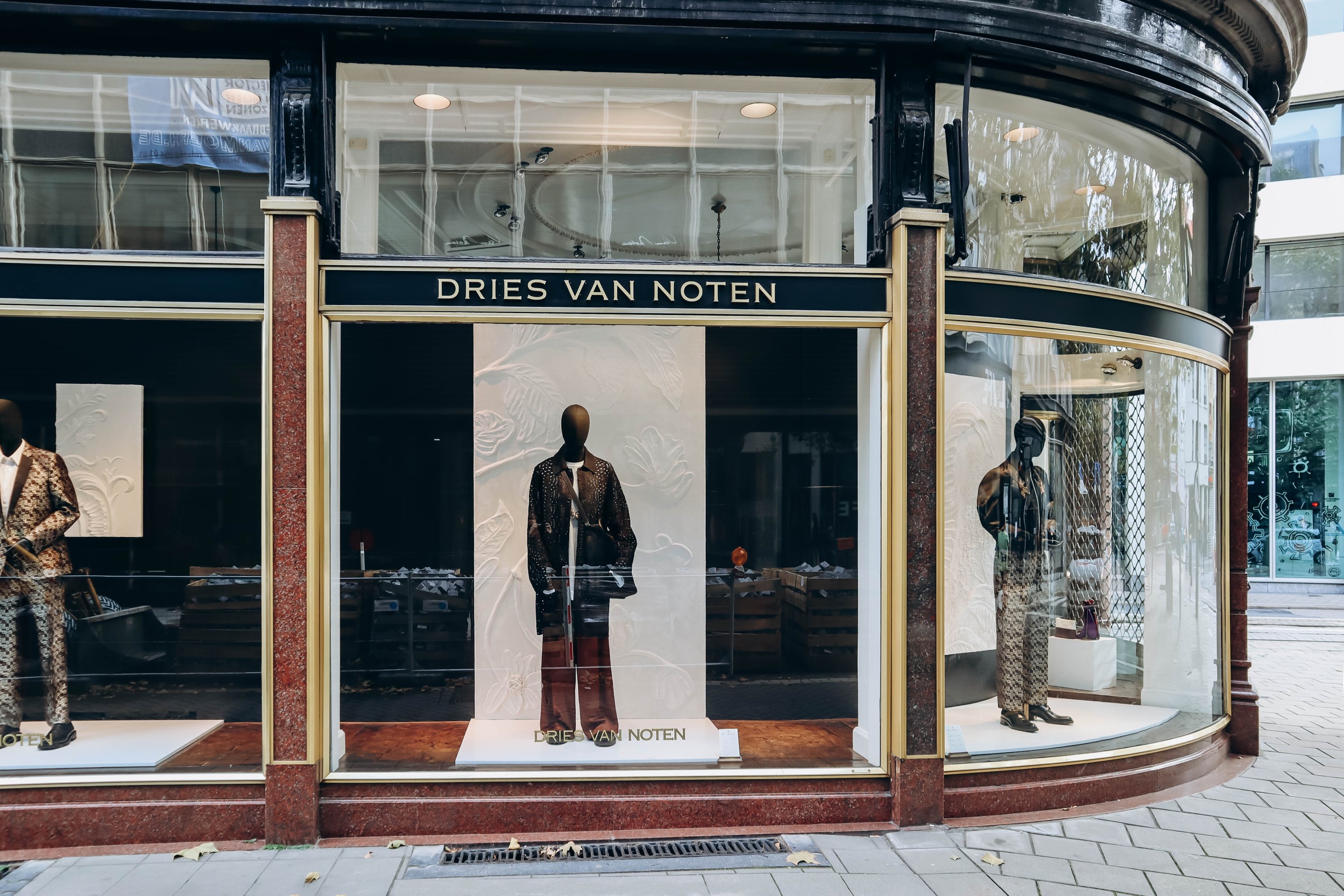
Dries Van Noten (Het Modepaleis): An absolute must-see, even if you just want to browse. The flagship store, located in a historic building at the corner of Nationalestraat and Kammenstraat, is a total work of art. The interior design, the fabrics, and the way the collections are presented all embody the spirit of the “Antwerp Six.”
Stephan Schneider: Right behind the Modepaleis (Reyndersstraat), you’ll find the store of another renowned designer from the Antwerp School. His style is more minimalist and very wearable—perfect for anyone who loves high-quality fabrics and timeless yet distinctive design.
Graanmarkt 13: This is more than just a store. It’s a concept store, a restaurant, and an apartment all in one. Here you’ll find a carefully curated selection of fashion, accessories, and interior design that perfectly captures that “Antwerp look”: understated yet extremely stylish.
Ensemble: Located on Abbinstraat, this shop is a must-visit for fans of independent labels. Here, collections by young, up-and-coming designers are often mixed with established brands, creating exactly the “eclectic mix” that you found so fascinating.
MoMu Shop: If you’re already at the Fashion Museum, you should definitely stop by the shop. There you’ll often find exclusive coffee-table books, accessories by local designers, and small art objects that you won’t find anywhere else.
Vintage treasures
Those who enjoy digging deep and love unique finds will find plenty to delight in at the top-notch secondhand and vintage shops. At stores like Riot on Lange Koepoortstraat, it’s not about rummaging through dusty piles, but about finely curated highlights and genuine designer treasures. Another special insider tip for fashion enthusiasts is the infamous sample sales by Antwerp designers. If you’re lucky enough to be in town during one of these sales, you can snag high-quality fashion straight from the studios at a fraction of the original price. It’s this hunt for one-of-a-kind pieces that makes a shopping trip here so exciting.
Architecture as a backdrop
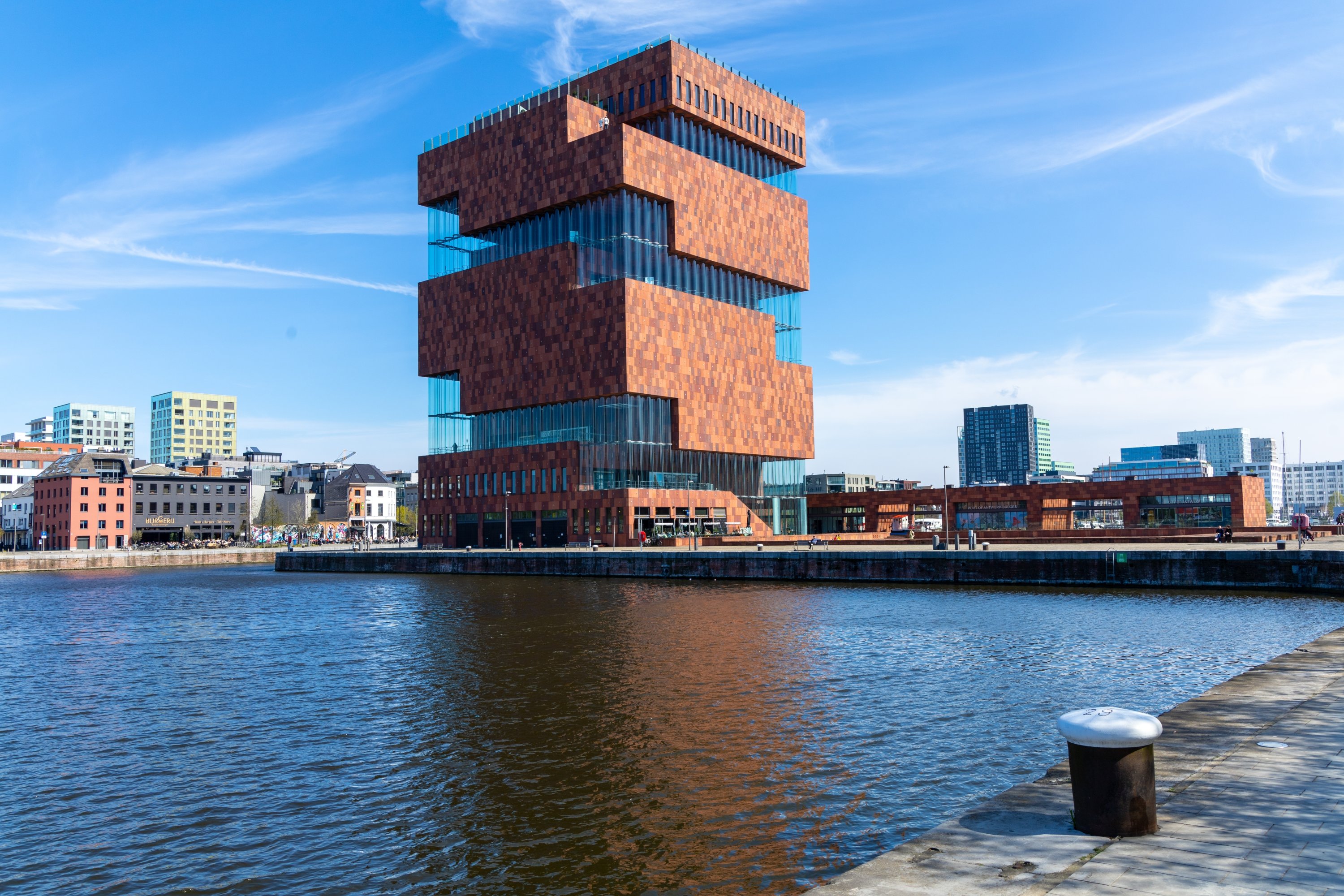
The best thing about Antwerp, however, is that you never have to separate the shopping experience from sightseeing. As you stroll from one shop to the next, you almost automatically pass by the Grote Markt with its impressive town hall and magnificent guild houses. An absolute must-see for anyone who loves aesthetics is the Hendrik Conscience Cultural Heritage Library. The Nottebohm Hall, in particular, exudes a genuine “Harry Potter” vibe and offers a welcome respite. If you want to take in the view in between, take a stroll to the MAS (Museum aan de Stroom) at the harbor. From the rooftop terrace on the ninth floor, you’ll be rewarded with a priceless view of the city, the Scheldt, and the vast harbor.
Cuisine, lifestyle
Of course, there’s no shortage of culinary delights, because as we all know, shopping works up an appetite. In Antwerp, a typical Belgian waffle to eat on the go or a bag of fresh fries is simply a must. For those who prefer something a bit more elegant, Restaurant Fiera – housed in the spectacular setting of the former stock exchange – is the perfect spot for dinner under high ceilings. For a casual lunch, check out the WOLF Sharing Food Market, where urban street food is served in an old warehouse. Antwerp is cosmopolitan, historic and has remained incredibly youthful thanks to its vibrant fashion scene. My advice for your next trip is to be sure to pack a large, empty suitcase – you’ll need it.
Imagine a fairytale city embraced by the chilly northern winds, cold yet welcoming you with the famous philosophy of “hygge” that warms your heart the moment you step inside. This is Copenhagen, a place where Hans Christian Andersen’s mermaids, colorful brick houses and the quiet reign of bicycles come to life.
As the modern world moves faster every day, Copenhagen gently reminds us of the value of slowing down, enjoying a cup of hot coffee and sharing sincere moments with friends.
When we arrived in Copenhagen from the airport, we were greeted by the city’s unique rhythm. As we reached our hotel, the calm atmosphere in the lobby and the sight of people deeply engaged in conversation by the fireplace, drinks in hand, made us truly believe that time would slow down here.
Even in March, Copenhagen proved itself a northern city with its harsh winds and cold weather. Despite the cold and wind, we were ready to explore every street of this city.
Nyhavn, dance of colors on water
After settling into the hotel, we headed to Nyhavn to watch the sunset and end the day peacefully.
Nyhavn, those iconic postcard images everyone associates with Copenhagen, became the starting point of our journey. This 17th century harbor, once a hub for sailors and merchants, is now one of the city’s most recognizable faces.
As we walked slowly along the waterfront, the colorful reflections dancing on the water created unforgettable scenes etched into our memory. The vibrant houses lining the canal became the backdrop of lasting memories and their warm tones seemed to warm us even in the freezing air.
Nyhavn is also home to number 20, the house where Hans Christian Andersen once lived. Seeing this inspiring setting, it’s easy to understand how he may have drawn inspiration from it and that his world-famous works were no coincidence. With that thought, we eagerly looked forward to our next stops.
‘Little Mermaid,’ Kastellet
The next stop after the harbor can be the “Little Mermaid” statue and Kastellet. About a 15-minute walk away, by the water, the melancholic and proud figure of the mermaid awaits you.
It’s worth noting that the statue is smaller than expected. According to legend, this bronze figure carries the longing of an impossible love and a world beneath the sea.
Just behind the statue rises Kastellet, one of the best-preserved star-shaped fortresses in Europe. When we added it to our route, we expected a challenging climb. After all, castles are often built on high ground with steep paths. We remembered how exhausting it was to climb castles like Eltz, Neuschwanstein and Bled.
However, since Copenhagen is relatively flat, Kastellet is not situated at a great height. Instead, it features strategic defensive design elements. The star-shaped structure is surrounded by lush green moats, one of its key defensive features.
The star design is said to provide defenders with a continuous 360-degree field of vision. The fortress complex also includes a windmill in its garden. Built in the 17th century to supply flour and oatmeal during sieges, this windmill is now one of the most iconic photo spots. It is the last remaining original windmill in the area and has been preserved as a historical symbol.
Today, although it still retains its fortress identity, it also offers a peaceful space for walking and relaxation.
Amalienborg Palace, Marble Church
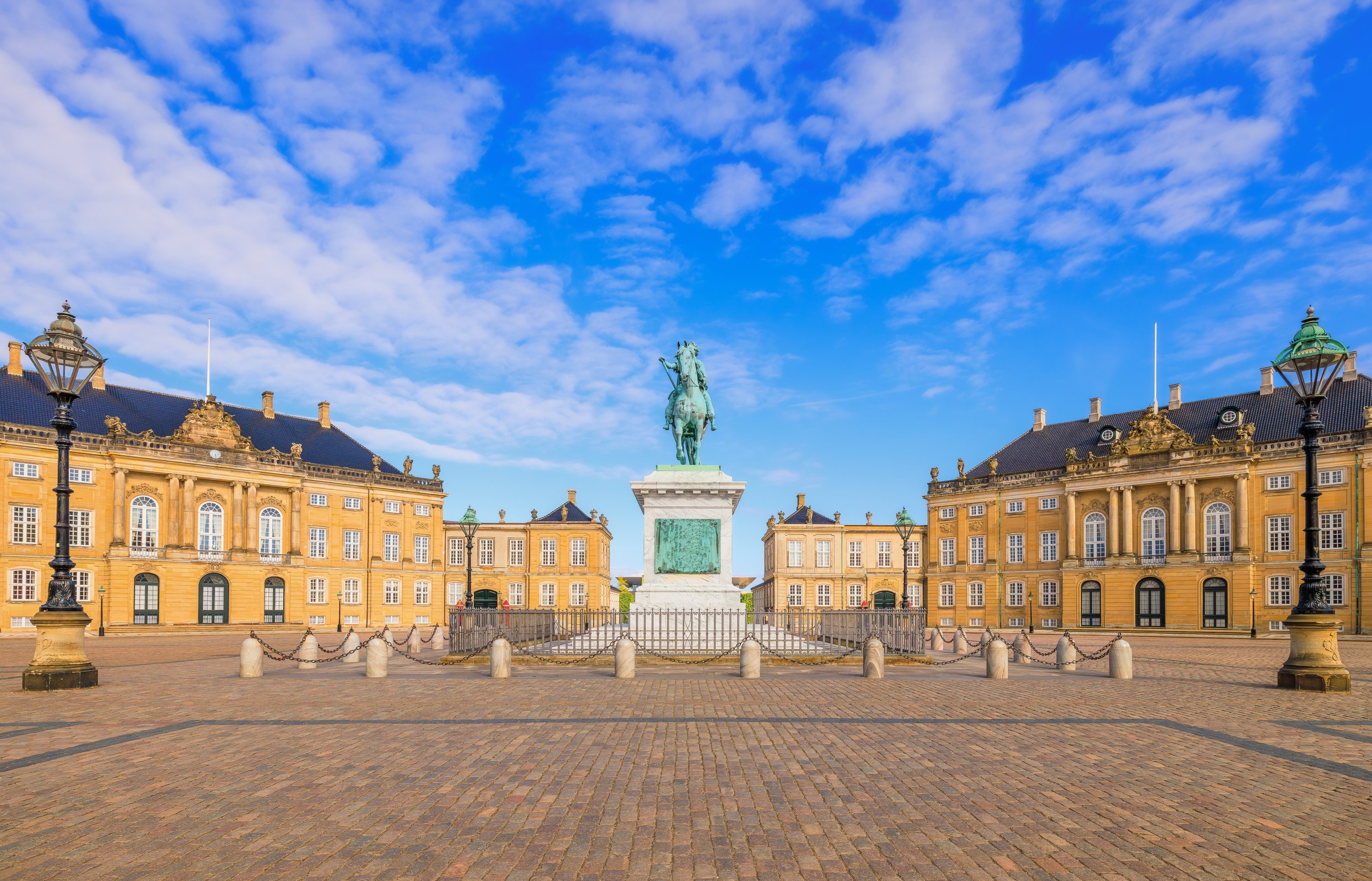
Copenhagen is home to several palaces, but if you plan to visit Amalienborg Palace, you should time your visit carefully.
We planned ours at 12 p.m. If you arrive early, you can first visit the Marble Church (Frederik’s Church), located just behind the palace, with its massive and striking dome.
This church was one of the most impressive structures we saw in the city. Its grandeur from the outside alone proves it is one of Copenhagen’s most magnificent buildings.
After visiting the church, make sure to be in the palace square before noon. A large crowd gathers to watch the changing of the guard ceremony, forming a semicircle around the square. The ceremony takes place behind the large equestrian statue in the center, so if you stay too far back, it may be hard to see.
Rosenborg Castle, King’s Garden
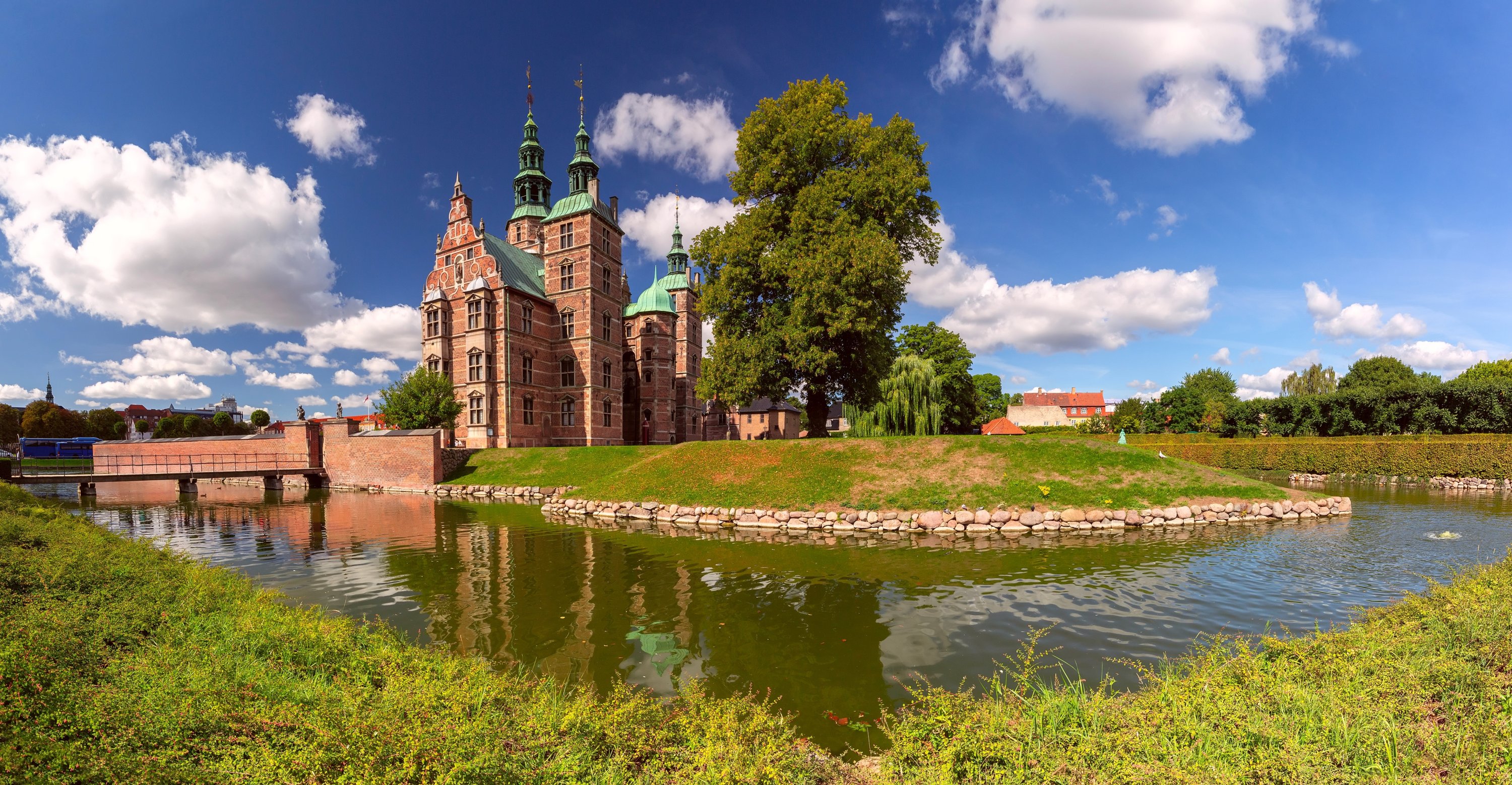
Located in the heart of the city, Rosenborg Castle shines with elegance. It was once used as the royal family’s summer residence and now houses the royal jewels.
The King’s Garden (Kongens Have), where the castle is located, is a lush green retreat for those looking to relax in nature within the city.
Freetown Christiania
If you think Copenhagen is only about order and aesthetics, think again. This area proves that a rebellious spirit also exists within the city.
Founded in 1971 on a former military site, the residents of Christiania created a self-governing community with their own rules, flag and unique lifestyle. At the entrance, you’ll even see a sign that reads: “You are now leaving the European Union.”
From the moment you step inside, it becomes clear that Christiania is a creative pocket of chaos within Copenhagen’s otherwise perfect order.
Stroget Street
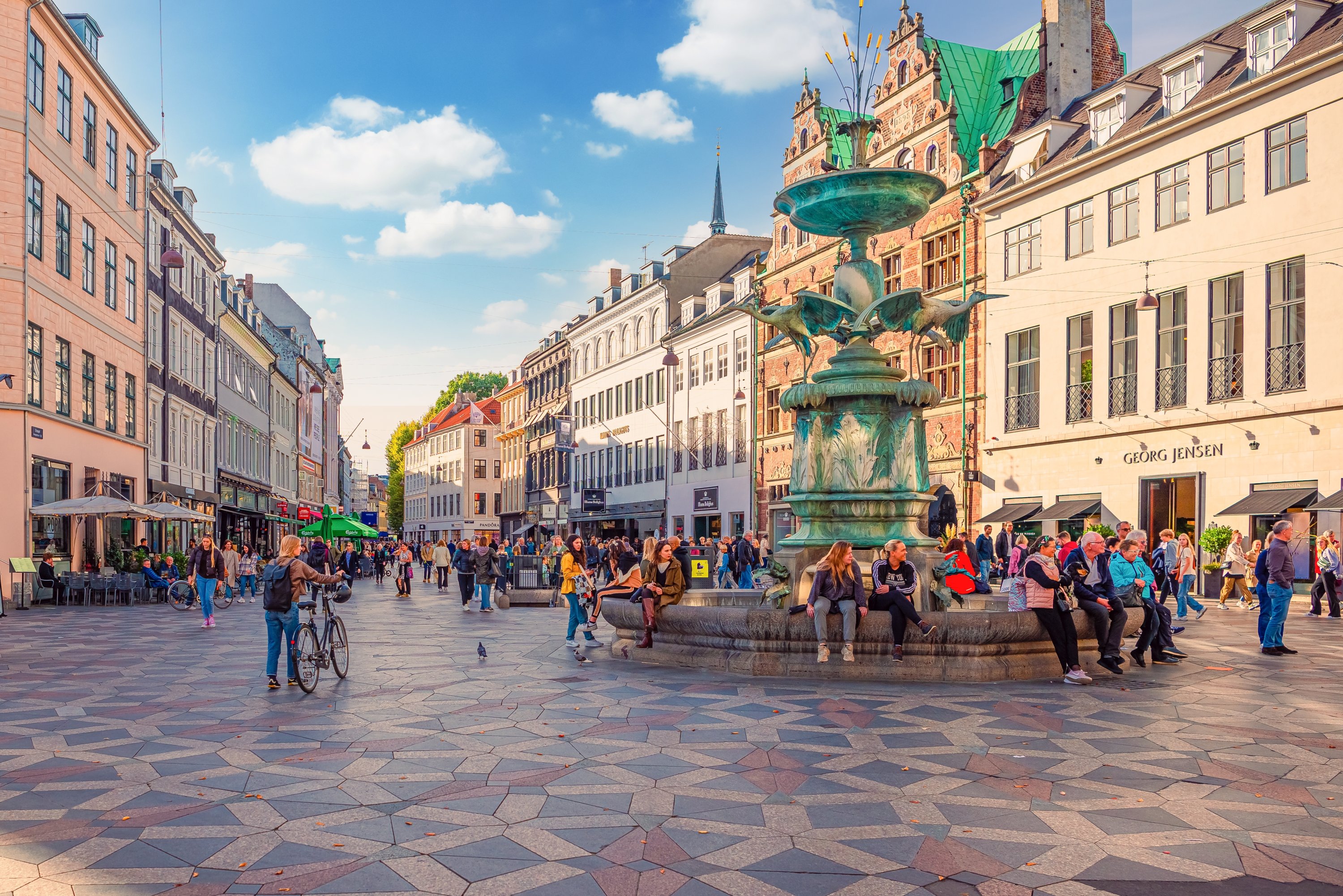
If you want to feel the pulse of Copenhagen, Stroget is a must-visit. It is known as one of the longest pedestrian streets in the world.
Stretching from City Hall Square (Radhuspladsen) to the elegant Kongens Nytorv, this street offers everything from luxury brands to local designer boutiques and allows you to encounter the best of Danish aesthetics.
As you walk along, accompanied by street musicians and performers at every corner, you can stop at one of the iconic squares, enjoy a coffee and experience the “hygge” philosophy firsthand.
And one last tip: Since Denmark is the birthplace of LEGO, don’t miss visiting the LEGO Store on Stroget. The large store in Copenhagen is one of the brand’s most important showcases in its home country.
Rendetaarn, Round Tower
Just a few steps from Stroget rises Rundetaarn (The Round Tower), one of Copenhagen’s most iconic landmarks.
What makes this 17th-century observatory unique is that you don’t climb stairs to reach the top. Instead, you walk up a wide spiral ramp.
Once at the top, you’re rewarded with a stunning panoramic view of the city’s characteristic red-roofed houses and narrow streets. With both its architecture and its breathtaking view, it absolutely deserves a spot on your travel list.
In New York City, the rhythm of global conversations is rarely quiet but this week, it feels especially charged. From sustainability milestones to the looming spectacle of international sport and a reinvigorated art scene, the city is once again reflecting the pulse of the world.
March 30 marks the International Zero Waste Day, a rapidly growing global platform calling attention to one of the most urgent challenges of our time: waste. This year’s focus food lands particularly powerfully in a city defined by both abundance and inequality.
Globally, nearly 1 billion tonnes of edible food is wasted each year, accounting for almost one-fifth of all food available to consumers. Around 60% of that waste occurs at the household level, while the rest stems from inefficiencies across food service, retail and supply chains. The implications are profound, affecting not only food security but also climate systems and biodiversity.
In New York, the conversation is no longer abstract. Across community kitchens, sustainability panels and policy forums, the emphasis is shifting toward circular food systems where waste is minimized, surplus is redistributed and consumption becomes conscious.
What stands out this year is the recognition of Türkiye’s leadership. Originally spearheaded by Türkiye and formalized through a United Nations resolution in 2022, International Zero Waste Day has evolved into a cornerstone of global climate dialogue. The United Nations General Assembly’s endorsement transformed a national initiative into a worldwide movement.
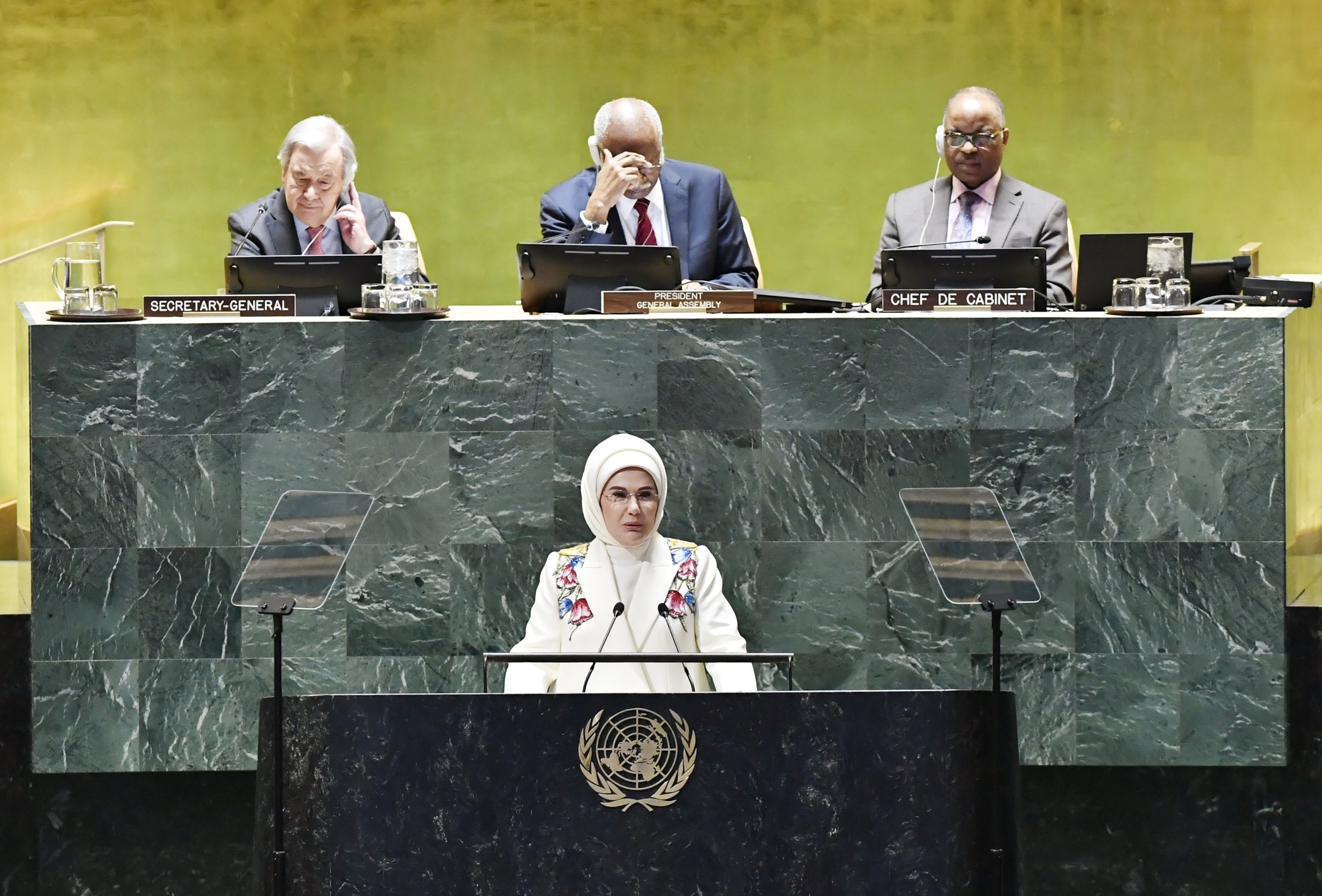
At the heart of this effort is the Zero Waste Project, launched under the leadership of first lady Emine Erdoğan. In New York, policymakers, activists and sustainability leaders are openly acknowledging Türkiye’s pioneering role. The project is increasingly viewed not just as a national success, but as a scalable model for global policy. The message is clear: governments, businesses, and individuals must act in tandem.
World Cup anticipation
If sustainability defines one side of the city’s current mood, anticipation defines the other. With the 2026 FIFA World Cupjust months away, New York is preparing to host one of the largest sporting events in history. Yet, beneath the excitement lies a surprising lack of clarity.
Mayor Zohran Mamdani’s administration has promised a citywide experience one that extends far beyond stadiums into subways, sidewalks, parks and neighborhood corridors. But when pressed for specifics, officials have struggled to provide concrete answers.
Key questions remain unresolved: the economic impact of proposed initiatives like a five-week free bus program, job creation projections and enforcement measures around labor conditions. Maya Handa, tasked with coordinating the effort, has emphasized ongoing discussions but offered few definitive plans.
Public transit a critical pressure point has become a focal concern. Comparisons to the logistical shortcomings of the Super Bowl continue to surface, raising questions about preparedness and contingency planning.
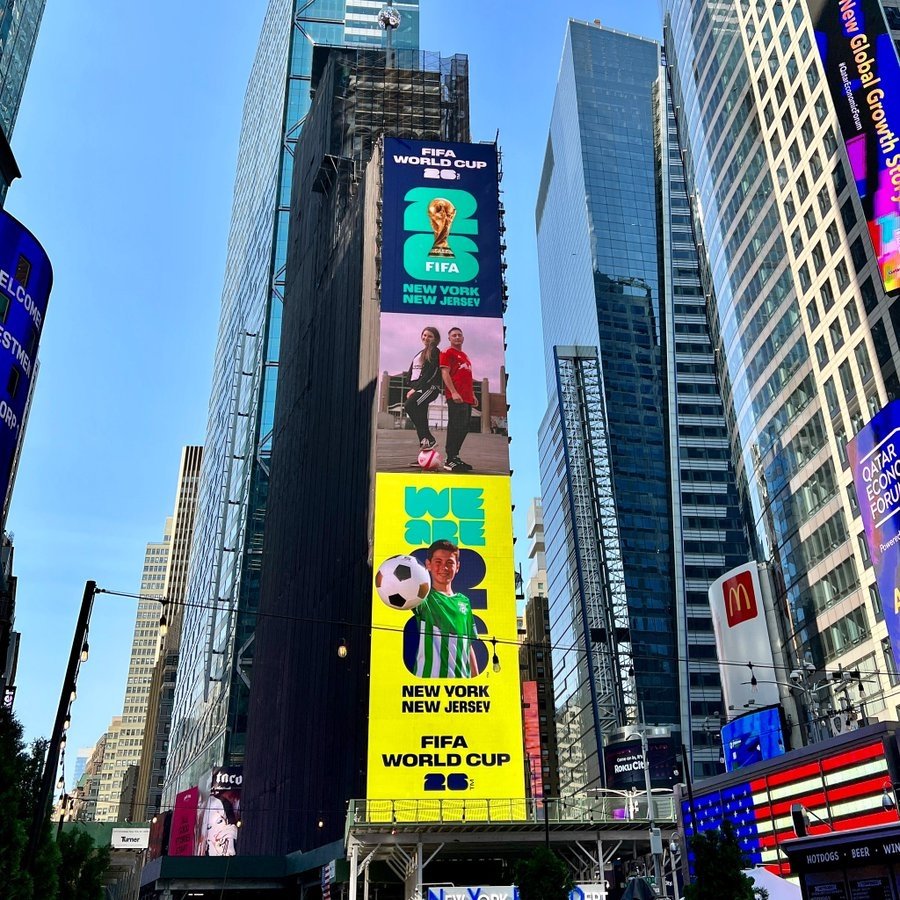
Financially, the city has already committed tens of millions of dollars toward advertising, logistics and infrastructure. Yet accessibility remains an issue. With ticket prices ranging from $1,000 to $3,000, uncertainty surrounds how inclusive the event will be for everyday New Yorkers.
Complicating matters further are broader geopolitical and social tensions. Travel restrictions affecting several participating countries, coupled with heightened scrutiny of federal enforcement agencies, have introduced an additional layer of unpredictability.
Despite these challenges, one thing is certain: the World Cup will transform New York not just as a host city, but as a living stage where global sport intersects with local realities.
Art world in full bloom
Meanwhile, New York’s cultural heartbeat remains as strong as ever. The city’s art scene is experiencing a moment of renewal, marked by both institutional milestones and bold reinterpretations of art history.
At the Whitney Museum of American Art, the latest Biennial serves as a pulse-check of contemporary artistic expression capturing the anxieties, contradictions and creativity of the present moment. Downtown, the long-awaited reopening of the New Museum signals a fresh chapter for experimental and forward-thinking work.
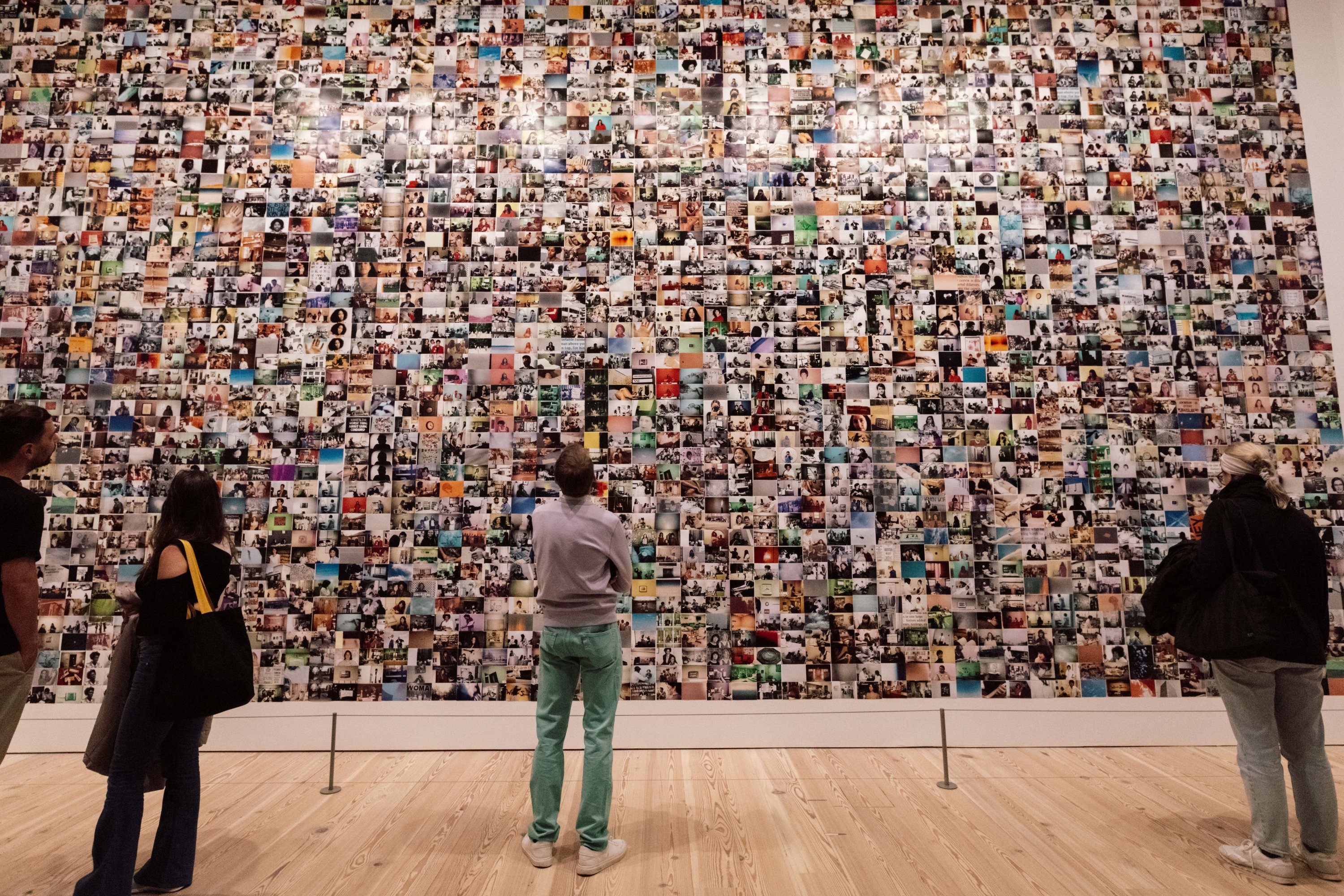
At the Museum of Modern Art, the enduring provocations of Marcel Duchamp continue to challenge audiences, reminding viewers that subversion remains central to modern art’s legacy.
Elsewhere, exhibitions are reimagining the past in striking ways. Frida Kahlo and Diego Rivera are being placed in dialogue with operatic narratives, while Paul Klee’s work is revisited through the lens of “degenerate art,” reclaiming histories once suppressed.
And in a rare cultural moment, Raphael a master of the High Renaissance is the subject of a major exhibition in the United States, offering audiences a chance to engage with his work on an unprecedented scale.
Finally, what emerges from all of this is a portrait of New York at a crossroads where sustainability, spectacle and culture converge.
From kitchens rethinking waste to stadiums preparing for global crowds and galleries redefining artistic narratives, the city is once again doing what it does best: absorbing the world’s complexities and reflecting them back with intensity.
In New York, nothing happens in isolation. Every plate, every platform, every canvas is part of a larger story one that is still being written.
There’s something undeniably magical about London in spring. After months of grey skies and heavy coats, the city slowly awakens – trees blossom, parks turn into shades of soft green and suddenly, life spills out onto the streets again.
Spring in London isn’t just a season. It’s a mood. And right now, it’s the perfect time to experience the city at its most charming.
One of the first things you should do is simply walk. London becomes a different city when the sun comes out. Strolling through neighborhoods like Notting Hill or Chelsea feels almost cinematic, with pastel-colored houses, blooming wisteria and cafes full of people enjoying their morning coffee outdoors.
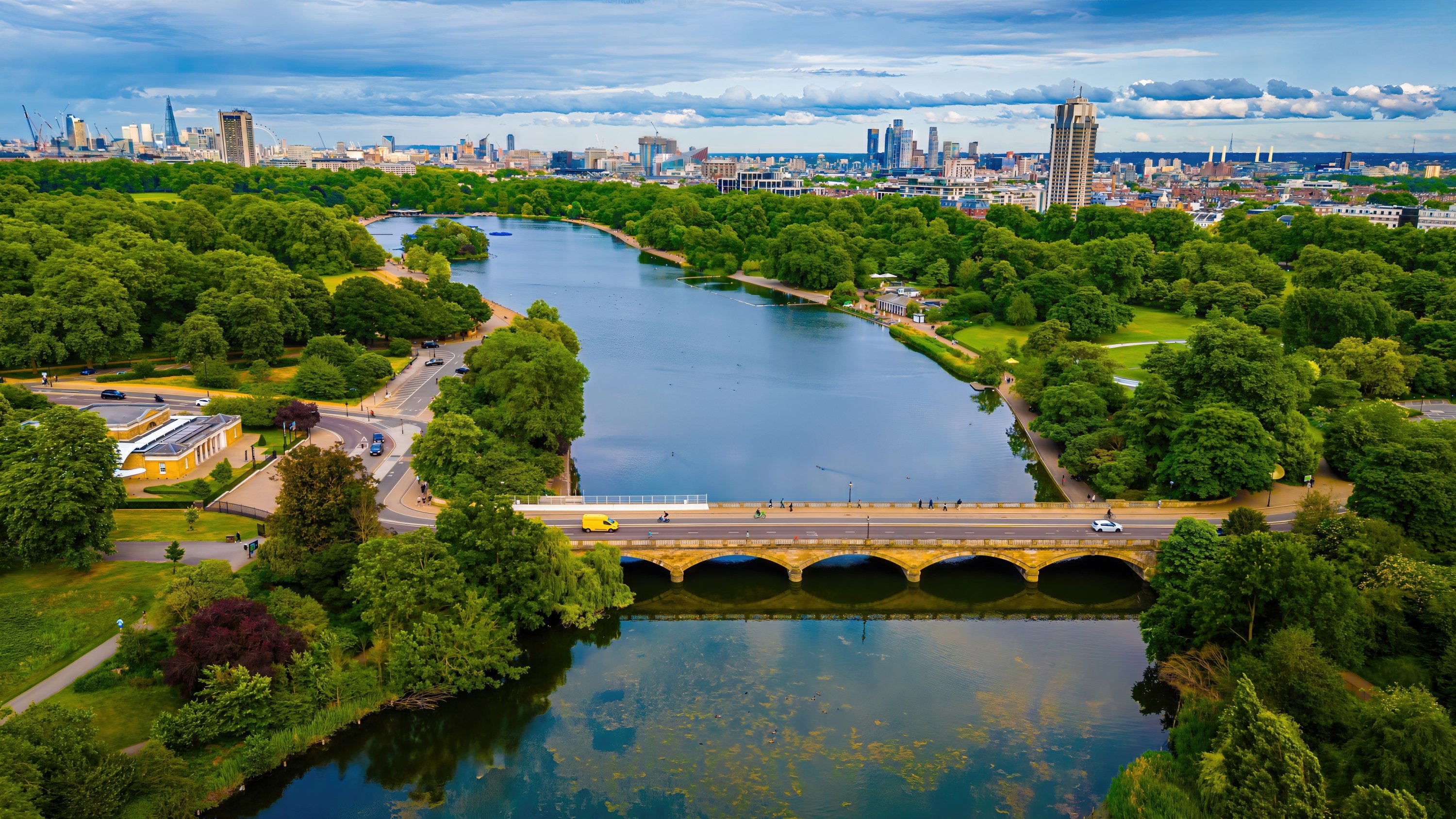
Of course, no London spring is complete without its parks. Hyde Park and Kensington Gardens are at their absolute best right now. Think picnics on the grass, long walks by the Serpentine and that rare but beautiful moment when Londoners fully embrace the sun.
If you’re looking for something a little more curated, spring is also the season of events. From flower installations to outdoor exhibitions, London becomes a visual playground. One highlight is Chelsea in Bloom, where entire streets transform into floral art pieces, perfect for inspiration, photos and a touch of escapism.
And then, there’s fashion. Spring in London is when style feels effortless yet expressive. Light trench coats, soft tailoring and bold colors begin to replace winter layers. It’s the season where you can truly see Londoners – and visitors – experimenting with their looks, blending elegance with individuality.
For a more refined afternoon, nothing beats a classic British ritual: afternoon tea. Whether in a luxury hotel or a hidden gem cafe, it’s a moment to slow down, enjoy delicate flavors and take in the beauty of the spring evenings in London, which carry their own quiet magic. As the sun sets later, the city glows in soft golden light. A walk along the Thames, a dinner in a cozy restaurant, or even a spontaneous stop at a rooftop bar can turn into one of those moments you remember long after the season ends.
Because in London, spring isn’t just about what you do. It’s about how the city makes you feel.
And right now, it feels like everything is just beginning again.
Spring in Istanbul
There is something about spring in Istanbul that feels almost poetic.
It’s not just a change of season. It’s a shift in energy.
After the stillness of winter, the city begins to move differently. The light softens, the air carries a hint of the sea and suddenly, Istanbul feels alive in a way no other city does.
One of the simplest – and most beautiful – things to do in spring is to follow the Bosporus. Walking along the coastline, watching the ferries pass, hearing the distant sound of seagulls. It’s a rhythm unique to this city.
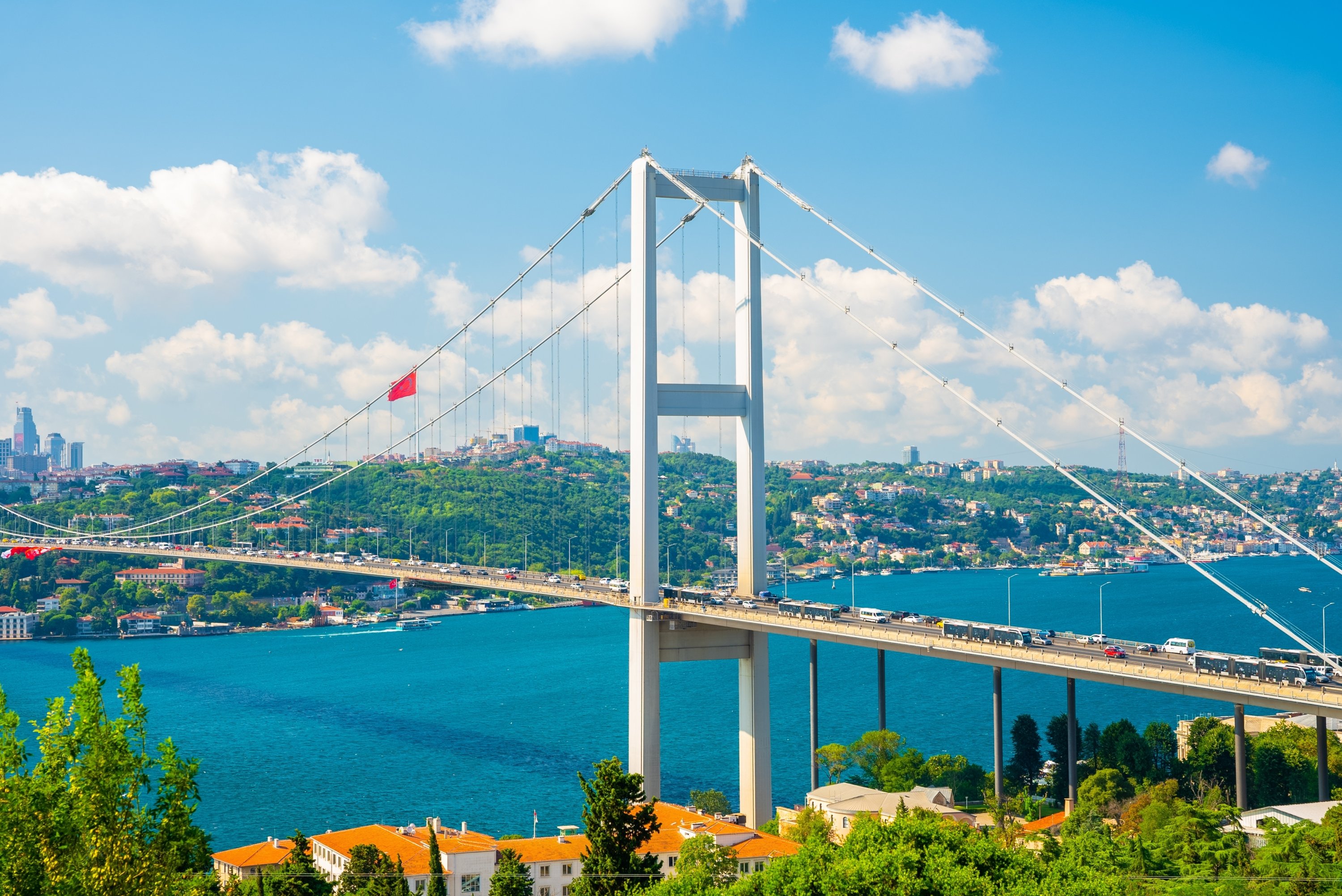
Spring is also the season of color. The famous tulips begin to bloom across the city, especially in places like Emirgan Park, where entire hills turn into waves of red, yellow and pink. It’s a reminder of Istanbul’s connection to nature – unexpected, yet deeply rooted.
But beyond the obvious beauty, spring in Istanbul is about rediscovery. Neighborhoods like Nişantaşı come alive again, cafes fill up, windows open and the city’s style becomes visible. It’s where elegance meets everyday life.
There is also a certain ritual to Istanbul mornings in spring. A slow breakfast, shared plates, fresh tea and conversations that stretch for hours. Time moves differently here – softer, more generous.
And then, the evenings.
As the sun sets over the Bosporus, the sky turns into shades of gold and lilac. The city quiets, but never sleeps. A dinner by the water, a walk through a familiar street, or simply sitting outside and watching the night unfold — these are the moments that define Istanbul.
Because in Istanbul, spring is not just seen.
It is felt.
Belgian artist Nicolas Buissart started doubling as a tour guide as a joke after a newspaper in the neighbouring Netherlands named his city the ugliest in the world.
Some 15 years later, he is still arranging tours of Charleroi for visitors seeking beauty in dilapidated factories and rundown warehouses – the remnants of the city’s industrial past.
“Wallonia used to be prosperous; it’s a cradle of capitalism of sorts,” he says of the surrounding French-speaking region.
“The problem with capitalism is that it leaves a lot of waste behind.”
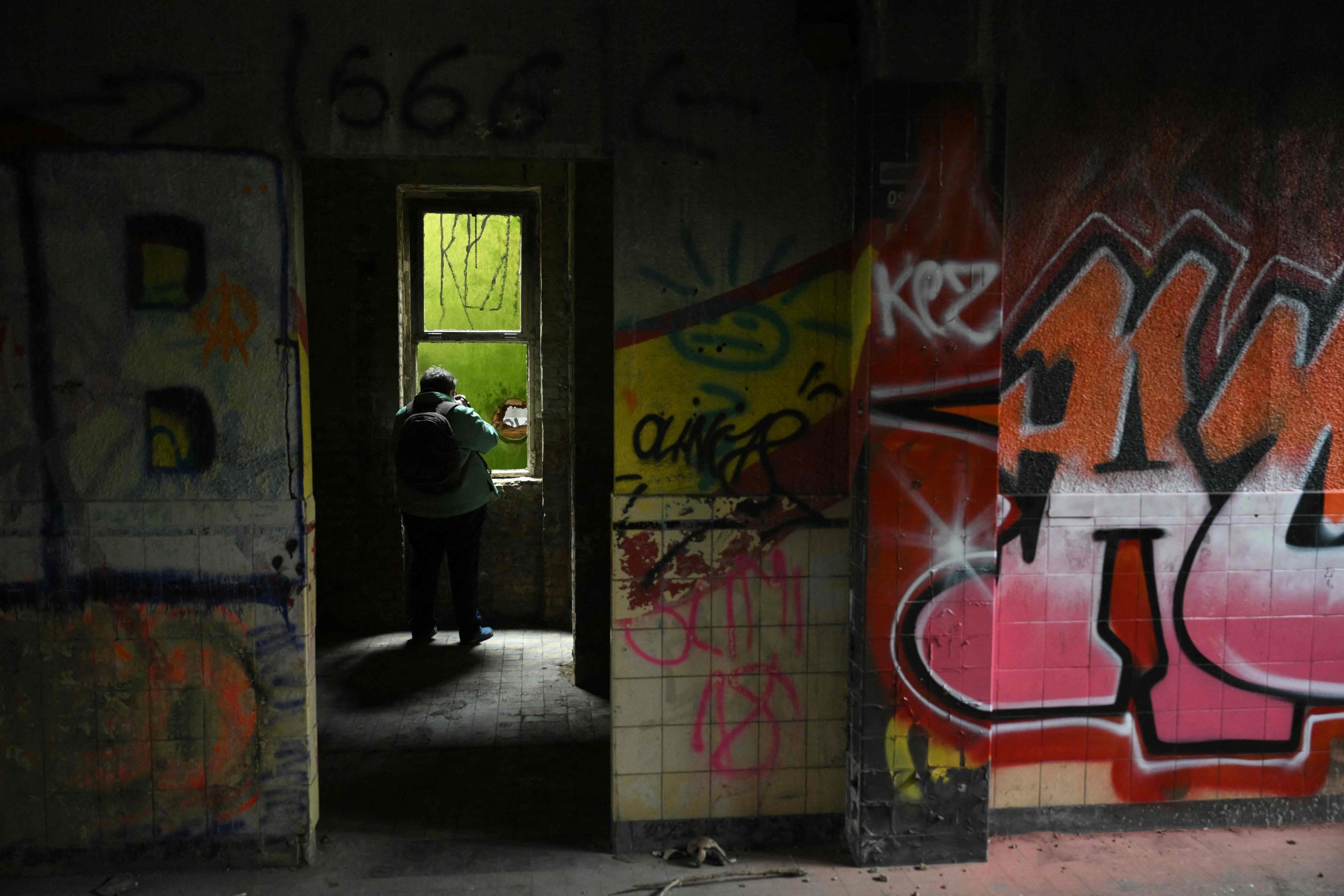
Yet that’s exactly what the dozen pensioners from the northern French city of Lille he’s driving around Charleroi have come to see on a dreary March day.
Urban exploration, or “urbex” for short – the underground pastime of exploring abandoned places, at times skirting the law in the process – has grown into a global movement over the past two decades.
Haunting complexes with shattered windows and moulded ceilings draw amateur photographers, selfie takers and thrill seekers from as far away as Berlin or Detroit.
Buissart’s “city safari” takes visitors up close to the slag heaps and giant ruins of steel and concrete that shape Charleroi’s landscape.
“There’s an aesthetic here that I really like,” Veronique Moussu, a member of the Lille expedition, tells Agence France-Presse (AFP).
“These spaces are enhanced by the play of light, shadows and street art,” adds the retiree, who is on her second visit to Charleroi in four years.
The southern city was once a coal-mining hub.
More than 40 years after the last pit shut down, it is now mainly known for its airport – a major European hub for low-cost airline Ryanair.
‘Dead’ but attractive
For the first stop of his tour, Buissart takes the group to an abandoned 1930s swimming and leisure complex that has become a playground for graffiti artists.
Built by a Belgian industrialist, the “Solvay Pool” aimed to provide workers with relaxation and entertainment a stone’s throw from a 19th-century manufacturing site for soda ash that is no more.
The pool’s old roof no longer holds water; rain and wind rush into the building, and the tiled floor is now an ankle-spraining, cracked mess.
Buissart, 46, a former design student, issues safety instructions as he guides visitors inside, giving them half an hour to explore and snap photos.
The same happens at the second stop on the route, a massive warehouse that was used for treating stainless steel sheets but is now also falling into ruin.
Once owned by steel giant ArcelorMittal, the site has been closed for about 15 years.
“You can imagine all the workers who toiled here and brought these places to life; now it’s dead, it’s destroyed,” says Pascale Dufour-Floor, who lives on the French-Belgian border and joined the Lille group on the tour.
Tourism promoters are hoping to turn these vestiges of a bygone era into an asset.
“This heritage is what sets us apart and attracts tourists,” said Valerie Demanet, director of the Charleroi Tourist Office.
Spring has quietly, almost ceremoniously, arrived in London. The city, dominated by gray clouds and early-darkening evenings during the long winter months, now plays host to the slow but determined rise of colors and sounds. The streets are still the same streets, the buildings in their places; yet, when the light changes, everything feels transformed.
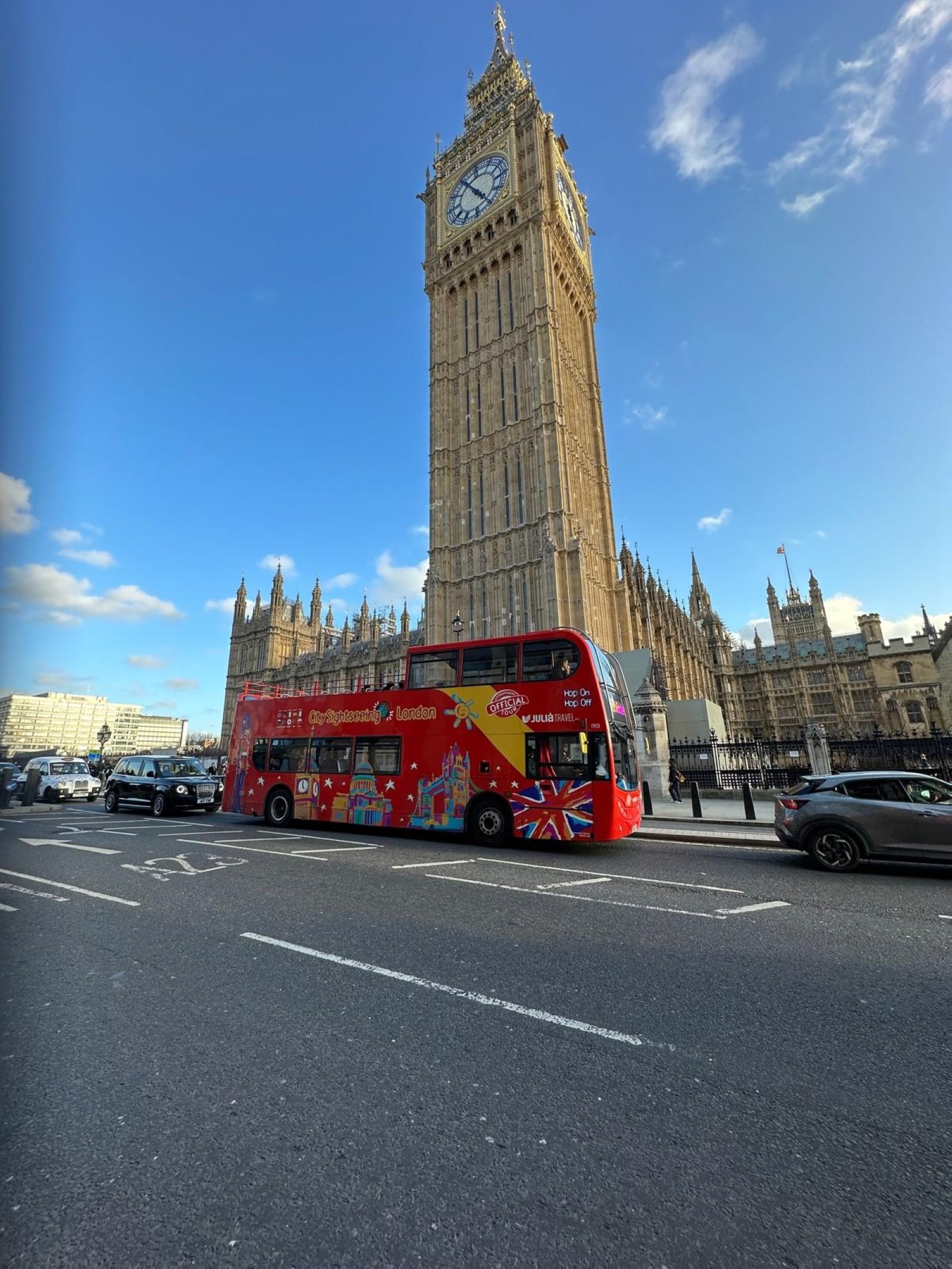
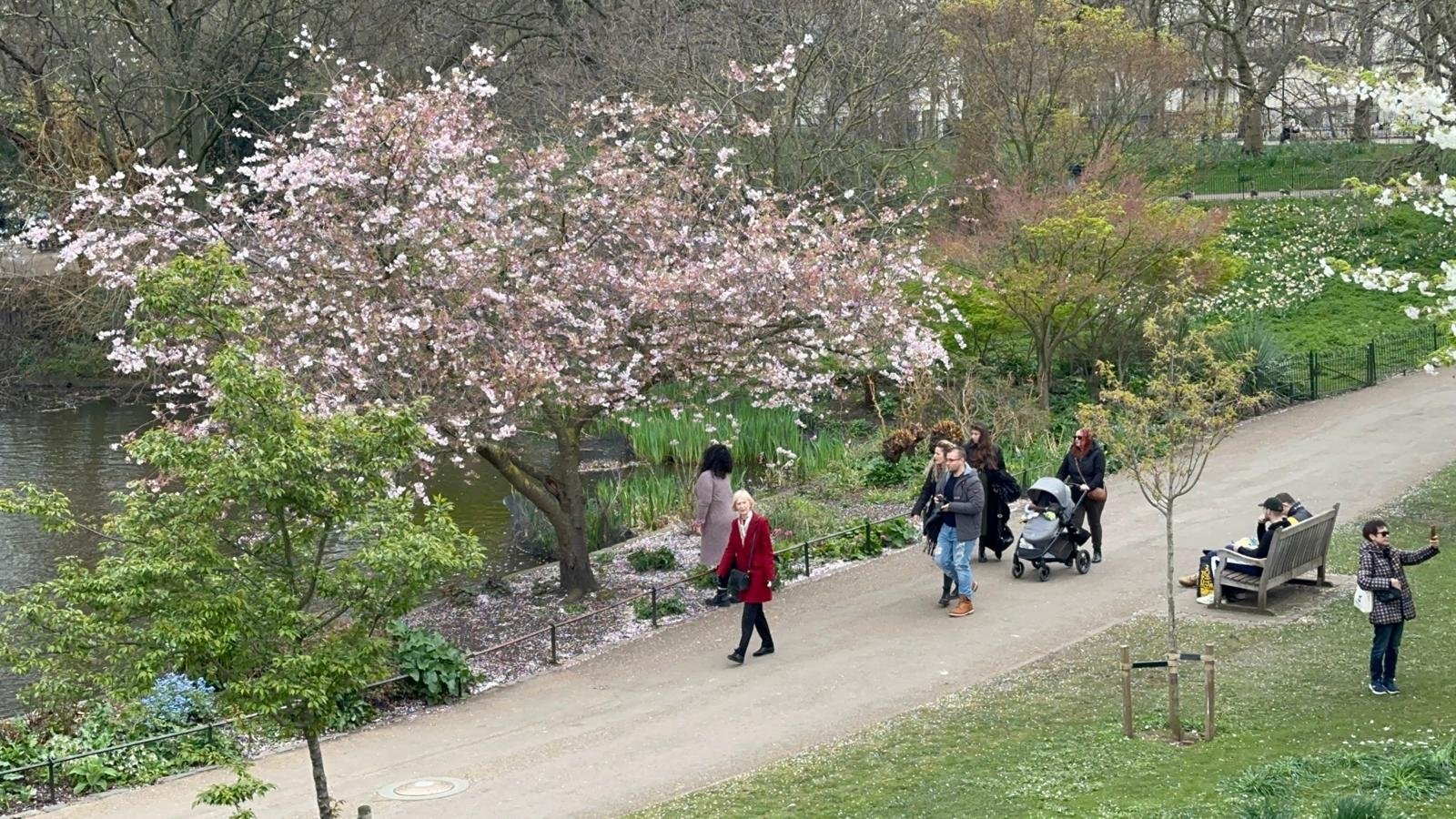
In the mornings, the parks are the first to reveal this transformation. Trees have not fully donned their green, but the buds at the tips of branches show nature’s patient yet inevitable progress. Cherry blossoms bloom as if aware of their brief existence, displaying all their elegance. When the wind stirs, pink petals drift to the ground, forming a delicate carpet over the grass.
The ponds tell another story. Swans glide across the water with composed grace, while ducks dart around them in faster, more scattered movements. Occasionally approaching each other, occasionally changing direction abruptly, these small waterbirds keep the pond’s surface in constant motion. Unlike the city’s usual rush, this scene follows its own rhythm unhurried, yet never still.
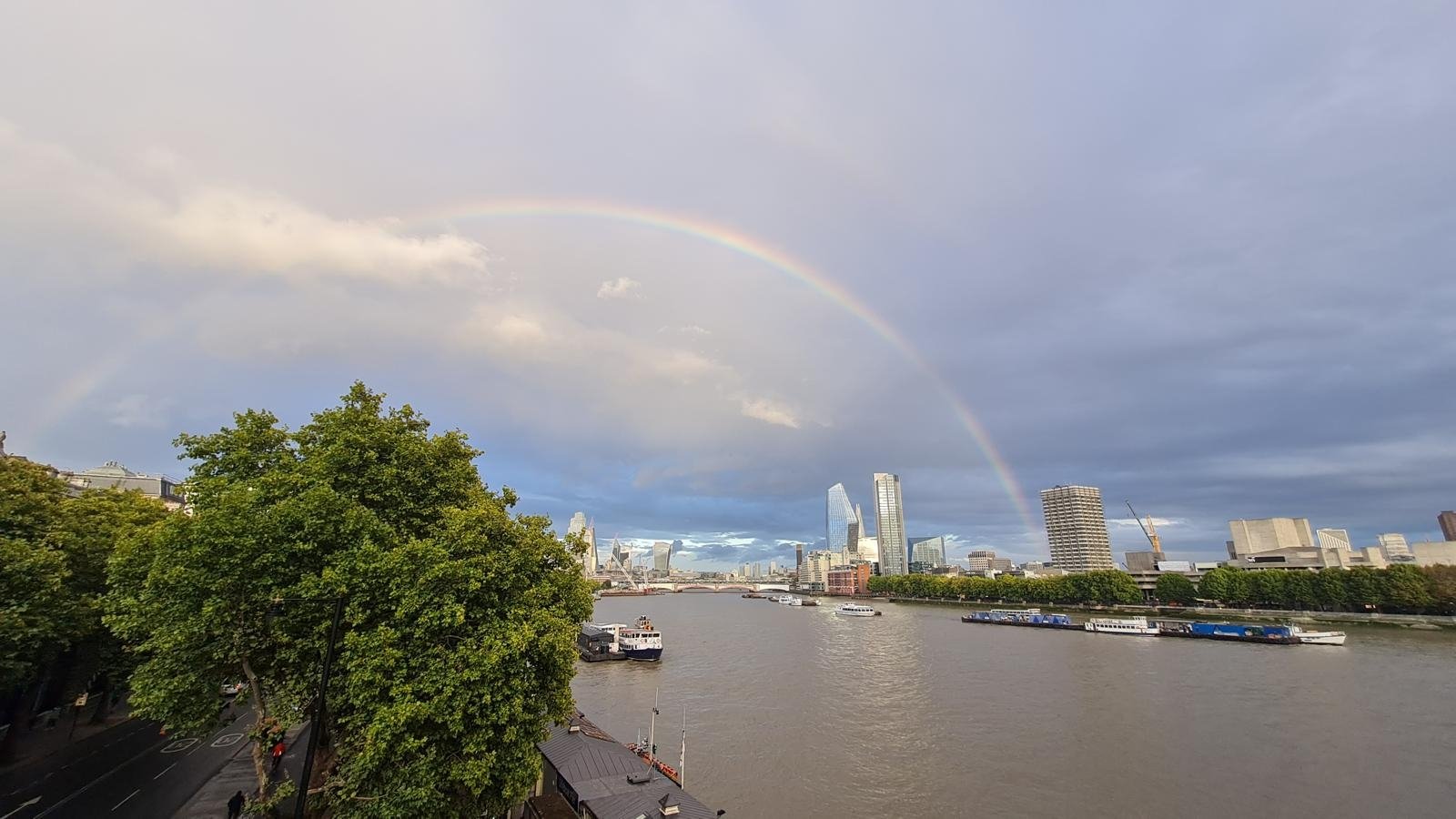
With the arrival of spring, London’s parks become not only spaces for nature but also gathering spots for people. Those who spent the colder months confined indoors seize the first sunny days to step outside. Blankets spread on the grass, coffee cups in hand, someone reading a book in a corner, friends chatting in another each expressing the same need in their own way: the urge to be outdoors.
Tourists swiftly join this tableau. In front of Buckingham Palace, crowds gather throughout the day. Some queue to take photos, others wait to watch the Changing of the Guard and some simply absorb the atmosphere. The palace grounds and nearby parks soften and disperse these crowds, giving the city room to breathe.
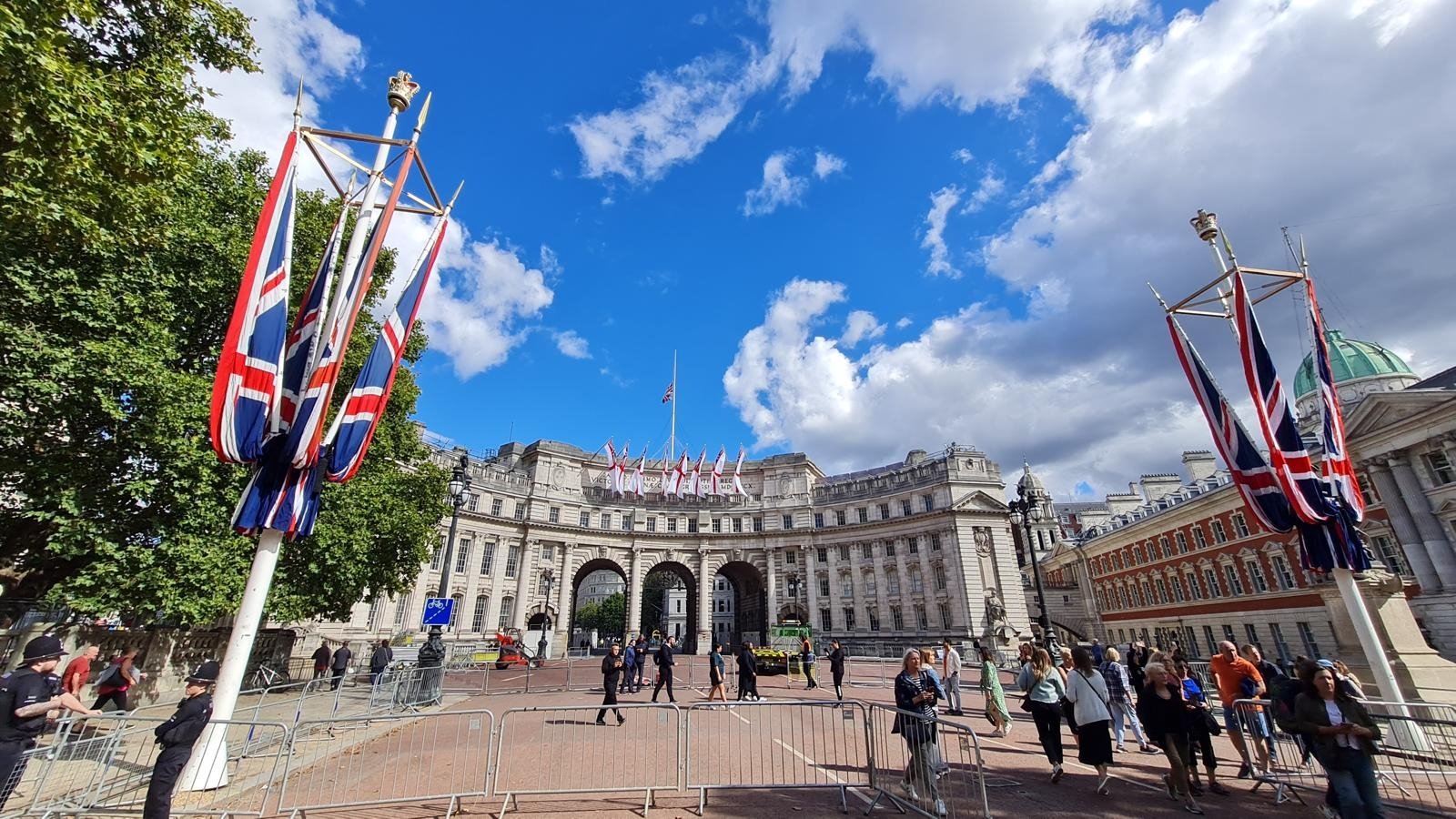
Large green spaces like St. James’s Park and Hyde Park offer spring’s most vivid experiences. Anyone walking there observes not only nature but also the city’s diversity. People speaking different languages, from various age groups, with different habits all under the same sun, on the same grass. London becomes not only a capital but also a meeting place.
The streets reflect the change as much as the parks. Crowds that hurried through the winter with heads down now move slower, more attentive, more present. This shift creates space for street performers. A guitarist strumming on a corner, a violinist playing classical pieces a few meters away, an artist drawing on the pavement with chalk all add their own rhythm to the city.
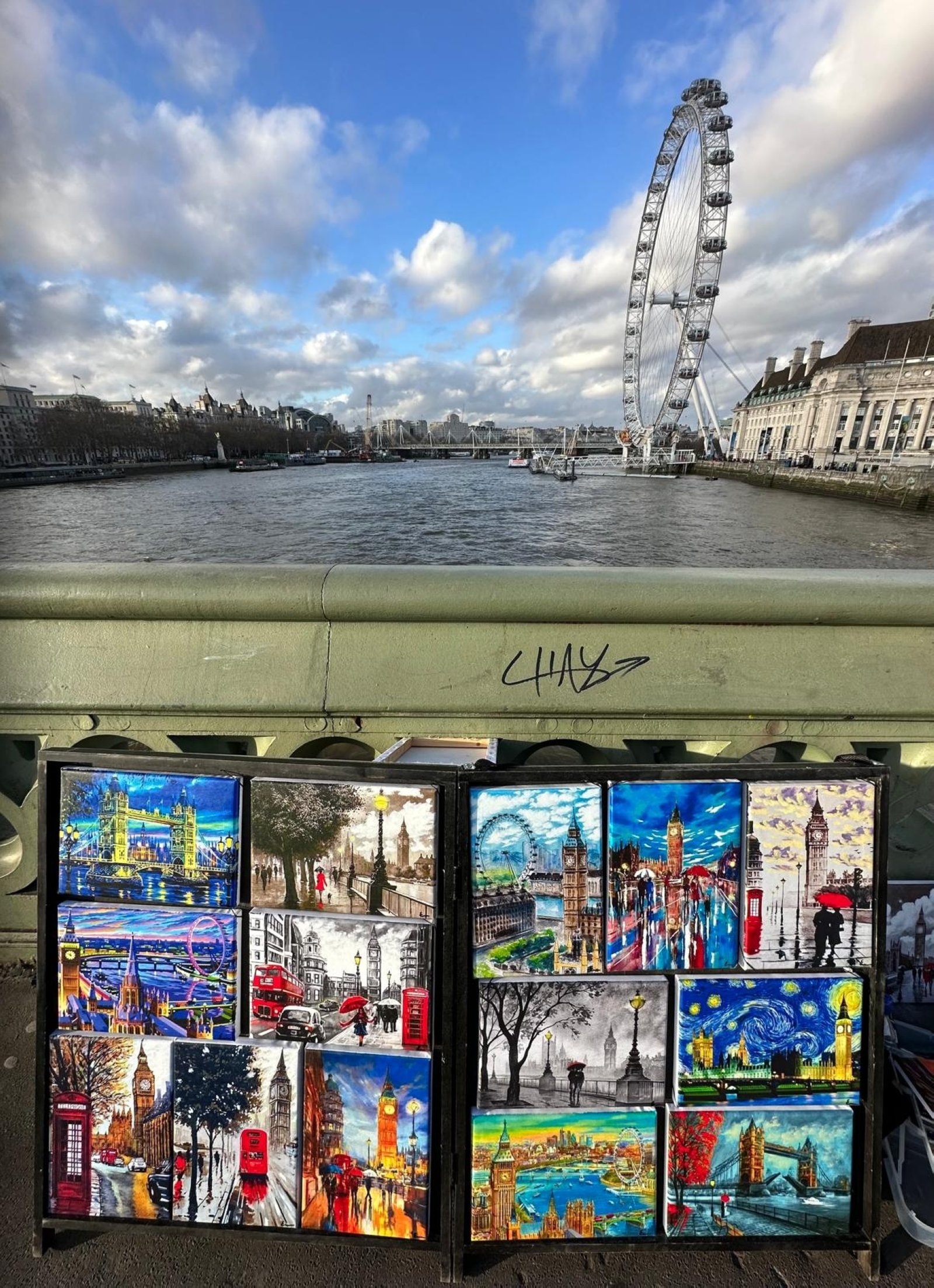
Street performances are more than entertainment; they are an essential part of London’s cultural fabric. People stop, watch, and sometimes join in. Even briefly, a connection is formed, preventing one from getting lost in the crowd.
Spring’s effect in London is emotional as well as visual. Longer days, softer light and milder air affect the mood of the city. Smiles are more common, cafes less rushed, walkers slower. The city seems to consciously slow its pace.
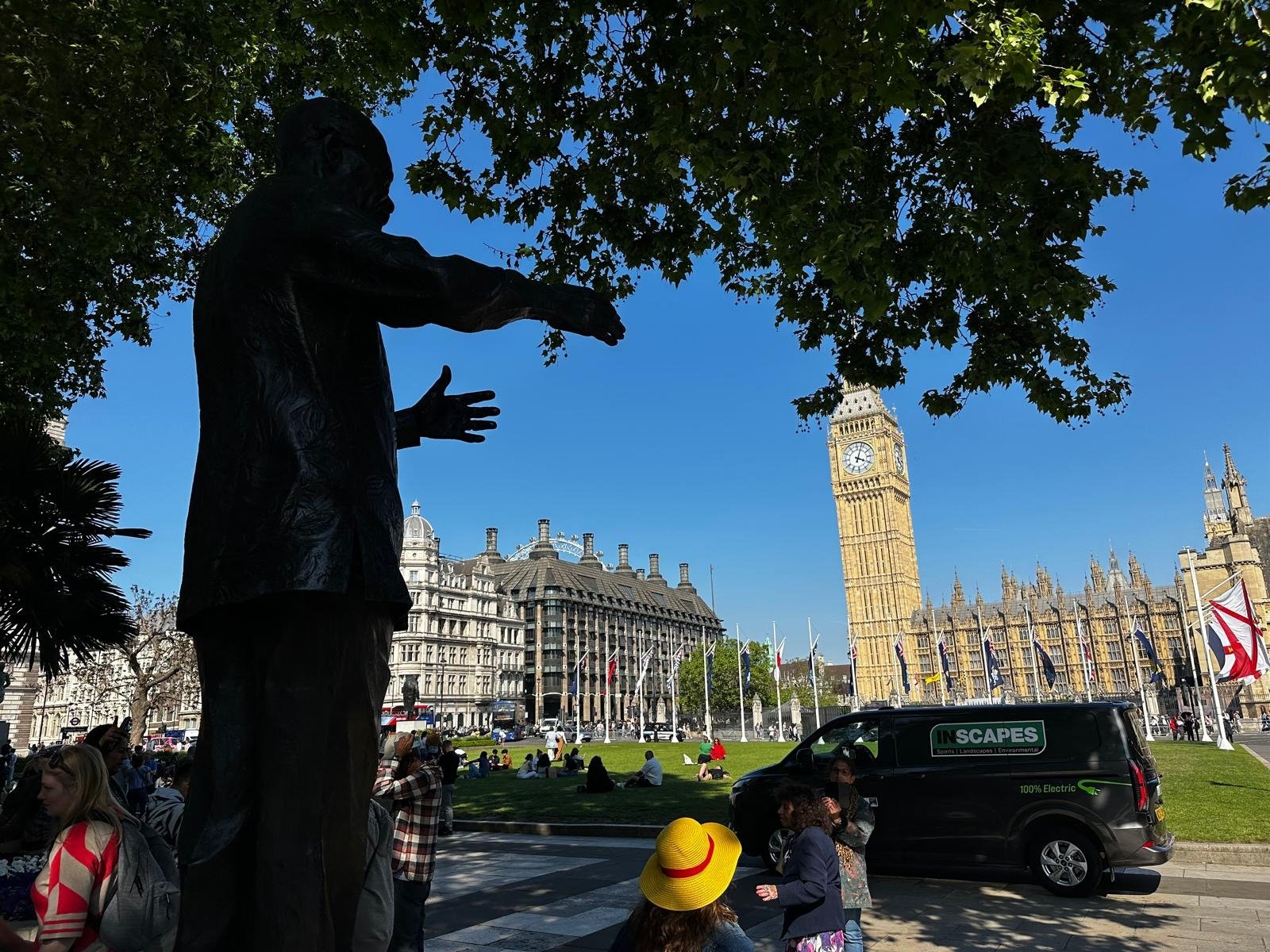
Yet this slowdown is not stagnation; it is intentional movement. People notice more the blossoming of a tree, a child feeding ducks, or a street performer’s act. Spring reminds us to pay attention, to stay present.
In a vast, fast-moving city like London, such moments are rare. That is why spring is more than a season; it is an opportunity. A period when the city redefines itself and its inhabitants. Shedding winter’s weight, it emerges lighter, more open, more alive.
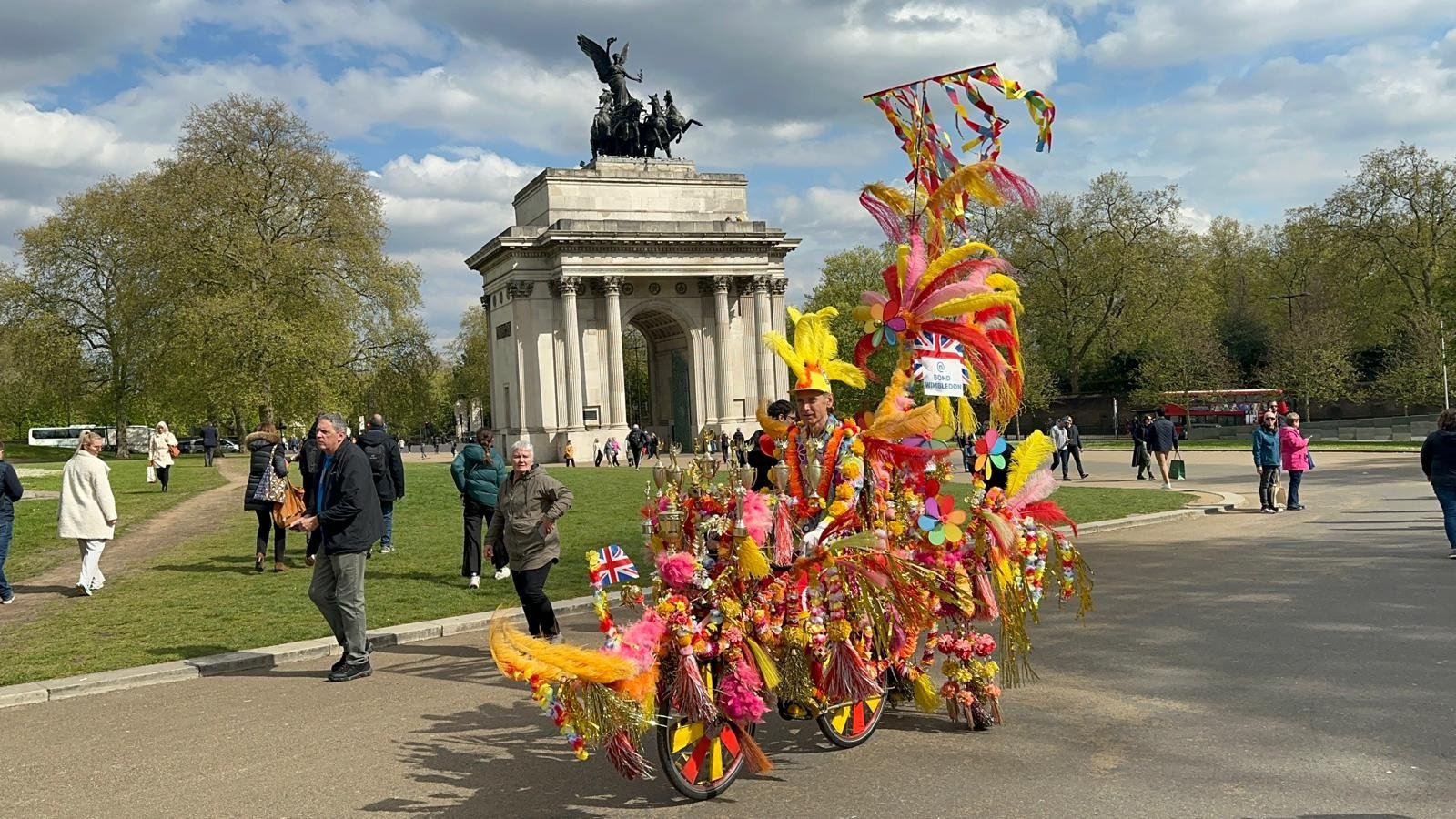
Ultimately, spring in London does not happen in one place or moment. It spreads across parks, palace grounds, street corners and pond edges. This transformation encompasses not only nature but people as well.
Perhaps that is why describing spring in London is less about a season and more about a feeling, the sense of renewal, the gradual return of movement, color and sound, and, most importantly, the fleeting yet powerful reminders of how graceful and vibrant life can be, even in a crowded city.


-

 Daily Agenda21 hours ago
Minister Göktaş: “We do not have an agenda to close or ban the games”
-

 Politics3 days ago
Syria moves forward with dissolving autonomy for US-backed terrorists
-

 Politics3 days ago
Türkiye asserts key role as Syria, Ukraine pursue cooperation
-

 Economy2 days ago
All roads ‘lead to higher prices, slower growth,’ IMF says on Mideast war
-

 Politics2 days ago
Saudi-Turkish ties key to easing regional tensions, ambassador says
-

 Politics14 hours ago
Russian FM confirms attendance to Antalya Diplomacy Forum in Türkiye
-

 Daily Agenda3 days ago
BREAKING NEWS | Ömer Çelik: “The biggest obstacle to the ceasefire is the war lobby”
-

 Politics2 days ago
Antalya Diplomacy Forum in Türkiye returns with diplomacy, peace vision