
Sports
Bayern Munich beat archrivals Dortmund to win German Supercup

French star Michael Olise scored and set up another goal as Bayern Munich beat longtime rivals Borussia Dortmund 2-1 in the season-opening German Super Cup Saturday.
After a starring role with France at the World Cup, Olise was Bayern’s most dangerous attacker, regularly tearing down the right flank.
He found makeshift midfielder Nathaniel Brown for Bayern’s 28th-minute opener and then scored one of his own just before the break.
A late goal for former Wolves striker Fabio Silva brought Dortmund closer and the hosts could have levelled deep into stoppage time but Maximilian Beier scuffed a golden chance when through on goal.
“It’s a magnificent victory to kick off the season,” Bayern striker Harry Kane told Sky. “Winning the trophy away at our league rival’s home stadium is, of course, a great start to the season.”
Bayern were rusty and barely resembled the barnstorming side which lost just once domestically last season but had enough quality to see off a rebuilding Dortmund team playing in the season opener for the first time since 2021.
The victory meant Bayern won the trophy for the 12th time and a second time in a row since it was renamed for club legend Franz Beckenbauer in 2025.
Bayern coach Vincent Kompany said the win showed his side had the hunger to repeat last year’s heroics.
“Some people maybe think we’ll have a drop because we won everything last year. But that won’t be the case, we won’t rest and will try to win everything,” Kompany told reporters.
With new German coach Jurgen Klopp watching on, Bayern boss Kompany pulled a selection shock by naming left-back Brown behind Kane in attacking midfield.
Summer arrival Brown seemed to struggle in the unfamiliar role early but was on the spot to put Bayern in front.
An on-rushing Olise was felled on the edge of the box but the ball fell to Brown, who calmly slotted home.
Ramy Bensebaini looked to have equalized for the hosts when he glanced in a Julian Ryerson cross late in the opening half, but the offside flag soon quelled Dortmund’s celebrations.
Bayern rubbed salt into the wound moments later, just before the break.
Olise leapt onto a poor Jobe Bellingham backpass and kept the advancing defenders at bay before slotting home Bayern’s second.
Dortmund were better after halftime, mounting a sustained campaign on Bayern’s goal, but the visitors held firm despite wave after wave of attack.
Bayern went close to adding a third when Olise found Kane positioned centrally, but the England captain blasted over the bar.
Dortmund finally broke through with 15 minutes remaining, Silva turning in a Daniel Svensson cross after some clever work from debutant Giannis Konstantelias.
Silva had another chance with three minutes remaining but he guided his header into the waiting arms of Manuel Neuer.
In the final minute, Bensebaini saw straight red for a clumsy tackle on Bayern debutant Ismael Saibari.
Dortmund still had a chance for a late equalizer but Beier chipped over the bar when one-on-one with Neuer.

Jose Mourinho’s second stint as Real Madrid coach began with a dramatic 2-1 La Liga win at Espanyol on Saturday, as substitute Carlos Espi scored in the 90th minute to seal victory.
Jude Bellingham opened the scoring in Los Blancos’ opening fixture of the season and new signing Espi secured the points at the death after Alex Calatrava had leveled against Mourinho’s star-studded team.
“I think that we deserved to win but that Espanyol didn’t deserve to lose,” Mourinho told reporters.
“They didn’t have any players at the World Cup and have been working together for a long time and you could see that.”
Back in charge of Madrid 13 years after leaving, Portuguese veteran Mourinho must bring the dressing room under control after the chaos of last season and end Spanish champions Barcelona’s domestic dominance.
Mourinho started with superstars Kylian Mbappe, Vinicius Junior and Bellingham, as well as handing debuts to Bernardo Silva, Denzel Dumfries and Ibrahima Konate.
Bellingham had an excellent first season at Madrid after arriving from Borussia Dortmund but the subsequent two were disappointing, both for him and the club, who failed to win a major trophy in either.
Mourinho installed him in attacking midfield with license to roam and the former Birmingham man was heavily involved before his goal as Madrid probed.
The England international netted the first of Mourinho’s second era at the club, heading home Arda Güler’s dangerous crossed free-kick.
Espanyol threatened midway through the first half as Madrid goalkeeper Thibaut Courtois beat away Clemens Riedel’s drive and Roberto Fernandez hooked over shortly afterward.
Madrid did not heed the warning and Espanyol leveled in the 30th minute, Calatrava slotting home Javi Hernandez’s cut-back after a fine team move.
Intense battle
Espanyol stopper Marko Dmitrovic made a good save to stop Mbappe after he got in behind on the right of the area.
The French forward, La Liga’s top scorer in both of his two seasons at the club, was not at his lethal best in front of goal.
On the left flank Vinicius had little impact, beyond winning a series of fouls from Espanyol players who were determined to shut him down by any means.
“Vini is not a saint, but what they do to him is too much, it started in the first minute, I think it’s something systemic, it’s done in a systemic way,” said Mourinho.
“First I hack him, then you, then me, then you, if I get a yellow then you do it. I have a yellow so I go off, and someone comes on without a yellow … it’s frustrating for him.”
Mourinho sent on two more new arrivals in the form of record signing Yan Diomande and Marc Cucurella as Madrid sought a winner in the final 25 minutes.
Federico Valverde hit the outside of the post with a low effort from the edge of the box as Espanyol dug deep to deny Madrid clear chances.
However in the 90th minute Madrid found the goal they needed when former Levante striker Espi, the lowest profile of Los Blancos’ summer purchases, capitalized on a loose ball in the box and fired home.
“We carried out our plan well and then let in that goal at the end,” said Calatrava.
“That we conceded was a gut-punch, because we worked hard until the end.”
Earlier, Sevilla won 3-1 at Athletic Bilbao and Valencia and Celta Vigo drew 0-0.
On Sunday champions Barcelona play their first game of the season at Elche, while Atletico Madrid host Villarreal.
A Chinese humanoid robot ran 100 meters in 9.39 seconds in a preliminary heat at the World Humanoid Robot Games in Beijing on Saturday, faster than the men’s world record held by Usain Bolt, the Jamaican sprinter.
Tiangong Ultra, developed by the Beijing Humanoid Robot Innovation Center, won its heat at the opening of the games’ second edition, organizers said.
The robot overtook Lightning, from smartphone maker Honor, near the finish after falling behind early in the race. Lightning finished in 9.47 seconds, also faster than the 9.58-second record Bolt set at the 2009 World Athletics Championships in Berlin.
The two robots lacked Bolt’s flair, slamming into a thick mat. Tiangong stumbled wildly into the sidelines, forcing onlookers to move. Lightning collapsed to the ground and was then carried away on a stretcher.
The results nevertheless marked a sharp improvement from last year’s inaugural games, when Tiangong Ultra won the 100 meters in 21.50 seconds. Tiangong also won the world’s first humanoid robot half-marathon, held in Beijing last year.
Earlier on Saturday, Chinese state media reported that Lightning had run 100 meters in 9.32 seconds in a preparatory test, reaching a peak speed of 14.5 meters per second.
Lightning won this year’s humanoid half-marathon in 50 minutes, 26 seconds, faster than the elite men’s human world record.
Lightning stood 169 centimeters tall and had 95-centimeter legs during the half-marathon. Its researchers later lengthened its legs by 10 centimeters, to 1.05 meters, ahead of the games, CCTV reported.
The 100 meters is among 51 events at the games, which include football, dancing and industrial task contests.
Strategic industry
China has promoted humanoid robots as a strategic emerging industry, with policymakers and companies betting that advances in AI and hardware will accelerate their use in manufacturing, logistics and consumer applications.
Investor enthusiasm for the sector was on display earlier this week when shares in Unitree, China’s best-known humanoid robot maker, jumped more than five-fold in its Shanghai trading debut on Wednesday, giving the company a market value of about $50 billion.
This year’s games have drawn 2,056 robots from 666 teams across 16 countries and six continents, up from 280 teams at the inaugural event.
The games, held at Beijing’s National Speed Skating Oval, run through Wednesday.
Manchester United made a nightmare start to the new season as promoted Hull City silenced their doubters with a shock 2-0 victory on their Premier League return Saturday.
Sergej Jakirovic’s playoff winners had been written off by pundits before a ball was kicked, with former England international Joe Cole even predicting an immediate return to the second tier. His comments sparked anger among Hull supporters.
But those predictions looked badly misplaced as the unfancied Tigers roared to a stunning and thoroughly deserved opening-day victory, scoring twice from first-half set pieces to stun United and announce their return to the Premier League in emphatic fashion.
Semi Ajayi opened the scoring after United failed to deal with a corner, and Michael Carrick’s men were again found wanting when Regan Slater sent in a free kick for debutant Nobel Mendy to nod home.
The Red Devils boss, handed the permanent job in May, had warned of a challenging start in East Yorkshire, but he could not have foreseen such a meek display from his side months after finishing third.
Carrick has plenty to mull over following United’s first-ever Premier League loss to Hull, whose first top-flight match since 2017 will live long in the memory.
“One family, one dream,” read the flags placed on seats around the MKM Stadium, 13 weeks after the playoff final win over Middlesbrough.
The togetherness, spirit and momentum from that unlikely promotion helped City roar out of the blocks as Jakirovic’s Tigers immediately made life difficult for United.
Oli McBurnie would have nodded Hull into a fifth-minute lead had it not been for a smart clearance, with the striker soon seeing a booming header denied by Senne Lammens.
Debutant Konstantinos Tzolakis brilliantly stopped a Bryan Mbeumo effort between those chances, but United offered little else, and Lammens soon had to tip over a Ryan Giles cross-shot.
The resulting 17th-minute corner sparked bedlam. Slater’s driven ball was flicked on, and McBurnie saw an effort superbly pushed onto the far post by Lammens, only for the ball to fall to Ajayi, who slammed home.
It was an astonishing moment that the ineffective Patrick Dorgu tried to cancel out, but a passive United lacked a focal point, and Hull would punish them from another set piece.
Debutant Youri Tielemans brought down Mohamed Belloumi outside the box, and Slater whipped in a fine free kick that Mendy headed beyond Lammens in the 38th minute.
“You’re getting mauled by the Tigers,” chanted gleeful Hull fans, who took aim at dismissive pundit Cole and playfully sang about winning the league.
City were given a standing ovation at the break, and United turned to Marcus Rashford, who made his first competitive appearance for the club in 618 days.
Carrick had hoped to change the dynamics, but Hull continued to keep the visitors at arm’s length and looked primed to break whenever given the chance.
McBurnie’s dancing feet on one such break showed their confidence, as did Belloumi’s rising effort from distance just after the hour mark.
Goalscoring debutant Mendy limped off for the hosts, and Carrick turned to his bench, including introducing Benjamin Sesko.
Substitute Cody Drameh fired just wide as Hull sought a third, with Mbeumo lifting an effort over before seeing another shot denied by Tzolakis.
Former Hull defender Harry Maguire was denied as United tried and failed to avoid a humiliating opening-weekend loss.
Sports rivalries are rarely just about what happens on the field. The greatest ones carry the weight of history, politics, religion, class, geography and national identity, turning ordinary games into events that can command the attention of millions and, in some cases, entire countries.
Ranking them is inevitably subjective, but the rivalries below are judged on a combination of intensity, longevity, global reach, cultural significance, competitiveness, iconic moments and their ability to remain relevant across generations.
1. India vs. Pakistan, cricket
Few sporting contests carry the emotional and political weight of India vs. Pakistan.
The rivalry is rooted in the 1947 Partition of British India, an event that created two nations amid mass displacement and devastating violence. Wars, the Kashmir dispute and decades of diplomatic tension have added layers of significance to virtually every cricket match between the countries.
India and Pakistan first met in Test cricket in 1952, but political tensions have repeatedly interrupted bilateral competition. Today, their meetings are largely confined to major tournaments such as the World Cup, Champions Trophy and Asia Cup, making every encounter even more valuable.
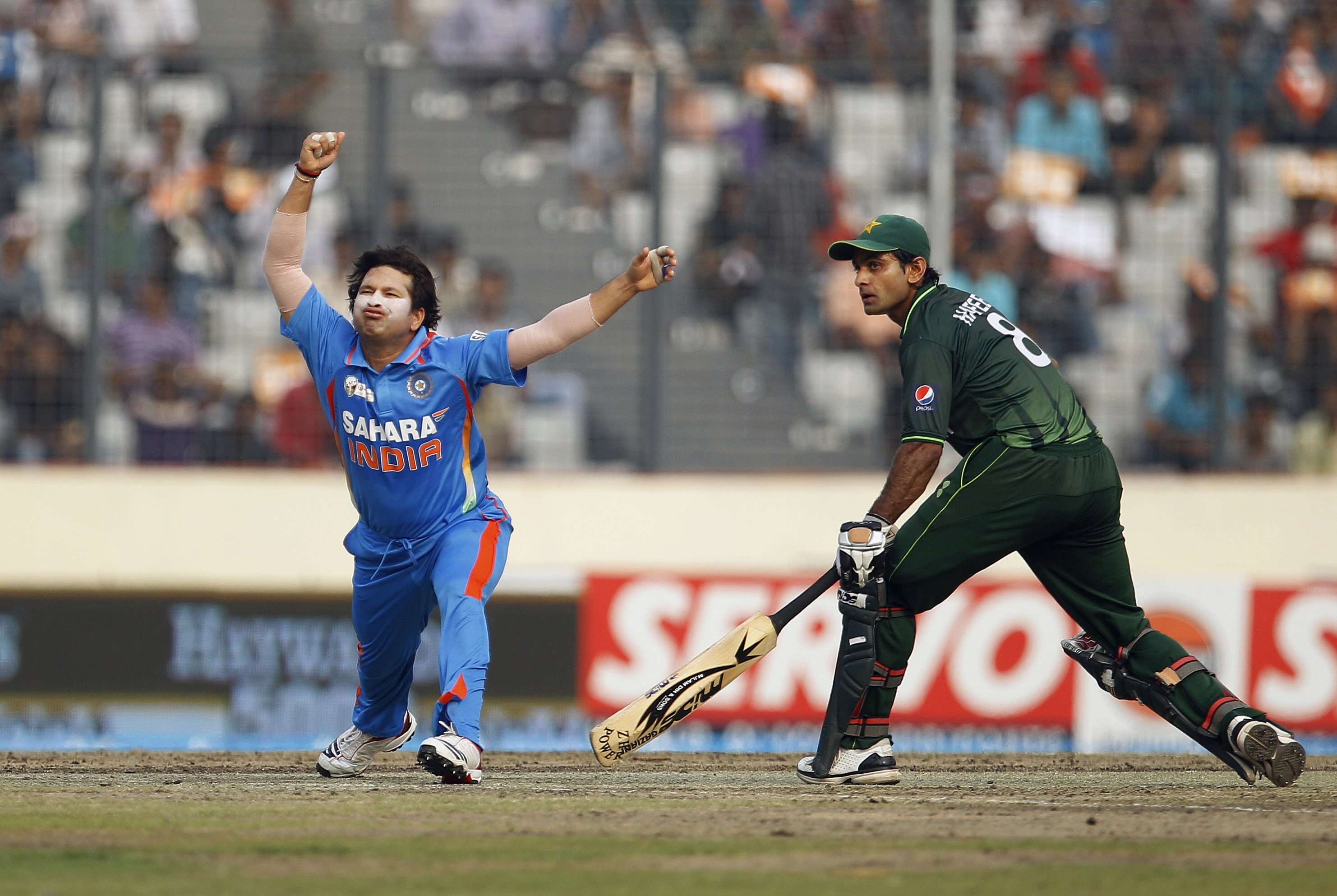
The numbers do not fully explain the rivalry. A single match can dominate television schedules, social media and public conversation across South Asia and among millions in the global diaspora. Matches have attracted audiences measured in the hundreds of millions, while the sporting stakes are often magnified by national pride.
There have been countless memorable encounters, including Javed Miandad’s last-ball six against India in the 1986 Austral-Asia Cup final and India’s dramatic victory over Pakistan in the 2007 T20 World Cup final. India have also maintained an extraordinary record against Pakistan in the men’s ODI World Cup.
Cricket has occasionally served as a form of diplomacy, providing rare opportunities for contact between the two countries. But political and security concerns continue to limit regular bilateral cricket.
The rivalry’s combination of sporting passion, geopolitical tension, enormous audiences and national identity makes it arguably the most emotionally charged contest in world sport.
2. Real Madrid vs. Barcelona, football
El Clasico is the world’s most recognizable club football rivalry and arguably the most commercially powerful fixture in sport.
Real Madrid and Barcelona have been competing for more than a century, but their rivalry represents much more than a battle between two elite football clubs. Real Madrid are associated with the Spanish capital and, historically, central Spanish power, while Barcelona have long been intertwined with Catalan identity and the idea captured by the club’s famous “Mes que un club” slogan.
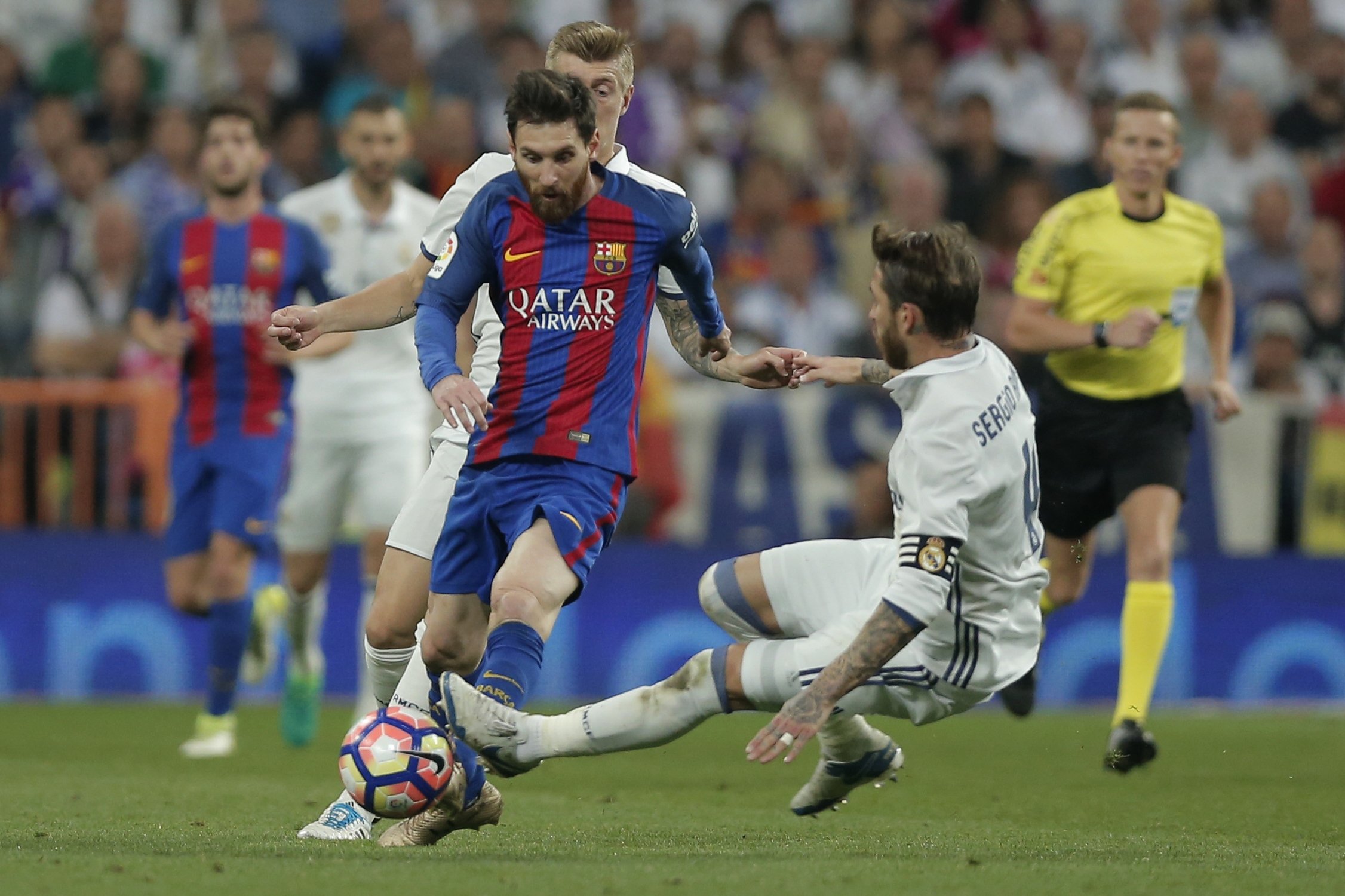
The political dimension became especially pronounced during the Franco era, when Catalan cultural expression was restricted and Barcelona increasingly became a symbol of regional identity.
On the field, the rivalry has produced some of football’s greatest players and managers. Alfredo Di Stefano, Johan Cruyff, Diego Maradona, Zinedine Zidane, Ronaldinho, Lionel Messi and Cristiano Ronaldo have all featured in its history.
The 1943 Copa del Rey semifinal, when Real Madrid defeated Barcelona 11-1 in the second leg, remains one of the fixture’s most infamous results. Decades later, the rivalry reached another level during the Messi-Ronaldo era, when Barcelona and Madrid regularly battled for La Liga and European supremacy.
Pep Guardiola and Jose Mourinho added another layer of drama, while the emergence of new generations of stars has ensured that the rivalry continues to evolve.
The sheer global reach of El Clasico, combined with its sporting quality and political and cultural history, puts it near the top of any serious list of sporting rivalries.
3. Boca Juniors vs. River Plate, football
If El Clasico is the world’s biggest club rivalry, Argentina’s Superclasico may be its fiercest.
Boca Juniors and River Plate emerged from Buenos Aires and developed contrasting identities that have become central to the rivalry. Boca’s roots in the working-class La Boca neighborhood helped create its image as the club of the people, while River’s move to the more affluent Nunez district contributed to its “Millionaires” reputation.
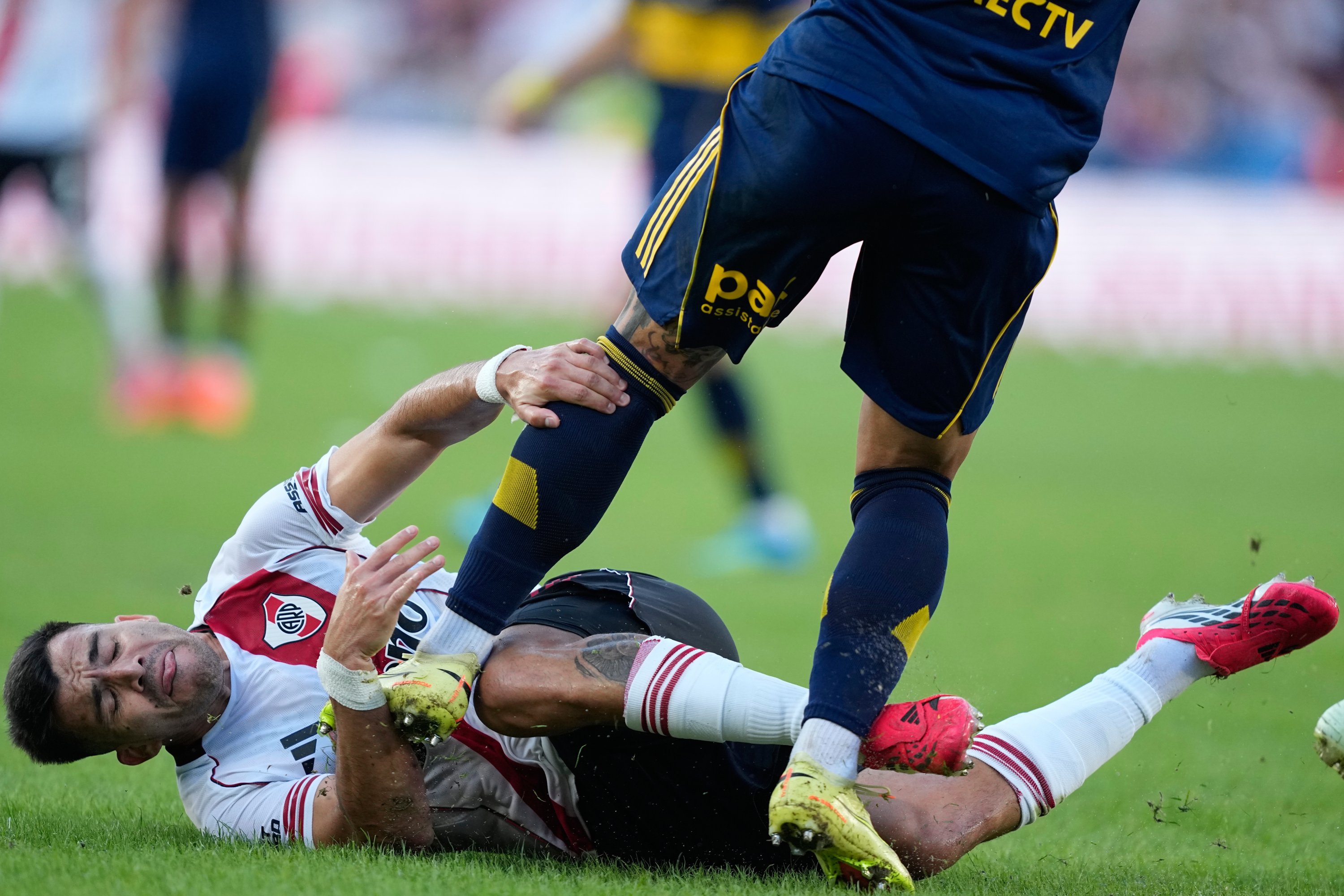
Their first official meeting came in 1913, and the rivalry has since become deeply embedded in Argentine culture.
The atmosphere is central to the experience. Boca’s La Bombonera is famous for its deafening noise, while River’s Monumental produces an equally intimidating spectacle. Supporters treat the fixture as far more than a football match.
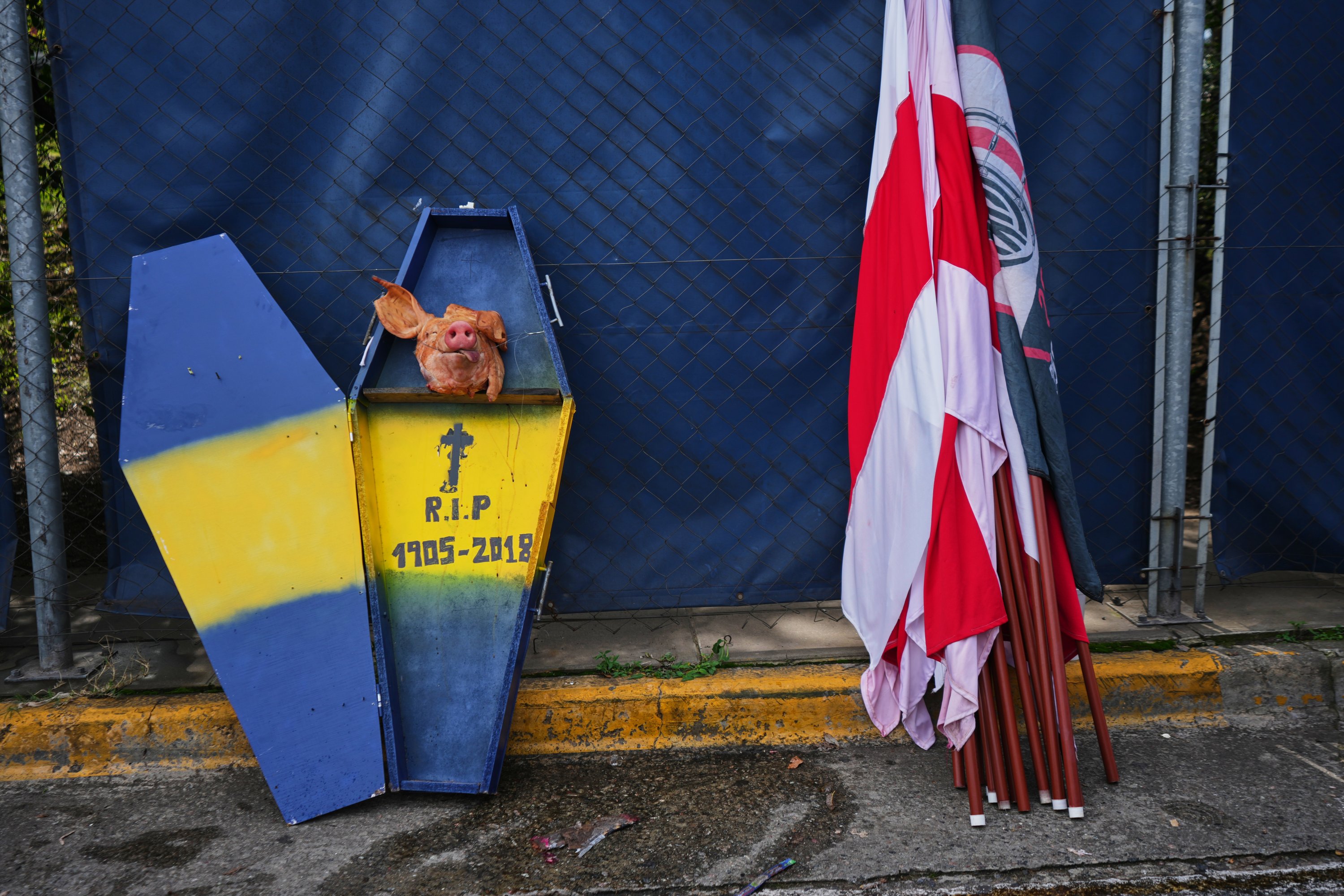
The rivalry has also had a darker side. The 1968 Puerta 12 disaster, in which 71 fans died, remains one of the darkest moments in Argentine football history. In 2018, violence surrounding the Copa Libertadores final forced the second leg to be moved from Buenos Aires to Madrid.
The clubs have produced generations of Argentine icons, including Diego Maradona, Juan Roman Riquelme and Carlos Tevez for Boca, and Alfredo Di Stefano and other greats for River.
The Superclasico’s combination of class, identity, history, atmosphere and raw emotion makes it one of the most intense rivalries in sport.
4. Celtic vs. Rangers, football
Scotland’s Old Firm rivalry is one of football’s most historically complicated contests.
Celtic were founded in the late 19th century with strong links to Glasgow’s Irish Catholic immigrant community. Rangers developed associations with Protestant and unionist traditions. Those religious and political identities became intertwined with football, producing a rivalry that extended far beyond the sport.
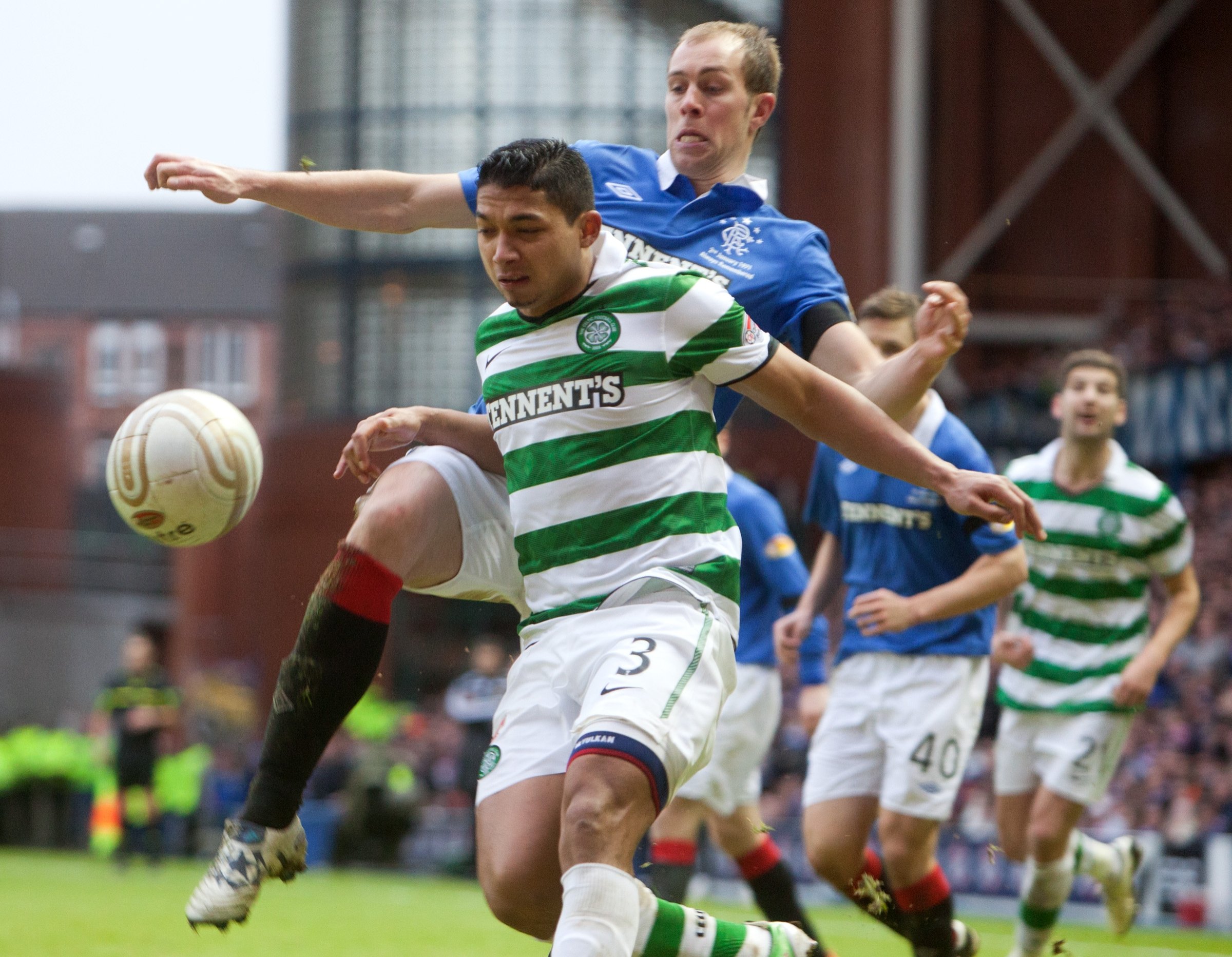
Celtic and Rangers have dominated Scottish football for generations, meeting repeatedly in league and cup competitions and regularly competing for the country’s biggest trophies.
The fixture has produced extraordinary results, including Celtic’s 7-1 League Cup final victory in 1957, but its significance has never been limited to the score.
Sectarianism has contributed to violence and disorder around some matches, prompting years of efforts by clubs, authorities and community organizations to combat discriminatory behavior.
Despite those efforts, the Old Firm remains one of Europe’s most intense domestic rivalries. The frequency of the meetings only adds to its importance. Unlike many international rivalries that occur only occasionally, Celtic and Rangers can face each other several times in a season.
Its sporting dominance, religious history, political undertones and extraordinary atmosphere ensure its place among the world’s great rivalries.
5. Manchester United vs. Liverpool, football
Manchester United and Liverpool represent more than two of England’s most successful football clubs. Their rivalry reflects a long-standing sporting and economic competition between two historic northern cities.
The clubs first met competitively in the 19th century, and the rivalry grew as both became dominant forces in English football.
Liverpool established themselves as England’s leading club during the 1970s and 1980s, winning domestic and European trophies under a succession of successful managers. Manchester United eventually took over that role under Alex Ferguson, dominating the Premier League era and repeatedly challenging Liverpool’s status as England’s most successful club.
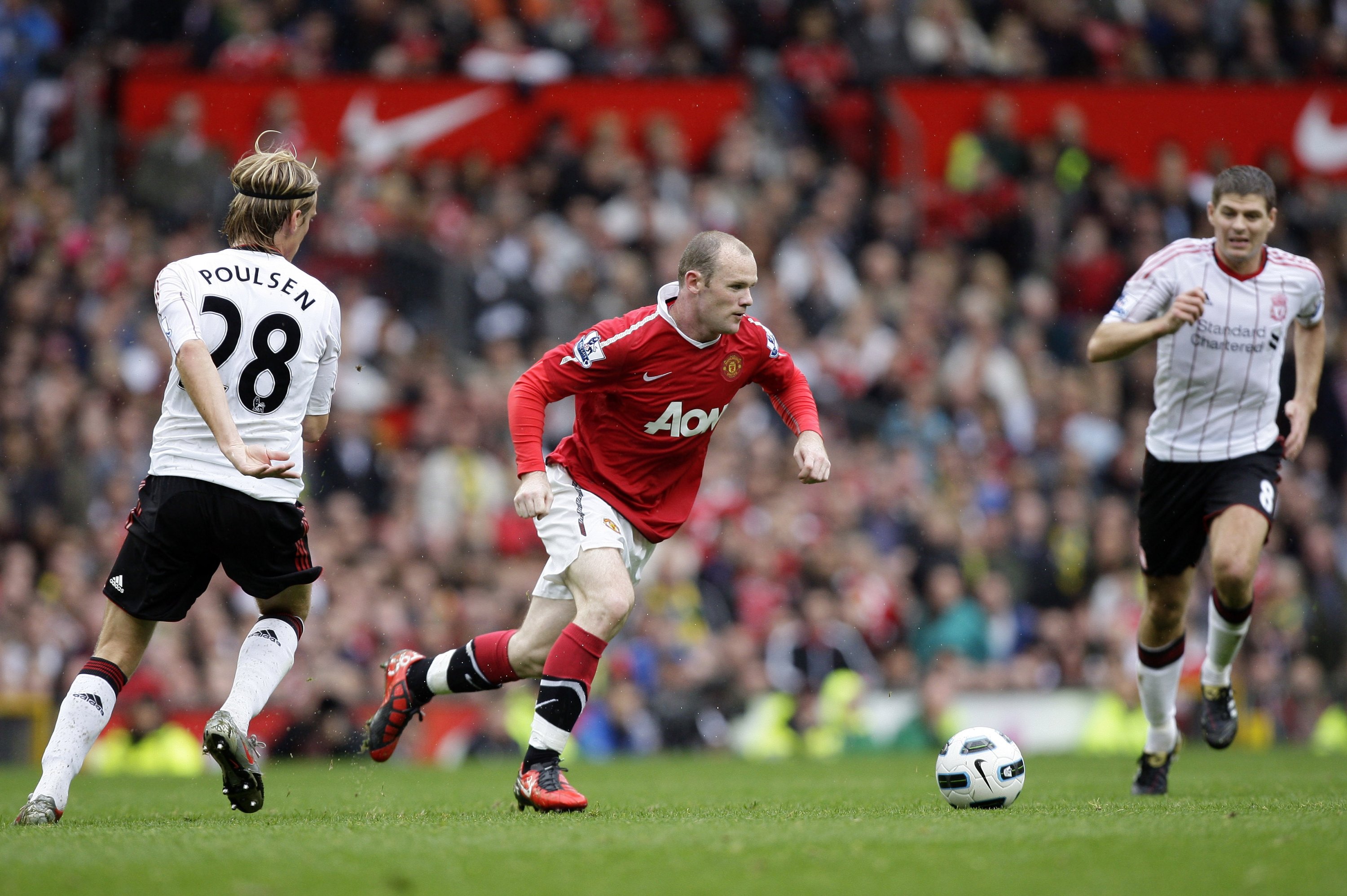
The rivalry has produced unforgettable matches and some of the biggest names in English football, including Steven Gerrard, Wayne Rooney and Mohamed Salah.
Liverpool’s 7-0 victory over United at Anfield in 2023 remains one of the most extraordinary recent results, while United have enjoyed their own emphatic victories over their historic rivals.
Unlike some rivalries driven primarily by geography or politics, Manchester United-Liverpool has been sustained by a century of competition for trophies, prestige and national attention.
It remains one of the most watched fixtures in English football and one of the sport’s biggest club rivalries worldwide.
6. Australia vs. England, cricket
The Ashes is one of the rare sporting rivalries whose name is almost as famous as the teams involved.
The story began in 1882 after Australia defeated England at The Oval. A British newspaper published a mock obituary declaring English cricket dead and suggesting that its ashes would be taken to Australia.
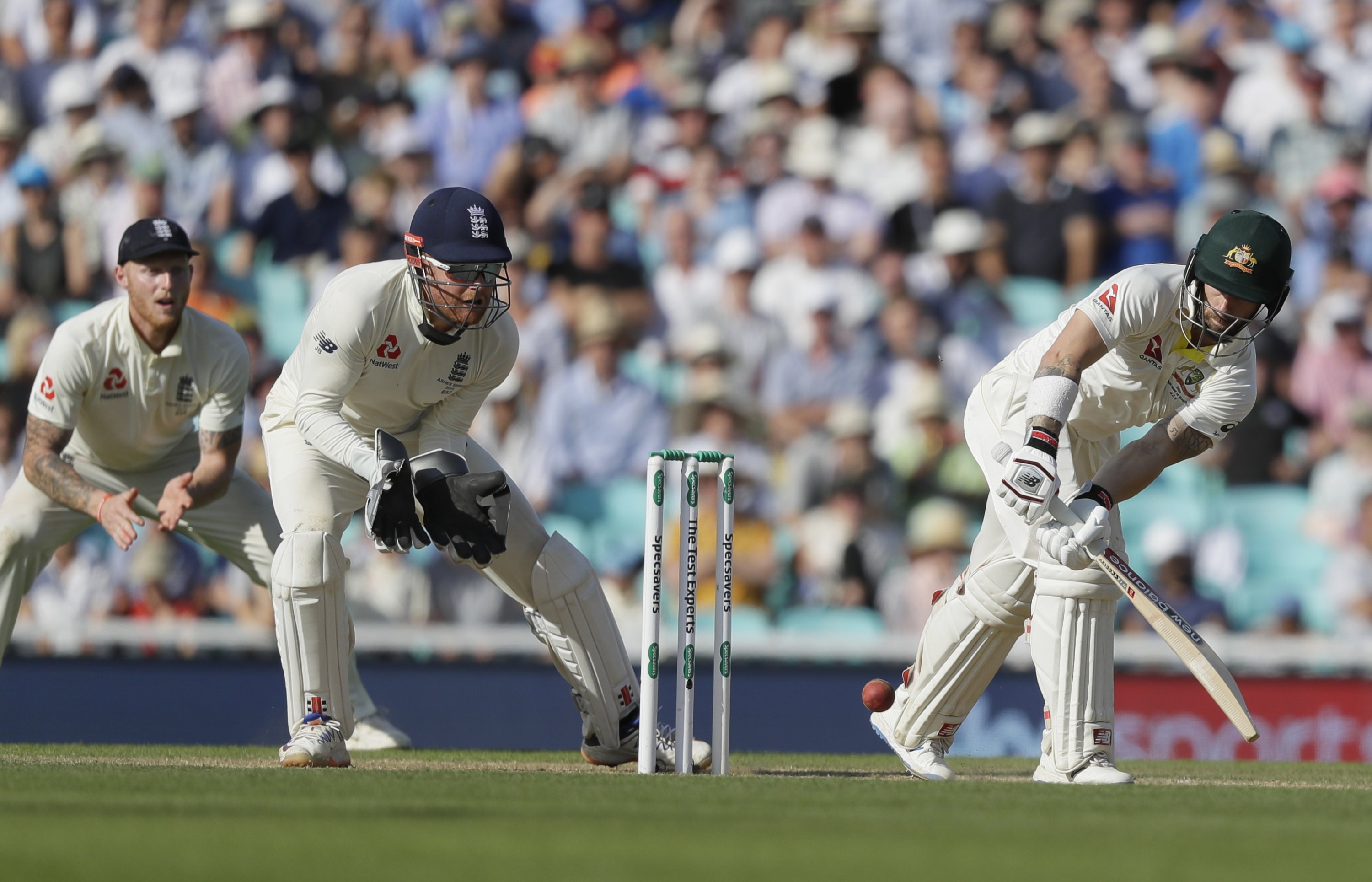
The joke became a legend, and the Ashes urn became one of the most recognizable trophies in international sport.
More than 140 years later, the rivalry remains the ultimate test of cricketing supremacy between the two countries.
It has produced some of the game’s greatest players and most dramatic moments, including Don Bradman, Shane Warne, Steve Waugh and Ben Stokes. The 1932-33 Bodyline series became one of cricket’s most controversial episodes, while the 2005 Ashes remains one of the most celebrated series in modern Test cricket.
Unlike India-Pakistan, the rivalry is not defined by geopolitical hostility. Its power comes from tradition, history, national pride and the extraordinary importance attached to Test cricket in both countries.
The Ashes has survived changing formats, changing generations and changing cricketing cultures. Few sporting rivalries can match that longevity.
7. New York Yankees vs. Boston Red Sox, baseball
The Yankees-Red Sox rivalry is arguably the defining rivalry in American professional sports.
The teams first met in 1903, but the relationship took on its enduring mythology after Boston sold Babe Ruth to New York following the 1919 season.
Ruth went on to become one of baseball’s greatest stars with the Yankees, while Boston endured an 86-year World Series drought. The resulting “Curse of the Bambino” became one of the most famous narratives in American sports.
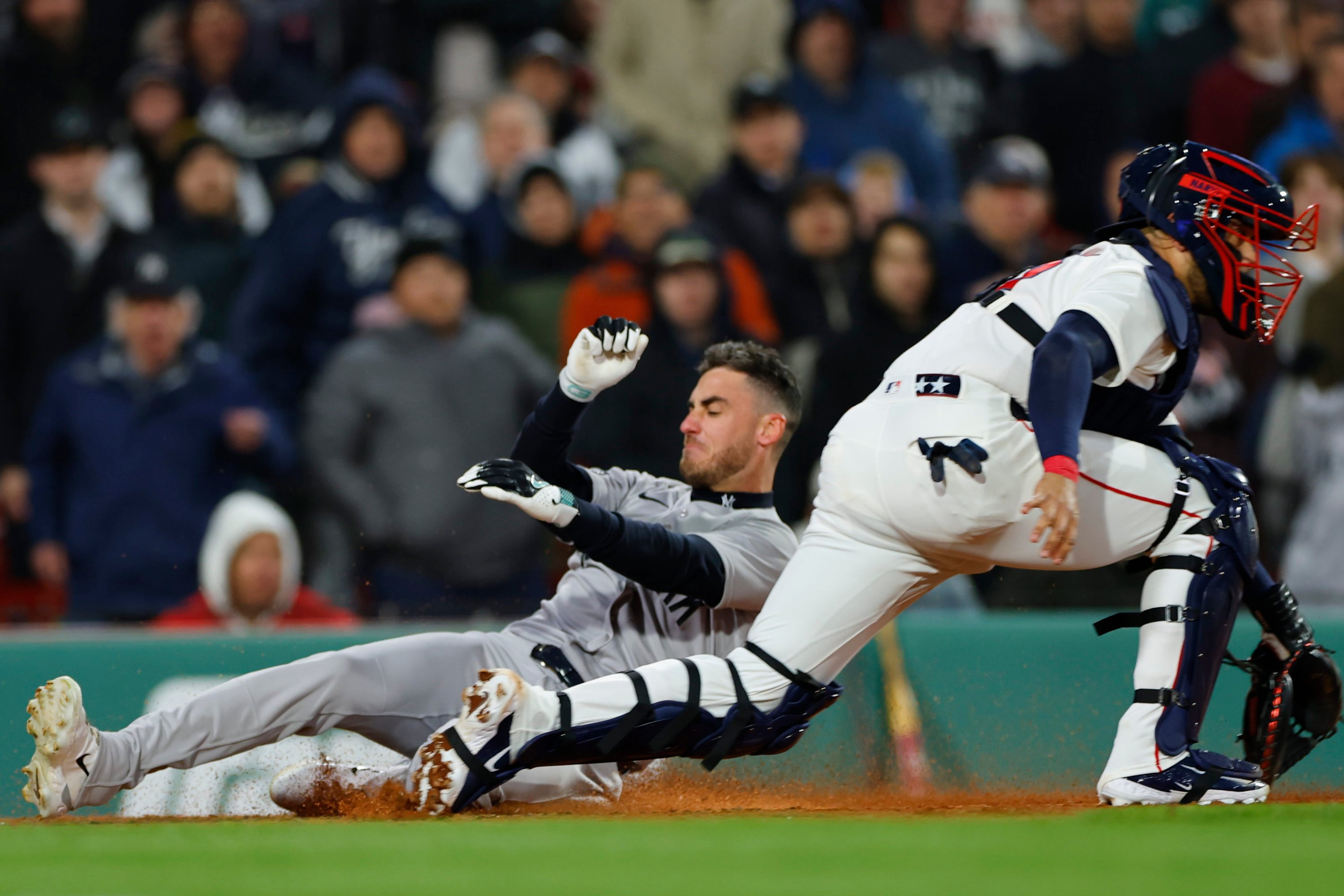
The rivalry has generated generations of unforgettable moments. Bucky Dent’s home run in the 1978 American League East playoff, Aaron Boone’s 2003 walk-off homer and Boston’s stunning comeback in the 2004 American League Championship Series are among its defining chapters.
That 2004 comeback remains particularly historic. Boston became the first MLB team to recover from a 3-0 deficit in a postseason series, eventually winning the World Series and ending decades of frustration.
Geography also matters. New York and Boston are relatively close, their fan bases are deeply entrenched and both cities have enormous media markets.
The Yankees and Red Sox have played thousands of times, and even ordinary regular-season games can carry the atmosphere of postseason contests.
8. Boston Celtics vs. Los Angeles Lakers, basketball
The Celtics-Lakers rivalry is the NBA’s great historical rivalry.
The two franchises have met a record 12 times in the NBA Finals, creating a basketball version of a national championship showdown between Boston’s traditional East Coast identity and Los Angeles’ Hollywood glamor.
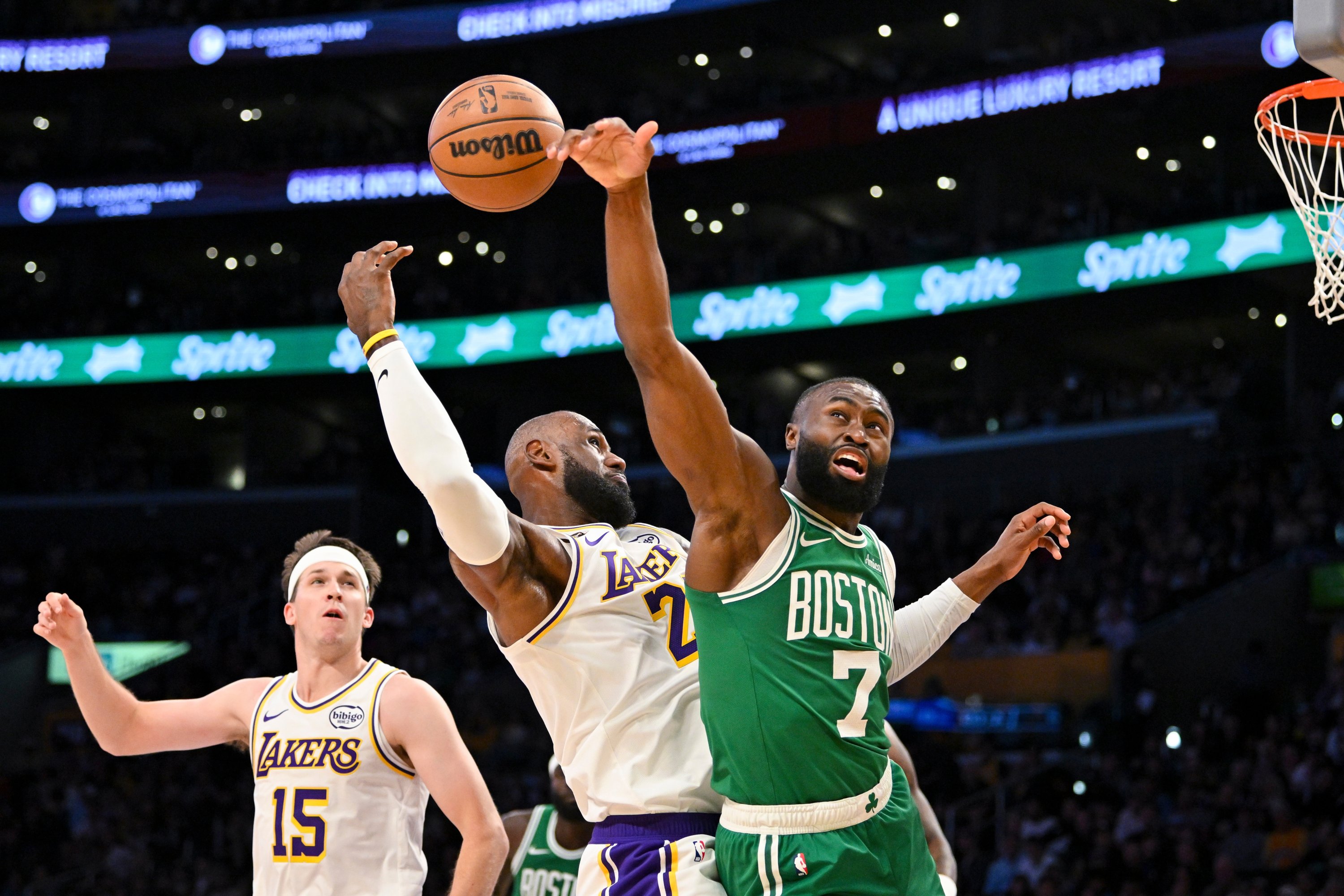
The rivalry has been defined by generations of superstars.
Bill Russell’s Celtics dominated the 1960s, while Wilt Chamberlain and the Lakers repeatedly tried to break Boston’s hold over the league. In the 1980s, Larry Bird and Magic Johnson transformed the rivalry and helped push the NBA into a new era of national and international popularity.
The rivalry was renewed in the 2000s through Kobe Bryant and Pau Gasol’s Lakers against Boston’s trio of Paul Pierce, Kevin Garnett and Ray Allen. The teams met in the 2008 and 2010 NBA Finals, splitting the championships.
Boston and Los Angeles have combined for 35 NBA championships, giving the rivalry an extraordinary historical foundation.
Even when the teams are not simultaneously competing for a title, the matchup carries a significance few other NBA games can match.
9. Roger Federer vs. Rafael Nadal, tennis
Federer vs. Nadal was different from the other rivalries on this list because it was not built around cities, nations or opposing fan cultures.
It was built around two extraordinary athletes with contrasting styles who repeatedly pushed each other toward greater heights.
They met 40 times between 2004 and 2019, with Nadal winning 24 times and Federer 16.
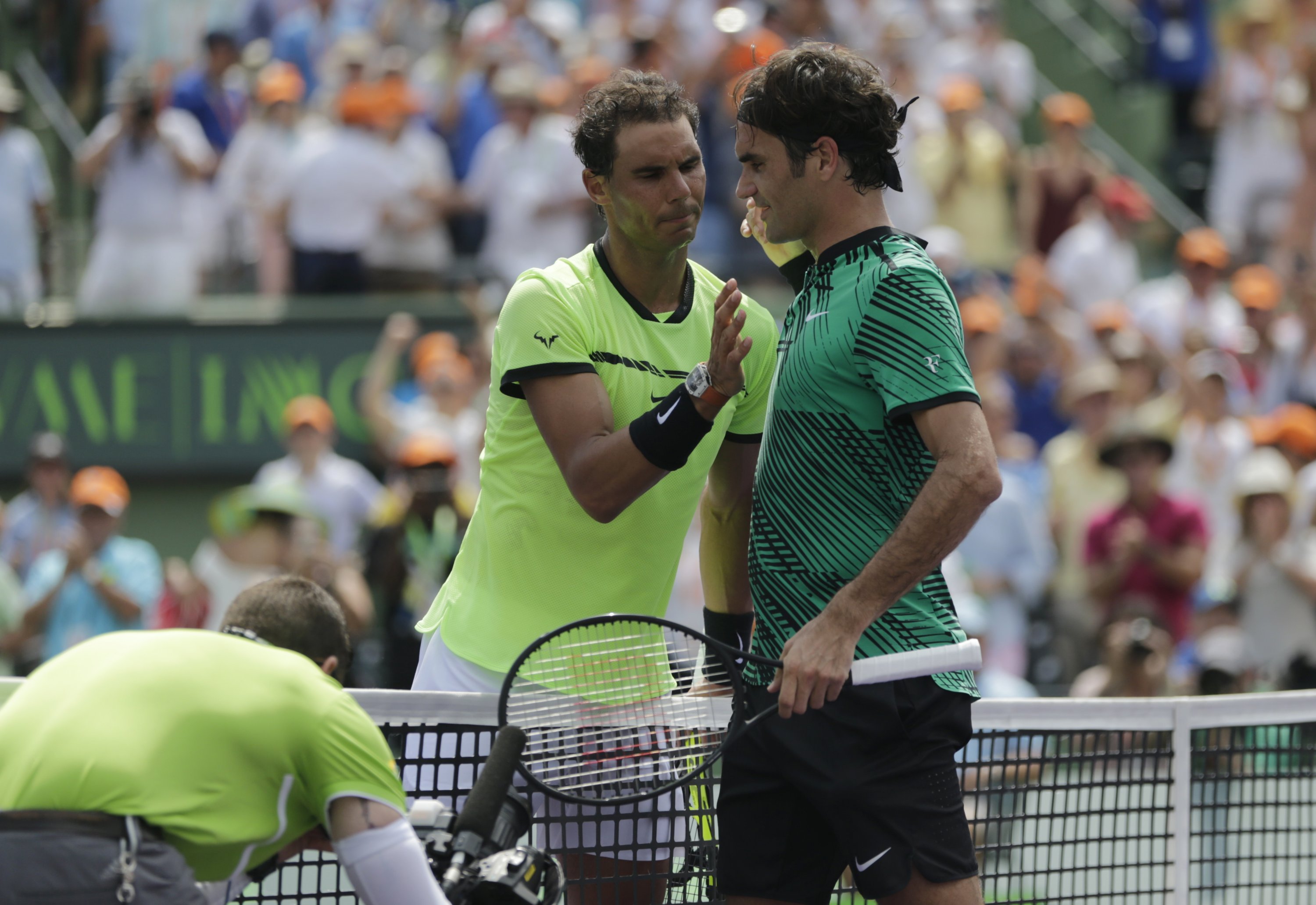
Nadal’s heavy topspin, physicality and left-handed forehand repeatedly tested Federer’s elegant all-court game and one-handed backhand. Their contrasting styles were particularly dramatic on different surfaces, with Nadal dominating on clay and Federer enjoying greater success on grass and hard courts.
Their 2008 Wimbledon final is widely regarded as one of the greatest matches in tennis history. Nadal won 6-4, 6-4, 6-7, 6-7, 9-7 in a contest lasting nearly five hours.
The rivalry also produced memorable Grand Slam finals at the Australian Open and French Open, while their rivalry helped define the greatest era in men’s tennis alongside Novak Djokovic.
What separated Federer and Nadal from many traditional rivalries was the respect between the competitors. Their relationship evolved from fierce competition into genuine friendship, giving the rivalry an unusual emotional dimension.
Together, they won 42 Grand Slam singles titles, and their matches remain among the defining sporting memories of the 21st century.
10. Muhammad Ali vs. Joe Frazier, boxing
Some rivalries are remembered for a single fight. Ali and Frazier are remembered for three.
Their trilogy between 1971 and 1975 produced some of the most important fights in boxing history.
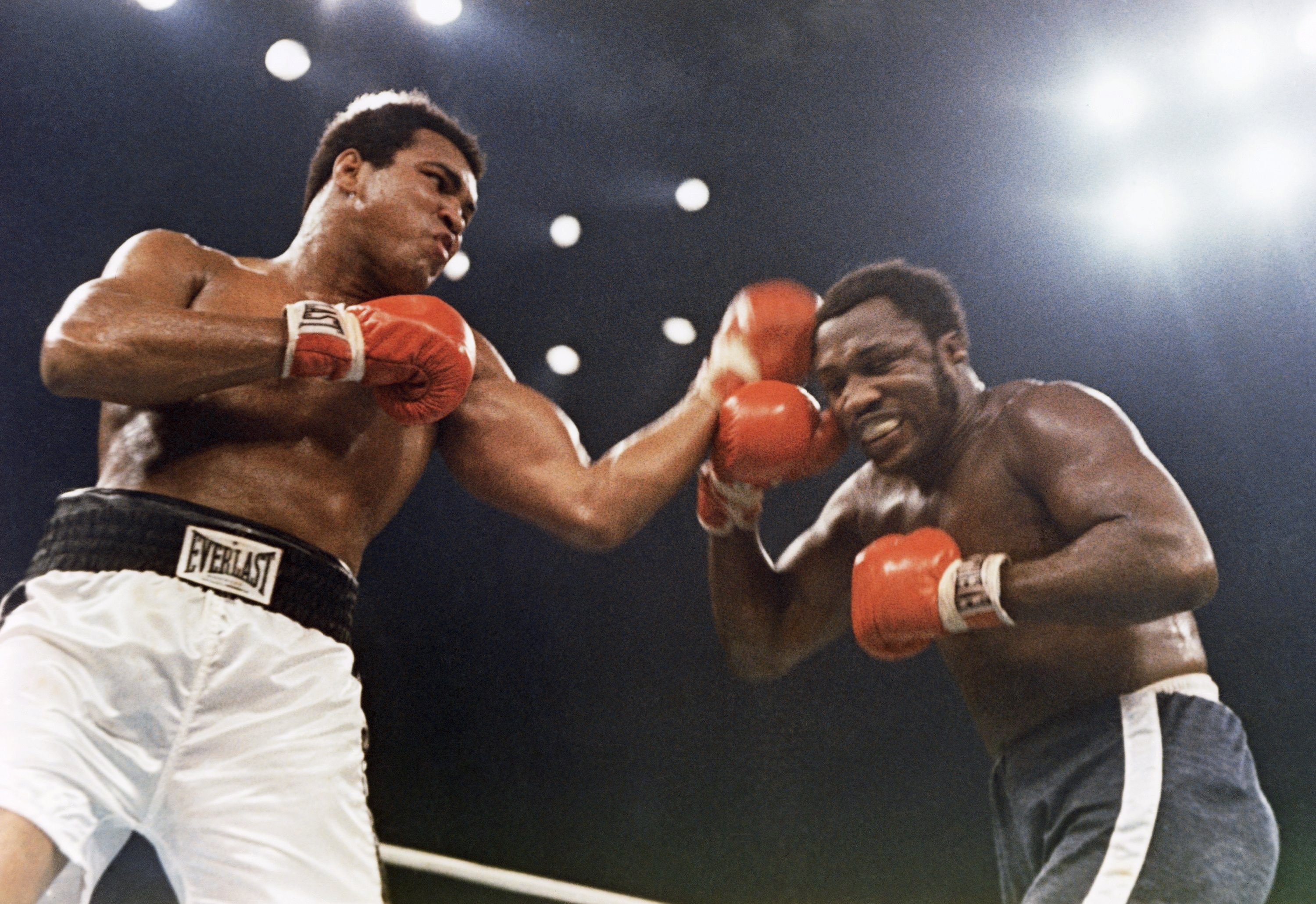
Frazier shocked the world in the first meeting, defeating Ali by unanimous decision in the “Fight of the Century.” Ali won the rematch three years later, setting the stage for their final encounter.
The 1975 “Thrilla in Manila” became the defining chapter. Ali and Frazier fought through extraordinary physical punishment before Frazier’s corner stopped the bout after the 14th round.
The rivalry was intensified by Ali’s personality and relentless verbal attacks, but its significance went beyond boxing. Race, politics, celebrity and the changing social landscape of the United States all formed part of the backdrop.
The two men later developed a more complicated relationship, with Frazier carrying resentment toward Ali’s public insults for years.
Their trilogy remains the benchmark for an individual sporting rivalry based on courage, personality and competitive greatness.
Other rivalries that belong in the conversation
Several major rivalries narrowly miss the top 10.
Brazil vs. Argentina is one of international football’s most prestigious contests, fueled by generations of South American stars and national pride. The rivalry has featured Pele, Diego Maradona, Lionel Messi and countless other icons.
Michigan vs. Ohio State, known simply as “The Game,” is one of the defining rivalries in American college football. Its annual place on the calendar, enormous stadiums and implications for the Big Ten and College Football Playoff make it a fixture of U.S. sports culture.
The Green Bay Packers vs. Chicago Bears is the NFL’s oldest continuous rivalry and has endured through more than a century of professional football.
Army vs. Navy carries a different kind of significance, with military tradition, ceremony and national symbolism making the annual college football game unique.
Lewis Hamilton vs. Max Verstappen also deserves consideration among modern rivalries. Their battles, particularly during the 2021 Formula 1 season, created one of the sport’s most intense recent chapters.
World football’s regional powerhouses are considering a vote of no confidence against FIFA President Gianni Infantino after his proposal to sell private investors a stake in the World Cup angered several confederations, senior figures familiar with the discussions told Reuters.
UEFA, European football’s governing body, the Asian Football Confederation and CONCACAF, which represents North and Central America and the Caribbean, are weighing the move, the sources said.
Reuters could find no previous instance in FIFA’s 122-year history of its Congress holding a no-confidence vote against a sitting president.
“There is no way out,” one source said, speaking on condition of anonymity because of the sensitivity of the discussions. “Either he goes the peaceful way and decides not to stand in March, or he goes the hard way,” the person said, referring to a possible no-confidence vote.
Under FIFA’s statutes, the FIFA Council can convene an Extraordinary Congress at any time. It is also required to call one if at least one-fifth of FIFA’s 211 member associations submit a written request specifying the items they want placed on the agenda.
An Extraordinary Congress must then be convened within three months, with each attending association holding one vote. FIFA’s statutes contain no specific provision governing a no-confidence vote against its president.
When contacted by Reuters for comment, FIFA referred to a previous statement saying it “will not support, facilitate or tolerate any process concerning the election of the FIFA president that is inconsistent with FIFA’s Statutes, democratic procedures and established governance framework.”
UEFA did not comment directly on whether a no-confidence vote was under discussion, instead referring Reuters to its earlier statement that a review of FIFA’s leadership and governance should be “thorough and fundamental” and that “no option should be off the table.”
CONCACAF declined to comment directly, referring Reuters to an earlier joint statement with UEFA and the AFC accusing FIFA’s leadership of a fundamental breach of trust. The AFC did not immediately respond to a request for comment.
Infantino has said he intends to seek reelection at the scheduled March 2027 FIFA Congress and retains significant support among FIFA’s member associations, including from Africa’s confederation, CAF.
FIFA has apologized to its member associations for mistakes in handling the proposal, and last week six Arab football associations, including Qatar and 2030 World Cup co-host Morocco, publicly backed Infantino. FIFA’s leadership reaffirmed its full support for Infantino after a crisis meeting in Morocco earlier this month.
A senior figure close to the matter told Reuters that while a no-confidence vote was favored by the three confederations, there were fears an unsuccessful challenge would strengthen Infantino, demonstrate his continuing electoral support and bolster his position ahead of next year’s scheduled presidential election.
Infantino has come under intense pressure since the collapse of his proposal to sell a minority stake in a new FIFA commercial entity to private investors. That entity would have controlled the commercial rights to the World Cup, the game’s flagship event.
FIFA says its revenue for the 2023-26 cycle is expected to exceed $15 billion, with the bulk of that generated in the 2026 World Cup year.
Three of FIFA’s six continental confederations, UEFA, the AFC and CONCACAF, opposed the proposal and have since sharply criticized Infantino’s handling of it, citing failures of transparency, consultation and governance.
The crisis deepened this week with the departure of FIFA Chief Operating Officer Kevin Lamour, who had criticized the investment proposal and said staff had been “deceived” over what he described as the project of one person. FIFA gave no reason for his departure.
FIFA Vice President Sandor Csanyi withdrew his support for Infantino this week, saying Lamour’s departure was the “final straw.”
Support remains
Infantino’s opponents, however, face significant obstacles.
No challenger has publicly stepped forward ahead of the Nov. 18 nomination deadline, and Infantino retains backing from parts of FIFA’s membership.
CAF President Patrice Motsepe said last week that Infantino continued to have Africa’s support and that his future should be decided by FIFA’s members at the election.
Under the abandoned investment proposal, associations would have been able to access up to $20 million in one-time capital for infrastructure, coaching, national teams, competitions, grassroots football and the women’s game.
“Those who are ready to fight Infantino at the ballot box should come out into the open,” Football Association of Malawi President Fleetwood Haiya told Reuters last week.
“They should tell us what they are going to bring. As the Malawi FA, I need to understand what they are going to bring to Malawi.”
Club leverage
Pressure also extends beyond those with a FIFA vote.
European Football Clubs (EFC), chaired by Paris Saint-Germain president Nasser Al-Khelaifi and representing more than 800 clubs, is aligned with UEFA and others seeking change at FIFA, according to a source familiar with the discussions.
EFC has warned FIFA that its members could refuse to take part in future men’s and women’s Club World Cups unless their concerns over governance and the clubs’ relationship with FIFA are addressed.
Clubs have no FIFA vote but wield considerable sporting and commercial leverage.
Michael Payne, the former International Olympic Committee marketing chief, said even an electoral victory for Infantino would not necessarily resolve the divisions.
“It’s all very well to sneak through with a 51% majority with many of the tiny nations but all of the football superpowers against you. How do you run the organization?” Payne told Reuters.
No FIFA sponsor has publicly criticized Infantino over the crisis.
“Sponsors are raising their eyebrows saying, ‘How can you manage to have such a successful World Cup and then shoot yourself in the foot afterward?’” Payne said.
For the senior figure familiar with the discussions around the no-confidence vote, the damage is already irreversible.
“You can’t put the ketchup back in the bottle.”
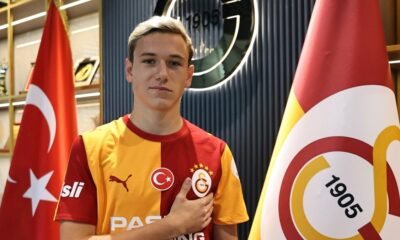
Galatasaray have signed Russian attacking midfielder Aleksey Batrakov from Lokomotiv Moscow on a five-year contract, adding one of Russia’s most promising young players to the Turkish champions’ squad.
The Istanbul club will pay Lokomotiv 25 million euros ($29.19 million) for the 21-year-old, while the Russian club will also receive 15% of the profit from Batrakov’s next transfer. Batrakov will earn a guaranteed net salary of 3.25 million euros per season under a contract running through the 2030-31 campaign.
The move makes Batrakov the first Russian player in Galatasaray’s 121-year history and the 218th foreign footballer to represent the club since the Turkish top flight began in 1959.
Galatasaray had previously signed players from 54 countries across six continents, with Brazil accounting for the largest share. The club has brought in 25 Brazilian players, followed by 16 from the former Yugoslavia and 15 from Romania.
Batrakov’s arrival marks a notable new chapter in that history as Galatasaray add their first Russian player to a squad strengthened during an ambitious summer transfer window.
A product of Lokomotiv Moscow’s academy, Batrakov emerged as one of the standout young players in Russian football. He can operate as a No. 10 or on the right wing and enjoyed a breakthrough 2025-26 campaign, scoring 17 goals in 36 appearances across the Russian Premier League and Russian Cup. Anadolu Agency reported that he also contributed nine assists in the league last season.
He began the new season with one goal and one assist in five appearances before completing his move to Istanbul.
Batrakov also has established himself with the Russian national team. He made his senior debut against Brunei on Nov. 15, 2024, scoring in his first appearance. He has since earned 12 international caps and scored four goals, according to Anadolu Agency’s report.
The transfer represents Batrakov’s first move outside Russia and a major step in his development. He arrived in Istanbul on Thursday and was greeted by Galatasaray officials and supporters after landing at Ataturk Airport with his family.
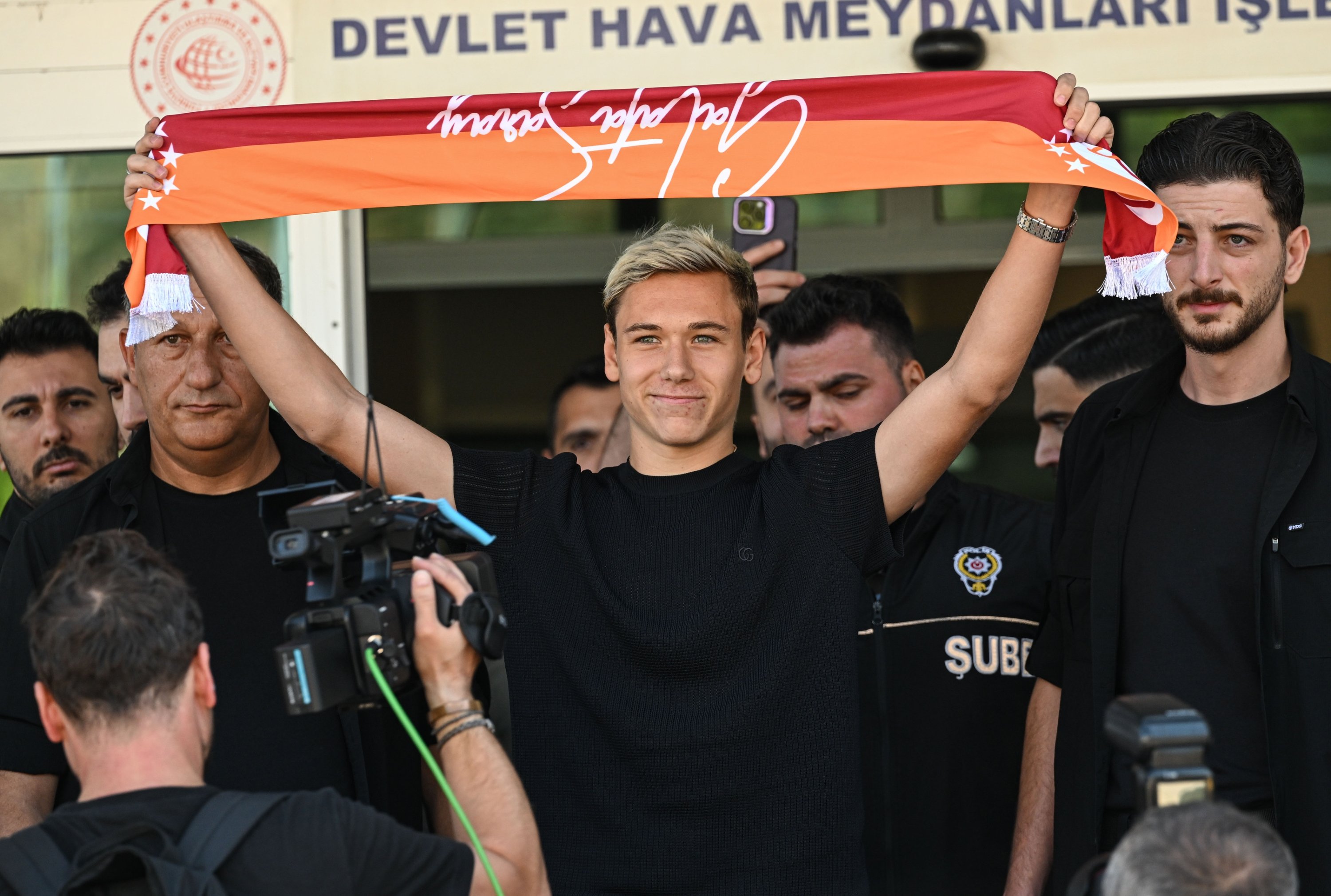
Speaking after his arrival, Batrakov said he was excited about beginning the next stage of his career and was eager to experience Galatasaray’s renowned support.
“This is an exciting process for me. It will be my first experience abroad. I hope everything will be very good for me and the club,” Batrakov said.
He added that Galatasaray supporters are known as some of the most passionate fans in Europe and said he wanted to get on the field and meet them as soon as possible.
The deal was subsequently formalized, with Galatasaray notifying the Public Disclosure Platform that it would pay Lokomotiv 25 million euros and give the Russian club 15% of any profit from Batrakov’s next transfer. The club also confirmed the five-year contract and his annual net salary of 3.25 million euros.
Batrakov joins Galatasaray after the club also added French midfielder Lesley Ugochukwu during the summer window, as the reigning Turkish champions continue to build a squad capable of competing domestically and in Europe.


-

 Economy3 days ago
Nord Stream attack suspect arrested on set of Hollywood movie about blasts
-

 Politics3 days ago
Erdoğan vows Türkiye will keep extending helping hand worldwide
-

 Economy2 days ago
Türkiye taps 6.7 bcm of gas 6 years after Black Sea discovery
-
 Economy2 days ago
Foreign arrivals in Türkiye fall slightly in July, Russians top list
-
 Sports2 days ago
Football’s big names flock to Turkish Süper Lig. But why?
-
 Politics3 days ago
Turkish ruling AK Party slams Netanyahu over fueling regional chaos
-
 Sports2 days ago
Galatasaray sign Russian wunderkind Batrakov from Lokomotiv Moscow
-

 Politics2 days ago
FM Fidan holds Gaza, Syria, Hormuz talks with Egypt, Saudi Arabia