
Lifestyle
From bamboo villages to megacities: My journey through China

As a journalist with a deep interest in cultures and civilizations around the world, and a long travel bucket list, I have to be honest: China wasn’t exactly at the top of my list of countries I wanted to visit.
I knew China through the dozens of dynasties whose names I struggled to distinguish in my college Chinese history class, its vast population and low-cost products, and its rise to global leadership through the economic and technological strides it has made in recent years. However, I hadn’t made any particular effort to learn more about the country beyond what my profession required.
As I shared with our readers last week, I traveled to China for two weeks to participate in a program organized by the Global Development Promotion Center (GDPC), under the China International Development Cooperation Agency (CIDCA). Looking back now, I’m amazed at how much my views have changed.
But before getting to the conclusions, I’d like to share some observations from the program that gave me the opportunity to get to know the country firsthand.
Chinese development model
During the program, we underwent intensive training on a wide range of topics, from China’s social structure and the economic development strategies to poverty alleviation policies, urban and rural planning designed to coexist with the ecosystem, and the country’s latest technological initiatives.
In other words, the program sought to present China from its own perspective, as if telling participants from Global South countries: “You don’t know China well enough. Come and see for yourself.”
In addition to the program’s broader narrative on China, it also had a more specific focus. As the program’s title, “Seminar on the Chinese Local Development Practice of Xi Jinping Thought on Socialism with Chinese Characteristics for a New Era,” suggests, its primary objective was to introduce to us the development policies and practices that Xi Jinping pursued in the regions where he held various provincial-level leadership positions before becoming General Secretary of the Communist Party of China in 2012.
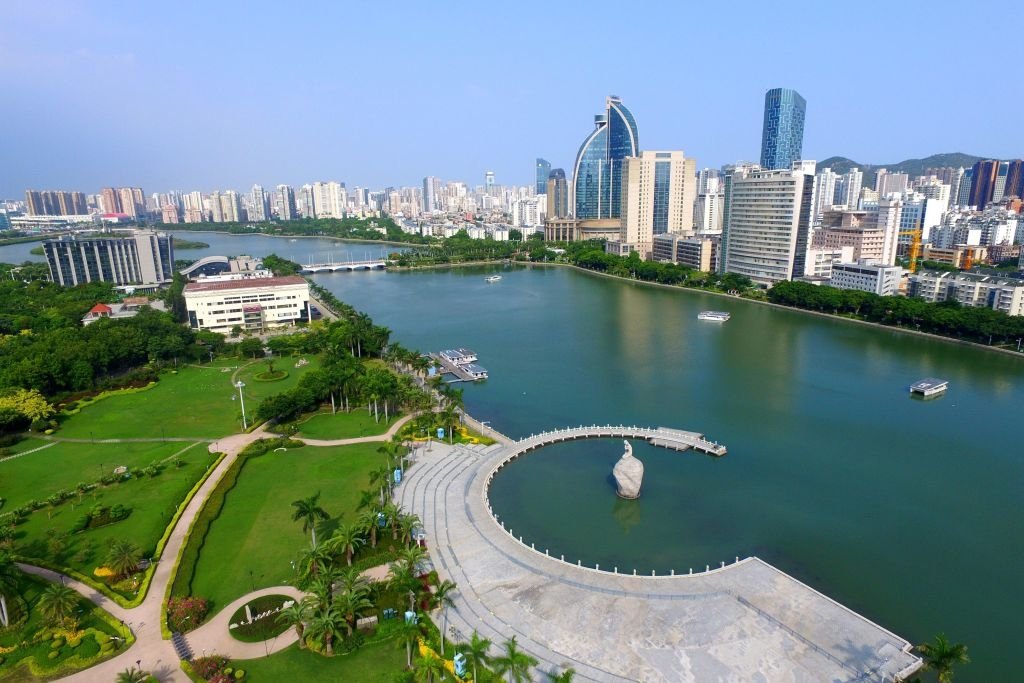
Fujian: Clash of history vs. modernity
The program began in Xiamen, President Xi’s first posting in Fujian Province, where he held office from 1985 to 2002.
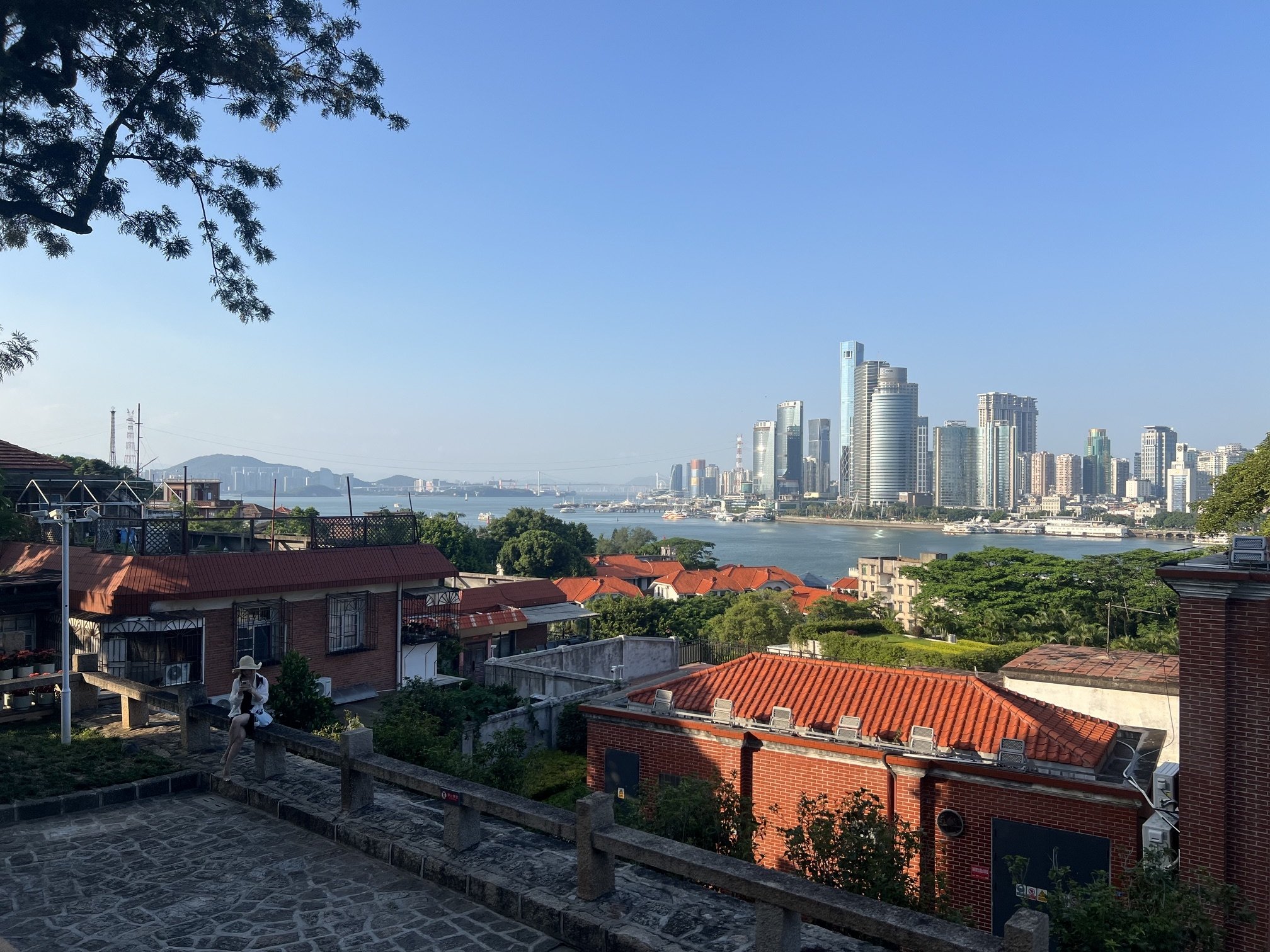
Located in the Taiwan Strait, Xiamen also featured prominently in our program as one of the four Special Economic Zones (SEZs) established by China in 1980 following the launch of the opening-up policy in 1978.
Situated on an island embraced by the mainland on one side and the sea on the other, the city of Xiamen left a lasting impression on me with its unique geography, lush vegetation enveloping it like ivy, and sweltering monsoon climate.
However, what stood out to me most in Xiamen was the urban transformation the city had undergone since 1988. We heard from experts how a small, impoverished settlement, once polluted by heavy industrial waste, had been rehabilitated and developed through sound municipal policies. The fact that Xiamen is now a globally recognized example of marine restoration and, moreover, has become China’s eighth and the world’s 13th largest container port, was one of China’s urban planning successes.
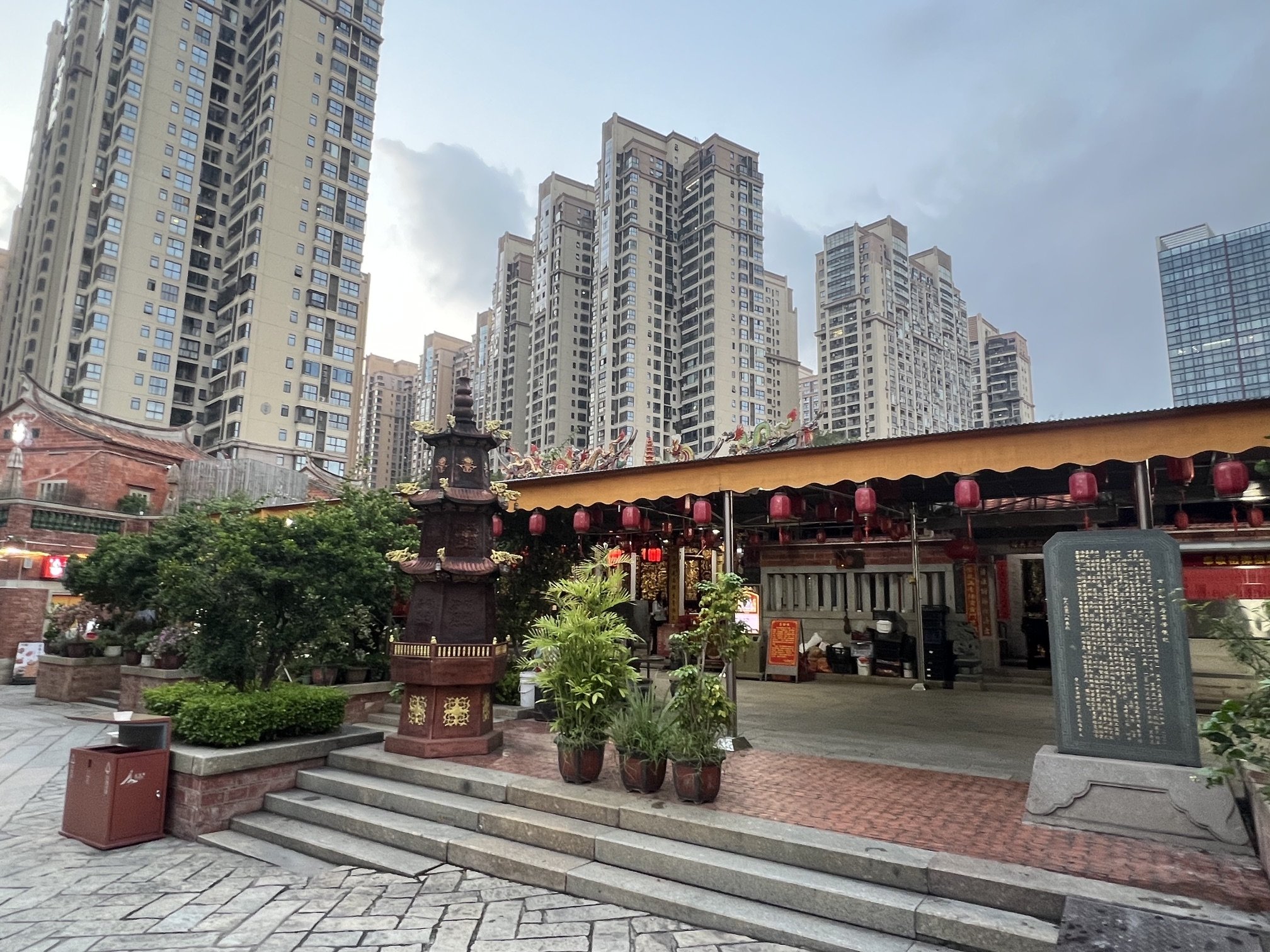
Our next stop, Jinjiang, however, showed me the other side of China’s urbanization strategy, in a somewhat bittersweet way.
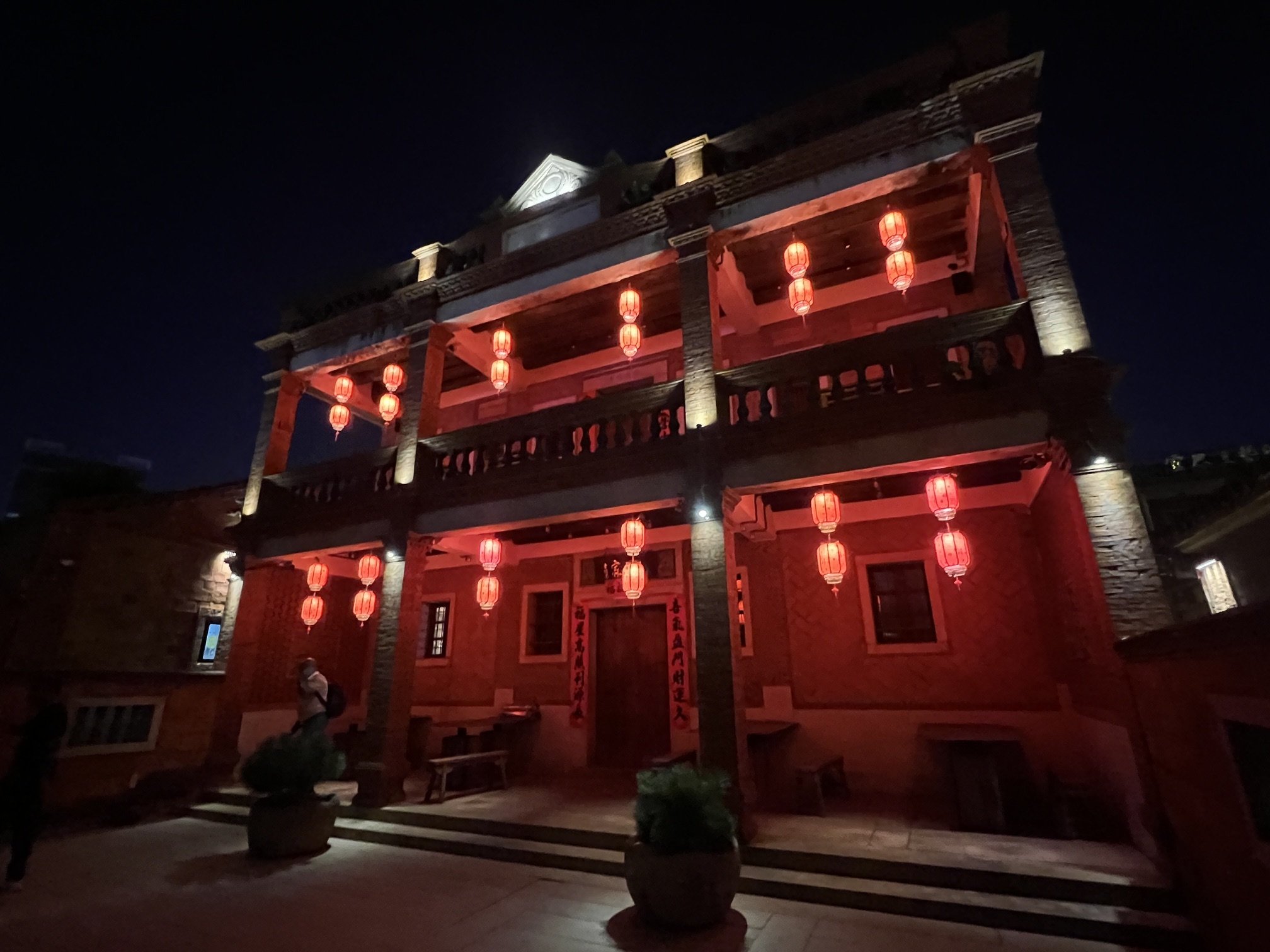
Nestled among apartments that rose like skyscrapers, the historic city center “Wudianshi Traditional Blocks,” founded during the Tang Dynasty (7th-10th centuries), seemed like the last bastion of civilization and culture resisting cold and pragmatic modernity.
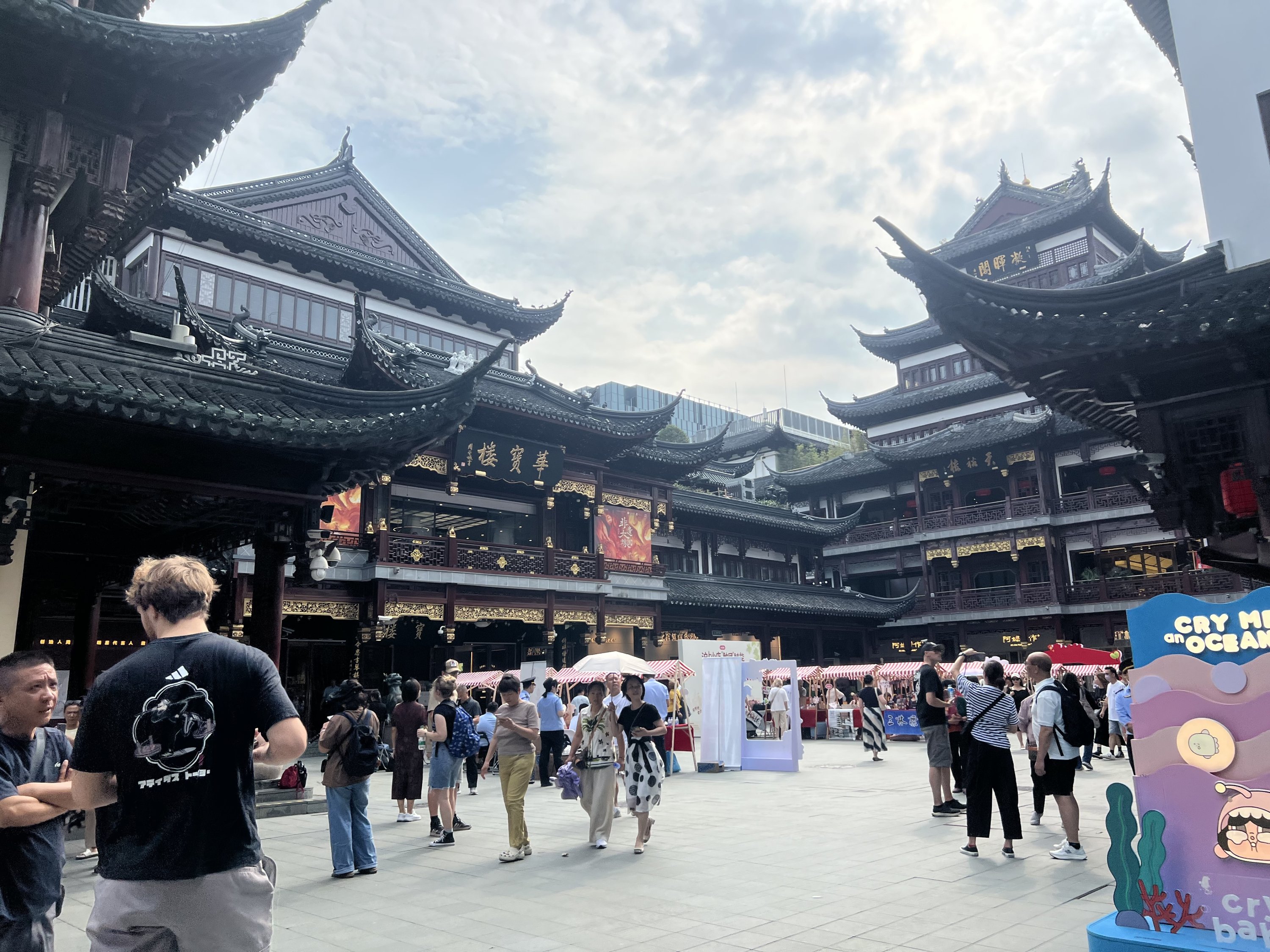
I would encounter a similar scene in Shanghai’s Old City district, which I explored on my own before I departed China. Feeling the elegance of a civilization spanning thousands of years at Yuyuan Garden, and seeing that this historical fabric had been restored and preserved, even if only within a limited area, brought me some comfort. Because just a few streets away, many more crumbling old buildings were waiting to be demolished amid massive construction sites.
Indeed, in the cities we visited, apart from a few exceptional areas where traditional architecture was preserved, history was simply gone. Instead, we encountered countless apartments constructed with functionality as the sole priority.
However, China’s recent history makes it easier to understand why this results-oriented approach to development took precedence over the preservation of its historical and cultural fabric.
According to data from the Chinese Ministry of Foreign Affairs and the National Bureau of Statistics, when the country decided to open up to the outside world in 1978, 97.5% of China’s rural population was living below the poverty line.
In response, the Chinese government launched comprehensive anti-poverty policies. Ministry reports indicate that by 2020, 832 impoverished counties and 128,000 impoverished villages had been lifted out of poverty. During this period, millions of people living in harsh conditions in rural areas were relocated to newly built apartment complexes.
Data from the World Bank further illustrates the scale of this transformation. Over the past 40 years, the number of Chinese living below the international poverty line has decreased by approximately 800 million. This figure accounts for roughly three-quarters of the total global decline in extreme poverty during the same period.
Of course, in achieving this, China had to act as quickly and effectively as possible. According to the World Bank, while China lifted an average of more than 12 million people out of poverty each year, its economy grew at an average annual rate of 8.1%.
At our next stop, we would learn how China sought to maintain a balance between urban and rural areas while this growth was taking place.
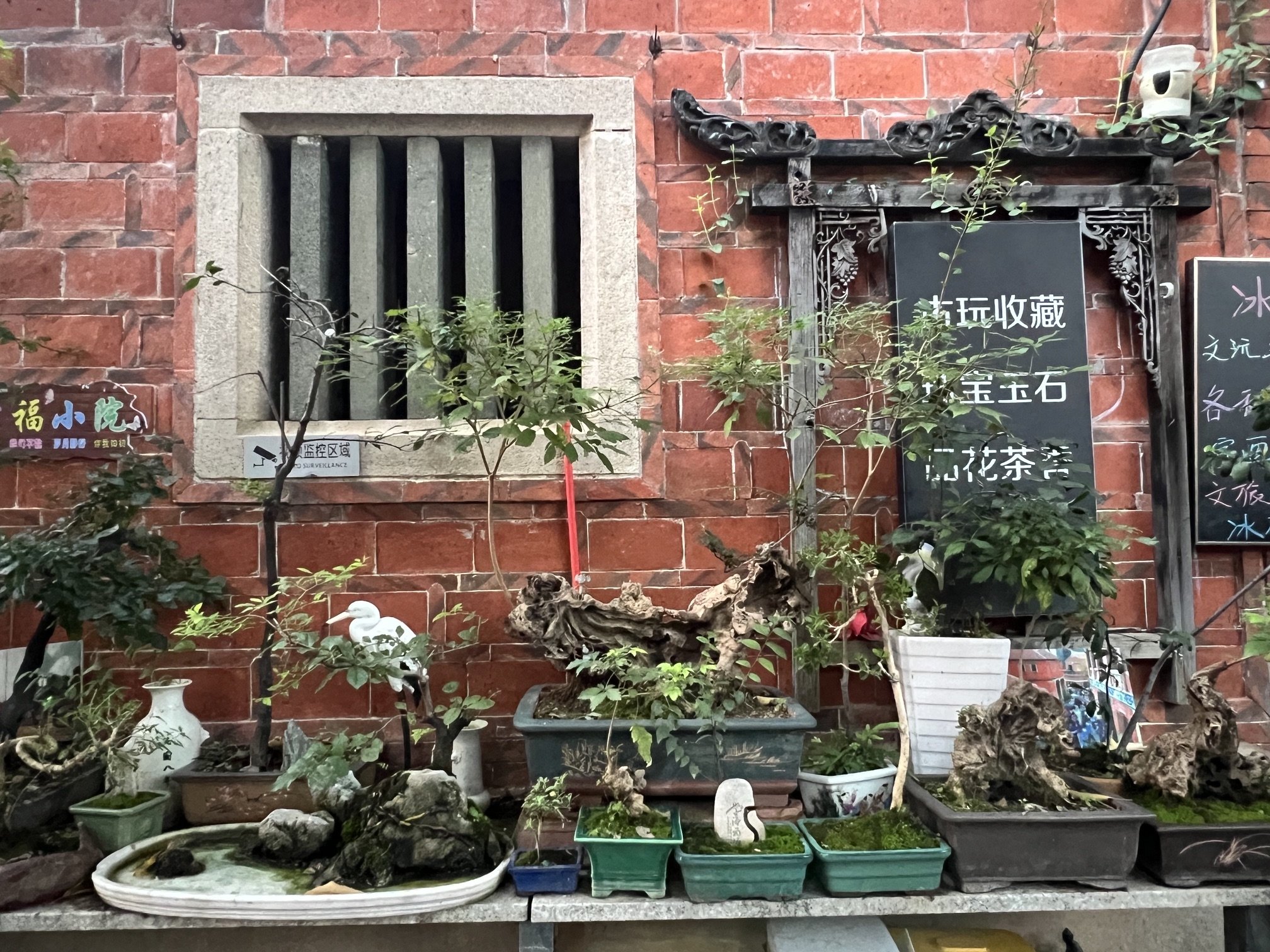
Zhejiang: Industrial cities, pilot villages
We began our exploration of Zhejiang Province, where Xi served from 2002 to 2007, by visiting the cities of Hangzhou and Yiwu, which have become hubs for industry, trade and digitalization.
Here, I would like to share my experience at the Yiwu International Trade City.
Yiwu, which opened up to foreign investment after the 1980s and developed into an international business hub, is also known as the “world’s largest wholesale market for small commodities.” According to data released by the Chinese government, despite having a population of just 2 million, the city’s foreign trade volume reached 836.5 billion yuan in 2025.
Official sources indicate that the Yiwu market spans over 8 million square meters with 80,000 booths, offering 2.1 million products across 26 commodity categories. The city attracts 210,000 daily visitors and 500,000 foreign buyers annually.
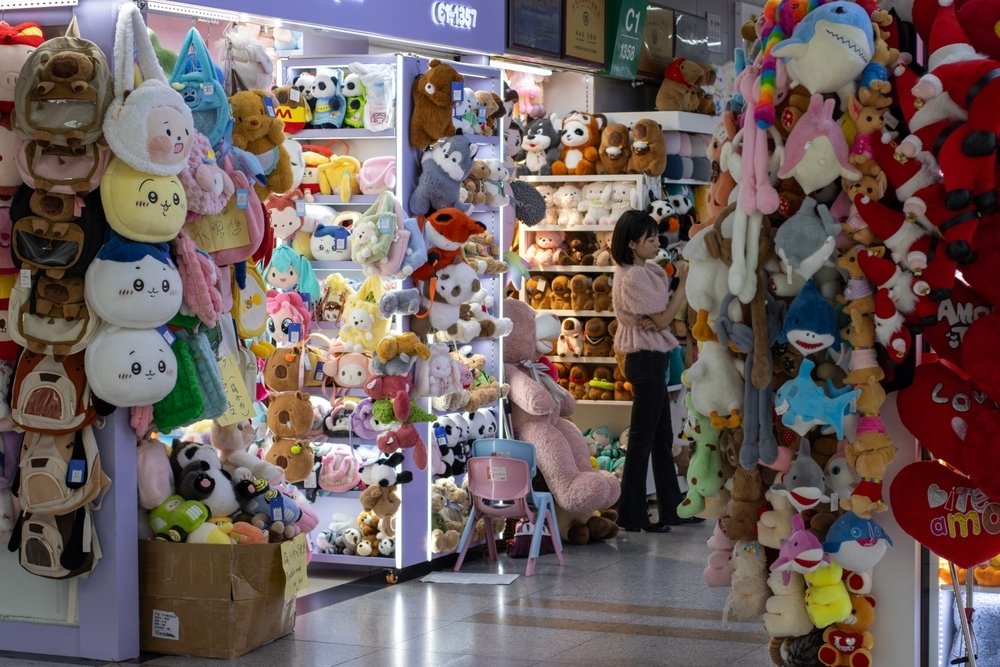
Here, we were about to explore the first of the five market districts. Driven by my professional curiosity and observational instincts, I decided to do precisely what the organizers had warned us against: get lost. So, I headed toward the farthest reaches of this wholesale shopping center, where an endless array of hair clips, trinkets, toys, and small household items are sold.
This three-hour labyrinthine experience evoked very complex emotions in me. On the one hand, there was the sense of alienation and numbness that comes from being constantly exposed to more products than the eye can possibly take in. On the other hand, there was the chill I felt upon realizing that nearly everything we use in our homes and in our daily lives is produced in China.
Seeing this small commodities market with my own eyes helped me better understand the urban side of China’s rapid economic growth. But there was also a rural side to it.
Like many countries undergoing rapid development, China faced the challenge of rural-to-urban migration, which gradually depopulated rural areas.
To address this problem, the government launched the “Ten Thousand Villages Project” in 2003, which became one of Zhejiang’s major rural development initiatives. In addition to improving living conditions and the rural environment, the project aimed to limit migration to cities by preserving the role and importance of agriculture.
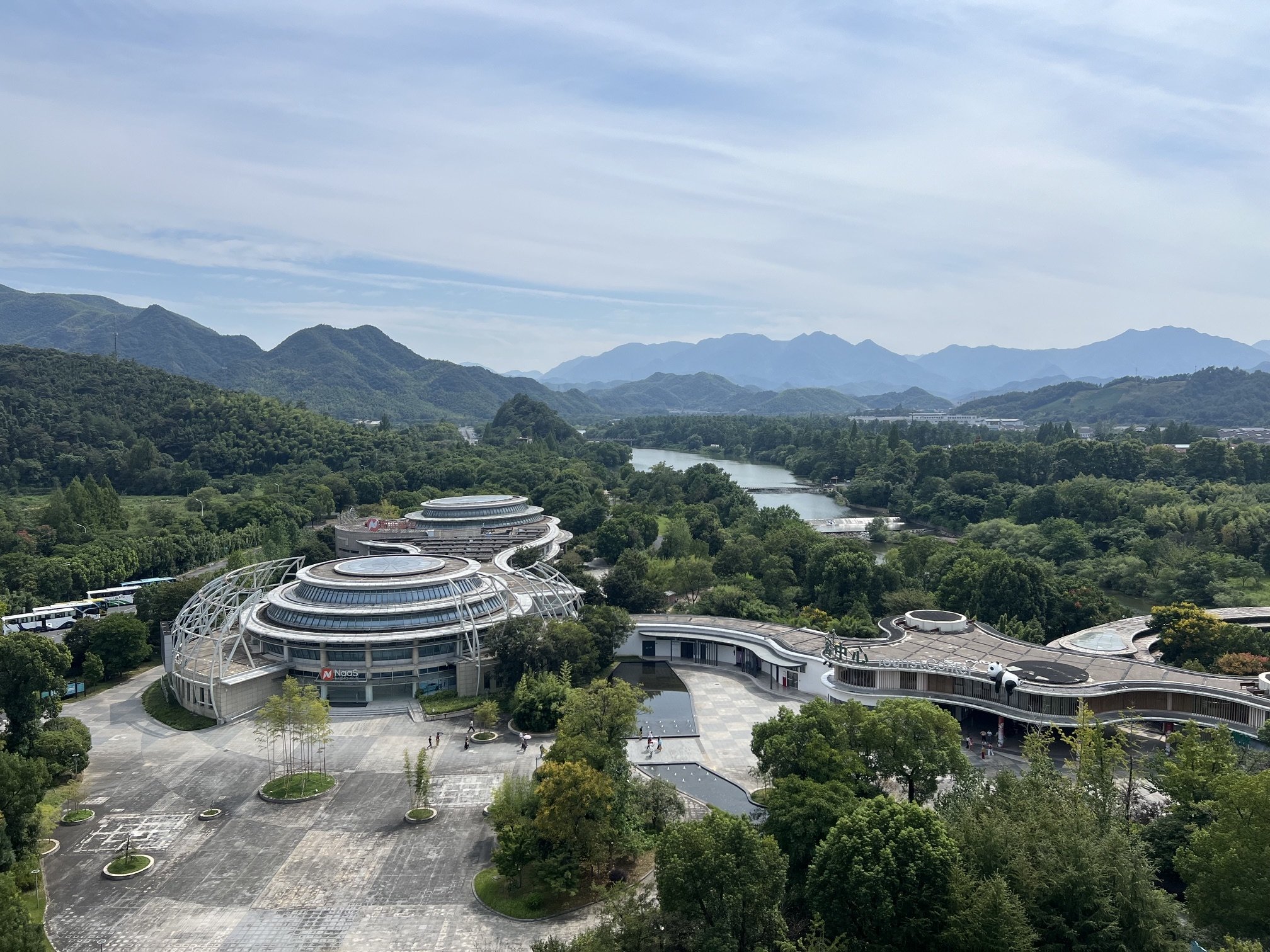
According to official figures, in 2003, fewer than 4,000 of Zhejiang’s approximately 40,000 villages were considered to have good environmental conditions. By the end of 2022, following the launch of this project, approximately 36,000 villages, more than 90%, had met the “beautiful village” standards. During the same period, per capita income in rural areas rose from 5,431 yuan to 37,565 yuan.
To visit the villages in question, we finally left our classrooms and the city behind and set out for the Mount Mogan region, surrounded by lush bamboo forests.
However, one shouldn’t expect to find the kind of picturesque settlements that typically come to mind when one thinks of a “village.” Meilin, Lizu, Yucun and Wusi, some of the best-known pilot villages of the project, also known as the “Green Rural Revival,” looked strikingly modern to my eye. These were not villages preserved in time or naturally evolved over generations, but rebuilt communities designed to function around the practical needs of contemporary life.
We saw firsthand how these villages became models for the country, revitalized through local industries and new economic activities.
Shanghai: Tech, image shift
Our final stop was Shanghai, where Xi briefly served in 2007. Its Pudong district was transformed into a special economic zone in 1990, and the city is now one of China’s largest economic hubs, with a population of 24 million.
During the final days of our program, we learned how cutting-edge technology – perhaps one of the most important issues of our time – is being integrated into urban planning and daily life in China, as well as about the latest developments in artificial intelligence. These compelling topics provided a fitting conclusion to the program, offering us a glimpse into how China may shape both its own future and that of the world.
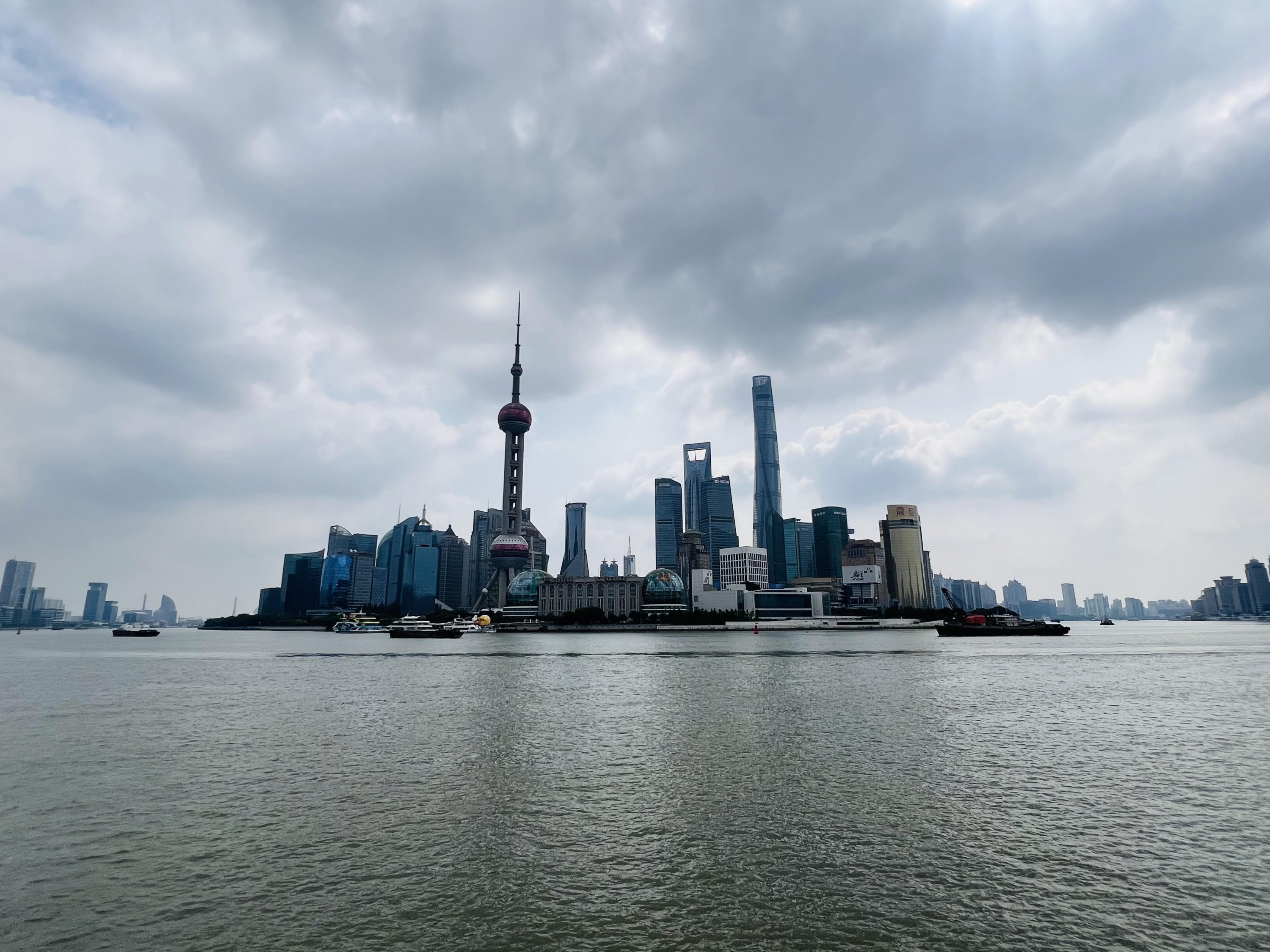
But shaping the future requires not only shaping politics, the economy, and technology, but also changing perceptions.
The conversations we had while watching Shanghai’s glittering nightscape from a boat on the Huangpu River and during our farewell dinner the following day revealed something simple: we realized that, to some extent, our views of China had shifted. The sense of foreignness and the unknown had given way to a desire to get to know China, understand it, and engage in dialogue.
As I set off for Istanbul, I found myself thinking that I needed to revisit the books on China I hadn’t touched since college. I was also saddened by the thought that I wouldn’t be able to enjoy lotus root dishes, walnut buns, and steamed brown sugar cakes for a long time. I had already made a long list of cities I wanted to visit on my next trip.
My experience was, of course, only one personal encounter with China. But it reminds us how different a country can feel when you move beyond how you have imagined it and experience it for yourself.
China still has a long way to go in changing global perceptions of itself. But it is clear that the country is determined to make rapid progress in this regard.
There are cities you visit for their history, others for their food, architecture or atmosphere. Barcelona somehow manages to bring all of these together.
Every time I travel, I find myself observing a city through the eyes of a designer. I notice colors, proportions, textures, buildings and, perhaps most importantly, the way people use the city. Barcelona is particularly inspiring in this sense. There is creativity everywhere, but it rarely feels forced.
The city has its own visual language.
Of course, it is impossible to speak about Barcelona without Antoni Gaudí. His influence goes far beyond architecture. Walking around the city, you begin to understand that Gaudí was not simply designing buildings; he was creating an entirely different relationship between nature, color and structure.
The Sagrada Família is the most obvious example. No photograph really prepares you for its scale or detail. From a distance it dominates the skyline, but once you come closer, the experience becomes much more intricate. Every surface seems to tell another story.
Park Güell presents another side of the same imagination. Its mosaics, organic forms and unexpected color combinations almost make you feel as though you have stepped into an illustrated world. Yet perhaps what interested me most was how naturally all these colors coexist. Blues, greens, terracotta, yellows and pinks appear together without competing with one another.
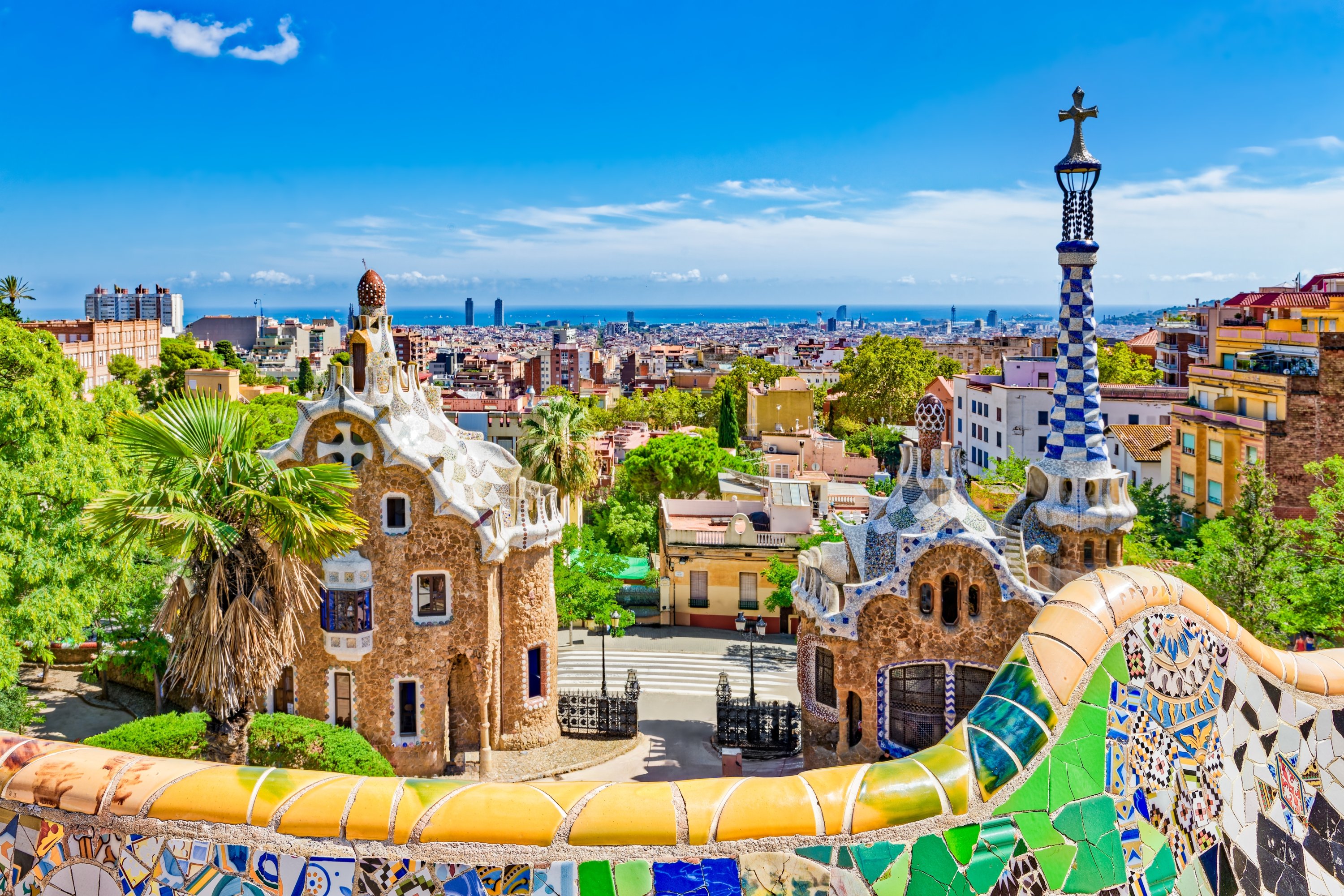
For someone working in fashion, Barcelona is an endless mood board.
But the city should not only be experienced through its landmarks.
One of my favorite things was simply walking.
Passeig de Gràcia offers Barcelona at its most polished, while the Gothic Quarter immediately changes the rhythm. Narrow streets, small squares, balconies and centuries-old façades create a completely different atmosphere. Then suddenly the Mediterranean appears and reminds you that Barcelona is, above everything else, a coastal city.
That relationship with the Mediterranean also defines its food.
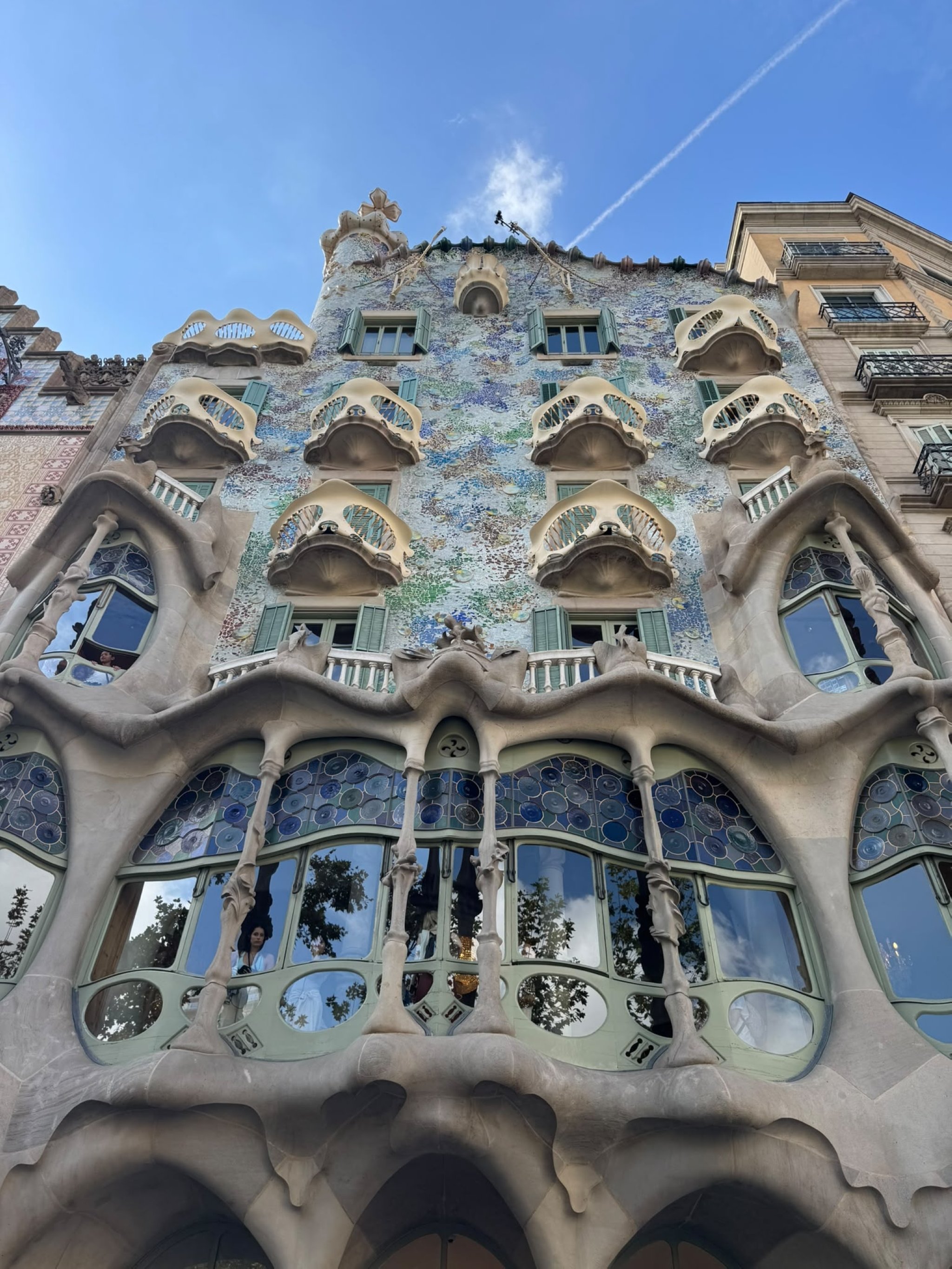
Table worth remembering: Vinitus
One of the gastronomic experiences I particularly enjoyed was Vinitus.
Barcelona has no shortage of fashionable restaurants and elaborate dining concepts, but sometimes the places you remember most are those that concentrate on something much simpler: good ingredients, good cooking and the pleasure of sharing a table.
Vinitus represents this side of Spanish dining beautifully.
Located close to Passeig de Gracia, the restaurant is known for tapas, traditional dishes and small plates designed to be shared. Rather than trying to reinvent Spanish cuisine, its strength lies in serving familiar flavors in a lively, informal setting.
And lively is certainly the right word.
The atmosphere is energetic and constantly moving. Plates arrive at the table one after another and the idea is not to order a conventional starter and main course, but to taste, share and continue discovering.
Seafood, fish, meat, vegetables, classic tapas and rice dishes fill the menu. The bustling feeling of the restaurant makes the meal feel connected to the city around it rather than separated from it.
There is nothing overly ceremonial about the experience. You sit down, order several plates for the table and allow the evening to develop naturally. It captures something essential about Mediterranean dining: food is important, but the conversation and the people around the table are equally important.
Familiar name in Barcelona
And then came one of those unexpected moments that make traveling even more special.
As I was walking through the streets of Barcelona, I suddenly came across a familiar name: Isot. I soon learned that the restaurant, which is preparing to open its doors, is the new project of Turkish chef Deniz Temel.
It immediately caught my attention and gave me that familiar sense of pride I feel whenever I encounter Turkish talent abroad. Whether it is a designer, an artist, a chef or simply a name that reminds me of home, seeing Türkiye represented in different corners of the world always feels special.
Perhaps it means even more when you come across it unexpectedly. You are thousands of kilometers away, walking through the streets of another city, and suddenly there is a small connection to home.
I am already curious to see what Chef Deniz Temel will bring to Barcelona’s vibrant culinary scene – and I will certainly visit Isot when its doors open.
Barcelona’s real luxury
Barcelona made me think again about what we call luxury when we travel.
Sometimes luxury is not a five-star experience or an exclusive address. It is having enough time to walk through a city without constantly looking at the clock. It is discovering a small street you had not planned to visit. It is sitting down for tapas and staying longer than expected. And sometimes, it is unexpectedly coming across a familiar name that makes you feel a little closer to home.
Barcelona encourages exactly this kind of travel.
There is extraordinary architecture, certainly. There are museums, beaches, restaurants and some of Europe’s most recognizable landmarks. But behind all of them is a city that knows how to live outdoors, around tables, in squares and on the streets.
Perhaps that is why Barcelona feels so visually rich.
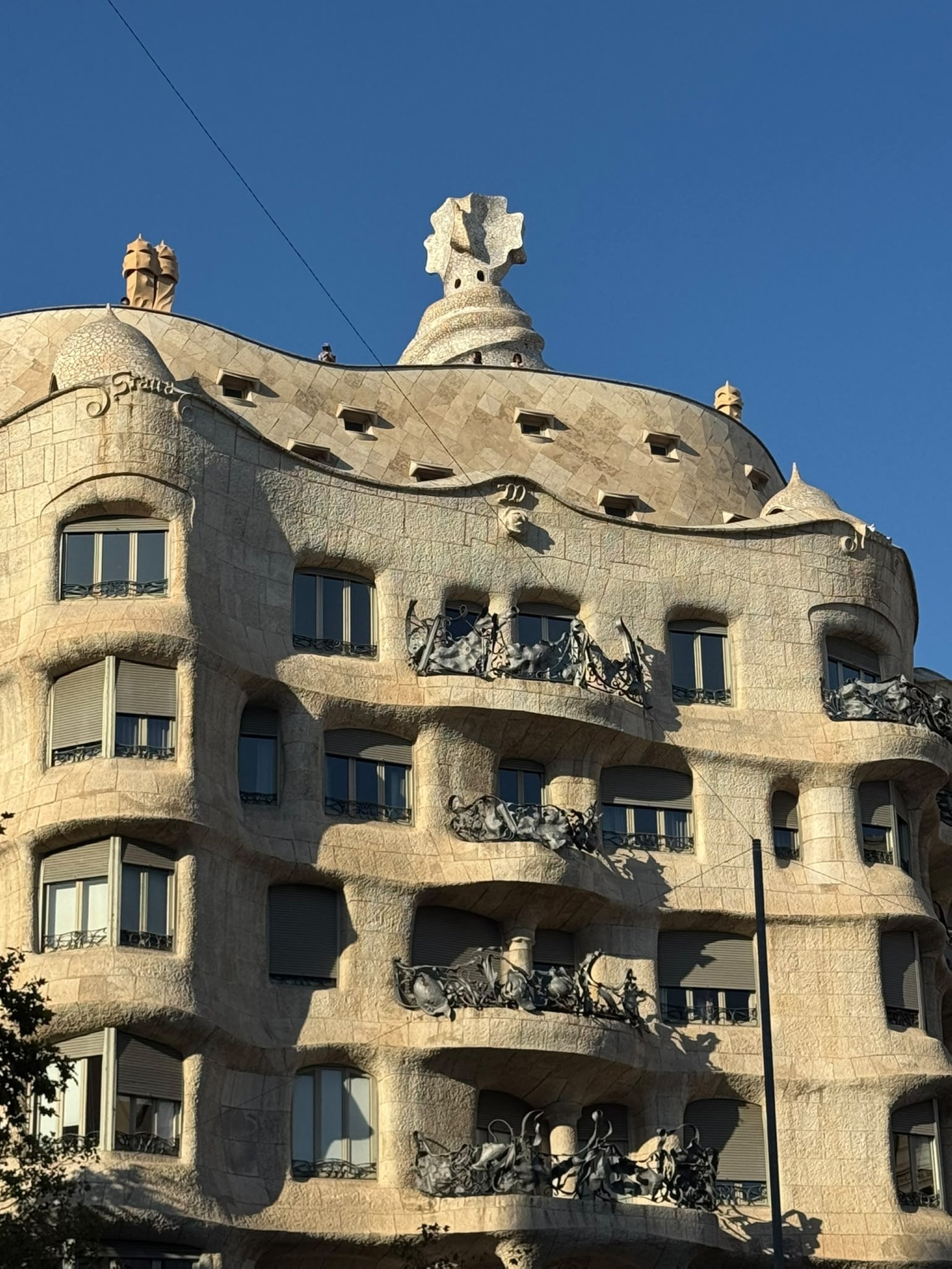
Gaudí understood more than a century ago what the city still expresses today: perfection does not always come from straight lines, symmetry or restraint.
Sometimes beauty comes from allowing color, nature, history and imagination to exist together.
And Barcelona has never been afraid of color.

A 190-year-old Greek Orthodox church in Kayseri, central Türkiye, whose restoration was completed last year, stands out for its striking wall paintings and is set to become part of the Cappadocia tourism circuit.
Built in 1836, the Church of St. Eustathios is an important historical and cultural landmark in Kayseri’s Incesu district and features numerous paintings and other remnants on its interior walls.
The three-aisled, vaulted church underwent restoration by the Kayseri Metropolitan Municipality in 2021. Its load-bearing walls and historic fabric were reinforced using materials and techniques compatible with the original structure.
The stonework and frescoes, or wall paintings, inside the church were preserved, while Karamanlı inscriptions – Turkish written in the Greek alphabet – depicting various scenes, as well as charitable endowment records, reliefs and carvings on the walls, were conserved and brought to light.
Restoration of the church was completed last year using archival photographs and documents as references to ensure the building remained faithful to its original appearance. The site, known for its distinctive wall paintings, will serve as the Incesu City Museum.
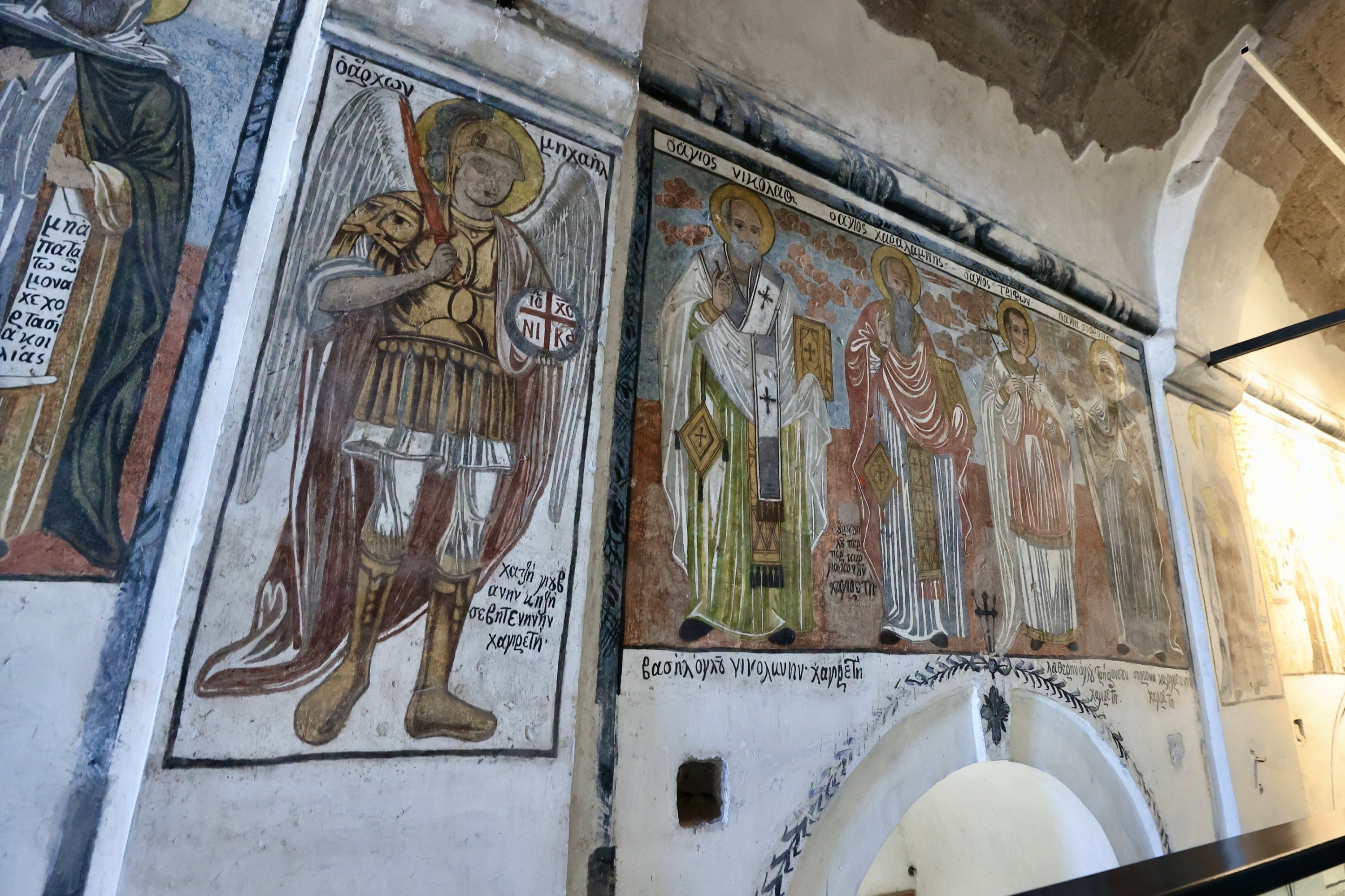
More than 80% of the exhibition and interior arrangement work has been completed. The church is also being prepared for inclusion in the Cappadocia tourism circuit, with nearby destinations such as Avanos, Ürgüp and Göreme located 45 to 50 kilometers (28 to 31 miles) from Incesu.
Tayfun Talaslı, head of the municipality’s Historical Buildings and Museums Branch Directorate, told Anadolu Agency (AA) that the three-aisled, vaulted church, built on a rectangular plan, is an example of classical Greek Orthodox architecture in Anatolia.
Talaslı said the building served as a place of worship until the 1923 population exchange between Greece and Türkiye, after which it was used for various purposes, including as a military warehouse, archive, theater and vocational school.
He said restoration work began toward the end of 2021 under a protocol signed between the Kayseri Metropolitan Municipality and Incesu Municipality and was completed last year.
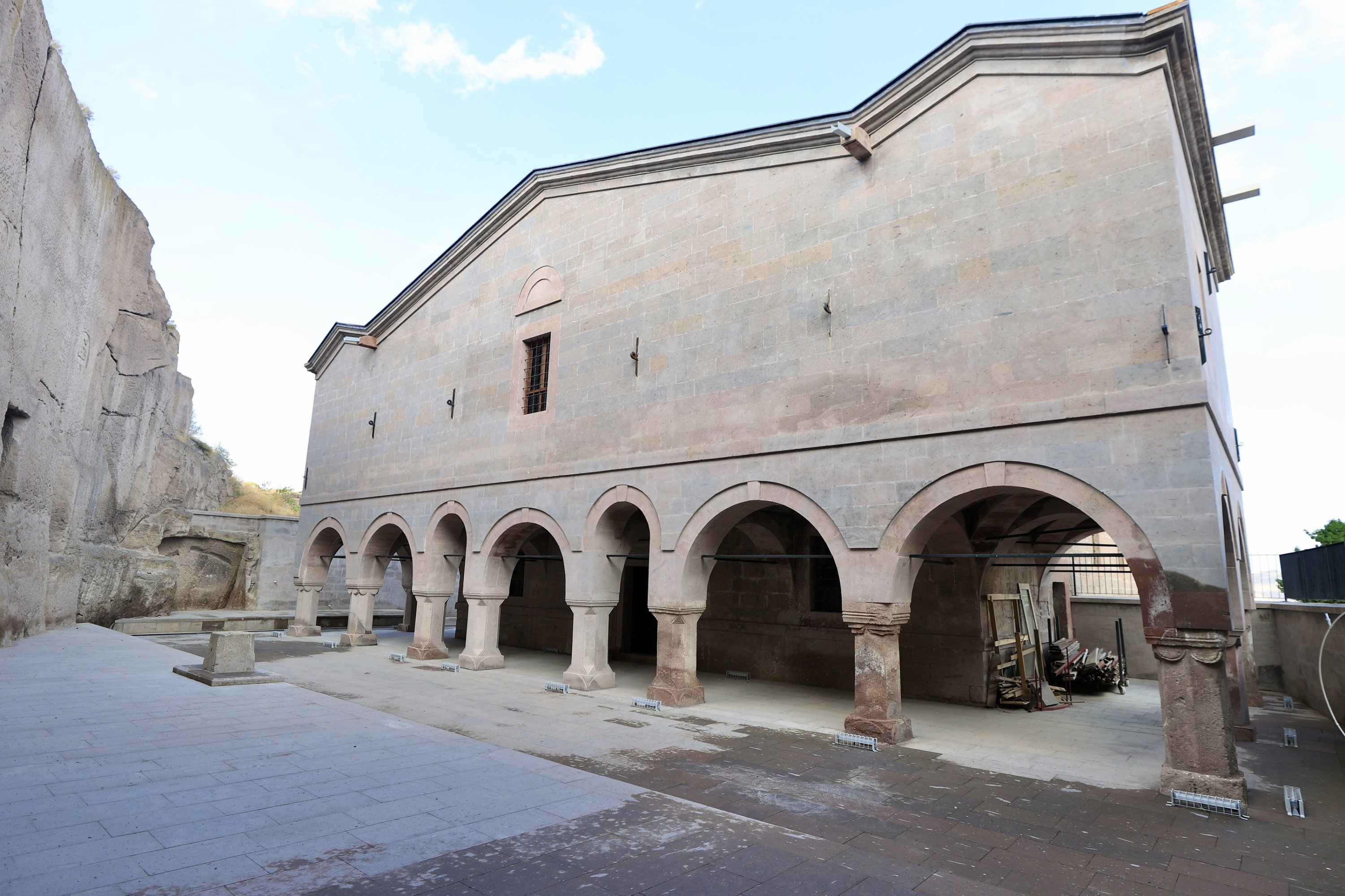
Talaslı emphasized that the main principle guiding the largely completed exhibition and interior arrangement work was to avoid causing any damage to the historic structure and said preserving the building’s original character was a top priority throughout the restoration.
“We used old photographs of the church as references during the restoration. We also based the project on art history reports that took into account the oral histories of people who once lived here,” he said.
He said the remaining work is expected to be completed soon, after which the museum will open to visitors.
“We are creating a museum on the ground floor of the building, which we have repurposed as the Incesu City Museum, focusing on the city’s tangible and intangible cultural heritage,” Talaslı said.

“Visitors will be able to trace Incesu’s history, learn about notable figures who were born here or left their mark on the city and explore its architectural heritage,” he said. “We will highlight a wide range of local treasures, from the Kara Mustafa Pasha Complex to the Roman-era milestone that has become one of the symbols of Incesu.”
Talaslı said visitors will also be able to see ceramics and other archaeological finds unearthed in Örenşehir, while the museum will offer a broader look at Incesu’s heritage, from its cuisine and population to the 1923 population exchange and the city’s historical development.
“We will cover everything from who the building was commissioned for to the area’s flora and fauna, geological structure, agriculture and grape production,” he said.
The Karaelmas Touristic Express, which operates between Ankara and Zonguldak, will return to the rails on Oct. 2, Transport and Infrastructure Minister Abdulkadir Uraloğlu announced, offering travelers a chance to explore the region’s natural, historical and cultural treasures by train.
In a written statement, Uraloğlu said the tourist train, launched by TCDD Transportation in cooperation with the Western Black Sea Development Agency (BAKKA) and the Zonguldak Provincial Special Administration, contributes to tourism-focused rail travel between Ankara and Zonguldak.
The train will begin this year’s service Oct. 2, Uraloğlu said.
The Ankara-Zonguldak service will depart on Oct. 2, 16 and 30 and Nov. 13, while trains traveling from Zonguldak to Ankara will depart on Oct. 3, 17 and 31 and Nov. 14.
Trains from Ankara to Zonguldak will leave at 11 p.m. on Fridays, while return services will depart Zonguldak at 11 p.m. on Saturdays. The train will have a total of seven carriages, including six sleeper cars and one dining car, with a capacity of 120 passengers.
The Karaelmas Express first operated as a tourist service in 2025, completing four outbound and four return journeys along the Ankara-Zonguldak-Ankara route, for a total of eight trips.
Since its inaugural journey, the train has offered passengers a different way to discover the Western Black Sea’s natural, cultural and industrial heritage, Uraloğlu said.
“For the 2026 schedule, passengers traveling from Ankara to Zonguldak will make sightseeing stops in Yenice, while those on the return journey will stop in Çankırı and Kalecik,” Uraloğlu said. “This journey, stretching from Yenice’s natural beauty and Zonguldak’s history to Çankırı’s cultural heritage and Kalecik’s local treasures, will bring rail travel and tourism together.”
Venice is looking at expanding its tourist entry fee, applying it for a longer period of the year and raising the daily charge to as much as €30 ($34), a senior official in the city government has said.
Budget and taxation councilor Michele Zuin said the current fee of €5 to €10 ($5.7 to $11.5 ) was too low to safeguard against overtourism, but said the new price for 2027 would have to be discussed and agreed with the government.
“The current €5-10 charge is affordable for virtually everyone; the risk is that it no longer has the deterrent effect that this measure is supposed to have,” Zuin told the Sunday edition of regional daily Il Gazzettino.
In remarks that were widely picked up by national media on Monday, the councillor said there was “even talk of (going up to) €50 ($57),” but added that authorities could settle for a maximum charge of €30.
The tourist fee, applicable only to day-trippers, was introduced in 2024, in a world first. Early bookers get to pay the lower rate and there are several exemptions, including for children under 14.
In 2026, it was operational on selected days from April 3 to July 26, from 8.30 a.m. to 4 p.m., and brought into city coffers more than €5.2 million ($5.9 million) from the sale of just under 680,000 entry tickets.
In a city that has long suffered from overtourism and depopulation, local officials say the scheme is meant to encourage visitors to avoid the most crowded periods of the year, such as the May Day public holiday.
Tokyo tourist hot spot Shinjuku will impose a ban on more than half of its holiday rentals, including homes on Airbnb, an official said Monday, after a surge in complaints about visitors.
Known for its buzzing commercial and entertainment district, the ward hosts nearly 10% of Japan’s 42,000 short-term rentals.
But it also has a large residential population, who have become increasingly exasperated with tourists who fail to properly dispose of rubbish, smoke where they’re not supposed to, and make too much noise.
A Shinjuku official supervising holiday rentals told Agence France-Presse (AFP) that the district was “planning to revise the current ordinance … to ban private lodging” in residential zones and areas near schools.
“As the number of private lodging businesses has risen, complaints and troubles around them have increased,” the official said on customary condition of anonymity.
More than 50% of short-term rentals in Shinjuku face a ban under the new rules, he said, adding that the plan would formally be announced by the Shinjuku mayor on Tuesday.
Shinjuku’s policy will apply to existing properties, he added.
The move comes as other cities around the world attempt to crack down on private lodgings available on Airbnb and other platforms, including New York City and Barcelona.
Like elsewhere, overtourism has emerged as a major issue in Japan.
Residents of Kyoto and other hot spots have expressed annoyance at selfie-taking crowds as well as traffic congestion and soaring land prices.
In Shinjuku, the number of complaints over vacation rentals increased by around 40% in the fiscal year to March, the official said.
“Many complaints are about the violation of trash disposal rules while others include smoking and trespassing,” he said.
Shinjuku’s ban comes after the Japan Tourism Agency in July gave municipalities the right to regulate short-term lodgings if “a tranquil living and educational environment” is under threat or if they “hinder the maintenance of a permanent population and local community.”
Japan’s ancient capital of Kyoto is also considering a ban on short-term lodging, but only for new rentals within residential and industrial areas.
Several Airbnb hosts contacted by AFP declined to comment.
Visitors to Hasankeyf, one of southeastern Türkiye’s major tourism destinations, are exploring the district’s historic and natural attractions through boat tours on the Ilısu Dam reservoir.
Located in Batman province, Hasankeyf is considered one of the world’s oldest settlements and continues to attract visitors with traces of civilizations that have shaped the region over centuries.
The district is known for historic landmarks including the Imam Abdullah Tomb, Zeynel Bey Tomb, Artuqid Bath, Hasankeyf Museum and Er-Rızk Mosque. The Ilısu Dam reservoir has also given the area a new character, offering visitors an opportunity to experience its landscape from the water.
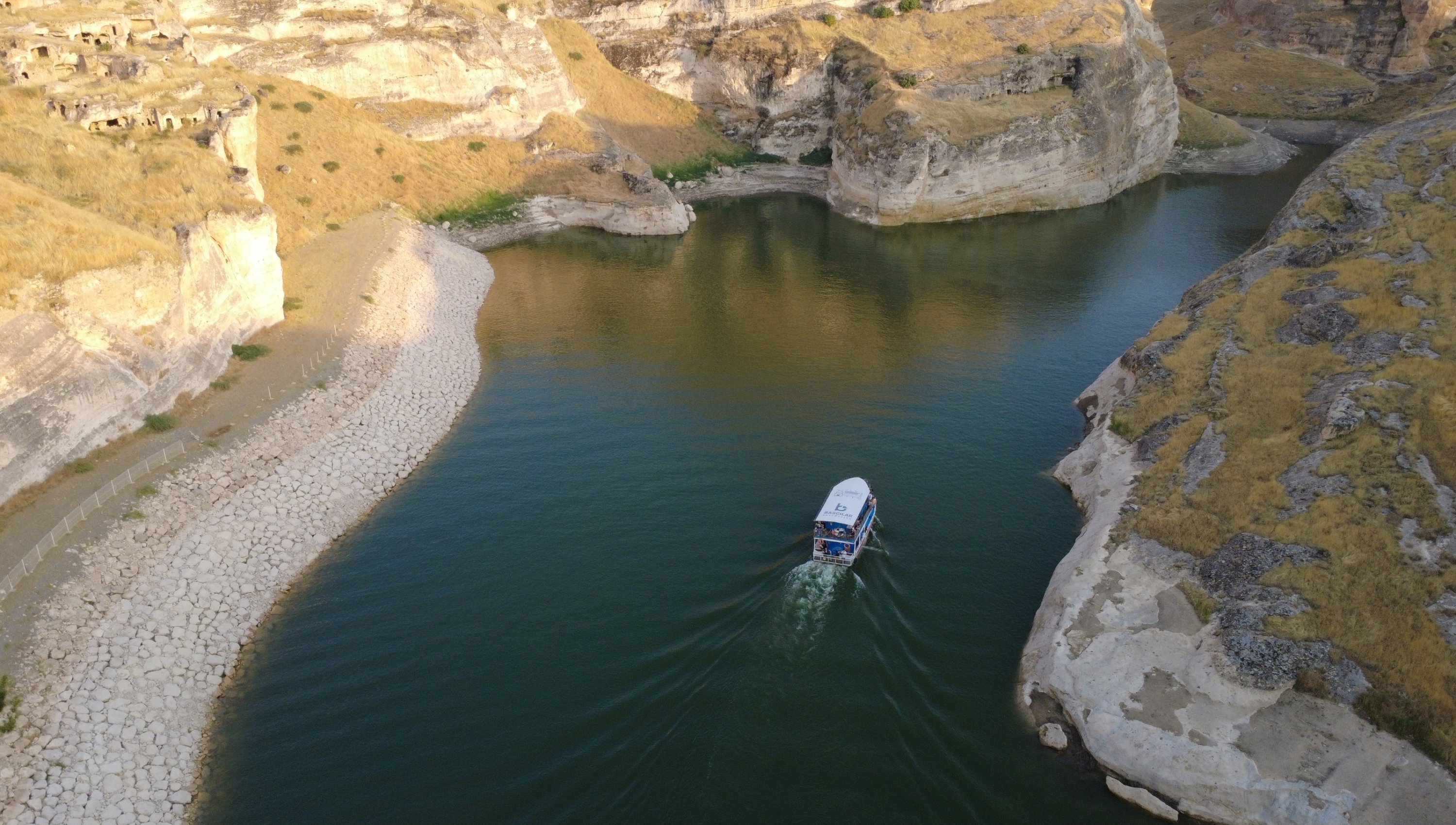
Domestic and international tourists visiting Hasankeyf can tour its historic sites before taking boat trips across the reservoir to see its canyons and Hasankeyf Castle.
Before setting off, guides brief passengers on safety rules and provide information about the historic castles, caves and canyons along the route. The boat tours last about an hour, allowing visitors to take in the area’s natural and historic scenery.
‘The boat tour was excellent’
Mustafa Yıldız, who traveled from Manisa as part of a tour of the southeastern Anatolia region, said his group visited Hasankeyf after stopping in Gaziantep, Şanlıurfa and Mardin.
“I really liked Hasankeyf. The boat tour was especially excellent. We really enjoyed seeing the canyons and caves,” Yıldız told Anadolu Agency.
Ramazan Kızar, who traveled from Batman to visit the district, said Hasankeyf was an important destination for cultural and historical tourism.
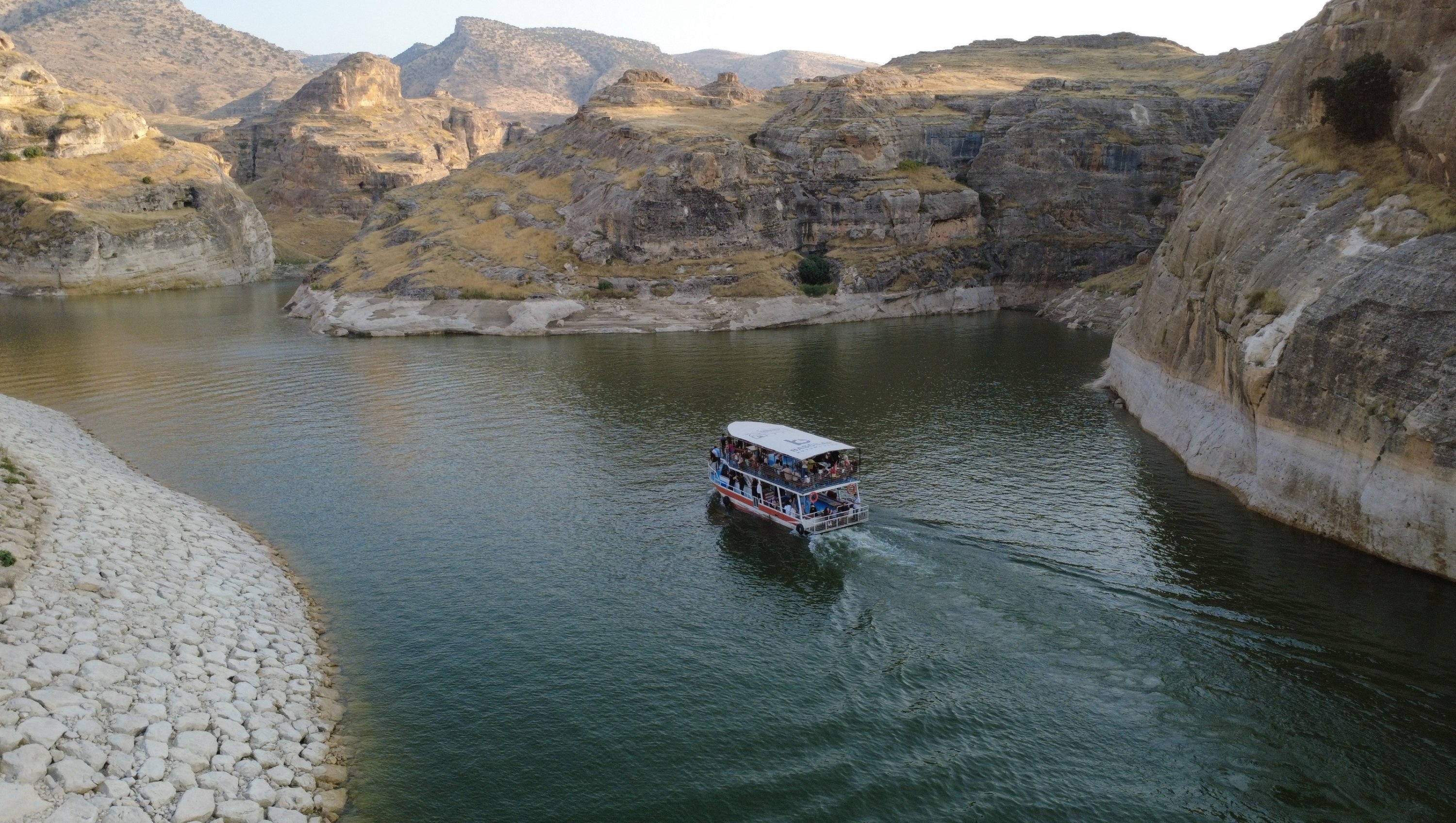
Kızar said the boat tour gave him the chance to see the historic castle and canyons.
“Thanks to the boat tour I took with my daughter and wife, we are exploring Hasankeyf’s unique beauty,” he said.
52,000 visitors take boat tours
Şehmus Batıhan, a captain and member of the Hasankeyf Kale Tourism Cooperative, said the cooperative operates eight boats offering tours of the reservoir.
Hasankeyf becomes particularly busy with domestic and international visitors during the summer months, Batıhan said, adding that the boat tours have brought additional activity to the district alongside its historic sites.
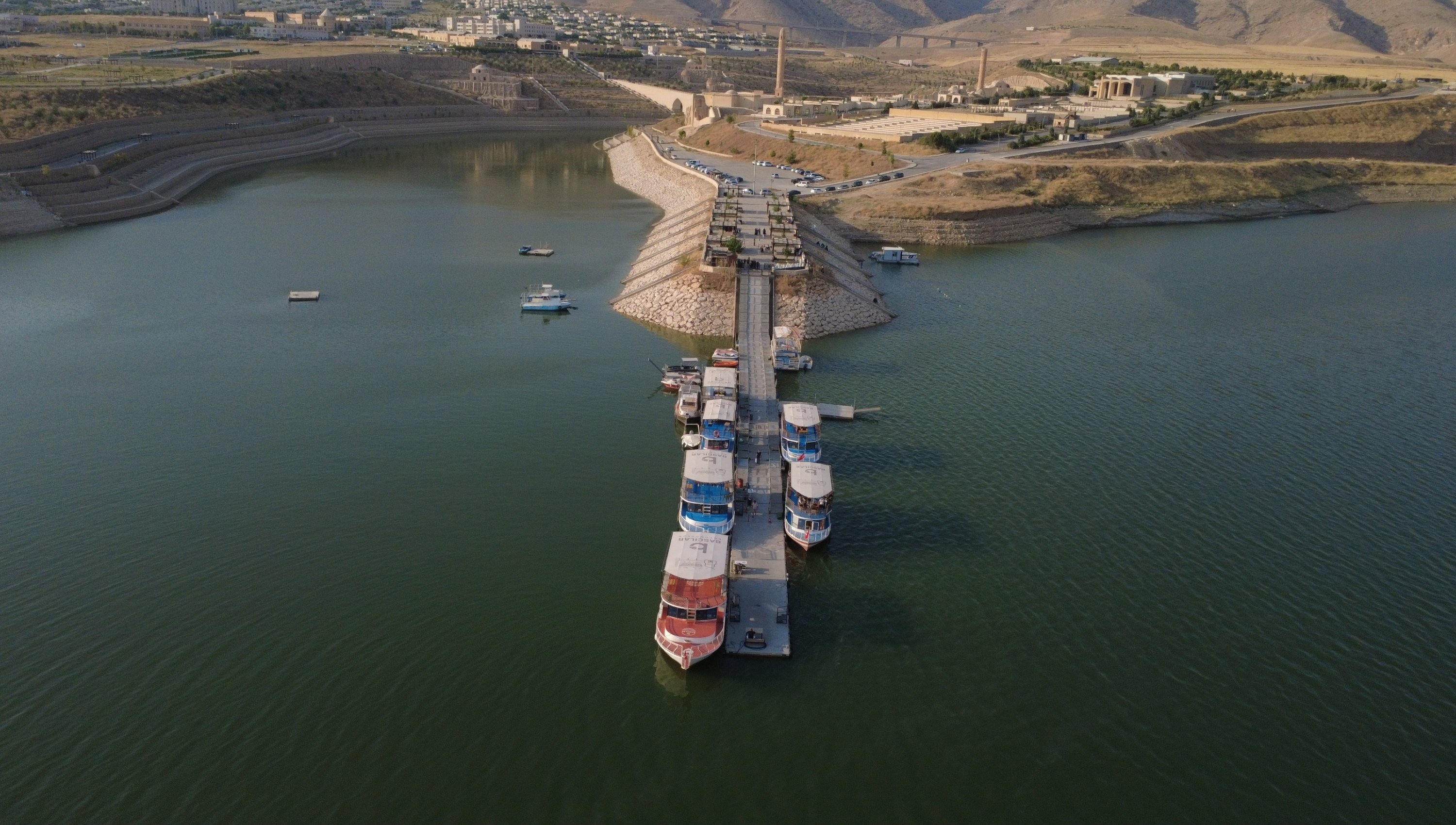
Visitors are picked up at the harbor and taken on a tour covering the area where the old settlement once stood. The tours last approximately one hour, he said.
“About 52,000 guests have taken advantage of the boat tours in the past eight months,” Batıhan said. “We also provide our guests with information about Hasankeyf’s history during the tours.”
He added that many visitors from European countries join the boat trips.
“Visitors can see many important historical works here and they really enjoy the boat tours,” Batıhan said.


-

 Economy3 days ago
Revolut: $115 billion fintech taking on Europe’s biggest banks
-

 Economy3 days ago
Global M&A deal rush slowed down in Q3 as borrowing costs bite
-

 Economy2 days ago
Brazilian assets rally as Flavio Bolsonaro tops first-round vote
-
 Economy2 days ago
Türkiye’s Halkbank after secondary offering amid strong interest: CEO
-

 Politics2 days ago
MP hints at more access for Öcalan amid terror-free Türkiye bid
-

 Economy1 day ago
Top central bankers due in Istanbul to discuss policy challenges
-
 Economy1 day ago
Türkiye says Development Road could become $80B ‘energy corridor’
-
 Politics1 day ago
3 jailed in Türkiye over FETÖ-linked infiltration of MASAK data systems