
Lifestyle
Salah transfer to boost interest in Türkiye’s coastal gem Trabzon

The widely anticipated transfer of Egyptian football star Mohamed Salah to Türkiye’s Trabzonspor is drawing attention not only to the Süper Lig club but also to the city itself – a green, picturesque gem on the northeastern edge of Black Sea coast.
While rumors were indicating that Salah, a Liverpool icon, could sign for Beşiktaş, one of three Istanbul giants, Trabzonspor confirmed late Tuesday in a public statement it had opened negotiations to bring the veteran scorer to Türkiye.
Salah then flew to Istanbul, where on Wednesday morning he was welcomed by numerous fans while social media was still abuzz about the transfer.
“Trabzon, are you ready? I can hear you. See you very soon,” Salah said in a video message posted on the club’s official X channel.
Renowned for its historical and natural richness, Trabzon has over recent years turned into a hot spot, particularly for Arab travelers, offering a harmonious blend of lush green landscapes and mesmerizing azure waters.
It has seen strong inflows of tourists, including those arriving from Gulf countries and the Arab world, and many speculators see a growing interest in the city amid Salah’s transfer.
Salah was a free agent after leaving Liverpool at the end of last season. There was speculation the 34-year-old Egypt international would end his career in Saudi Arabia, but it emerged this week that Trabzonspor was leading the race to sign him.

He established himself as a Premier League great with Liverpool, where he won two league titles and the Champions League among eight major honors.
Trabzonspor, often regarded as the fourth-top team in Turkish Süper Lig, last clinched the title in the 2021-22 season, securing their first league championship in 38 years.
Its hometown, Trabzon, is renowned for historical sites such as Sümela Monastery and Trabzon Hagia Sophia, as well as famous meatballs named after one of its districts – Akçabaat köftesi.
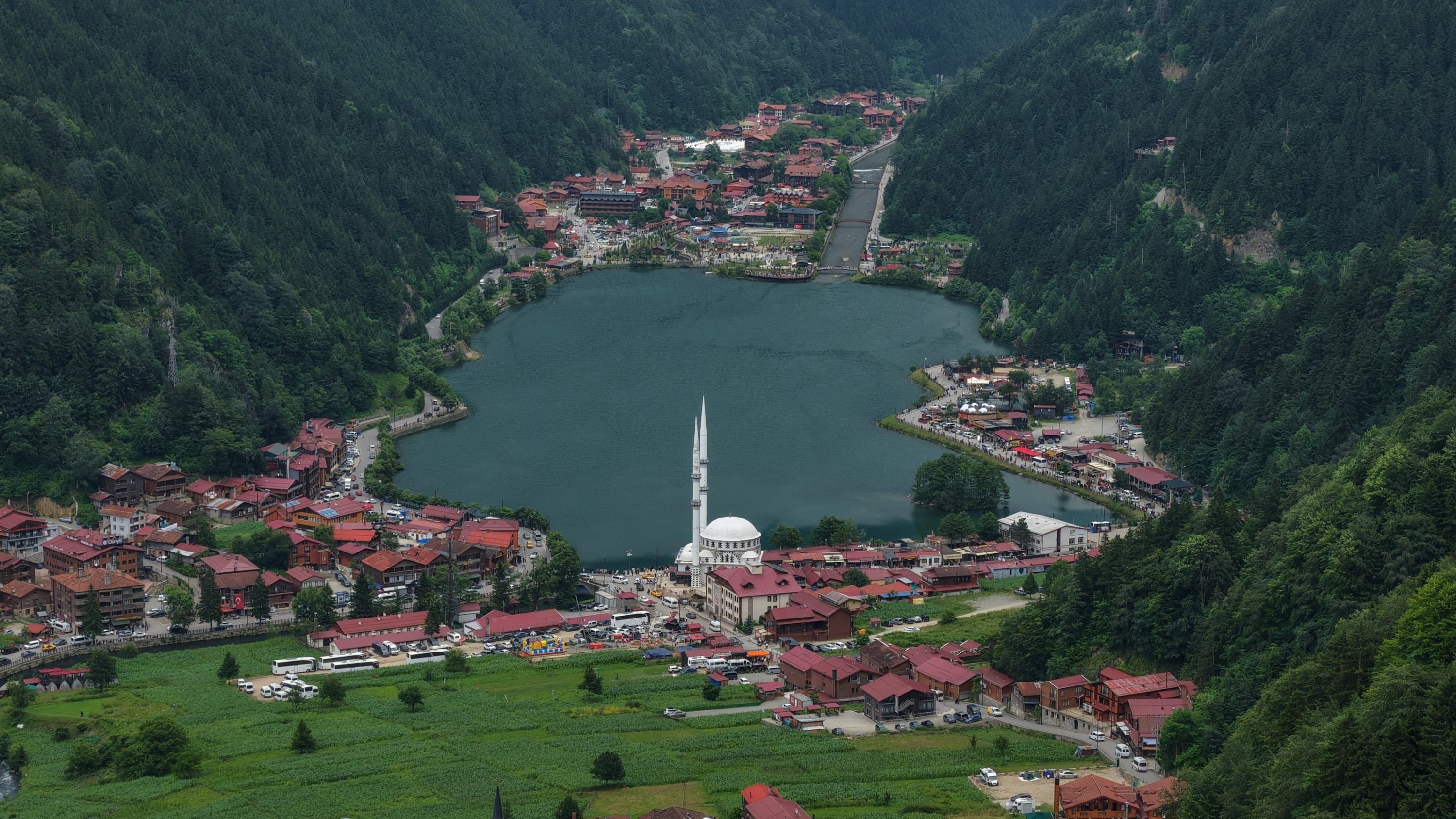
The natural lake Uzungöl and its surroundings are also one of the primary attractions for travelers seeking greenery and peace, far from urban rush.
Meanwhile, the photos shared in Turkish media and on social media already indicate enthusiasm among locals to welcome its new football star to the city.
Some commentators went further and said that Salah’s transfer is also a “great advert” for Türkiye-Egypt relations.

Tokyo tourist hot spot Shinjuku will impose a ban on more than half of its holiday rentals, including homes on Airbnb, an official said Monday, after a surge in complaints about visitors.
Known for its buzzing commercial and entertainment district, the ward hosts nearly 10% of Japan’s 42,000 short-term rentals.
But it also has a large residential population, who have become increasingly exasperated with tourists who fail to properly dispose of rubbish, smoke where they’re not supposed to, and make too much noise.
A Shinjuku official supervising holiday rentals told Agence France-Presse (AFP) that the district was “planning to revise the current ordinance … to ban private lodging” in residential zones and areas near schools.
“As the number of private lodging businesses has risen, complaints and troubles around them have increased,” the official said on customary condition of anonymity.
More than 50% of short-term rentals in Shinjuku face a ban under the new rules, he said, adding that the plan would formally be announced by the Shinjuku mayor on Tuesday.
Shinjuku’s policy will apply to existing properties, he added.
The move comes as other cities around the world attempt to crack down on private lodgings available on Airbnb and other platforms, including New York City and Barcelona.
Like elsewhere, overtourism has emerged as a major issue in Japan.
Residents of Kyoto and other hot spots have expressed annoyance at selfie-taking crowds as well as traffic congestion and soaring land prices.
In Shinjuku, the number of complaints over vacation rentals increased by around 40% in the fiscal year to March, the official said.
“Many complaints are about the violation of trash disposal rules while others include smoking and trespassing,” he said.
Shinjuku’s ban comes after the Japan Tourism Agency in July gave municipalities the right to regulate short-term lodgings if “a tranquil living and educational environment” is under threat or if they “hinder the maintenance of a permanent population and local community.”
Japan’s ancient capital of Kyoto is also considering a ban on short-term lodging, but only for new rentals within residential and industrial areas.
Several Airbnb hosts contacted by AFP declined to comment.
Visitors to Hasankeyf, one of southeastern Türkiye’s major tourism destinations, are exploring the district’s historic and natural attractions through boat tours on the Ilısu Dam reservoir.
Located in Batman province, Hasankeyf is considered one of the world’s oldest settlements and continues to attract visitors with traces of civilizations that have shaped the region over centuries.
The district is known for historic landmarks including the Imam Abdullah Tomb, Zeynel Bey Tomb, Artuqid Bath, Hasankeyf Museum and Er-Rızk Mosque. The Ilısu Dam reservoir has also given the area a new character, offering visitors an opportunity to experience its landscape from the water.
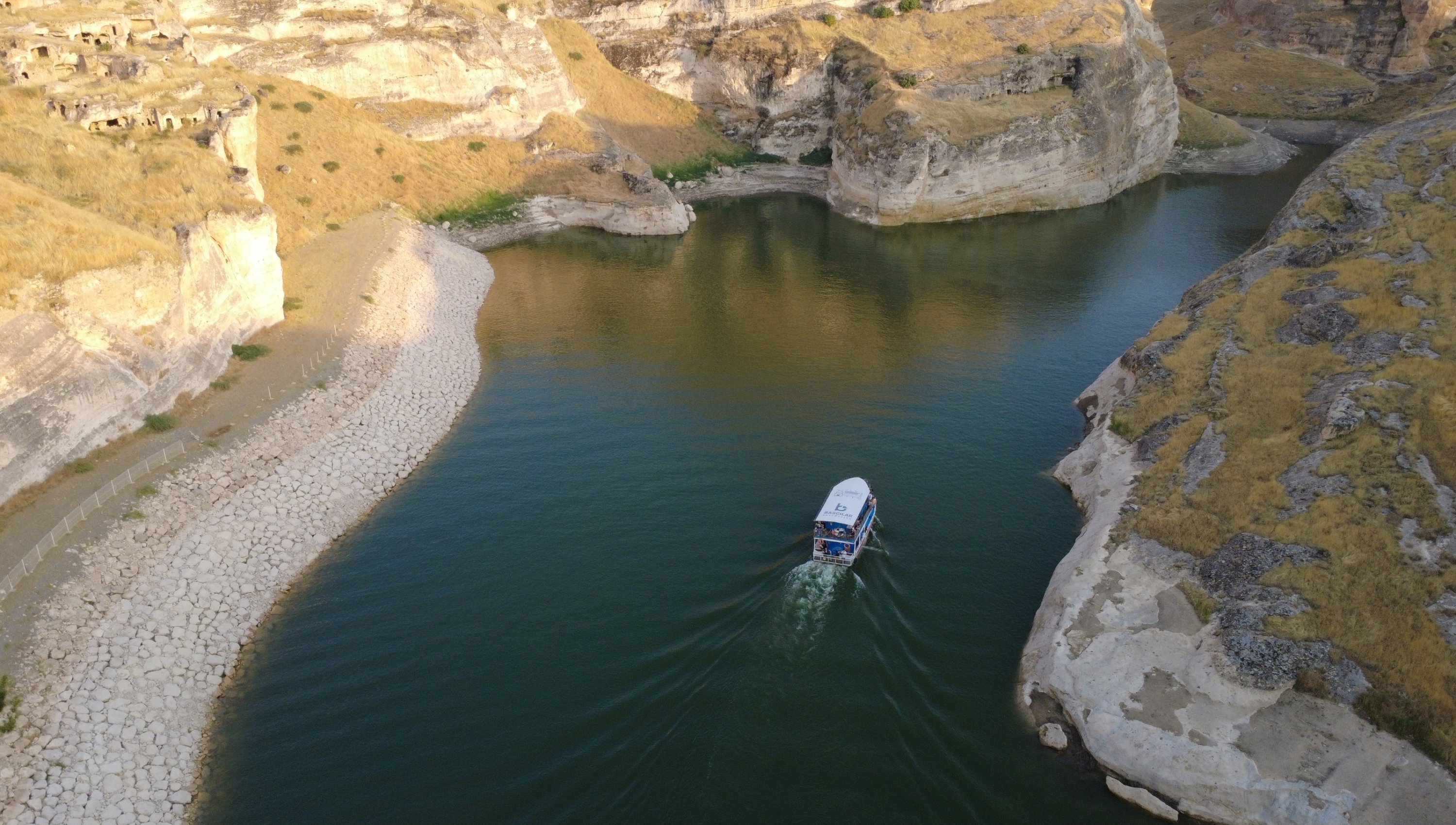
Domestic and international tourists visiting Hasankeyf can tour its historic sites before taking boat trips across the reservoir to see its canyons and Hasankeyf Castle.
Before setting off, guides brief passengers on safety rules and provide information about the historic castles, caves and canyons along the route. The boat tours last about an hour, allowing visitors to take in the area’s natural and historic scenery.
‘The boat tour was excellent’
Mustafa Yıldız, who traveled from Manisa as part of a tour of the southeastern Anatolia region, said his group visited Hasankeyf after stopping in Gaziantep, Şanlıurfa and Mardin.
“I really liked Hasankeyf. The boat tour was especially excellent. We really enjoyed seeing the canyons and caves,” Yıldız told Anadolu Agency.
Ramazan Kızar, who traveled from Batman to visit the district, said Hasankeyf was an important destination for cultural and historical tourism.
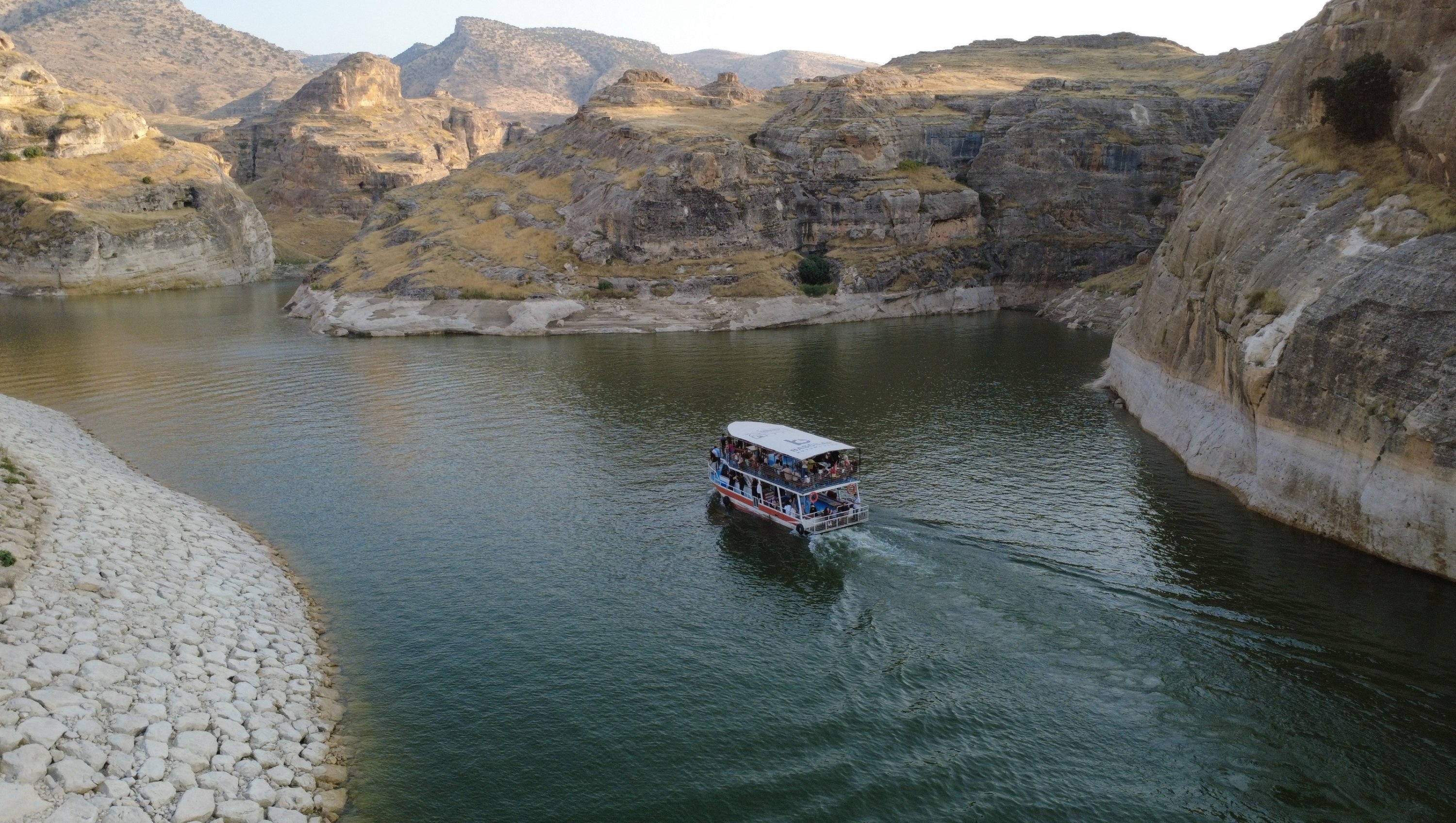
Kızar said the boat tour gave him the chance to see the historic castle and canyons.
“Thanks to the boat tour I took with my daughter and wife, we are exploring Hasankeyf’s unique beauty,” he said.
52,000 visitors take boat tours
Şehmus Batıhan, a captain and member of the Hasankeyf Kale Tourism Cooperative, said the cooperative operates eight boats offering tours of the reservoir.
Hasankeyf becomes particularly busy with domestic and international visitors during the summer months, Batıhan said, adding that the boat tours have brought additional activity to the district alongside its historic sites.
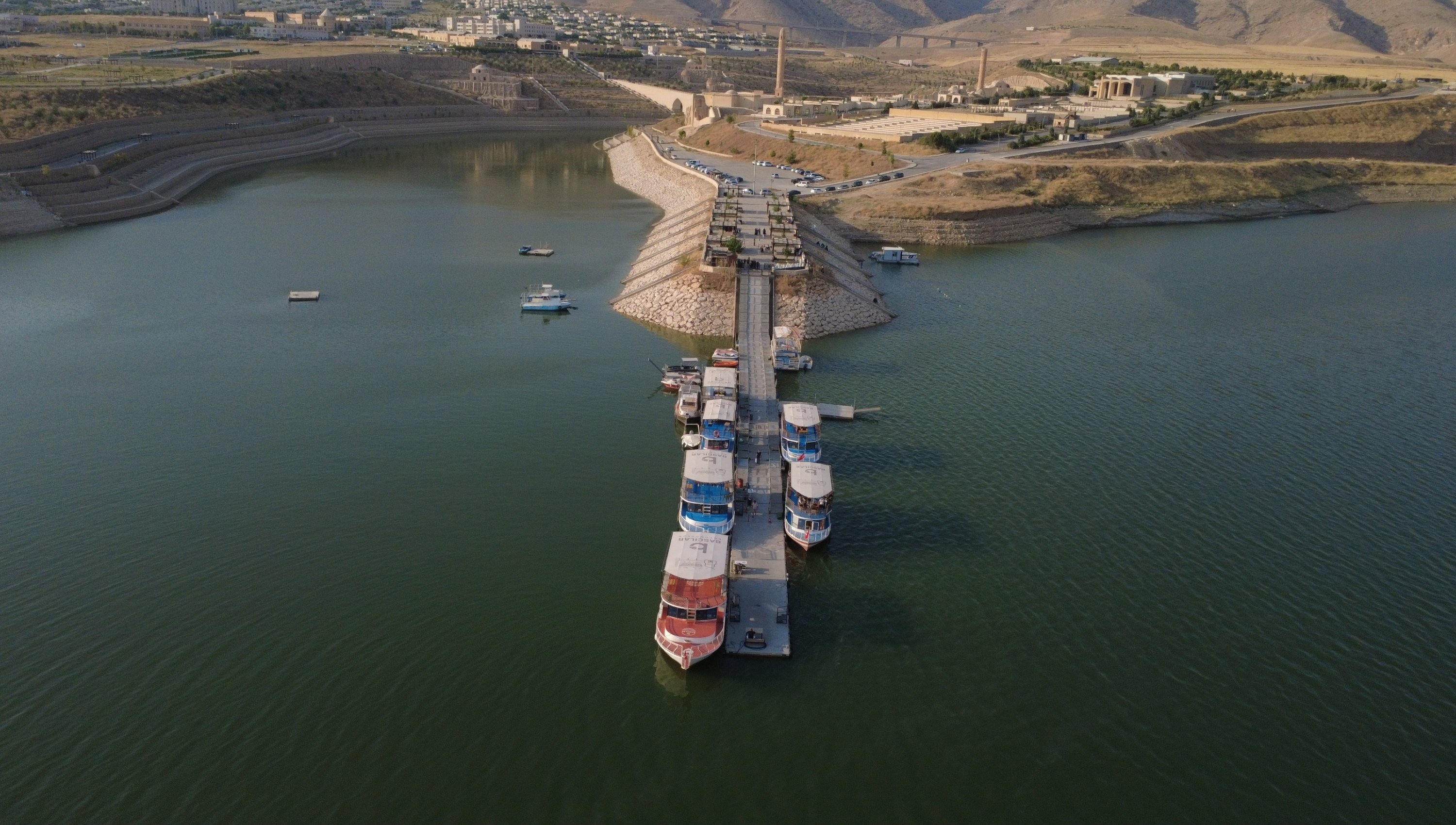
Visitors are picked up at the harbor and taken on a tour covering the area where the old settlement once stood. The tours last approximately one hour, he said.
“About 52,000 guests have taken advantage of the boat tours in the past eight months,” Batıhan said. “We also provide our guests with information about Hasankeyf’s history during the tours.”
He added that many visitors from European countries join the boat trips.
“Visitors can see many important historical works here and they really enjoy the boat tours,” Batıhan said.
Bosnia’s capital, Sarajevo, is enjoying a robust summer season, with concerts, cultural events and its internationally renowned film festival drawing visitors from across Europe and beyond.
More than 100,000 tourists visited the capital of Bosnia-Herzegovina in July, according to the Federal News Agency, as the city increasingly attracts travelers for its music, cinema, gastronomy and natural attractions alongside its historical heritage.
Three concerts by regional music star Dino Merlin at Kosevo Stadium in late July and early August attracted more than 200,000 people in total.
Visitors traveled from across the Balkans and other parts of Europe, putting hotels and private accommodation under significant pressure.
Sarajevo recorded nearly 78 million euros ($91 million) in fiscal turnover during the three concert days, with restaurants, cafes, shops and transportation companies benefiting from the influx.
The concerts were followed by a performance by British electronic music group The Prodigy on Aug. 13 and by the opening of the 32nd Sarajevo Film Festival (SFF) the following day.
Established in 1995 during the final year of the siege of Sarajevo, the festival has developed into one of southeastern Europe’s leading film events. This year’s guests included Woody Harrelson, Emily Watson, Pawel Pawlikowski, Diego Luna, Asghar Farhadi and Celine Sciamma.
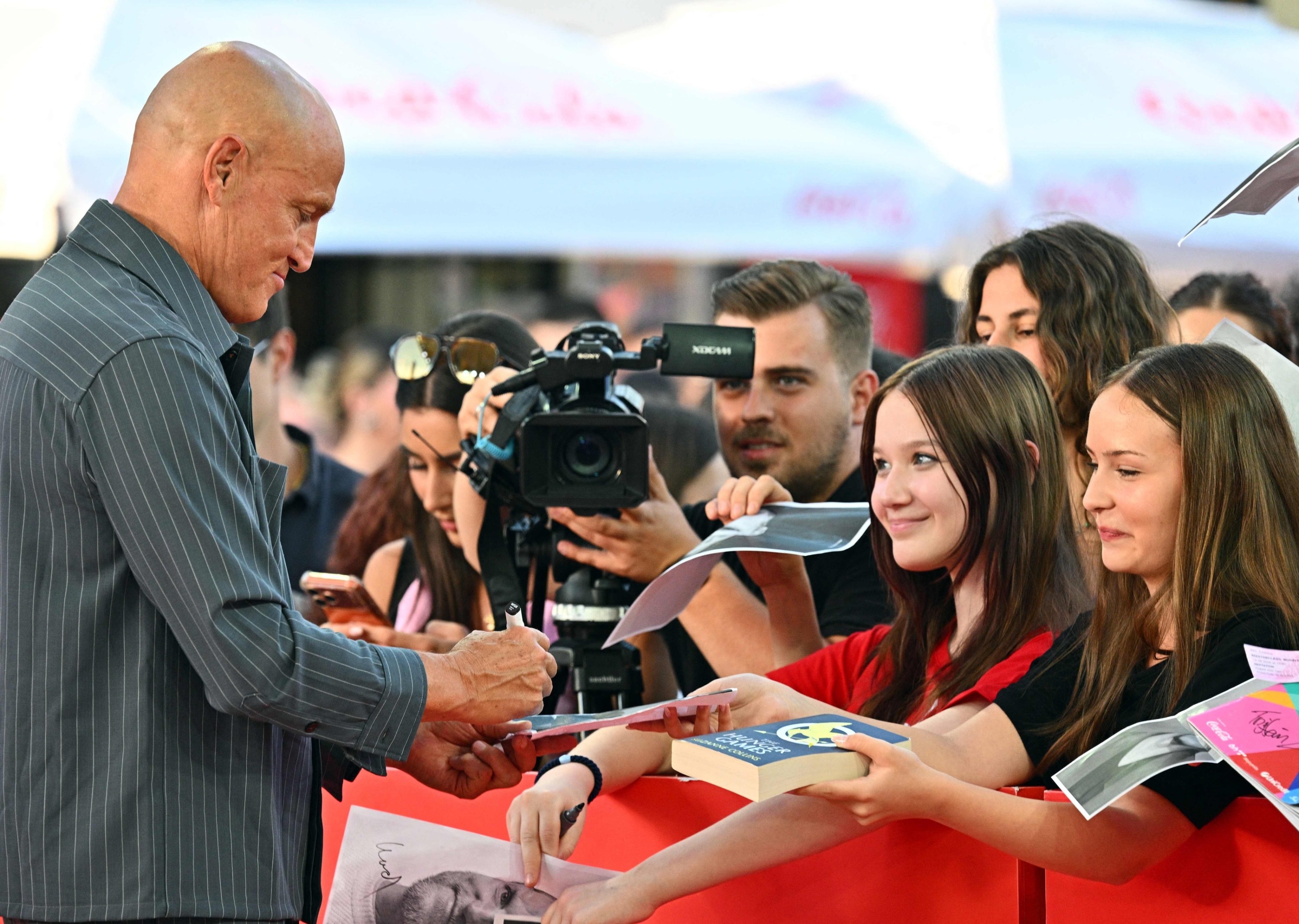
In addition to these entertainment and cultural events, Sarajevo offers a blend of Ottoman and Austro-Hungarian architecture, along with landmarks linked to the assassination of Archduke Franz Ferdinand and sites preserving the memory of the 1992-1995 siege.
Its proximity to the Olympic mountains of Trebevic, Bjelasnica, Igman and Jahorina also allows travelers to combine a city break with hiking, cycling and winter sports.
Major events are becoming increasingly important for Sarajevo’s tourism economy by attracting new visitors, extending stays and boosting spending across the city.
Üsküdar’s Gastronomy Street has grown into an international culinary hub, blending old-world charm with a global twist.
Set in one of Istanbul’s oldest and most characterful districts, Üsküdar sits on the Asian shore of the Bosporus. Known for its Ottoman-era mosques, historic neighborhoods and iconic waterfront views.
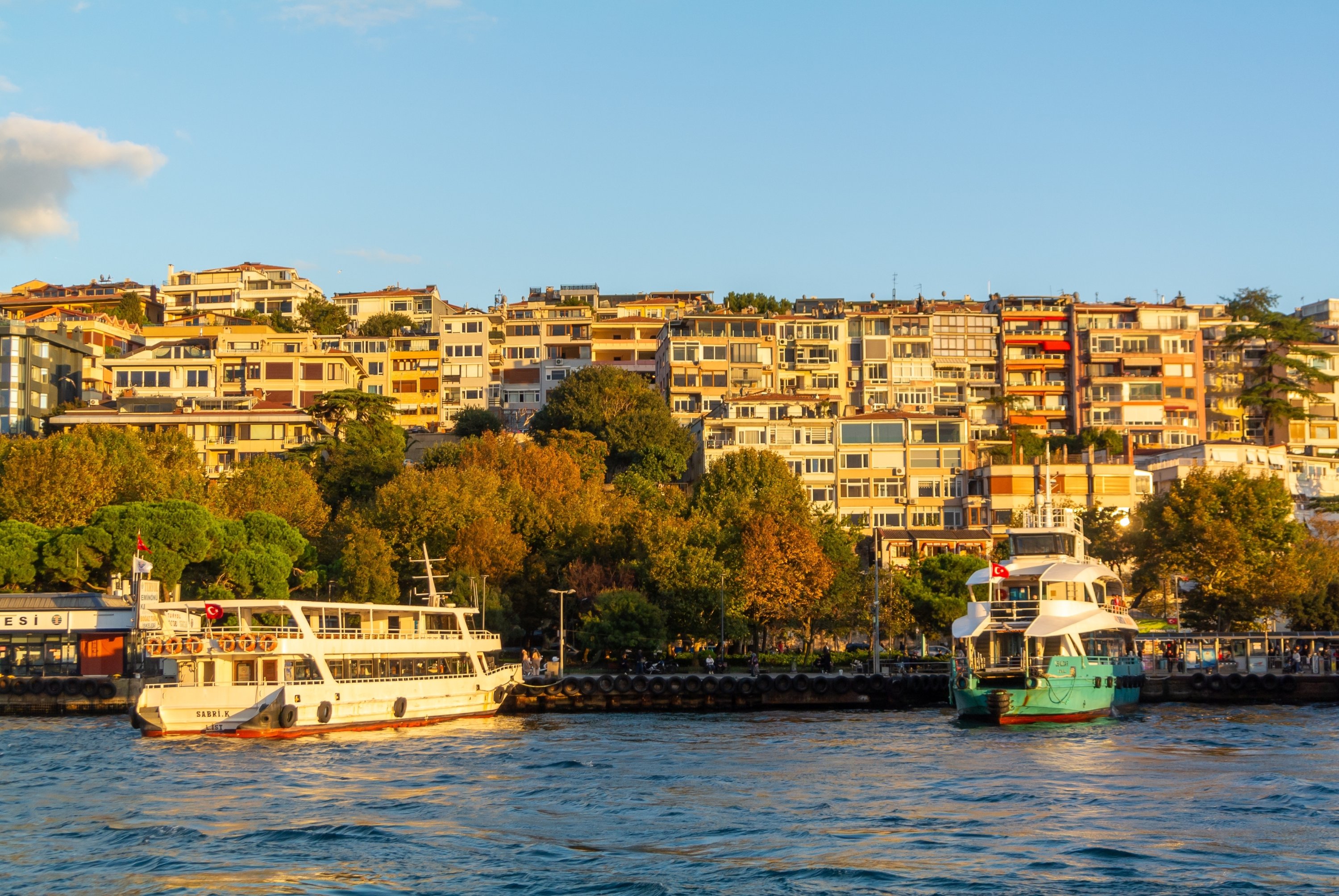
Gastronomy Street has become a place for more than just eating. People come here to meet, explore, discover new flavors or simply linger and enjoy the lively atmosphere.
The 250-meter (820-foot) street has become a popular destination for locals and visitors eager to discover something new without leaving the neighborhood.
On June 18, 2022, the Gastronomy Festival marked the opening of Üsküdar Gastronomy Street, the country’s first food-focused street.
The culinary hot spot brings together traditional Turkish favorites and global flavors. Regional specialties take center stage, from smoky Erzurum cağ kebab sliced fresh from the spit to juicy köfte sizzling on the grill. Nearby, Lebanese falafel comes crisp and herb-packed, while Italian kitchens serve pasta and freshly baked pizza. Japanese sushi and loaded American-style burgers round out the international offerings.
For those with a sweet tooth, the street offers an equally tempting selection, from creamy San Sebastian cheesecake, Lotus trileçe, Pavlova and buttery croissants to classic Turkish desserts such as baklava and sütlaç, making it easy to turn a quick meal into an all-day culinary adventure.
The street is also known for its strong sense of community, with Palestinian flags, symbols and messages of solidarity visible among some of its cafes and businesses. This gives the area a distinctive social character, where food, creativity and community expression come together.
With dozens of businesses operating along the street, the area creates opportunities for employment, supports nearby suppliers and encourages visitors to spend more time and money in the neighborhood.
A study of the street found about 60 businesses, including 32 gastronomy-related establishments, highlighting how food and hospitality have become an important part of its local economy.
Located in the heart of Üsküdar, the charming street is easy to reach by public transportation. Visitors can arrive via the Marmaray or take a ferry from Beşiktaş, Karaköy, Eminönü or Kadıköy, making its central location one of the reasons it remains a popular choice for both locals and visitors.
Stretching from the historic Uncular Caddesi to Valide-i Cedid Mosque. The area is pedestrian-friendly, allowing visitors to wander freely without car traffic. Vehicles are not permitted along the street itself, although paid parking options are available nearby.
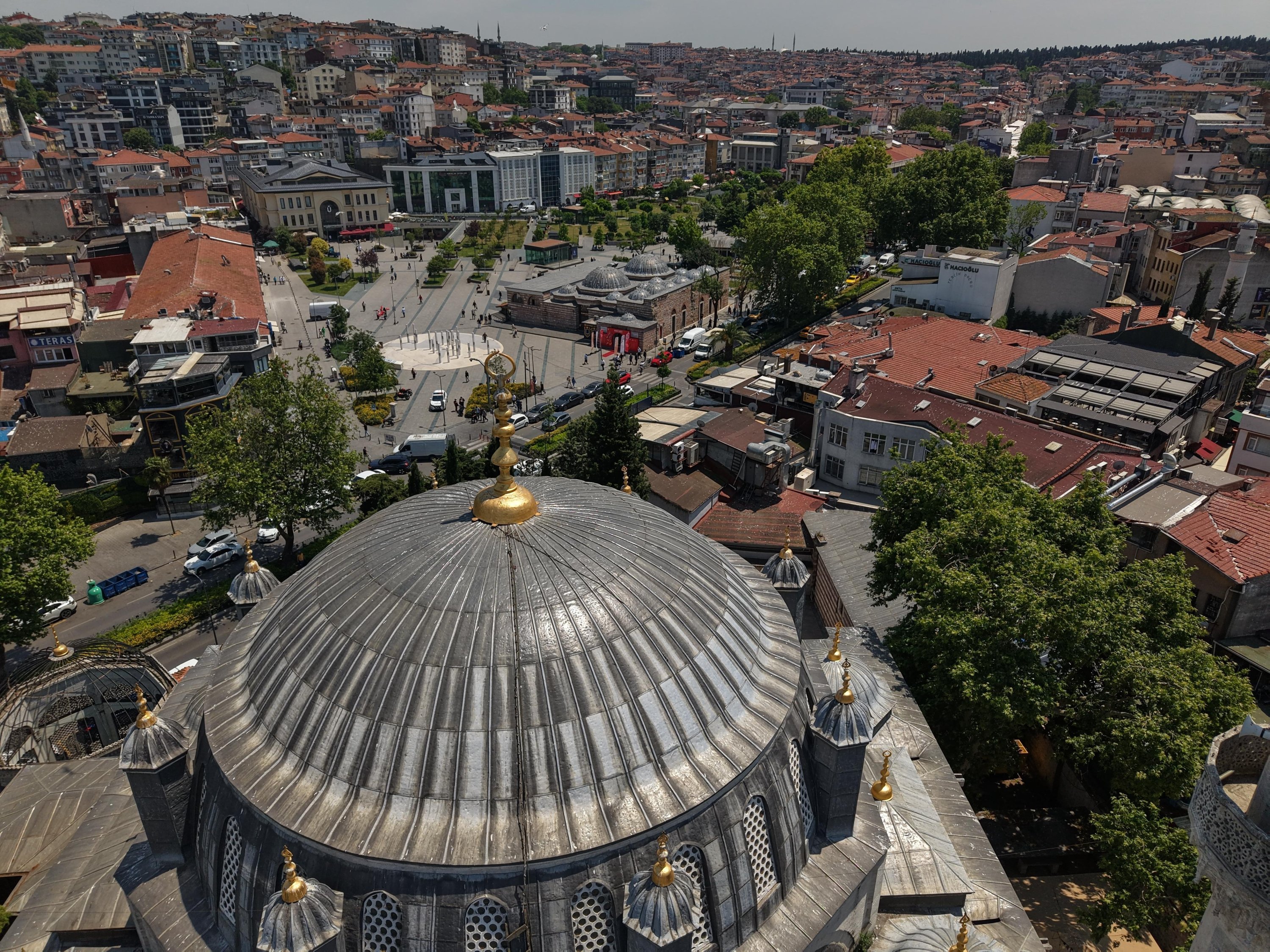
This lively street offers more than just food. Alongside its diverse culinary scene, Üsküdar’s Gastronomy Street is lined with cozy cafes that cater to all kinds of visitors.
Workshops are also becoming a growing part of the area’s appeal, giving visitors the chance to try something new, meet people from different places and get creative through activities such as ceramics, ebru, tile painting, candle making, watercolor and glass art.
These hands-on experiences add another dimension to a visit, turning time in Üsküdar into an opportunity to create, connect and take home something personal.
For students, the street’s many book-themed cafes provide calm, comfortable spaces for studying long hours, whether alone or with a group. Its convenient public transport connections also make it easy to reach universities and other parts of Istanbul.
As evening arrives, the atmosphere shifts, with people gathering around the cafes to sip Turkish tea, unwind and enjoy long, unhurried conversations.
Summer is winding down, but Bodrum is still serving its final highlights. From Michelin-starred tables and standout pop-ups to opera under the stars at the ancient theater, the last days of August have given us plenty to remember. A little gastronomy, a little culture, a lot of Aegean energy – this is what the final days of summer looked like.
Summer always ends in fragments: a long dinner that turns into one last drink, a sunset that somehow feels more precious because we know there are only a few left, a table by the sea and the familiar feeling that we are already beginning to miss something we are still living. As August draws to a close, Bodrum seems to understand this better than anywhere else. The final days of summer are not really about saying goodbye; they are about collecting the last memorable moments before the season slips away.
This year, gastronomy and music provided some of those moments. At Avantgarde Refined Yalıkavak, tucked into the tranquil atmosphere of Küdür Bay and featured in the Michelin Guide Hotels Selection, summer came with an ambitious culinary agenda. The hotel brought together some of Türkiye’s much-loved gastronomic names under one roof through its Legends of All Times Turkish Brands Gastronomy Series. Hodan Yalıkavak, Sushi Barba, POCO Matcha and Ace Culinary already give the property a distinctly eclectic gastronomic identity, while the summer series turned the hotel into something of a meeting point for Türkiye’s culinary scene.
July brought ZMASS Burger, Bayramoğlu Döner and Mahir Lokantası, while August continued the journey with Trilye and Fauna, alongside the return of the Sunday brunches. Trilye, awarded two toques by Gault&Millau Türkiye, arrived on Aug. 19-20 with its refined seafood-focused cuisine. Fauna will follow on Aug. 26-27 for its first pop-up at Avantgarde Refined Yalıkavak, bringing the Istanbul restaurant’s deliberately simple, seasonal and ingredient-driven approach to Bodrum.
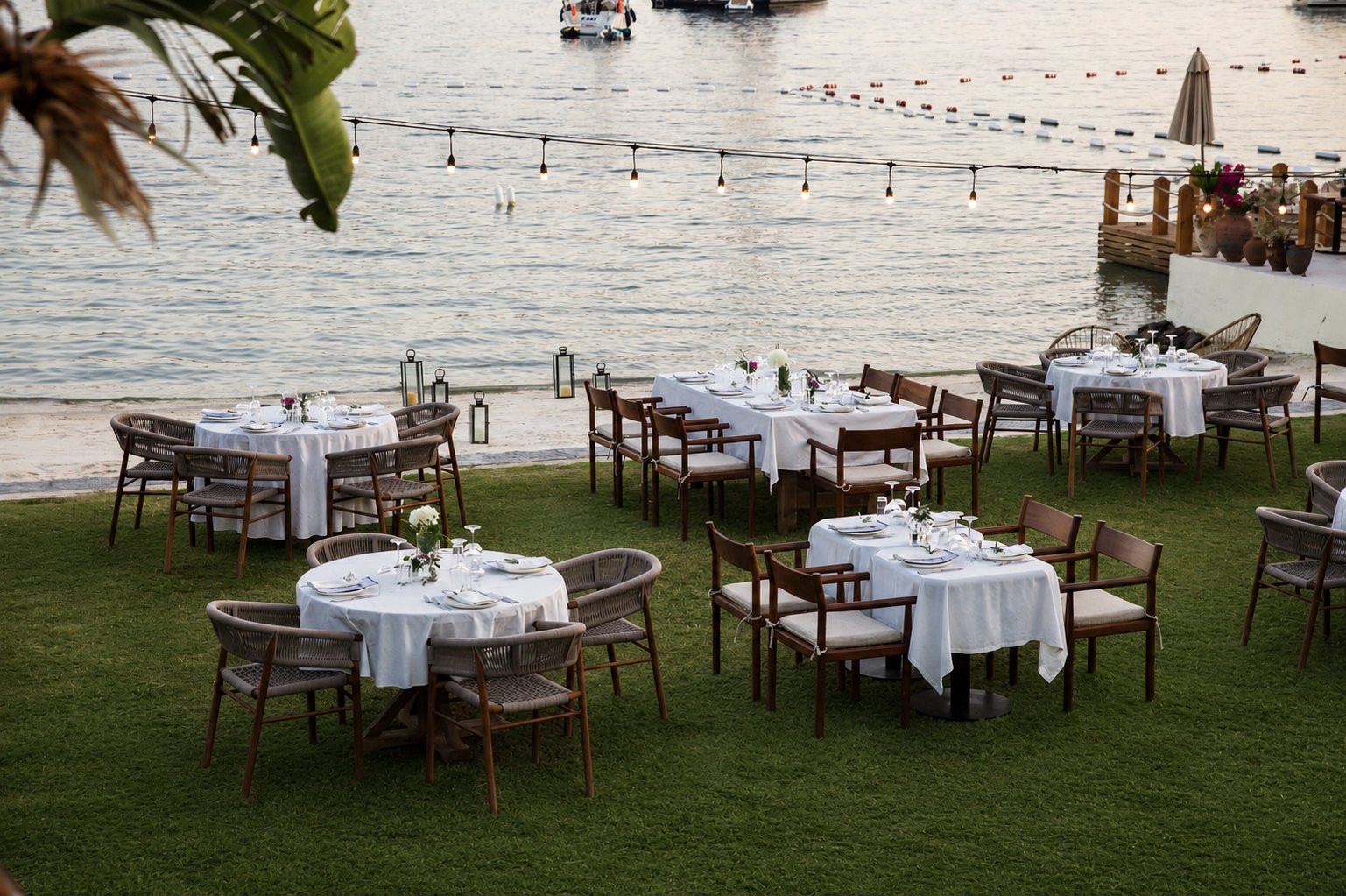
There is something particularly fitting about ending the summer around a table. After all, Turkish summer culture has always been as much about food as it is about the sea. The best memories are rarely complicated: a plate arriving at the table, an unexpected conversation, the sound of ice in a glass and the feeling that nobody is in a hurry to leave.
Night with the Limak Philharmonic Orchestra
On Aug. 22, the ancient stones of Bodrum’s 2,500-year-old theater became the setting for an evening that felt almost cinematic. The Limak Philharmonic Orchestra marked Limak’s 50th anniversary with its traditional summer concert, conducted by Darko Butorac and joined by tenor Murat Karahan and soprano Tamara Radjenovic.
The program moved effortlessly between opera classics and much-loved pieces from cinema and popular music. Karahan brought Puccini’s “Nessun dorma” and “Ch’ella mi creda” to the stage, while Radjenovic performed the Habanerafrom Bizet’s “Carmen” and “Sempre libera” from Verdi’s “La Traviata.” Their duet of Agustín Lara’s Granada became one of the evening’s highlights, while music from “Cinema Paradiso” and “Gladiator,” Ennio Morricone’s unforgettable melodies, and Time to Say Goodbye gave the night a more nostalgic dimension.
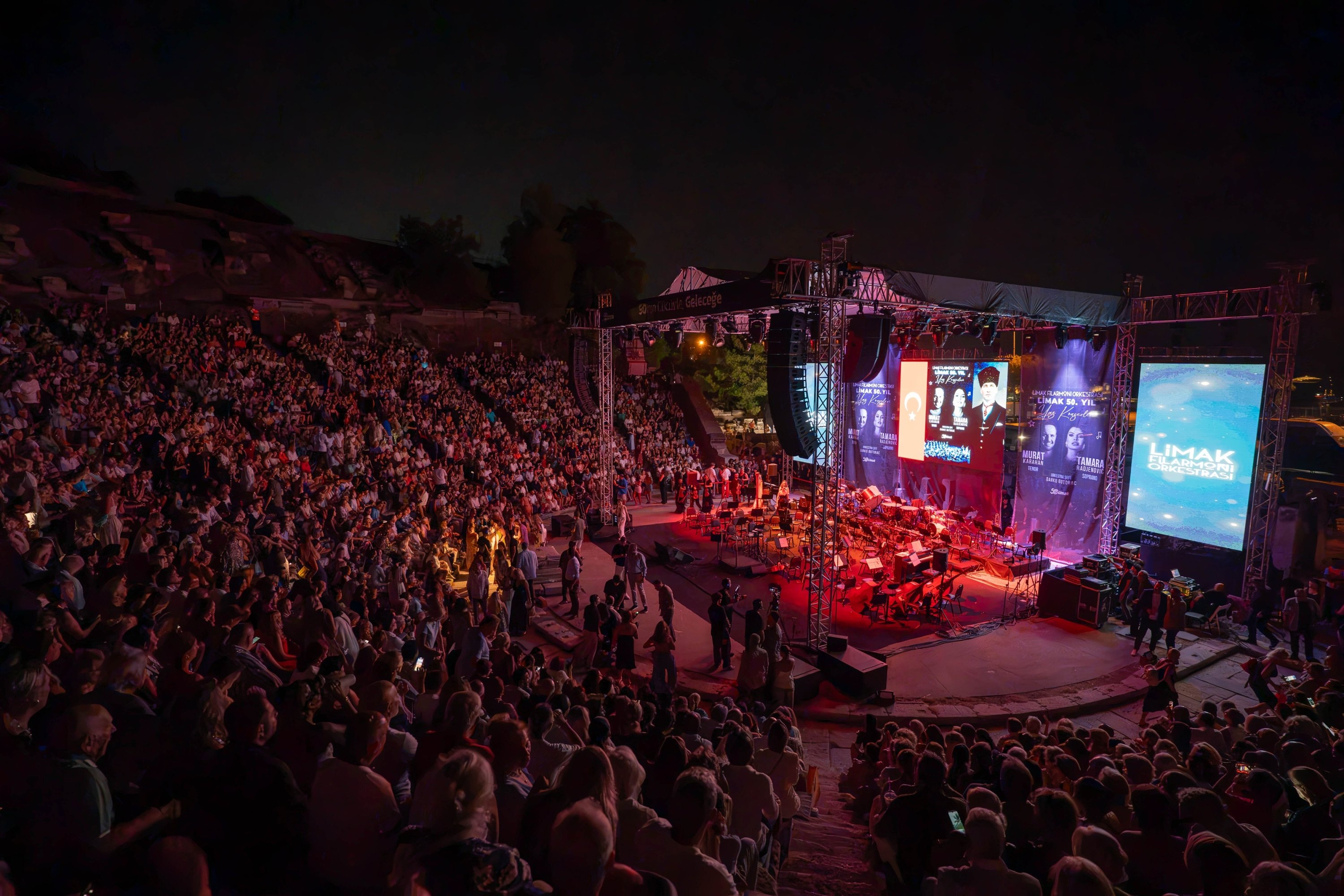
Perhaps the most memorable part was precisely this mixture: an ancient theater, music written centuries apart, and a summer audience gathered under the Bodrum sky. The evening ended with Karahan and Radjenovic performing “Yaralı Gönül” together, leaving the audience with the kind of finale that makes you wish summer had a few more weeks left.
But the concert was not only about celebration. All ticket proceeds will support Limak Foundation’s Türkiye’s Engineers Girls program, which has been running for 11 years and supports women studying engineering. Since expanding internationally in 2022 as Global Engineer Girls, the program has reached young women in countries including Kosovo, North Macedonia, Saudi Arabia, Spain, the United Kingdom, the Ivory Coast and Mozambique.
Weekend reset at The Bodrum EDITION
In addition to all the dinners, concerts and late-summer gatherings, there was also room for something a little quieter: a weekend reset at The Bodrum EDITION. Joined by lululemon Yoga Ambassador Duygu Erokan for a morning yoga session, I found my way back to the mat after a long break, and it felt surprisingly good. The flow was followed by KOOL Seed protein drinks, and discovering a new brand made the experience even better. My favourite was the banana, peanut butter and oat milk combination: simple, delicious and exactly the kind of post-yoga fuel that makes you want to keep the good habits going. A little movement, a little discovery, and a much-needed reminder that sometimes getting back to yourself starts with simply getting back on the mat.
Final takeaway
Perhaps this is what will remain from Bodrum this summer: a few extraordinary dinners, music echoing through an ancient theatre, the taste of the Aegean, long nights that seemed endless until suddenly they weren’t, and those small moments of slowing down that somehow become the ones we remember most.
Bodrum leaves us with a familiar feeling that summer is never quite long enough. But maybe that is the magic of it. We leave with salt still on our skin, one last sunset in our minds and the slightly ridiculous hope that the season might somehow wait for us. It won’t. And maybe that is exactly why, every year, we come back.
Sometimes the best escapes do not require long flights or complicated itineraries. Just across the Aegean from Bodrum lies Kos, a Greek island close enough for a spontaneous getaway, yet layered with enough history and culture to feel like a completely different world.
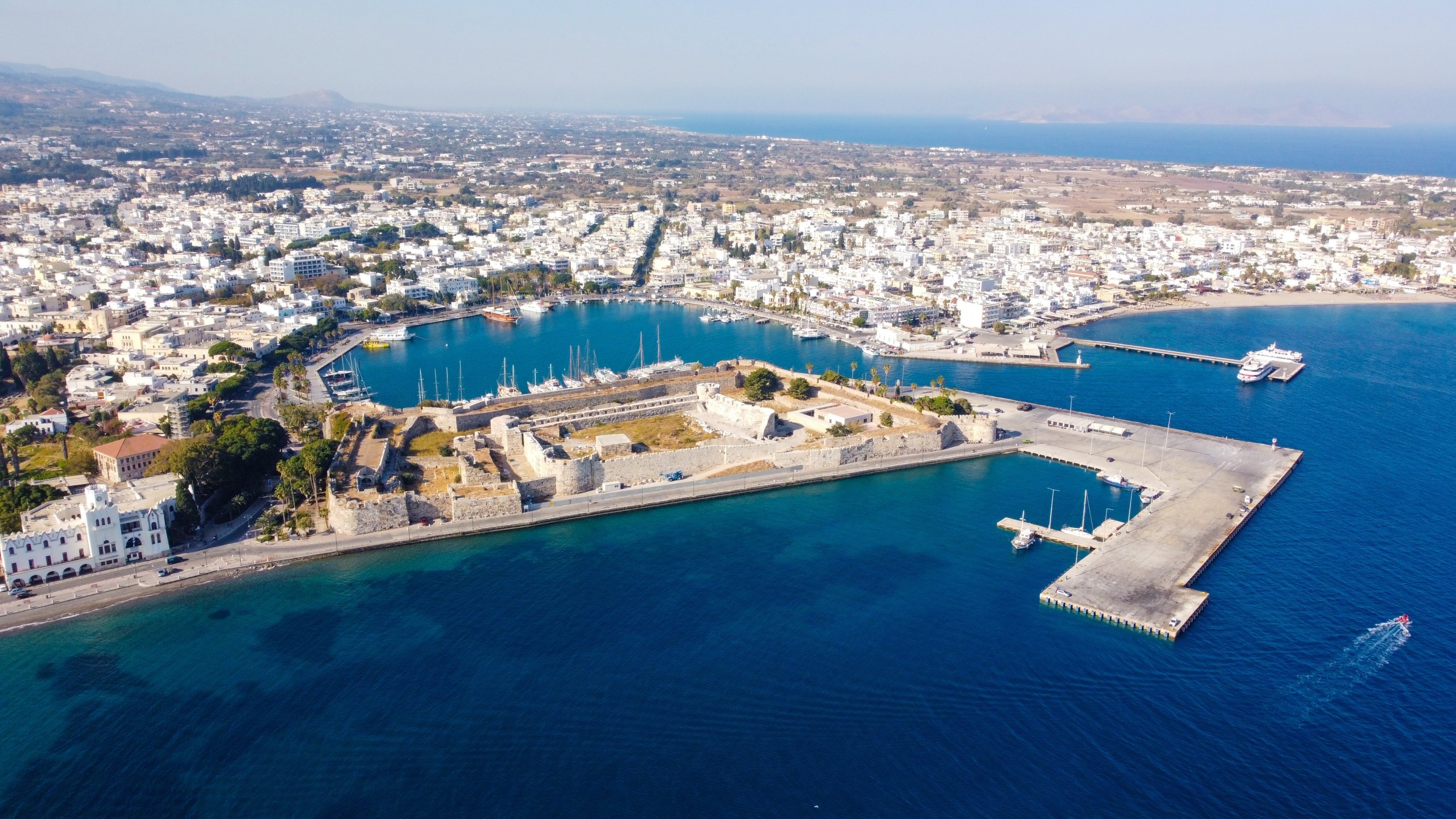
Getting there from Bodrum is part of the experience. Regular ferries connect the two shores during the season, making Kos an easy destination even for a short stay. As Bodrum disappears behind you, it is fascinating to think that these two sides of the Aegean have been connected for centuries through trade, migration, culture and everyday life.
We stayed at Aqua Blu Boutique Hotel Spa, an adults-only boutique hotel near Lambi Beach. Just a few minutes from Kos Town and the harbour, it offers a peaceful setting while still being close to the center. Its contemporary architecture, white-and-blue palette and views across the Aegean create a refined but relaxed Mediterranean atmosphere.
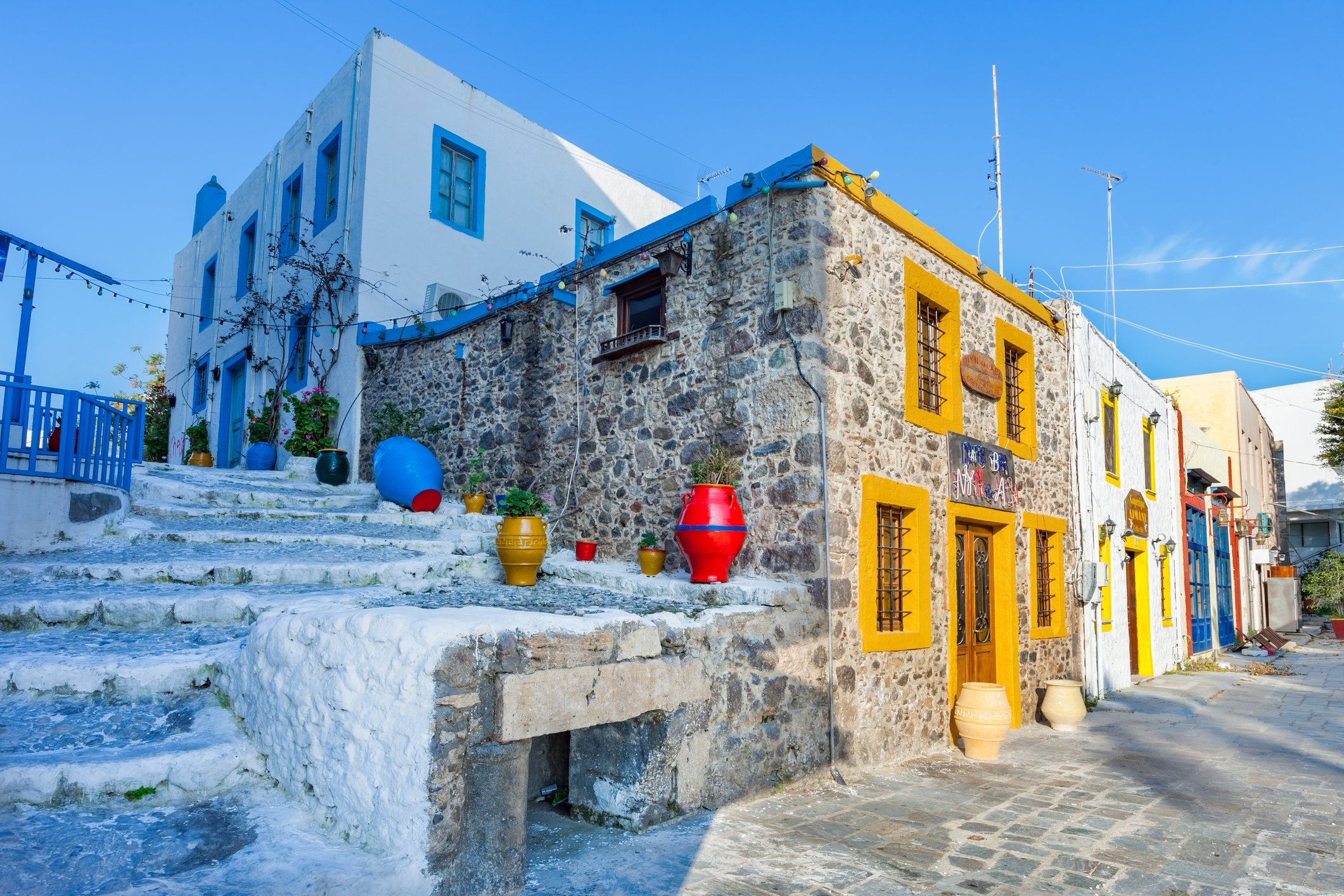
Food is also an important part of the experience. Cuvee Restaurant, located at Aqua Blu, offers a contemporary interpretation of Greek and Mediterranean cuisine. It is particularly beautiful in the evening, when dinner stretches into sunset and the Aegean becomes part of the setting.
But Kos is much more than its beaches and hotels. Walking through Kos Town, you begin to understand how many different cultures have left their mark on this relatively small island.
The island was part of the Ottoman Empire for several centuries, and a Turkish Muslim community lived here alongside the island’s other communities. A Turkish-speaking Muslim minority still lives on Kos today. Traces of this Ottoman period remain visible, particularly in the historic centre, where mosques stand surprisingly close to churches, ancient ruins and later Italian buildings.
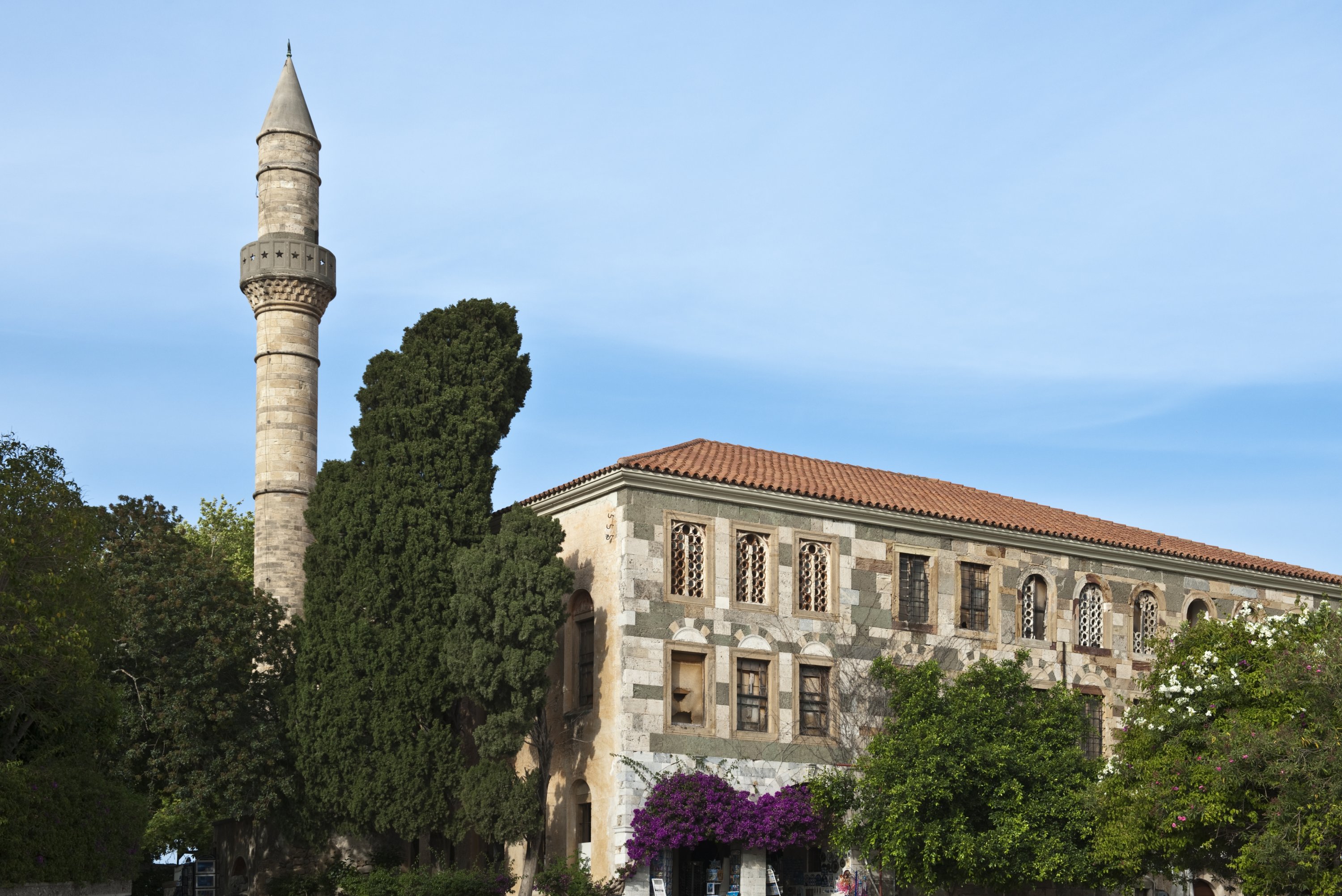
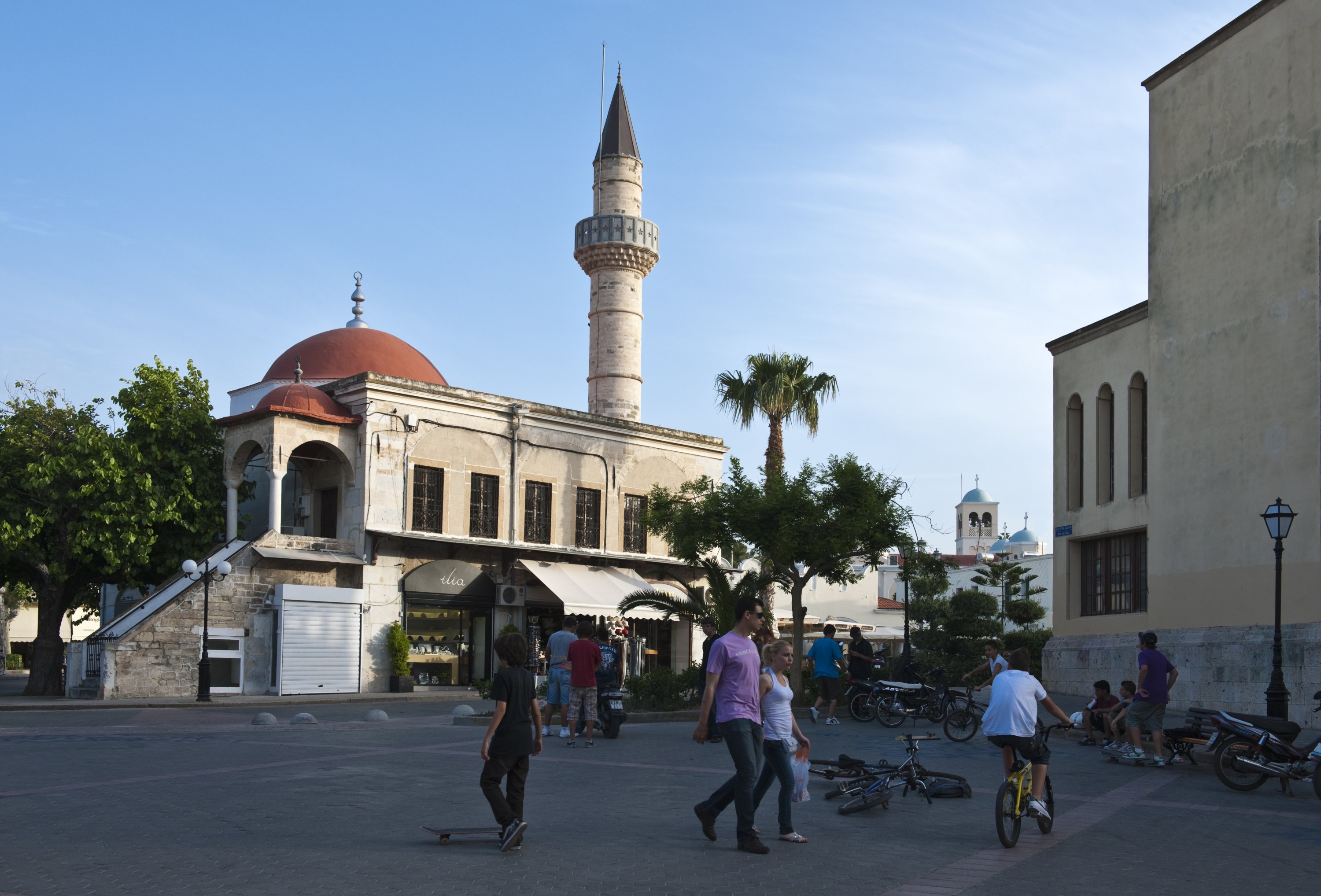
The Defterdar Mosque, overlooking Eleftherias Square, is one of the most recognizable reminders of the Ottoman period, while the Gazi Hasan Pasha Mosque near the Plane Tree of Hippocrates is another important part of this heritage. Together with Orthodox churches, archaeological remains and Italian-era architecture, they tell the story of an island whose identity was shaped by many different chapters.
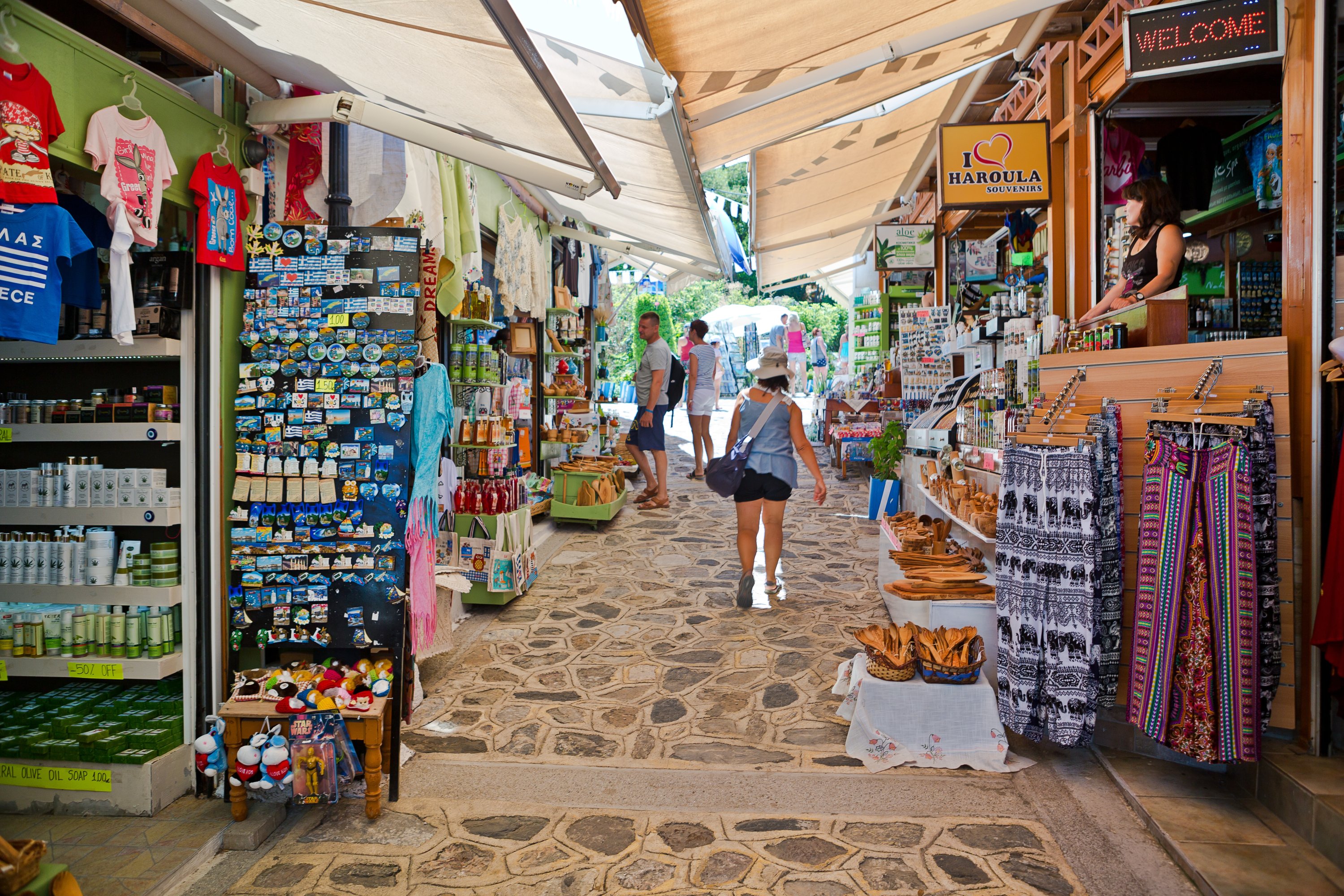
The old çarşı, or bazaar area, also feels strangely familiar to visitors arriving from Türkiye. Small streets filled with cafes, local shops, spices, souvenirs and restaurants carry the atmosphere of an Aegean market town. Even the word çarşı feels appropriate here: Kos and Bodrum may belong to two different countries today, but their shared Aegean culture is often visible in the smallest details – from food and architecture to the rhythm of daily life.
Another place that fascinated me was Albergo Gelsomino. Standing directly by the sea, the building is beautiful at first sight, but its history makes it even more interesting. It dates back to the period when the Dodecanese islands were under Italian rule. Designed by Italian architect Rodolfo Petracco in the late 1920s, it was originally created as a guesthouse for Italian officials and was later used by military authorities, eventually becoming known as the Kos Officers Club.
Almost a century later, the building has been carefully restored as an intimate eight-room boutique hotel while retaining its distinctive Italian architectural character. Today, Albergo Gelsomino holds One Michelin Key, Michelin’s distinction recognising exceptional hotel experiences.
Its restaurant, The Gelsomino, brings another layer to the experience, combining its historic setting with contemporary Greek gastronomy. Led by award-winning chef Gikas Xenakis, it is the kind of place where the surroundings become as memorable as the meal itself – a historic Italian-era building, Greek flavours and the Aegean only a few steps from your table.
This mixture is perhaps what I enjoyed most about Kos. In the space of one walk, you can encounter an ancient archaeological site, an Ottoman mosque, an Orthodox church, an Italian-era building and then find yourself sitting in a lively Greek square.
Kos may look like simply another beautiful Greek island from the Bodrum coast, but once you arrive, its layers begin to reveal themselves. Greek, Ottoman and Italian influences coexist across its streets, while the old çarşı and the familiar landscape constantly remind you how closely connected the two shores of the Aegean have always been.
And perhaps that is the real charm of Kos: it feels foreign and familiar at exactly the same time.


-
 Economy3 days ago
Türkiye mandates largest public, private banks to liquidate $18.3B funds
-

 Economy3 days ago
Canva breach affects data linked to 424 organizations in Türkiye
-

 Economy3 days ago
Anthropic’s Claude used to breach OpenAI’s internal systems
-

 Sports3 days ago
Galatasaray put Süper Lig winning streak on line at Trabzonspor
-
 Economy3 days ago
Türkiye, Italy seek stronger trade, production ties in Rome talks
-
 Politics3 days ago
Chief adviser says Erdoğan will run for last time in April 2028 vote
-
 Economy3 days ago
Russia says Nestle, Auchan asset seizures payback for Europe’s actions
-

 Sports3 days ago
Too close to call as Mbappe, Kane, Yamal vie for Ballon d’Or