
Sports
Why Muhammad Ali’s Hollywood Walk of Fame star stands above rest

Muhammad Ali remains the only person honored on the Hollywood Walk of Fame whose star is not embedded in the sidewalk, a distinction that reflects the boxing legend’s unwavering commitment to his Islamic faith and one of the most enduring legacies in sports history.
Among the more than 2,850 stars lining Hollywood Boulevard and Vine Street in Los Angeles, Ali’s is the only one mounted on a wall instead of the pavement.
Installed outside the Dolby Theatre, the tribute has become one of the landmark’s most recognizable attractions, with visitors regularly stopping to photograph the unique display.
The unusual placement was made at Ali’s own request.
After converting to Islam in 1964 and adopting the name Muhammad Ali, the former heavyweight champion refused to have his name placed where millions of people would walk over it because it shared the name of the Prophet Muhammad.
“I bear the name of our beloved Prophet Muhammad, and I will never allow people to walk over his name,” Ali said, explaining why he wanted his star displayed above ground.
The Hollywood Chamber of Commerce honored his request when the star was unveiled on Jan. 11, 2002, making it the only one in Walk of Fame history not installed in the sidewalk.
More than two decades later, it continues to draw crowds, with visitors often lining up outside the Dolby Theatre to take photographs.
Born Cassius Marcellus Clay Jr. on Jan. 17, 1942, in Louisville, Kentucky, Ali first captured worldwide attention by winning the light heavyweight gold medal at the 1960 Rome Olympics before turning professional.
Four years later, he stunned the boxing world by defeating Sonny Liston to become heavyweight champion and soon afterward announced his conversion to Islam, adopting the name Muhammad Ali.
Widely regarded as one of the greatest athletes of all time, Ali became the first boxer to win the world heavyweight championship on three separate occasions.
He first claimed the title in 1964 against Liston, regained it in 1974 by defeating George Foreman in the legendary “Rumble in the Jungle” in Zaire, and won it again in 1978 after overcoming Leon Spinks in their rematch.
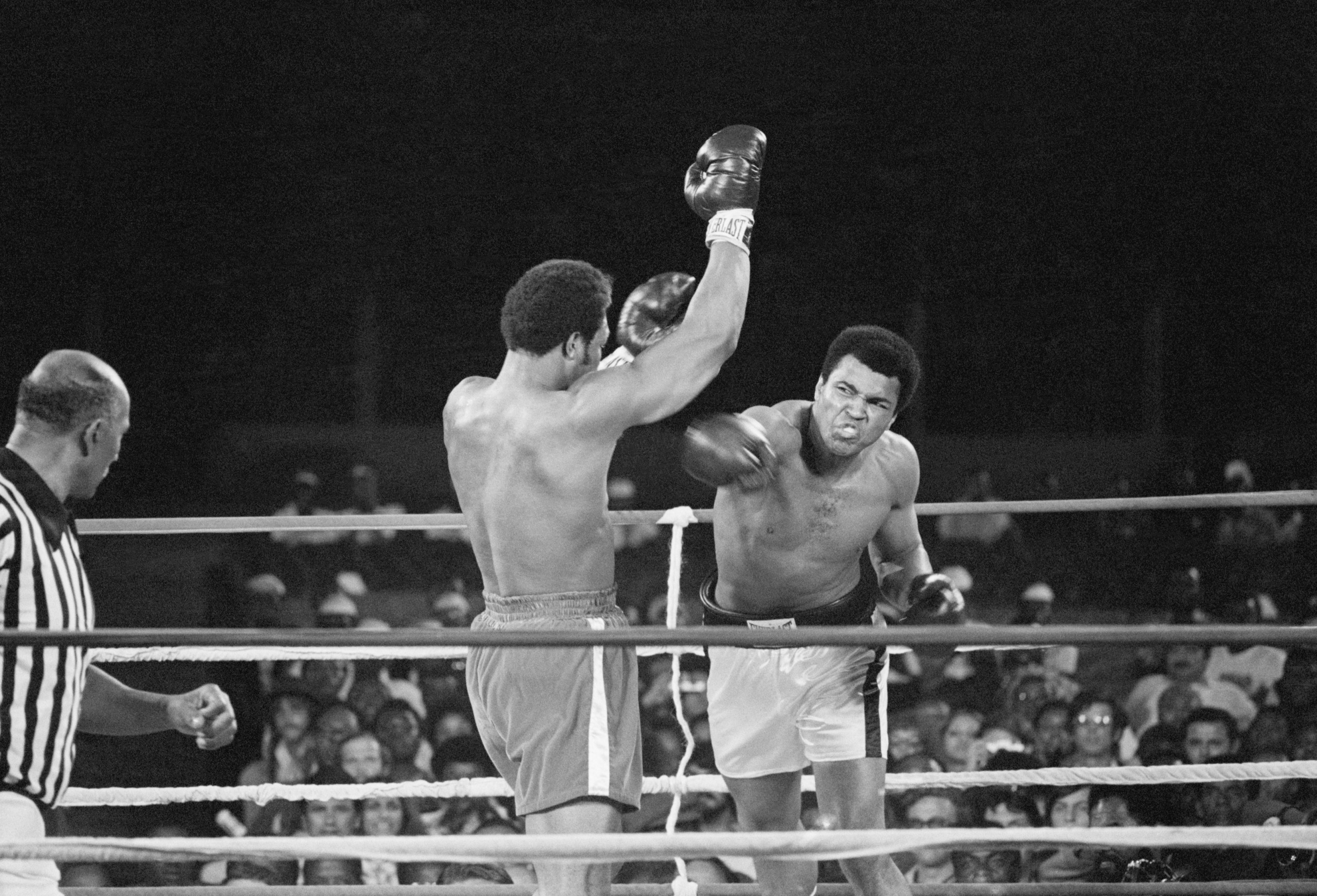
Throughout his remarkable career, Ali successfully defended the heavyweight title 19 times and compiled a professional record of 56 victories, including 37 knockouts, against five defeats in 61 bouts.
His achievements extended well beyond the boxing ring. Ali’s lightning-fast footwork, sharp jab and famous “rope-a-dope” strategy revolutionized heavyweight boxing, while his outspoken positions on civil rights, religious freedom and the Vietnam War made him a global symbol of courage, conviction and social change.
Ali died on June 3, 2016, in Scottsdale, Arizona, at the age of 74 following a long battle with Parkinson’s disease. Yet his influence continues to transcend generations.

With Ballon d’Or voting set to close in less than two weeks, top contenders are mounting unusually public campaigns for football’s biggest individual prize.
This self-promotion is a relatively recent development in a team sport where, until a few years ago, the top individual prize went largely unnoticed until it was time to present it.
But now, the Ballon d’Or dominates the football conversation during the months when the new European season is still finding its feet.
The trophy will be presented on Oct. 26, while the final sprint began on Sept. 8 when France Football, the award organizer, released the list of 30 candidates to succeed Ousmane Dembele.
The ceremony will be in London, even though only five of the 30 nominees play in the English Premier League.
The award carries no cash prize, but it has become worth increased income and status to players and their teams.
Many stars have related bonuses in their boot contracts while the award also increases their overall marketing value and that of their club.
The two all-time leading Ballon d’Or winners, Lionel Messi, who has picked up the trophy eight times, and Cristiano Ronaldo, who won five times, both have annual sponsorship income estimated by Forbes at more than $65 million.
Clubs can expect to sell more merchandise if one of their players wins.
Some 100 invited journalists – one representative from each of the top 100 countries in the FIFA rankings – will cast votes.
With no clear favorite, the stars and their PR agencies are stepping up their campaigns. Achievements are shamelessly paraded to scrape together votes.
‘I deserve it’
“For me, Mbappe and I, we’re the two best players in the world,” Lamine Yamal, who has won the World Cup and La Liga in 2026, said in an interview on Movistar Plus.
“I honestly think that, as the best in the world, maybe there are two of us, and this year I deserve it because of what I’ve won,” the 19-year-old added.
He was responding to the Frenchman, who days earlier had emphasized the award’s individual nature – after a year in which he won no trophies with either Real Madrid or France, who lost a World Cup semifinal to Spain, but scored 10 World Cup goals to take his tally to an all-time leading 22.
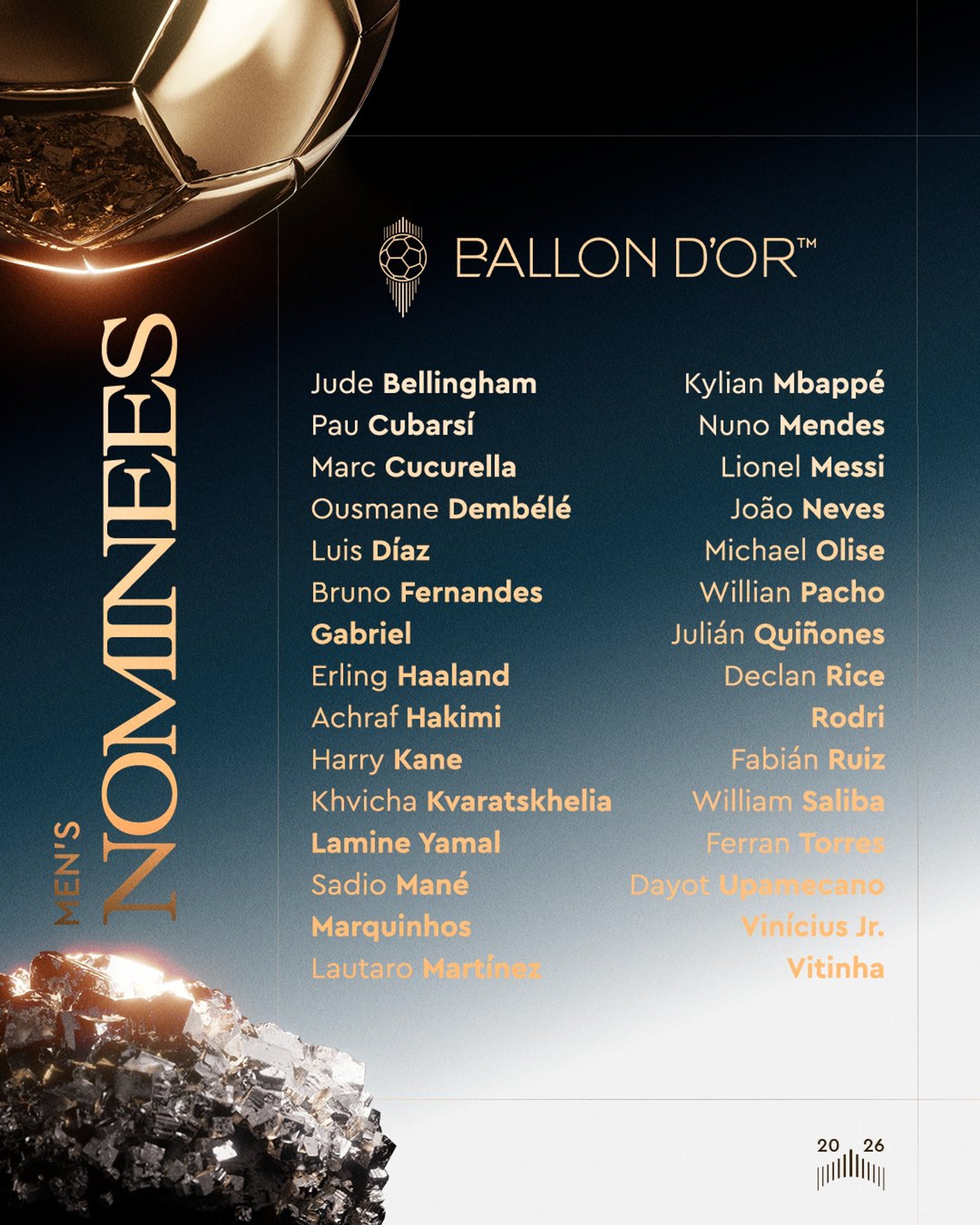
“Being the all-time top scorer in World Cup history, overtaking all the great legends in the history of the sport in the most important tournament there is, is something that really stands out, a global event. Who am I voting for? Myself,” said the striker, who was also the top scorer in last season’s Liga and Champions League.
His manager, Jose Mourinho, did not hesitate to back up the argument: “We know who has made history this summer and he’s not from PSG or the Spanish national team.”
In 2024, Real Madrid boycotted the ceremony after learning just before they were due to travel that none of their seven nominees had won.
This year, Paris Saint-Germain have a record 10 nominees, after retaining the Champions League.
That number, and also the side’s reputation for collective team spirit, may count against them.
Their leading candidates are Dembele, Khvicha Kvaratskhelia and Fabian Ruiz, the only player on the list to have won both the Champions League and the World Cup this year.
‘Why not dream?’
“Why not dream?”, the unassuming Spanish midfielder told French television.
PSG are refusing to pick one individual while arguing that the winner has to be one of their players.
“Kvara and Doue are incredible players. For me Kvara could win the Ballon d’Or, as could Dembele and others,” said coach Luis Enrique.
Dembele told France Football that he would not try to influence the poll.
“May the best player win; in any case, it’s not us who are voting,” he said. “I never sell myself. It’s up to them to decide.”
Meanwhile, England captain Harry Kane, who scored 73 goals while leading Bayern Munich to a German domestic double and his country to third in the World Cup, remains quiet.
Bayern are speaking up for their leader, putting together a video in which team-mates said that Kane should win.
“He deserves to win it, 100 per cent, without a doubt,” said Colombian Luis Diaz, who is also on the shortlist.
Beşiktaş host French side Olympique de Marseille Thursday to open their UEFA Europa League campaign, looking to extend a flawless home record and welcome back star striker Dusan Vlahovic.
The Black Eagles enter the newly structured league phase on strong footing under manager Vincenzo Italiano, boasting a fully healthy squad with no reported injuries.
Central to Italiano’s attacking setup is Vlahovic, who returns to the lineup after serving a one-match domestic suspension in the Süper Lig following a disciplinary sanction stemming from the derby victory over Fenerbahçe.
The 26-year-old Serbian international missed Beşiktaş’s recent domestic fixture against Erzurumspor, but he has been in clinical form this season, scoring four goals across five appearances in all competitions.
The Istanbul powerhouse earned their place in the Europa League’s main stage through a grueling qualifying path, successfully navigating three rounds.
Beşiktaş initiated their European campaign in the second qualifying round with 1-0 and 2-0 victories over Danish side Midtjylland before eliminating Czech club Hradec Kralove with consecutive 1-0 wins in the third round.
In the play-off round, Beşiktaş secured a 3-0 home victory against Lithuanian club Kauno Zalgiris before dropping the return leg 1-0 away, advancing comfortably on aggregate.
Across six European qualifying fixtures this season, Beşiktaş compiled a 5-1-0 record, conceding just a single goal while scoring eight. Marseille, by contrast, qualified directly for the competition’s league phase.
Dominance on home soil has been the defining feature of Beşiktaş’s season thus far. The Istanbul club have won all six of their home fixtures across the Süper Lig and European play at Tüpraş Stadium, traditionally known to supporters as Dolmabahçe
In addition to their three European victories, Beşiktaş have registered domestic wins at home against Eyüpspor (1-0), Çorum FK (6-2), and Erzurumspor (3-0), outscoring opponents by a combined 15-2 margin on home turf.
Beşiktaş also carry strong overall momentum into Thursday’s match on the heels of a three-game winning streak. After suffering consecutive 1-0 setbacks against Alanyaspor in domestic play and Kauno Zalgiris in the second leg of the play-offs, Italiano’s squad rebounded with victories over Çorum FK, Fenerbahçe, and Erzurumspor.
Italiano has submitted a deep squad to UEFA for the campaign, anchored in goal by Alexander Nübel alongside Doğan Alemdar and Mehmet Tuğra Yeşilyurt. The defensive unit features Emmanuel Agbadou, Tiago Djalo, Rıdvan Yılmaz, Kassoum Ouattara, Taylan Bulut and Amir Murillo.
In midfield, Beşiktaş possess extensive depth with Wilfred Ndidi, Orkun Kökçü, Leandro Trossard, Vaclav Cerny, Fabio Miretti, Salih Özcan, and Junior Olaitan. Upfront, Vlahovic leads an attacking group that includes South Korean forward Hyeon-gyu Oh, Ernest Poku, and Turkish international Semih Kılıçsoy.
The opening-round fixture at Tüpraş Stadium is scheduled for a 10 p.m. local kickoff, with Italian official Andrea Colombo appointed to referee the match.
Lionel Messi was named Tuesday to Argentina’s squad for an Oct. 6 friendly against Benin, which will serve as his farewell match after retiring from international football last month.
The 39-year-old said in August he was retiring from Argentina duty after a two-decade international career that included winning the 2022 World Cup and Copa America triumphs in 2021 and 2024.
“We made the decision to invite the best player in the world, the symbol of our national team, our captain, Lionel Andres Messi, so that he can have the farewell he truly deserves on Oct. 6 here in Argentina,” said Argentine FA president Claudio Tapia.
The match against Benin will take place at River Plate’s Estadio Monumental in Buenos Aires, which can accommodate 85,000 spectators.
Tapia also invited all of Argentina’s 2022 World Cup winners to join Messi for what he said would be an “unforgettable” occasion.
Argentina begin a series of three friendlies against Bolivia on Sept. 30 in Cordoba – their first match since losing the World Cup final to Spain – before taking on Burkina Faso in Buenos Aires on Oct. 3.
Messi has been included in the squad for the third match against Benin, when he is expected to make his 208th and final appearance for the national team. He is Argentina’s all-time record scorer with 125 goals.
Following the death of his father Jorge last month, Messi had said he had “serious doubts” about continuing to play football of any sort for “much longer.”
“It was a decision that hurt and still hurts deep in my soul but I understand that it is the right time,” Messi said when he called time on his Argentina career.
His contract with Major League Soccer club Inter Miami runs until the end of the 2028 season.
Last month FIFA ordered Argentina to play their next home match with capacity reduced to 50% for breaches of its disciplinary code relating to using a sports event for making demonstrations of a non-sporting nature.
After Argentina beat England 2-1 in a tense World Cup semifinal in July, several players held up a banner saying: “The Falklands are Argentine.”
The friendlies are also expected to count toward suspensions handed down following incidents after Argentina’s World Cup final defeat by Spain.
Midfielder Leandro Paredes received a 10-match ban, while defender Nahuel Molina was suspended for seven games and Thiago Almada for one.
AC Milan and Benfica will renew one of European football’s most storied rivalries Wednesday when the former champions meet at San Siro to open their Europa League campaigns.
Both clubs fell short of expectations last season, missing out on Champions League qualification, but each enters the competition among the leading contenders to lift the trophy in Frankfurt next spring.
Milan’s failure to secure a place among Europe’s elite followed a dramatic collapse at the end of last season. Six defeats in their final 10 Serie A matches cost them valuable ground and ultimately triggered a sweeping change in the club’s leadership.
Max Allegri’s second spell in charge lasted only a year before he was replaced by Ruben Amorim, who has overseen an unbeaten start to the new campaign.
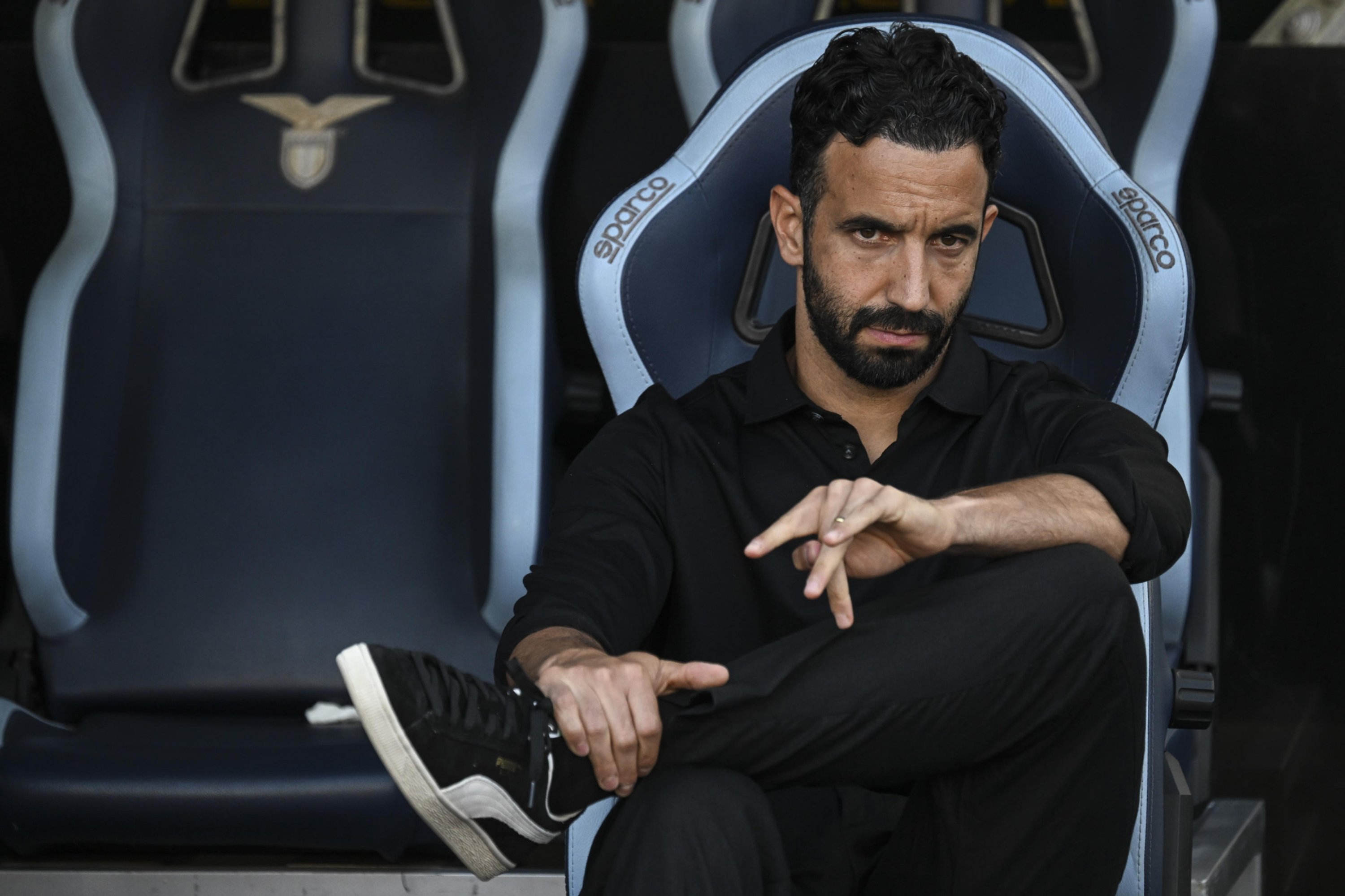
The Rossoneri opened with wins over Torino and Venezia before drawing their next two league matches. Juventus snatched a late equalizer in Turin, while Milan showed greater resilience against Lazio, recovering from two goals down to earn a point in Rome.
After missing out on European competition altogether last season, Milan are back on the continental stage for the first time since their Champions League knockout-round playoff exit in 2025.
For Amorim, the Europa League also offers a chance to rebuild his European reputation after his Manchester United side lost the 2025 final. The Portuguese previously established himself as one of Europe’s most promising coaches during a successful spell at Sporting Lisbon.
That makes Wednesday’s meeting particularly intriguing. Amorim spent nine years at Sporting as a player and, as a coach, regularly enjoyed the upper hand over Benfica in Portugal.
History, however, offers the visitors little encouragement.
Benfica have never beaten Milan in six competitive meetings, including European Cup finals in 1963 and 1990. The Portuguese giants will nevertheless arrive in Italy in confident mood after an impressive run of form under new coach Marco Silva.
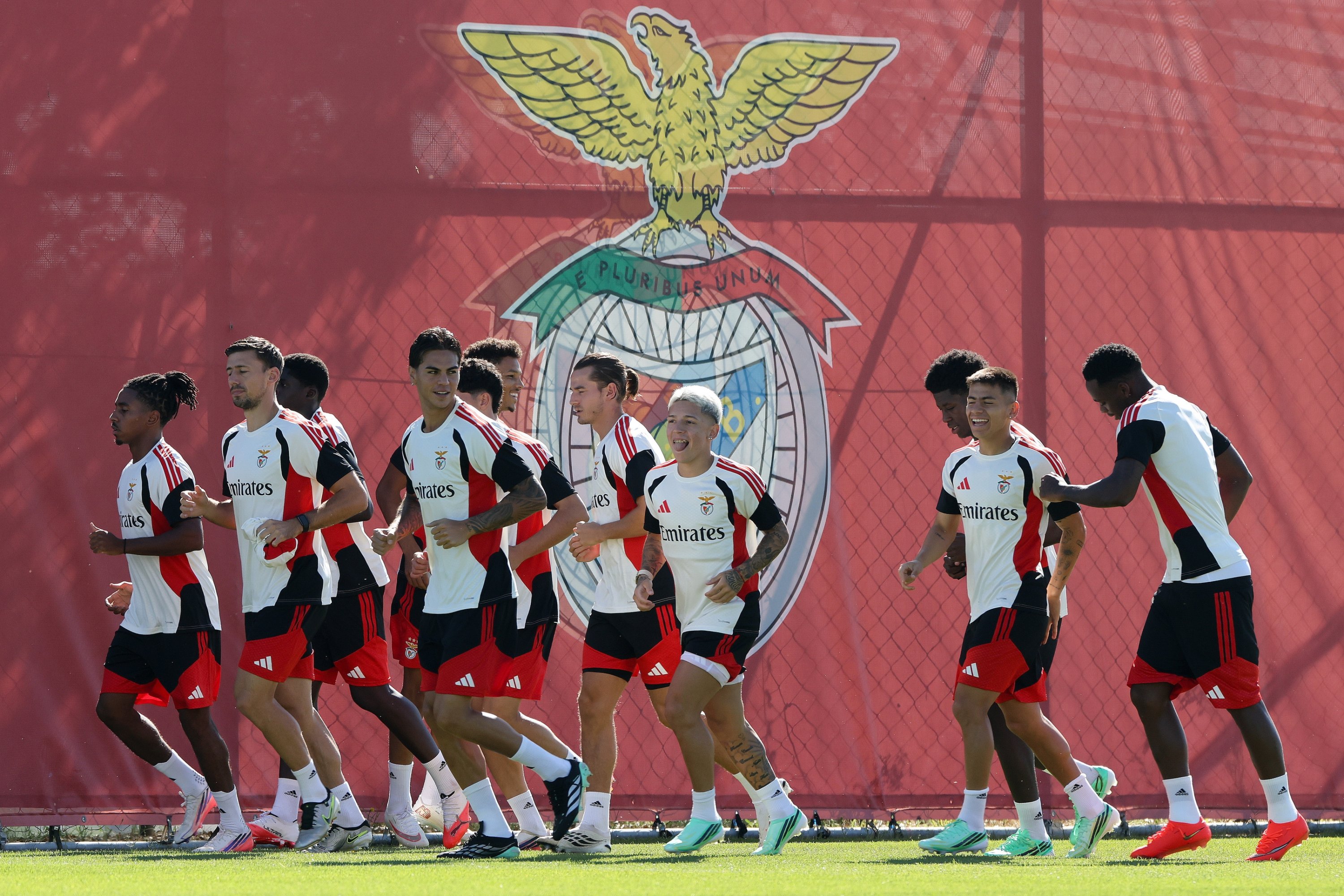
Benfica also endured a disappointing domestic campaign last season, finishing third in the Primeira Liga under Jose Mourinho. That forced them to navigate the Europa League qualifying rounds, where Silva’s tenure began with an unexpected defeat to Swiss side St. Gallen.
The Eagles quickly recovered, crushing St. Gallen 5-0 in the second leg before sweeping aside Hearts 7-2 and AGF 6-2 on aggregate to reach the league phase.
Since then, Benfica have been perfect domestically, winning four straight matches while scoring 12 goals. Their latest victory was particularly dramatic, with a late surge turning a potential draw against Gil Vicente into a 3-1 win and extending their winning streak to seven matches in all competitions.
Silva’s side now face a demanding stretch, beginning with Wednesday’s trip to Milan before an away meeting with Porto.
Milan could make changes for the midweek fixture, although Amorim is expected to retain his familiar 3-4-2-1 formation.
The hosts appear to have a near-fully fit squad after defenders Mattia Gabbia and Mario Gila recovered from minor problems to make the squad against Lazio.
One of the biggest selection questions surrounds Luka Modric. The 41-year-old midfielder has made 156 appearances in European competition, but his last appearance outside the Champions League came in November 2011.
Amorim also has several options available in the attacking positions behind Goncalo Ramos. Alphadjo Cisse, Alexis Saelemaekers, Ruben Loftus-Cheek, Omari Hutchinson and Christian Pulisic are all competing for places.
Ramos will have an added incentive if selected, with the former Benfica striker facing his old club.
Benfica, meanwhile, will look to Vangelis Pavlidis to provide the attacking threat. The Greek striker scored six goals during qualifying and has already added eight in the Primeira Liga.
Pavlidis has also maintained an impressive scoring rate in UEFA competition, averaging a goal every two matches.
Benfica will be without Alexander Bah, who remains sidelined with a shoulder injury. Daniel Banjaqui or versatile captain Fredrik Aursnes could therefore be asked to fill the right-back position.
Barcelona’s renovated Camp Nou will host the 2029 UEFA Champions League final, UEFA announced Tuesday, beating London’s Wembley Stadium to stage European football’s biggest club game.
UEFA’s executive committee selected Spotify Camp Nou during its meeting in Thessaloniki, Greece, awarding the final to Barcelona for the first time in 30 years. The match is scheduled for June 2, 2029.
The decision gives Barcelona a major international sporting event a year before Spain joins Portugal and Morocco in hosting the 2030 FIFA World Cup.
The 104,000-plus-seat Camp Nou is undergoing a major redevelopment that has been repeatedly delayed, with the upper tier and roof still under construction.
Once completed, the stadium is expected to become one of Europe’s largest football venues and offer expanded hospitality, accessibility and technology.
Barcelona last hosted the Champions League final in 1999, when Manchester United produced one of the most dramatic comebacks in the competition’s history, scoring twice in stoppage time to beat Bayern Munich 2-1.
The stadium also hosted the 1989 European Cup final, when AC Milan defeated Steaua Bucharest 4-0.
Wembley, meanwhile, has hosted three Champions League finals since 1999, in 2011, 2013 and 2024. It has staged the European Cup final eight times since the competition began in 1955.
Barcelona’s successful bid was submitted jointly by the club, Barcelona City Council and the Catalan government, with support from the Spanish Football Federation and the city’s hospitality sector.
UEFA said Camp Nou’s size and hospitality facilities were key strengths of the bid. Recent Champions League finals have generally been awarded to stadiums with capacities above 70,000, making the rebuilt Camp Nou’s more than 104,000 seats a significant advantage.
“This is an immense source of pride for FC Barcelona and for all Barça supporters,” Barcelona president Joan Laporta said.
Laporta described the decision as international recognition for the rebuilt stadium and thanked Barcelona’s city and regional authorities, as well as the Spanish federation, for supporting the bid.
The 2029 final will also provide a major showcase for Barcelona and Catalonia, with the city expecting the event to generate significant international exposure and economic benefits.
Bayern Munich to host 2028 final
UEFA also confirmed that the 2028 Champions League final will be played at Bayern Munich’s stadium. The German venue was the only bidder and will host the final just three years after staging the 2025 edition.
This season’s Champions League final will be held in Madrid at Atletico Madrid’s Metropolitano Stadium.
UEFA also awarded the 2028 and 2029 finals of the Europa League to Bucharest and Belgrade, respectively.
Bucharest’s National Arena will host the 2028 final, while the 2029 showpiece will be played at Serbia’s new national stadium, currently under construction on the outskirts of Belgrade.
The decision comes amid growing UEFA ties with Serbian football, which will co-host next year’s European Under-21 Championship with Albania.
Serbia’s selection comes just days after supporters of Belgrade’s two biggest clubs, Red Star and Partizan, paid tribute to convicted war criminal Ratko Mladic during a match at the city’s current national stadium. Mladic died last month in The Hague.
UEFA fined Red Star earlier this month after supporters chanted in Mladic’s honor during a Europa League match on the day of his death.
The current Europa League final will be played at Eintracht Frankfurt’s Waldstadion.
Other UEFA finals
UEFA selected Lyon to host the 2028 Women’s Champions League final, giving the competition’s record eight-time winners a chance to stage the showpiece in their home city.
Cardiff was chosen for the 2029 Women’s Champions League final at the national stadium in the Welsh capital. The venue will also host the opening match of the 2028 European Championship.
Turin will stage the 2028 Conference League final at Juventus’ stadium, while Budapest’s 67,000-seat Puskas Arena will host the 2029 final.
The Conference League has steadily grown since its launch in 2021. Its first two finals were played at much smaller venues in Tirana, Albania, and Prague, but UEFA has increasingly moved the competition’s title match into larger stadiums.
Lamine Yamal believes his trophy haul gives him the strongest case to win the 2026 Ballon d’Or, but Kylian Mbappe insists individual excellence should outweigh the lack of silverware in what has become a two-man battle for the prestigious award.
The Barcelona forward, who helped Spain win the 2026 World Cup, considers himself and Real Madrid star Mbappe the two best players in the world and says his success with Barcelona and Spain should give him the edge when the winner is announced next month.
“Who would I give it to? The best player in the world,” Yamal said in an interview with MovistarPlus+, which is due to be broadcast Friday.
“Who are they going to give it to? That’s already a very long conversation.
“I sincerely believe that there are two of us in the world and this year I would deserve it for what I have won.
“For me, Mbappe and I are the two best in the world. For me it’s clear and everyone who watches the games knows it.”
Yamal enters the final stretch of the Ballon d’Or race after another impressive start to the new season.
He scored twice Sunday as Barcelona defeated Levante 4-2 away from home, taking his league tally to seven goals as the defending champions opened up a three-point lead at the top of La Liga.
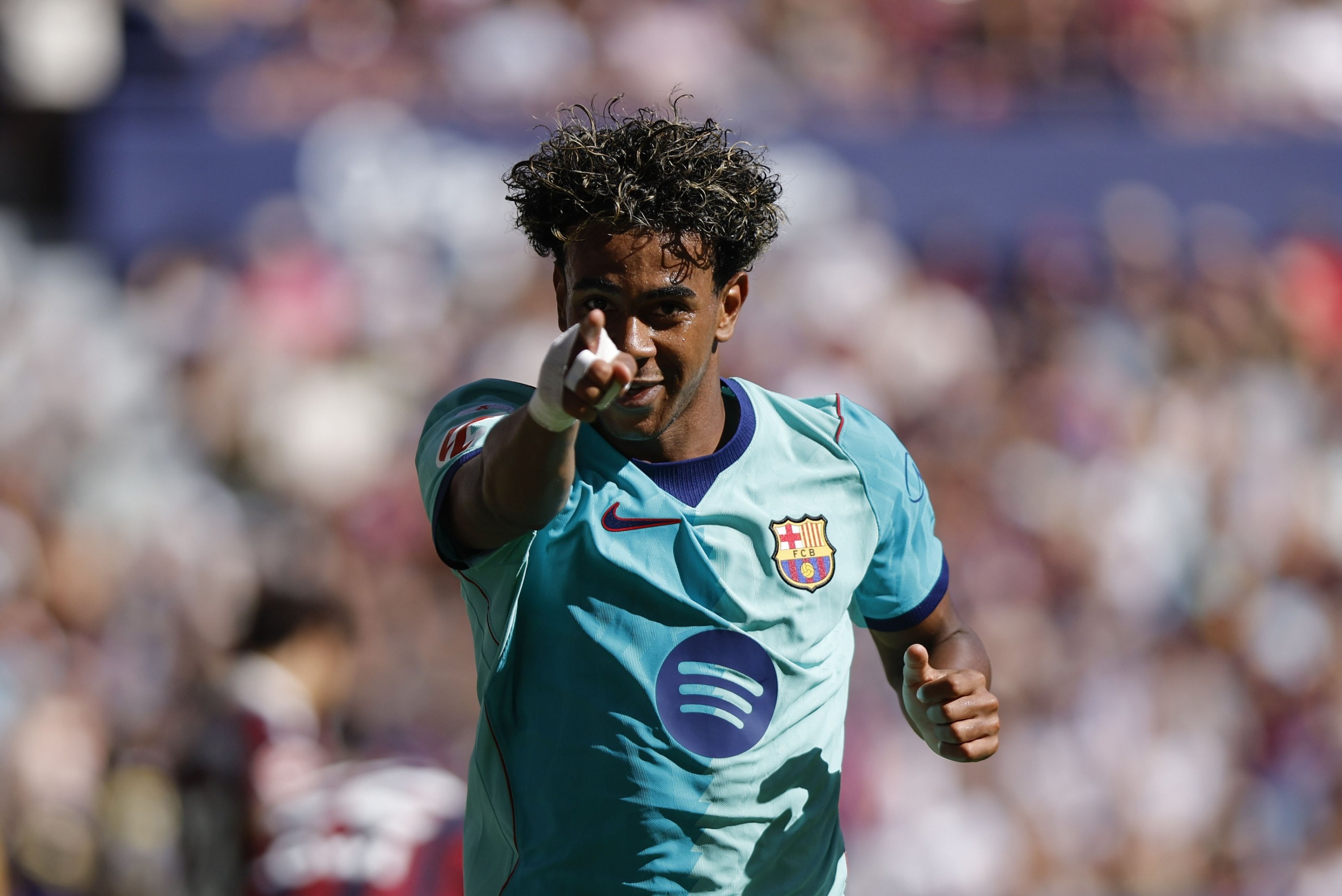
His argument for the award is built around both individual production and major trophies.
Barcelona won La Liga and the Spanish Super Cup last season, while Real Madrid ended the campaign without a major trophy. Yamal also played a prominent role in Spain’s World Cup triumph in North America, adding the biggest international prize in football to his growing collection of honors.
That success has strengthened the case for Yamal, who finished second in last year’s Ballon d’Or voting behind Paris Saint-Germain forward Ousmane Dembele.
At 19, Yamal is again among the leading contenders and could become the youngest player to win the award if he prevails in London on Oct. 26.
Mbappe, however, has made an equally forceful case despite Real Madrid’s lack of silverware.
The France international scored 15 goals in the Champions League and 25 in La Liga before adding to his World Cup tally. He also became the tournament’s all-time leading scorer, although France’s campaign ended with a 2-0 semifinal defeat by eventual champion Spain.
Speaking to France Football, Mbappe argued that the Ballon d’Or is an individual award and should not be determined solely by team trophies.
“I believe I can win it this year. It’s one of my goals, and a short-term one at that,” Mbappe said. “People say I didn’t win a trophy for club or country, but it’s an individual award.”
Mbappe was even more emphatic when asked whether he believed anyone had outperformed him.
“There was no player better than me,” he said.
He pointed to his scoring record in the biggest competitions, particularly his World Cup achievement, as evidence that his individual performances deserve recognition.
“My idea of the Ballon d’Or comes from the Messi and Ronaldo era. You don’t give it to ordinary players, you give it to players who are different,” Mbappe said. “I think I did things that were different this year, so I believe I can win it.”
Becoming the World Cup’s leading scorer was particularly significant for Mbappe because he surpassed Lionel Messi’s previous mark.
“It’s fantastic. That kind of achievement is different,” he said.
The contrasting arguments have created a compelling Ballon d’Or race. Yamal has the stronger trophy case, with domestic and World Cup honors, while Mbappe can point to extraordinary scoring numbers across the Champions League, La Liga and World Cup.
Other major contenders remain in the running, including Bayern Munich striker Harry Kane, reigning winner Dembele and former winner Rodri, while Jude Bellingham and Erling Haaland are also among the nominees.
Kane has emerged as another strong contender after a prolific season, while Dembele’s Champions League success with PSG gives him a compelling case to retain the award.
Yamal has previously played down the idea of actively campaigning for the prize, saying he would not beg for votes despite believing he had enjoyed an exceptional season. His latest comments, however, leave little doubt about where he stands.
With the ceremony approaching, the Barcelona teenager is making his case on the basis of winning. Mbappe is making his on individual brilliance.
The final decision will be made by journalists voting on the 30-player shortlist, with performances, consistency and major achievements all forming part of the assessment.


-
 Economy1 day ago
Trump shifts US military aid toward Latin American allies
-
 Economy1 day ago
Oil surges as attacks, pipeline outage worsen Saudi supply woes
-
 Economy1 day ago
Oil tops $107 as attacks, pipeline outage worsen Saudi supply woes
-
 Economy2 days ago
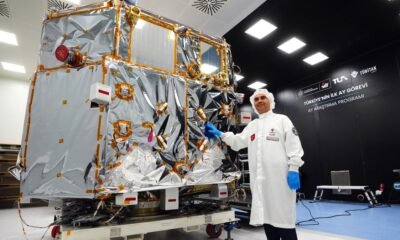
Türkiye completes production of spacecraft for 1st Moon mission
-
 Politics2 days ago
Kemal Kılıçdaroğlu plots revival of Türkiye’s CHP
-
 Politics1 day ago
Türkiye becoming harder to ignore under Erdoğan, Israeli media says
-
 Economy2 days ago
Türk Telekom named digital transformation, tech supporter of COP31
-
 Politics2 days ago
AK Party, Istanbul governor hit back at YP leader over election dispute