Bosnia’s capital, Sarajevo, is enjoying a robust summer season, with concerts, cultural events and its internationally renowned film festival drawing visitors from across Europe and beyond.
More than 100,000 tourists visited the capital of Bosnia-Herzegovina in July, according to the Federal News Agency, as the city increasingly attracts travelers for its music, cinema, gastronomy and natural attractions alongside its historical heritage.
Three concerts by regional music star Dino Merlin at Kosevo Stadium in late July and early August attracted more than 200,000 people in total.
Visitors traveled from across the Balkans and other parts of Europe, putting hotels and private accommodation under significant pressure.
Sarajevo recorded nearly 78 million euros ($91 million) in fiscal turnover during the three concert days, with restaurants, cafes, shops and transportation companies benefiting from the influx.
The concerts were followed by a performance by British electronic music group The Prodigy on Aug. 13 and by the opening of the 32nd Sarajevo Film Festival (SFF) the following day.
Established in 1995 during the final year of the siege of Sarajevo, the festival has developed into one of southeastern Europe’s leading film events. This year’s guests included Woody Harrelson, Emily Watson, Pawel Pawlikowski, Diego Luna, Asghar Farhadi and Celine Sciamma.
U.S. actor Woody Harrelson (L) signs autographs for fans on the red carpet at the 32nd Sarajevo Film Festival, Sarajevo, Bosnia-Herzegovina, Aug. 18, 2026. (AFP Photo)
In addition to these entertainment and cultural events, Sarajevo offers a blend of Ottoman and Austro-Hungarian architecture, along with landmarks linked to the assassination of Archduke Franz Ferdinand and sites preserving the memory of the 1992-1995 siege.
Its proximity to the Olympic mountains of Trebevic, Bjelasnica, Igman and Jahorina also allows travelers to combine a city break with hiking, cycling and winter sports.
Major events are becoming increasingly important for Sarajevo’s tourism economy by attracting new visitors, extending stays and boosting spending across the city.
The Daily Sabah Newsletter
Keep up to date with what’s happening in Turkey,
it’s region and the world.
SIGN ME UP
You can unsubscribe at any time. By signing up you are agreeing to our Terms of Use and Privacy Policy.
This site is protected by reCAPTCHA and the Google Privacy Policy and Terms of Service apply.
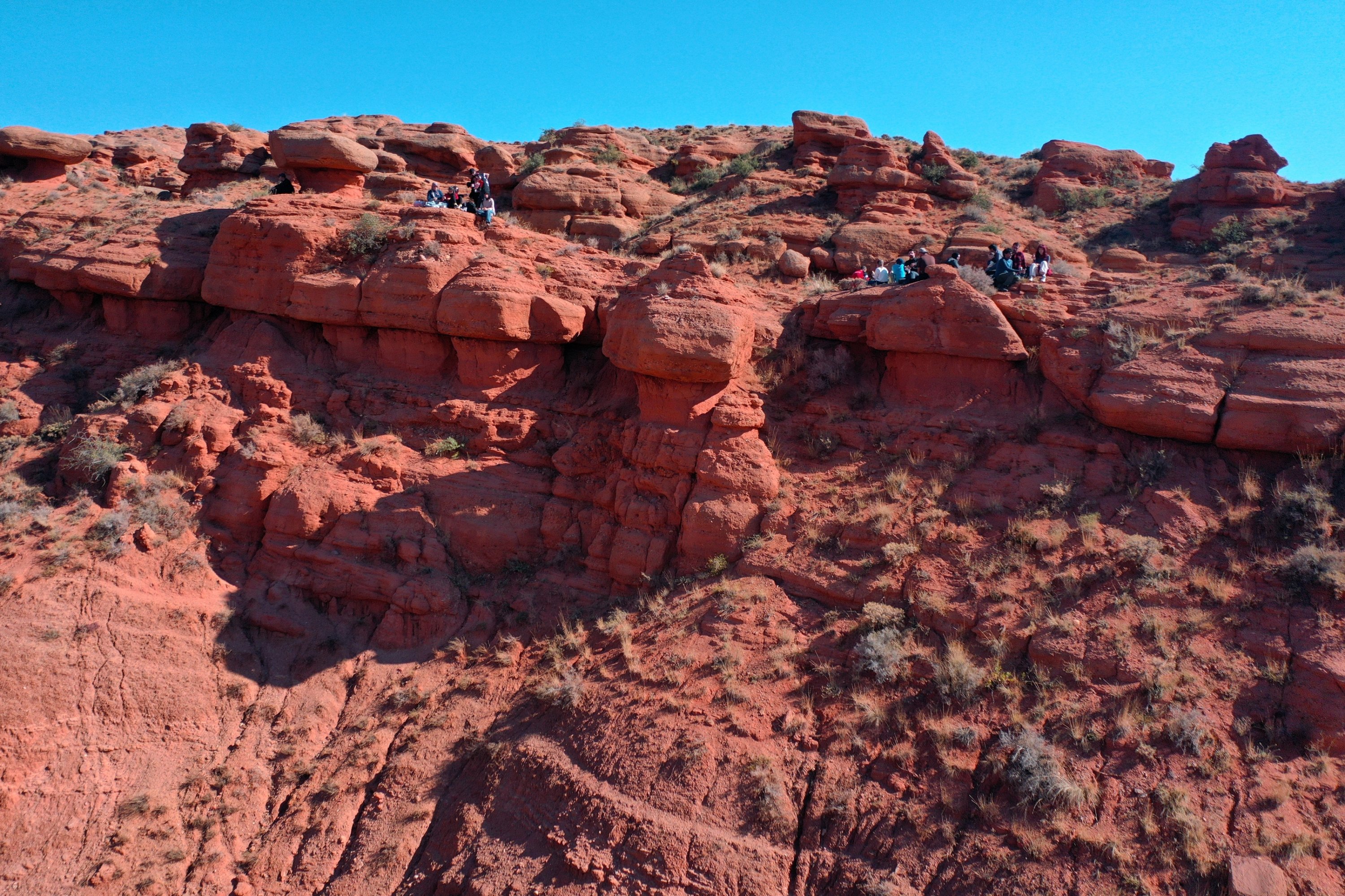
Bayam’s Red Badlands in Kağızman, located in eastern Türkiye’s Kars province, are attracting nature lovers and photography enthusiasts with their reddish rocks and unusual geological formations.
Resembling Arizona’s canyons in the United States, the area has the potential to become a new destination for hiking and photography enthusiasts.
Located between the villages of Kötek and Bayam, the Bayam Red Badlands offer visitors a striking landscape shaped by natural erosion, with distinctive rock formations and reddish hues.
The area is gaining recognition through hiking trips organized by nature groups, emerging as a potential destination for nature tourism.
Hikers exploring the region have the opportunity to take a closer look at natural rock formations believed to be millions of years old.
Mushroom-shaped rock formations rise from the reddish landscape of the Bayam Red Badlands, Kars, Türkiye, Oct. 18, 2026. (AA Photo)
Mushroom-shaped rocks
Rising above layers of fine sand, mushroom-shaped rocks and formations sculpted into unusual shapes also make the area an appealing destination for photography enthusiasts.
Adem Süleyman Güzel, head of the Kağızman Teachers’ House Sports Club, told Anadolu Agency (AA) that they organize activities to promote Kağızman’s natural and historical heritage to visitors. He said wind and floodwaters had eroded the rocks, creating striking mushroom-shaped formations and other unusual structures.
“We want to introduce the natural beauty and history of our hometown to those visiting the district,” he said.
Haşim Kaya, who joined a hike in the area, said the group organizes hiking trips every week.
Haşim Kaya described the Bayam Red Badlands as a magnificent natural landscape, comparing parts of the area to Arizona’s canyons and highlighting its mushroom-shaped rock formations.
“We welcome all nature lovers to Kağızman,” he said.
Derya Bektaş, one of the hikers, said the group had added the Bayam Red Badlands to its hiking route, describing it as a must-see destination with beautiful natural scenery.
“We get to discover the natural beauty of our hometown during our hikes, which also include various activities,” she said.
The Daily Sabah Newsletter
Keep up to date with what’s happening in Turkey,
it’s region and the world.
SIGN ME UP
You can unsubscribe at any time. By signing up you are agreeing to our Terms of Use and Privacy Policy.
This site is protected by reCAPTCHA and the Google Privacy Policy and Terms of Service apply.
After travelling more than 20 hours by air from Australia, Anne Boland arrived to find the Louvre shut behind barricades, prompting her to offer a piece of advice to tourists planning a trip to Paris.
“Stay home!” the 73-year-old pensioner told Agence France-Presse (AFP) on Monday outside the world’s most visited museum, after a weekend of unrest that rocked some of the French capital’s most iconic streets and squares.
She was one of thousands of visitors scrambling to navigate the City of Light as marches, traffic delays and wafting tear gas snarl the capital’s 14-billion-euro ($16-billion) tourism industry.
A small group of protesters was blocking the entrance to the Louvre’s famous glass pyramid, following days of mass protests that also spilled into some of the worst street violence France has seen in recent years.
Cycling through the city the day before, expecting charming Haussmann buildings, mansard roofs and corner cafes, Peter, a Dutch tourist, found himself touring a “war zone”.
“It was terrible – debris from fires everywhere, glass on the pavement,” the 63-year-old, who declined to give his last name, said.
Some shrugged off the disruptions. But almost all seemed caught off guard upon arriving at the Louvre, their plans suddenly cancelled.
Turned away, many resorted to selfies and photos in front of the former palace.
Roughly half a million people turned out across France on Saturday to denounce the surging cost of living, a culmination of earlier protests led by high school students demanding better conditions at their schools.
The Yellow Vests movement, which organized the weekend’s rallies, has called for more protests this coming Saturday, as the government mulls partial, targeted curfews.
‘A disaster’
The closure of the Louvre meant just one more detour for Anne and her husband Pat Boland, also 73, whose airline lost their luggage during the voyage.
“It’s just a disaster,” said Pat with a laugh.
“We were here at this exact spot seven years ago, and the queues were too long,” said Anne.
Having visited the museum twice, she’s yet to go inside.
“We don’t want to get involved. We want to stand back and get away from them,” Pat said of the protests.
“But we don’t want to go against them either,” Anne hastened to add, noting a trend of cost-of-living protests cropping up across the world recently, including in Ireland and Australia.
At the weekend, taxi drivers at Charles de Gaulle airport warned arriving passengers that they might not be able to make it to their destination if protesters blocked their routes.
A headline in a newspaper in Wales, in the U.K., wondered if France would be safe for families to visit for the upcoming school holiday, and the U.S. embassy called on its nationals to exercise caution.
But many in the city carried on in typical Parisian style: a video broadcast by America’s CBS news showed a couple drinking on a city terrace, unfazed by a nearby fire in the road.
“We haven’t seen anything concerning,” said Glenda Manna, 62, a university professor in town from the U.S.
But as the protests capture the attention of news channels – and politicians – around the world, there are incessant messages from family members back home pleading with them to “tell me you’re safe,” added her mother, Dorothy Hill, 82.
The Daily Sabah Newsletter
Keep up to date with what’s happening in Turkey,
it’s region and the world.
SIGN ME UP
You can unsubscribe at any time. By signing up you are agreeing to our Terms of Use and Privacy Policy.
This site is protected by reCAPTCHA and the Google Privacy Policy and Terms of Service apply.
The 2,000-year-old Basilica Therma Roman Bath in the Sarıkaya district of Yozgat, central Türkiye, is welcoming visitors in the evening following upgrades to its lighting and the opening of a cafe where guests can relax.
Listed on UNESCO’s Tentative List of World Heritage Sites, the historic bath draws attention for its Roman-era architecture and thermal waters, which reach temperatures of around 50 degrees Celsius (122 degrees Fahrenheit).
According to local legend, the site became known as “Kral Kızı,” or “King’s Daughter,” after the ailing daughter of a king who lived in Kayseri during the Roman period recovered her health in its thermal waters. Today, the structure is among the district’s major tourist attractions.
As part of a project supported by the Culture and Tourism Ministry and the Yozgat Governor’s Office, Sarıkaya Municipality took over the operation of the cafes located next to the Roman bath.
Additional lighting has also been installed, allowing visitors to explore the historic site in the evening.
Efforts are continuing to secure a place for the Roman bath on UNESCO’s permanent World Heritage List after it was added to the tentative list in 2018. Improvements are also underway in the surrounding area.
Plans include developing a shopping center in front of the bath where visitors can shop and purchase locally made souvenirs. Facade renovation work is also continuing along Marangoz Street in the district.
Mustafa Savran, who visited the Roman bath after traveling from Adana, told Anadolu Agency (AA) that he was impressed by the site’s nighttime atmosphere and lighting.
Savran said he was surprised to discover such an attraction in the district.
“When we arrived, we learned that there was a Roman bath here. They have set up a tea garden, and they have provided a wonderful service. We had tea, and the view is beautiful. It is also nice to be surrounded by historical monuments,” he said.
“We did not expect to find something like this in Sarıkaya, but we really liked it. It is a lovely setting. The nighttime atmosphere is especially beautiful, although it has a different charm during the day,” he added.
Akın Çiftçi, a lawyer who practices in the district, said the new lighting and cafe had made it possible for him to spend time at the site with friends and visitors. He thanked those involved in the improvements.
Mustafa Dalkıran, a Turkish expatriate who returned to his hometown from Bochum, Germany, also praised the site.
“It is an excellent place. It is a source of pride that such a historic monument, dating back around 2,000 years, is located in our country,” he said, adding that he was interested in historical sites and regularly watched documentaries about them.
“The place has turned out beautifully. The lighting and the view created by the water are particularly peaceful,” he said.
The Daily Sabah Newsletter
Keep up to date with what’s happening in Turkey,
it’s region and the world.
SIGN ME UP
You can unsubscribe at any time. By signing up you are agreeing to our Terms of Use and Privacy Policy.
This site is protected by reCAPTCHA and the Google Privacy Policy and Terms of Service apply.
The resort town of Bodrum in southwestern Türkiye is maintaining tourism activity during the autumn “yellow” summer season with festivals, sporting events and fairs following the peak summer months.
The term “yellow summer” refers to the period between summer and autumn, when mild weather and warm sea temperatures remain suitable for swimming.
Bodrum Mayor Tamer Mandalinci told Anadolu Agency (AA) that events aimed at extending the tourism season had gained momentum in October.
The Bodrum Fish Festival and the ninth International Bodrum Half Marathon, which attracted about 2,650 athletes from 23 countries, have helped boost activity in the town, Mandalinci said. The half marathon generated visitor traffic of about 10,000 people, he added.
Mandalinci said the town aimed to attract visitors throughout the year rather than limit tourism to the summer months, with gastronomy, cultural, environmental and sporting events.
“We want to welcome our guests in Bodrum for 10 months of the year, as the town remains clean, well-organized and highly suitable for visitors,” he said.
The municipality is also working to bring historical landmarks into the tourism sector. Plans include restoring historic structures, such as windmills and Aya Nikola, and opening them to visitors, Mandalinci said.
The goal is to extend the tourism season to six months initially, then nine months and eventually the entire year, he added.
Events support hotel occupancy
Ömer Faruk Dengiz, head of the Bodrum Hoteliers Association (BODER), said events held in autumn were having a positive impact on accommodation businesses.
Events such as the Boat Show, the Bodrum Cup and the half marathon were contributing to tourism activity, Dengiz said.
Domestic air travel demand remains strong, while cruise ship calls are scheduled to continue through Nov. 5, he added.
“Yellow summer suits Bodrum very well,” Dengiz said.
Yiğit Girgin, Bodrum representative of the Professional Hotel Managers Association (POYD), said tourism activity, which had slowed after schools reopened, was picking up again thanks to the autumn events.
Festival programs have brought more activity to the town center and hotels, while keeping more businesses open during the winter months has helped support employment, Girgin said.
Tourism professional and hotel operator Kemal Özyurt said sporting and cultural events were enabling hotels to continue operating during the winter season.
About 800 athletes are expected to take part in a rowing festival scheduled for November in Bitez, he said. Accommodation demand generated by football, basketball and volleyball matches is also supporting hotels.
Özyurt said such events had allowed his hotel to remain open throughout the year and that efforts to extend the tourism season would continue.
The Daily Sabah Newsletter
Keep up to date with what’s happening in Turkey,
it’s region and the world.
SIGN ME UP
You can unsubscribe at any time. By signing up you are agreeing to our Terms of Use and Privacy Policy.
This site is protected by reCAPTCHA and the Google Privacy Policy and Terms of Service apply.
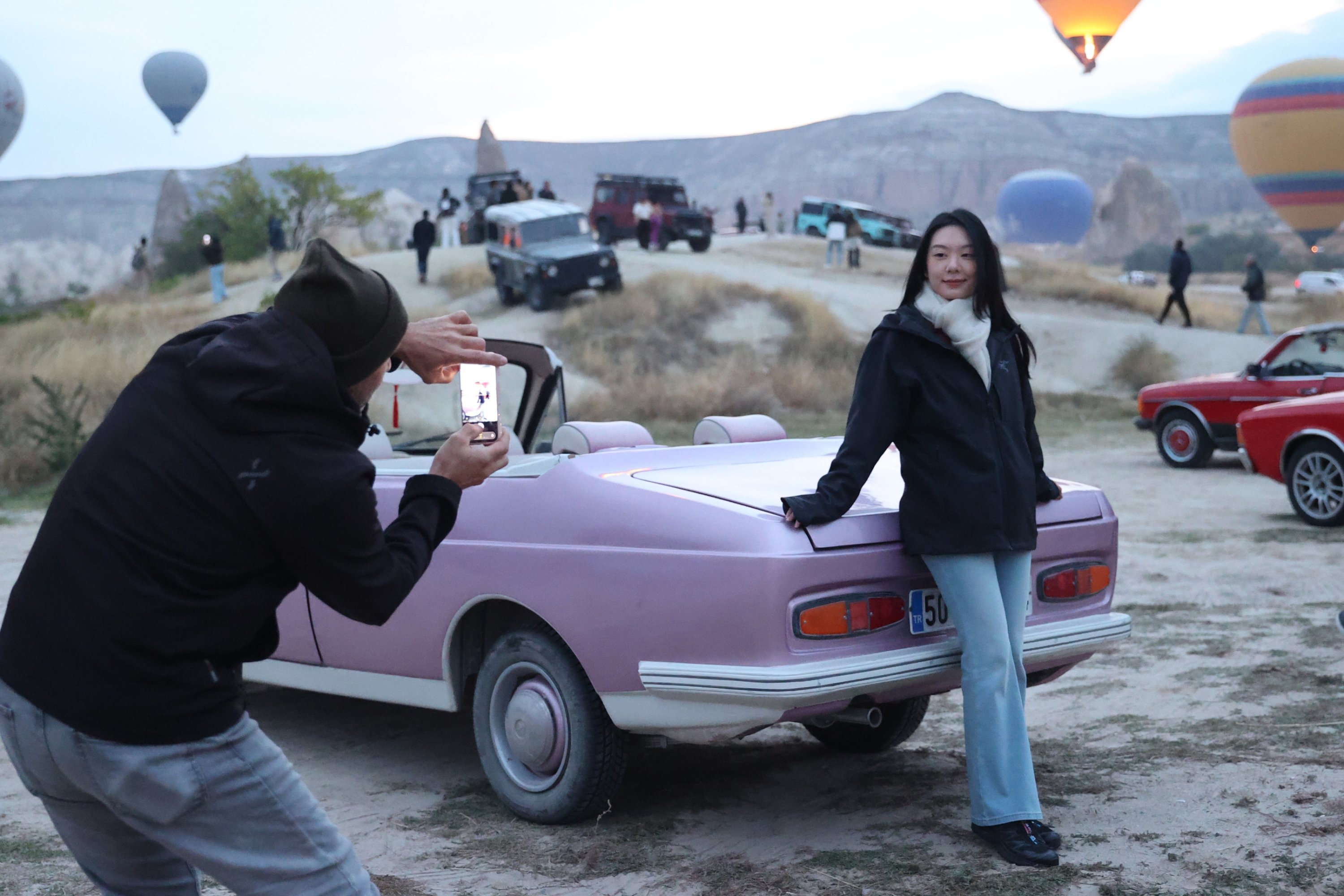
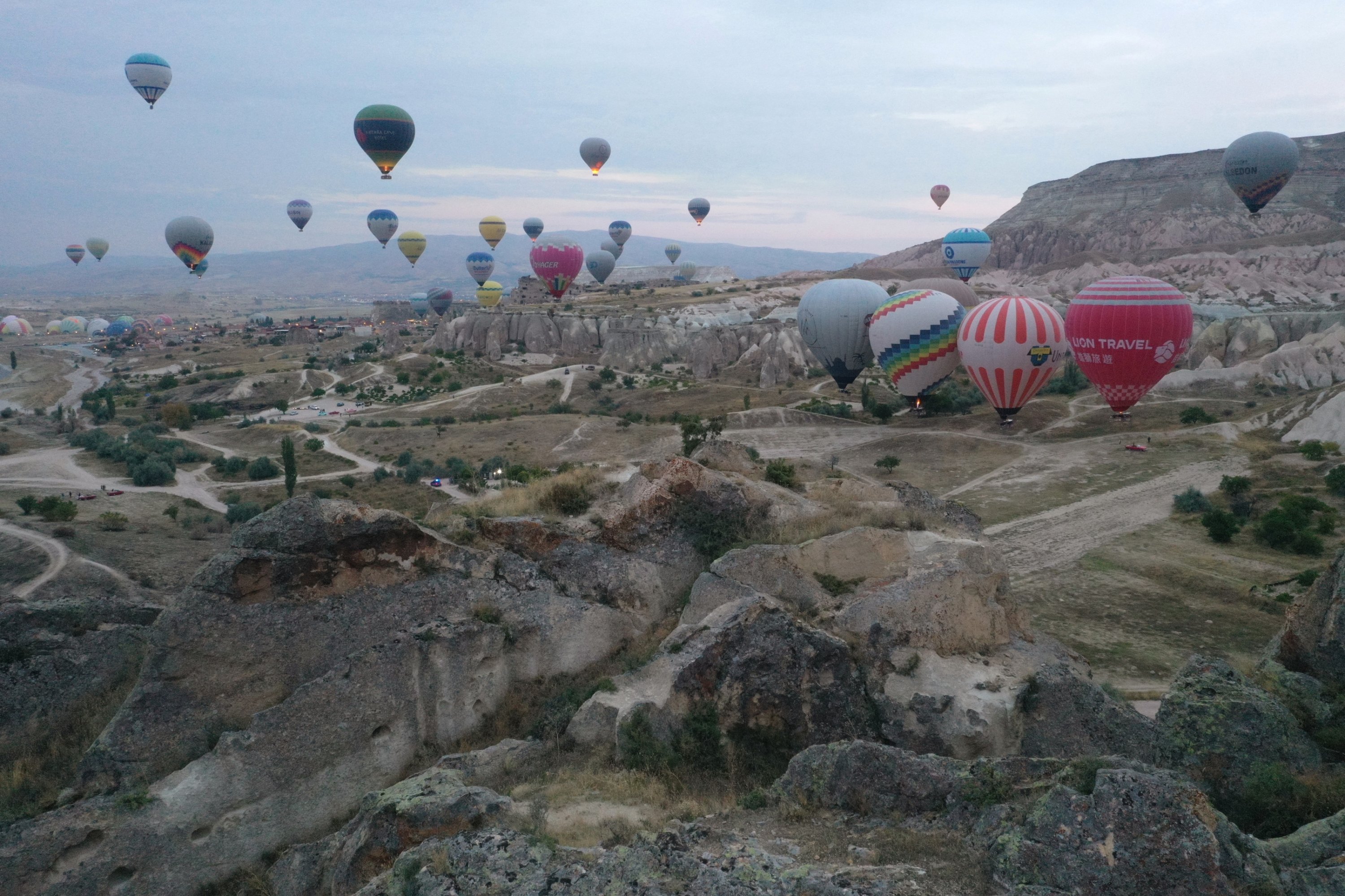
Tourism activity has picked up in Cappadocia in central Türkiye as visitors from East Asia flock to the region in autumn, taking part in a range of activities in the UNESCO World Heritage Site.
Chinese tourists taking advantage of the Oct. 1-7 public holiday known as the “Golden Week,” marking the anniversary of the founding of the People’s Republic of China, as well as visitors from other East Asian countries, have been exploring Nevşehir’s Cappadocia, known for its fairy chimneys and striking natural rock formations.
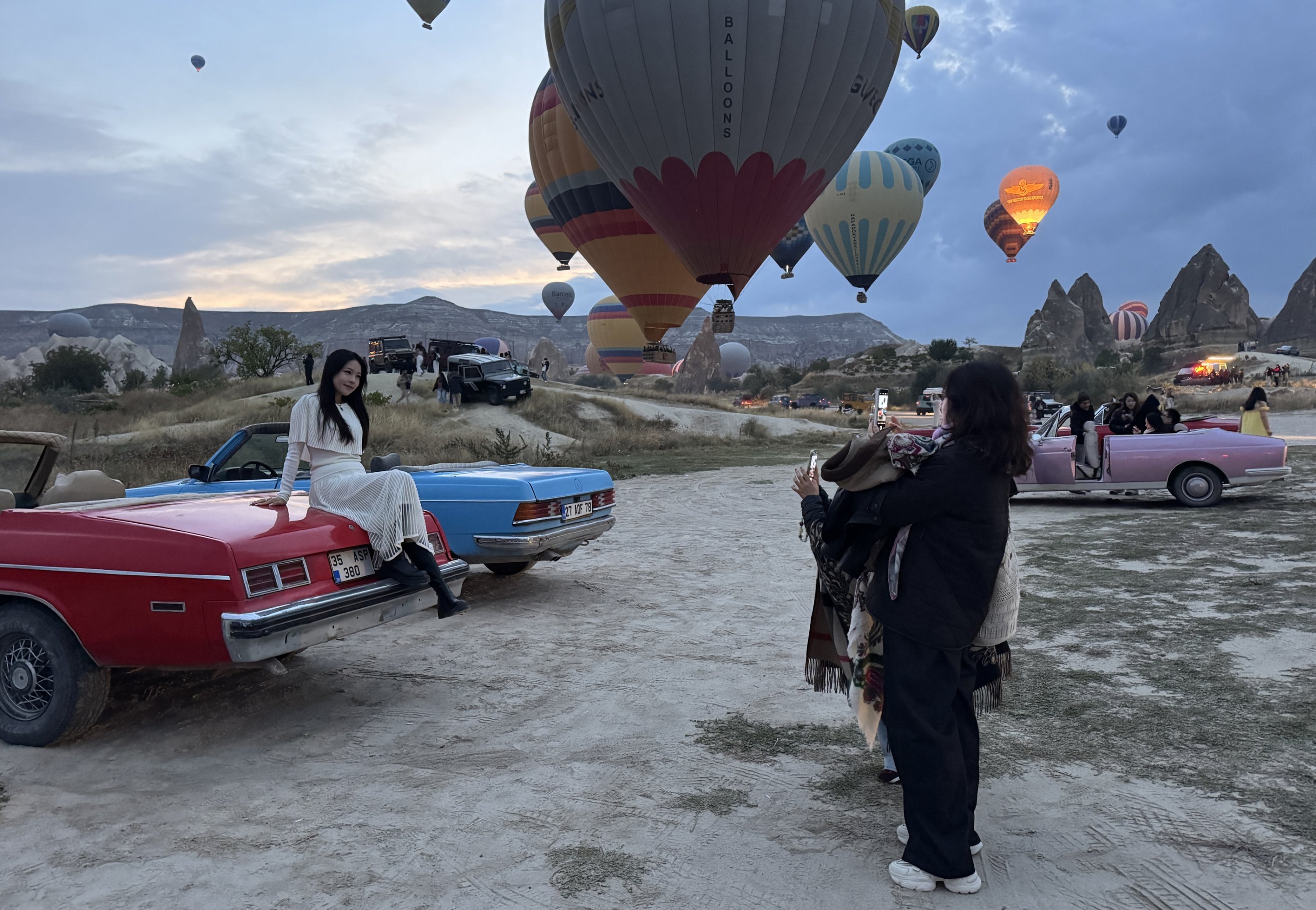
Some tourists take in the region’s natural, historical and cultural attractions from above on hot air balloon rides, while those who do not join the flights take photos of the balloons from viewpoints and valleys and participate in ATV and horseback riding tours.
A visitor takes photos as hot air balloons rise over Cappadocia, central Türkiye, Oct. 6, 2026. (AA Photo)
The influx of East Asian visitors begins before sunrise and continues throughout the day, with hotels, museums and underground cities across the region seeing increased activity.
Impressed by Cappadocia
Indonesian tourist Eda Dewi, who joined a hot air balloon tour, told Anadolu Agency (AA) that it was her first time visiting Cappadocia and that she was impressed by the region.
“Cappadocia is a wonderful tourism destination. The view created by the balloons is even more beautiful,” she said.
Singaporean tourist Chloe Lim said she was making beautiful memories with her friends during their trip and was excited and happy to take part in a balloon tour.
Hot air balloons rise over Cappadocia, central Türkiye, Oct. 6, 2026. (AA Photo)
Chinese tourist Fang Mei Son said she had been interested in and curious about Cappadocia for many years and that she loved Türkiye.
Hot air balloon pilot Tolga Eke said East Asian tourists had boosted tourism activity in the region in recent weeks.
“Our East Asian guests have always been interested in Cappadocia. However, the number of visitors is increasing every day. They prefer these tours because watching the fairy chimneys from the sky is a fascinating experience,” he said.
Mehmet Dinler, owner of a group of companies providing accommodation and hot air balloon services in the region, said balloon tours had become one of the signature products of Turkish tourism.
Noting that hotels and balloon tours were experiencing occupancy rates close to 100%, Dinler said: “We are very lucky to live in a region where tourism is possible year-round. October is one of Cappadocia’s golden months. During this peak period, we also received high demand from China on top of the existing demand due to the Golden Week holiday celebrated in China from Oct. 1-7.
Visitors take photos as hot air balloons rise over Cappadocia, central Türkiye, Oct. 6, 2026. (AA Photo)
“Our hotels were nearly 100% full during the first week of October. The hotel occupancy rates were also reflected in balloon tours. In Cappadocia, a guest who takes a balloon tour one day often rushes to sunrise viewpoints the next day to watch this fairytale-like scenery. It would not be an exaggeration to say that there is a festival atmosphere in Cappadocia every morning.
“Markets such as Japan, South Korea, China, Singapore, Malaysia and Hong Kong are very important to us and are among the region’s leading source markets. We expect greater support from these markets, particularly during the winter months. We believe the Chinese market’s growth momentum will continue during the winter season as flight frequencies between China and Türkiye increase.”
Dinler also said promotional activities carried out by the Ministry of Culture and Tourism around the world were making a significant contribution to tourism.
The Daily Sabah Newsletter
Keep up to date with what’s happening in Turkey,
it’s region and the world.
SIGN ME UP
You can unsubscribe at any time. By signing up you are agreeing to our Terms of Use and Privacy Policy.
This site is protected by reCAPTCHA and the Google Privacy Policy and Terms of Service apply.
As a journalist with a deep interest in cultures and civilizations around the world, and a long travel bucket list, I have to be honest: China wasn’t exactly at the top of my list of countries I wanted to visit.
I knew China through the dozens of dynasties whose names I struggled to distinguish in my college Chinese history class, its vast population and low-cost products, and its rise to global leadership through the economic and technological strides it has made in recent years. However, I hadn’t made any particular effort to learn more about the country beyond what my profession required.
As I shared with our readers last week, I traveled to China for two weeks to participate in a program organized by the Global Development Promotion Center (GDPC), under the China International Development Cooperation Agency (CIDCA). Looking back now, I’m amazed at how much my views have changed.
But before getting to the conclusions, I’d like to share some observations from the program that gave me the opportunity to get to know the country firsthand.
Chinese development model
During the program, we underwent intensive training on a wide range of topics, from China’s social structure and the economic development strategies to poverty alleviation policies, urban and rural planning designed to coexist with the ecosystem, and the country’s latest technological initiatives.
In other words, the program sought to present China from its own perspective, as if telling participants from Global South countries: “You don’t know China well enough. Come and see for yourself.”
In addition to the program’s broader narrative on China, it also had a more specific focus. As the program’s title, “Seminar on the Chinese Local Development Practice of Xi Jinping Thought on Socialism with Chinese Characteristics for a New Era,” suggests, its primary objective was to introduce to us the development policies and practices that Xi Jinping pursued in the regions where he held various provincial-level leadership positions before becoming General Secretary of the Communist Party of China in 2012.
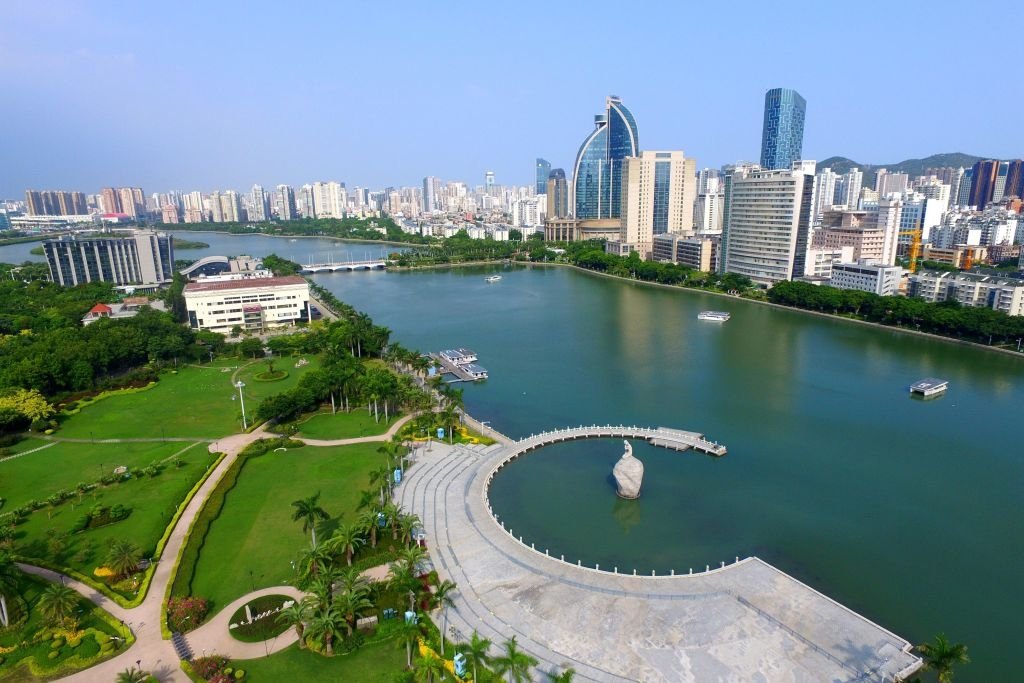
Aerial view of Yundang Lake, Xiamen, Fujian Province, China, August 24, 2020. (Getty Images Photo)
Fujian: Clash of history vs. modernity
The program began in Xiamen, President Xi’s first posting in Fujian Province, where he held office from 1985 to 2002.
Located in the Taiwan Strait, Xiamen also featured prominently in our program as one of the four Special Economic Zones (SEZs) established by China in 1980 following the launch of the opening-up policy in 1978.
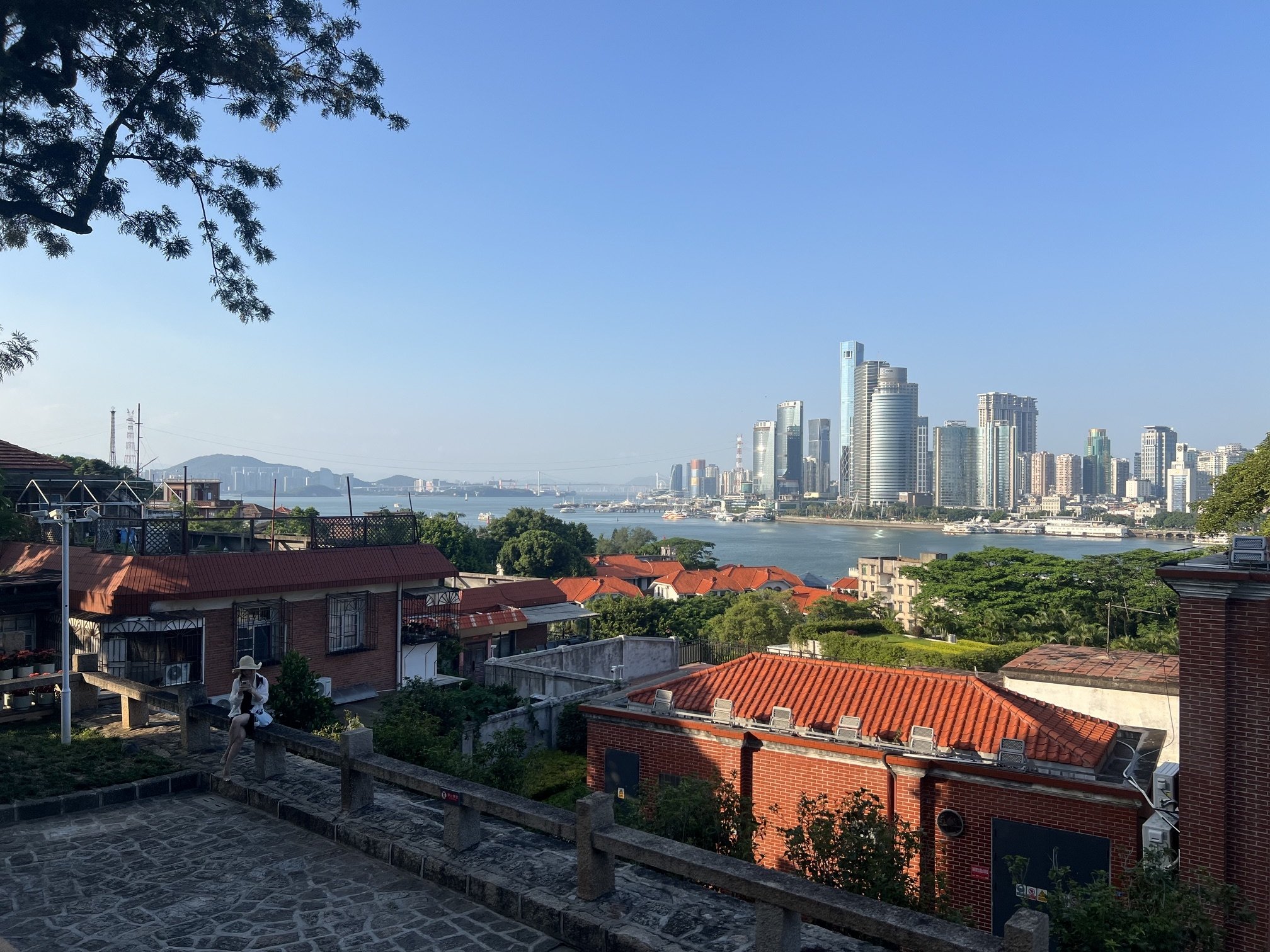
Situated on an island embraced by the mainland on one side and the sea on the other, the city of Xiamen left a lasting impression on me with its unique geography, lush vegetation enveloping it like ivy, and sweltering monsoon climate.
However, what stood out to me most in Xiamen was the urban transformation the city had undergone since 1988. We heard from experts how a small, impoverished settlement, once polluted by heavy industrial waste, had been rehabilitated and developed through sound municipal policies. The fact that Xiamen is now a globally recognized example of marine restoration and, moreover, has become China’s eighth and the world’s 13th largest container port, was one of China’s urban planning successes.
Xiamen Island seen from Gulangyu Island, Xiamen, Fujian Province, China, Sept. 10, 2026. (Photo by Daily Sabah’s Opinion Editor Ayşe Begüm Gürkan)
Our next stop, Jinjiang, however, showed me the other side of China’s urbanization strategy, in a somewhat bittersweet way.
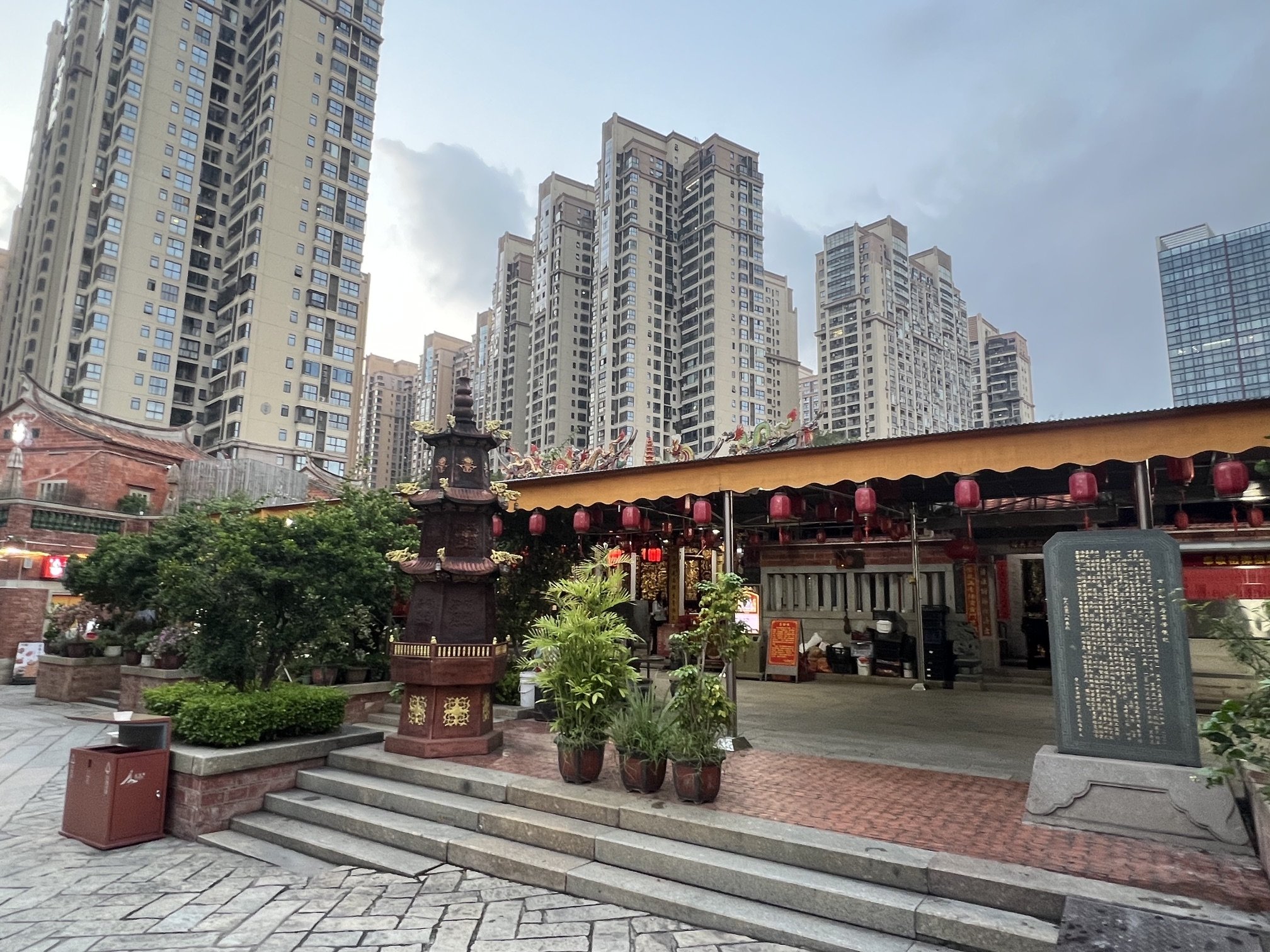
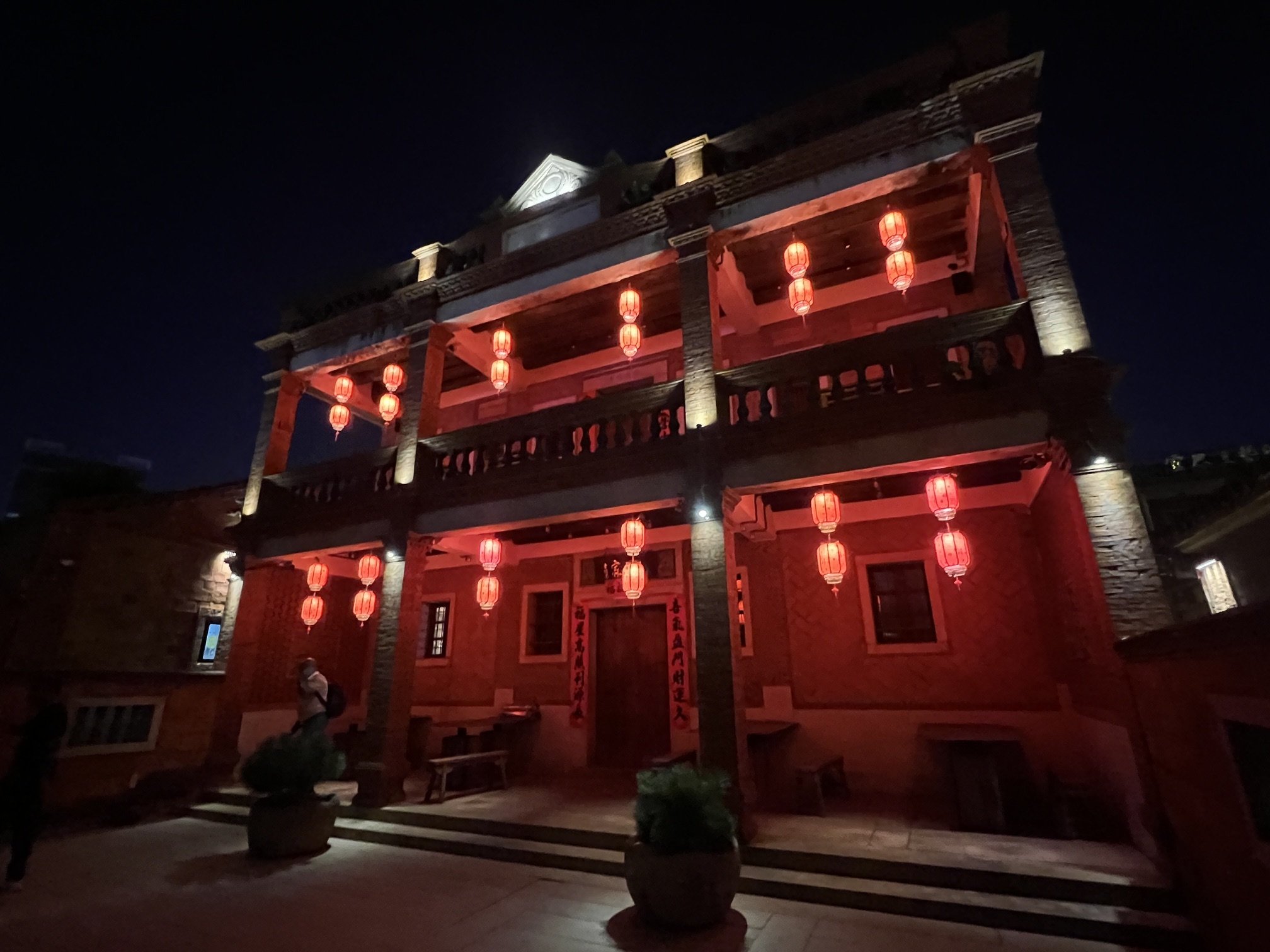
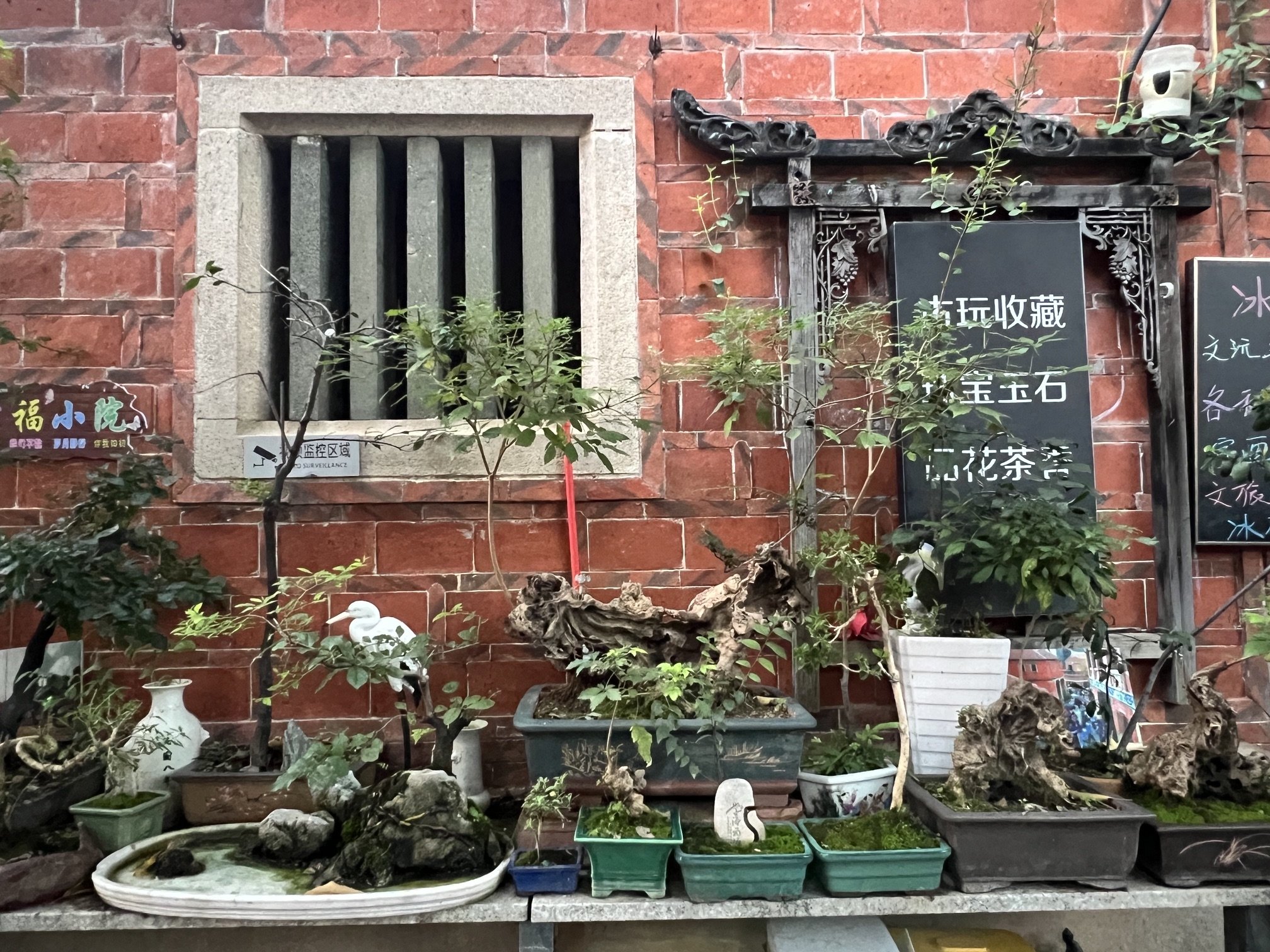
Nestled among apartments that rose like skyscrapers, the historic city center “Wudianshi Traditional Blocks,” founded during the Tang Dynasty (7th-10th centuries), seemed like the last bastion of civilization and culture resisting cold and pragmatic modernity.
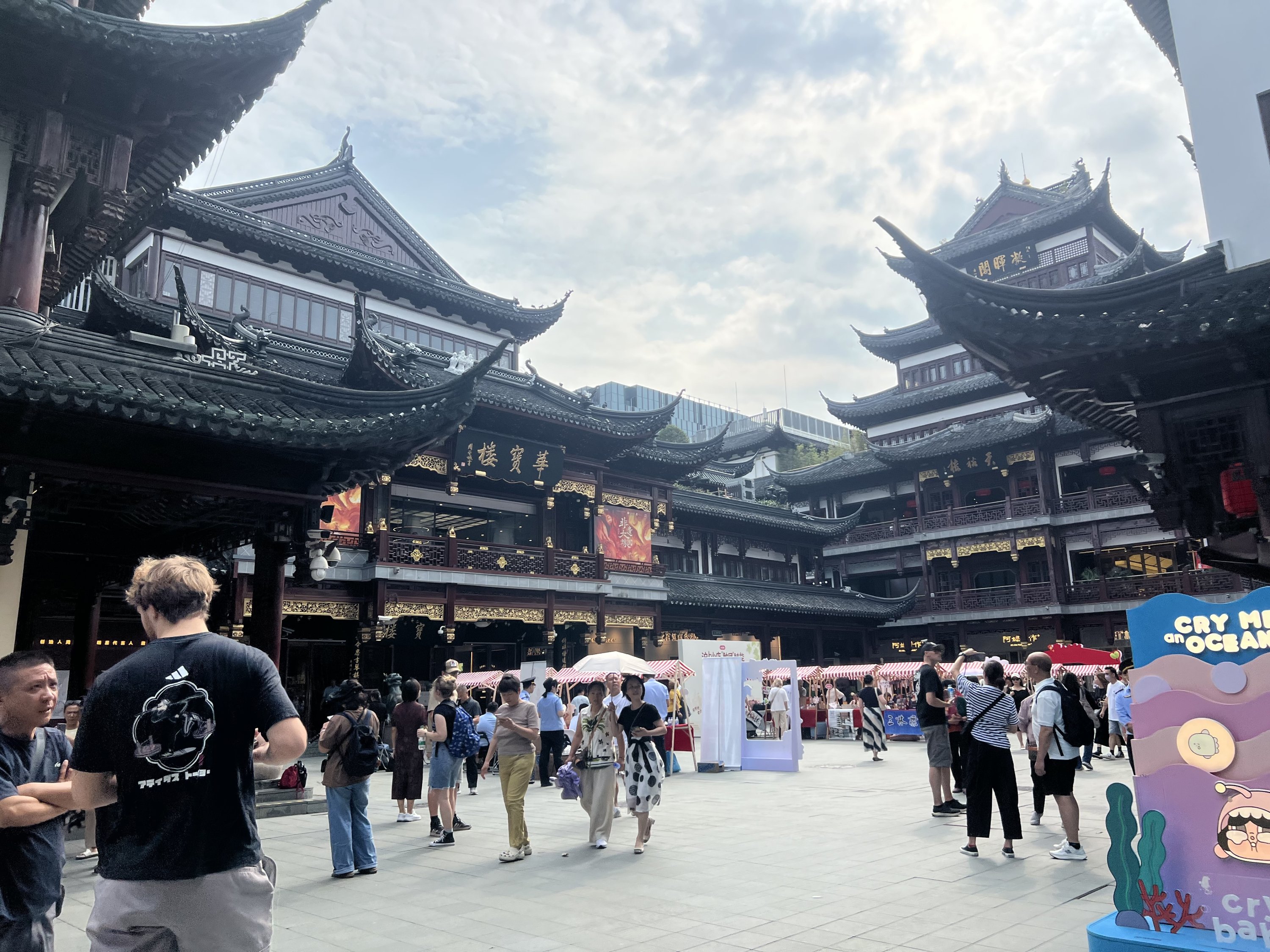
I would encounter a similar scene in Shanghai’s Old City district, which I explored on my own before I departed China. Feeling the elegance of a civilization spanning thousands of years at Yuyuan Garden, and seeing that this historical fabric had been restored and preserved, even if only within a limited area, brought me some comfort. Because just a few streets away, many more crumbling old buildings were waiting to be demolished amid massive construction sites.
Indeed, in the cities we visited, apart from a few exceptional areas where traditional architecture was preserved, history was simply gone. Instead, we encountered countless apartments constructed with functionality as the sole priority.
However, China’s recent history makes it easier to understand why this results-oriented approach to development took precedence over the preservation of its historical and cultural fabric.
Traditional buildings stand among modern apartments at Wudianshi Traditional Blocks, Jinjiang, Fujian Province, China, Sept. 9, 2026. (Photo by Ayşe Begüm Gürkan)
According to data from the Chinese Ministry of Foreign Affairs and the National Bureau of Statistics, when the country decided to open up to the outside world in 1978, 97.5% of China’s rural population was living below the poverty line.
In response, the Chinese government launched comprehensive anti-poverty policies. Ministry reports indicate that by 2020, 832 impoverished counties and 128,000 impoverished villages had been lifted out of poverty. During this period, millions of people living in harsh conditions in rural areas were relocated to newly built apartment complexes.
Data from the World Bank further illustrates the scale of this transformation. Over the past 40 years, the number of Chinese living below the international poverty line has decreased by approximately 800 million. This figure accounts for roughly three-quarters of the total global decline in extreme poverty during the same period.
Of course, in achieving this, China had to act as quickly and effectively as possible. According to the World Bank, while China lifted an average of more than 12 million people out of poverty each year, its economy grew at an average annual rate of 8.1%.
At our next stop, we would learn how China sought to maintain a balance between urban and rural areas while this growth was taking place.
Zhejiang: Industrial cities, pilot villages
We began our exploration of Zhejiang Province, where Xi served from 2002 to 2007, by visiting the cities of Hangzhou and Yiwu, which have become hubs for industry, trade and digitalization.
Here, I would like to share my experience at the Yiwu International Trade City.
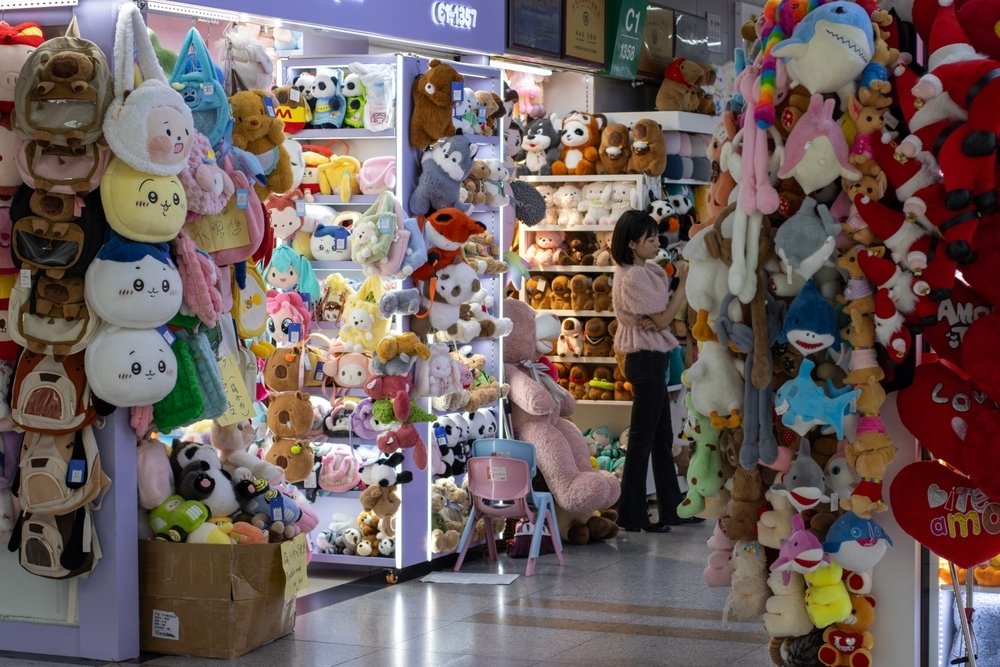
Yiwu, which opened up to foreign investment after the 1980s and developed into an international business hub, is also known as the “world’s largest wholesale market for small commodities.” According to data released by the Chinese government, despite having a population of just 2 million, the city’s foreign trade volume reached 836.5 billion yuan in 2025.
Official sources indicate that the Yiwu market spans over 8 million square meters with 80,000 booths, offering 2.1 million products across 26 commodity categories. The city attracts 210,000 daily visitors and 500,000 foreign buyers annually.
The toy section in Yiwu International Trade Market, Yiwu City, Zhejiang Province, China, Oct. 9, 2024. (Shutterstock Photo)
Here, we were about to explore the first of the five market districts. Driven by my professional curiosity and observational instincts, I decided to do precisely what the organizers had warned us against: get lost. So, I headed toward the farthest reaches of this wholesale shopping center, where an endless array of hair clips, trinkets, toys, and small household items are sold.
This three-hour labyrinthine experience evoked very complex emotions in me. On the one hand, there was the sense of alienation and numbness that comes from being constantly exposed to more products than the eye can possibly take in. On the other hand, there was the chill I felt upon realizing that nearly everything we use in our homes and in our daily lives is produced in China.
Seeing this small commodities market with my own eyes helped me better understand the urban side of China’s rapid economic growth. But there was also a rural side to it.
Like many countries undergoing rapid development, China faced the challenge of rural-to-urban migration, which gradually depopulated rural areas.
To address this problem, the government launched the “Ten Thousand Villages Project” in 2003, which became one of Zhejiang’s major rural development initiatives. In addition to improving living conditions and the rural environment, the project aimed to limit migration to cities by preserving the role and importance of agriculture.
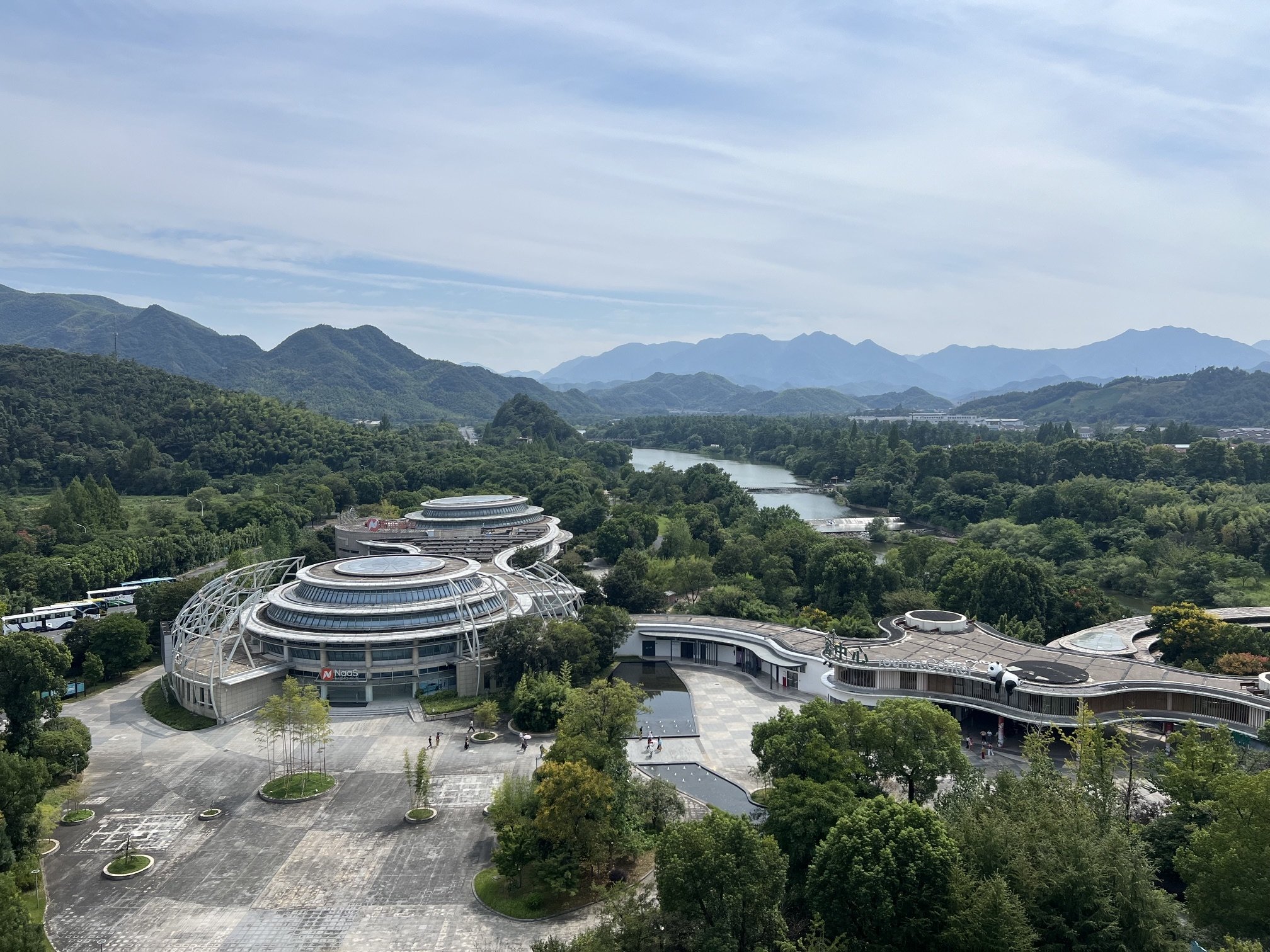
The Anji Bamboo Museum sits among surrounding bamboo forests, Zhejiang Province, China, Sept. 15, 2026. (Photo by Ayşe Begüm Gürkan)
According to official figures, in 2003, fewer than 4,000 of Zhejiang’s approximately 40,000 villages were considered to have good environmental conditions. By the end of 2022, following the launch of this project, approximately 36,000 villages, more than 90%, had met the “beautiful village” standards. During the same period, per capita income in rural areas rose from 5,431 yuan to 37,565 yuan.
To visit the villages in question, we finally left our classrooms and the city behind and set out for the Mount Mogan region, surrounded by lush bamboo forests.
However, one shouldn’t expect to find the kind of picturesque settlements that typically come to mind when one thinks of a “village.” Meilin, Lizu, Yucun and Wusi, some of the best-known pilot villages of the project, also known as the “Green Rural Revival,” looked strikingly modern to my eye. These were not villages preserved in time or naturally evolved over generations, but rebuilt communities designed to function around the practical needs of contemporary life.
We saw firsthand how these villages became models for the country, revitalized through local industries and new economic activities.
Shanghai: Tech, image shift
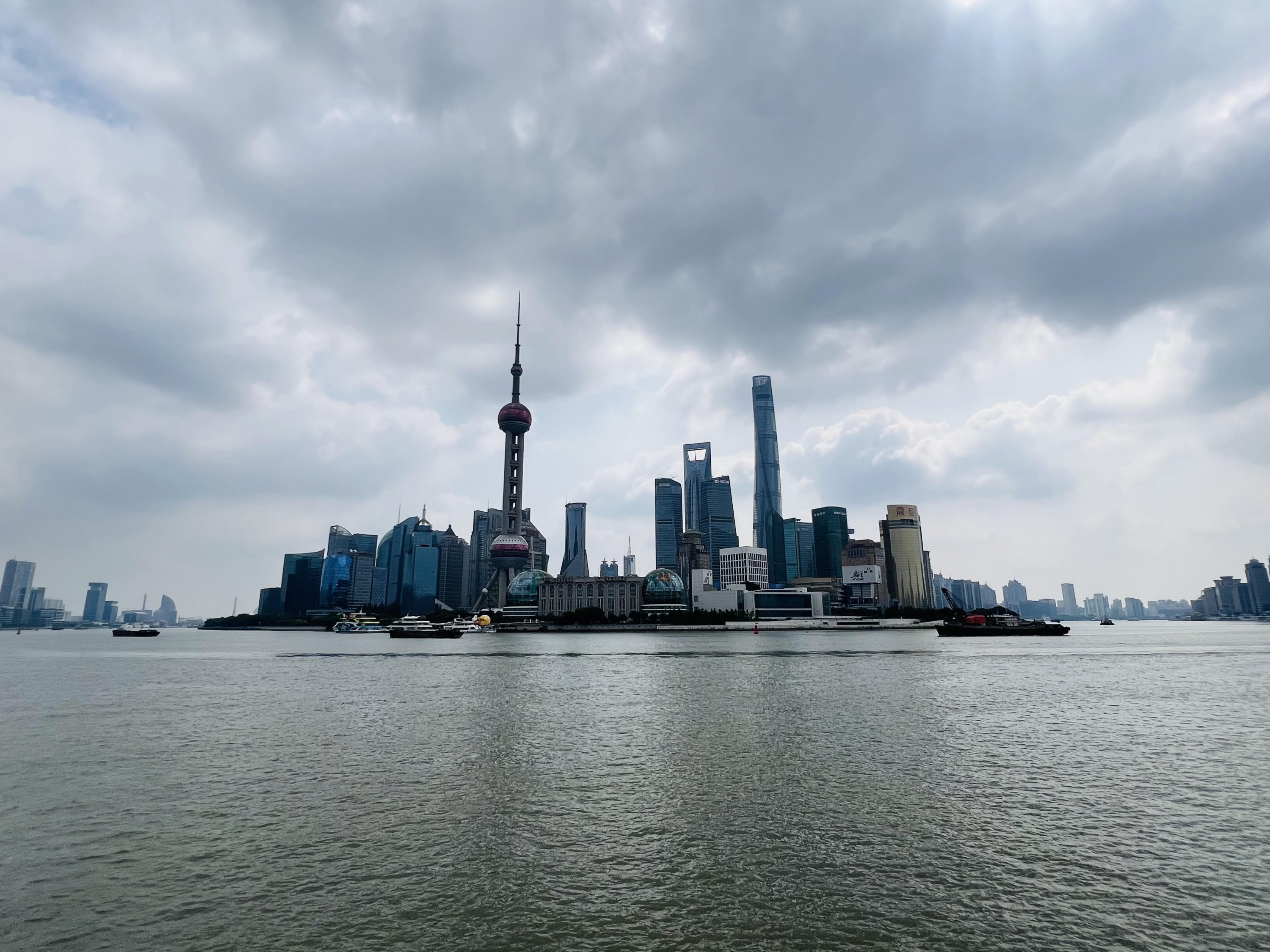
Our final stop was Shanghai, where Xi briefly served in 2007. Its Pudong district was transformed into a special economic zone in 1990, and the city is now one of China’s largest economic hubs, with a population of 24 million.
During the final days of our program, we learned how cutting-edge technology – perhaps one of the most important issues of our time – is being integrated into urban planning and daily life in China, as well as about the latest developments in artificial intelligence. These compelling topics provided a fitting conclusion to the program, offering us a glimpse into how China may shape both its own future and that of the world.
But shaping the future requires not only shaping politics, the economy, and technology, but also changing perceptions.
The conversations we had while watching Shanghai’s glittering nightscape from a boat on the Huangpu River and during our farewell dinner the following day revealed something simple: we realized that, to some extent, our views of China had shifted. The sense of foreignness and the unknown had given way to a desire to get to know China, understand it, and engage in dialogue.
As I set off for Istanbul, I found myself thinking that I needed to revisit the books on China I hadn’t touched since college. I was also saddened by the thought that I wouldn’t be able to enjoy lotus root dishes, walnut buns, and steamed brown sugar cakes for a long time. I had already made a long list of cities I wanted to visit on my next trip.
My experience was, of course, only one personal encounter with China. But it reminds us how different a country can feel when you move beyond how you have imagined it and experience it for yourself.
China still has a long way to go in changing global perceptions of itself. But it is clear that the country is determined to make rapid progress in this regard.






 Economy2 days ago
 Economy2 days ago
 Politics3 days ago
 Sports2 days ago
 Politics1 day ago
 Economy3 days ago
 Politics3 days ago
 Politics2 days ago