
Economy
12 countries move to restrict trade with illegal Israeli settlements

Eleven European countries and Canada announced plans Tuesday to impose national restrictions on trade in goods with illegal Israeli settlements, French Foreign Minister Jean-Noel Barrot said, stepping up economic pressure over Israel’s unlawful settlement expansion.
“Today, France, the United Kingdom, Canada, Denmark, Spain, Finland, Ireland, Iceland, Norway, Poland, Portugal and Sweden confirm their intention to impose national restrictions on trade in goods with settlements that are illegal under international law and/or to support European restrictions to this effect,” said a joint declaration issued by Barrot.
The statement reaffirmed that the 12 countries are “seriously considering” adopting such restrictions or other measures in accordance with their national procedures.
“In this regard, France, the United Kingdom and Canada welcome the significant measures already taken by Ireland, Spain, the Netherlands, Norway and Belgium, and will propose national measures to prohibit trade in goods originating from settlements,” it added.
The declaration decried actions taken by the Israeli government in the West Bank that undermine the possibility of a two-state solution.
“The situation is rapidly deteriorating as settler violence and settlement expansion have reached unprecedented levels, including the unacceptable decision to issue tenders for the E1 settlement project,” it underscored.
They also stressed the need for protecting the possibility of a two-state solution and vowed their determination to work for a just and lasting peace.
“We firmly oppose any action resulting in the annexation of Palestinian land and the forced displacement of Palestinian populations,” the declaration said.
It further urged Israel to immediately halt the expansion of illegal settlements and civilian administrative powers while ensuring that settlers responsible for violence are held accountable for their actions and investigating allegations involving Israeli forces.
Britain, French and Canadian leaders said Tuesday that sanctions mark a “further turning” point in their approach to protecting the two-state solution, following penalties on illegal Israeli settlers in the occupied West Bank.
Andy Burnham, Emmanuel Macron and Mark Carney said in a joint statement that a two-state solution to the Israeli-Palestinian conflict is “critical” for peace, stability and security in the Middle East and beyond.
They noted that it is a “fundamental national interest” for the U.K., France and Canada to protect and secure that outcome.
“Systematic settlement expansion in the West Bank, including the Government of Israel’s latest decision to progress the E1 settlement, as well as the dramatic increase in settler violence, pose a direct and urgent threat to that vision for peace,” it said,
Noting that they recognized the state of Palestine one year ago, the leaders said the time has come to take further action to uphold their commitment to protect the two-state solution, their interests and to stand up for their values, “before it is too late.”
“Settlements are illegal under international law. The U.K., France and Canada will therefore take steps to ban the importation of goods from settlements and enforce targeted measures against settlements and those who facilitate them or profit from them.”
Referring to the move to impose a trade ban targeting illegal settlements in the occupied West Bank, the statement said Tuesday marks a “further turning point” in their approach to protecting the two-state solution.
“We will co-chair a meeting at the United Nations General Assembly later this month to advance our efforts and pursue peace,” it added.

The unemployment rate in Türkiye edged up 0.5 percentage points to 8.4% in September, official data showed on Tuesday.
The number of unemployed persons aged 15 years old and over increased by 198,000 to 2.96 million in September compared to the previous month, the data from the Turkish Statistical Institute (TurkStat) showed.
The rate was estimated 6.9% for men and 11.3% for women, TurkStat said.
The number of persons in the labor force was 35.4 million, the institute said, up 149,000 month-over-month. Labor force participation rate was 52.7%, increasing by 0.1 percentage point.
The youth unemployment rate in the 15-24 age group rose 1.6 percentage points on monthly basis to 14.8% in the month.
This rate was estimated 10.4% for men and 23.3% for women.
The world will add less clean energy capacity in 2026 for the first time in five years due to inadequate transmission networks and trade barriers, the chief of the International Renewable Energy Agency (IRENA) said Tuesday.
Growth in solar and wind capacity has been accelerating every year since 2021, when the coronavirus pandemic disrupted global supply chains.
Clean power installations, including hydropower, surged a record 692 gigawatts, or 15.5%, to 5,149 GW in 2025 – representing half the world’s power capacity.
Governments have pledged to boost clean energy use to ensure reliable power supply and cut costs, particularly after the US-Israeli war with Iran choked energy supplies and inflated prices. But IRENA Director-General Francesco La Camera noted that there has been a slowdown in renewables deployment in China due to curtailment – or rejection of clean power when a grid hits its limits.
“The main cause of a lack of new record in additions this year is the mismatch between generation capacity and the capacity to distribute and transmit electricity,” he told Reuters on the sidelines of the Singapore International Energy Week conference.
China, the world’s biggest renewable energy producer, turned away enough clean energy to power Mexico for a year in the first half of 2026, while networks in nations such as Australia and Japan also failed to keep pace with a surging renewables buildout.
“The amount of the (capacity) increase in the other parts of the world this year, I don’t think it will offset the slowing down in China,” La Camera said. He declined to provide a numerical forecast for expected growth in clean energy additions this year.
Renewable energy additions are crucial to reducing global emissions, and the United Nations said in a report last week that “urgent and stringent” emission cuts were required to slow global warming.
The Turkish market regulator announced late Monday that it has temporarily halted capital market activities of two portfolio management companies as part of liquidation measures amid the ongoing funds probe that has embroiled Turkish stocks.
The Capital Markets Board (SPK) said in a written statement on its website that it has decided to temporarily suspend the capital markets activities of Tera Portföy and Pusula Portföy and appoint banks to carry out the liquidation of funds established by the companies.
The board said it decided to stop market activities of the mentioned portfolio management companies – including investment funds, real estate investment funds and venture capital investment funds established by them that have been closed to transactions – but are not yet under liquidation as part of the liquidation process.
Authorities announced a series of measures since the middle of September to shore up market stability after some investment funds defaulted on redemption requests, triggering a sharp selloff in Türkiye’s benchmark stock index.
They announced the liquidation of 131 funds managed by seven companies, including Tera and Pusula. The liquidation process has been split into ordinary and extraordinary procedures.
The SPK said on Monday it mandated private lender Işbank to oversee the liquidation of the funds established by Tera Portföy and state-run Ziraat Bank to oversee the liquidation of those established by Pusula Portföy.
Earlier during the day, the regulator also said it raised the amount of financial assets required for people who ask to be treated as professional clients to TL 50 million (around $1 million) from earlier TL 10 million.
Construction site work has begun on a new airport in the Black Sea province of Trabzon, which will be Türkiye’s third built on the sea, Transport and Infrastructure Minister Abdulkadir Uraloğlu said Monday.
The work has started on setting up the construction site for the infrastructure, and the project will require 100 million tons of fill dumped into the Black Sea, Uraloğlu said.
The existing airport’s single 2,640-meter runway and its facilities are inadequate for growing passenger and cargo traffic, the minister said.
“We will give Trabzon a new, higher-capacity, modern airport that meets international standards,” Uraloğlu said.
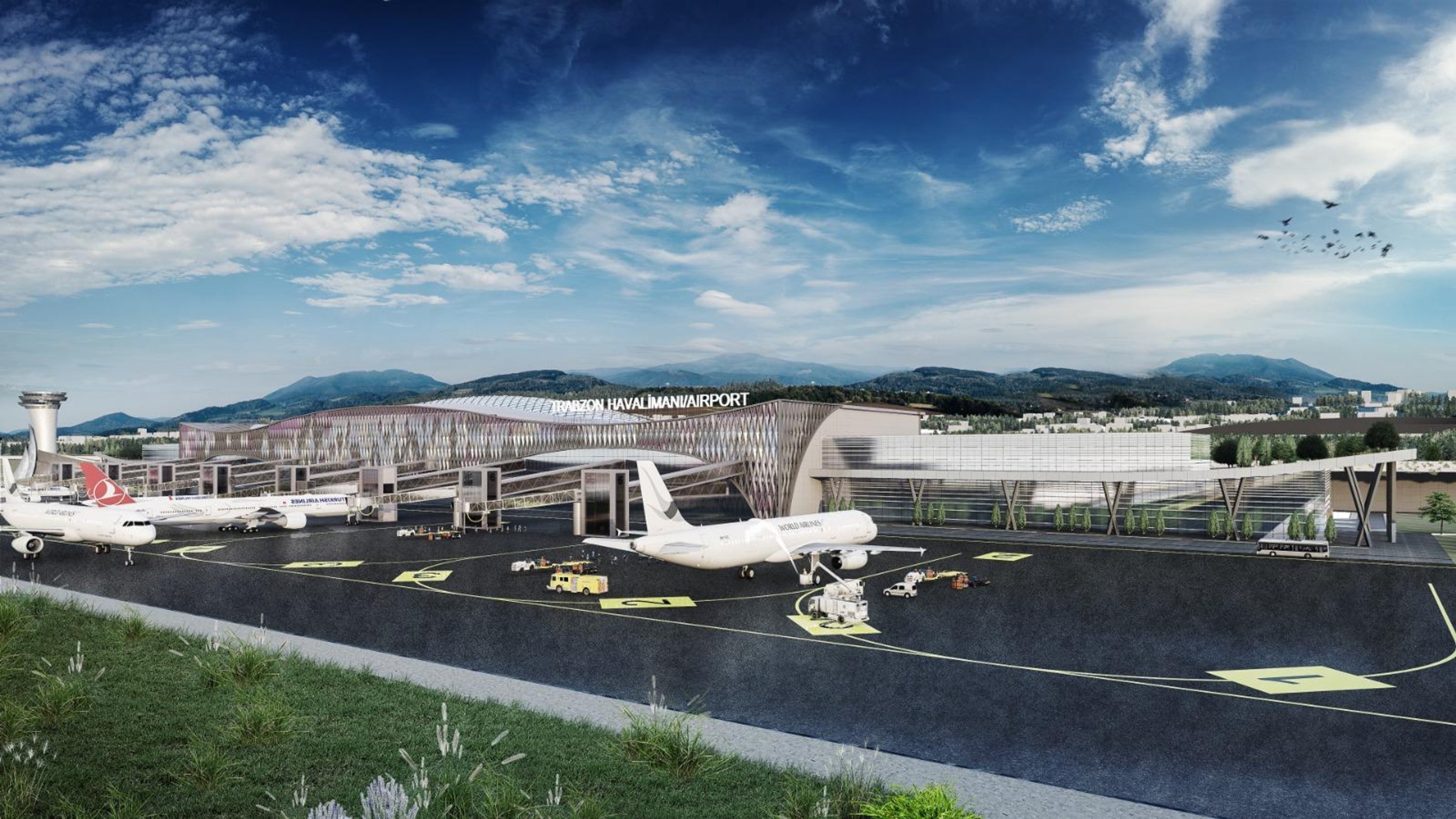
As part of the project, a 6,000-meter protective breakwater is planned to shield the fill area from the sea.
The airport will feature a 3,000-meter runway, 45 meters wide, with a parallel taxiway of the same length and width.
An apron 1,370 meters long and 155 meters wide, and a security apron 400 meters long and 120 meters wide are also part of the project.
According to Uraloğlu, the airport will have a 110,000-square-meter terminal building with capacity for 10 million passengers a year. The existing airport handles more than 3 million passengers a year.
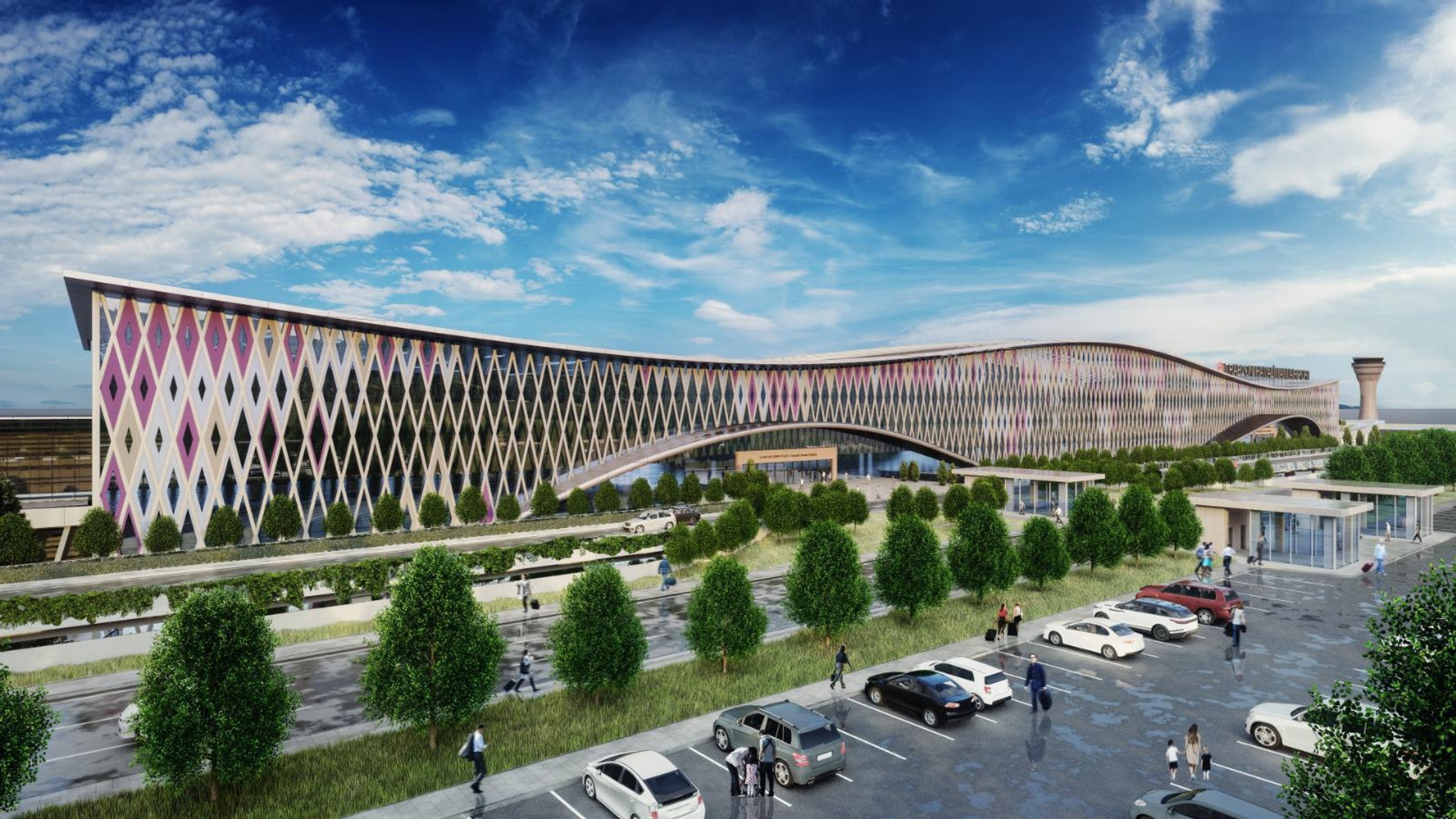
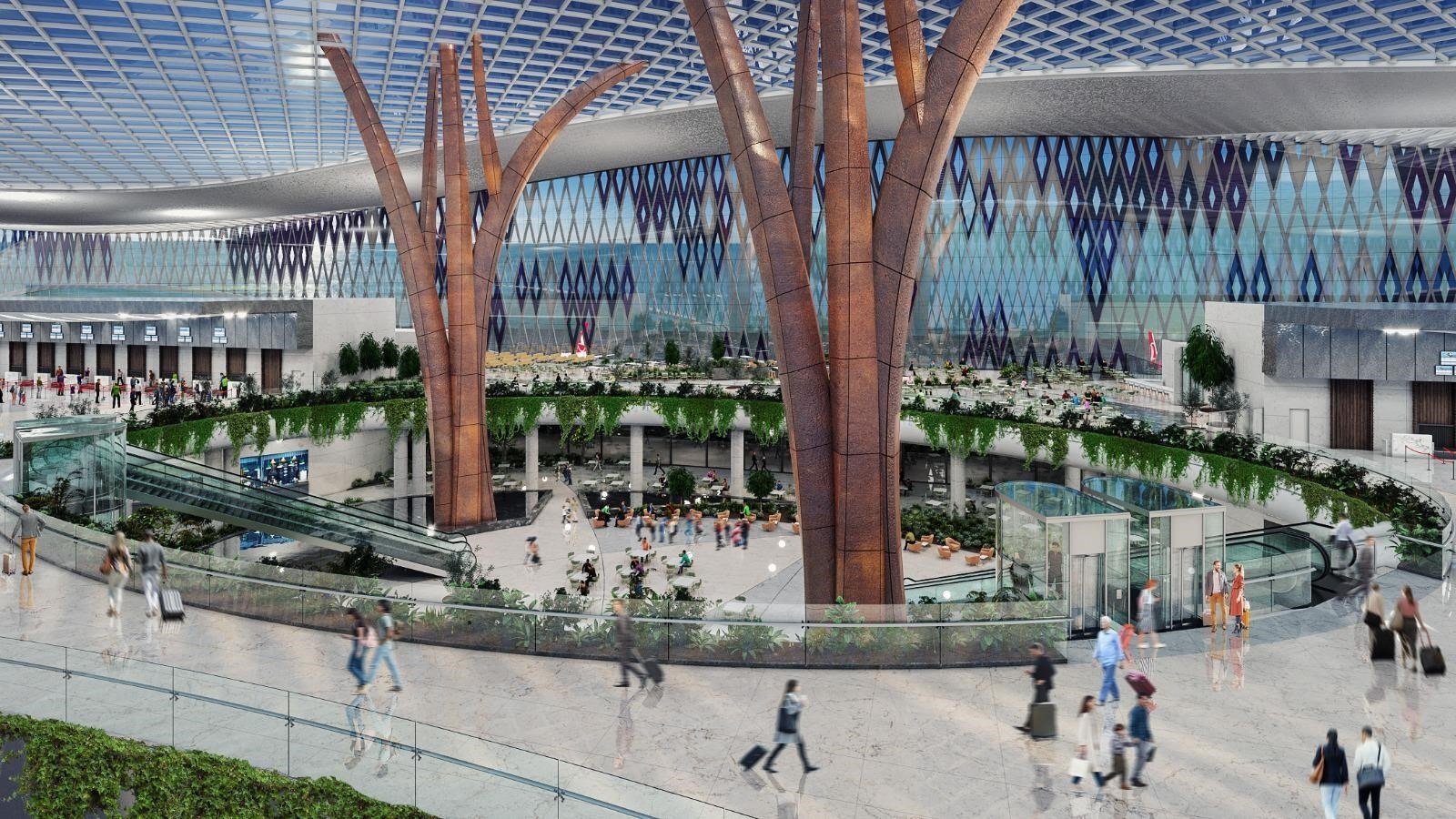
It will also include a technical block of 65,000 square meters, an air traffic control tower and support buildings.
Trabzon, a city of nearly a million people, is known for its green valleys, steep hills and a Byzantine-era monastery.
The local economy runs on agriculture and tourism. The city has become one of the hotspots for foreign tourists in recent years, particularly for those from the Gulf countries.
Türkiye’s securities regulator on Monday said it had raised the financial asset threshold for “qualified investors” fivefold, with existing status holders having to prove again that they meet the new requirements.
The overhaul marks the latest change since a crisis in September prompted authorities to order the liquidation of more than 130 investment funds that authorities suspect were manipulated and inflated in price.
Capital Markets Board (SPK) said the amount of financial assets required for people who ask to be treated as professional clients, which was TL 10 million ($200,000), is now TL 50 million.
The trading volume requirement has risen to TL 25 million from TL 5 million. Amounts that legal entities must meet to be treated as professional clients have also been reset.
The board said the qualified investor conditions in its various communiques, which refer back to the professional investor rules, have been updated to match.
Current holders of qualified investor status must re-document that they meet the new conditions.
The board also removed an exception introduced by a principal decision dated Dec. 18, 2025. It had applied to qualified investors buying units in real estate investment funds and venture capital investment funds.
These investors will now be subject to the same amounts that apply to qualified investors generally.
The board extended to Jan. 31, 2027, the final deadline for investment funds to fully comply with portfolio and investment limits.
The earlier schedule set staged deadlines for Oct. 31 and Nov. 30, 2026, and full compliance by Dec. 31, 2026. Under the update, the final deadline applies without the staged steps.
The board also removed a provision on exceptions for public institutions’ and affiliates’ money and capital market instruments, without affecting similar provisions in its communique on investment funds.
Nearly half a million investors held stakes in the funds that regulators ordered liquidated in mid-September.
Authorities say the liquidation process has been completed for 84 of the 131 initially frozen funds and payments have been made to their investors.
Parliament last week passed a law that establishes a framework for repayments, with payments adjusted for inflation and interim payouts of up to TL 1 million.
In late August, the SPK issued a Fund Guide requiring hedge funds to disclose their portfolios weekly, among other measures. Treasury and Finance Minister Mehmet Şimşek has said further regulation is being studied.
Turkish automaker Tofaş on Monday launched production of a new line of light commercial vehicles in the northwestern automotive hub of Bursa.
The $300 million K9 project is a joint investment by Koç Holding, Türkiye’s largest conglomerate, and Stellantis, the global automaker that owns the Fiat, Peugeot, Citroen and Opel brands.
Industry and Technology Minister Mehmet Fatih Kacır said the K9 project will add 100,000 vehicles of annual production capacity at Tofaş, a long-running venture between Koç and Stellantis, and create 1,000 jobs.
It will also create new business for nearly 100 domestic suppliers, Kacır told the launch ceremony in Bursa.
The line is built on a multi-energy platform, which gives Tofaş production flexibility and could pave the way for electric light commercial vehicles to be built in Bursa, he said.
Production covers models for Citroen, Fiat, Opel and Peugeot under a strategic agreement Stellantis and Tofaş signed in September 2025.
About 20% of K9 output will be exported, Tofaş CEO Cengiz Eroldu said. The plant recently raised its capacity to 500,000 vehicles a year.
Samir Cherfan, Stellantis’ Middle East and Africa operations director, said the project covers five models: the Fiat Doblo, Citroen Berlingo, Opel Combo, and Peugeot Rifter and Partner.
He said the platform is also ready for electric light commercial vehicles.
Eroldu noted that the Fiat Doblo and Opel Combo, produced at the plant from 2000 to 2023, are returning to Bursa under the project. Cherfan said more than 600,000 customers bought the Doblo in that period.
$1B investment in 5 years
Ömer Koç, chair of Koç Holding, said the K9 follows the K0 model, which began production last year.
He said Koç and Stellantis had invested $1 billion in Tofaş over the past five years, half of it in research and development. K9 production is eventually targeted at 150,000 vehicles a year, he said.
Koç said the model will strengthen Türkiye’s leadership in commercial vehicle production in Europe. Tofaş aims to use its capacity fully, offer customers more domestically made models and contribute to the current account balance, he said.
Talks with Stellantis on other new models are continuing, he added.
Tofaş has produced 7.5 million vehicles over half a century, according to Koç. Stellantis handed management of all its Turkish operations to Tofaş as of 2025, a move Koç called a strong sign of both partners’ confidence.
Türkiye’s place in European supply chains
Kacır said Türkiye’s annual goods exports have risen to $283 billion from $36 billion in 2002, and that the automotive industry exported $41.5 billion last year, a record.
He said about 60% of foreign direct investment into Türkiye since 2002 has come from the European Union. Türkiye produced 1.5 million motor vehicles last year, nearly 80% of them at plants run by leading EU automakers, directly or in local partnerships, he said.
He added that 64% of the auto parts industry’s exports go to EU countries, and 56% of auto parts imports come from the bloc.
“The way for Europe to build economies of scale is to increase cooperation with Türkiye, a fast-growing country of 86 million people,” Kacır said. He said Europe’s economy has grown 1.4% a year since 2002, against 5.3% for Türkiye, and that annual car sales in Türkiye have risen from about 300,000 in the early 2000s to 1.5 million.


-
 Politics3 days ago
Türkiye rules out fight against Houthis under Saudi defense pact: Güler
-
 Economy2 days ago
Earnings reports, Fed decision to dominate busy week for markets
-
 Politics21 hours ago
France reportedly mulls postponing Med grid after Türkiye-Libya deal
-
 Politics1 day ago
Turkish opposition parties’ cash row grows
-
 Economy21 hours ago
Ready for French test?: 5 questions for European Central Bank
-
 Politics17 hours ago
Yemen hails strong ties with Türkiye, its role in region
-

 Sports3 days ago
Madrid’s Mourinho rejects Barcelona comparisons ahead of Clasico
-
 Politics3 days ago
8-nation Istanbul talks urge diplomacy to quell Mideast conflicts