
Economy
Fear shadowed making of Musk documentary, director says

Many people were too frightened to speak publicly about Elon Musk, director Alex Gibney said on Tuesday, as he unveiled his marathon documentary about the billionaire entrepreneur at the Venice Film Festival.
Gibney has made films about powerful people, corporations and organizations before: Enron, Elizabeth Holmes, Scientology and the U.S. military’s abuses at Bagram and Abu Ghraib are just a few. And yet, he said, nothing compares to the scope of power held by his latest subject.
With a nearly four-hour runtime, “Musk” is having its world premiere this week at the Venice Film Festival. It’s one of the most hotly anticipated of the festival and the year – Bleecker Street is releasing it in theaters in October.
The movie charts Musk’s rise from the dotcom era to become one of the world’s most influential figures, questioning how an unelected tech titan came to wield such sway over politics and public debate.
“There was a tremendous sense of fear of talking, really almost existential fear, both among people who were his critics, people who were his business colleagues and people who are his friends,” Gibney told Reuters.
“I talked to many, many, many, many people who, except for some of the brave people who are here, declined to speak.”
The Tesla and SpaceX chief has dismissed the film, writing on his social media platform X this month that Gibney was biased and was “obviously going to make the most convincingly terrible hit piece on me that he can possibly think of.”
Hooking up with Trump
Joined by journalist Zoe Schiffer and Ashley St. Clair, Musk’s former partner and the mother of one of his many children, Gibney said he began work on the project in 2023 and had originally planned a less ambitious movie.
“We intended to make a shorter film before Elon Musk became wrapped in the career of Donald Trump and the presidency of the United States,” Gibney said. He added that the first thing he did was to contact Musk, who declined to be interviewed.
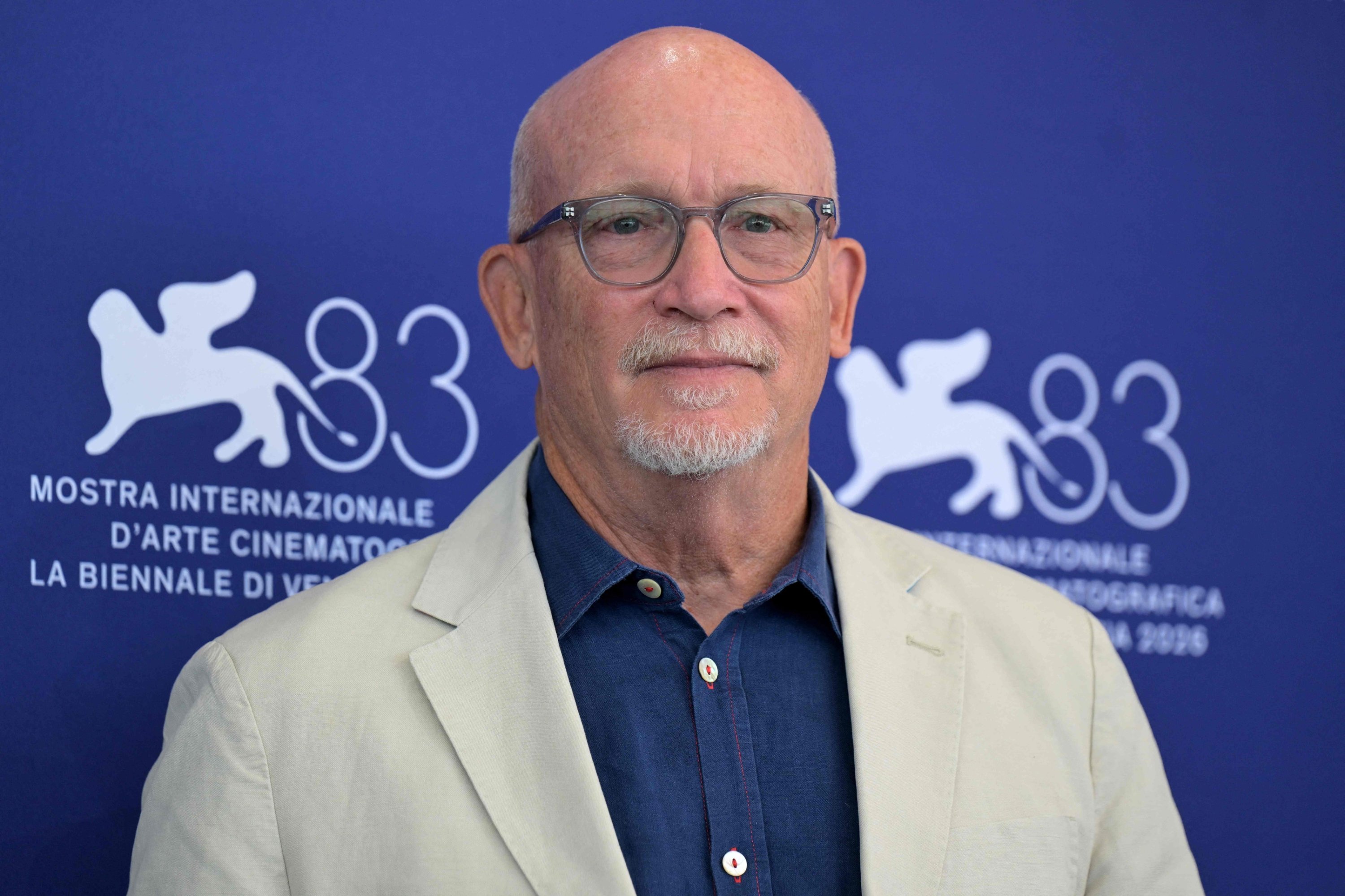
Gibney, whose previous subjects have included the collapse of energy firm Enron and Scientology, said Musk’s ascent was “the story of the confidence man” whose empire was built on an ability to sell inflated visions and hyped-up promises.
Without necessarily presenting any new bombshells, the film links Musk’s takeover of Twitter, his government cost-cutting drive and his reliance on federal contracts to the creation of unprecedented power and wealth in the hands of just one man.
Global political agenda
The documentary uses an AI-generated version of Musk that speaks words he has uttered over the years. Asked whether he expected legal challenges, Gibney said: “We consulted our lawyers, and they gave us a sign-off to go forward.”
After embracing Trump’s MAGA movement, the film shows Musk’s growing support for far-right political causes internationally, including the surging Alternative for Germany (AfD) party.
“I think he’s pursuing a global right-wing agenda, both for ideological and for very practical and monetary reasons,” said Gibney, adding that Musk was “extremely” dangerous to world democracy.
He also offered an unflattering assessment of the billionaire’s character. “I would say he has a very difficult time with empathy,” the director said.
St. Clair, who revealed in the documentary that she had turned down a $40 million non-disclosure agreement after her relationship with Musk ended, echoed the criticism.
“His most complicated relationship is with the truth,” she said. In the film, she says simply: “Elon is a nuke.”
“Musk” is being shown out of competition at the Venice festival, which runs until Sept. 12.

The world will add less clean energy capacity in 2026 for the first time in five years due to inadequate transmission networks and trade barriers, the chief of the International Renewable Energy Agency (IRENA) said Tuesday.
Growth in solar and wind capacity has been accelerating every year since 2021, when the coronavirus pandemic disrupted global supply chains.
Clean power installations, including hydropower, surged a record 692 gigawatts, or 15.5%, to 5,149 GW in 2025 – representing half the world’s power capacity.
Governments have pledged to boost clean energy use to ensure reliable power supply and cut costs, particularly after the US-Israeli war with Iran choked energy supplies and inflated prices. But IRENA Director-General Francesco La Camera noted that there has been a slowdown in renewables deployment in China due to curtailment – or rejection of clean power when a grid hits its limits.
“The main cause of a lack of new record in additions this year is the mismatch between generation capacity and the capacity to distribute and transmit electricity,” he told Reuters on the sidelines of the Singapore International Energy Week conference.
China, the world’s biggest renewable energy producer, turned away enough clean energy to power Mexico for a year in the first half of 2026, while networks in nations such as Australia and Japan also failed to keep pace with a surging renewables buildout.
“The amount of the (capacity) increase in the other parts of the world this year, I don’t think it will offset the slowing down in China,” La Camera said. He declined to provide a numerical forecast for expected growth in clean energy additions this year.
Renewable energy additions are crucial to reducing global emissions, and the United Nations said in a report last week that “urgent and stringent” emission cuts were required to slow global warming.
The Turkish market regulator announced late Monday that it has temporarily halted capital market activities of two portfolio management companies as part of liquidation measures amid the ongoing funds probe that has embroiled Turkish stocks.
The Capital Markets Board (SPK) said in a written statement on its website that it has decided to temporarily suspend the capital markets activities of Tera Portföy and Pusula Portföy and appoint banks to carry out the liquidation of funds established by the companies.
The board said it decided to stop market activities of the mentioned portfolio management companies – including investment funds, real estate investment funds and venture capital investment funds established by them that have been closed to transactions – but are not yet under liquidation as part of the liquidation process.
Authorities announced a series of measures since the middle of September to shore up market stability after some investment funds defaulted on redemption requests, triggering a sharp selloff in Türkiye’s benchmark stock index.
They announced the liquidation of 131 funds managed by seven companies, including Tera and Pusula. The liquidation process has been split into ordinary and extraordinary procedures.
The SPK said on Monday it mandated private lender Işbank to oversee the liquidation of the funds established by Tera Portföy and state-run Ziraat Bank to oversee the liquidation of those established by Pusula Portföy.
Earlier during the day, the regulator also said it raised the amount of financial assets required for people who ask to be treated as professional clients to TL 50 million (around $1 million) from earlier TL 10 million.
Construction site work has begun on a new airport in the Black Sea province of Trabzon, which will be Türkiye’s third built on the sea, Transport and Infrastructure Minister Abdulkadir Uraloğlu said Monday.
The work has started on setting up the construction site for the infrastructure, and the project will require 100 million tons of fill dumped into the Black Sea, Uraloğlu said.
The existing airport’s single 2,640-meter runway and its facilities are inadequate for growing passenger and cargo traffic, the minister said.
“We will give Trabzon a new, higher-capacity, modern airport that meets international standards,” Uraloğlu said.
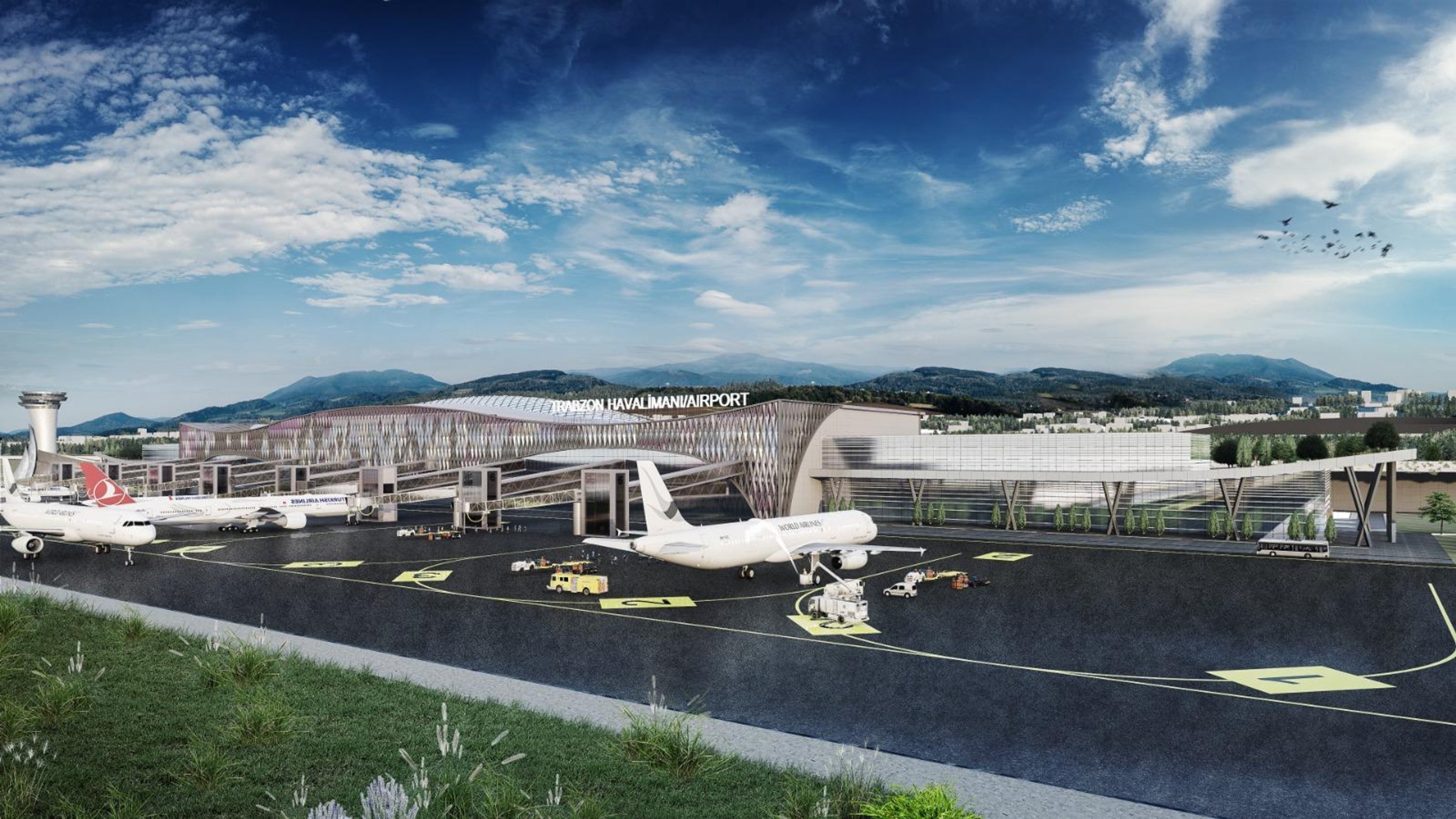
As part of the project, a 6,000-meter protective breakwater is planned to shield the fill area from the sea.
The airport will feature a 3,000-meter runway, 45 meters wide, with a parallel taxiway of the same length and width.
An apron 1,370 meters long and 155 meters wide, and a security apron 400 meters long and 120 meters wide are also part of the project.
According to Uraloğlu, the airport will have a 110,000-square-meter terminal building with capacity for 10 million passengers a year. The existing airport handles more than 3 million passengers a year.
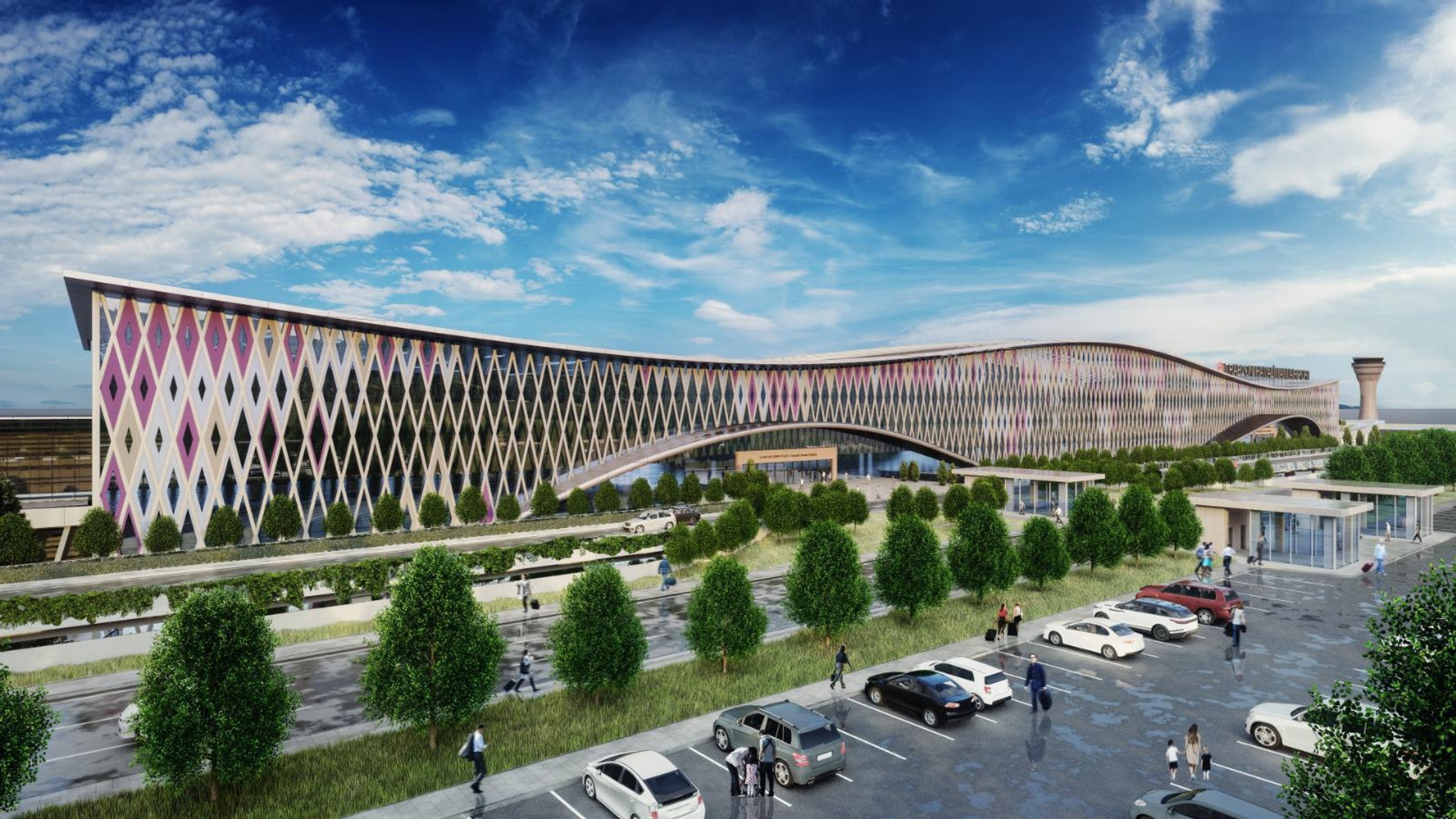
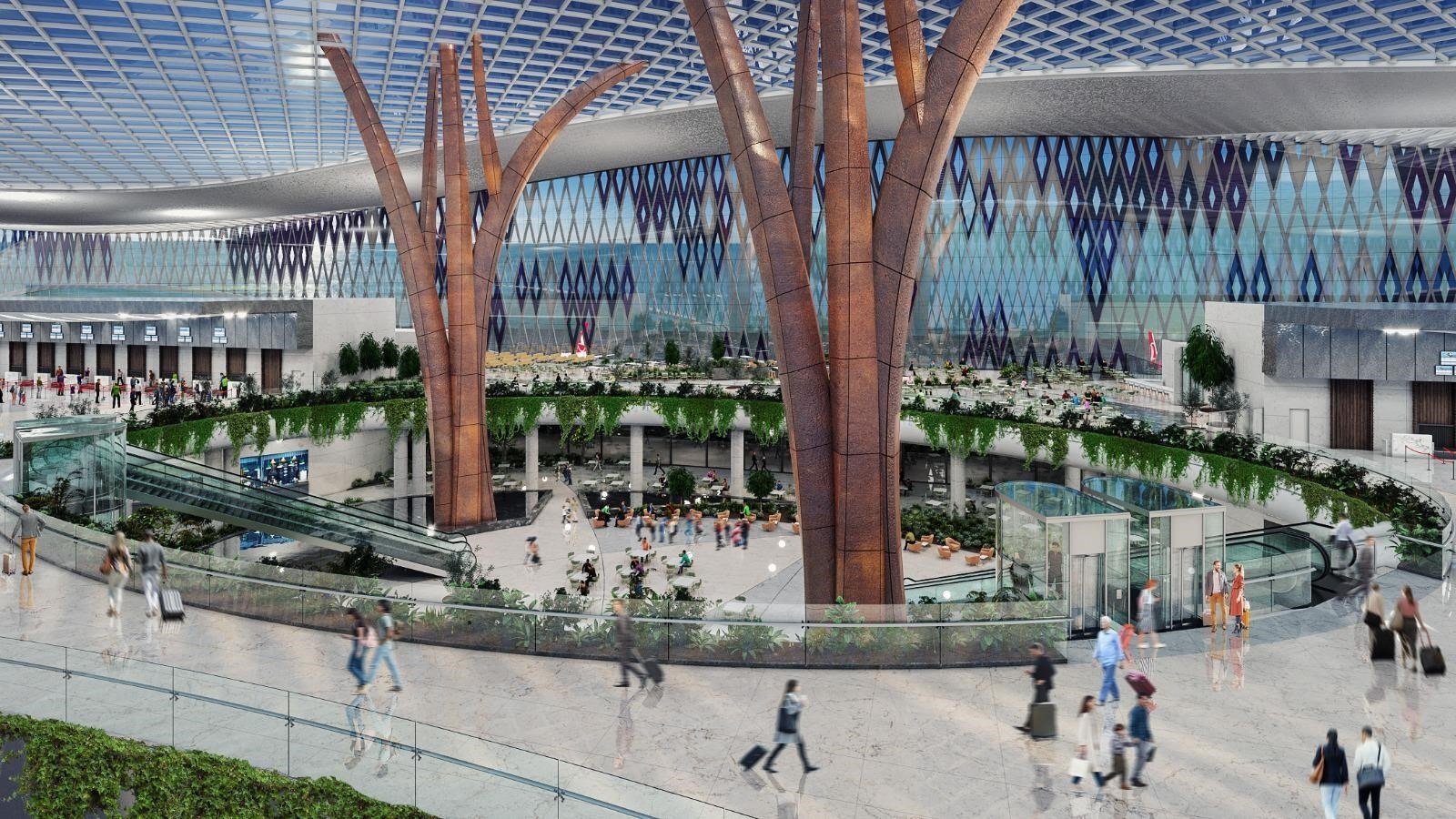
It will also include a technical block of 65,000 square meters, an air traffic control tower and support buildings.
Trabzon, a city of nearly a million people, is known for its green valleys, steep hills and a Byzantine-era monastery.
The local economy runs on agriculture and tourism. The city has become one of the hotspots for foreign tourists in recent years, particularly for those from the Gulf countries.
Türkiye’s securities regulator on Monday said it had raised the financial asset threshold for “qualified investors” fivefold, with existing status holders having to prove again that they meet the new requirements.
The overhaul marks the latest change since a crisis in September prompted authorities to order the liquidation of more than 130 investment funds that authorities suspect were manipulated and inflated in price.
Capital Markets Board (SPK) said the amount of financial assets required for people who ask to be treated as professional clients, which was TL 10 million ($200,000), is now TL 50 million.
The trading volume requirement has risen to TL 25 million from TL 5 million. Amounts that legal entities must meet to be treated as professional clients have also been reset.
The board said the qualified investor conditions in its various communiques, which refer back to the professional investor rules, have been updated to match.
Current holders of qualified investor status must re-document that they meet the new conditions.
The board also removed an exception introduced by a principal decision dated Dec. 18, 2025. It had applied to qualified investors buying units in real estate investment funds and venture capital investment funds.
These investors will now be subject to the same amounts that apply to qualified investors generally.
The board extended to Jan. 31, 2027, the final deadline for investment funds to fully comply with portfolio and investment limits.
The earlier schedule set staged deadlines for Oct. 31 and Nov. 30, 2026, and full compliance by Dec. 31, 2026. Under the update, the final deadline applies without the staged steps.
The board also removed a provision on exceptions for public institutions’ and affiliates’ money and capital market instruments, without affecting similar provisions in its communique on investment funds.
Nearly half a million investors held stakes in the funds that regulators ordered liquidated in mid-September.
Authorities say the liquidation process has been completed for 84 of the 131 initially frozen funds and payments have been made to their investors.
Parliament last week passed a law that establishes a framework for repayments, with payments adjusted for inflation and interim payouts of up to TL 1 million.
In late August, the SPK issued a Fund Guide requiring hedge funds to disclose their portfolios weekly, among other measures. Treasury and Finance Minister Mehmet Şimşek has said further regulation is being studied.
Turkish automaker Tofaş on Monday launched production of a new line of light commercial vehicles in the northwestern automotive hub of Bursa.
The $300 million K9 project is a joint investment by Koç Holding, Türkiye’s largest conglomerate, and Stellantis, the global automaker that owns the Fiat, Peugeot, Citroen and Opel brands.
Industry and Technology Minister Mehmet Fatih Kacır said the K9 project will add 100,000 vehicles of annual production capacity at Tofaş, a long-running venture between Koç and Stellantis, and create 1,000 jobs.
It will also create new business for nearly 100 domestic suppliers, Kacır told the launch ceremony in Bursa.
The line is built on a multi-energy platform, which gives Tofaş production flexibility and could pave the way for electric light commercial vehicles to be built in Bursa, he said.
Production covers models for Citroen, Fiat, Opel and Peugeot under a strategic agreement Stellantis and Tofaş signed in September 2025.
About 20% of K9 output will be exported, Tofaş CEO Cengiz Eroldu said. The plant recently raised its capacity to 500,000 vehicles a year.
Samir Cherfan, Stellantis’ Middle East and Africa operations director, said the project covers five models: the Fiat Doblo, Citroen Berlingo, Opel Combo, and Peugeot Rifter and Partner.
He said the platform is also ready for electric light commercial vehicles.
Eroldu noted that the Fiat Doblo and Opel Combo, produced at the plant from 2000 to 2023, are returning to Bursa under the project. Cherfan said more than 600,000 customers bought the Doblo in that period.
$1B investment in 5 years
Ömer Koç, chair of Koç Holding, said the K9 follows the K0 model, which began production last year.
He said Koç and Stellantis had invested $1 billion in Tofaş over the past five years, half of it in research and development. K9 production is eventually targeted at 150,000 vehicles a year, he said.
Koç said the model will strengthen Türkiye’s leadership in commercial vehicle production in Europe. Tofaş aims to use its capacity fully, offer customers more domestically made models and contribute to the current account balance, he said.
Talks with Stellantis on other new models are continuing, he added.
Tofaş has produced 7.5 million vehicles over half a century, according to Koç. Stellantis handed management of all its Turkish operations to Tofaş as of 2025, a move Koç called a strong sign of both partners’ confidence.
Türkiye’s place in European supply chains
Kacır said Türkiye’s annual goods exports have risen to $283 billion from $36 billion in 2002, and that the automotive industry exported $41.5 billion last year, a record.
He said about 60% of foreign direct investment into Türkiye since 2002 has come from the European Union. Türkiye produced 1.5 million motor vehicles last year, nearly 80% of them at plants run by leading EU automakers, directly or in local partnerships, he said.
He added that 64% of the auto parts industry’s exports go to EU countries, and 56% of auto parts imports come from the bloc.
“The way for Europe to build economies of scale is to increase cooperation with Türkiye, a fast-growing country of 86 million people,” Kacır said. He said Europe’s economy has grown 1.4% a year since 2002, against 5.3% for Türkiye, and that annual car sales in Türkiye have risen from about 300,000 in the early 2000s to 1.5 million.
Britain’s new government unveils its first budget Wednesday, testing a commitment of Prime Minister Andy Burnham to ease the cost of living and ramp up defense spending with little financial room for maneuver.
It could prove to be a tall order for Treasury chief John Healey as rising inflation and borrowing costs – largely a consequence of the U.S.-Iran war – increase the government’s debt pile and heap pressure on businesses and individuals.
“This is a budget that is about breathing space for people, for businesses too, and that helps bring a bit of hope,” Burnham, who replaced Keir Starmer as prime minister in July with their Labour party down in the polls, said Monday.
Speaking to the Good Morning Britain television program, he added that the latest annual tax and spending plans will set out “the path to meet our NATO commitments” under a “funded” defense plan.
Labour had ruled out rises to income and capital gains tax, raising the prospect of spending cuts to balance the books, according to analysts.
The budget is expected to focus on smaller, more immediate measures to help ease pressure on household bills, they added.
“Priority has to be credibility first, which means a budget that clearly meets the fiscal rules, is fully costed and avoids large unfunded giveaways,” James Wood, professor of political economy at the University of Cambridge, told Agence France-Presse (AFP).
“With government debt at around 94% of GDP, the room to maneuver is limited,” he added.
Healey, whose official title is chancellor of the exchequer, has pledged to abide by the rules laid out by his predecessor Rachel Reeves, which state that day-to-day spending must balance with government tax receipts.
The International Monetary Fund (IMF) recently forecast that Britain’s economy would grow faster than expected this year, before slowing slightly in 2027.
Banks to be hit?
Healey is expected to use a windfall tax on banks to fund a package of spending measures to help households manage rising energy bills.
Oil and gas companies operating in the U.K. already face a windfall tax on their bumper profits.
Burnham, who will on Tuesday have served 100 days as prime minister, has already offered the British public some relatively low-cost relief such as a tax cut on electricity bills.
Further measures could entail an extension to a freeze on fuel duty and more targeted help for the poorest households, according to reports.
Surging diesel costs at the pump helped push Britain’s annual inflation rate to 3.5% in September, the highest rate for nearly a year. Average U.K. diesel prices went on to hit record highs earlier this month.
The government last week approved drilling in a North Sea gas field, claiming the move was aimed at boosting energy security rather than cutting bills.
The budget will also include measures to reduce “pointless paperwork” to lower costs for businesses, according to Healey.
A package of investment in artificial intelligence safety was announced by the Treasury over the weekend, amid growing global concerns over the cyber risks posed by AI.
“The short-run focus is likely to be on reassuring markets and supporting businesses… with more generous measures held back,” said Wood.
Surging borrowing costs
The government’s fiscal headroom of 23.6 billion pounds ($31.5 billion) is expected to be slashed in an update given alongside the budget, as higher borrowing costs hike the state’s debt repayments.
The Office for Budget Responsibility, an independent financial watchdog, will on Wednesday also publish its latest U.K. growth and inflation forecasts.
Government bond yields around the world have struck multi-decade highs in recent weeks as wider inflation climbs largely because of energy prices soaring on wars in the Middle East and Ukraine.
Rising inflation has cemented expectations that the Bank of England (BoE) will hike its benchmark interest rate next month, further pressuring Britons holding loans, including mortgages.


-
 Politics3 days ago
Türkiye rules out fight against Houthis under Saudi defense pact: Güler
-
 Economy2 days ago
Earnings reports, Fed decision to dominate busy week for markets
-
 Politics20 hours ago
France reportedly mulls postponing Med grid after Türkiye-Libya deal
-
 Politics23 hours ago
Turkish opposition parties’ cash row grows
-
 Politics16 hours ago
Yemen hails strong ties with Türkiye, its role in region
-
 Economy20 hours ago
Ready for French test?: 5 questions for European Central Bank
-
 Sports3 days ago
Madrid’s Mourinho rejects Barcelona comparisons ahead of Clasico
-
 Politics3 days ago
8-nation Istanbul talks urge diplomacy to quell Mideast conflicts